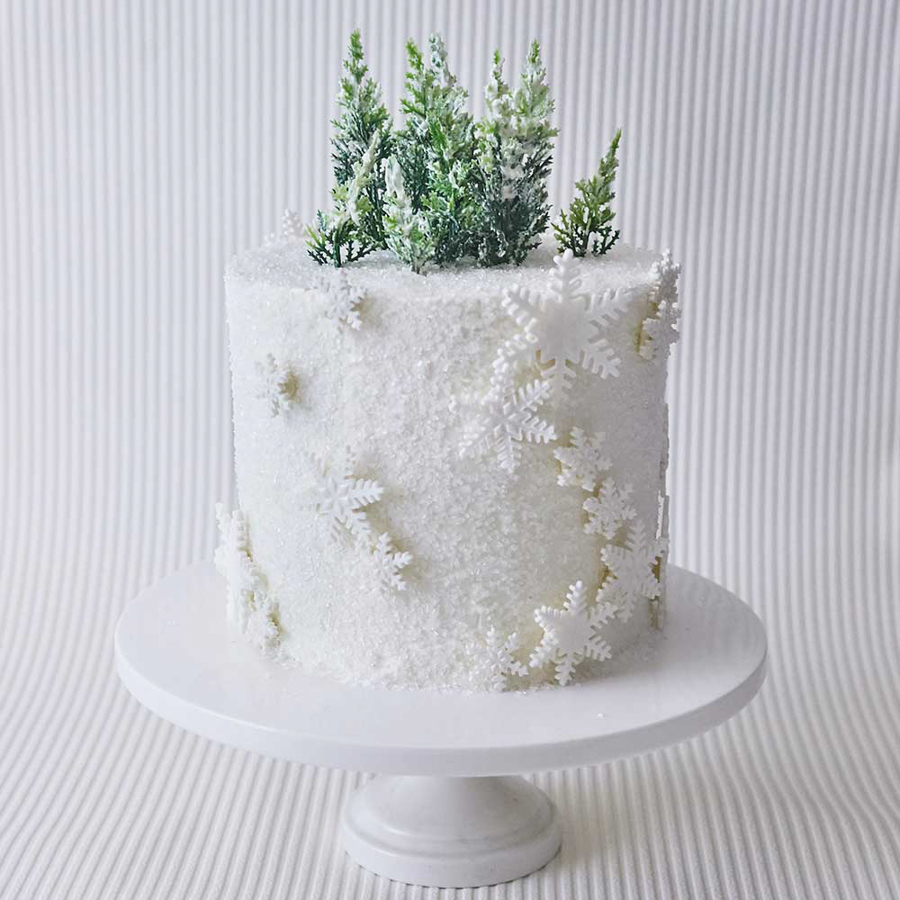
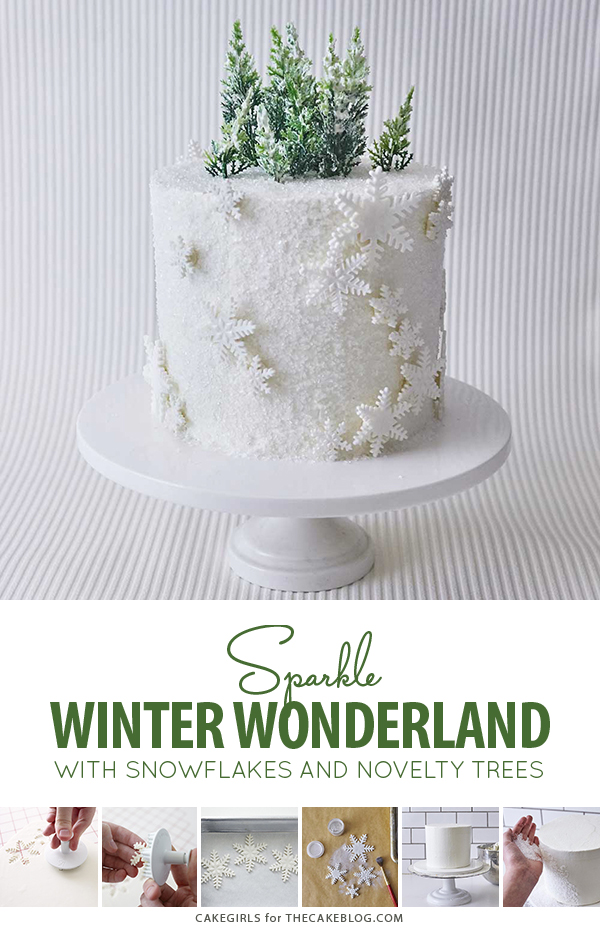
A breathtakingly elegant "Winter Wonderland Snowflake Cake," a new tutorial crafted by the talented Cakegirls duo, Mary and Brenda Maher, offers enthusiasts a delightful opportunity to recreate a show-stopping holiday centerpiece. This visually stunning cake, adorned with delicate snowflakes and frosted trees, promises to transform any festive gathering into a magical winter scene. The tutorial, published on TheCakeBlog.com, details a step-by-step process designed for both novice and experienced bakers to achieve a professional-quality dessert.
The inspiration for this enchanting cake reportedly struck Mary Maher during a serene winter walk through Chicago. The picturesque sight of snow-dusted streets and trees, reminiscent of a glistening snow globe, sparked the creative vision for a cake that would capture the ephemeral beauty of a snowy landscape. "The streets and trees looked like the inside of a snow globe. Sparkly and white. Snowflakes falling slowly and frosted trees throughout the park. Eureka," the Cakegirls shared in their tutorial, highlighting the organic genesis of the design. This realization led to the development of a cake that is both stunningly simple in its core concept and exquisitely elegant in its execution.
At the heart of the Winter Wonderland Snowflake Cake lies a fundamental cake decorating tool: a snowflake cutter. The tutorial emphasizes that this is an essential item for any baker’s toolkit, providing a versatile foundation for creating intricate winter motifs. Complementing the snowflakes are elements of sparkly sugar, designed to mimic the glistening effect of frost and snow, and miniature novelty trees, which collectively evoke a charming winter forest scene.
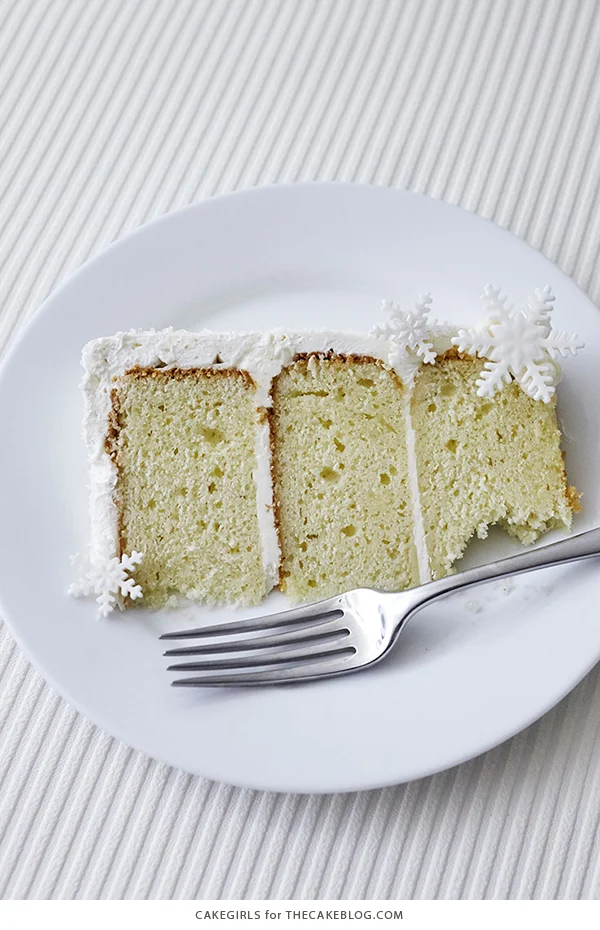
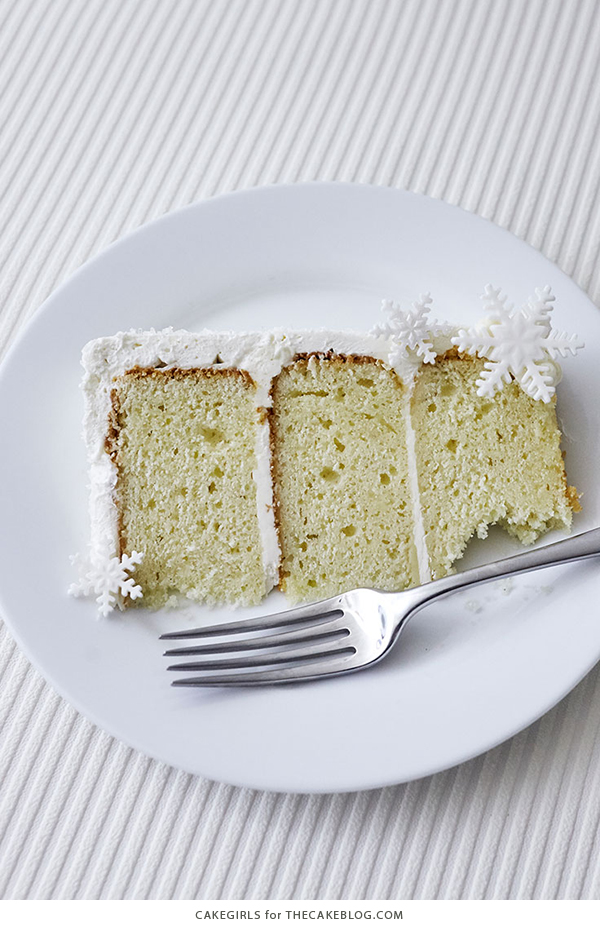
The Cakegirls recommend a vanilla cake base with Swiss meringue buttercream for the cake’s interior, aiming for a confection that is as "wintery white" on the inside as it is on the outside. However, they also offer alternative flavor suggestions to cater to diverse palates. For those seeking a more festive twist, the tutorial points to a recipe for an eggnog-infused layer cake or a celebratory Champagne Mimosa Cake, both available on TheCakeBlog.com. These suggestions underscore the adaptability of the cake’s design, allowing bakers to personalize the flavor profile while maintaining the visual aesthetic.
Technical Specifications and Preparation Timeline
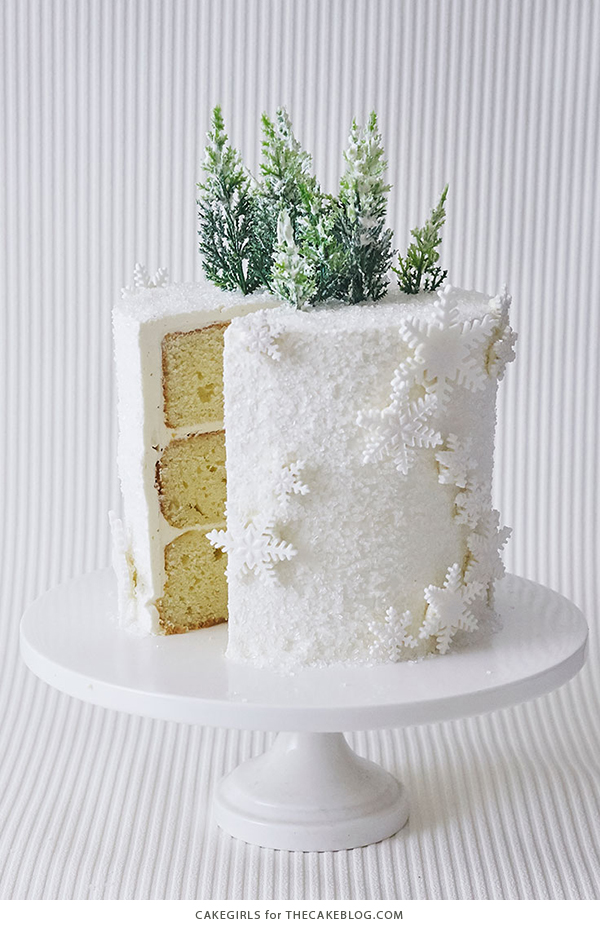
To construct the Winter Wonderland Snowflake Cake, bakers will require three 6-inch round cake layers and one batch of buttercream. For larger cakes, the tutorial advises doubling the amount of white crystal sugar coating. The preparation process is thoughtfully divided into two key stages: one day prior and the day of assembly.
Day Before: Crafting the Delicate Snowflakes
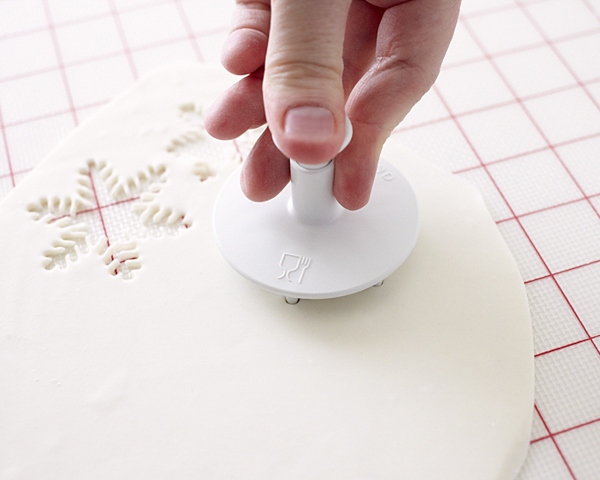
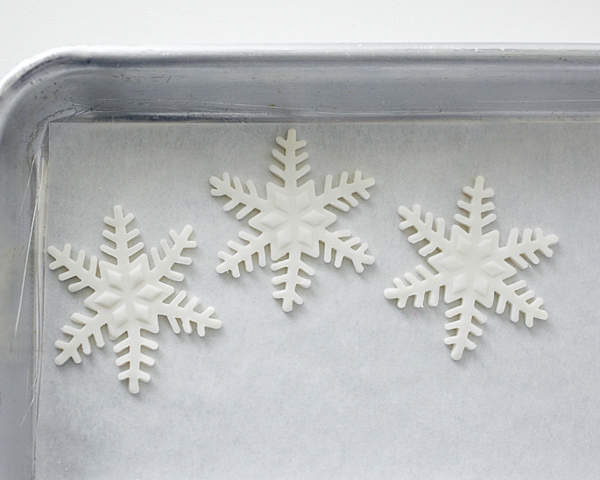
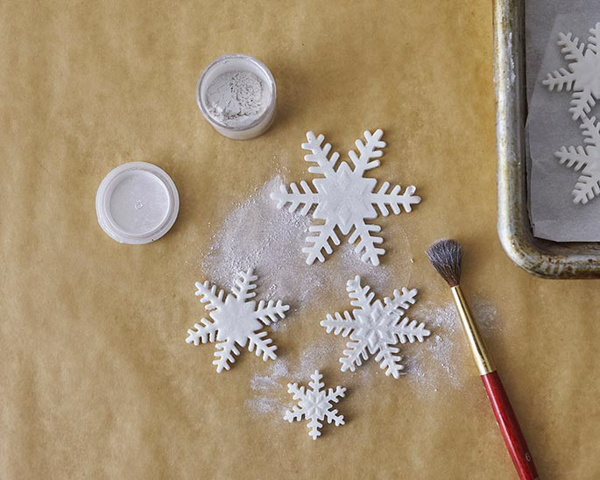
The initial phase of preparation focuses on creating the intricate fondant snowflakes. This involves rolling out white fondant to a very thin consistency, approximately 1/16 to 1/8 inch thick, on a surface lightly dusted with powdered sugar. Snowflake cutters of various sizes are then employed to create a collection of delicate decorations. These freshly cut snowflakes are then placed on a parchment-lined tray to dry. The Cakegirls wisely advise making an abundance of snowflakes, acknowledging that some may break during the drying or application process.
Following the drying period, the snowflakes are enhanced with a touch of Super Pearl luster dust. This dry application of luster dust imparts a shimmering, ethereal finish without the need for a liquid binder. The tutorial notes that this luster dust is purely decorative, and the snowflakes should be removed before serving the cake to guests. For those who wish for their snowflakes to be entirely edible, an alternative is suggested: either to omit the luster dust or to utilize an FDA-approved edible luster dust brand.
The Day Of: Assembling the Wintery Landscape
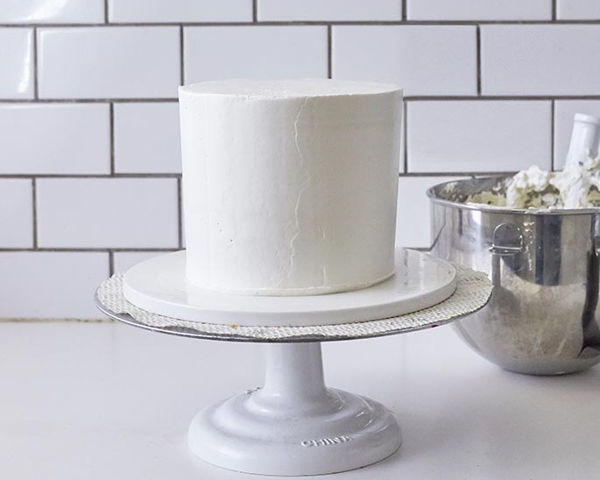
On the day of assembly, the focus shifts to the cake’s exterior and the meticulous placement of decorative elements. The three-layer, 6-inch cake is first frosted with buttercream, ensuring a smooth and even coating. This smooth surface is crucial for the subsequent application of the sugar "snow."

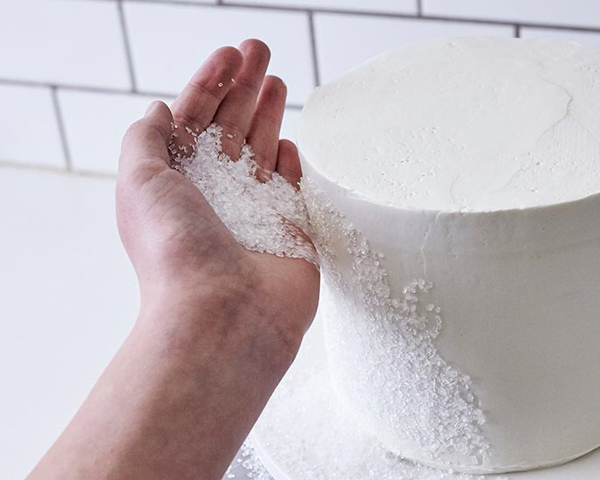
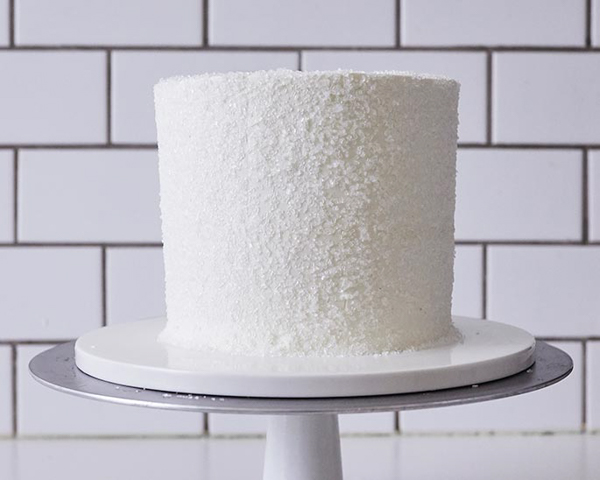
To achieve the frosted effect, the cake is chilled in the refrigerator for approximately one hour until the buttercream is very firm. Once chilled, the cake is removed, and white sugar crystals are poured into the palm of the baker’s hand. This sugar is then gently pressed against the sides of the cake as the hand is moved upwards. The tutorial stresses the importance of placing a cake pan or tray beneath the cake to catch any falling sugar, allowing for its reuse. A spoon is then used to sprinkle additional crystals onto the top surface of the cake. The Cakegirls encourage bakers not to be concerned about any bare spots, as these imperfections provide ideal locations for attaching the previously prepared snowflakes.
The next step involves preparing the miniature novelty trees. The tutorial suggests bending them slightly to achieve a straighter appearance and trimming some to varying heights for a more natural forest look. A light smear of buttercream is applied to the trees to create a "snowy" effect, and they are then arranged on top of the cake in a cluster, forming a charming miniature forest.
Finally, dots of buttercream are strategically piped onto the sides of the cake. These act as adhesive points for attaching the various-sized snowflakes. This final touch transforms the cake into a complete Winter Wonderland scene. The tutorial concludes with a simple yet triumphant "Voila! Your cake is done! Now you have a lovely Winter Wonderland dessert."
The Significance of Holiday Centerpieces in Culinary Traditions
The creation of elaborate holiday cakes like the Winter Wonderland Snowflake Cake is deeply rooted in culinary traditions that span centuries. Throughout history, cakes have served not only as a source of sustenance but also as symbols of celebration, prosperity, and artistry. In Western cultures, particularly during the Christmas and winter holiday season, the centerpiece cake often embodies themes of warmth, abundance, and enchantment. The act of baking and decorating a special cake is frequently a family or community activity, fostering connection and shared joy.
The rise of social media and online platforms like TheCakeBlog.com has democratized access to sophisticated decorating techniques. Tutorials such as the one provided by Cakegirls empower individuals to replicate professional-looking creations in their own homes, contributing to a broader trend of home baking becoming an increasingly elaborate and artistic pursuit. This trend is supported by data from market research firms, which consistently show growth in the home baking sector, driven by consumer interest in creative expression and artisanal food products. For instance, reports from organizations like Statista indicate a steady increase in the sale of baking ingredients, tools, and decorative items, reflecting a sustained engagement with home baking as a hobby and a form of culinary artistry.
The Winter Wonderland Snowflake Cake, with its elegant design and accessible instructions, taps into this cultural phenomenon. It offers a tangible way for individuals to bring a touch of magic and sophistication to their holiday celebrations, reinforcing the idea that food can be both delicious and a form of visual storytelling.
Analysis of Impact and Broader Implications
The popularity of tutorials like this one from Cakegirls has several implications for the culinary world and for home bakers. Firstly, it lowers the barrier to entry for creating complex and visually appealing desserts, encouraging more people to engage with cake decorating. This can lead to increased confidence and skill development among amateur bakers.
Secondly, it contributes to the ongoing trend of "food as art," where aesthetics play a significant role in the appreciation of culinary creations. The visual appeal of the Winter Wonderland Snowflake Cake is as important as its taste, reflecting a broader cultural shift towards valuing the visual presentation of food, particularly in the age of social media sharing.
Thirdly, such tutorials can stimulate demand for specialized baking supplies. The mention of snowflake cutters, luster dust, and novelty trees indicates a niche market for these items, which is likely to grow as more individuals are inspired to undertake similar projects. This can, in turn, support small businesses and artisans who specialize in creating and selling these unique baking tools and decorations.
Finally, the collaborative nature of such tutorials, with contributors like Cakegirls sharing their expertise on platforms like TheCakeBlog.com, fosters a sense of community among bakers. It allows for the sharing of knowledge, inspiration, and encouragement, further enriching the home baking experience. The success of such tutorials underscores the enduring appeal of hands-on creativity and the desire to craft memorable experiences through food, especially during significant cultural moments like the winter holidays.