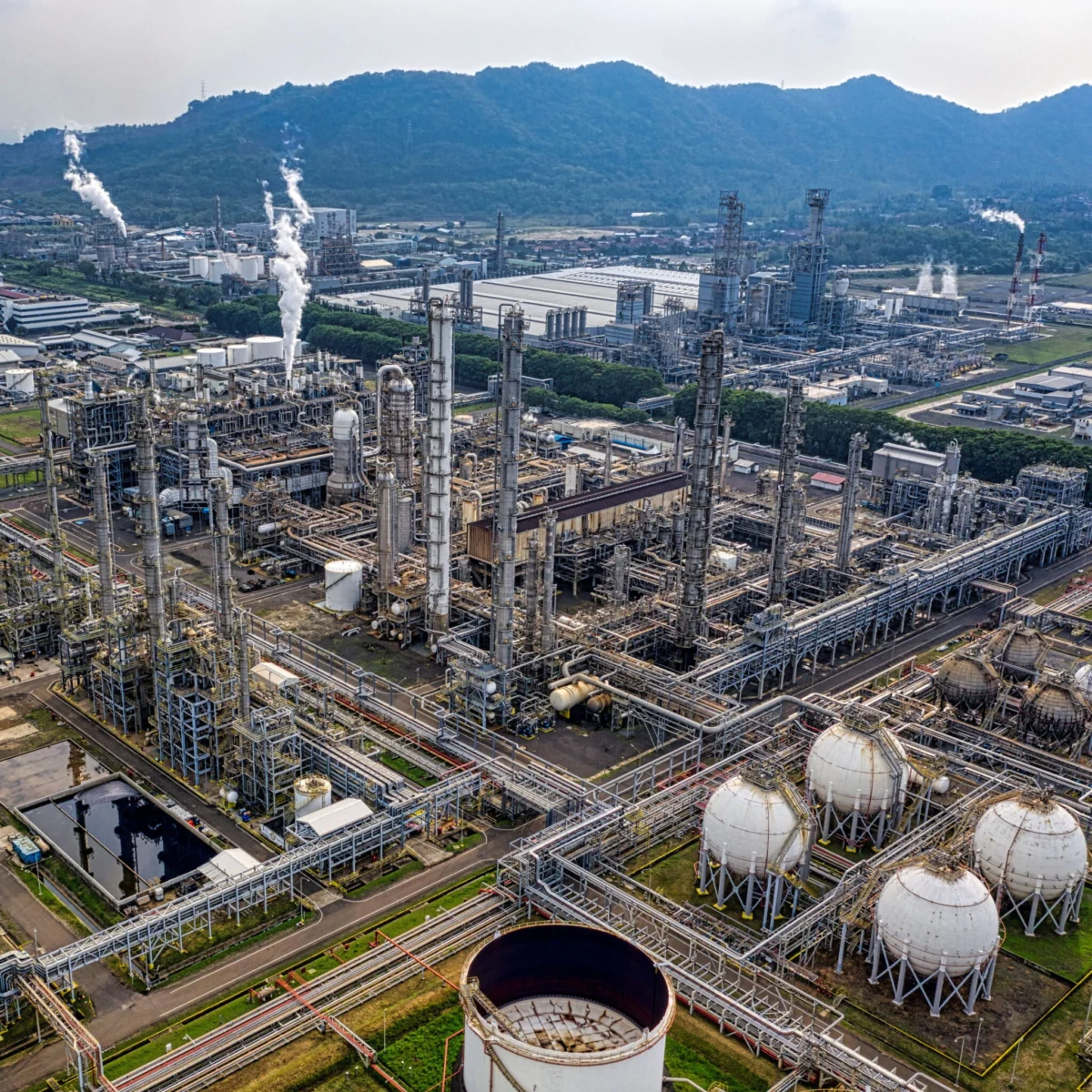
The 85-mile corridor along the Mississippi River between Baton Rouge and New Orleans, Louisiana, has long been a focal point of American industrial productivity. Known historically for its fertile soil and plantation economies, the region has transformed over the last century into one of the world’s most densely concentrated hubs for the petrochemical industry. Today, more than 200 fossil fuel and petrochemical operations line the riverbanks, producing the essential components for modern life, from plastics and synthetic rubbers to pesticides and pharmaceuticals. However, this industrial density has earned the region a grim colloquialism: "Cancer Alley." Recent reports and environmental studies indicate that residents in these communities face a health risk from hazardous air pollutants that is more than ten times higher than the average for the rest of the state, sparking a national debate over environmental justice, industrial regulation, and the long-term viability of petrochemical expansion.
Defining the Petrochemical Infrastructure
Petrochemical plants are complex industrial facilities designed to process crude oil and natural gas—often obtained through hydraulic fracturing, or "fracking"—into various chemical building blocks. These facilities are frequently integrated into larger refinery complexes to minimize transport costs and maximize efficiency. The transformation of raw hydrocarbons into industrial chemicals is a multi-stage, energy-intensive process that involves "cracking" large molecules into smaller, more versatile ones.
The most common output of these facilities is ethylene, often described as the world’s most important chemical. Produced in olefin plants through steam cracking, ethylene is the primary feedstock for polyethylene, the most common plastic resin. This material is categorized into various grades, such as High-Density Polyethylene (HDPE), used for durable goods like milk jugs and detergent bottles, and Low-Density Polyethylene (LDPE), utilized for flexible products like grocery bags and plastic films.
Beyond olefins, the industry relies on aromatic plants, which produce benzene, toluene, and xylene. These chemicals are foundational to the production of dyes, detergents, and synthetic fibers. Additionally, syngas plants utilize natural gas or coal to generate synthetic gas, which is then converted into ammonia for fertilizers or methanol for industrial solvents. While these products are integral to global supply chains, their production releases a cocktail of volatile organic compounds (VOCs), particulate matter, and greenhouse gases.
A Chronology of Industrialization and Advocacy
The transition of the Mississippi River corridor from an agricultural center to an industrial powerhouse followed a specific historical trajectory.
1940s–1960s: The Industrial Boom
Following World War II, the United States experienced a massive surge in demand for synthetic materials. Louisiana’s proximity to oil reserves and its access to the Mississippi River for shipping made it an ideal location for refinery expansion. State policies, including generous tax exemptions, incentivized global corporations to build massive complexes on former plantation lands.
1980s: The Emergence of "Cancer Alley"
By the mid-1980s, local residents began noticing unusual clusters of rare cancers, respiratory illnesses, and miscarriages. The term "Cancer Alley" was coined by community activists and health researchers who observed that the health outcomes in these predominantly Black and low-income neighborhoods were significantly worse than in neighboring parishes.
2018–2021: Grassroots Mobilization
The formation of groups such as Rise St. James, led by retired teacher Sharon Lavigne, marked a shift in the region’s resistance. Activists began utilizing environmental monitoring data and civil rights law to challenge the permitting of new facilities, such as the proposed Formosa Plastics complex.
2022–2024: Federal Intervention and Retraction
The Biden-Harris administration initially prioritized the region through the Environmental Protection Agency’s (EPA) "Journey to Justice" initiative. In 2023, the Department of Justice (DOJ) filed a significant lawsuit against Denka Performance Elastomer, alleging that its neoprene manufacturing facility posed an unacceptable cancer risk to the community due to chloroprene emissions. However, by early 2025, shifts in federal administrative priorities led to the dropping of several key lawsuits and a reduction in federal oversight, leaving local advocacy groups to pursue litigation in state courts.
Public Health Data and the "Sacrifice Zone" Phenomenon
The health implications of living in close proximity to petrochemical plants are documented in numerous peer-reviewed studies. According to a 2024 report by Human Rights Watch, titled “We’re Dying Here,” the residents of Louisiana’s industrial corridor are subjected to air that contains elevated levels of ethylene oxide, benzene, and chloroprene—all of which are classified by the EPA as known or probable human carcinogens.
The report, based on 70 interviews and extensive data analysis, highlights a harrowing trend of reproductive health issues. Women in Cancer Alley reported high rates of miscarriages, stillbirths, and high-risk pregnancies. Furthermore, the risk of respiratory illnesses, such as asthma and chronic obstructive pulmonary disease (COPD), is significantly higher in these zip codes than the national average.
The concept of a "sacrifice zone" has been used by sociologists and environmentalists to describe these areas. This term refers to geographic locales that have been permanently impaired by environmental damage or economic disinvestment, where the health of the local population is effectively traded for the economic benefit of the broader society. In Cancer Alley, this is exacerbated by the fact that the affected populations are disproportionately BIPOC (Black, Indigenous, and People of Color) and low-income, raising profound questions about systemic environmental racism.
Environmental Degradation: Water, Soil, and Climate
The impact of the petrochemical industry extends beyond air quality, affecting the entire ecosystem of the Gulf Coast.
Water Contamination
Petrochemical plants require vast amounts of water for cooling and processing. When this water is discharged back into the Mississippi River, it often contains toxins that traditional municipal treatment plants are not equipped to filter. An Environmental Integrity Project (EIP) report found that dozens of petrochemical companies discharge millions of pounds of pollutants into waterways annually. Among the most concerning contaminants are per- and polyfluoroalkyl substances (PFAS), often called "forever chemicals." In some areas of Cancer Alley, PFAS levels in drinking water have been measured at hundreds of times the safety thresholds suggested by health experts.
Soil and Biodiversity
The accumulation of particulate matter and chemical runoff affects the local soil, rendering many home gardens unsafe for food production. Furthermore, the loss of wetlands to industrial development has reduced the region’s natural storm surge protection, making these communities more vulnerable to the intensifying hurricanes linked to climate change.
Climate Change Contribution
As the global economy begins a slow transition away from fossil fuels for transportation, the oil and gas industry has pivoted toward petrochemicals as a primary growth sector. The International Energy Agency (IEA) predicts that petrochemicals will account for more than a third of the growth in oil demand through 2030. Because the production of plastics is highly carbon-intensive, the expansion of these plants directly undermines international efforts to limit global warming.
Official Responses and Economic Justifications
The petrochemical industry and its proponents in the Louisiana state government argue that these facilities are essential economic engines. The industry provides thousands of high-paying jobs and contributes billions of dollars to the state’s Gross Domestic Product (GDP). Proponents of industrial expansion point to the "Louisiana Miracle"—a period of rapid industrial growth—as the reason for the state’s relevance in the global energy market.
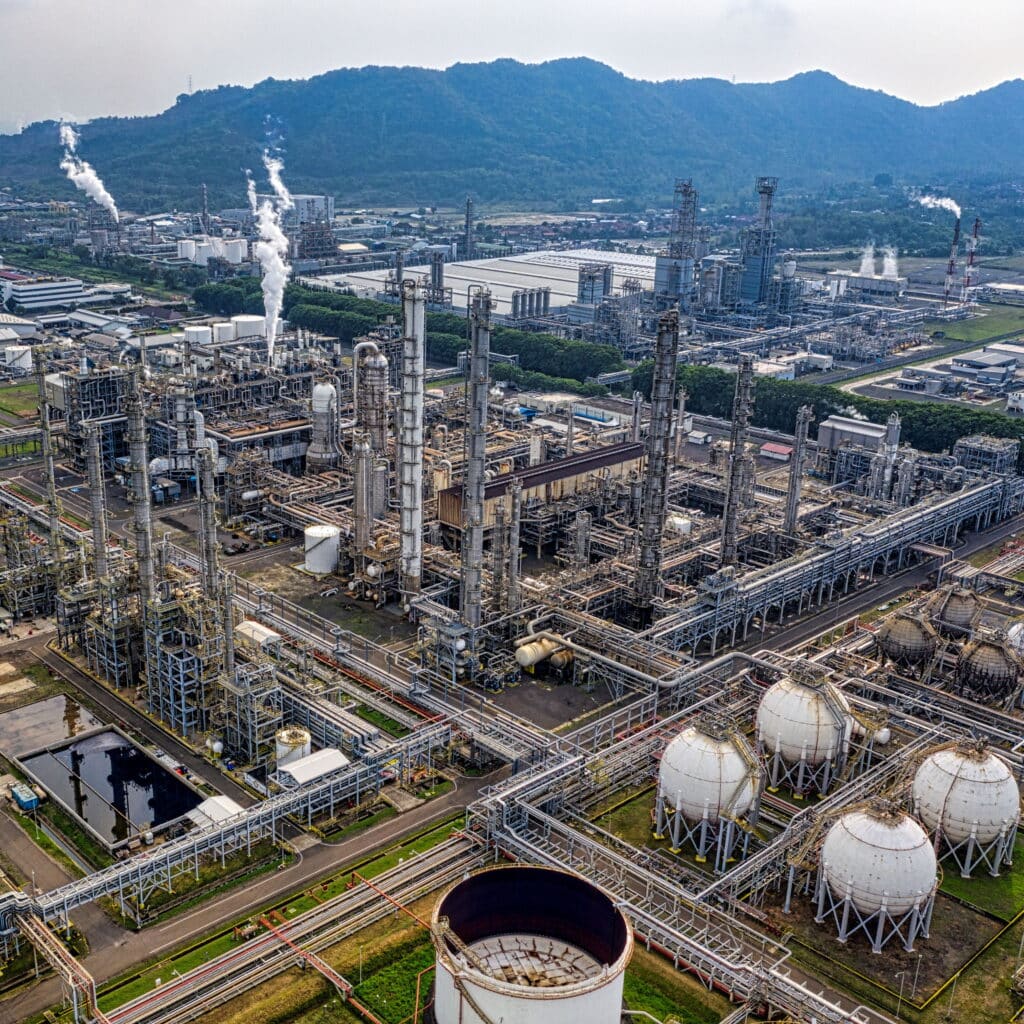
In Texas, a similar philosophy has led to the clearing of pathways for petrochemical expansion along the Gulf Coast, despite warnings from health experts. State regulators often argue that emissions remain within "allowable limits" set by permits, though environmental groups contend these limits are based on outdated science that fails to account for the cumulative impact of multiple facilities in a single area.
Conversely, the legal response from affected citizens has focused on constitutional rights. Robert Taylor, founder of Concerned Citizens of St. John, has stated that the government has "abandoned" its duty to protect its citizens, effectively designating them as collateral damage for industrial profit. The legal battle currently centers on whether the state’s permitting process violates the Civil Rights Act of 1964 by placing an undue burden on minority communities.
Broader Impact and Future Implications
The crisis in Cancer Alley is a bellwether for the future of industrial regulation in the United States. As plastic production is projected to double over the next two decades, the tension between economic development and public health will only intensify.
Industry analysts suggest that without a significant shift in federal policy or a transition toward "green chemistry"—which seeks to design chemical products and processes that reduce or eliminate the use of hazardous substances—the environmental and health disparities in sacrifice zones will widen.
The struggle of the residents along the Mississippi River has already influenced global discourse. United Nations human rights experts have previously called on the U.S. government to take action in the region, citing a "climate of environmental racism." For now, the future of Cancer Alley remains caught between the massive economic momentum of the global petrochemical market and a growing grassroots movement demanding the fundamental right to clean air and safe water. The outcome of this conflict will likely define the parameters of environmental justice for the 21st century.