
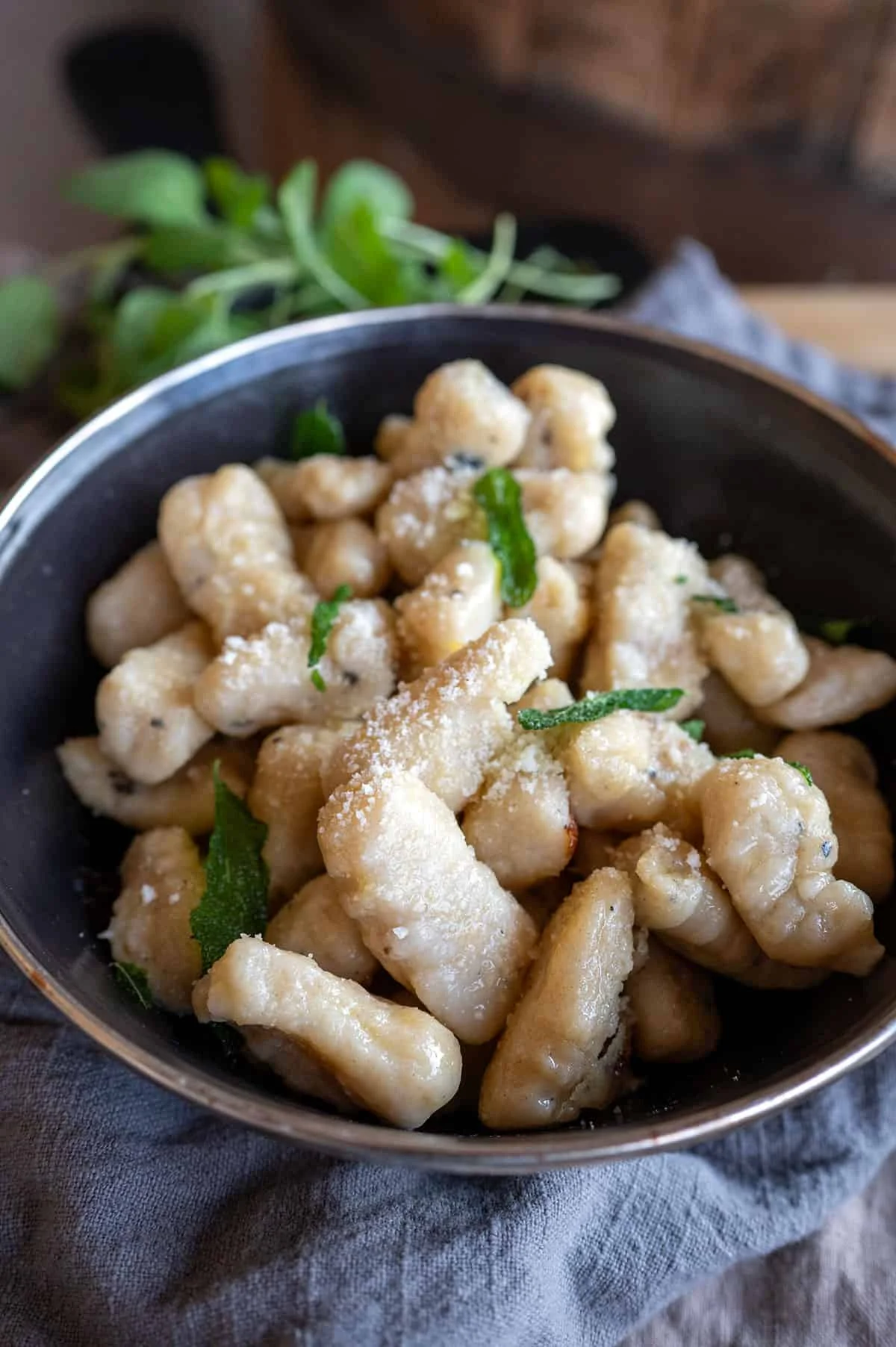
The seemingly simple gnocchi, a staple of Italian cuisine, often follows a predictable path from potato to plate: boiling or baking, mashing, mixing, rolling, and cutting. While traditional methods yield comforting results, a culinary innovator is challenging this norm by infusing the humble potato dumpling with the primal essence of fire. This approach, pioneered by grilling enthusiast Christie Vanover of Girls Can Grill, involves cooking potatoes directly in the coals of a grill, a technique that imparts a profound, smoky depth previously unexplored in gnocchi preparation.
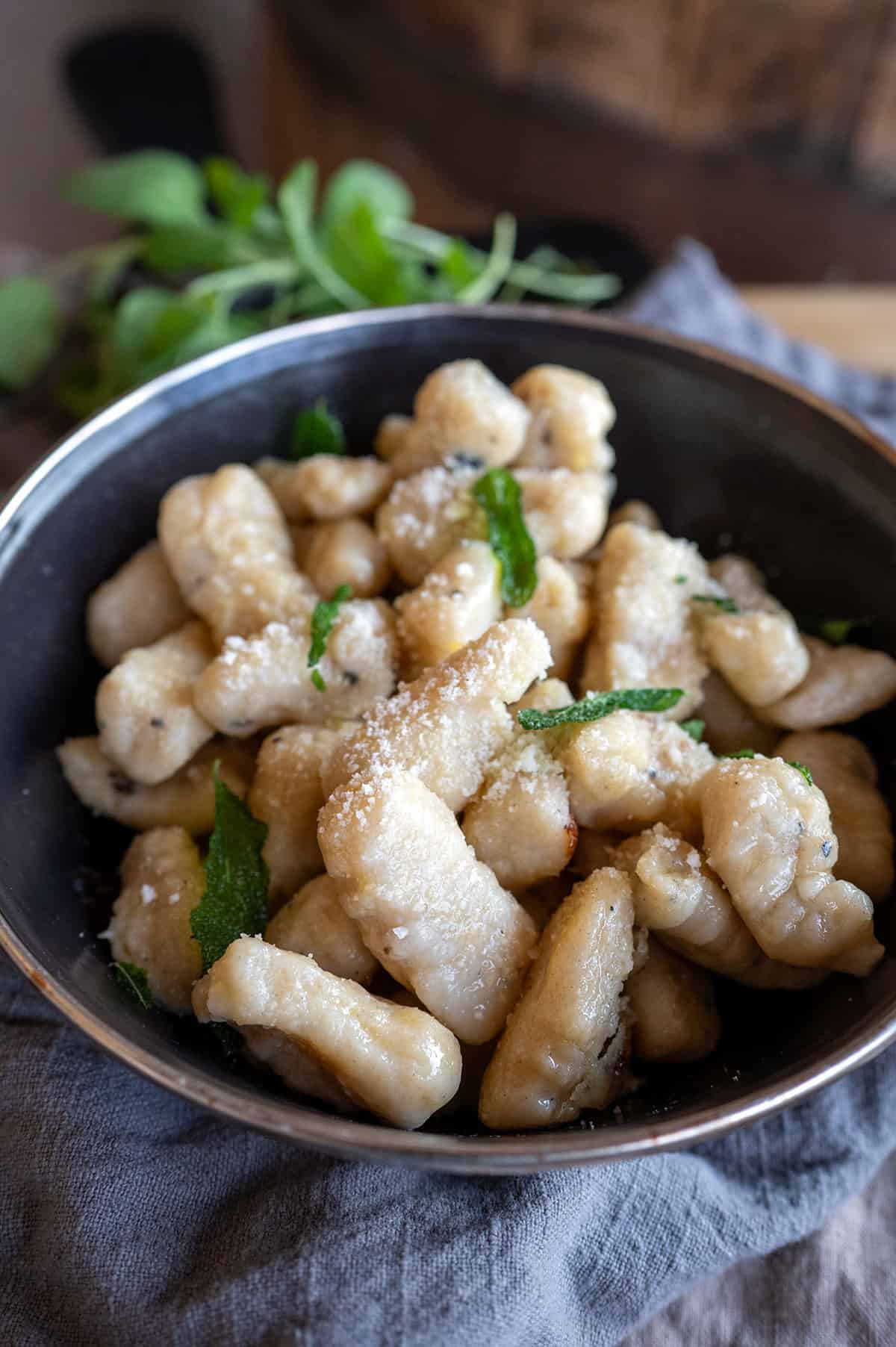
This method, while initially appearing unconventional, offers a significant culinary payoff. By placing potatoes directly into the glowing embers, the skins char and blister, while the interior steams to a perfect tenderness. This direct interaction with the fire infuses the potato with a deep, smoky flavor that permeates the entire ingredient before it even becomes gnocchi. The subtle inclusion of charred bits into the final mash is not a flaw but a deliberate enhancement, contributing a unique complexity that elevates the dish beyond its traditional origins.
A Deeper Dive into Grilled Gnocchi

Gnocchi, a cornerstone of Italian comfort food, is traditionally crafted from a simple yet elegant combination of mashed potatoes, flour, and egg. These soft, pillowy dumplings offer a versatile canvas for a myriad of sauces and flavors. Historically, the potatoes are prepared through boiling or baking, methods that, while effective, offer a relatively neutral flavor profile.
The innovation lies in repurposing the grill, not just as a cooking surface, but as an elemental flavor-infusing tool. By cooking the potatoes directly amidst hot charcoal, the process transforms a familiar ingredient into something extraordinary. The resulting smoky essence is not merely a surface flavor but is deeply embedded within the potato, carrying through to the final gnocchi. This technique effectively transforms a standard weeknight meal into a dish imbued with the robust character of backyard grilling.
The Culinary Alchemy: From Coal to Dumpling
The process of creating grilled gnocchi begins with a fundamental understanding of grilling dynamics. The key is to achieve a steady, radiant heat from the coals, rather than direct flame. This involves lighting charcoal and allowing it to burn down to a bed of glowing embers, creating an environment for slow, controlled cooking.

Step 1: The Elemental Cook – Potatoes in the Coals
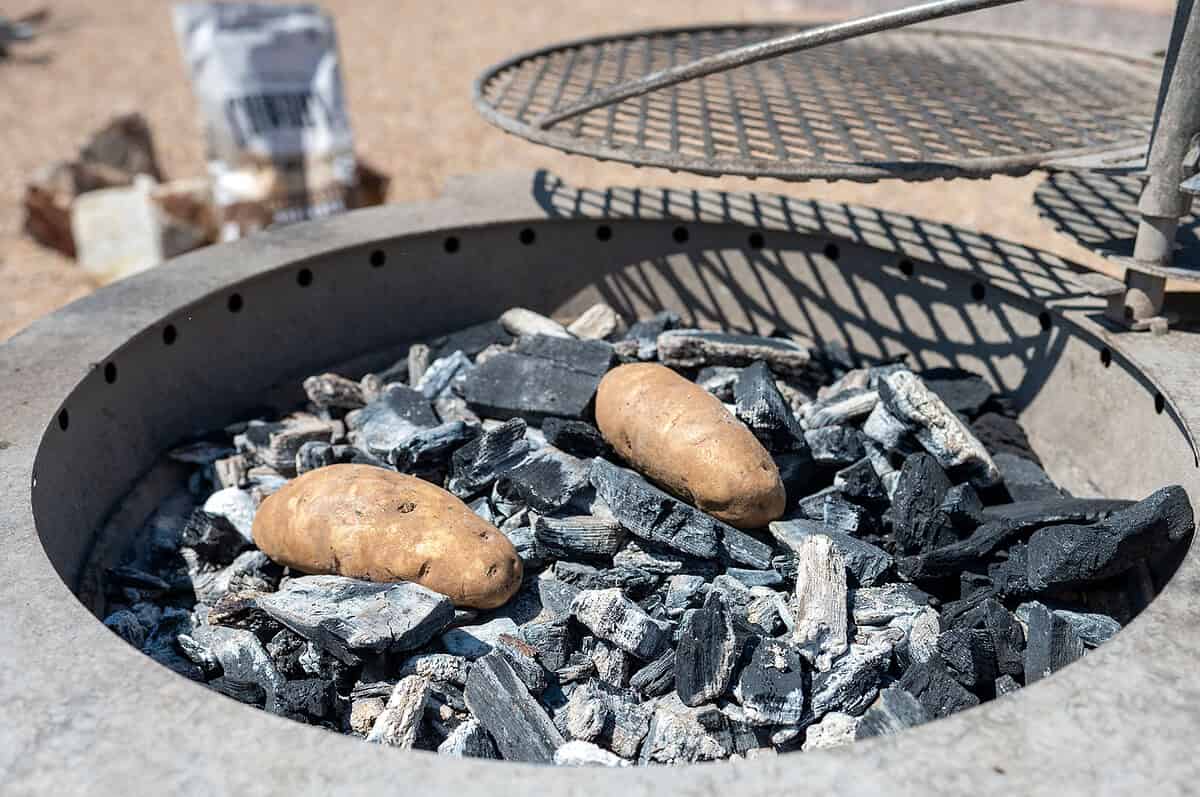
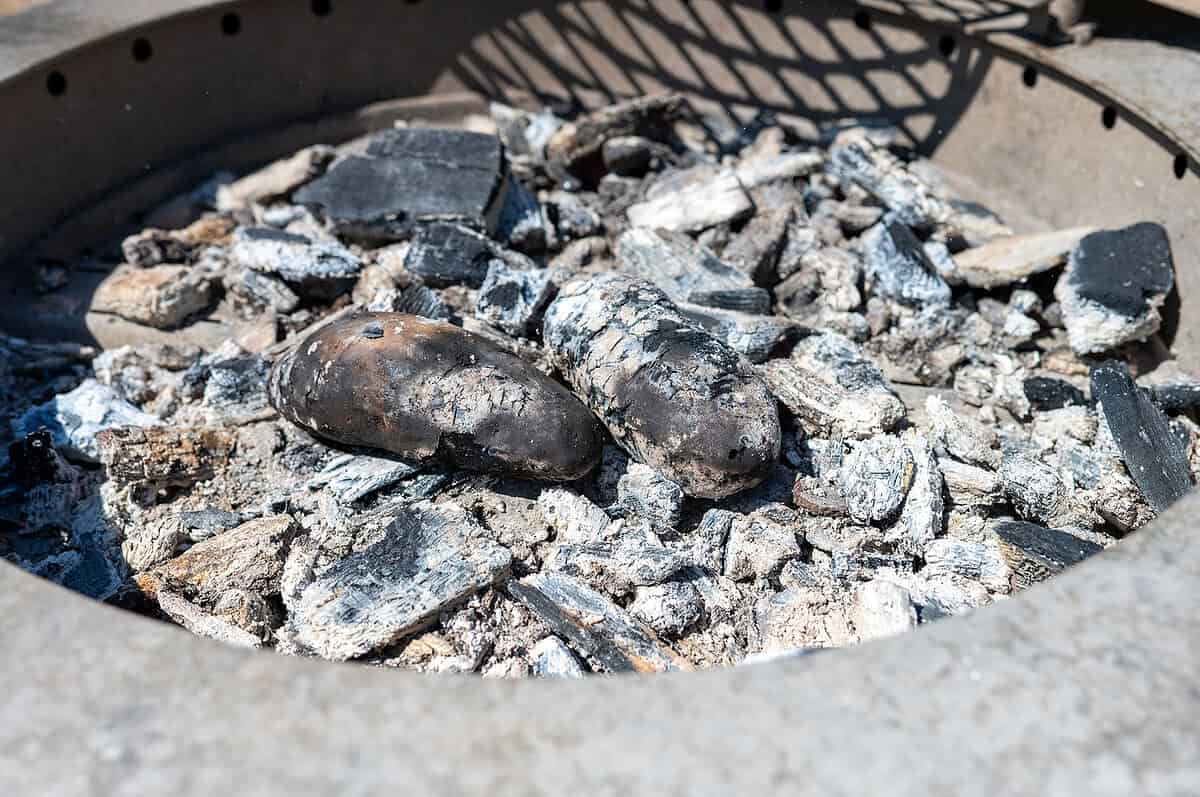
The core of this unique preparation involves placing whole potatoes directly onto the glowing coals. This method requires careful attention and consistent management. The potatoes are cooked for approximately 45 to 60 minutes, with a crucial step of flipping them every 15 minutes to ensure even charring and cooking. The target internal temperature for the potatoes is between 205-210°F (96-99°C), indicating that they are fully tender and ready for the next stage. The charring of the skins is an expected and desired outcome, a visual cue of the intense flavor development occurring within.

For those who prefer a less aggressive char or have limitations with direct coal contact, an alternative method exists. Potatoes can be placed on the grill grate over medium-high heat, with the lid closed. This approach still imparts a desirable grilled flavor but with a milder smoky profile and less intense charring. While this method may take slightly longer to achieve the desired internal temperature, it offers a more controlled introduction to grilled potato flavor.
Step 2: The Quenching Cool Down
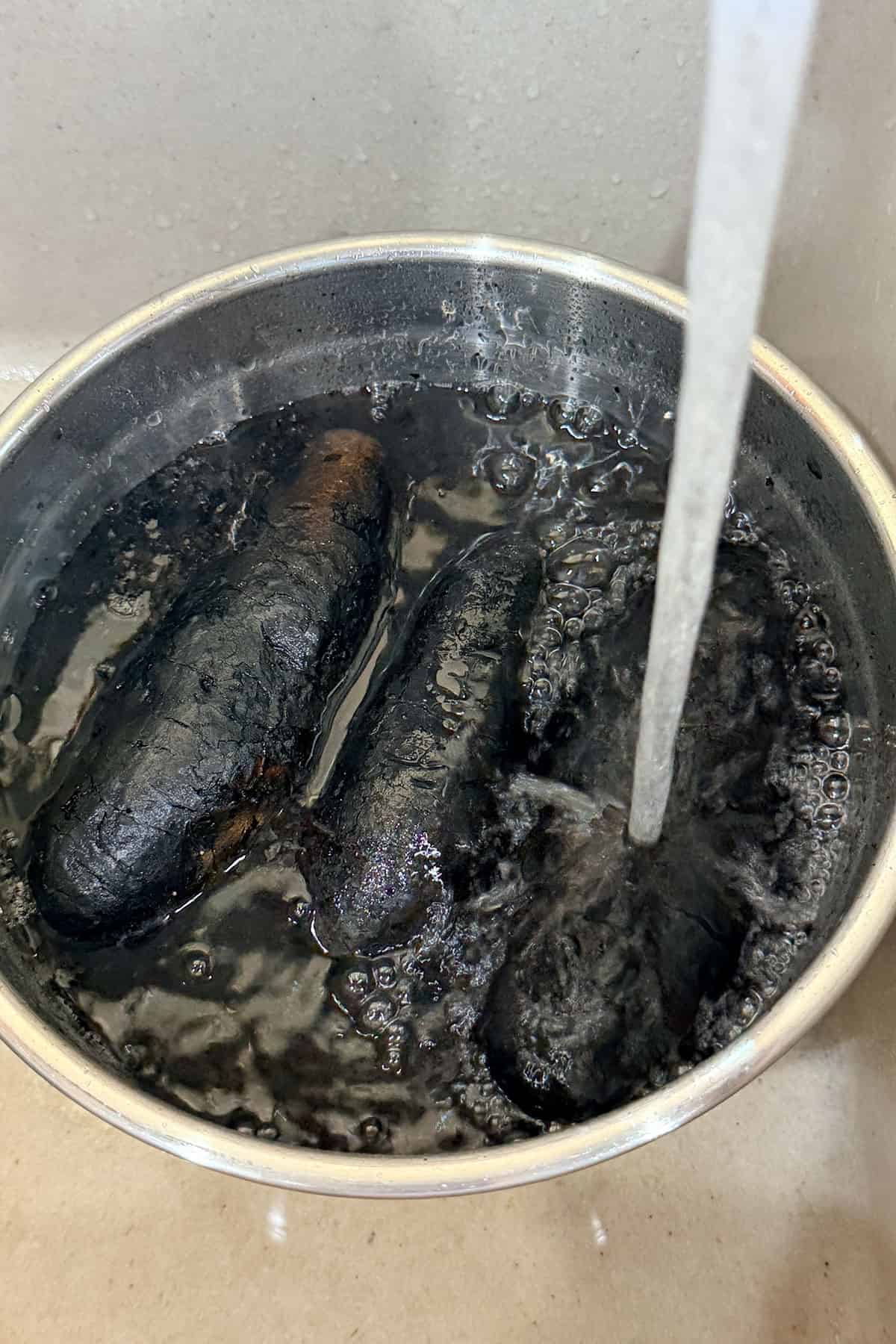
Once the potatoes reach their optimal internal temperature, they are immediately plunged into cold water. This rapid cooling serves a dual purpose: it halts the cooking process, preventing the potatoes from becoming overcooked and mushy, and it makes them significantly easier to handle for the subsequent mashing stage. The contrast between the intense heat of the coals and the sudden chill of the water locks in moisture and facilitates easier peeling.
Step 3: Unveiling the Smoky Heart – Scooping and Mashing
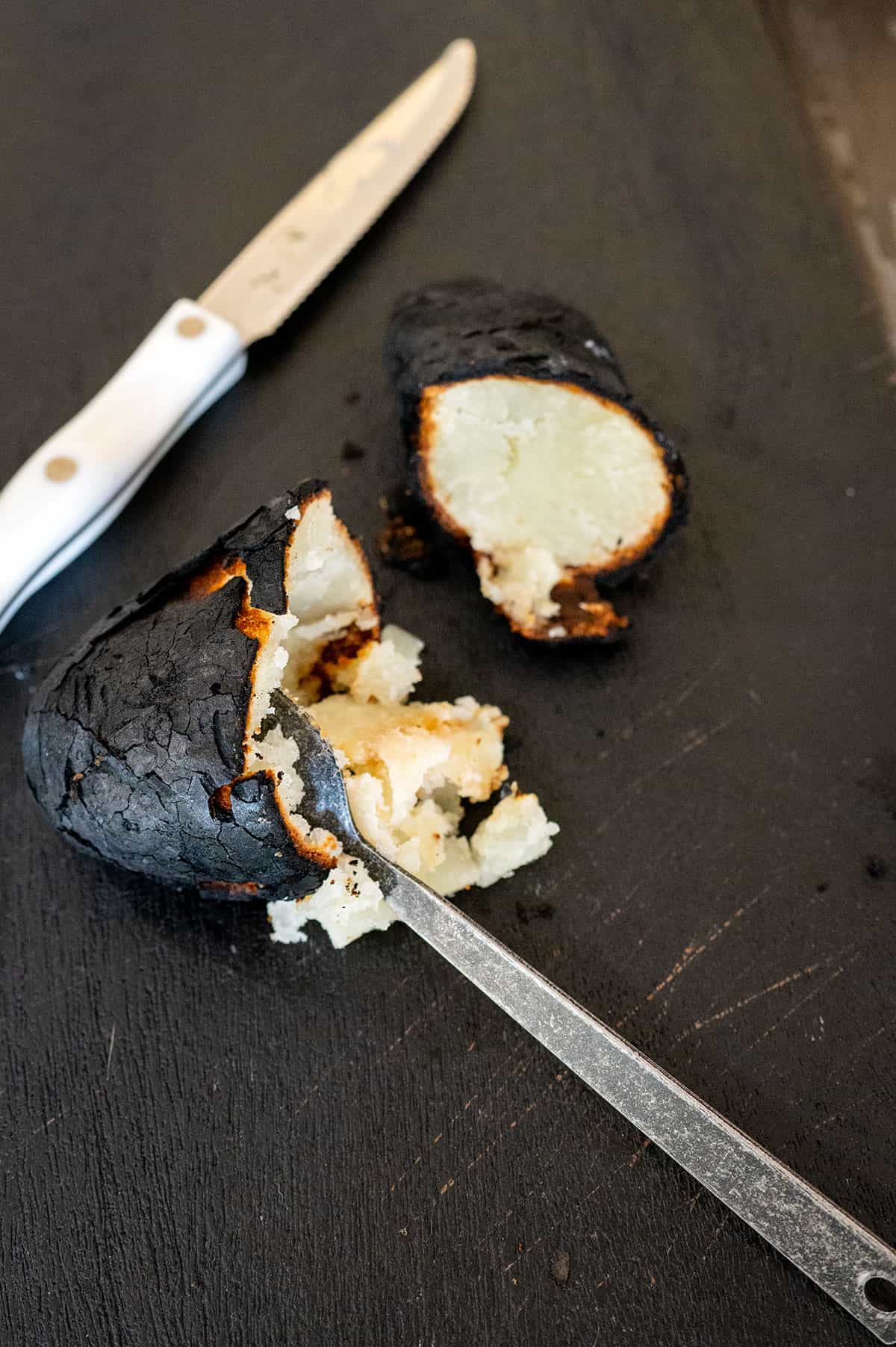
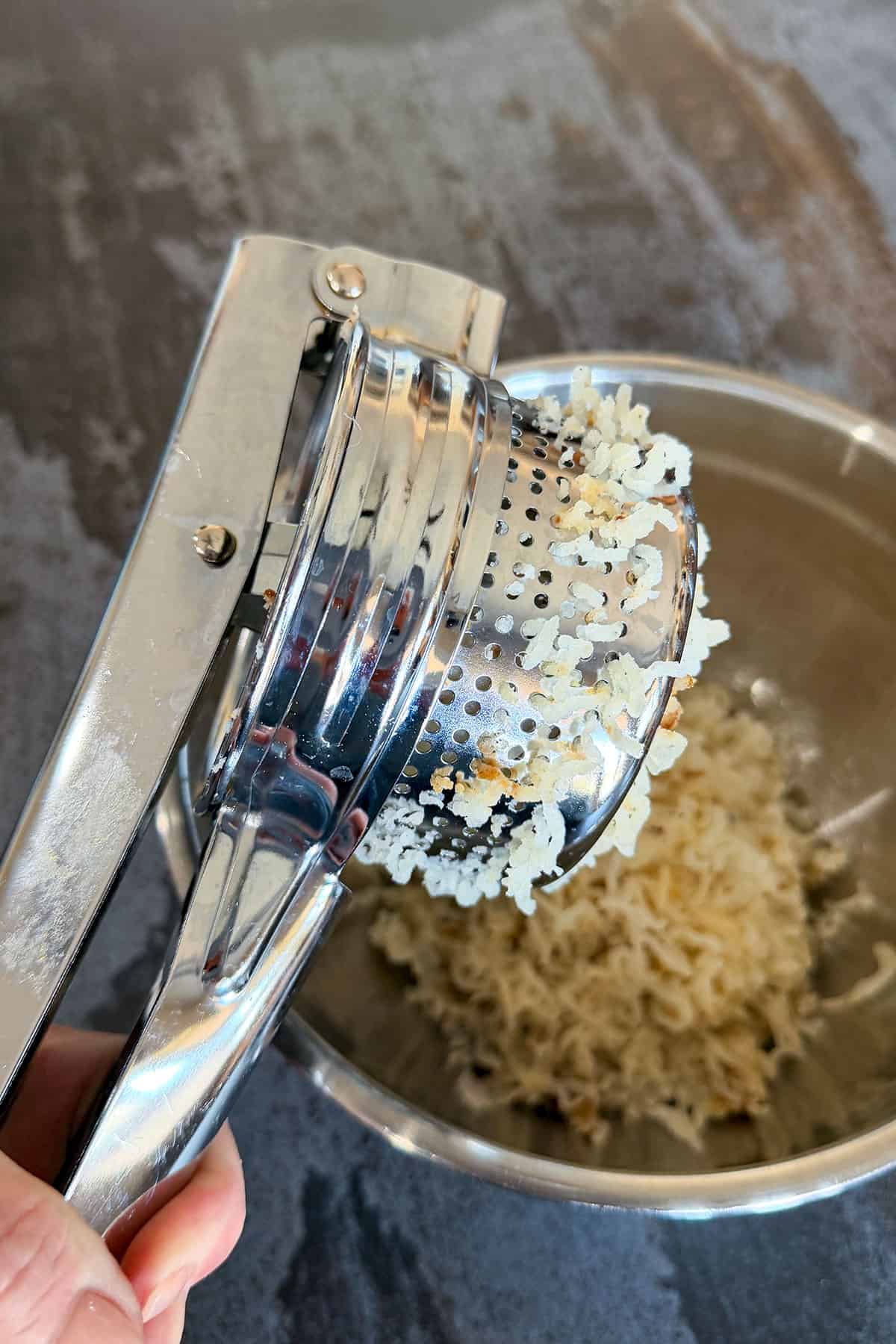
After cooling, the potatoes are cut in half, and the tender, smoky flesh is carefully scooped out, leaving the charred skins behind. For the smoothest texture, a potato ricer is recommended. This tool effectively breaks down the potato into fine strands, creating a light and fluffy base for the gnocchi dough. It is during this mashing process that the intentional inclusion of some of the charred bits becomes apparent. These small, darkened fragments are not to be discarded; they are the repository of the deep, smoky flavor that defines this unique gnocchi preparation.
Step 4: The Foundation of Flavor – Mixing the Dough
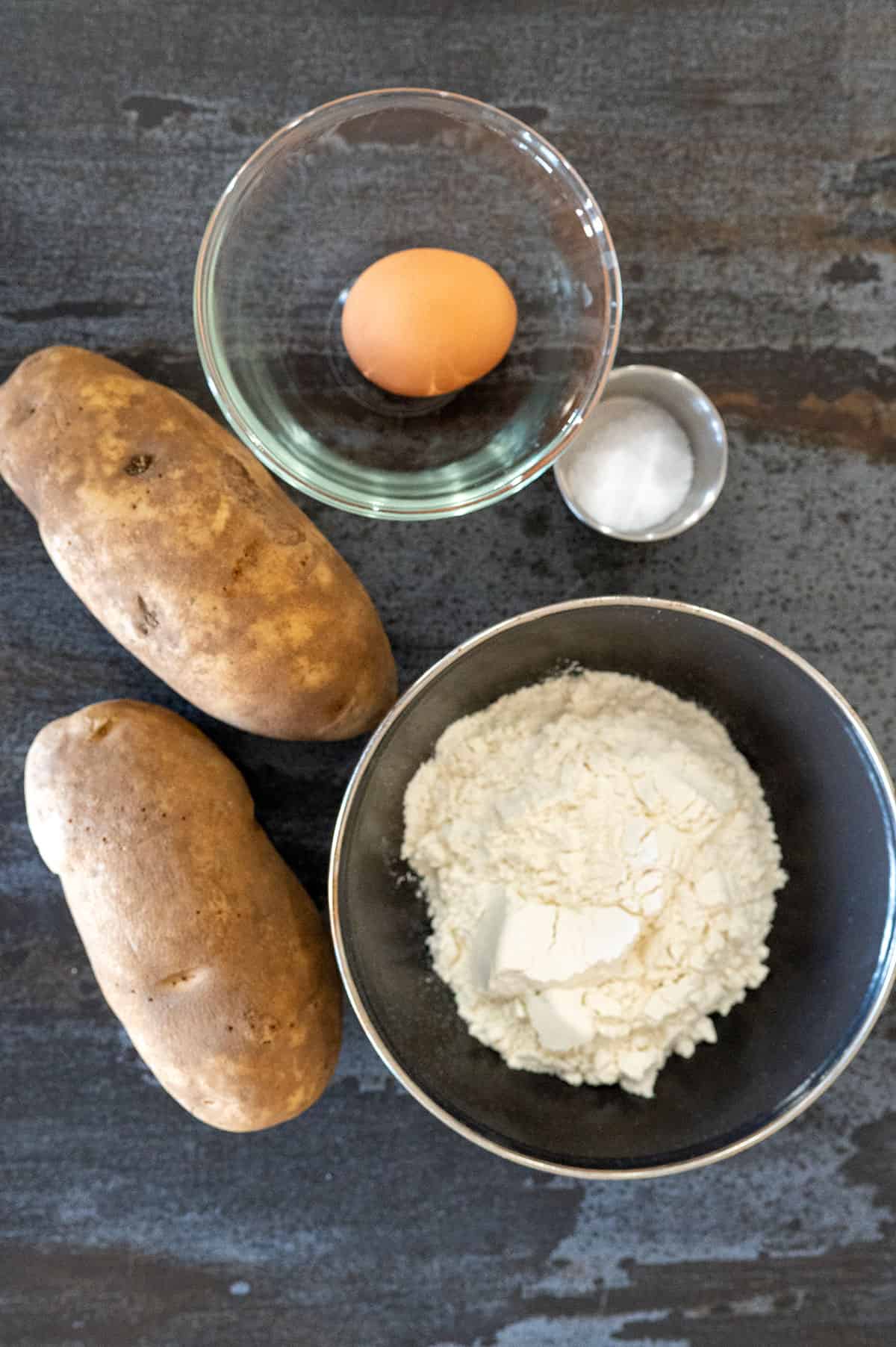
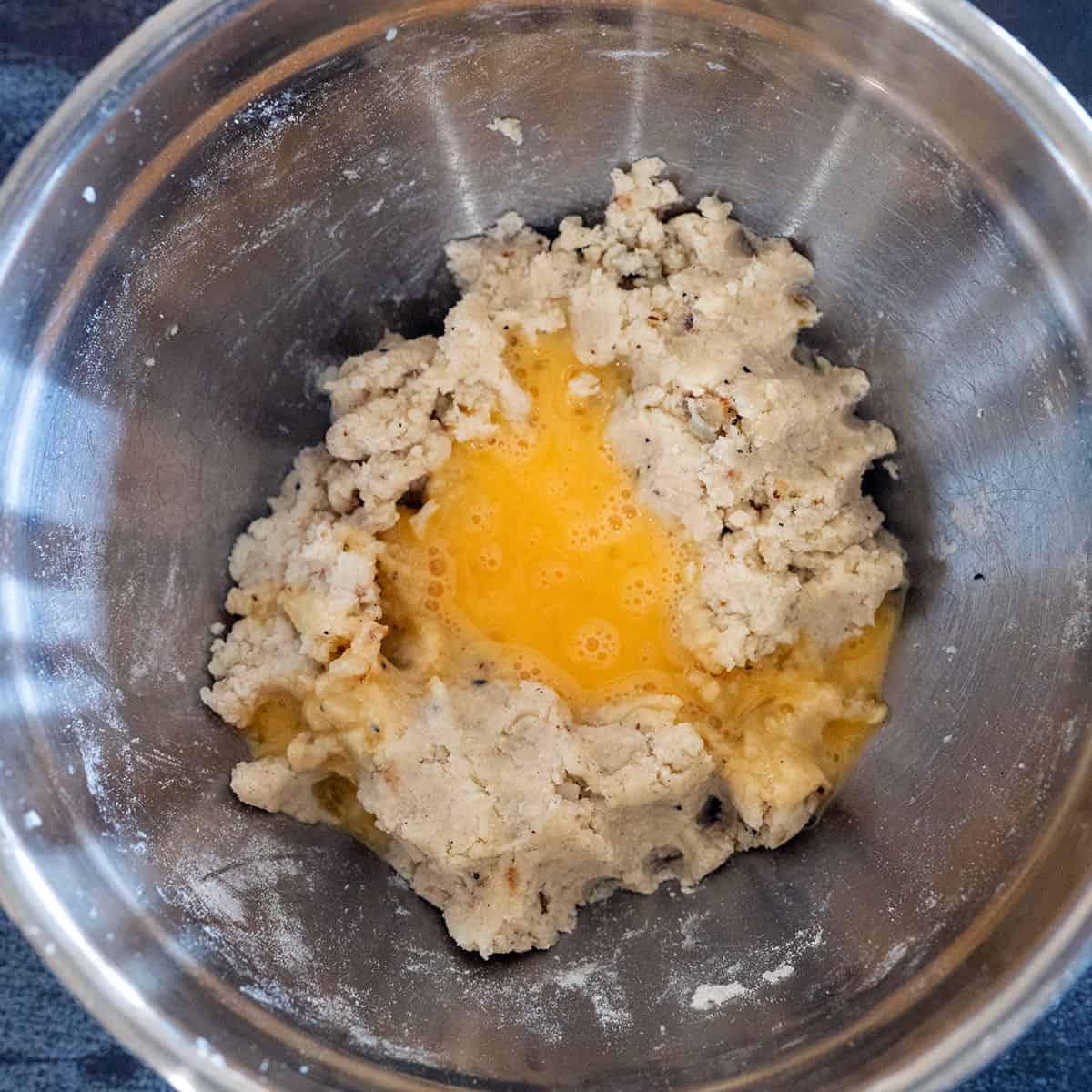
The mashed, grilled potatoes form the foundation of the gnocchi dough. To this, approximately two-thirds of the flour and a pinch of salt are added. A well is then created in the center of the mixture, into which a beaten egg is poured. This step marks the beginning of transforming the mashed potatoes into a cohesive dough.
Step 5: Developing Texture – The Kneading Process
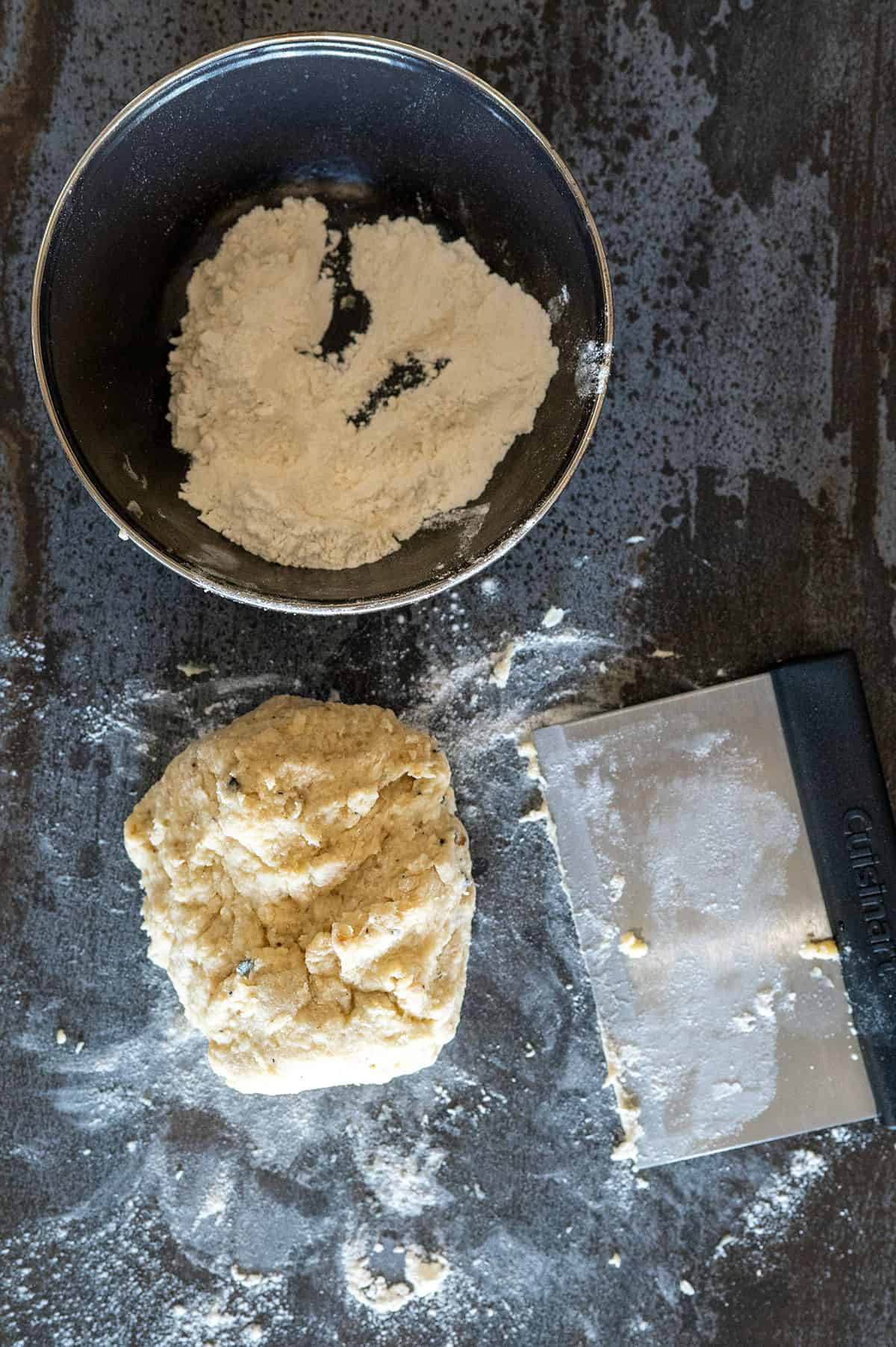
The ingredients are then brought together through kneading. This process, typically done by hand on a lightly floured surface, develops the gluten in the flour, giving the gnocchi its characteristic chewy yet tender texture. Flour is added gradually as needed, until the dough forms a cohesive ball that is no longer sticky to the touch. Proper kneading is crucial for achieving the right consistency, ensuring the gnocchi holds its shape during cooking.
Step 6: Crafting the Dumplings – Shaping the Gnocchi
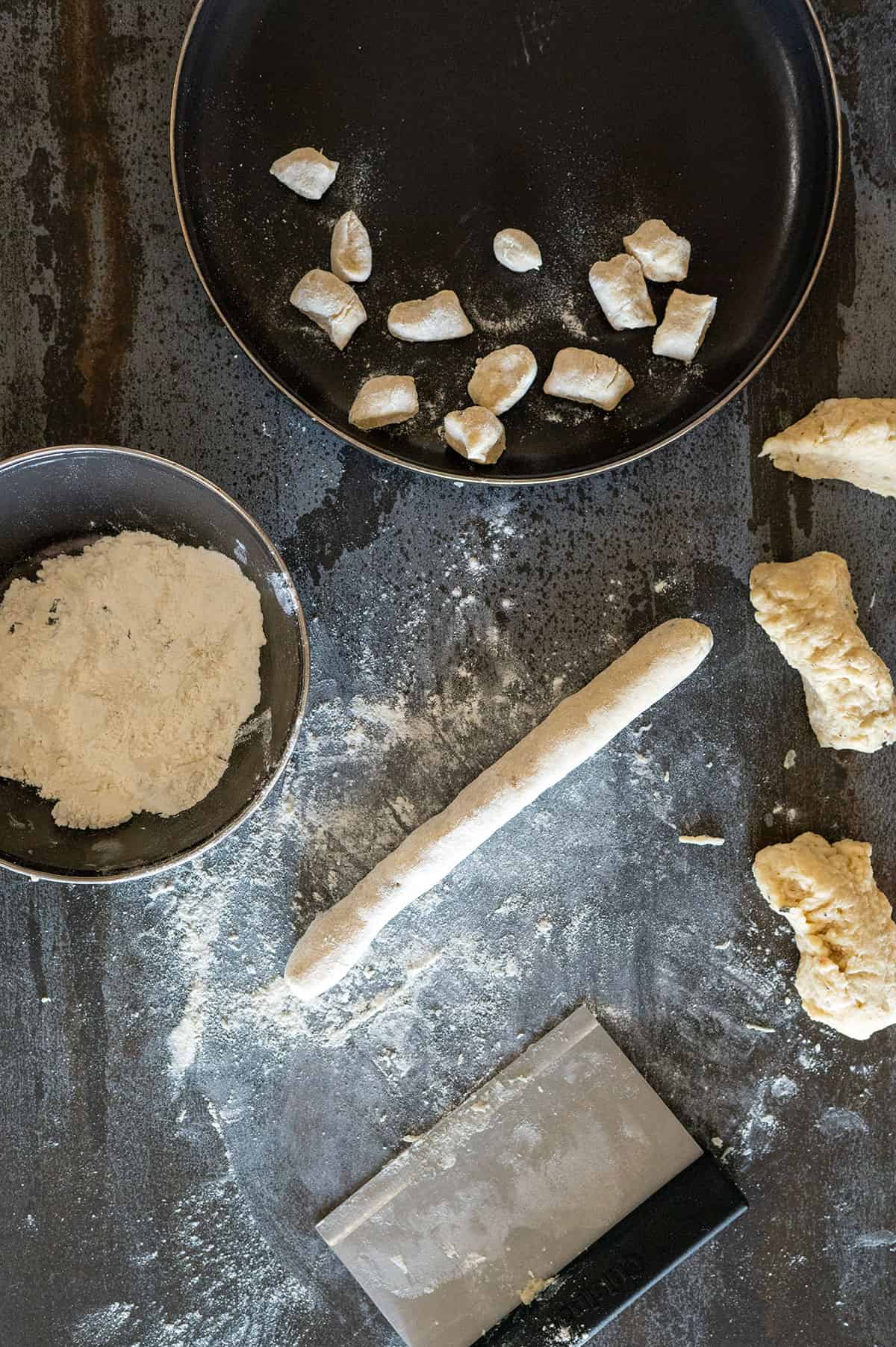
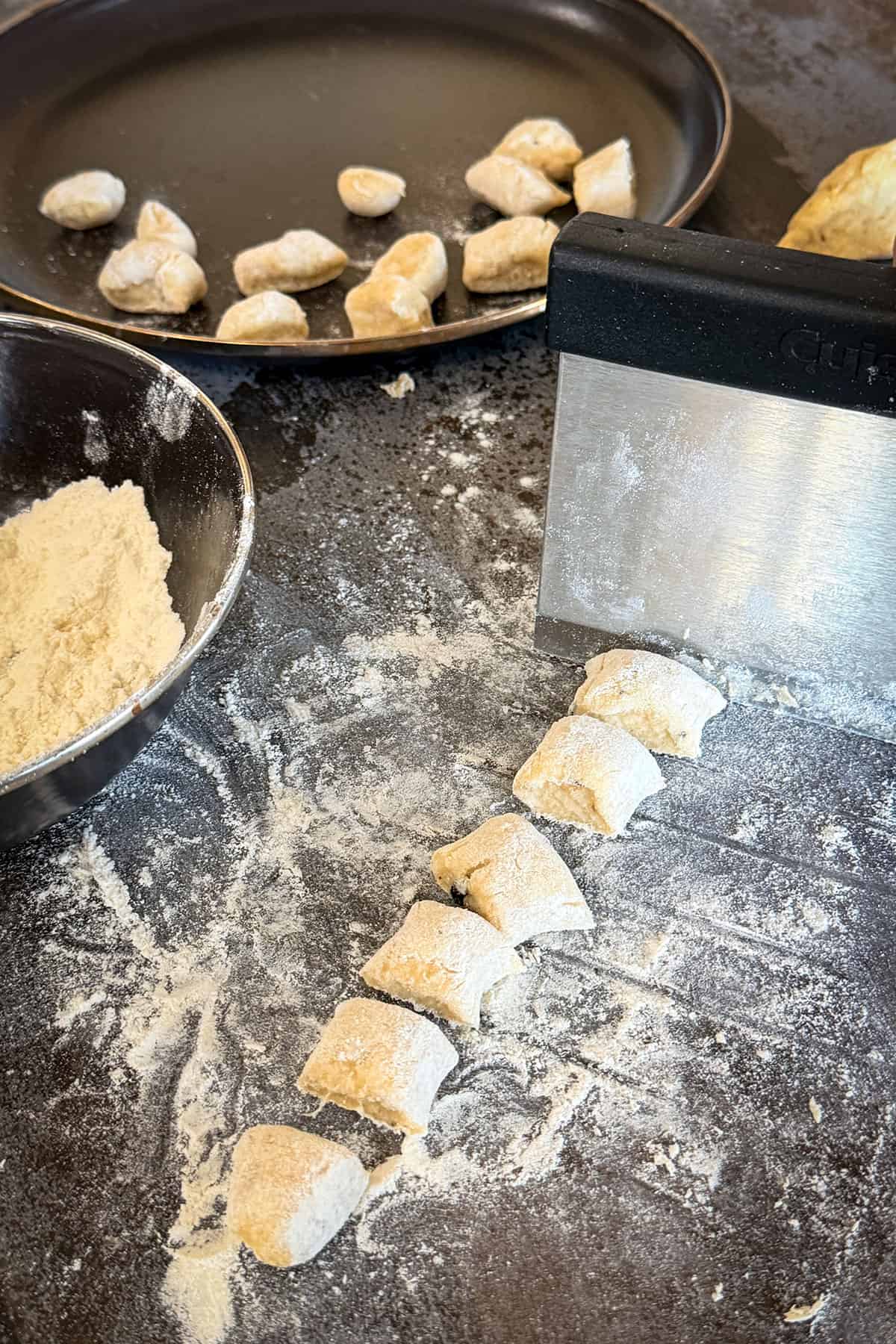
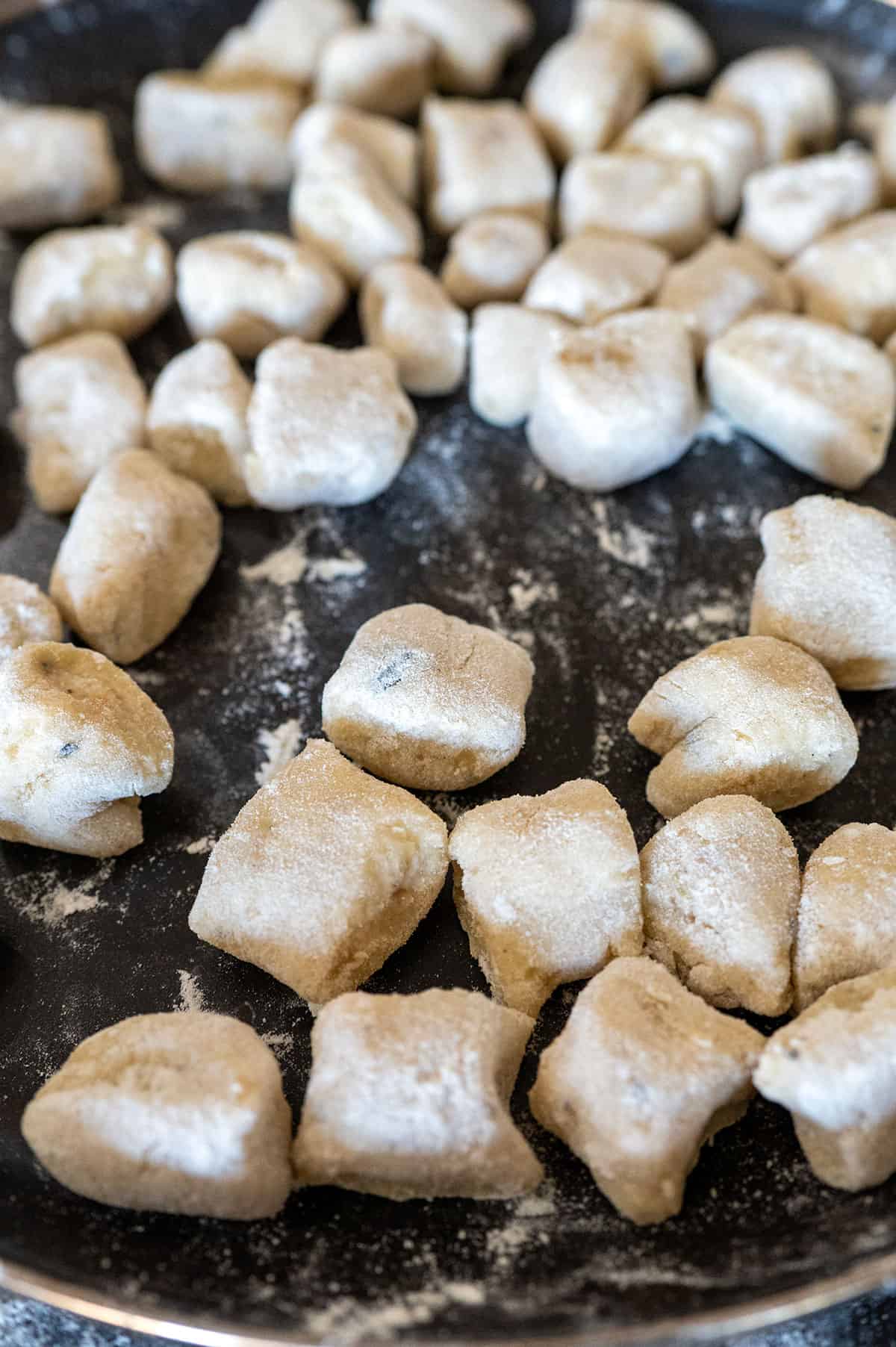
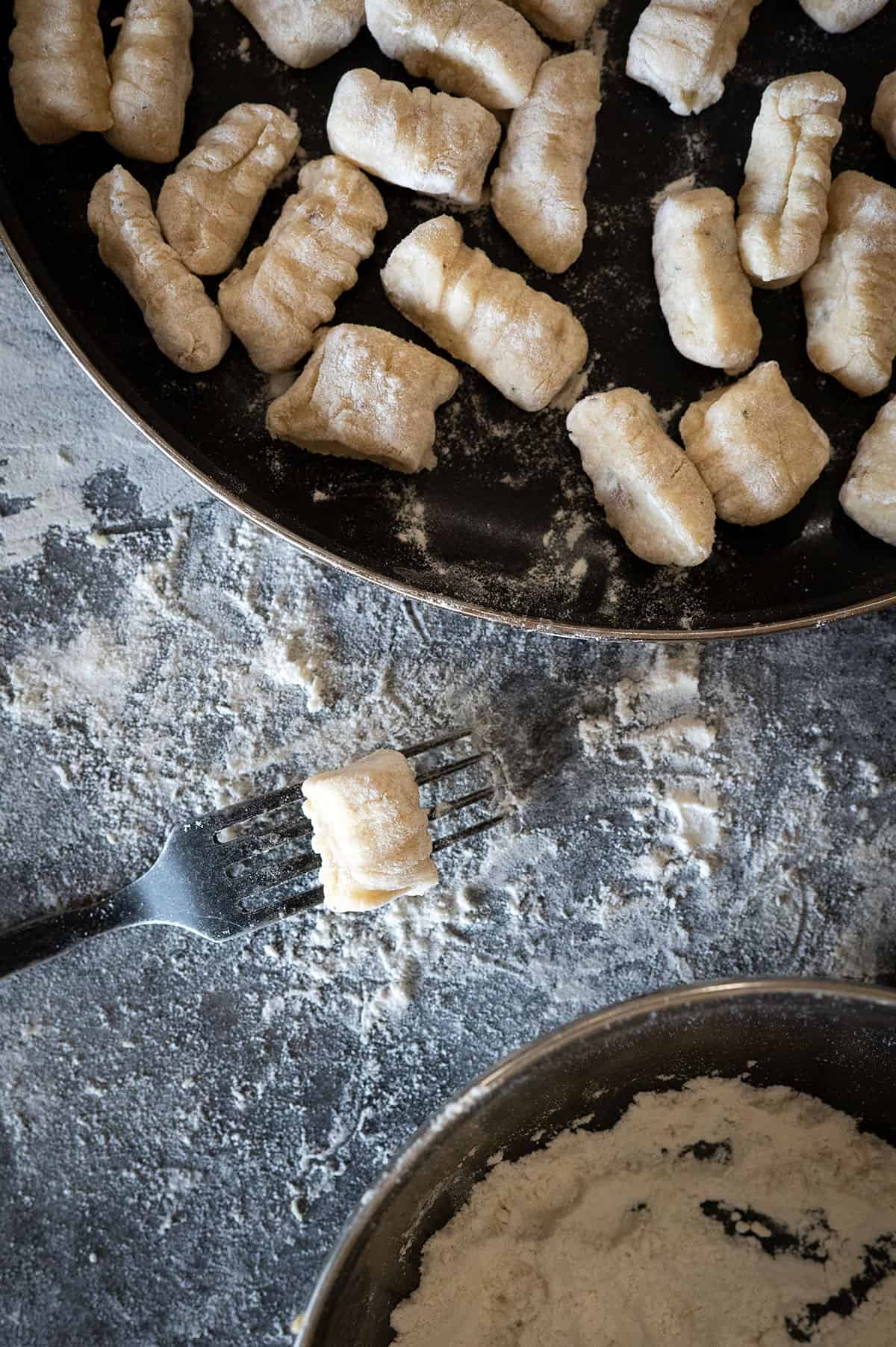
Once the dough has reached the desired consistency, it is divided into four equal portions. Each portion is then rolled into a long, rope-like shape. These ropes are subsequently cut into approximately one-inch pieces. To achieve the classic gnocchi ridges, which are excellent for capturing sauce, each piece can be gently rolled down the back of a fork. This step is optional but enhances the gnocchi’s ability to hold sauces. The shaped gnocchi are then placed in a single layer on a floured baking sheet or plate, dusted with a little more flour to prevent sticking, and set aside until ready for cooking.
Step 7: The Final Transformation – Boiling and Finishing
The shaped gnocchi are then cooked in boiling, salted water. It is essential to cook them in batches to avoid overcrowding the pot, which can lead to uneven cooking and sticking. The gnocchi are ready when they float to the surface, typically within a few minutes. Using a slotted spoon, they are carefully removed from the water and drained.
Nutritional Insights and Variations
The provided nutritional information estimates approximately 256 calories per serving, with a breakdown of carbohydrates, protein, fat, and essential micronutrients. This data offers a baseline for understanding the dish’s composition, though variations in potato type and flour can influence these figures.
For those seeking alternative cooking methods for the potatoes, options include grilling on the grate over medium-high heat with the lid closed, or traditional boiling and baking if direct grilling is not feasible. Each method offers a slightly different flavor profile, allowing for customization based on preference and available equipment.
Serving Suggestions and Culinary Pairings
The smoky depth of grilled gnocchi pairs exceptionally well with rich and simple sauces. A heavy sauce is unnecessary, as the inherent flavor of the gnocchi provides a robust base. Classic pairings such as brown butter, marinara, or basil pesto are excellent choices, offering a traditional Italian counterpoint to the smoky notes. For a minimalist approach, a drizzle of high-quality olive oil and a sprinkle of sea salt can highlight the gnocchi’s unique flavor.
A particularly delightful serving suggestion involves tossing the warm gnocchi with melted butter, a hint of lemon zest, grated Parmesan cheese, and crispy fried sage. This combination offers a symphony of textures and flavors, from the richness of the butter and cheese to the herbaceous crunch of the sage, all underscored by the smoky essence of the gnocchi.
Storage and Preservation
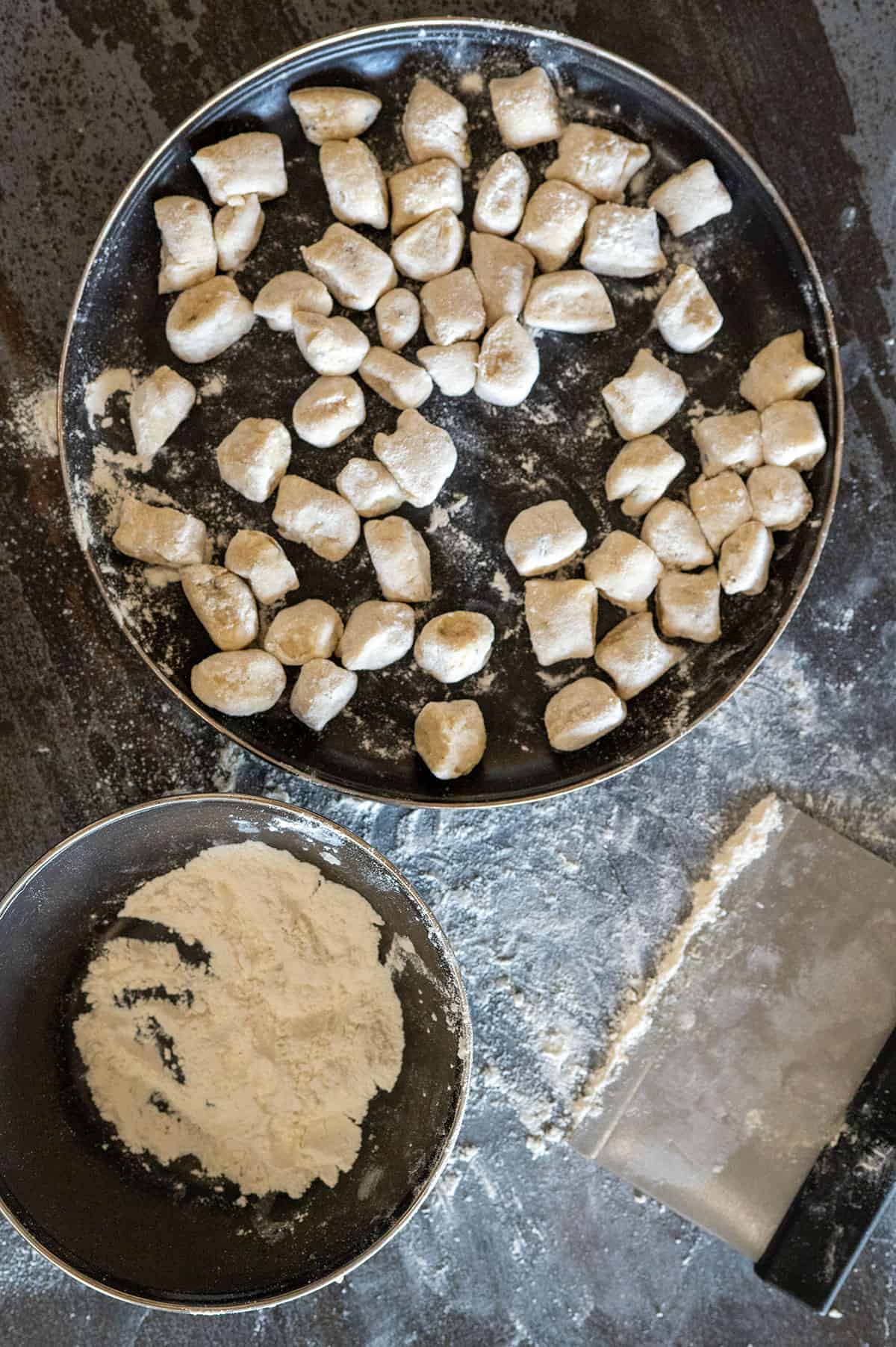
Freshly cooked gnocchi are best enjoyed immediately. However, leftovers can be stored in an airtight container in the refrigerator for up to two days. Reheating can be done gently in a hot pan with a touch of butter or in the microwave.
For future culinary endeavors, uncooked, shaped gnocchi can be successfully frozen. Lay the shaped pieces on a floured baking sheet, freeze until solid, and then transfer them to a freezer bag. They can be boiled directly from frozen without the need for thawing, offering convenience and the ability to enjoy this unique dish at a later time.
Broader Implications and Culinary Trends
This innovative approach to gnocchi preparation reflects a growing trend in culinary arts to explore unconventional cooking methods and ingredient pairings. The direct application of grilling techniques to traditionally stovetop-bound dishes signifies a push towards greater flavor complexity and a desire to imbue familiar foods with new dimensions. The success of such methods can influence restaurant menus and home cooking practices, encouraging experimentation and a deeper appreciation for the transformative power of fire in food preparation. The ability to adapt traditional recipes with modern techniques, such as direct coal cooking, opens up new avenues for culinary creativity and appeals to a growing audience of adventurous home cooks and food enthusiasts seeking unique taste experiences. The "farm-to-table" ethos is evolving to include "fire-to-fork," emphasizing the elemental nature of cooking and the profound impact of primal cooking methods on flavor.
The commitment to this technique, exemplified by experienced pitmasters, suggests a deliberate effort to elevate simple ingredients through sophisticated cooking processes. As home cooks and professional chefs alike seek to differentiate their offerings, techniques like direct coal cooking for ingredients like potatoes are likely to gain traction, becoming a hallmark of culinary innovation. The sharing of such techniques through platforms like Girls Can Grill highlights the democratization of advanced cooking methods, empowering a wider audience to explore and master them. The integration of such methods into everyday cooking, rather than reserving them for special occasions, underscores a shift towards embracing bold flavors and engaging cooking experiences.


