The practice of food preservation has seen a significant resurgence in the modern era, driven by a combination of economic necessity, a growing interest in outdoor recreation, and a broader movement toward household self-sufficiency. Among the various techniques available to the home preservationist, dehydration remains one of the most accessible and effective methods for extending the life of perishable goods. While fruits, vegetables, and meats are common candidates for the dehydrator, dairy products—specifically hard cheeses like Parmesan—present a unique set of opportunities and challenges. Dehydrating Parmesan cheese allows for the creation of a shelf-stable, nutrient-dense ingredient that is ideal for camping, long-term meal planning, and artisanal seasoning blends. However, achieving a safe and high-quality result requires an understanding of the chemical composition of cheese, the mechanics of moisture removal, and the limitations of home-based preservation technology.
The Chemical Composition and Suitability of Parmesan for Dehydration
To understand why Parmesan is uniquely suited for dehydration, one must first examine its structural and chemical makeup. Unlike soft cheeses such as Brie or Mozzarella, which possess high moisture content and a delicate protein structure, Parmesan is a hard, aged cheese. During the traditional aging process of authentic Parmigiano-Reggiano, moisture is naturally lost over 12 to 36 months, resulting in a dense, granular texture and a concentrated flavor profile.
From a food science perspective, the primary goal of dehydration is the reduction of water activity ($a_w$). Water activity is a measure of the "free" water available in a food product to support microbial growth, such as bacteria, yeast, and mold. Most fresh cheeses have a high water activity, making them highly perishable. By utilizing a home dehydrator, the $a_w$ of Parmesan can be lowered significantly, effectively inhibiting the growth of most spoilage organisms.
However, a critical distinction must be made: dehydration removes water, but it does not remove fat. Parmesan cheese contains approximately 25% to 30% fat. In a home dehydrator, these lipids remain within the cheese matrix. Because fats are susceptible to oxidation—a chemical reaction with oxygen that leads to rancidity—dehydrated cheese cannot be considered "indefinitely" shelf-stable in the same way as dehydrated grains or legumes. Under optimal conditions, home-dehydrated Parmesan is generally considered stable for six to twelve months, depending on storage temperature and exposure to light and air.
The Dehydration Process: A Step-by-Step Technical Framework
The transformation of fresh Parmesan into a shelf-stable dried product involves a precise series of steps designed to maximize moisture loss while managing the behavior of the cheese’s fat content.
Phase 1: Preparation and Surface Area Optimization
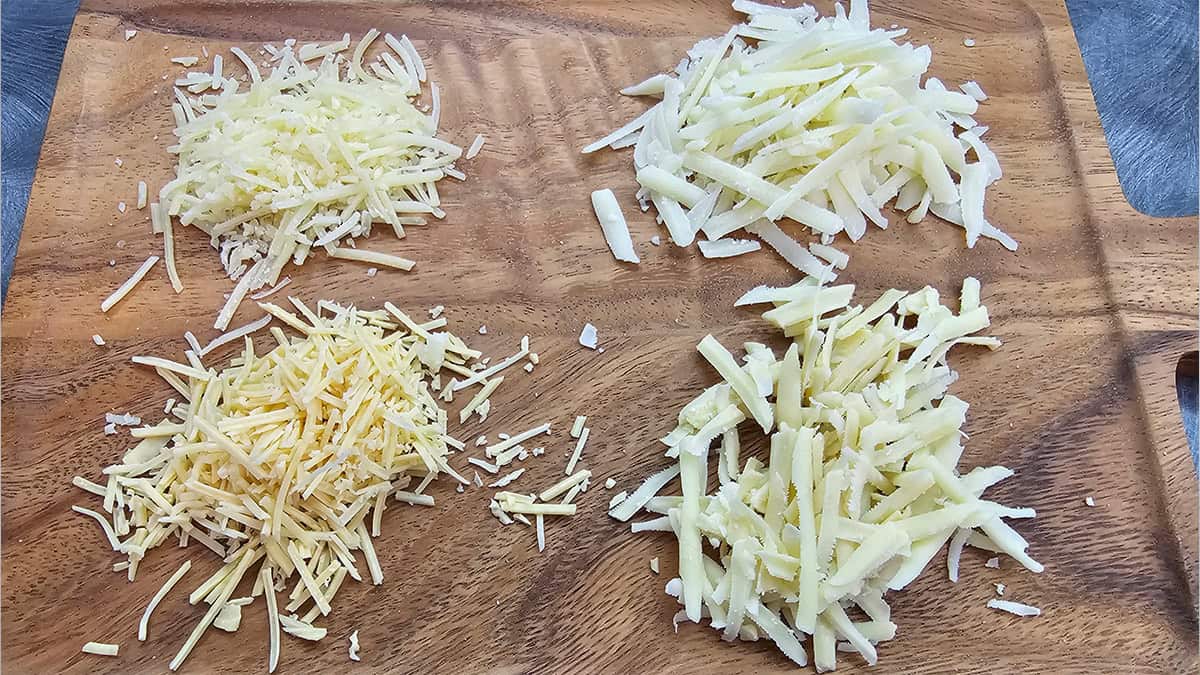
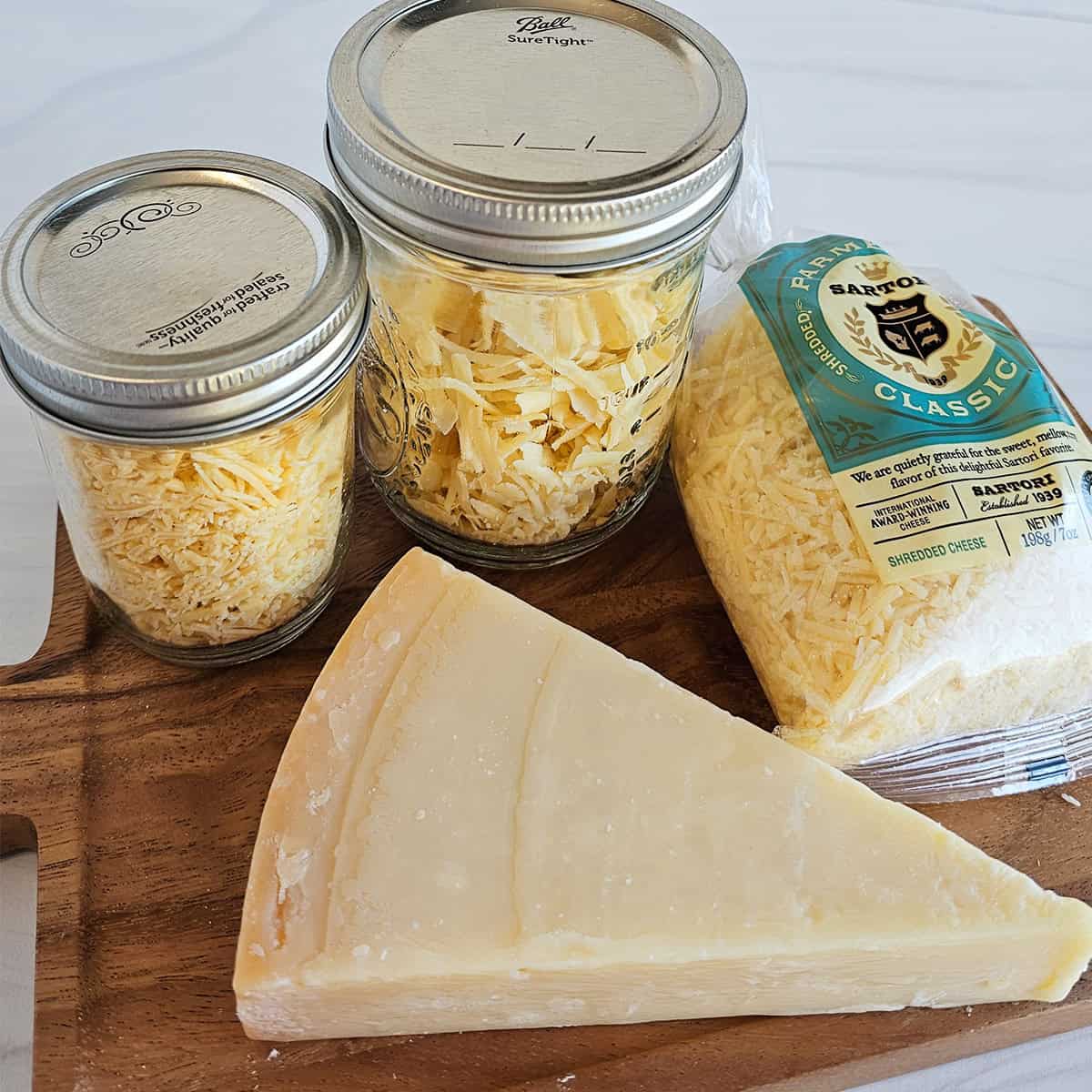
The efficiency of dehydration is directly proportional to the surface area of the food. For Parmesan, the most effective preparation method is fine shredding or grating. While pre-shredded commercial Parmesan can be used, it often contains anti-caking agents like cellulose, which may affect the final texture. For the highest quality, many experts recommend grating fresh wedges of high-quality Parmesan or Romano. The shreds should be uniform to ensure consistent drying times across the batch.
Phase 2: Loading and Temperature Calibration
The shredded cheese should be spread in a thin, even layer on dehydrator trays equipped with fine mesh liners or parchment paper. It is essential to avoid overcrowding, as airflow is the primary driver of moisture evaporation.
The temperature setting is a subject of debate among preservationists, but a range between 125°F (52°C) and 135°F (57°C) is generally recommended. If the temperature is too low, the drying process takes too long, increasing the risk of spoilage. If the temperature is too high, the cheese may "case harden," where the outside dries into a hard shell that traps moisture inside, or the fat may melt excessively, creating an oily barrier that prevents evaporation.
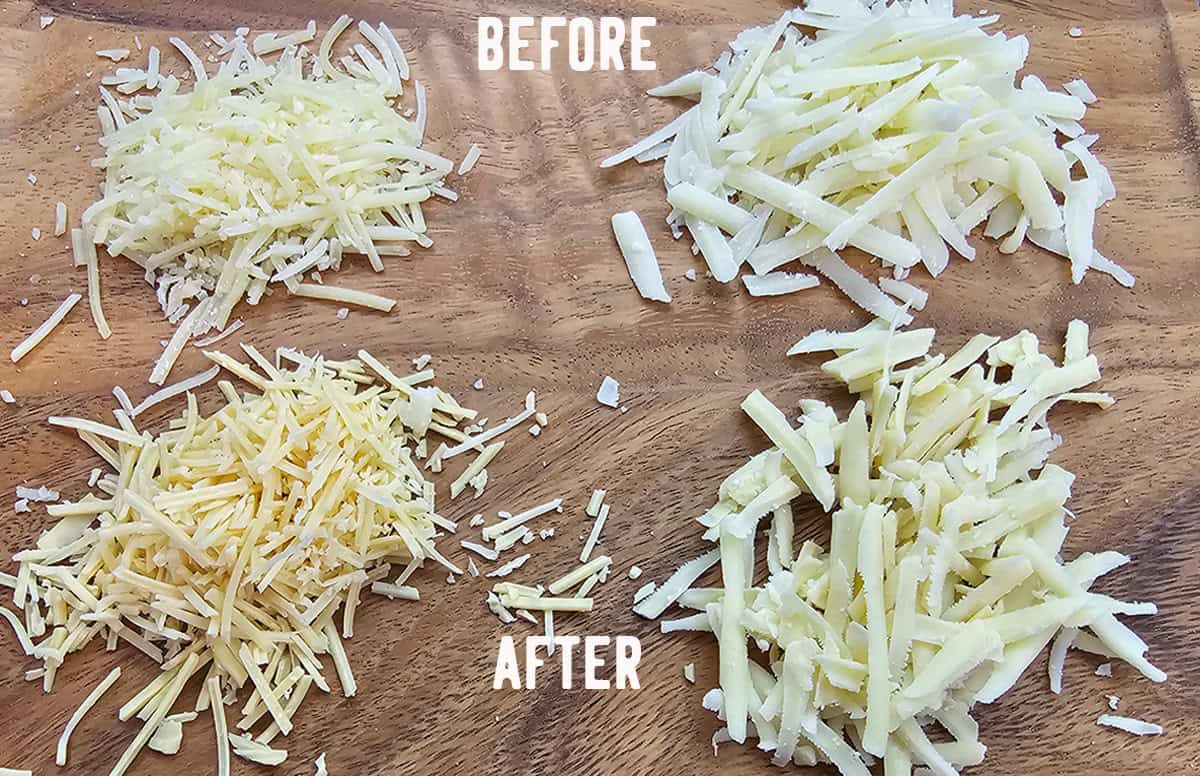
Phase 3: Lipid Management (The Blotting Technique)
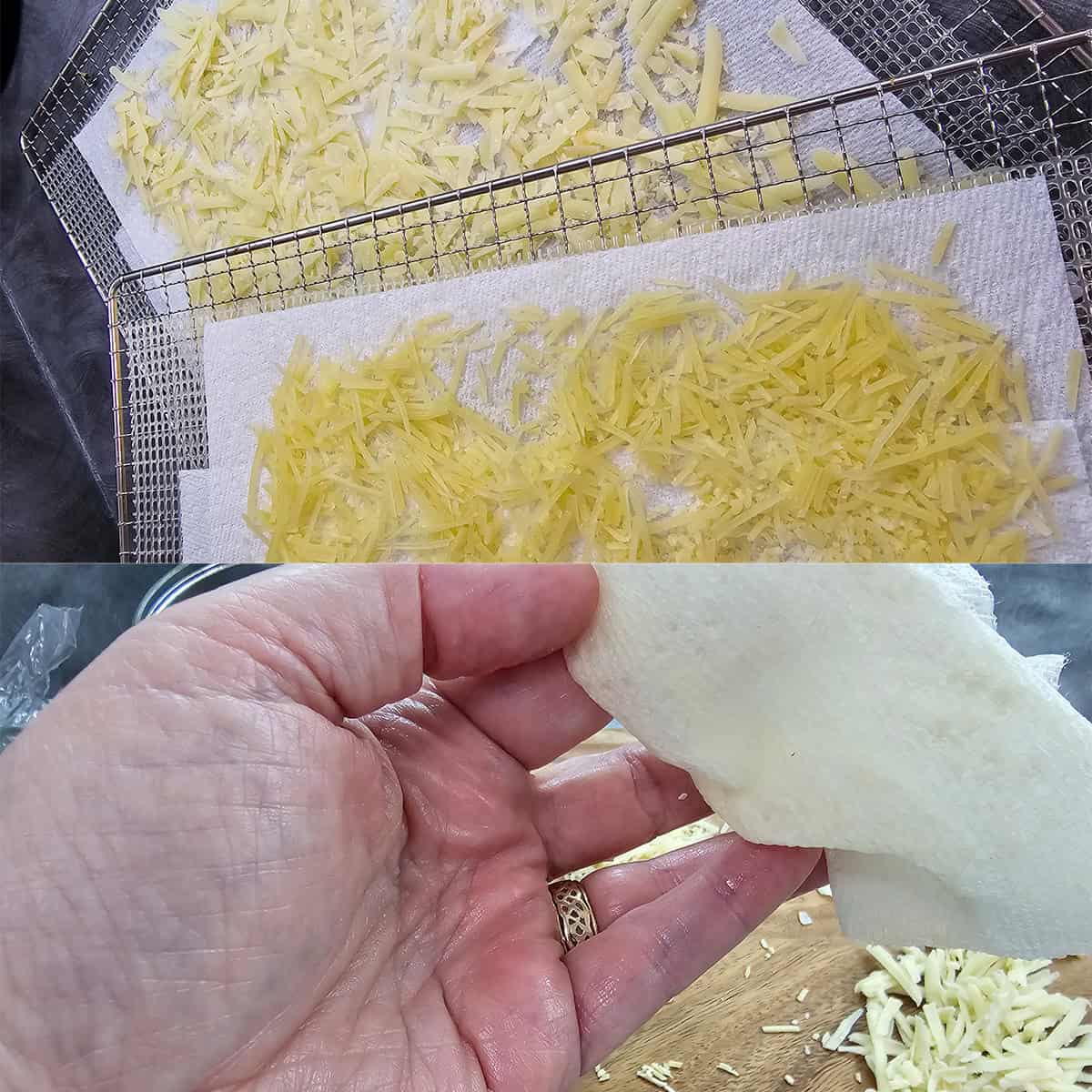
As the cheese warms, the fats within the matrix will begin to liquefy and migrate to the surface—a process often referred to as "sweating." To improve the shelf life of the final product, this oil must be removed. Throughout the drying cycle, which typically lasts between 6 and 12 hours, the cheese should be periodically blotted with clean, lint-free paper towels. Removing this surface oil reduces the total fat content of the final product and slows the eventual onset of oxidative rancidity.
Phase 4: Testing for Dryness and Conditioning
The dehydration process is complete when the cheese shreds are brittle and "snappy" to the touch. There should be no residual flexibility or stickiness. Once removed from the dehydrator, the cheese must be allowed to cool completely at room temperature. This "conditioning" phase ensures that any remaining internal warmth does not create condensation when the cheese is placed in a storage container.
Nutritional Profile and Data Analysis
Dehydration results in a significant concentration of nutrients. When water is removed, the remaining solids—protein, fat, and minerals—become more dense by volume. According to nutritional data, a one-ounce serving of fresh Parmesan contains approximately 105 calories, 7 grams of protein, and 7 grams of fat. When dehydrated, the volume reduces by nearly 75%. Therefore, a quarter-cup of dehydrated Parmesan provides roughly the same caloric and protein value as a full cup of fresh shredded cheese.
This density makes dehydrated Parmesan an exceptional "power food" for high-exertion activities. For backpackers and long-distance hikers, it provides a high-protein, high-sodium (approximately 438mg per ounce) boost that is essential for electrolyte replenishment and muscle recovery, all while weighing a fraction of its fresh counterpart.
Storage Protocols and Safety Considerations
While the goal of dehydration is shelf stability, the storage environment plays a vital role in maintaining food safety and flavor. The enemies of dehydrated food are heat, light, oxygen, and moisture.
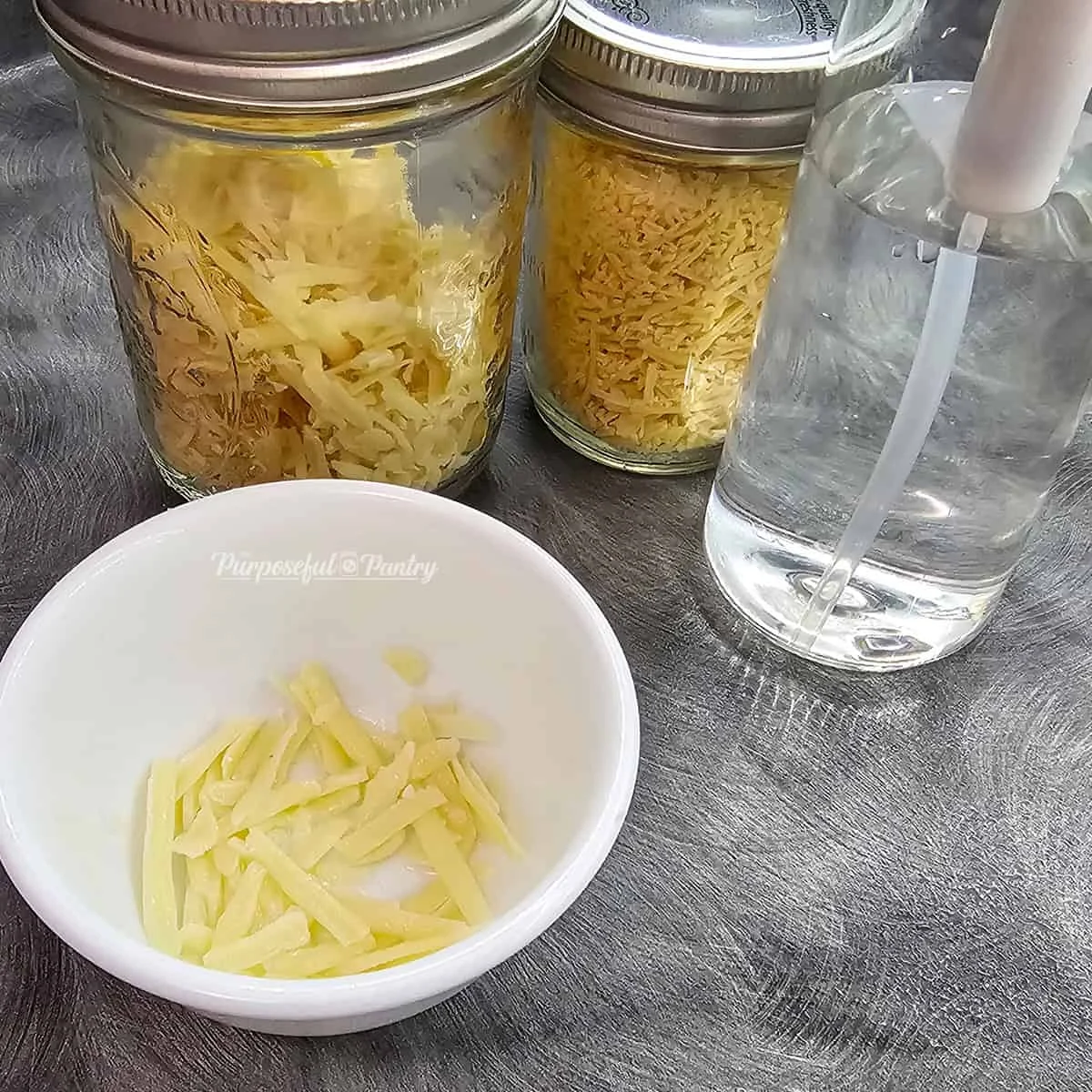
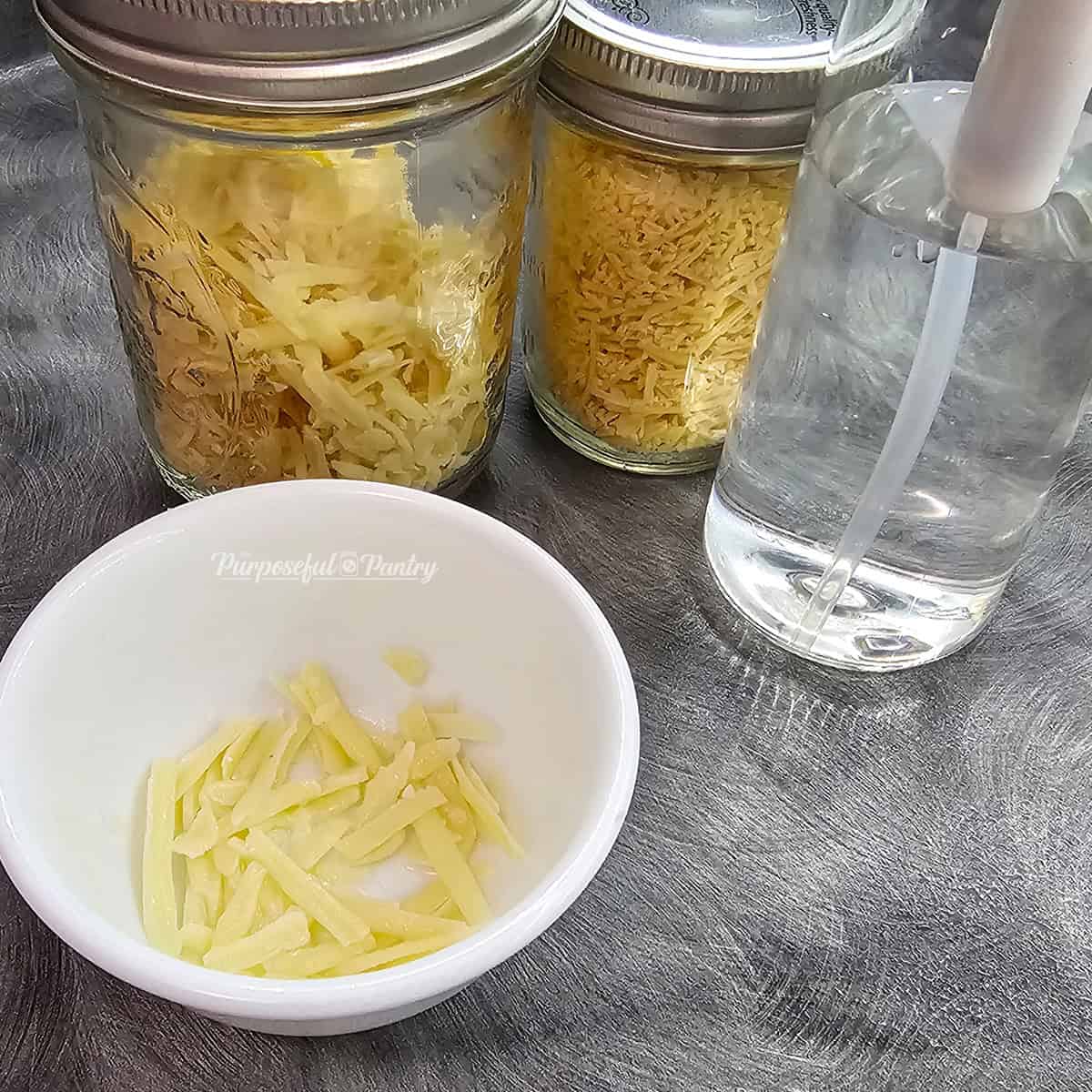
- Airtight Containment: Dehydrated Parmesan should be stored in glass canning jars or vacuum-sealed bags. Oxygen absorbers can be added to vacuum-sealed containers to further mitigate the risk of fat oxidation.
- Temperature Control: While the product is technically shelf-stable for short durations, storing the jars in a cool, dark pantry is the minimum requirement. For extended preservation beyond six months, storage in a refrigerator or freezer is highly recommended to keep the fats stable.
- Signs of Spoilage: Consumers should be vigilant for "off" odors. If the cheese develops a soapy or paint-like smell, the fats have oxidized, and the product should be discarded. Similarly, any visible mold growth indicates that the moisture content was not sufficiently reduced or that the seal of the container was compromised.
Culinary Applications: From Seasonings to Rehydration
The utility of dehydrated Parmesan extends far beyond simple preservation. It serves as a versatile culinary tool in several contexts:
- Seasoning Blends: Dehydrated Parmesan can be pulsed in a blender to create a fine powder. This powder is a primary component of "Umami Blends," such as Mushroom Parmesan seasoning, which combines dried porcini or shiitake mushrooms with the cheese to create a potent flavor enhancer for popcorn, roasted vegetables, and meats.
- Camping Meals: In "meals-in-a-jar," dehydrated Parmesan provides the creamy, salty base for pasta dishes like Alfredo or Carbonara without the need for refrigerated dairy.
- Rehydration Technique: To return the cheese to a more traditional texture for use in cooked dishes, a 1:1 ratio of warm water to cheese is typically used. Allowing the cheese to soak for 15 to 20 minutes will restore much of its original suppleness, though it will never perfectly mimic the texture of freshly grated cheese due to the structural changes in the proteins during the drying process.
Broader Implications for Food Security and Sustainability
The ability to dehydrate and store cheese at home has broader implications for food waste reduction and economic resilience. Bulk purchases of hard cheeses, which are often more cost-effective, can be processed and stored for future use rather than risking spoilage in the refrigerator.
Furthermore, as global supply chains face increasing volatility, the development of a "purposeful pantry"—a term coined by preservation experts like Darcy Baldwin—becomes a strategic asset for households. By mastering the dehydration of hard cheeses like Parmesan, Romano, and Asiago, individuals can ensure a consistent supply of high-quality protein and flavor, independent of immediate refrigeration.
In conclusion, while home-dehydrated Parmesan cheese is not a "forever" food due to its inherent fat content, it remains a highly effective solution for short-to-medium-term storage. Through careful preparation, diligent lipid management, and proper storage, the home cook can transform a perishable dairy product into a durable, versatile, and nutrient-dense staple of the modern pantry.