
The common dandelion, Taraxacum officinale, is undergoing a significant transformation in public perception, evolving from a maligned garden weed into a valued component of the burgeoning "backyard foraging" movement. Once the primary target of intensive herbicidal regimens in suburban North America, this resilient perennial is now being recognized by culinary experts and herbalists for its nutritional density and versatile application in artisanal baking. Central to this seasonal shift is the production of dandelion bread—a sweet, honey-toned quick bread that utilizes the plant’s yellow petals to create a unique flavor profile often compared to wild clover honey. This shift represents a broader cultural trend toward sustainable living, local food sourcing, and the rediscovery of traditional botanical knowledge.

The Botanical Resilience and Historical Context of Taraxacum Officinale
The dandelion is not a native species to North America; it was intentionally introduced by European settlers in the 17th century. Historically, the plant was a vital resource for early colonists, serving as both a food source and a medicinal staple during the lean spring months when other crops had yet to mature. Every part of the plant—from the taproot to the flower head—is edible and possesses distinct chemical properties.
In the mid-20th century, the rise of the "perfect lawn" aesthetic led to the dandelion’s reclassification as an invasive pest. Millions of dollars were spent annually on chemical controls. However, recent environmental shifts and a deeper understanding of urban ecology have sparked a counter-movement. The "No Mow May" initiative, which encourages homeowners to allow dandelions to bloom to support early-season pollinators, has inadvertently increased the availability of clean, unsprayed dandelions for culinary use. This ecological shift provides the necessary raw materials for the current interest in dandelion-based recipes, such as infusions, salads, and specialized breads.
Culinary Application: The Mechanics of Dandelion Bread Production
The transition from field to table requires a specific understanding of the plant’s anatomy. Culinary professionals emphasize that while the entire plant is edible, the flavor profiles vary significantly. The leaves, particularly as they mature, contain high concentrations of sesquiterpene lactones, which impart a sharp bitterness. For the purpose of artisanal baking, foragers focus exclusively on the ray florets—the bright yellow petals.
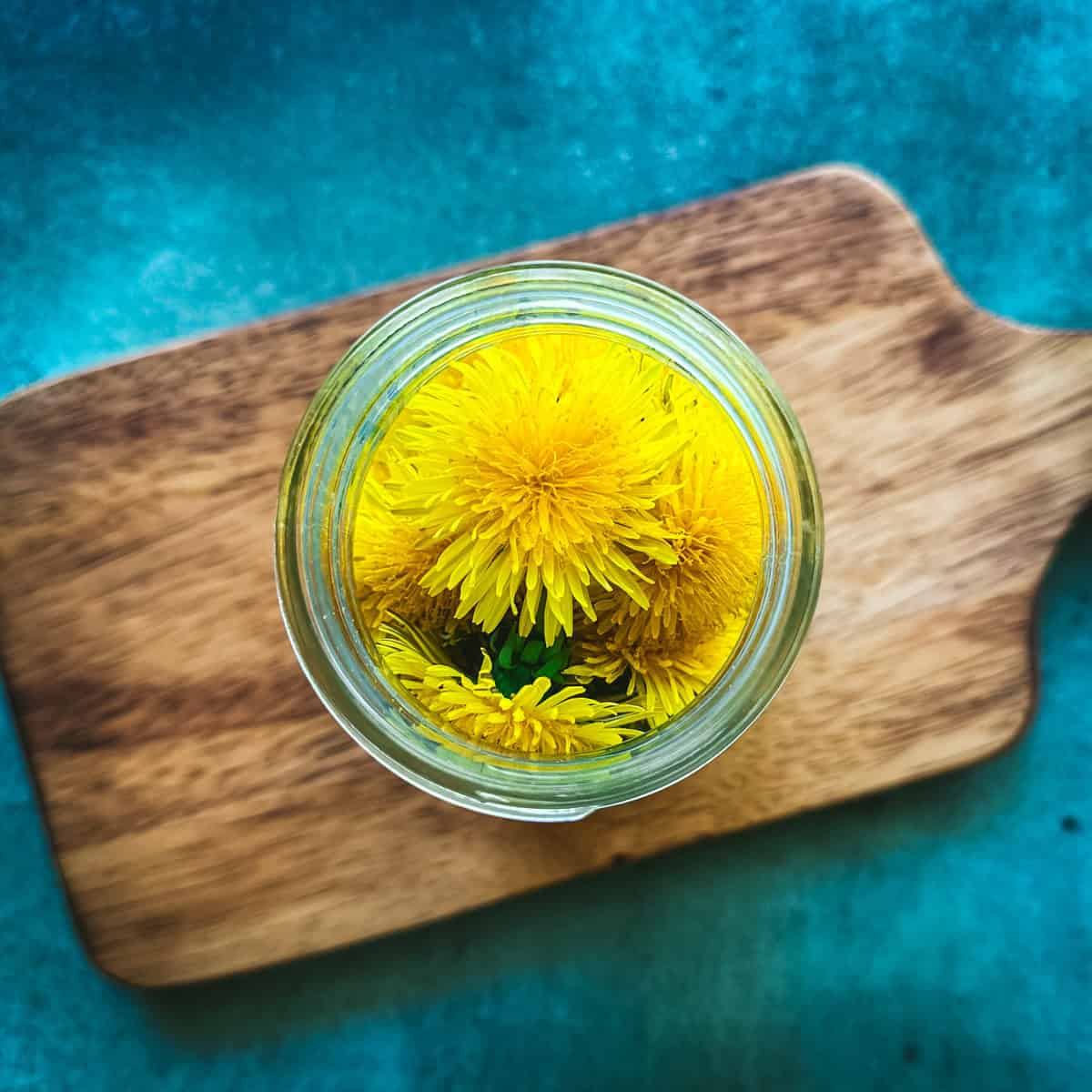
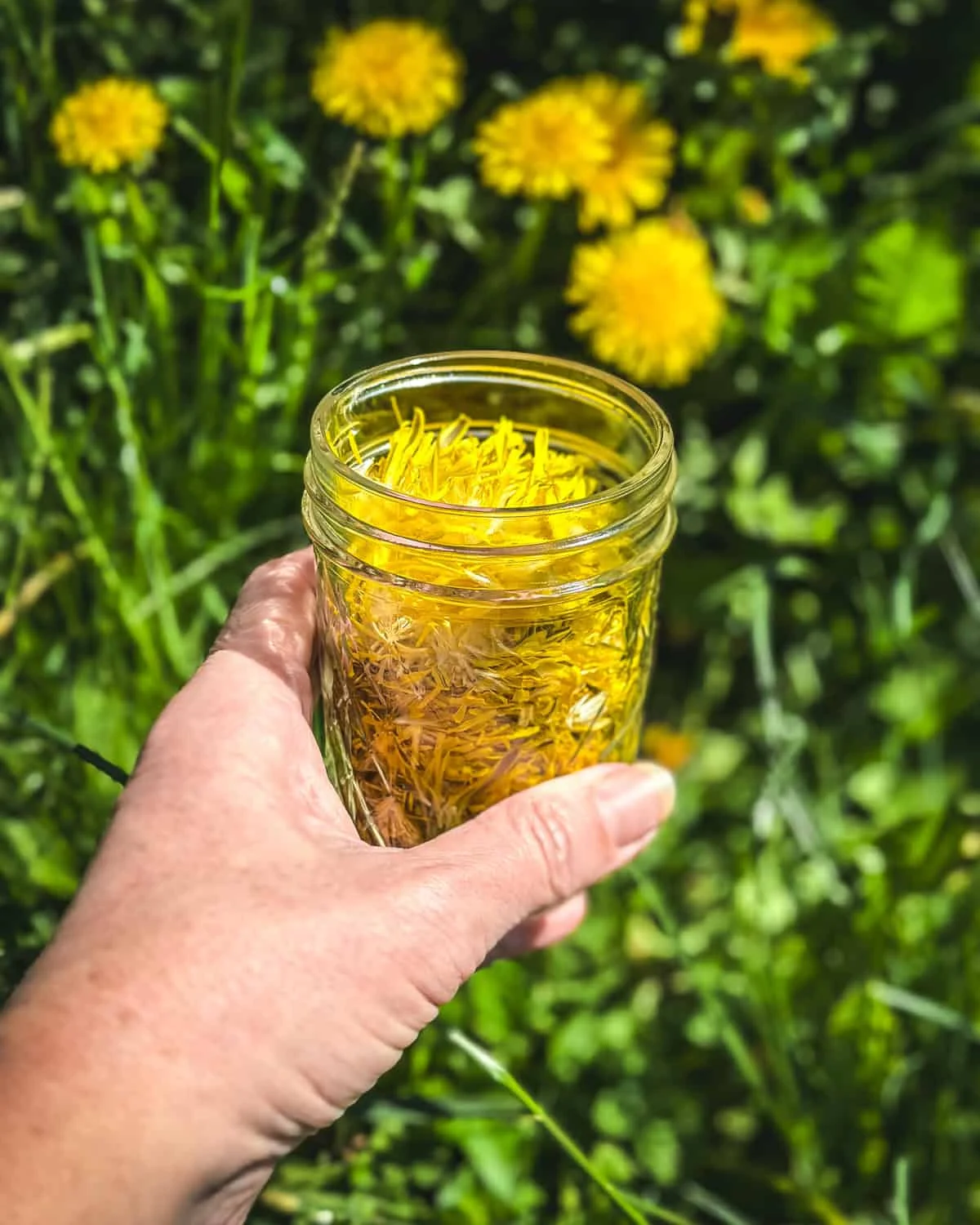
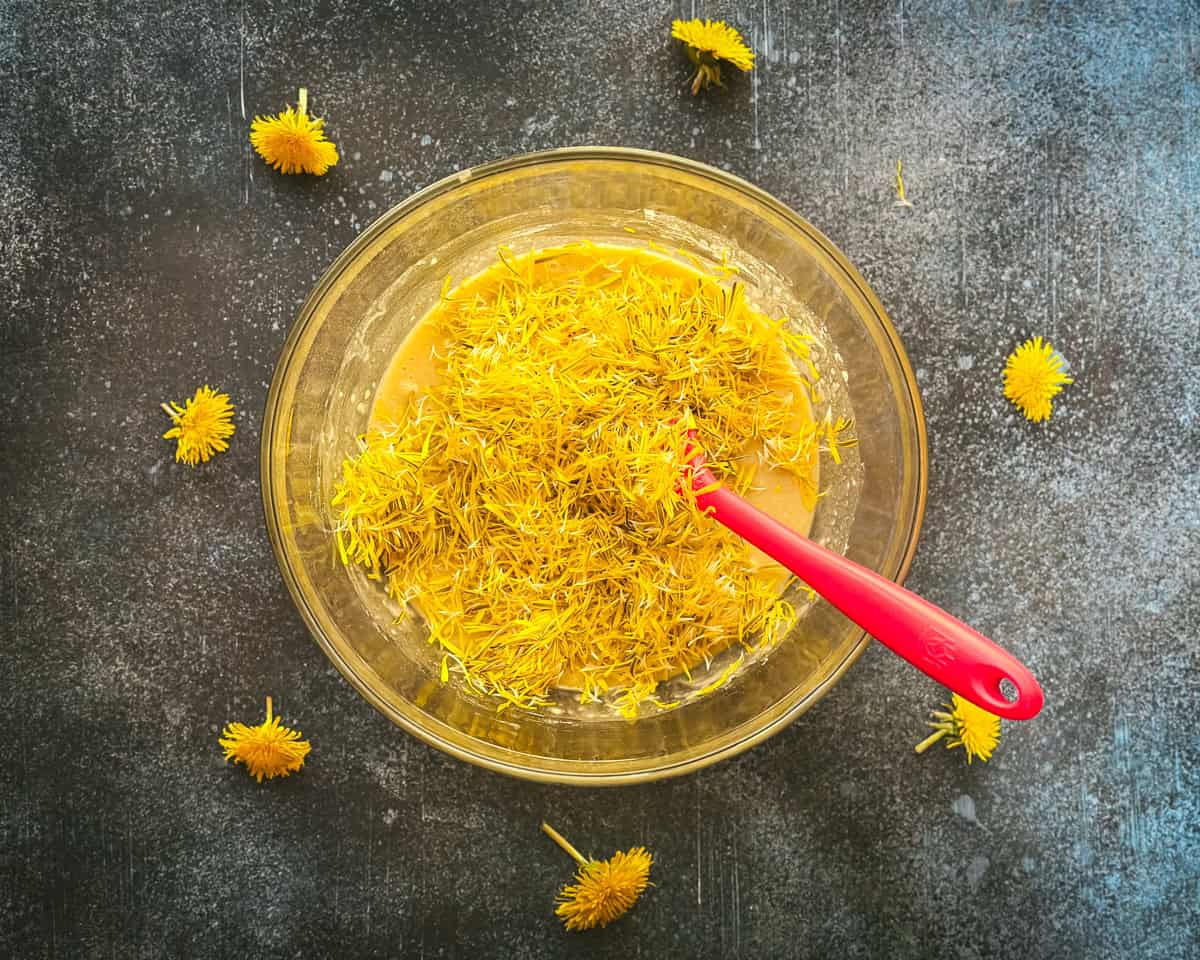
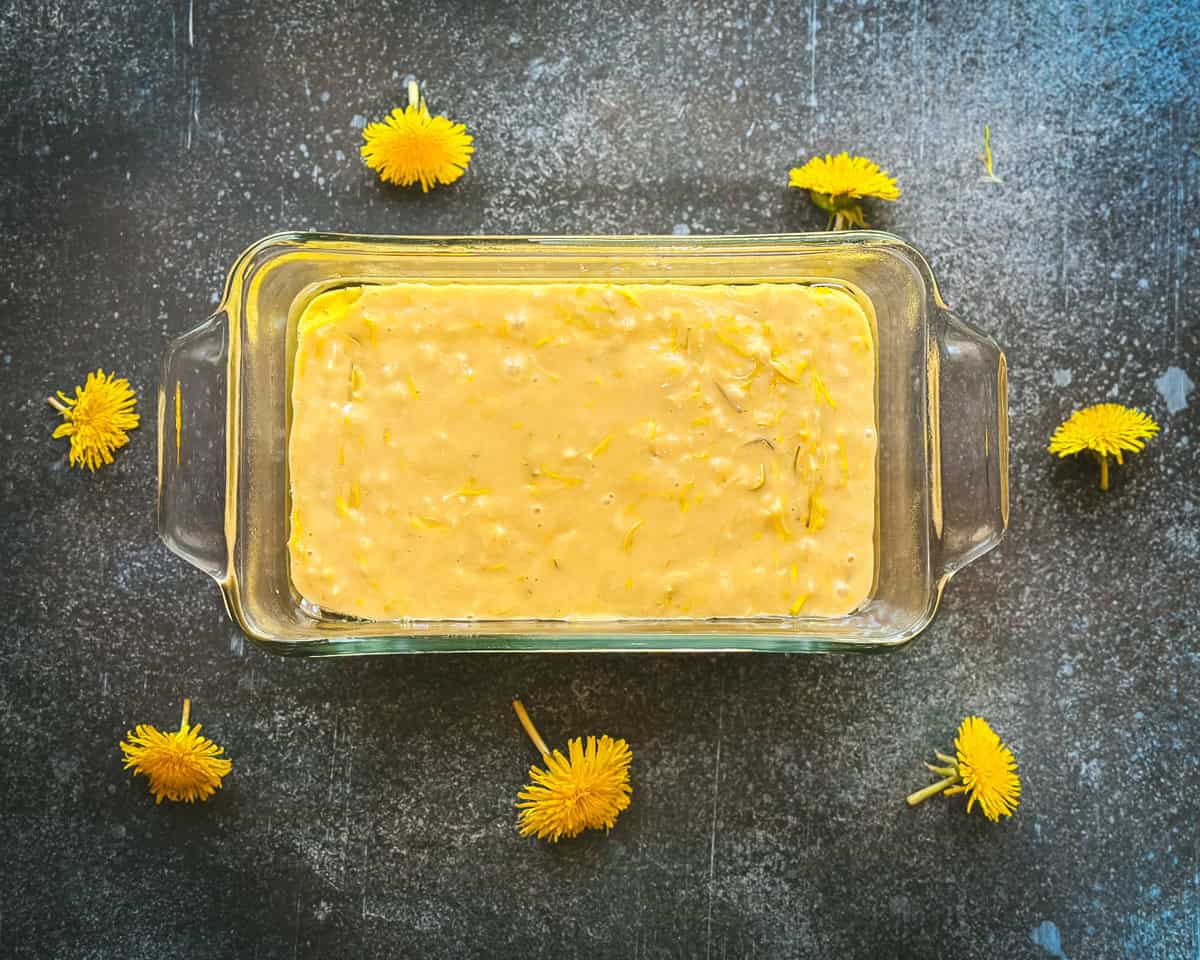
The process of creating dandelion bread is a meticulous endeavor. It begins with the collection of approximately one to two cups of fresh blossoms. Foraging must occur in areas confirmed to be free of pesticides, herbicides, and heavy metal contamination from roadside runoff. Once harvested, the petals must be separated from the green base, or calyx, as the green portions will introduce an undesirable bitterness to the finished loaf.

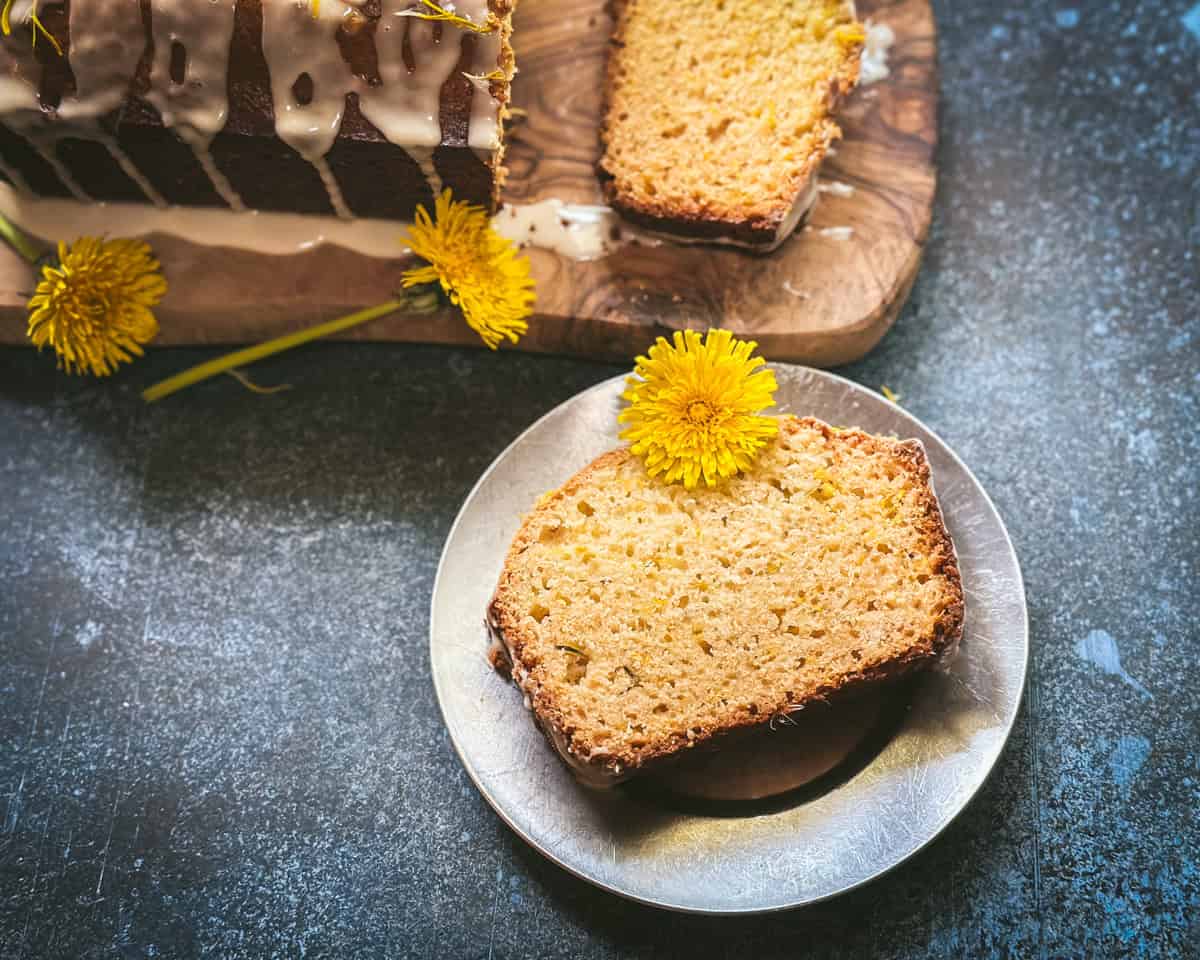
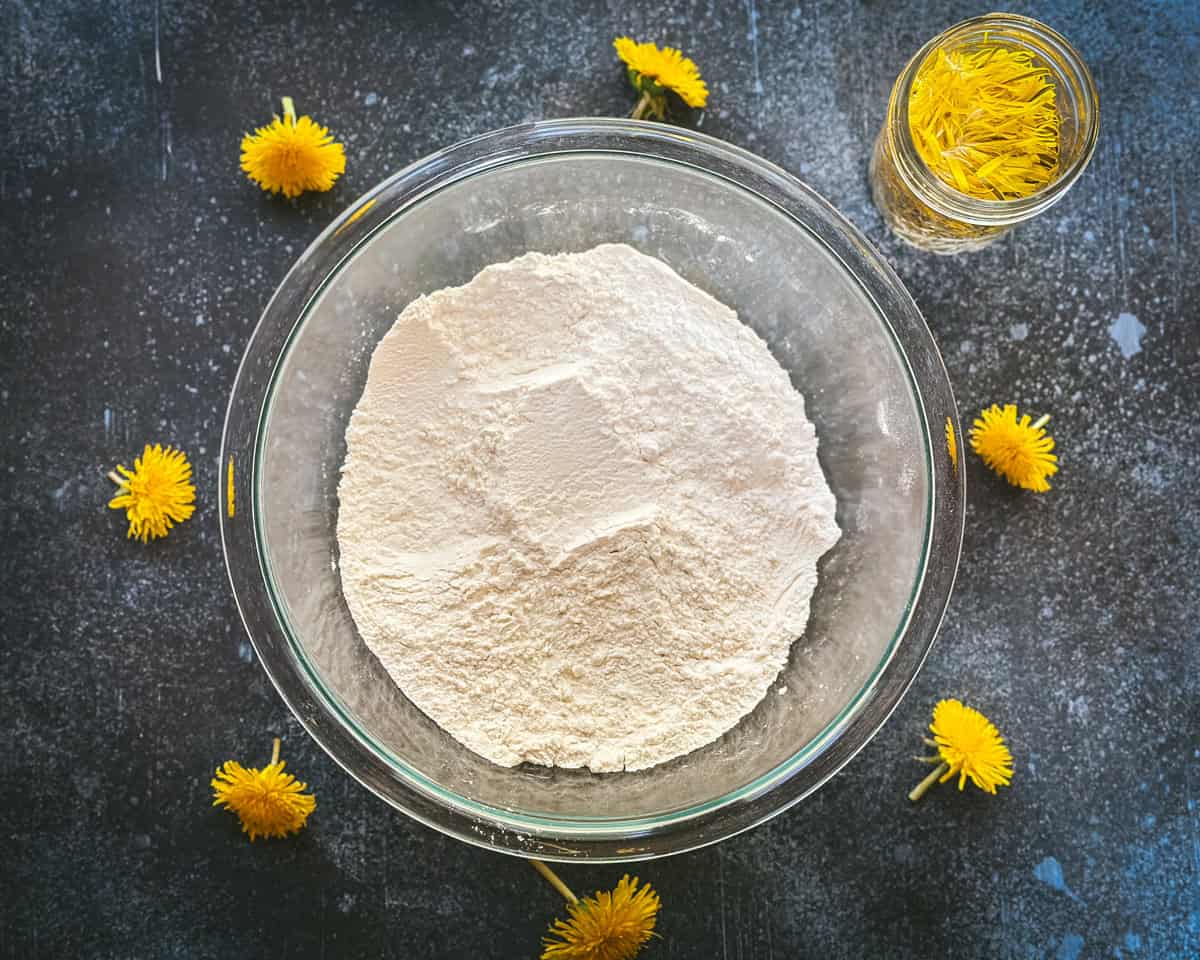
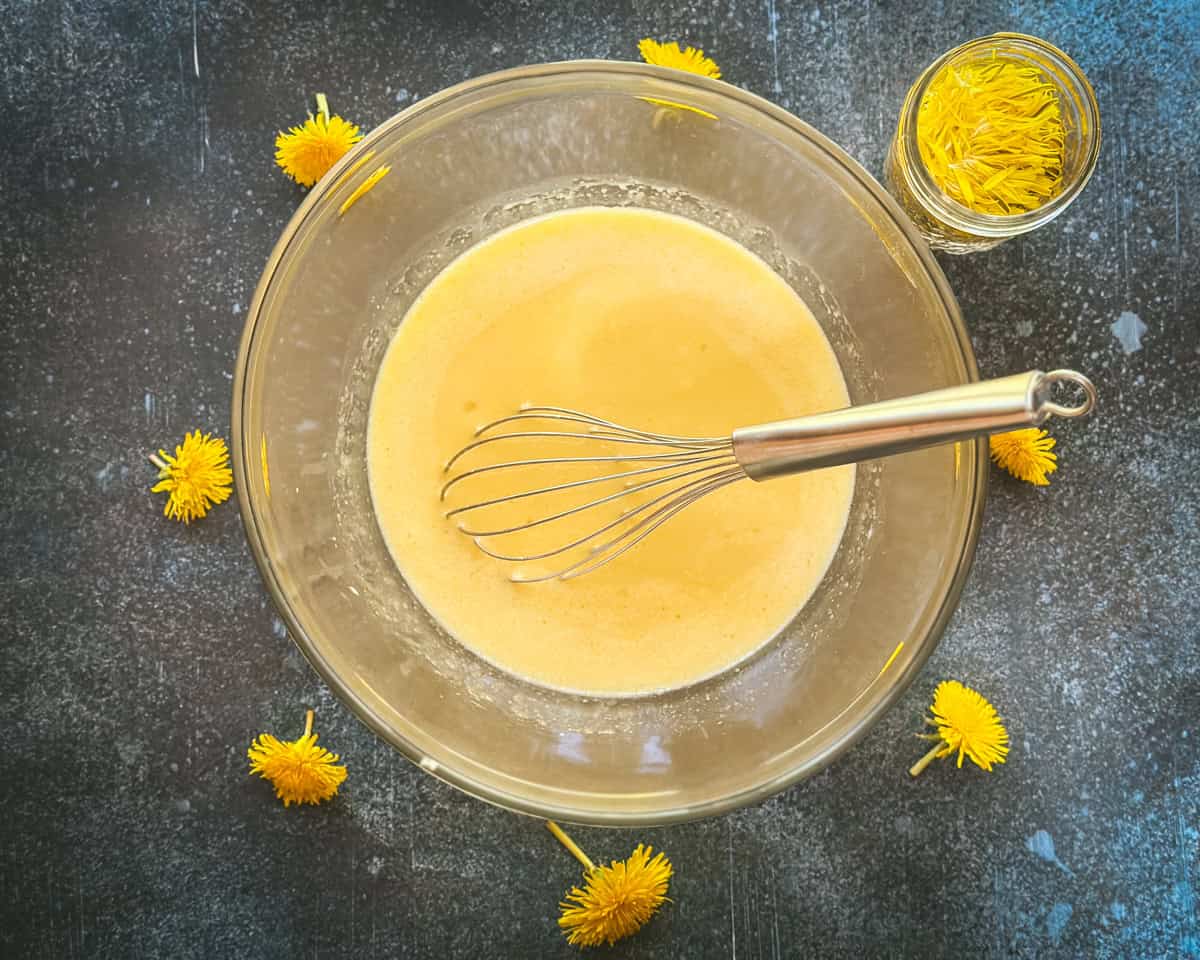
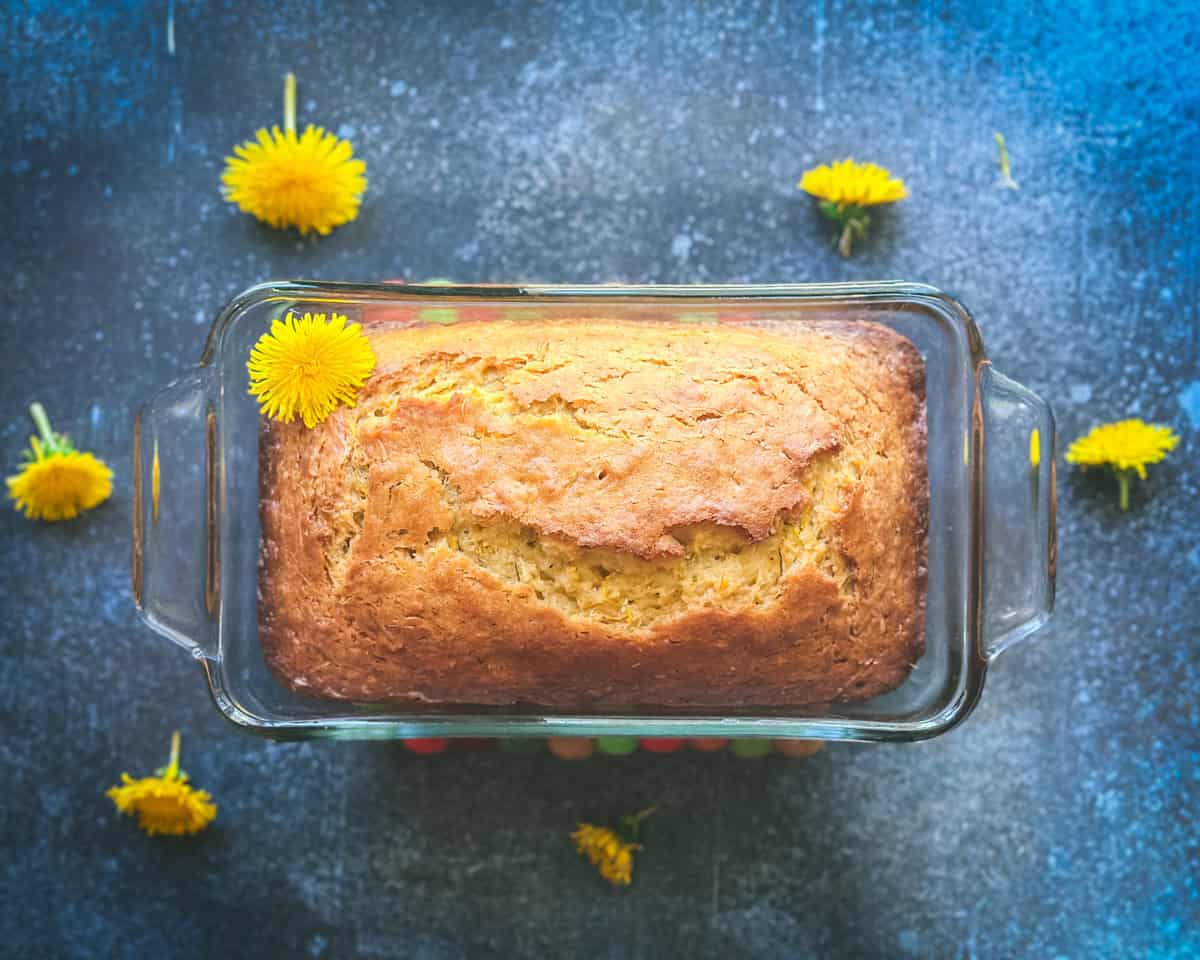
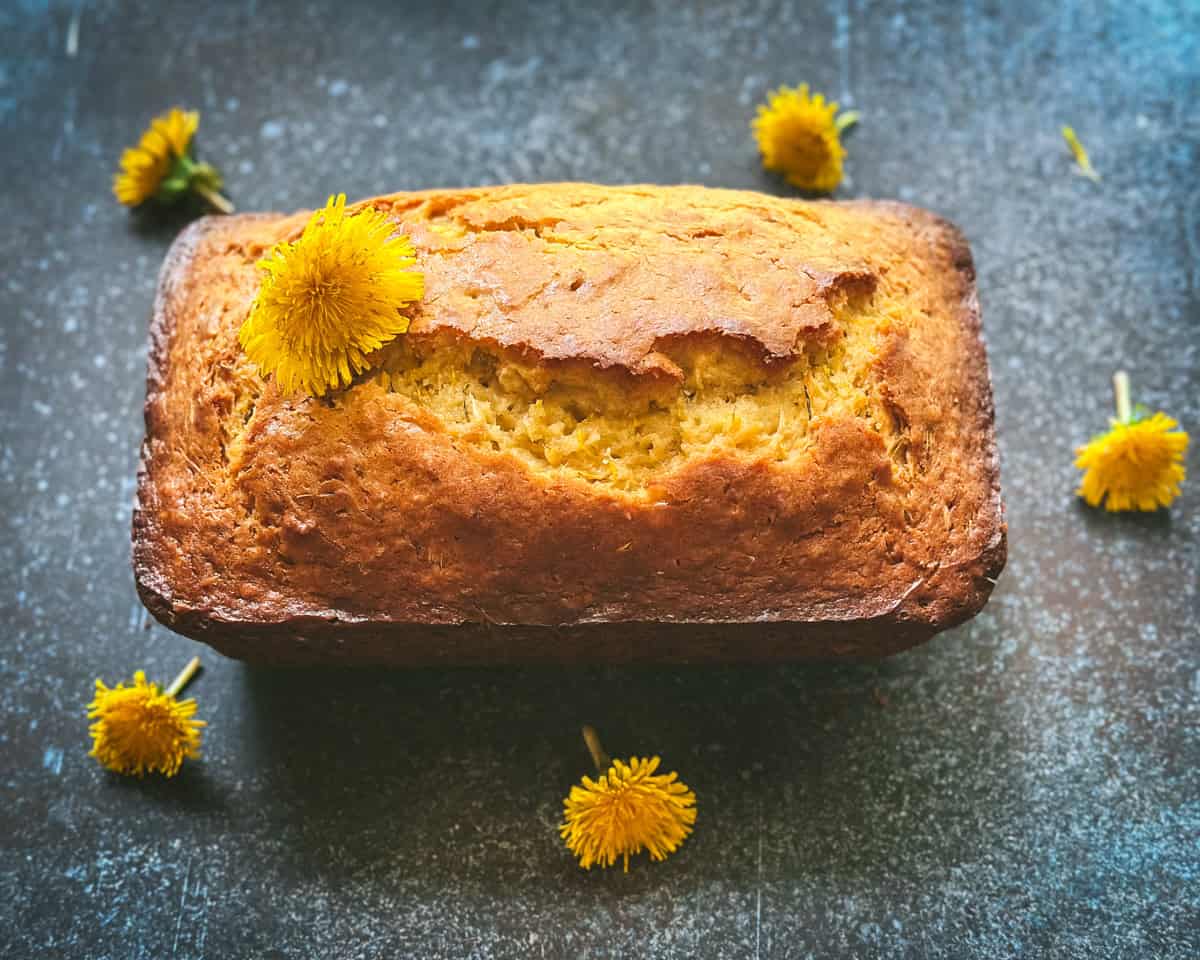
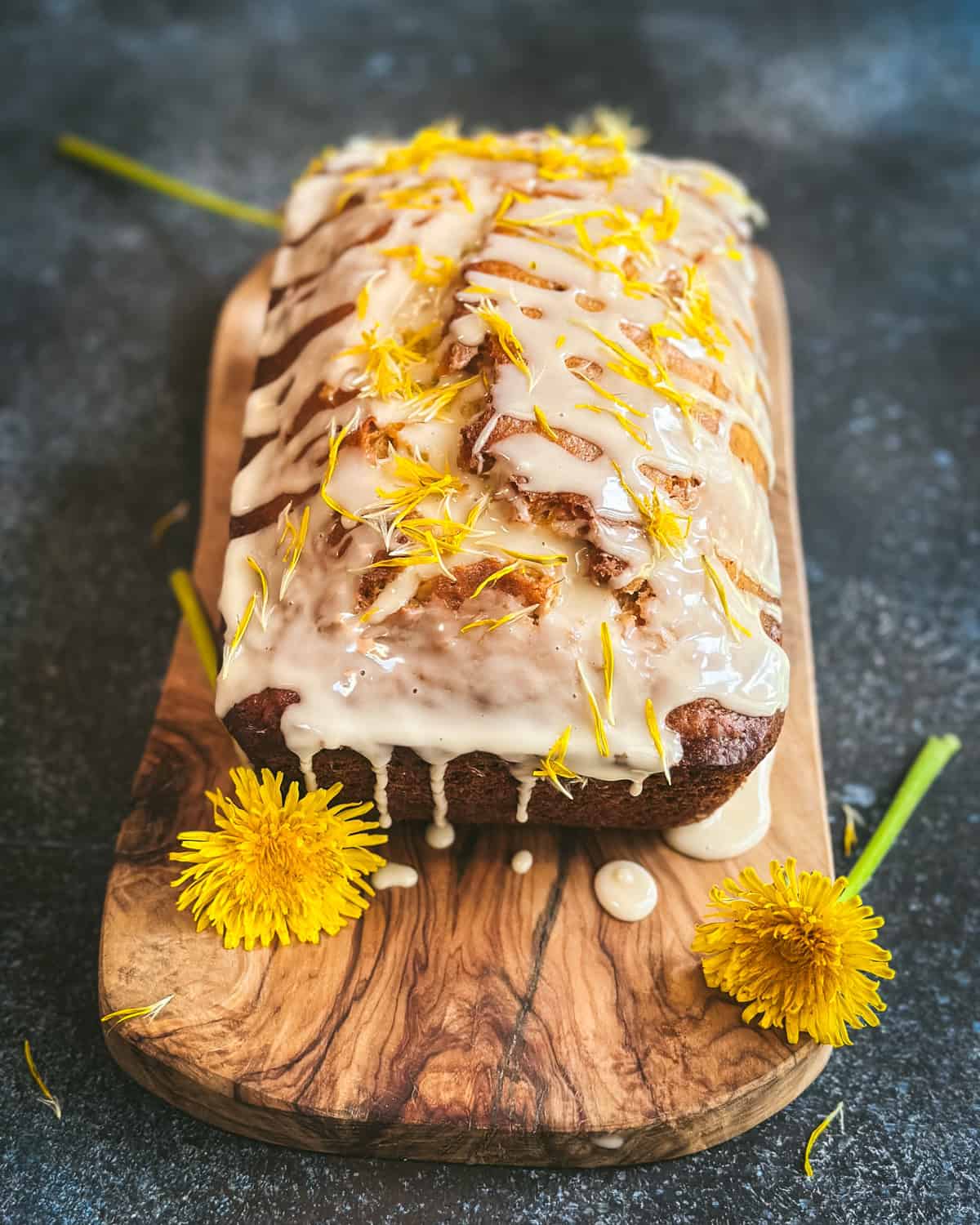
The resulting bread is characterized by a dense, moist crumb, often enhanced with lemon zest and raw honey to complement the floral notes of the dandelion. A typical professional-grade recipe integrates all-purpose flour, leavening agents such as baking powder, and a lipid base—often avocado or organic canola oil—to ensure a soft texture. The inclusion of an egg and milk (or a plant-based alternative) provides the structural integrity necessary for a quick bread. The final product is frequently finished with a honey-lemon glaze, which serves to amplify the natural citrusy undertones of the foraged petals.

Scientific Analysis: Nutritional Profiles and Medicinal Implications
The resurgence of interest in dandelions is supported by a growing body of peer-reviewed research. According to data published in the Journal of the Academy of Nutrition and Dietetics, dandelion greens are among the most nutrient-dense vegetables available, exceeding spinach and kale in certain categories. They are an exceptional source of Vitamin K, Vitamin A, and Vitamin C, alongside significant concentrations of calcium and iron.
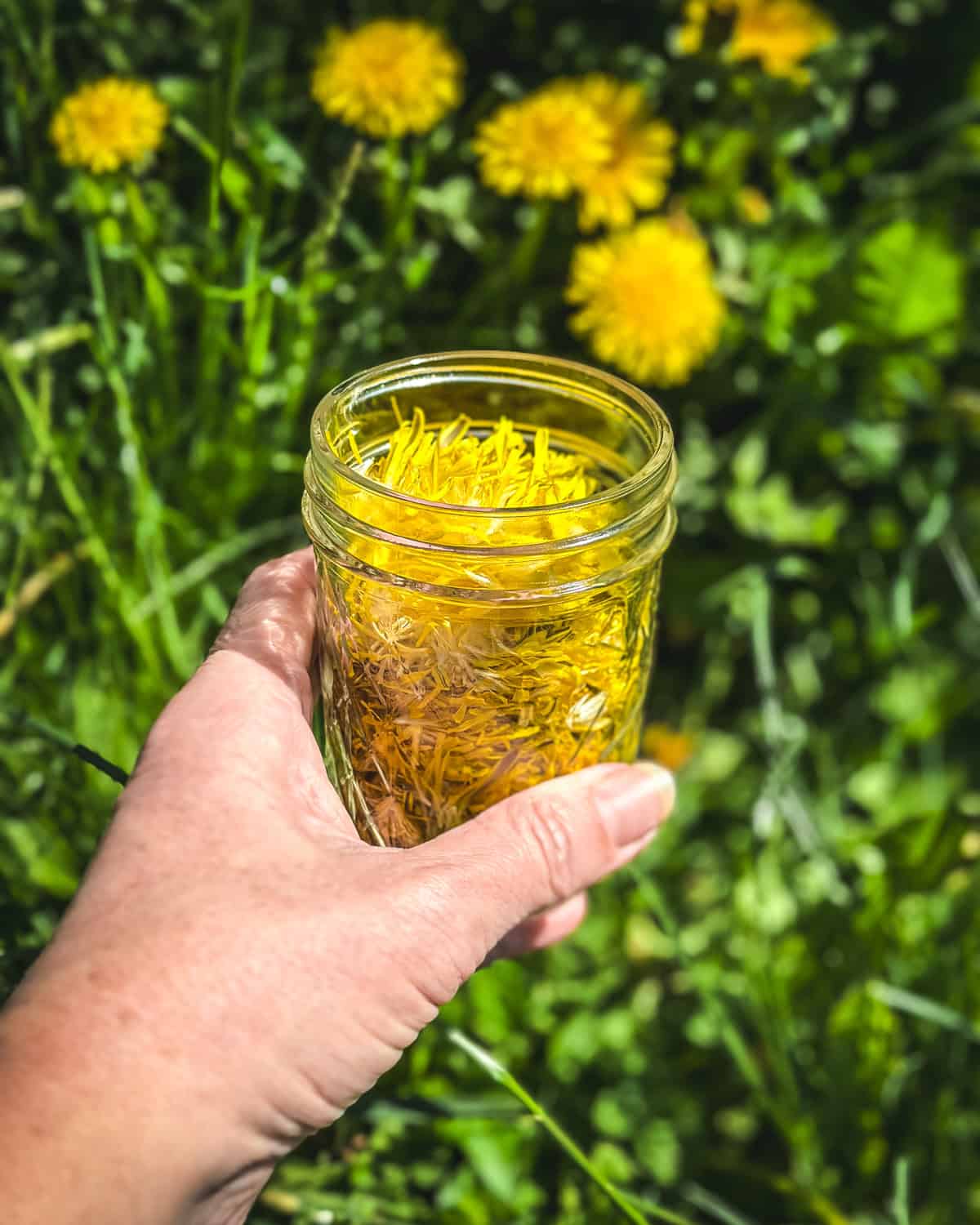
In the context of the flower petals used in bread making, studies suggest a high concentration of polyphenols and flavonoids. Research published in the journal Nutrients indicates that the active components in Taraxacum officinale may modulate hemostatic processes, potentially offering cardiovascular benefits, although clinical trials are ongoing. Furthermore, dandelion preparations have demonstrated significant antioxidant potential. In comparative studies, the petals often exhibit higher antioxidant activity than the leaves, due to the presence of luteolin and other phytochemicals that neutralize free radicals.
From an herbalist’s perspective, the plant has long been used as a "bitter tonic" to support liver function and digestion. While the bread-making process reduces the bitter load by using only the petals, the inclusion of the plant in the daily diet is seen by many practitioners as a way to integrate "food as medicine" into a standard Western diet.
The Chronology of a Foraging Season
The window for optimal dandelion harvesting is brief and highly dependent on local climatic conditions. The following timeline outlines the typical progression of the dandelion season and the corresponding culinary activities:

- Early Spring (Emergence): As soil temperatures reach approximately 50°F (10°C), the first rosettes appear. At this stage, the young leaves are at their least bitter and are harvested for raw salads and pestos.
- Mid-Spring (Peak Bloom): This is the primary window for dandelion bread production. The flowers open fully in the morning sun. Foragers typically harvest during the late morning after the dew has evaporated but before the flowers close in the heat of the afternoon.
- Late Spring (Seed Production): As the yellow petals drop and the "clock" or seed head forms, the culinary value of the flower diminishes. At this stage, foragers often shift their focus to the roots, which can be roasted and ground as a caffeine-free coffee substitute.
- Summer (Dormancy/Regrowth): In many climates, dandelions may experience a secondary, smaller bloom in the late summer or early fall, offering a shorter second window for petal collection.
Market Trends and the Foraging Economy
The rise of foraging is not merely a hobbyist pursuit but is increasingly reflected in the specialty food market. Market analysis indicates a 15% year-over-year increase in the demand for "wild-crafted" and "foraged" ingredients in the artisanal bakery sector. Consumers are demonstrating a willingness to pay a premium for products that tell a "story of place" and utilize local biodiversity.
Colleen Codekas, a prominent voice in the foraging community and author of several guides on backyard weeds, notes that the accessibility of the dandelion makes it a "gateway plant" for beginning foragers. Unlike wild mushrooms or rare forest herbs, the risk of misidentification with dandelions is extremely low, provided the forager can distinguish them from "false dandelions" (Hypochaeris radicata), which are also edible but less palatable.
Professional responses to this trend have been largely positive. Environmentalists applaud the movement for encouraging the reduction of lawn chemicals, while nutritionists highlight the benefits of diversifying the human microbiome through the consumption of wild plants. However, some urban planners have raised concerns regarding foraging in public parks, where soil quality may be compromised by historical industrial use.
Implications for Future Food Security and Sustainability
The integration of dandelions into the modern diet has broader implications for food security and environmental sustainability. As climate change disrupts traditional agricultural cycles, the reliance on resilient, "weedy" species may become a necessity rather than a culinary choice. Dandelions require no irrigation, no fertilizer, and no pesticides to thrive, making them one of the most sustainable crops currently available in the temperate world.
Furthermore, the practice of foraging fosters a "biophilic" connection between urban populations and their local ecosystems. By transforming a backyard nuisance into a high-value food item like dandelion bread, individuals are more likely to advocate for the protection of local green spaces and the reduction of environmental toxins.
In conclusion, the dandelion bread phenomenon is a microcosm of a larger shift in the global food system. It represents a move away from homogenized, industrial food toward a more nuanced, seasonal, and ecologically integrated approach to nutrition. As more people look to their own backyards for sustenance, the humble dandelion stands as a symbol of resilience, offering a taste of comfort and a reminder of the untapped potential within the natural world. Whether viewed through the lens of culinary arts, botanical science, or environmental activism, the dandelion is firmly re-establishing itself as a cornerstone of the spring season.


