

The rising cost of living has placed unprecedented pressure on household finances, with food expenditures emerging as one of the most significant variables in the monthly budget. According to data from the United States Department of Agriculture (USDA), the average American couple now spends approximately $800 per month on groceries, which translates to a weekly expenditure of $200. This figure represents a baseline that many households struggle to maintain as inflationary pressures continue to reshape the retail landscape. Projections from the USDA’s Food Price Outlook suggest that the situation will become increasingly challenging; by 2026, prices for all food categories are predicted to rise by an additional 3.6 percent. This anticipated increase follows a period of volatile price fluctuations driven by supply chain disruptions, labor shortages, and climate-related impacts on agriculture.
In response to these economic headwinds, a growing movement of consumers is adopting "low-waste, nutrient-dense, and plant-forward" dietary strategies to drastically reduce spending. Case studies of successful household budgeting indicate that it is possible to reduce a two-person grocery bill to as little as $300 per month—a 62.5 percent reduction from the national average. Achieving this level of efficiency requires a systemic overhaul of traditional shopping habits, a pivot toward "from-scratch" food preparation, and a disciplined approach to financial tracking.
The Economic Context of Food Inflation and Future Projections
To understand the necessity of aggressive grocery budgeting, one must examine the broader economic indicators provided by federal agencies. The Consumer Price Index (CPI) for food has historically outpaced general inflation in several key sectors. The USDA Economic Research Service (ERS) monitors these trends, noting that "food-at-home" (grocery) prices are influenced by a complex web of farm-level costs, processing fees, and transportation logistics.
The forecast for 2026, which predicts a 3.6 percent increase, is particularly concerning for middle- and low-income households. While a 3.6 percent jump may appear modest in isolation, it compounds upon the significant price hikes experienced between 2021 and 2024. For a couple currently spending the average $800 per month, this projected increase would add nearly $350 to their annual food costs. Consequently, the adoption of "inflation-proof" shopping habits is no longer merely an exercise in frugality but a necessary strategy for long-term financial stability.
A Chronological Approach to Grocery Budgeting
The transition from average spending to a high-efficiency budget follows a specific chronological progression, beginning with a rigorous audit of current habits and ending with the implementation of physical spending limits.
Phase 1: The Financial Audit and Habit Assessment
The first step in reducing food costs involves a granular analysis of where capital is currently being deployed. Budgeting experts recommend that households track every food-related purchase for 30 days to identify "leakage"—small, frequent purchases that aggregate into significant monthly sums. During this phase, individuals must determine their "habitual preferences." For instance, if a household frequently consumes specific cuisines, such as Mexican-inspired or Mediterranean dishes, the budget must be structured to prioritize the bulk acquisition of the foundational ingredients for those meals.
Phase 2: Implementing Physical Limits
One of the most effective strategies for maintaining a $300 monthly limit is the transition from digital to cash-based transactions. Financial psychologists have long noted that the "pain of paying" is more acute when using physical currency compared to credit or debit cards. By withdrawing a set amount of cash for the week—for example, $75 for a two-person household—consumers create a hard ceiling on their spending. This physical limit forces difficult but necessary choices in the grocery aisle, preventing the "impulse inflation" that often occurs at the checkout counter.
Phase 3: Seasonal Adjustment and Store Designation
A sophisticated budget accounts for seasonal fluctuations. During peak harvest months in the summer and fall, more capital may be allocated to farmers’ markets to take advantage of the abundance of fresh produce. Conversely, winter budgets may shift toward preserved, frozen, or bulk-stored goods. A sample budget for a $100-per-week goal might allocate $40 for bulk staples, $30 for seasonal produce, and $30 for proteins or specialty items, with adjustments made based on the inventory already present in the home pantry.
Eliminating the "Convenience Tax" Through DIY Production
A primary driver of high grocery bills is the "convenience tax"—the additional cost consumers pay for labor performed by food processors. This includes everything from shredded cheese and pre-cut vegetables to baked goods and canned legumes.
The Economics of Home Baking
The financial impact of home-made staples is best illustrated by bread production. A standard loaf of high-quality sourdough or artisanal bread at a local bakery can cost upwards of $7.00. For a household consuming two loaves per week, this results in an annual expenditure of approximately $728. In contrast, the raw ingredients for a loaf of bread—flour, water, salt, and yeast—cost mere cents. By utilizing appliances like breadmakers, often acquired at no cost through community "Buy Nothing" groups or second-hand markets, households can automate the production of bread, effectively reclaiming hundreds of dollars per year.
Legumes and Grain Management
The price disparity between canned and dry goods is another area for significant savings. Dry beans are consistently cited as one of the most cost-effective protein sources available. Purchasing beans in bulk and preparing them in large batches—then freezing them for future use—provides the same convenience as canned varieties at less than half the cost. This strategy extends to grains such as rice, quinoa, and oats, which should be purchased in the largest available quantities to reduce the price-per-ounce.
Strategic Sourcing and the Role of Bulk Procurement
Where a consumer shops is as critical as what they buy. High-efficiency budgeting requires a multi-channel sourcing strategy that bypasses traditional retail markups.
Bulk Wholesalers and Local Markets
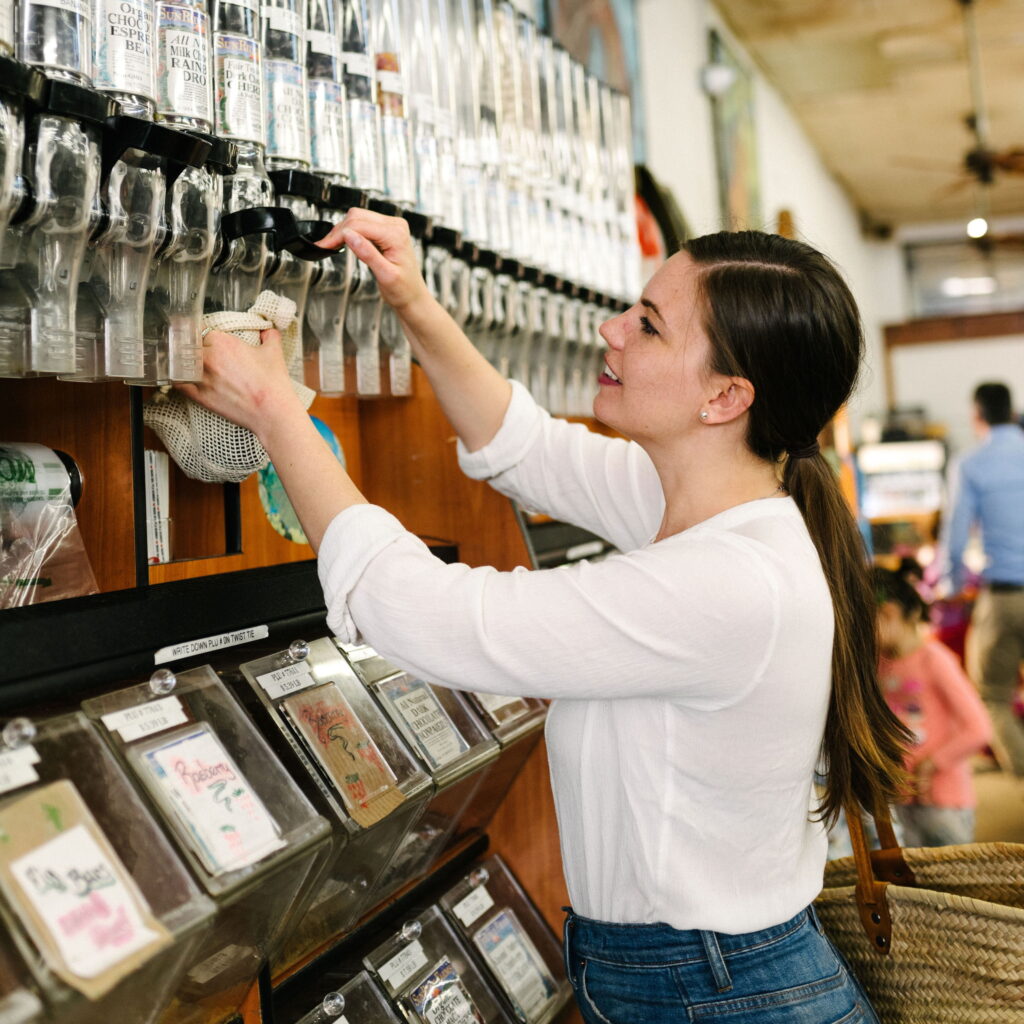
Warehouse clubs like Costco offer significant advantages for shelf-stable staples such as flour, rice, and oils. However, for specialized items like spices, local ethnic markets often provide much lower prices than mainstream supermarkets. Furthermore, shopping from bulk bins allows consumers to purchase only the exact quantity needed for a specific recipe, preventing the waste of excess ingredients that might otherwise expire in the pantry.
The "Imperfect" Produce Movement
To combat the high cost of fresh produce, many consumers are turning to "imperfect" produce programs. These initiatives sell fruits and vegetables that fail to meet strict aesthetic standards for shape or size but remain nutritionally identical to their "Grade A" counterparts. Retailers often discount these items significantly to prevent food waste. Additionally, technology-driven solutions like the "Too Good To Go" app have created a marketplace for surplus food from restaurants and bakeries, allowing consumers to rescue high-quality food at a fraction of its original retail price.
Nutritional Analysis: The Plant-Forward Advantage
The shift toward a $300 monthly budget often necessitates a "plant-forward" diet, which prioritizes legumes, grains, and seasonal vegetables over expensive animal proteins. This shift aligns with findings from "Blue Zones"—regions of the world where populations consistently live longer, healthier lives. In these areas, beans, nuts, and whole grains are dietary staples.

From an economic perspective, plant-based proteins offer the "best bang for the buck." While meat prices are highly susceptible to fluctuations in grain costs and fuel prices, legumes remain relatively stable and provide high levels of fiber and essential nutrients. For households that choose to consume meat, experts suggest buying inexpensive cuts in bulk, such as bone-in chicken or ground meats, and performing the butchery and trimming at home to avoid the labor markups associated with pre-packaged fillets.
Broader Impact and Economic Implications
The trend toward aggressive grocery budgeting and zero-waste shopping has broader implications for the retail industry and the environment. As more consumers adopt DIY strategies and bulk sourcing, traditional grocery stores may face pressure to adjust their pricing models or increase the availability of bulk and "imperfect" options.
Furthermore, the financial discipline required to maintain a $300 monthly food budget often leads to a significant reduction in household food waste. The USDA estimates that 30 to 40 percent of the food supply in the United States is wasted. By planning meals around existing inventory and utilizing every part of the ingredients—such as making vegetable broth from scraps or pumpkin puree from seasonal decor—consumers are not only saving money but also mitigating the environmental impact of landfill-bound organic waste.
As the 2026 forecast approaches, the ability to navigate the grocery store with a strategic, data-driven plan will become a defining characteristic of the economically resilient household. The combination of financial auditing, DIY production, and savvy sourcing represents a comprehensive response to an era of persistent food inflation.


