
The global functional beverage market has witnessed a significant shift toward traditional fermentation, with cranberry orange kombucha emerging as a primary seasonal focus for home brewers and artisanal producers alike. As consumer interest in gut health and immune support intensifies during the winter months, the intersection of ancient fermentation techniques and seasonal fruit profiles provides a unique opportunity for nutritional optimization. This beverage, characterized by its high Vitamin C content and probiotic density, represents a broader movement toward "slow food" and DIY wellness. By utilizing the secondary fermentation process, brewers are able to transform a standard tea-based kombucha into a carbonated, nutrient-dense tonic that leverages the specific phytochemical properties of the North American cranberry (Vaccinium macrocarpon) and the antioxidant profile of citrus fruits.
The Evolution and Market Context of Fermented Beverages
The resurgence of kombucha, a fermented tea drink with origins tracing back to Northeast China circa 220 B.C., has moved from a niche health food product to a multi-billion dollar global industry. Market analysts suggest that the global kombucha market size was valued at approximately USD 2.64 billion in 2021 and is expected to expand at a compound annual growth rate (CAGR) of 15.6% through 2030. This growth is largely driven by the increasing prevalence of chronic lifestyle diseases and a heightened consumer awareness regarding the link between the gut microbiome and overall systemic health.
During the winter season, consumer demand pivots toward flavors that evoke traditional holiday themes while providing a perceived defense against seasonal illnesses. The combination of cranberry and orange is not merely a culinary staple but a strategic nutritional pairing. Cranberries, which reach peak harvest in late autumn, are widely recognized for their high concentration of proanthocyanidins (PACs), which prevent the adhesion of certain bacteria to the urinary tract wall. When integrated into a fermented medium like kombucha, these properties are complemented by the live bacterial cultures produced during the initial fermentation phase.
The Microbiology of the Two-Stage Fermentation Process
To understand the production of cranberry orange kombucha, one must first analyze the symbiotic colony of bacteria and yeast, commonly referred to as a SCOBY. The production cycle is divided into two distinct chronological phases: the primary fermentation and the secondary fermentation.
Primary Fermentation: The Foundation
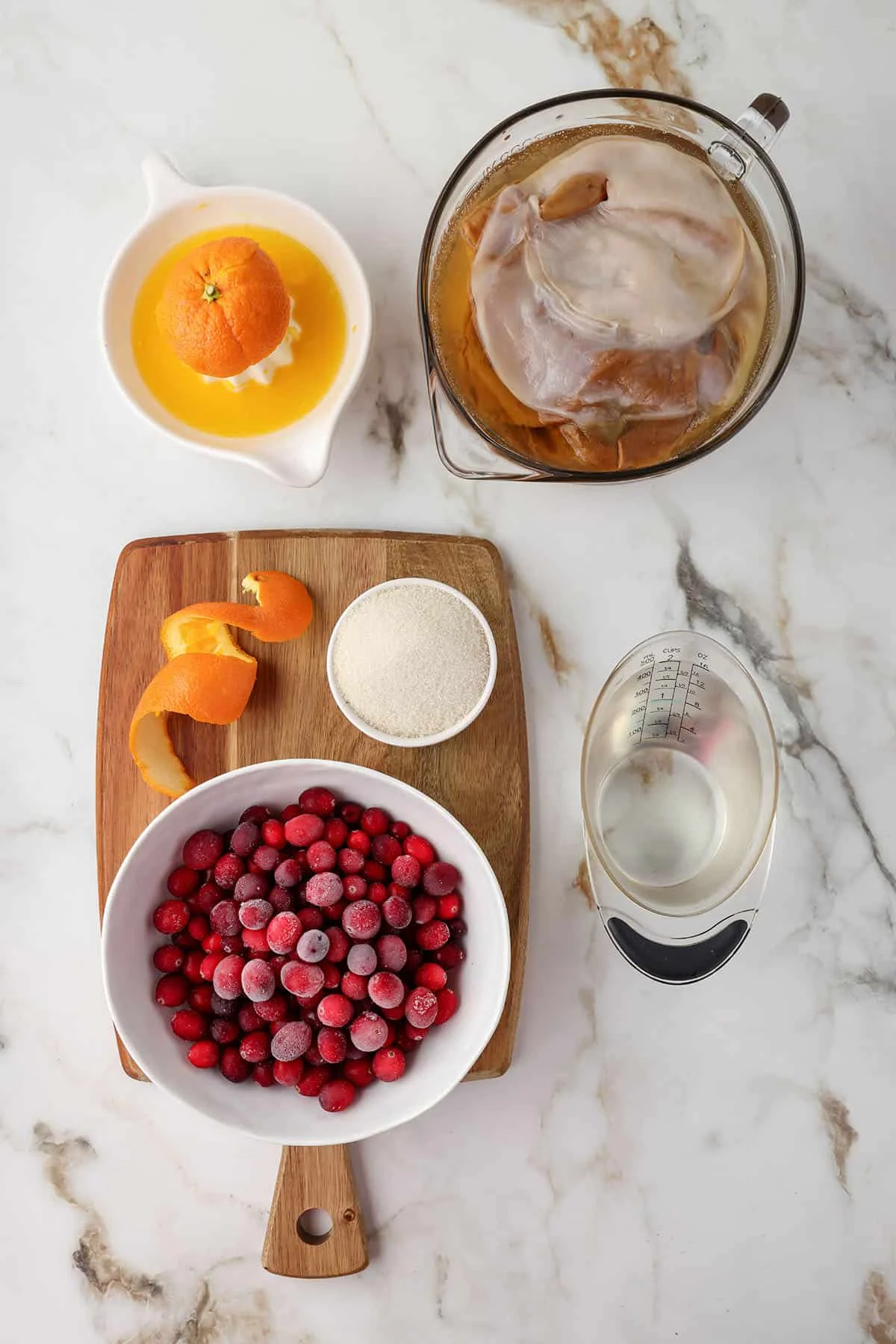
The process begins with a base of sweetened black or green tea. The SCOBY metabolizes the sucrose, converting it into ethanol and acetic acid. This phase typically lasts between 7 to 21 days, depending on ambient temperature and desired acidity levels. The resulting liquid is a tart, slightly effervescent tea rich in Gluconacetobacter and various yeast strains such as Saccharomyces.
Secondary Fermentation: Flavor and Carbonation
The cranberry orange variant is created during the second ferment. Unlike the first stage, which requires oxygen, the second ferment is anaerobic. It involves adding a concentrated sugar source—in this case, a homemade cranberry orange syrup—to the finished kombucha in an airtight container. This stage is critical for two reasons: it introduces specific phytonutrients from the fruit and forces the yeast to produce carbon dioxide (CO2). Because the CO2 cannot escape the sealed bottle, it dissolves into the liquid, creating the signature "fizz" associated with commercial sodas but without the synthetic additives.
Nutritional Profile and Health Implications
The integration of cranberries and oranges into the fermentation cycle enhances the beverage’s functional value. According to USDA nutritional data, 100 grams of raw cranberries provide 13.3 mg of Vitamin C and 4.6 grams of fiber. Oranges contribute significantly higher levels of ascorbic acid and flavonoids like hesperidin, which has been studied for its anti-inflammatory effects.

Probiotic Density
The primary appeal of kombucha lies in its probiotic content. Clinical studies have suggested that regular consumption of fermented foods can improve digestion, enhance immune function, and potentially reduce symptoms of anxiety and depression via the gut-brain axis. The specific strains found in home-brewed kombucha are often more diverse than those found in pasteurized commercial versions, though home brewers must maintain strict hygiene protocols to prevent contamination.
Urinary Tract Health
The inclusion of cranberries provides a targeted benefit. Research published in various medical journals has confirmed that the A-type proanthocyanidins in cranberries are effective in preventing urinary tract infections (UTIs) by inhibiting the p-fimbriated Escherichia coli from adhering to uroepithelial cells. By fermenting the cranberry juice, the sugars are reduced while the beneficial acids remain, making it a lower-glycemic alternative to traditional cranberry juice cocktails.
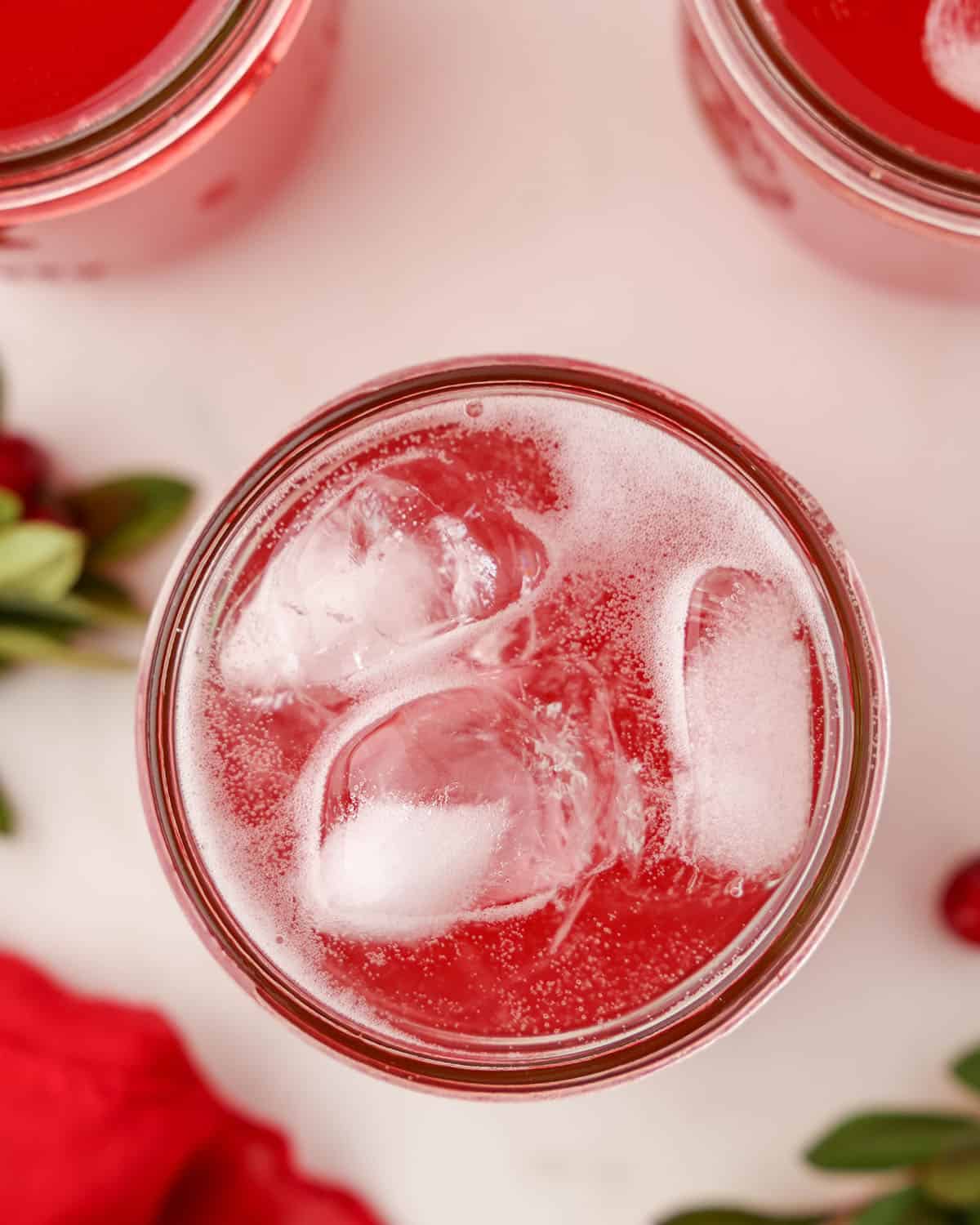
Technical Production Protocol: The Cranberry Orange Synergy
The production of this seasonal beverage requires a precise methodology to ensure flavor balance and safety. The following protocol outlines the professional approach to crafting the cranberry orange syrup and the subsequent bottling process.
Phase I: Syrup Extraction
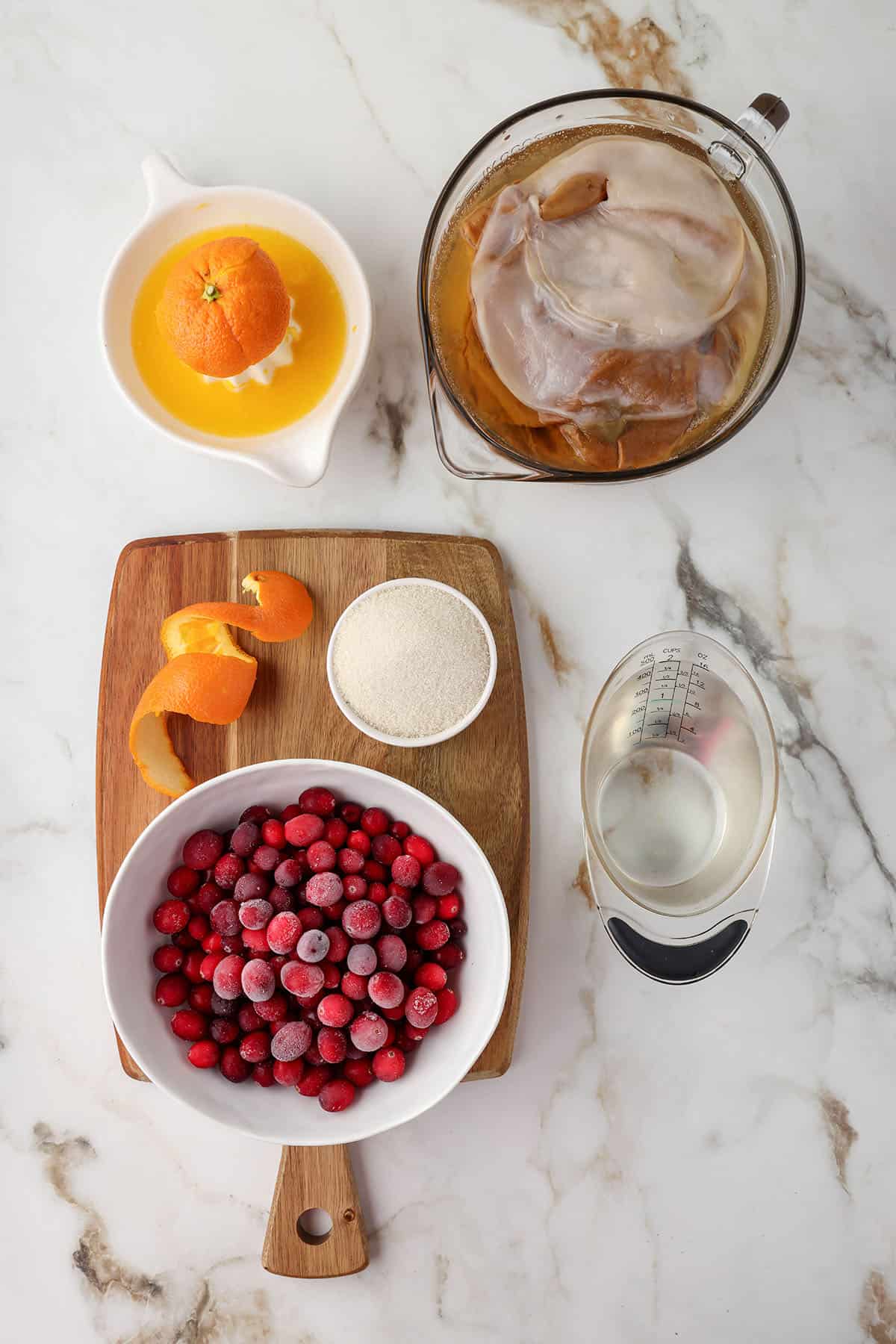
The foundation of the flavor profile is a concentrated syrup. The recipe calls for approximately 2 cups of whole cranberries (fresh or frozen) and 1 cup of organic cane sugar. The use of organic sugar is preferred in fermentation as it lacks the residual pesticides that can sometimes inhibit microbial growth. The addition of one large orange, including both the juice and the zest (peel), introduces essential oils that provide a bright aromatic quality.

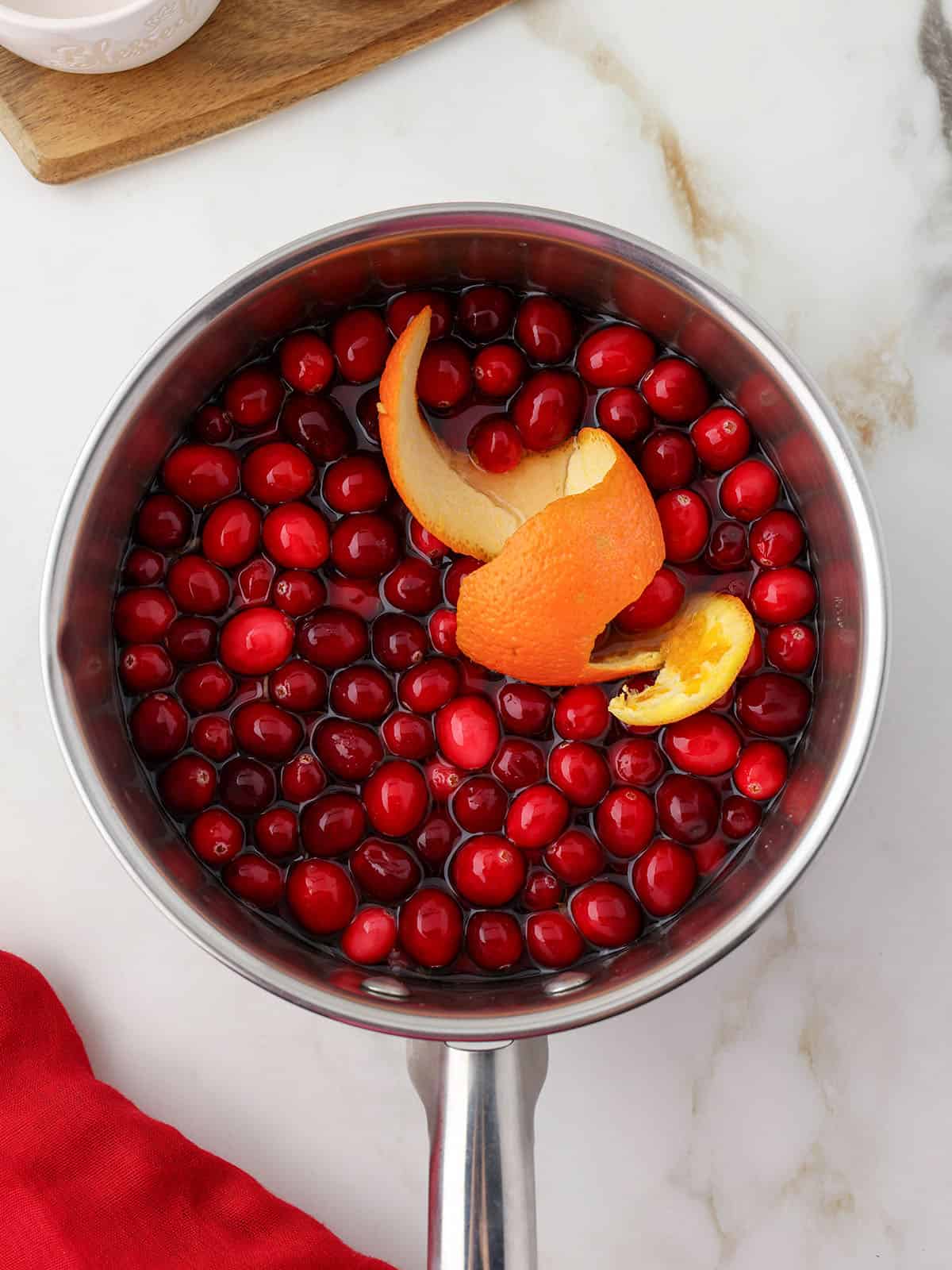
- Simmering: The ingredients are combined in a medium saucepan and brought to a simmer over medium heat. This heat application breaks down the cellulose walls of the cranberries, releasing the juice and pectin.
- Mashing: Once the cranberries have softened (approximately 5-7 minutes), they are mashed to maximize extraction.
- Infusion: The mixture is removed from the heat and allowed to steep for 15 minutes. This cooling period is vital; adding boiling syrup to kombucha would kill the live cultures.
- Filtration: The mixture is strained through a fine-mesh sieve or cheesecloth. The result is approximately 2 cups of high-density, nutrient-rich syrup.
Phase II: Bottling and Carbonation
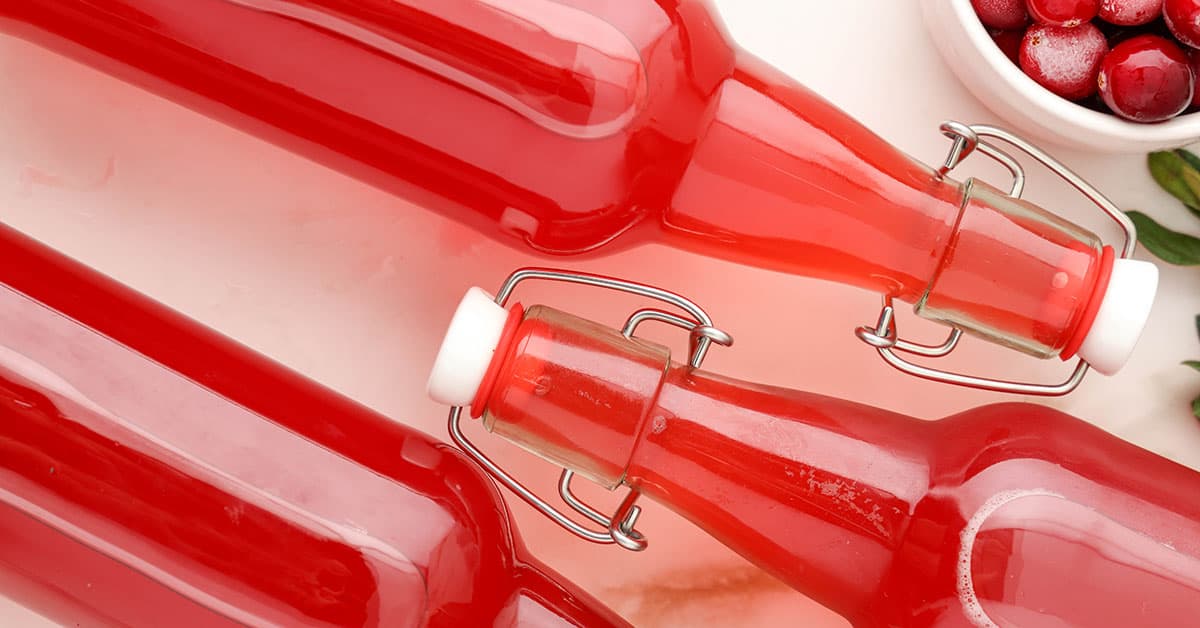
The second fermentation requires 7 cups of prepared kombucha and the 2 cups of cranberry syrup. The liquids are blended in a large vessel before being transferred to swing-top (Grolsch-style) bottles. These bottles are specifically designed to withstand the pressure of carbonation.
- Headspace Management: A critical safety step involves leaving 1 to 2 inches of "headspace" at the top of each bottle. This space acts as a buffer for the accumulating CO2 gas.
- Temperature Control: The bottles are stored in a dark environment at room temperature (68-75°F). In these conditions, the secondary fermentation typically concludes in 2 to 3 days.
- Refrigeration: Once the desired carbonation level is reached, the bottles must be moved to cold storage. Cold temperatures significantly slow microbial activity, "locking in" the flavor and preventing over-pressurization.
Safety Analysis and Quality Control
While home fermentation is generally safe, it requires adherence to specific scientific principles to avoid spoilage or bottle failure. The primary risk in secondary fermentation is "bottle bombs"—glass containers that shatter due to excessive CO2 pressure.

Professional fermentation experts recommend "burping" the bottles—briefly opening the seal once a day—to gauge the pressure buildup. If the bubbles race to the top aggressively, the fermentation is complete. Furthermore, the use of a "control" plastic bottle is a common industry trick: brewers fill one plastic bottle alongside the glass ones and monitor its firmness; when the plastic bottle becomes rock-hard, the glass bottles are ready for the refrigerator.
Sustainability and Culinary Integration
The production of cranberry orange kombucha also aligns with modern sustainability goals. The byproduct of the syrup-making process—the leftover cranberry pulp—is highly versatile. Due to the high pectin content of cranberries, this pulp can be blended into a refrigerator jam or fruit leather, ensuring a zero-waste production cycle.
Culinary experts suggest that the tartness of the beverage makes it an ideal palate cleanser for heavy winter meals. It is frequently recommended as a non-alcoholic alternative at holiday gatherings, providing the complexity of a craft cocktail without the ethanol content. Pairing suggestions often include cranberry orange muffins or savory roasted root vegetables, which complement the drink’s acidic profile.
Broader Implications for Public Health
The rise of beverages like cranberry orange kombucha indicates a shift in the public health landscape. As the medical community places more emphasis on preventative care through nutrition, the role of fermented functional foods becomes more prominent. While kombucha is not a panacea, its role as a replacement for high-sugar sodas and its contribution to a diverse gut microbiome represent a positive trend in dietary habits.
In conclusion, the crafting of cranberry orange kombucha is a sophisticated blend of culinary art and microbiological science. By utilizing the peak harvest of winter fruits and the natural power of fermentation, individuals can produce a beverage that is not only culturally significant for the season but also a powerhouse of functional nutrition. As the industry continues to evolve, these traditional methods remain at the forefront of the modern wellness movement, proving that the most effective health innovations are often found in the refinement of ancient practices.


