The landscape of home food preservation has undergone a significant transformation over the last decade, transitioning from traditional canning and dehydrating to the more advanced technology of home-scale freeze-drying. Among the various proteins available for preservation, the rotisserie chicken has emerged as a primary candidate for both novice and experienced practitioners due to its accessibility, pre-cooked nature, and cost-effectiveness. As food prices continue to fluctuate and interest in domestic food security grows, the process of freeze-drying rotisserie chicken represents a strategic intersection of culinary convenience and long-term pantry management.
The Economic Context of Rotisserie Chicken Preservation
The rotisserie chicken has long been recognized in the retail industry as a "loss leader"—a product sold at a low price to attract customers into a store. Major retailers, most notably Costco and Sam’s Club, have maintained consistent pricing on these items despite inflationary pressures on raw poultry. For the consumer, this creates a unique opportunity for arbitrage in food preservation. By purchasing these pre-cooked birds, often at prices lower than raw whole chickens, and applying freeze-drying technology, households can lock in current prices for high-quality protein that remains shelf-stable for months or even years.
Furthermore, the secondary utility of the rotisserie chicken—specifically the carcass—enhances the overall value proposition. The bones and connective tissues, when simmered, produce nutrient-dense bone broth. This broth can subsequently be freeze-dried into a concentrated powder or bouillon, ensuring that nearly 100% of the initial purchase is utilized, thereby adhering to modern "zero-waste" culinary principles.
Technical Chronology of the Freeze-Drying Process
The transition of a moist, succulent rotisserie chicken into a shelf-stable, lightweight pantry staple requires a precise series of steps rooted in the science of sublimation. Sublimation is the process where water moves from a solid state (ice) directly to a gaseous state (vapor) without passing through the liquid phase, a feat achieved through the manipulation of temperature and atmospheric pressure.
Phase I: Preparation and Mechanical Separation
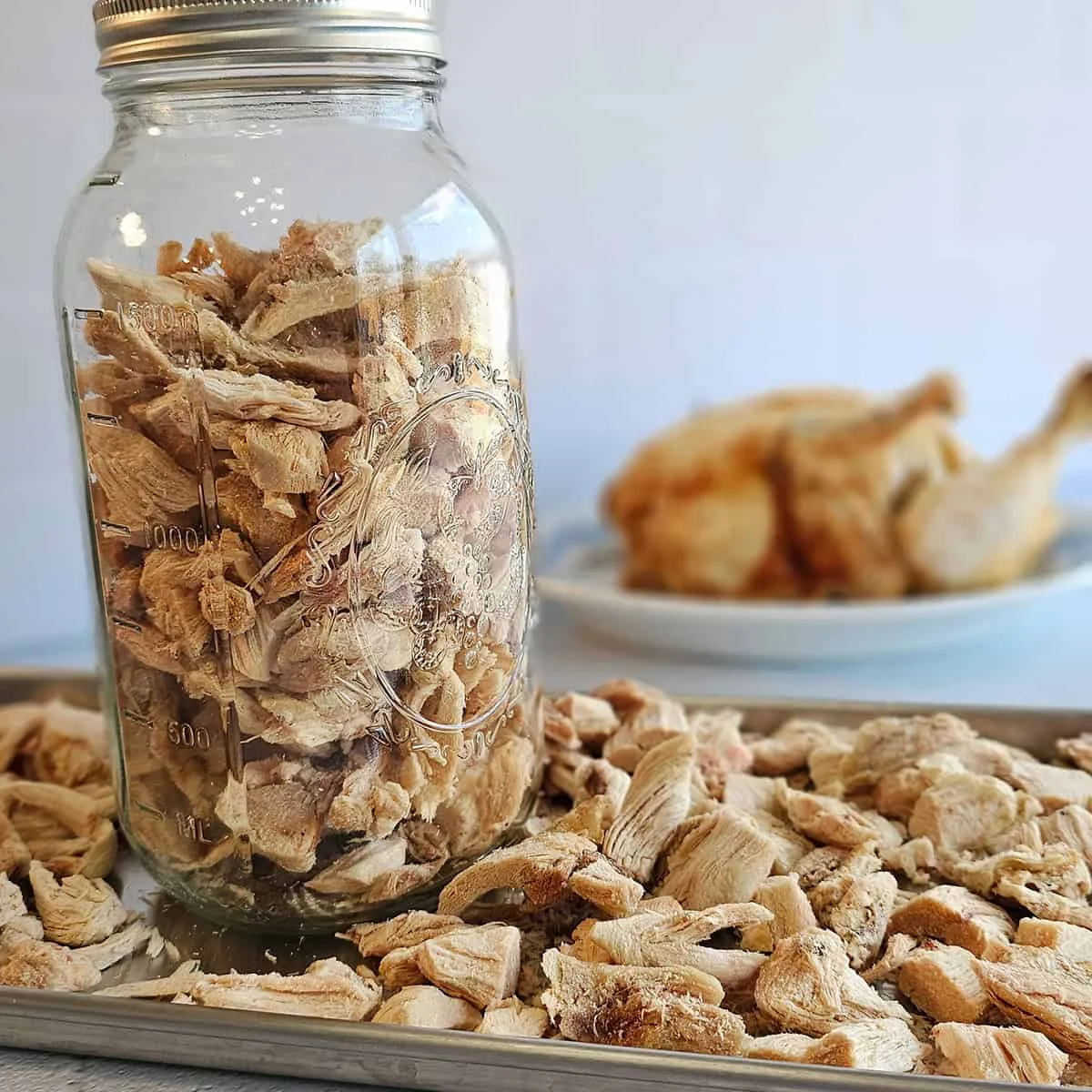
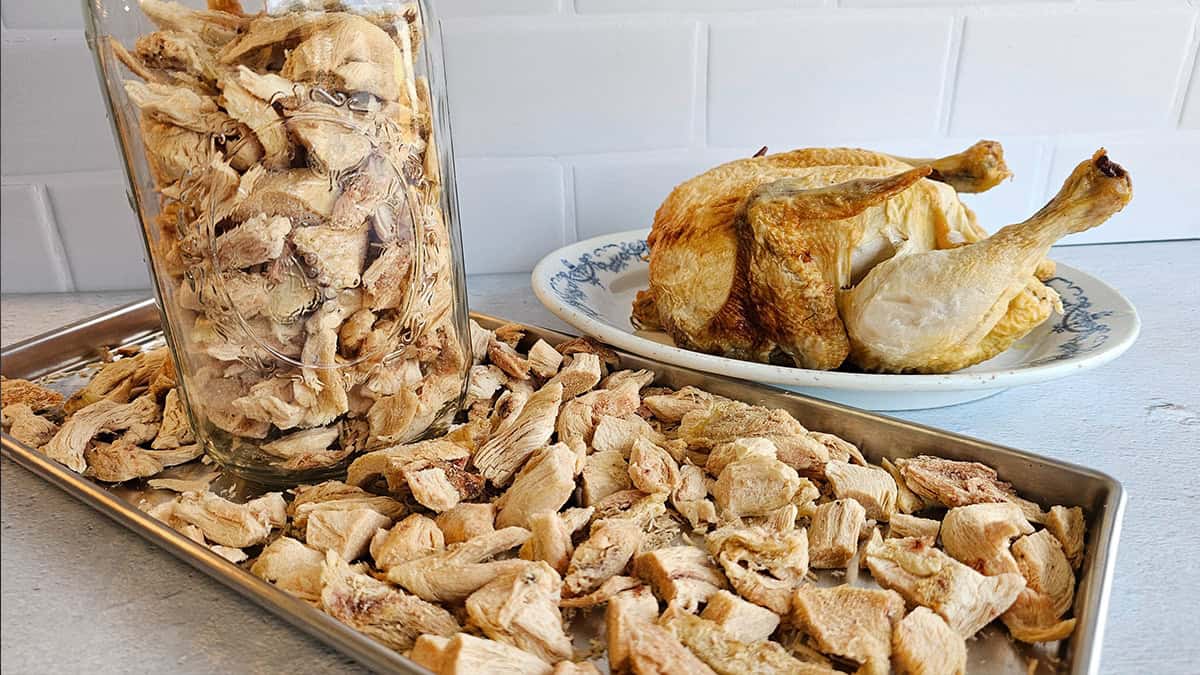
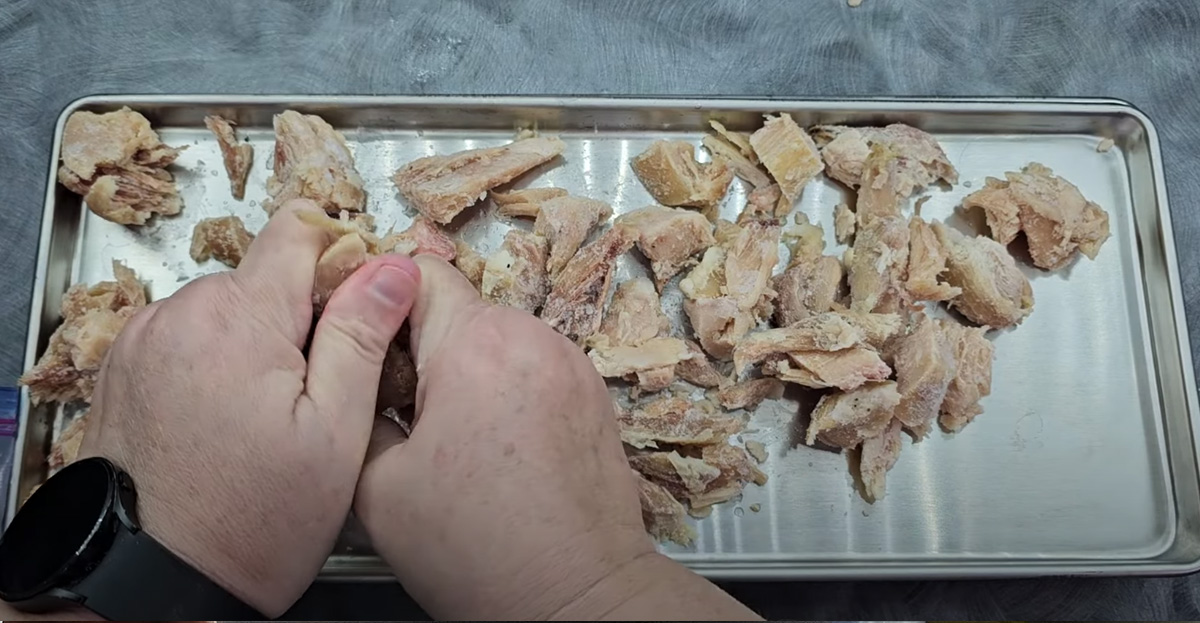
The process begins with the "stripping" of the chicken. This involves the meticulous removal of all skin, visible fat, and bones. From a technical standpoint, this step is critical because lipids (fats) do not freeze-dry. High fat content can lead to oxidative rancidity over time, even in a vacuum-sealed environment. Therefore, leaner cuts, such as the breast meat, are the most ideal for long-term storage, while darker meats must be trimmed of excess adipose tissue. The meat is then processed into uniform, bite-sized pieces, typically no larger than one inch. Uniformity is essential to ensure that the vacuum pressure and heat application are consistent across the entire batch.
Phase II: Thermal Pre-Conditioning
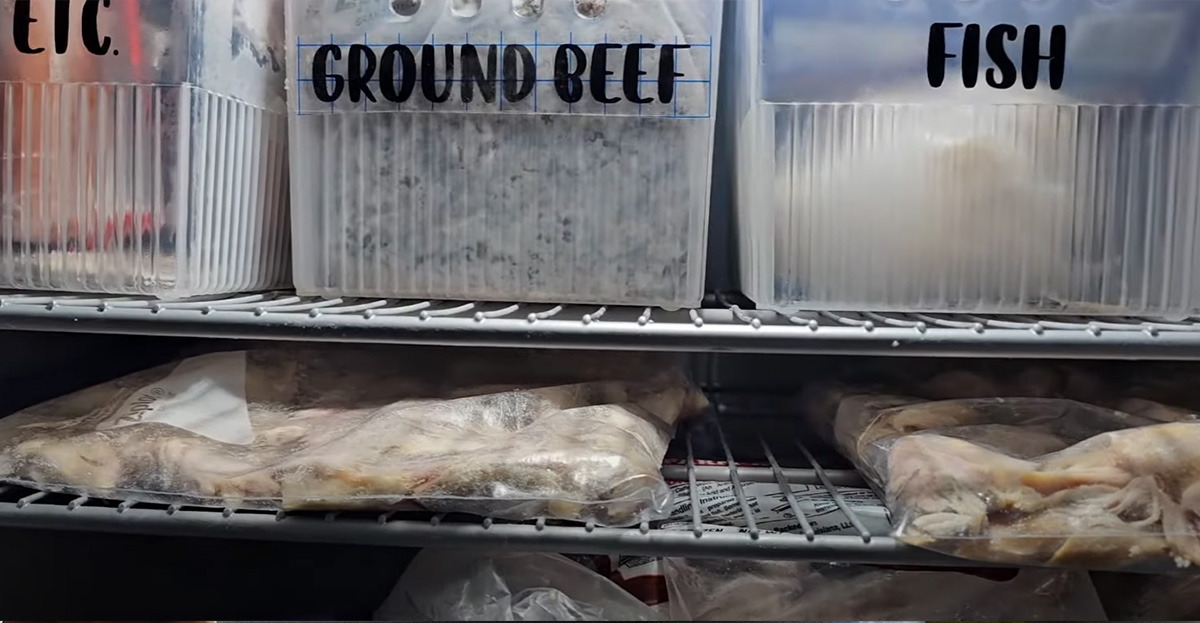
Once the chicken is prepared, it enters a pre-freezing stage. While many modern freeze-dryers, such as those manufactured by Harvest Right, include a freezing cycle, manual pre-freezing in a dedicated deep freezer for up to 24 hours is considered an industry best practice. This reduces the mechanical load on the freeze-dryer’s compressor and shortens the overall processing time. By bringing the internal temperature of the protein to -20°F or lower before the cycle begins, the user ensures that the ice crystals are firmly set, preventing "boil-off" or structural collapse during the initial vacuum pull.
Phase III: The Primary and Secondary Drying Cycles
The prepared trays are placed into the freeze-dryer chamber. The machine first creates a deep vacuum, lowering the pressure to a point where sublimation can occur. The chamber shelves then provide controlled "sensible heat" to encourage the ice crystals to transition into vapor. For poultry, an additional 24-hour drying buffer is often recommended beyond the machine’s automated sensor readings. This ensures that the core of each chicken piece is entirely devoid of moisture.
Phase IV: Quality Assurance and Moisture Testing
Post-process testing is a vital safety protocol. The "weight-differential test" is the most accurate method: weighing a tray, returning it to the vacuum for two hours, and weighing it again. Any loss in weight indicates that residual moisture was still present. Alternatively, the "tactile break test" involves snapping several pieces of chicken; they should be brittle and porous, with no cold spots or flexibility, which would indicate internal ice.
Data Analysis: Yield, Nutrition, and Rehydration
One of the primary advantages of freeze-drying over dehydration is the retention of both physical structure and nutritional integrity. Dehydration uses high heat, which can denature proteins and destroy heat-sensitive vitamins. Freeze-drying, by contrast, operates at sub-zero temperatures for the majority of the cycle.
Yield Consistency:
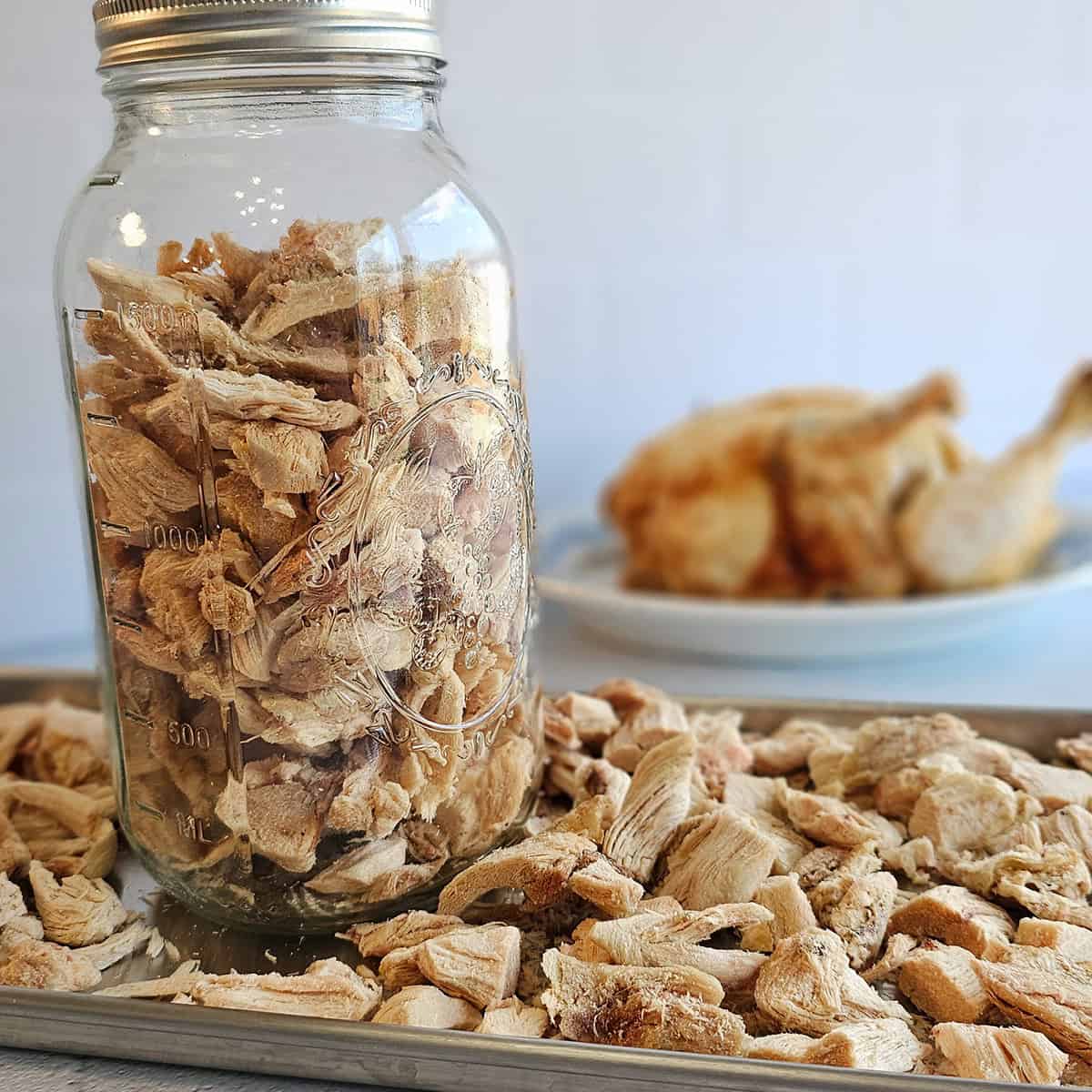
Unlike dehydrated foods, which shrink significantly, freeze-dried chicken maintains its original volume. Data suggests a 1:1 ratio for recipe integration. If a recipe requires one cup of cooked chicken, the consumer can use exactly one cup of freeze-dried chicken. The primary change is in mass; the chicken loses approximately 65% to 75% of its weight, representing the removed water content.
Nutritional Retention:
Studies indicate that freeze-dried meats retain approximately 97% of their original nutritional value, including essential amino acids and minerals. This makes it an ideal protein source for emergency kits, backpacking, or quick-turnaround domestic meals.
Rehydration Dynamics:
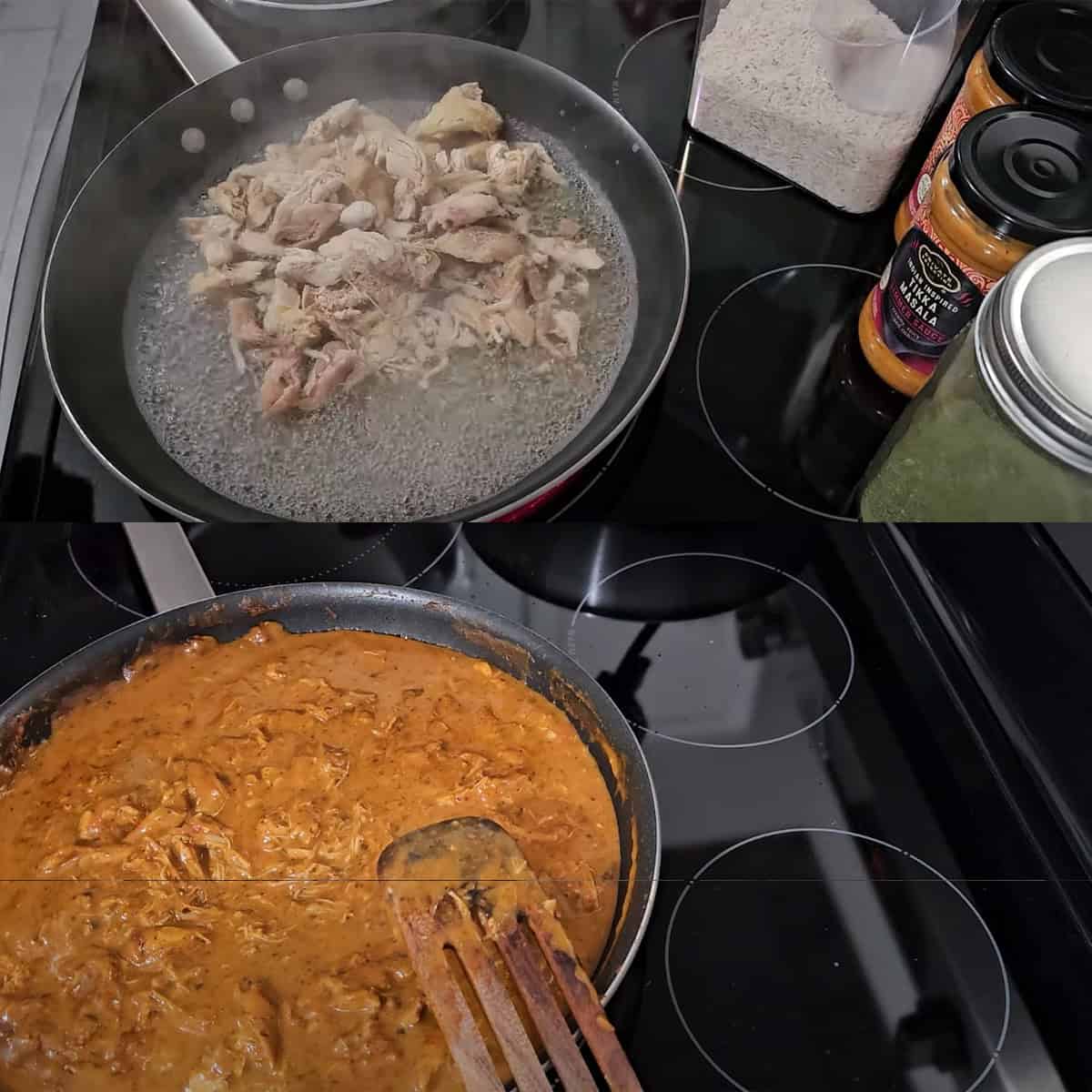
Rehydration can be achieved through two primary methods:
- Warm Rehydration: Simmering the chicken in broth or water for 3-5 minutes. This is preferred for hot dishes like stews or pasta.
- Cold Rehydration: Submerging the meat in cold water for 10-15 minutes, often utilized for chicken salads or cold wraps.
Storage Protocols and Shelf-Life Limitations
The longevity of freeze-dried rotisserie chicken is subject to the "fat factor." While freeze-dried fruits or vegetables can last 25 years in ideal conditions, animal proteins with higher fat contents have a narrower window of stability.
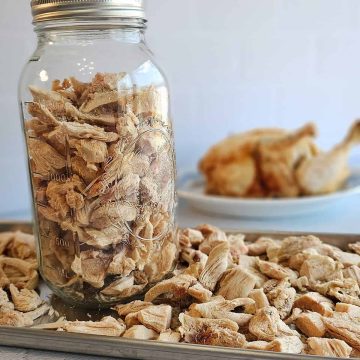
Professional food scientists and preservation experts, such as those contributing to "The Purposeful Pantry," note that rotisserie chicken typically offers a shelf life of six months to two years. The variation depends heavily on the storage medium. High-barrier Mylar bags with oxygen absorbers (O2 absorbers) provide the highest level of protection against light and oxygen. Vacuum-sealed glass jars are suitable for short-to-medium-term use (up to one year) and allow for easier monitoring of the product.
The presence of oxygen is the primary catalyst for spoilage in dried meats. Oxygen absorbers work by using an iron powder reaction to remove oxygen from the container’s atmosphere, bringing it down to 0.1% or less. This inhibits the growth of aerobic bacteria and significantly slows the oxidation of any residual fats.
Broader Implications for Food Sustainability
The practice of freeze-drying rotisserie chicken contributes to a broader movement of "resilient living." As supply chains face periodic disruptions, the ability of a household to maintain a "working pantry" of proteins is a significant hedge against instability.
Furthermore, the environmental impact of this practice is noteworthy. By extending the life of a perishable item that might otherwise be discarded if not consumed within three to four days of purchase, consumers are directly reducing food waste. The United States Department of Agriculture (USDA) estimates that nearly 30-40% of the food supply is wasted; home preservation technologies like the freeze-dryer are a practical tool in reversing this trend at the individual level.
Conclusion and Operational Best Practices
For those integrating freeze-dried rotisserie chicken into their food management systems, several operational tips can maximize success:
- Clearance Sourcing: Purchasing rotisserie chickens during evening "manager special" markdowns can reduce the cost-per-ounce of protein significantly.
- Broth Integration: Using the freeze-dried chicken in dishes that already contain liquid (such as soups or casseroles) allows for "passive rehydration," where the meat absorbs moisture during the cooking process of the overall dish.
- Safety First: Always ensure that the chicken was handled safely and kept at proper temperatures prior to the freeze-drying process. Freeze-drying inhibits bacterial growth but does not "kill" bacteria in the same way that high-heat canning does; it merely puts it in a state of dormancy.
In summary, the freeze-drying of rotisserie chicken is a sophisticated yet accessible method of modern food preservation. It empowers the consumer to capitalize on retail loss leaders, reduces kitchen waste through total-carcass utilization, and provides a high-quality, nutritious protein source that bridges the gap between immediate convenience and long-term preparedness. As home technology continues to evolve, the ability to turn a simple grocery store staple into a multi-year asset will likely become a cornerstone of the modern sustainable home.