Masa, the foundational dough crafted from properly processed corn flour, stands as an indispensable pillar of Mexican cuisine and a cornerstone of culinary traditions across Mesoamerica, forming the basis for beloved staples ranging from tortillas to tamales. This seemingly simple ingredient belies a complex, ancient process known as nixtamalization, a transformative technique that not only unlocks a distinct flavor and texture but, more critically, enhances the nutritional profile of corn, making its vital nutrients bio-available to humans. The rediscovery and appreciation of this meticulous method are fueling a modern resurgence, captivating home cooks, professional chefs, and nutritionists alike who are delving into the profound historical, cultural, and scientific significance of this staple.
The Genesis of Masa: A Deep Dive into Nixtamalization
The journey from a dried corn kernel to versatile masa harina is a testament to ancient ingenuity. At its heart lies nixtamalization, a term derived from the Nahuatl words "nixtli" (ash) and "tamalli" (cooked corn dough). This sophisticated process begins with cooking dried corn in an alkaline solution, typically water infused with food-grade slaked lime (calcium hydroxide, also known as cal) or, historically, wood ash. Following the cooking phase, the corn kernels are steeped in this alkaline liquid, allowing for a series of critical chemical and physical transformations.
During this cooking and steeping period, the corn kernels undergo significant changes. They hydrate, swelling considerably, and absorb calcium or potassium from the cooking liquid. This mineral enrichment is a key nutritional benefit. Concurrently, the starches within the corn gelatinize, altering the corn’s texture and making it more pliable. Crucially, specific nutrients located in the corn’s germ are released, which facilitates easier grinding and produces a dough that is less prone to tearing or breaking – an essential quality for crafting delicate tortillas. Furthermore, nixtamalization profoundly changes the corn’s protein matrix, making proteins and other vital nutrients, most notably niacin (Vitamin B3), far more readily assimilated by the human digestive system. The resulting prepared corn, now called nixtamal, is then rinsed, often hulled to remove the pericarp (outer skin), dried, and subsequently ground into masa harina, the finely milled corn flour widely used today.
A Chronology of Culinary Innovation: Tracing Nixtamalization’s Roots
The practice of nixtamalization is not a recent culinary trend but an ancient technological marvel with roots stretching back millennia. Archaeological evidence suggests that the process originated in Mesoamerica as early as 1500-1200 BCE, coinciding with the rise of complex agricultural societies in the region. The Olmec civilization, often considered the progenitor of many Mesoamerican cultures, is believed to have been among the earliest practitioners. This innovation was critical for the survival and flourishing of subsequent civilizations, including the Maya, Zapotec, and Aztec empires, where corn (maize) was not merely a food source but held immense spiritual and cultural significance.
For centuries, nixtamalization remained a localized practice within the Americas. When corn was introduced to Europe and other parts of the world following the Columbian Exchange, the crucial nixtamalization step was often overlooked or deemed unnecessary by European colonizers. This omission had devastating consequences. Populations that adopted corn as a staple but failed to nixtamalize it frequently developed pellagra, a severe deficiency disease characterized by dermatitis, diarrhea, dementia, and eventually death. It wasn’t until the early 20th century that scientists definitively linked pellagra to niacin deficiency and recognized nixtamalization as the preventative measure, showcasing the profound, albeit often uncredited, scientific understanding of ancient Mesoamerican peoples. This historical oversight underscores the importance of traditional food preparation methods and the deep nutritional wisdom embedded within them.
The Unsung Nutritional Powerhouse: Why Nixtamalization Matters
Beyond its historical and cultural significance, nixtamalization offers compelling nutritional advantages that elevate corn from a simple grain to a superfood. The most widely cited benefit is the dramatically increased bioavailability of niacin. In unprocessed corn, niacin is largely bound to complex carbohydrates and proteins, rendering it indigestible and unusable by the human body. Nixtamalization liberates this bound niacin, making it available for absorption, thereby preventing pellagra. This alone represents a monumental public health achievement of ancient Mesoamerican civilizations.
Furthermore, the alkaline treatment in nixtamalization significantly increases the calcium content of the corn. Studies have shown that nixtamalized corn can contain several times more calcium than untreated corn, contributing substantially to dietary calcium intake, particularly in populations where dairy consumption might be low. The process also improves the balance of amino acids, particularly lysine and tryptophan, which are often limited in corn. This enhanced amino acid profile makes the protein in masa more nutritionally complete. The changes in starch structure also lead to better digestibility and potentially a lower glycemic response compared to untreated corn flour. These cumulative nutritional benefits underscore why masa, derived from nixtamalized corn, is not just a culinary preference but a nutritional imperative in many diets.
The Artisanal Revival: Tools and Techniques in Modern Kitchens
The resurgence of interest in traditional foodways has brought renewed attention to the tools and techniques required for authentic masa preparation. While industrial-scale nixtamalization produces much of the masa harina available globally, a growing number of enthusiasts and small-batch producers are embracing the hands-on process.
A fundamental tool in the home kitchen for transforming masa dough into its most common form, the tortilla, is the tortilla press. These devices are designed to evenly distribute pressure, creating perfectly flat, uniformly thin tortillas. Historically, and still widely favored by purists, heavy cast iron presses are valued for their durability and the consistent pressure they exert. Wooden presses, often cherished heirlooms passed down through generations, exemplify traditional craftsmanship and offer a tactile connection to culinary heritage. However, experts and traditionalists often caution against aluminum presses due to concerns about durability and potential for uneven pressing, which can result in inconsistent tortilla thickness. The weight and robust construction of cast iron or well-made wooden presses are crucial for achieving the desired thinness and roundness without tearing the delicate masa dough. For those seeking the ultimate authentic experience, the metate, a traditional Mesoamerican grinding stone, offers unparalleled control over texture, albeit requiring significant skill and effort.
From Dough to Delicacy: Crafting Tortillas and Chips
Once masa harina is acquired or nixtamalized corn is ground, the culinary possibilities are extensive. The most immediate and celebrated application is the making of fresh tortillas. A simple dough, typically comprising masa harina, water, and a pinch of salt, yields tortillas with an unparalleled fresh-corn flavor and tender texture that far surpasses their mass-produced counterparts. The process involves forming small balls of dough, pressing them flat, and then cooking them on a hot griddle or comal until puffed and lightly browned.
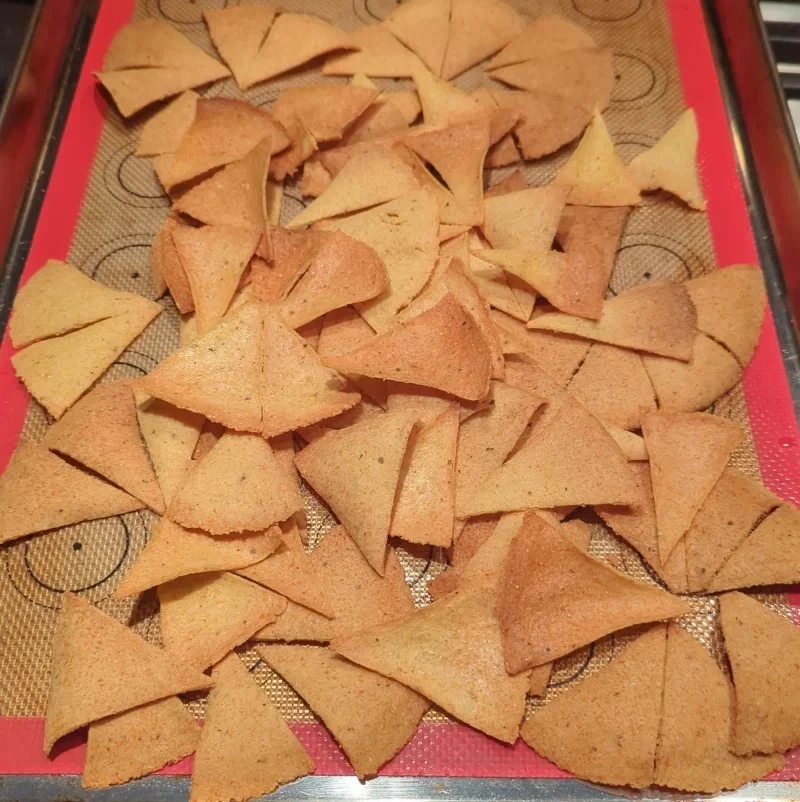
Beyond serving as a soft, pliable bread, these fresh tortillas are also the perfect foundation for homemade tortilla chips. By cutting the tortillas into wedges and then frying or baking them until crisp, one can create chips with a superior depth of flavor and satisfying crunch. This dual utility often leads cooks to prepare a single batch of masa dough, allocating a portion for fresh tortillas to accompany a meal and another to be transformed into crunchy chips for dipping or snacking. The versatility of masa extends further into other beloved dishes like sopes, gorditas, pupusas, and the intricate tamales, each showcasing a different facet of masa’s textural and flavor capabilities.
Broader Implications: Cultural Preservation, Health Trends, and Economic Impact
The modern fascination with masa and nixtamalization extends beyond the culinary sphere, touching upon significant cultural, health, and economic implications.
Cultural Preservation: The renewed interest in nixtamalization serves as a powerful force for cultural preservation. As traditional foodways face challenges from globalization and industrialization, the deliberate practice of making masa from scratch helps maintain a tangible link to ancient indigenous knowledge and culinary heritage. Food historians and cultural anthropologists emphasize that this practice is not just about food preparation; it’s about preserving identity, community practices, and ancestral wisdom. Efforts to promote heirloom corn varieties, often cultivated by indigenous communities, further bolster this cultural continuity, ensuring genetic diversity and safeguarding traditional agricultural practices.
Health Trends: In an era increasingly focused on whole, unprocessed foods and understanding the nutritional content of what we eat, nixtamalized masa fits perfectly into contemporary health trends. Nutritionists and dietitians are increasingly advocating for the inclusion of nixtamalized corn products in diets, highlighting its superior nutritional profile compared to non-nixtamalized corn products or even some highly processed gluten-free alternatives. The enhanced niacin and calcium content, coupled with improved digestibility, positions masa as a valuable component of a balanced diet, particularly for those exploring traditional grains or seeking gluten-free options.
Economic Impact: The burgeoning demand for authentic masa has tangible economic implications. It supports small-scale farmers who cultivate traditional corn varieties, often using sustainable practices. Artisanal masa producers, who undertake the labor-intensive nixtamalization process on a smaller scale, are experiencing increased demand, creating economic opportunities within local communities. This trend encourages a more direct farm-to-table supply chain for corn, benefiting both producers and consumers seeking high-quality, ethically sourced ingredients. The market for specialized equipment, such as traditional tortilla presses and stone grinders, also sees a boost, further contributing to a niche economy centered around authentic food preparation.
Expert Perspectives on Masa’s Enduring Legacy
Culinary professionals and academic experts consistently underscore the importance of nixtamalization. Dr. Rafael Mier, founder of the Masa y Más project dedicated to promoting authentic masa, often states, "Nixtamalization is not just a cooking technique; it’s a profound chemical transformation that unlocks the true potential of corn, both nutritionally and culinarily. It’s an ancient science that modern food systems are only now beginning to fully appreciate." Similarly, nutritionists like Dr. Elena Rodriguez highlight that "understanding nixtamalization is crucial for appreciating the dietary wisdom of Mesoamerican cultures. It transformed a potentially problematic staple into a cornerstone of health."
Chefs worldwide are also embracing masa, moving beyond simply using industrial masa harina to experimenting with nixtamalization in their own kitchens. They cite the unparalleled depth of flavor—a complex, earthy, slightly sweet profile—and superior texture that freshly nixtamalized and ground masa offers. This movement signifies a broader culinary shift towards authenticity, provenance, and a deeper respect for traditional ingredients and preparation methods.
In conclusion, the rediscovery of masa and the intricate process of nixtamalization represent far more than a passing food trend. It is a profound reconnection with an ancient culinary science that shaped civilizations, prevented widespread nutritional deficiencies, and continues to offer superior flavor and nutritional benefits. As consumers increasingly seek authenticity and health in their food choices, masa, in its properly prepared form, stands poised to reclaim its rightful place as a celebrated and essential ingredient in kitchens across the globe, honoring a legacy thousands of years in the making.