
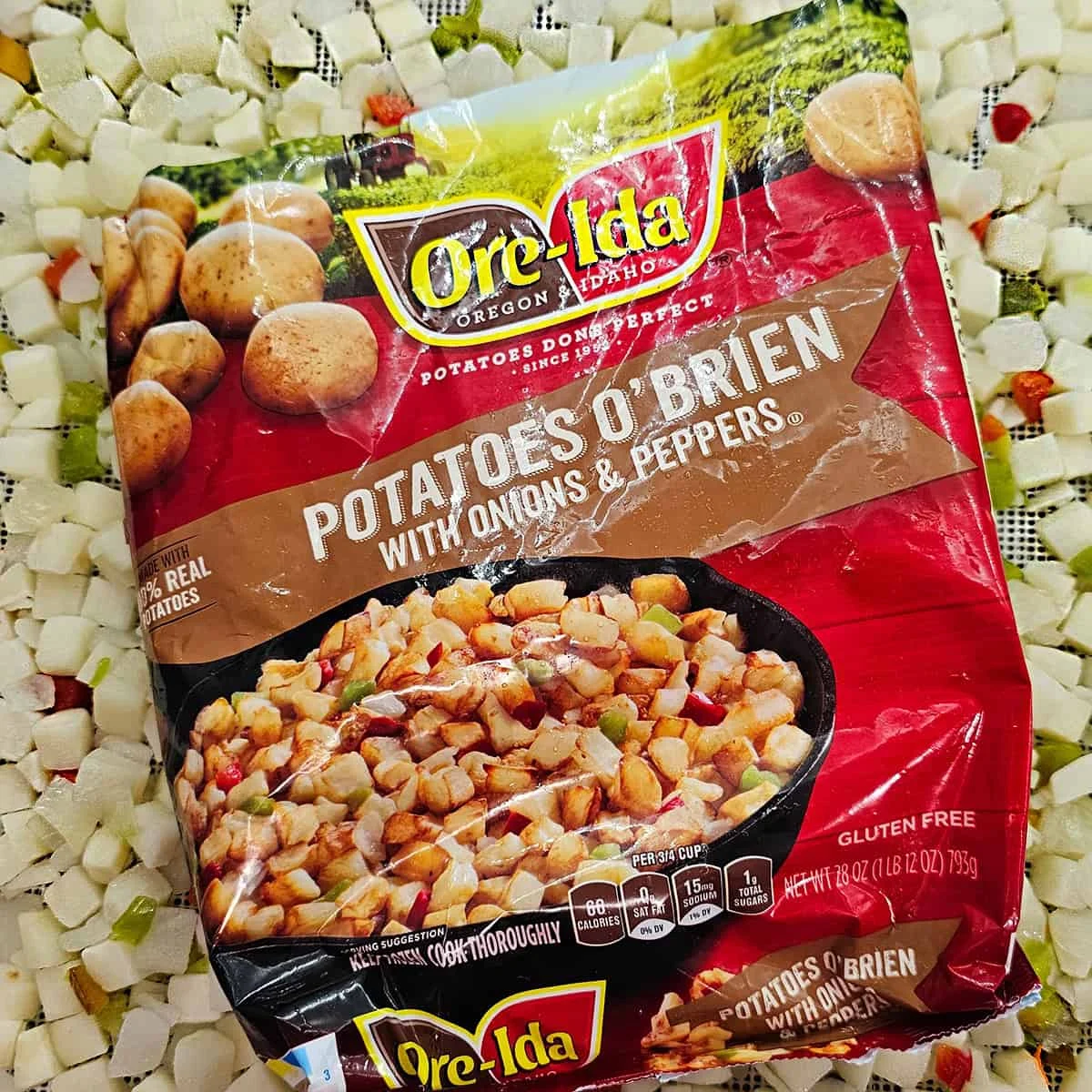
The landscape of domestic food preservation is undergoing a significant shift as households increasingly prioritize shelf-stability and space optimization over traditional frozen storage. While freezing has long been the standard for preserving vegetables, the vulnerability of frozen goods to power outages and the physical limitations of freezer capacity have led many to explore dehydration. Among the most efficient candidates for this process are frozen pre-cut potato products, specifically Potatoes O’Brien—a blend of diced potatoes, onions, and peppers. By converting these frozen staples into shelf-stable pantry items, consumers can effectively reclaim freezer space for perishable proteins and dairy while ensuring a long-lasting supply of versatile carbohydrates.
The Strategic Shift to Dehydrated Root Vegetables
The practice of dehydrating frozen potatoes represents a modern evolution in the "pantry-stocking" movement. Unlike fresh potatoes, which require significant labor—peeling, dicing, and blanching to prevent enzymatic browning—frozen Potatoes O’Brien arrive at the consumer’s kitchen pre-processed. These products have already undergone a commercial blanching process, which involves a brief immersion in boiling water or steam. This step is critical because it halts the enzymatic activity that causes potatoes to turn black or gray when exposed to air.
By utilizing frozen products as the raw material for dehydration, home preservers bypass the most labor-intensive stages of food preparation. This efficiency has contributed to a surge in "shortcut preserving," a method that leverages the industrial consistency of frozen foods to create high-quality, shelf-stable ingredients. The result is a product that can be stored for years in an airtight container, rather than months in a freezer where "freezer burn" and ice crystal formation eventually degrade texture and flavor.
Technical Methodology: The Dehydration Lifecycle
The conversion of frozen Potatoes O’Brien into a shelf-stable format follows a precise technical protocol designed to maximize moisture extraction while preserving nutritional integrity.
Phase 1: Preparation and Loading
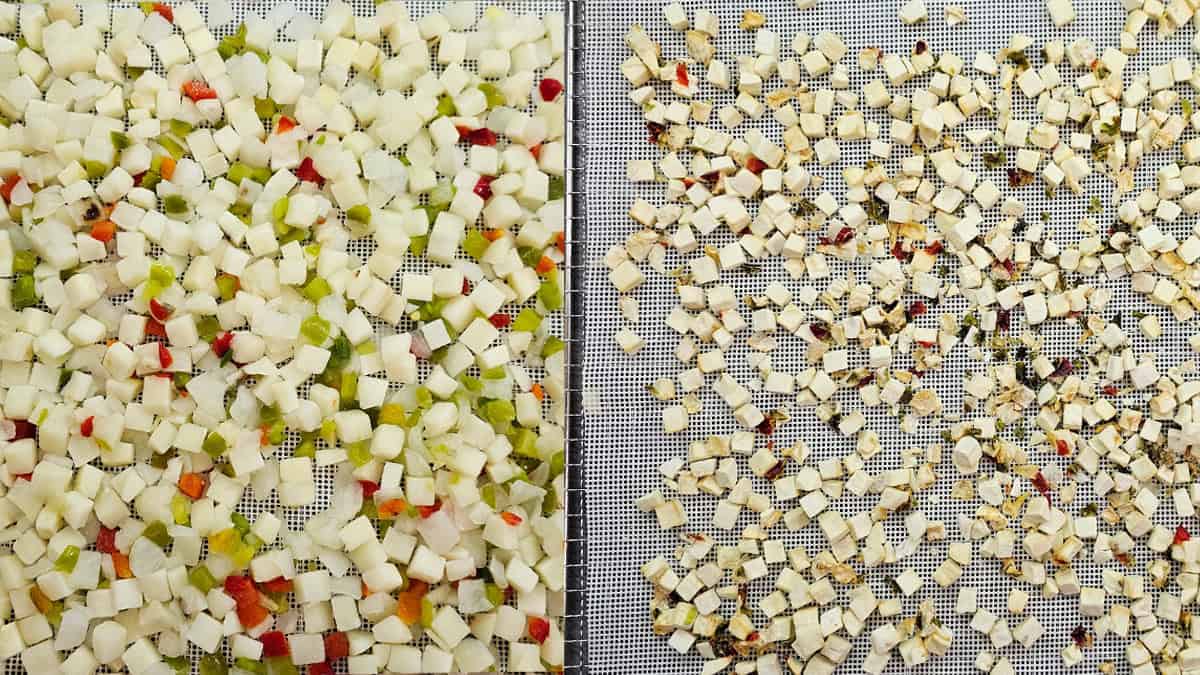
The process begins with the selection of a high-quality frozen potato blend. It is not necessary to thaw the potatoes before dehydration; in fact, loading them while frozen prevents the pieces from sticking together and maintains the integrity of the dice. Preservers are advised to spread the frozen pieces in a single layer across dehydrator trays. The use of mesh liners is essential, as potatoes shrink significantly during the drying process—often to one-third of their original size—and can fall through standard tray slats.
Phase 2: Thermal Regulation and Airflow
Potatoes are classified as a starchy vegetable, requiring specific temperature settings to ensure safe and effective drying. The industry standard for dehydrating potatoes is 125°F to 135°F (52°C to 57°C). Setting the temperature too high can result in "case hardening," a phenomenon where the exterior of the potato dries into a hard shell, trapping moisture inside. This trapped moisture eventually leads to mold growth and spoilage. Consistent airflow is maintained for a duration of 8 to 12 hours, depending on the ambient humidity of the room and the specific moisture content of the brand of potatoes used.
Phase 3: The Desiccation Check and Conditioning
The potatoes are considered fully dehydrated when they achieve a "rock hard" consistency. They should not have any "give" or sponginess when pressed and should produce a clinking sound when dropped into a glass jar. Following the drying cycle, the product must undergo a "conditioning" phase. This involves placing the cooled potatoes in a clear jar for 7 to 10 days, shaking the jar daily to check for any signs of condensation. If moisture appears on the glass, the potatoes must be returned to the dehydrator.
Quantitative Data: The Impact of Dehydration on Volume and Weight
Data from food science studies indicate that raw potatoes consist of approximately 79% to 80% water. Through the dehydration process, nearly 95% to 98% of this water weight is removed. For the average consumer, this translates to a significant reduction in storage footprint.
A standard 28-ounce bag of frozen Potatoes O’Brien occupies approximately 110 cubic inches of freezer space. Once dehydrated, that same volume of food fits into a pint-sized (16-ounce) glass jar, occupying roughly 29 cubic inches. This represents a 73% reduction in physical volume. Furthermore, the weight reduction facilitates easier transport for mobile applications, such as backpacking or emergency evacuation kits. From a logistical perspective, the ability to store a week’s worth of potato-based meals in a small cupboard space rather than a high-energy-consumption freezer offers both economic and practical advantages.
Economic and Safety Considerations
While many frozen potato products are suitable for dehydration, food safety experts warn against processing certain varieties. The primary variable in successful long-term storage is fat content.
The Lipid Limitation
Products such as frozen French fries, tater tots, or seasoned hash brown patties often contain added oils or fats used in the industrial frying process. Lipids (fats) do not dehydrate; instead, they remain on the surface of the food. Over time, these fats undergo oxidation, leading to rancidity. Rancid fats not only produce off-flavors and odors but can also pose health risks. Therefore, the dehydration of frozen potatoes should be limited to "plain" varieties or blends like Potatoes O’Brien that do not list oils as a primary ingredient.
Energy Efficiency and Cost-Benefit Analysis
The cost of operating a standard chest freezer ranges from $50 to $150 per year in electricity, depending on the model’s age and local utility rates. In contrast, a 12-hour dehydration cycle for several pounds of potatoes costs approximately $0.15 to $0.40 in electricity. When factoring in the risk of food loss during power outages—a concern that has intensified due to increased frequency of extreme weather events—the "insurance" provided by shelf-stable storage becomes a significant economic factor for many households.
Culinary Integration and Rehydration Protocols
The utility of dehydrated Potatoes O’Brien extends beyond emergency storage; they serve as a "speed scratch" ingredient for daily meal preparation.
To rehydrate, the potatoes are typically soaked in boiling water at a 1:1 or 1:2 ratio for approximately 15 to 20 minutes. For liquid-heavy dishes such as soups, stews, and chowders, the potatoes can be added directly to the pot without prior rehydration, as they will absorb the necessary moisture during the simmering process.
Expert chefs note that dehydrated potatoes maintain a firmer texture than their fresh counterparts in long-simmered dishes, making them ideal for slow-cooker recipes. For breakfast applications, such as hash browns, the potatoes must be fully rehydrated and then patted dry before being introduced to a hot skillet with oil. This ensures a crispy exterior, mimicking the texture of fresh-diced potatoes.
Broader Implications for Food Security
The rise in home dehydration of frozen staples reflects a broader trend toward household resilience. Supply chain disruptions observed over the past several years have prompted consumers to rethink the "just-in-time" grocery model. By maintaining a "working pantry" of dehydrated goods, families create a buffer against market volatility and localized food shortages.
Furthermore, this method addresses the global issue of food waste. Frozen potatoes nearing their "best by" date in a freezer can be "rescued" through dehydration, extending their shelf life by an additional 5 to 10 years if stored in vacuum-sealed Mylar bags with oxygen absorbers. This intervention transforms a potential waste product into a long-term asset.
As energy costs fluctuate and the demand for efficient living spaces grows, the move from the freezer to the pantry represents a logical progression in modern home economics. Dehydrating frozen Potatoes O’Brien is more than a kitchen hobby; it is a calculated strategy for resource management, providing a blueprint for how industrial food processing and traditional preservation techniques can work in tandem to secure the domestic food supply.


