
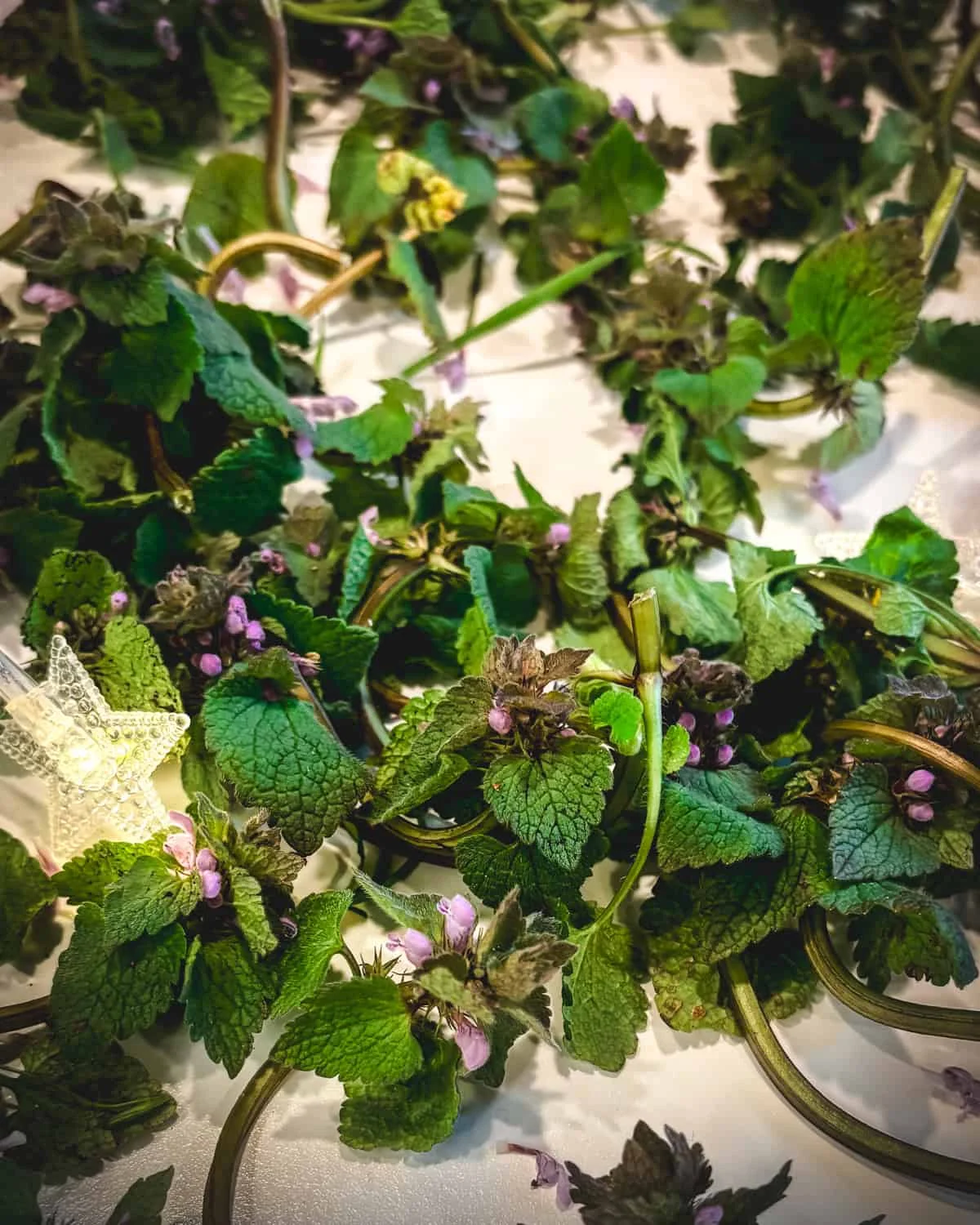
The rise of the "backyard pharmacy" movement has brought renewed attention to common garden weeds, specifically the Lamium purpureum, more widely known as purple dead nettle. Once dismissed by homeowners as a nuisance in manicured lawns, this early-spring herbaceous plant is now being recognized by botanical experts and home herbalists for its significant therapeutic potential. As a member of the Lamiaceae, or mint family, purple dead nettle offers a range of anti-inflammatory, antibacterial, and antifungal properties that make it an ideal candidate for topical applications. The production of a soothing herbal salve from this plant represents a convergence of traditional folk medicine and modern self-reliance, providing a cost-effective and gentle alternative to synthetic skin care products.
Botanical Profile and Identification of Lamium Purpureum
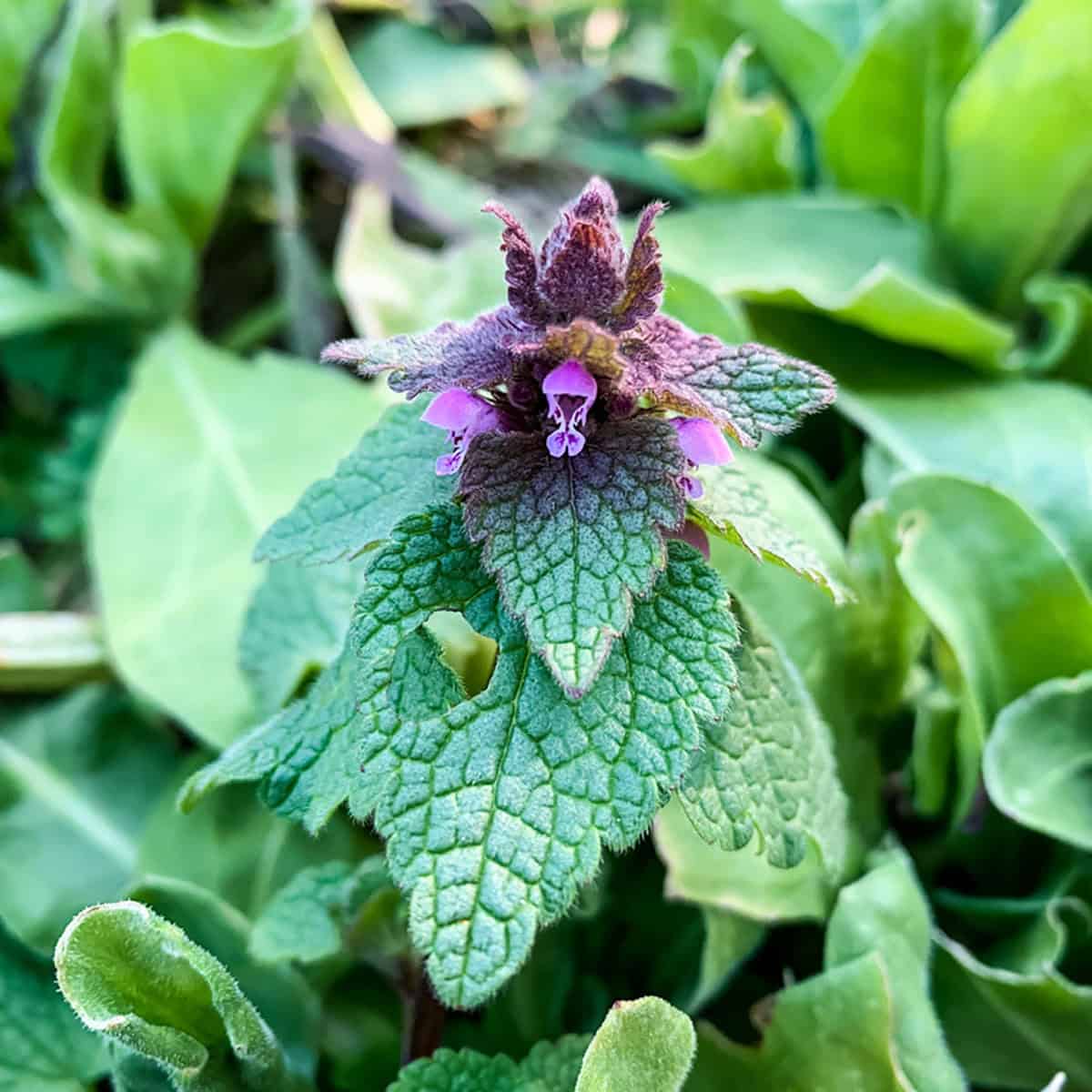
Purple dead nettle is a winter annual that emerges in the early spring, often providing one of the first sources of nectar for pollinators such as bumblebees. Its name is derived from the fact that while its leaves resemble those of the stinging nettle (Urtica dioica), it lacks the trichomes that cause skin irritation, rendering it "dead" or harmless to the touch.
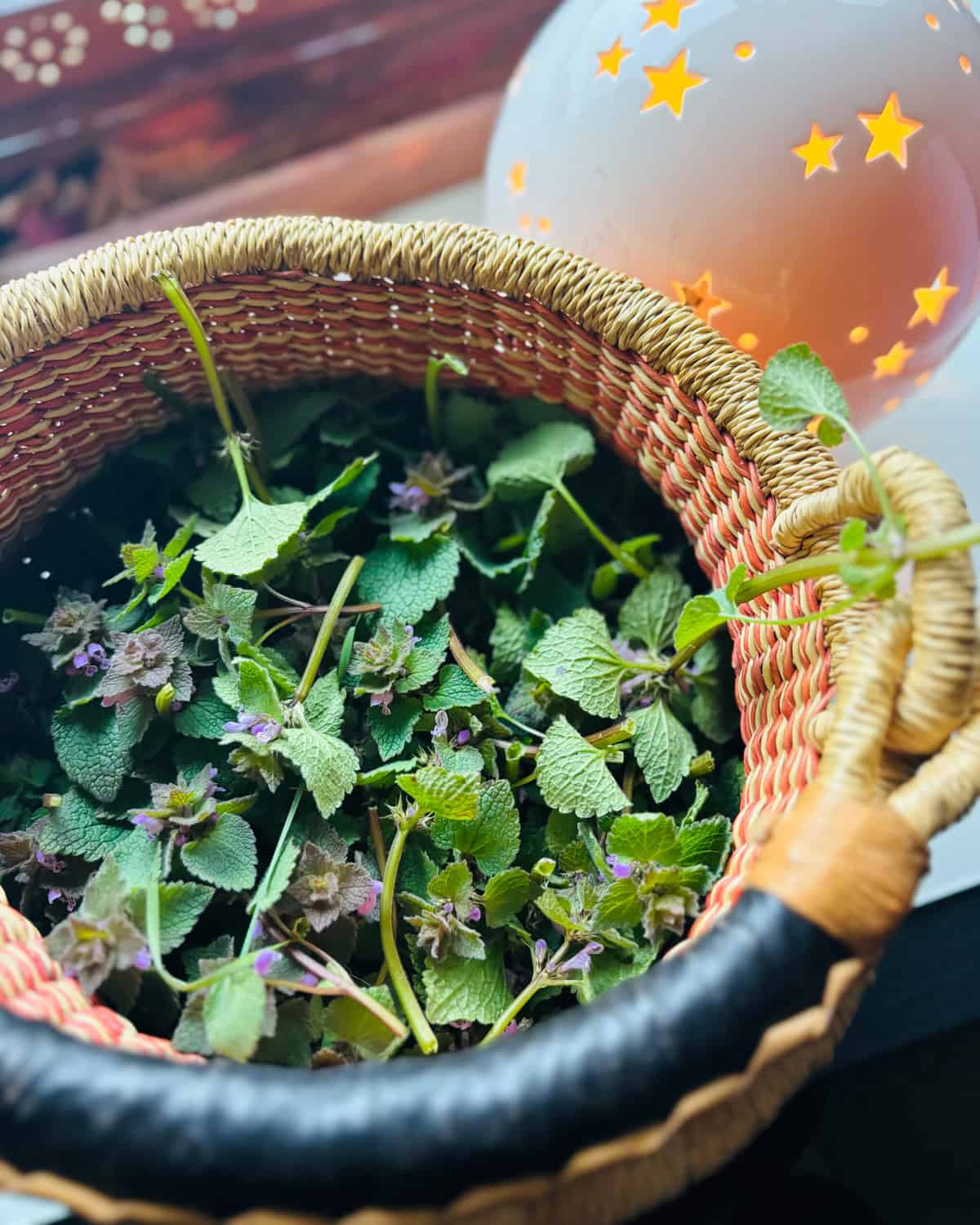
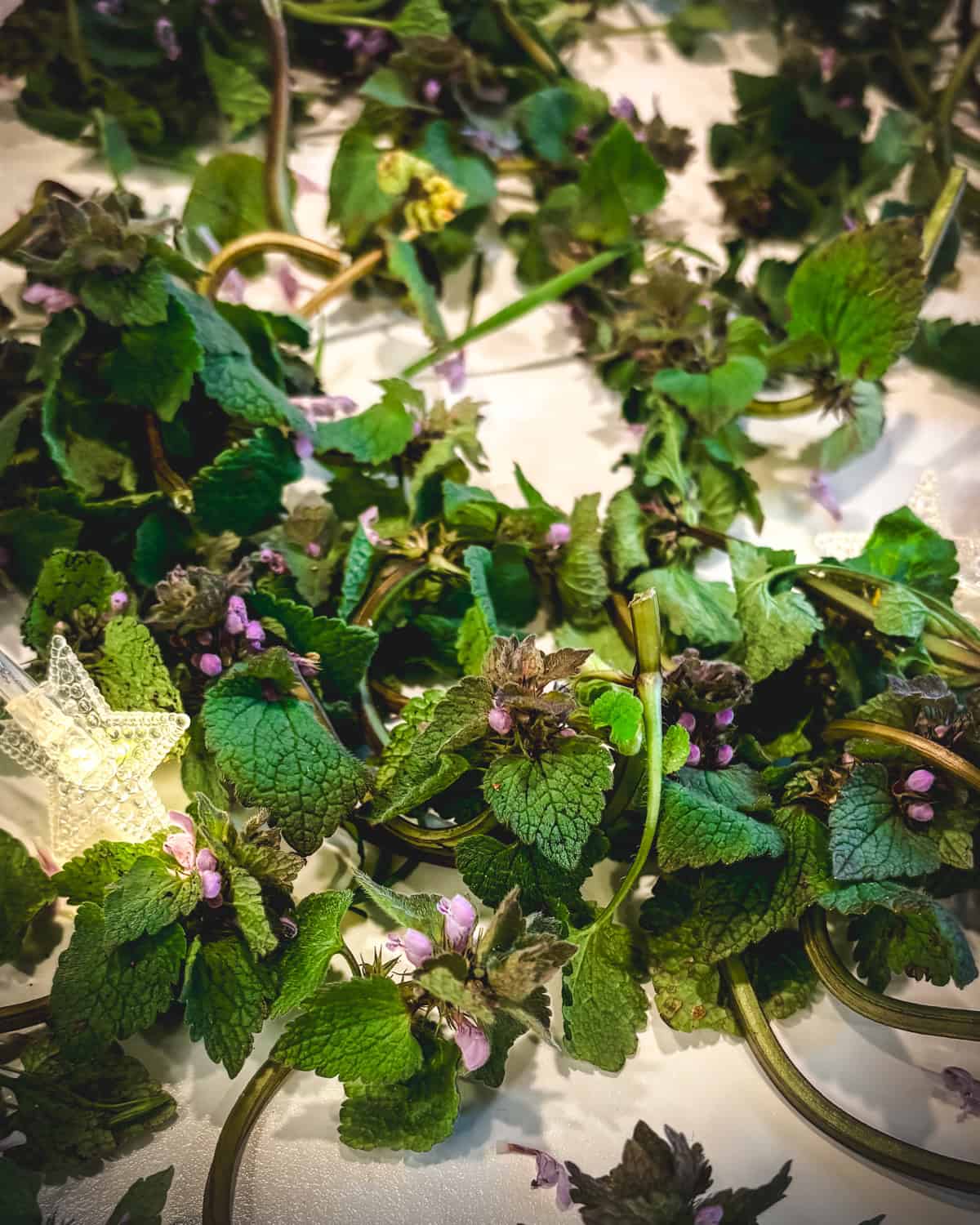
Identification is straightforward, making it a staple for beginner foragers. The plant features the characteristic square stem of the mint family and opposite, heart-shaped leaves with serrated edges. The upper leaves typically transition from green to a distinct reddish-purple hue, a physiological response that protects the plant’s young tissues from UV radiation during the cool spring months. The flowers are small, tubular, and pinkish-purple, appearing in clusters within the leaf axils.
One of the primary advantages of foraging for purple dead nettle is the absence of toxic look-alikes. While it is frequently confused with Henbit (Lamium amplexicaule), the latter is also edible and medicinal, posing no risk to the forager. This safety profile, combined with its abundance across North America and Europe, establishes purple dead nettle as a foundational species for those entering the field of ethnobotany.
Phytochemical Composition and Therapeutic Benefits
Recent pharmacological investigations have sought to validate the traditional uses of the Lamium genus. Studies indicate that Lamium purpureum contains a variety of bioactive compounds, including flavonoids, iridoids, and phenolic acids. These constituents are responsible for the plant’s documented antispasmodic and astringent qualities.
From a dermatological perspective, the anti-inflammatory properties of the plant are particularly noteworthy. The presence of quercetin and other flavonoids helps to reduce redness and swelling when applied topically. Furthermore, its mild antibacterial and antifungal actions make it a suitable treatment for minor skin disruptions. In traditional herbalism, it has been used as a "vulnerary"—a wound-healing agent—to treat minor cuts, abrasions, and insect bites. While modern clinical data on its wound-healing speed is still developing, the historical use of the plant as a poultice suggests a long-standing efficacy in soothing irritated epidermal tissues.
The Chronology of Salve Production: From Foraging to Formulation
The transition of purple dead nettle from a wild plant to a shelf-stable medicinal salve follows a specific chronological sequence designed to maximize the extraction of its fat-soluble compounds while preventing spoilage.
Phase I: Harvesting and Preparation
Foraging typically begins in late March or April, depending on the hardiness zone. Experts recommend harvesting the top two to three inches of the plant, where the concentration of purple leaves and flowers is highest. Because the plant grows close to the ground, thorough cleaning is essential. Once harvested, the plant material must be dried. This step is critical; introducing moisture from fresh plants into an oil-based salve can lead to the growth of mold or bacteria, such as botulism. The plants are usually laid out in a single layer for 48 to 72 hours until they feel "crisp" to the touch.
Phase II: The Infusion Process
The medicinal properties of the dried herb are transferred to a carrier oil through infusion. Two primary methods are utilized:
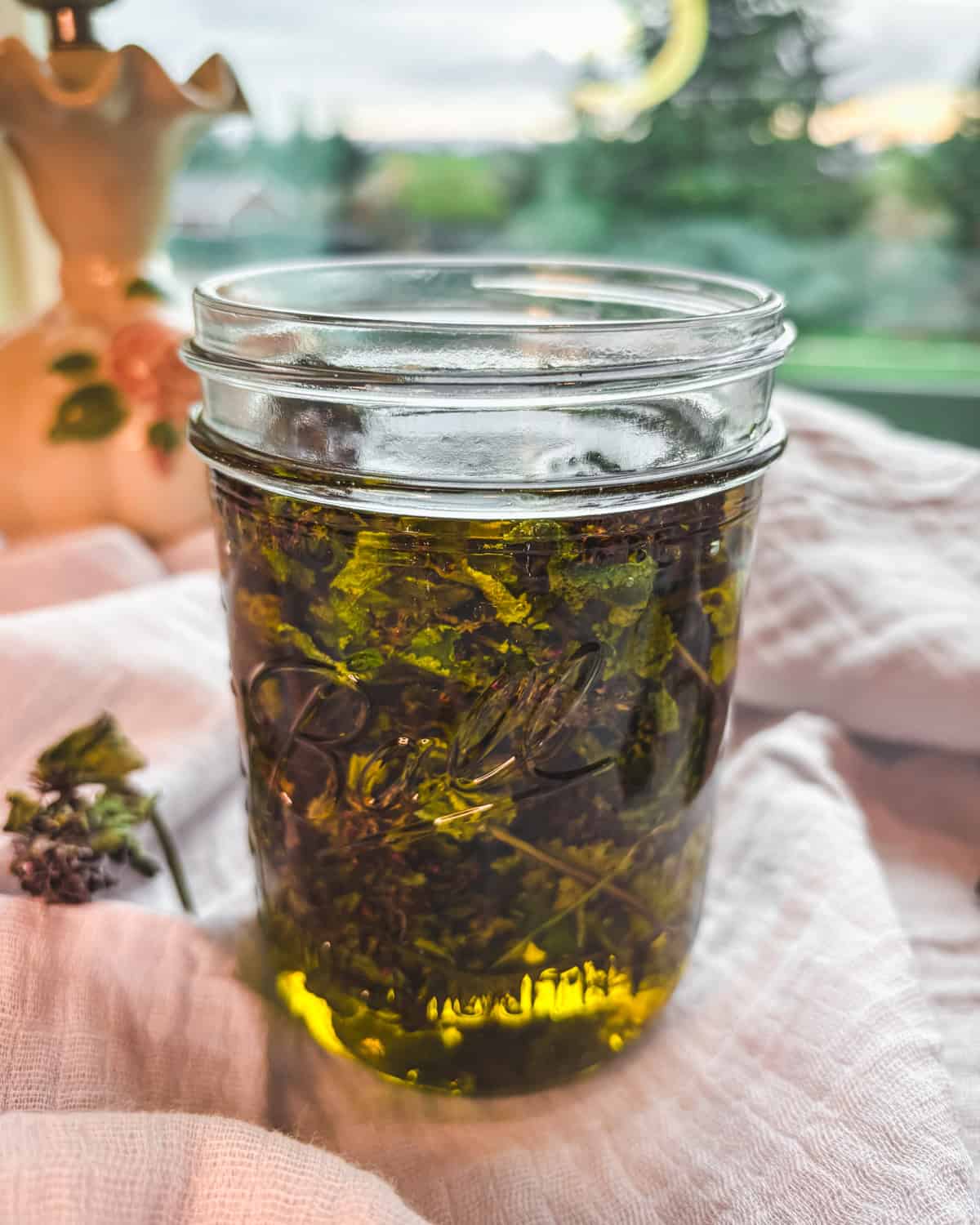
- The Solar/Cold Method: Dried herbs are submerged in oil (such as extra virgin olive oil, sweet almond oil, or coconut oil) in a sealed glass jar and left in a cool, dark place for four to six weeks. This slow extraction method is favored for preserving delicate volatile oils.
- The Quick-Heat Method: For those requiring a faster turnaround, the herbs and oil are heated in a double boiler at a low temperature (approximately 100°F to 120°F) for three to five hours. This method is also preferred if there is a slight concern regarding residual moisture in the plant material, as the heat helps evaporate any remaining water.
Phase III: The Solidification
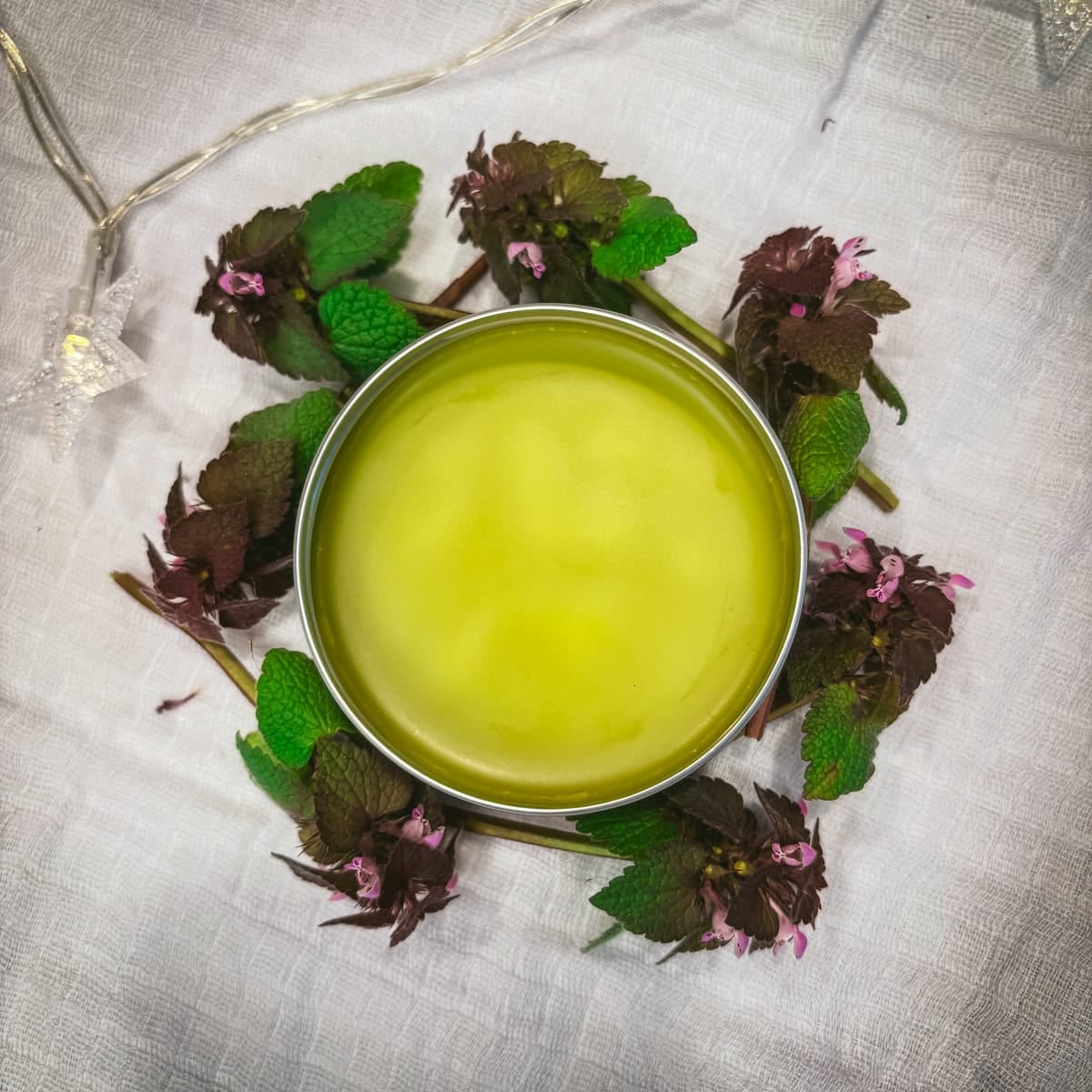
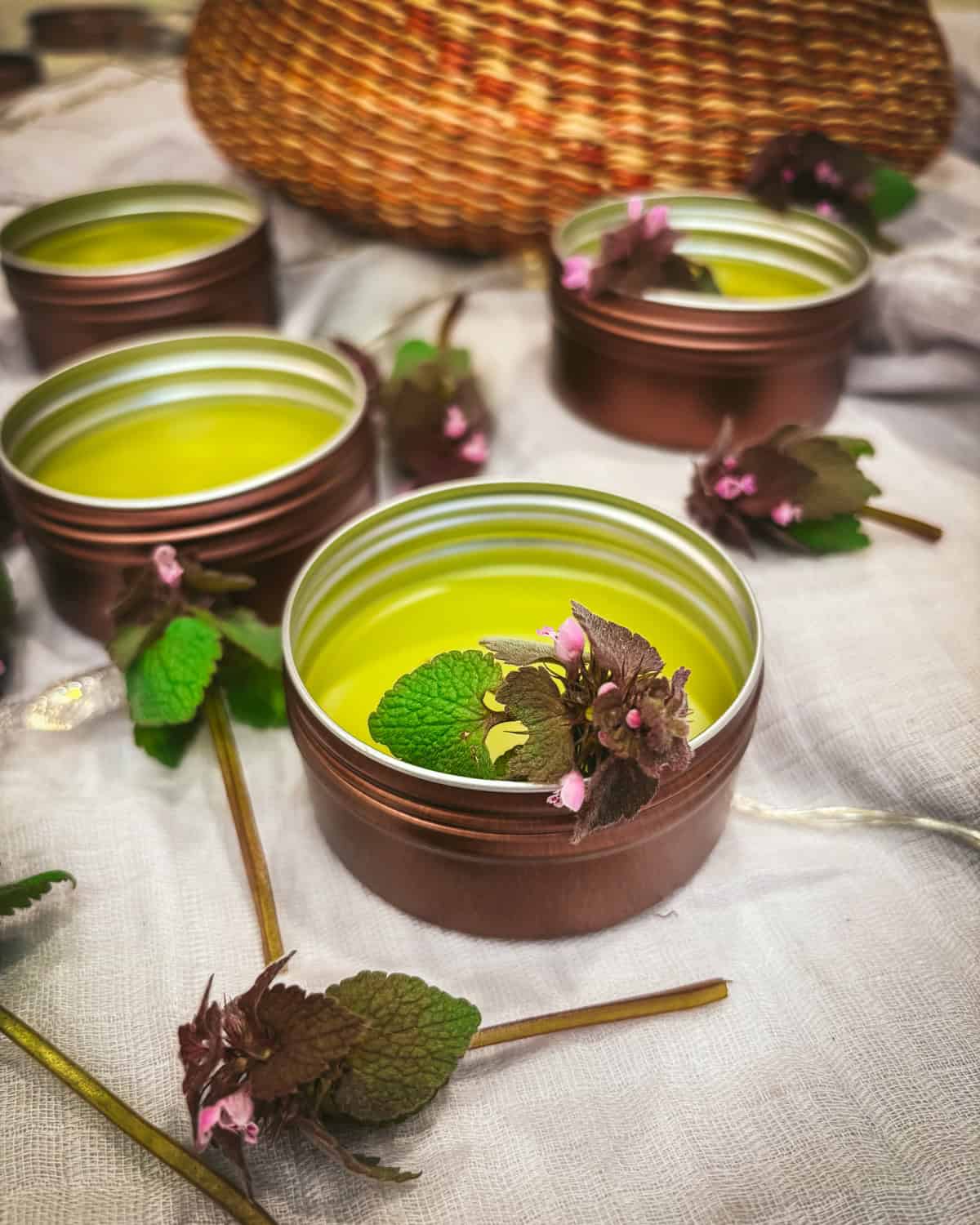
Once the oil has been strained of all plant matter, it is combined with a hardening agent, most commonly beeswax. The standard ratio is approximately one ounce of beeswax per cup of infused oil. This mixture is melted together, and optional essential oils—such as lavender for additional soothing or peppermint for a cooling sensation—are added at the final stage to prevent them from evaporating.
Technical Specifications for the Purple Dead Nettle Salve
For a standard 10-ounce yield, the following formulation is utilized by practitioners:

- Infused Oil: 1 cup (240ml) of Lamium purpureum infusion.
- Beeswax: 1 ounce (approximately 28g) of pastilles or grated block.
- Essential Oils: 10-20 drops (optional).
The total active time for the final assembly is approximately 20 minutes, with a setting time of several hours to allow the beeswax to create a smooth, semi-solid consistency. The resulting product is a shelf-stable salve with a typical lifespan of 12 to 18 months, provided it is stored in a cool, dark environment.
Expert Analysis of Implications and Market Trends
The resurgence of interest in plants like purple dead nettle reflects a broader shift in consumer behavior toward "slow medicine" and sustainable living. Market analysts note that the DIY herbalism sector has grown significantly as individuals seek to reduce their reliance on complex global supply chains for basic first-aid needs.

Environmentalists also highlight the ecological benefits of this trend. By valuing "weeds," homeowners are less likely to apply broad-spectrum herbicides to their lawns. This reduction in chemical runoff benefits local watersheds and preserves vital early-season forage for pollinators. Furthermore, the practice of foraging encourages a "nature connection" that has been linked to improved mental health and environmental stewardship.
However, experts also issue a note of caution regarding urban foraging. Because purple dead nettle often grows in disturbed soils, it is susceptible to absorbing heavy metals or being coated in roadside pollutants. Journalistic investigation into foraging safety suggests that harvesting should only occur in areas known to be free of chemical sprays and significant environmental contaminants.
Broader Impact on Home Healthcare
The practical application of purple dead nettle salve extends to a variety of minor household ailments. Its gentle nature makes it suitable for use on children and individuals with sensitive skin. It is frequently employed to treat:
- Seasonal Skin Irritation: Soothing dry, cracked skin caused by spring winds.
- Insect Bites and Stings: Reducing the inflammatory response to bee stings or mosquito bites.
- Minor Abrasions: Providing a protective barrier that supports the skin’s natural healing process.
- Fungal Support: Utilizing the plant’s mild antifungal properties to manage itchy or irritated skin patches.
The cost analysis of producing this salve at home further underscores its appeal. With a production cost of approximately $1.20 per ounce—compared to $5.00 to $15.00 per ounce for commercial organic salves—the economic incentive for home production is substantial.
Conclusion and Future Outlook
As the scientific community continues to explore the genus Lamium, it is likely that the medicinal profile of purple dead nettle will be further refined. For now, it remains a premier example of how "backyard weeds" can be transformed into high-value health products through simple, traditional techniques. The purple dead nettle salve serves as both a functional remedy and a symbol of a growing movement toward botanical literacy and self-sufficiency. By integrating this common plant into the domestic medicine chest, individuals take a tangible step toward a more sustainable and informed relationship with the natural world.


