
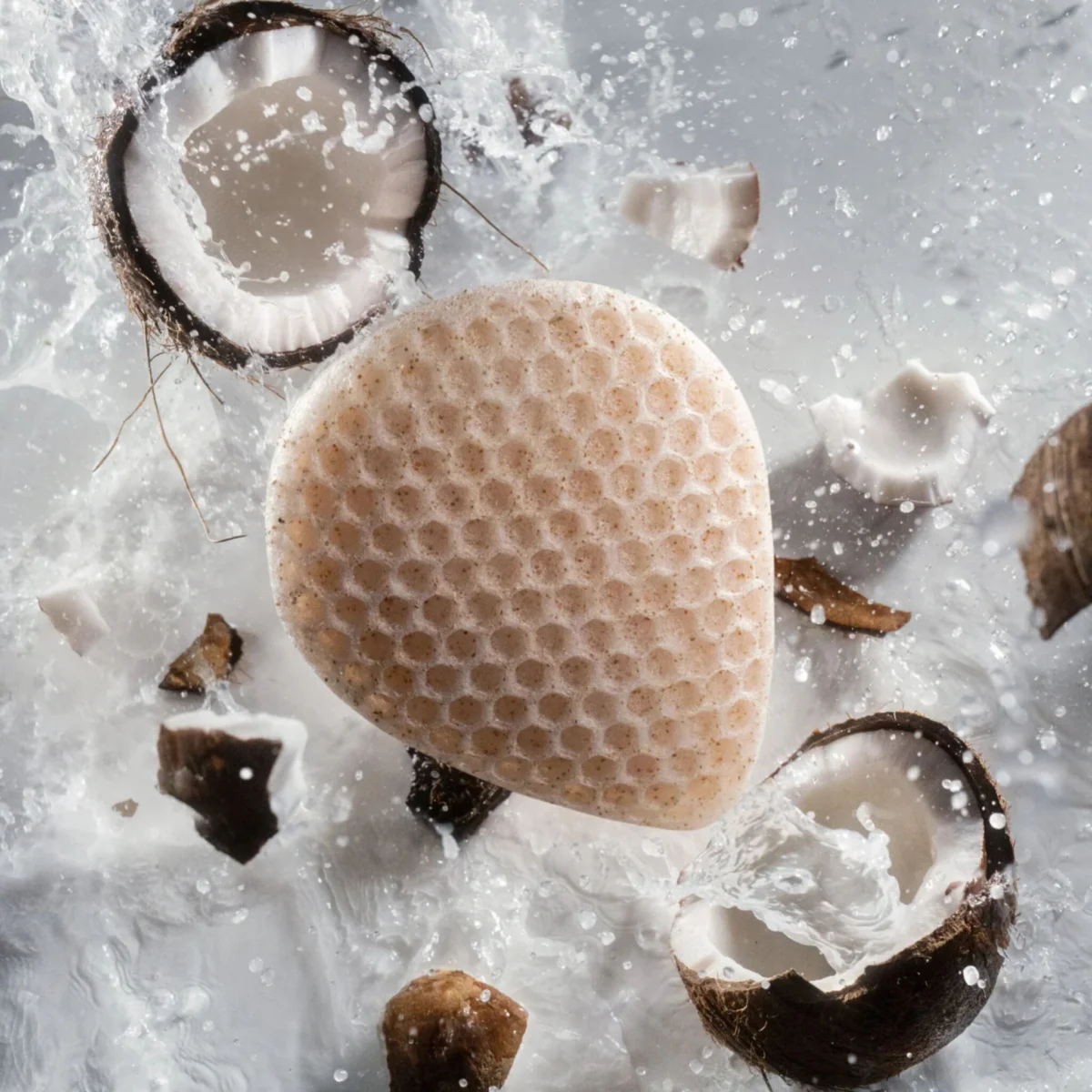
The global personal care industry is currently undergoing a significant transformation as consumers increasingly pivot away from synthetic, single-use products toward sustainable alternatives. One of the most prominent shifts is occurring within the "everything shower" trend—a viral social media phenomenon involving intensive multi-step hygiene routines. While these routines often promote the use of dozens of specialized products, environmental advocates and sustainable brands like Casamera are highlighting the ecological toll of conventional tools, particularly the ubiquitous plastic mesh pouf. In response, the industry is seeing a resurgence of the konjac sponge, a 100% natural, biodegradable exfoliant derived from root vegetables, which offers a circular solution to the growing problem of bathroom-related plastic waste.
The Environmental Crisis of Synthetic Bath Accessories
To understand the necessity of natural alternatives, it is essential to examine the lifecycle of the standard plastic shower pouf. Most mass-produced bath poufs are manufactured from non-recyclable synthetic fibers, primarily polyethylene. Because these items are used in high-moisture environments to scrub away dead skin cells and body oils, they become breeding grounds for bacteria, mold, and yeast. Dermatologists generally recommend replacing synthetic poufs every three to four weeks to avoid skin infections.
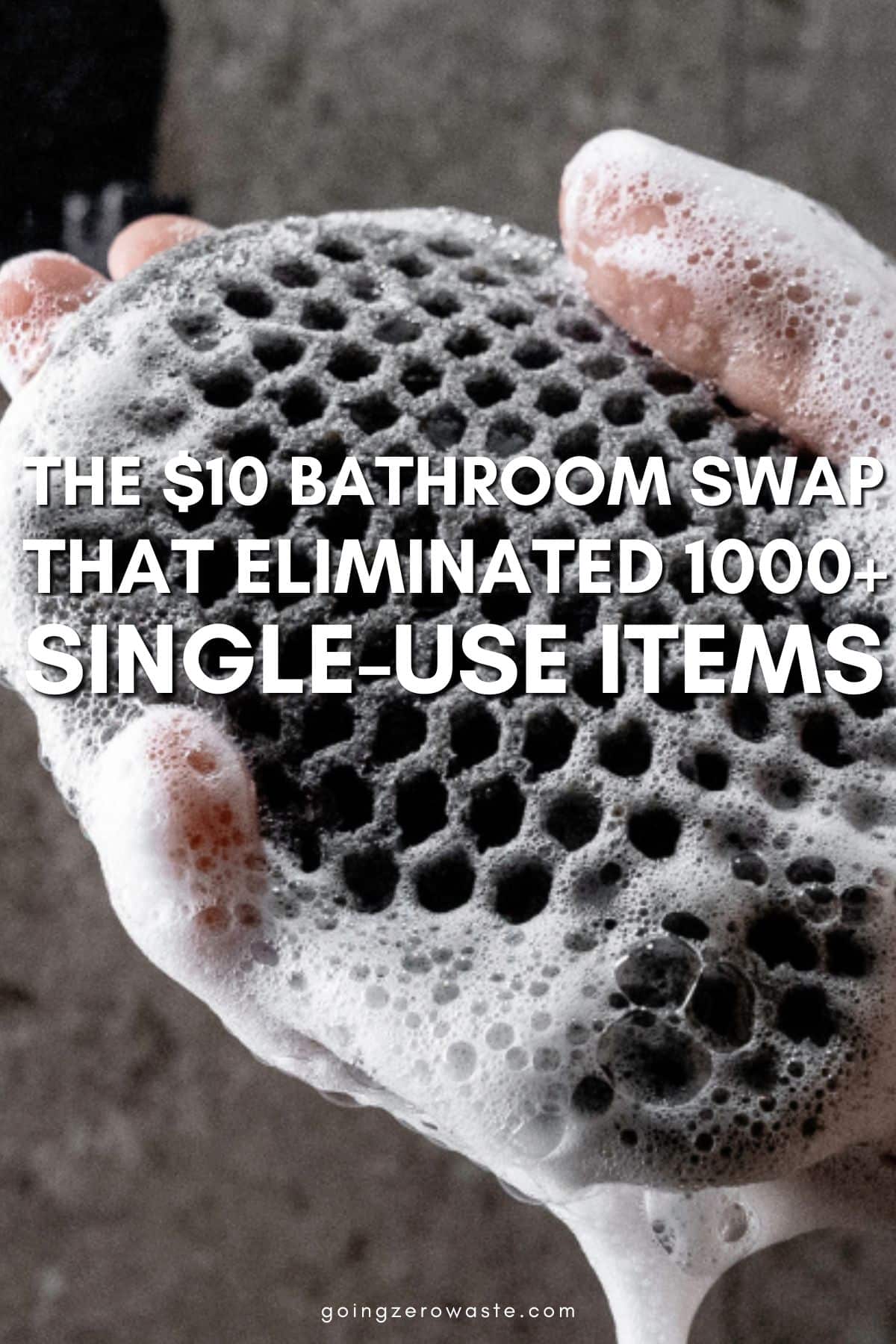
This frequent replacement cycle creates a massive stream of non-biodegradable waste. In the United States alone, millions of plastic poufs are discarded annually, eventually settling in landfills where they take hundreds of years to decompose. Furthermore, as these synthetic sponges degrade during use, they shed microplastics—tiny particles less than five millimeters in length—that bypass municipal filtration systems and enter the marine ecosystem. Recent studies suggest that the average household contributes significantly to the billions of microplastic particles entering the ocean each year through personal care routines.
The Science and Origin of the Konjac Sponge
The konjac sponge serves as a direct, carbon-neutral replacement for synthetic scrubbers. Derived from the Amorphophallus konjac plant—a perennial tuber native to Southeast and East Asia—the sponge has been utilized for over 1,500 years. Originally prized in Japan for its medicinal properties and as a food source, the konjac root’s fiber was eventually discovered to be an ideal material for gentle skincare, particularly for infants.
The manufacturing process of a konjac sponge is rooted in green chemistry. The plant’s tubers are harvested, dried, and ground into a fine powder. This powder is then mixed with calcium hydroxide and water to create a glucomannan-rich gel. Glucomannan is a highly absorbent plant fiber that provides the sponge with its unique texture. The mixture is poured into molds and subjected to a steaming process that solidifies the structure into a porous, soft sponge. Unlike synthetic manufacturing, this process does not require harsh chemical stabilizers or petroleum-based polymers.
Casamera’s Innovation in Natural Exfoliation
While traditional konjac sponges are often small and designed exclusively for facial use, Casamera has re-engineered the product to meet the demands of a full-body shower routine. Their approach addresses the primary criticism of natural sponges: that they are often too soft for deep exfoliation.
Casamera’s scrubbers feature a dual-sided design. One side maintains the classic, soft honeycomb structure of the konjac fiber, suitable for sensitive areas and daily cleansing. The reverse side is infused with crushed walnut shells, providing a natural, mechanical exfoliant that rivals the scrubbing power of synthetic alternatives without the environmental cost.
Furthermore, the brand utilizes natural infusions to target specific skin concerns:

- Activated Charcoal: Known for its porous surface area, charcoal-infused sponges help draw out toxins and excess sebum, making them ideal for oily or acne-prone skin.
- Matcha and Green Tea: These infusions provide antioxidants that may help protect the skin from environmental stressors.
- Volcanic Mud: Utilized for its mineral content, this version aims to soothe irritated skin.
- Peppermint: Added for its antimicrobial properties and refreshing scent.
Comparative Analysis: Konjac vs. Face Wipes and Synthetic Poufs
The shift toward konjac sponges also challenges the dominance of single-use face wipes. Market data indicates that the global makeup remover wipes market is worth billions, yet these products represent a significant environmental hazard. Most wipes are composed of polyester or polypropylene and are saturated in chemical preservatives.
When disposed of improperly, face wipes contribute to the formation of "fatbergs"—massive, solidified blockages in urban sewer systems. Fatbergs are created when non-biodegradable wipes combine with fats, oils, and grease (FOG) in the pipes. In major metropolitan areas like London and New York, fatbergs have reached weights of several tons, costing municipalities millions of dollars in infrastructure repairs.
A konjac sponge offers a reusable alternative that eliminates the need for single-use wipes. Because the sponge is naturally alkaline, it can help balance the skin’s pH while removing water-based makeup and impurities with only water or a minimal amount of cleanser.

| Feature | Plastic Pouf | Single-Use Wipes | Konjac Sponge |
|---|---|---|---|
| Material | Polyethylene (Plastic) | Polyester/Plastic blend | 100% Plant Fiber |
| Biodegradability | No | No | Yes (Compostable) |
| Microplastic Shedding | High | Moderate | Zero |
| Lifespan | 3-4 weeks | Single use | 2-3 months |
| Chemical Content | Potential phthalates | Preservatives/PFAs | Natural minerals |
Timeline of Maintenance and Sustainability Metrics
To maximize the utility of a natural sponge, a specific maintenance protocol is required. Because konjac is an organic material, it must be treated with care to prevent premature degradation.
- Initial Activation: New sponges are hard and shriveled. They must be submerged in warm water for approximately 3-5 minutes to expand into their soft, gel-like state.
- Daily Use: After each use, the sponge should be rinsed thoroughly to remove soap residue and dead skin cells. It is critical to squeeze the sponge between two flat palms rather than wringing it, as twisting can damage the delicate plant fibers.
- Drying: Sponges should be hung in a well-ventilated area. Casamera’s design includes an ergonomic handle and a hanging loop to facilitate rapid drying, which inhibits the growth of bacteria.
- Sanitization: On a weekly basis, the sponge should be placed in boiling water for two minutes to eliminate any deep-seated microbes.
- Disposal: After 8 to 12 weeks, when the sponge begins to lose its elasticity or starts to break down, it can be placed in a backyard compost bin or a green waste container. Unlike plastic, it will return to the earth as organic matter within weeks.
Broader Economic and Industrial Implications
The rise of brands like Casamera signals a broader movement toward "circular beauty." This economic model emphasizes the reduction of waste through the design of products that can be safely returned to the environment. Casamera further reinforces this mission by utilizing plastic-free shipping materials and participating in carbon-offset programs, such as tree planting initiatives, to mitigate the environmental footprint of their manufacturing and logistics.
From a consumer perspective, the transition to konjac sponges also offers long-term economic benefits. While the initial cost of a high-quality natural scrubber pack may be higher than a $2 plastic pouf, the durability and multi-functional nature of the product (acting as both a cleanser and an exfoliant) can reduce the need for multiple specialized skincare products.

Industry analysts suggest that as more regions implement bans on single-use plastics and microbeads, natural alternatives like konjac will move from niche "eco-friendly" categories into the mainstream market. The "everything shower" may remain a popular cultural trend, but its future appears to be increasingly defined by a minimalist, zero-waste philosophy. By replacing synthetic tools with plant-based innovations, consumers can maintain high standards of personal hygiene without compromising the health of the global ecosystem.


