
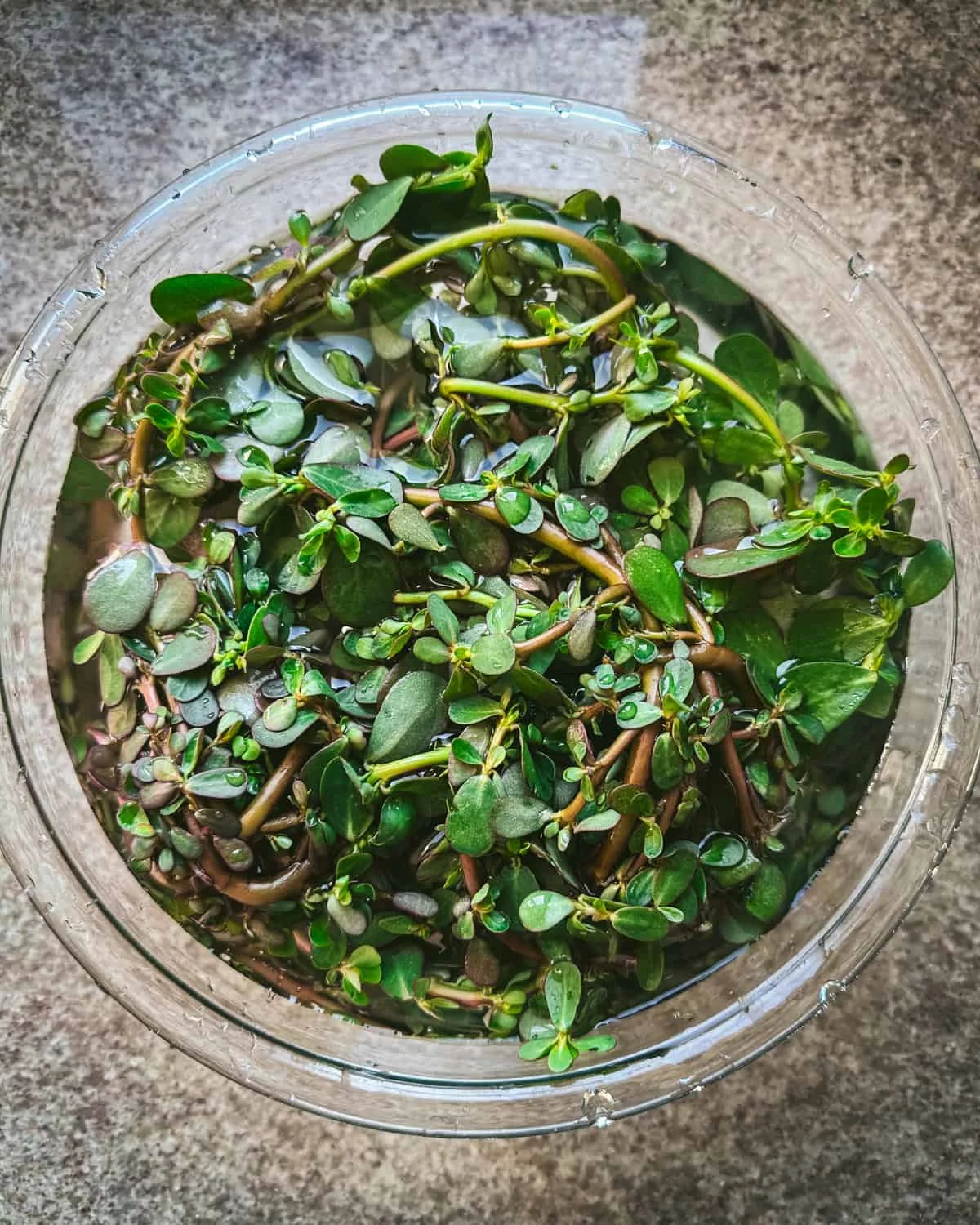
The global culinary and nutritional landscape is currently witnessing a significant shift as traditional foraged greens, once dismissed as agricultural nuisances, are being re-evaluated by botanists, dietitians, and professional chefs alike. At the forefront of this movement is Portulaca oleracea, commonly known as purslane. While frequently categorized as a common weed found in sidewalk cracks and garden beds, recent scientific research and a renewed interest in ethnobotany have highlighted the plant as a premier "power food." This succulent-like vegetable, which thrives in full sun and disturbed soils, is increasingly being recognized for its extraordinary concentration of Omega-3 fatty acids and its deep-rooted history in international cuisines, particularly within Mexican gastronomic traditions.
The Botanical Profile and Global Distribution of Portulaca Oleracea
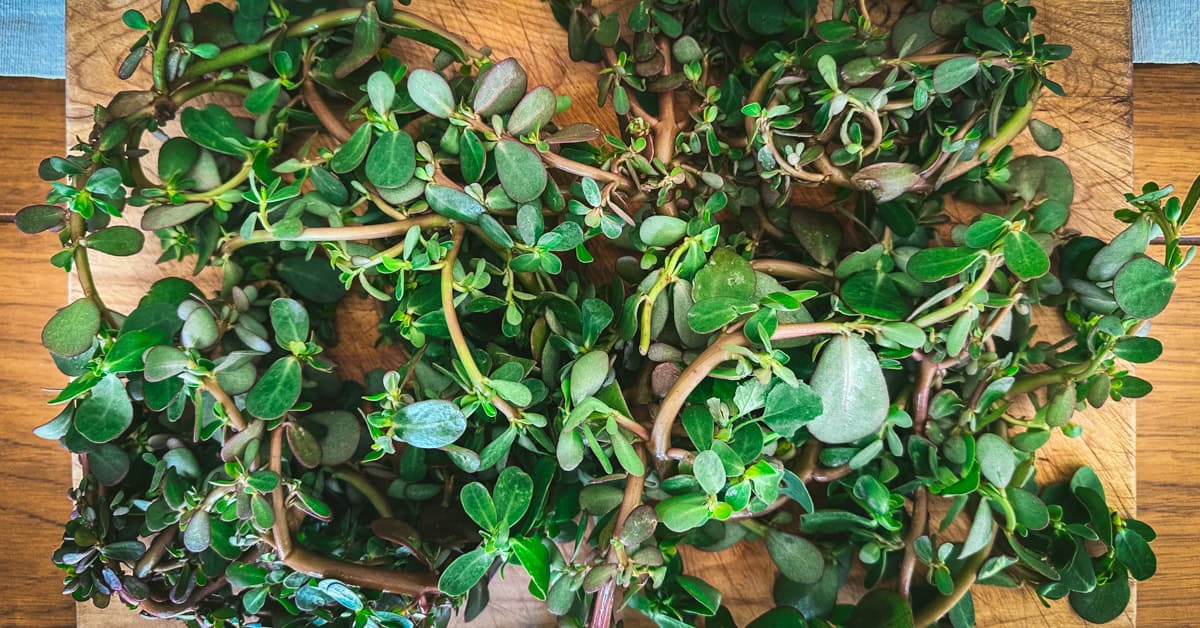
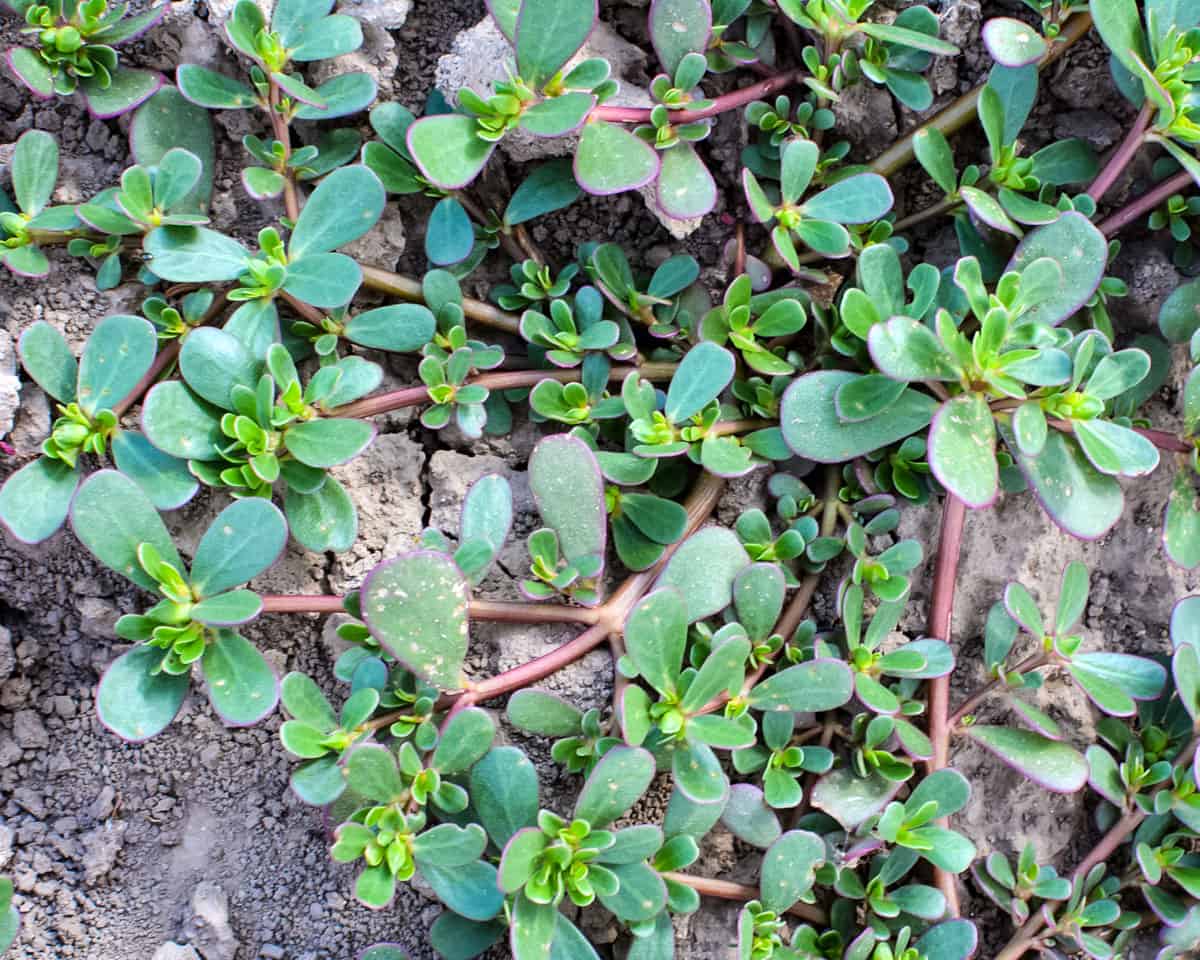
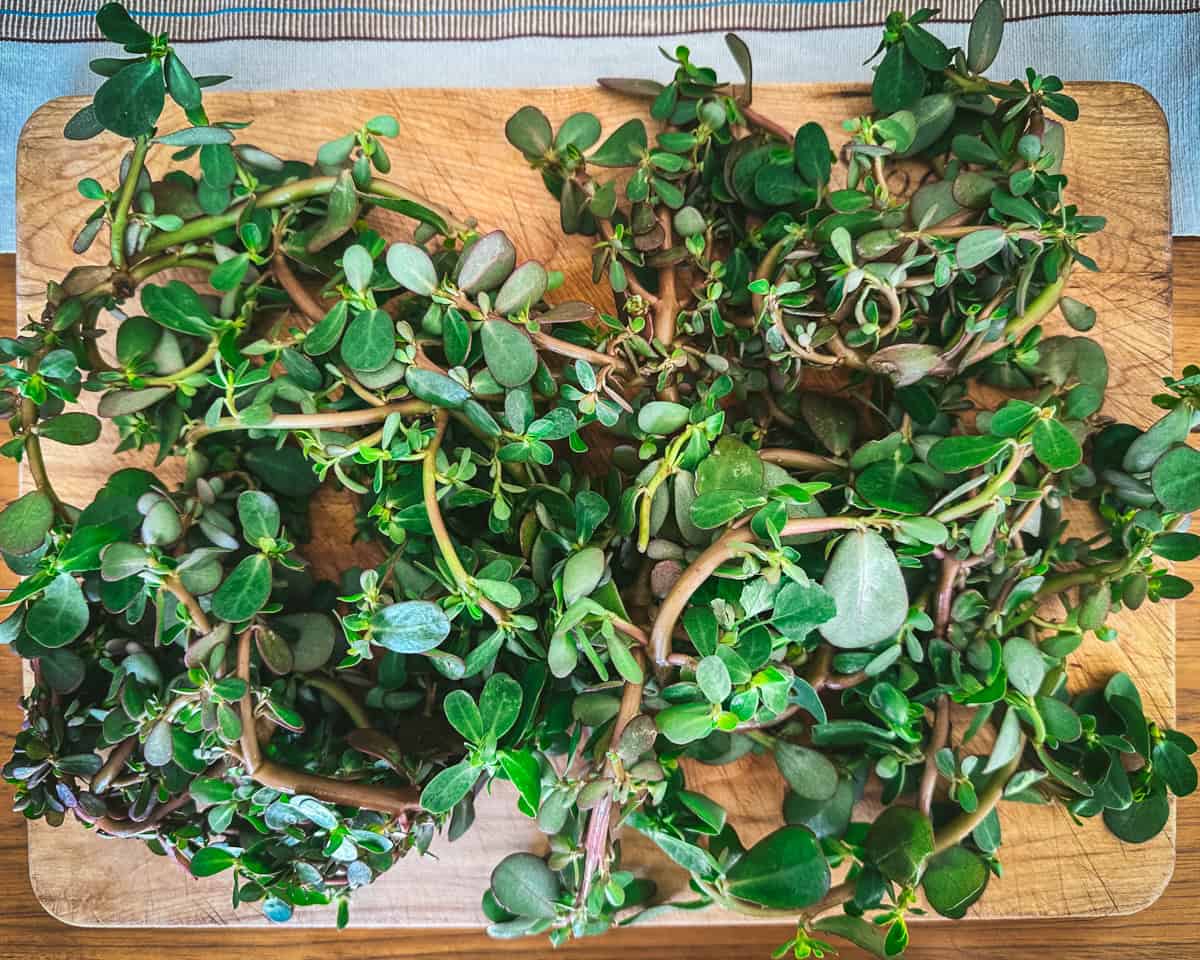
Purslane is a highly resilient annual succulent that belongs to the Portulacaceae family. Characterized by its smooth, reddish stems and paddle-shaped, fleshy leaves, the plant exhibits a prostrate growth habit, often spreading across the ground in a mat-like fashion. It is a cosmopolitan species, meaning it is found in nearly every corner of the inhabited world, from the arid regions of North Africa and the Middle East to the temperate zones of North America and Europe.
The plant’s ability to survive in harsh conditions—including drought, high salinity, and nutrient-poor soil—stems from its unique physiological adaptations. Purslane utilizes both C4 and Crassulacean Acid Metabolism (CAM) pathways for photosynthesis, allowing it to remain productive even when water is scarce. This hardiness has historically made it a reliable food source during times of agricultural instability. In modern contexts, this resilience is being studied as a potential solution for food security in the face of shifting global climates.
Nutritional Superiority: A Comparative Analysis
Scientific literature, including studies published by the National Institutes of Health (NIH), has identified purslane as having one of the highest nutritional qualities among cultivated and wild vegetables. Most notably, purslane is cited as the richest green plant source of alpha-linolenic acid (ALA), an essential Omega-3 fatty acid. While most Omega-3s are sourced from fatty fish or flaxseeds, purslane offers a viable vegan and land-based alternative that supports cardiovascular health and reduces systemic inflammation.
Beyond fatty acids, the nutritional density of purslane includes:
- Antioxidants: High concentrations of Vitamin A (as beta-carotene), Vitamin C, and Vitamin E (alpha-tocopherol). These compounds are critical for neutralizing free radicals and supporting immune function.
- Essential Minerals: Significant levels of magnesium, calcium, potassium, and iron.
- Dietary Fiber: The mucilaginous quality of the leaves provides soluble fiber, which aids in digestion and blood sugar regulation.
- Low Caloric Density: At approximately 16 to 20 calories per 100 grams, it provides a high nutrient-to-calorie ratio, making it an ideal component for weight-management diets.
Cultural Context: The Mexican Tradition of Verdolagas
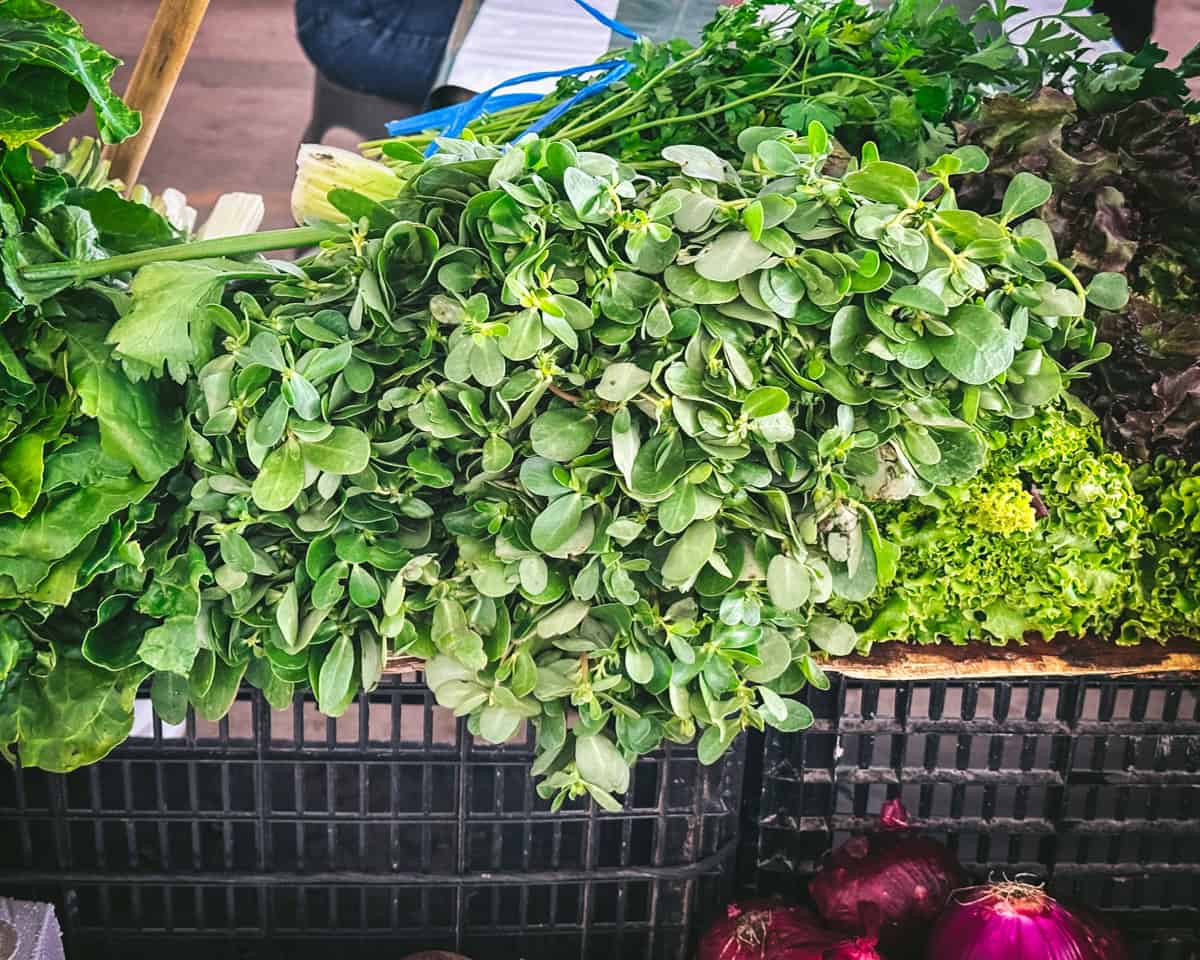
In Mexico, purslane is not viewed as a weed but as a staple vegetable known as verdolagas. It is a common sight in traditional mercados (outdoor markets), where it is sold in large, fresh bunches. The Mexican culinary approach to purslane is diverse, often integrating the green into hearty stews and breakfast dishes.
Historically, verdolagas have been a vital part of the Mexican diet since the pre-Hispanic era. It is frequently paired with pork in a salsa verde base, or cooked with potatoes and tomatillos to create a balance of textures and flavors. The plant’s natural tanginess—often compared to the sourness of spinach or watercress—complements the richness of animal proteins and the acidity of citrus-based sauces. This cultural appreciation serves as a blueprint for modern foragers and chefs in other regions who are looking to incorporate wild greens into contemporary menus.
Identification and Safety Protocols for Foraging
As interest in foraging grows, experts emphasize the importance of correct botanical identification. While purslane is distinctive, it often grows in close proximity to Euphorbia maculata, or spotted spurge. Spurge is a toxic look-alike that can cause skin irritation and gastrointestinal distress.
Journalistic inquiry into foraging safety reveals a set of standardized identification markers for purslane:

- Stem Architecture: Purslane stems are thick, succulent, and reddish, whereas spurge stems are thin and wiry.
- Sap Content: When broken, purslane stems are moist but clear. Spurge stems emit a milky white latex sap, which is a primary indicator of toxicity.
- Leaf Texture: Purslane leaves are thick and fleshy; spurge leaves are thin and often have a small purple spot in the center.
Furthermore, urban foragers are cautioned against harvesting purslane from areas treated with pesticides or heavy metals, such as busy roadsides or industrial zones, as the plant is known to bioaccumulate soil contaminants.
The Culinary Science of Sautéing Purslane
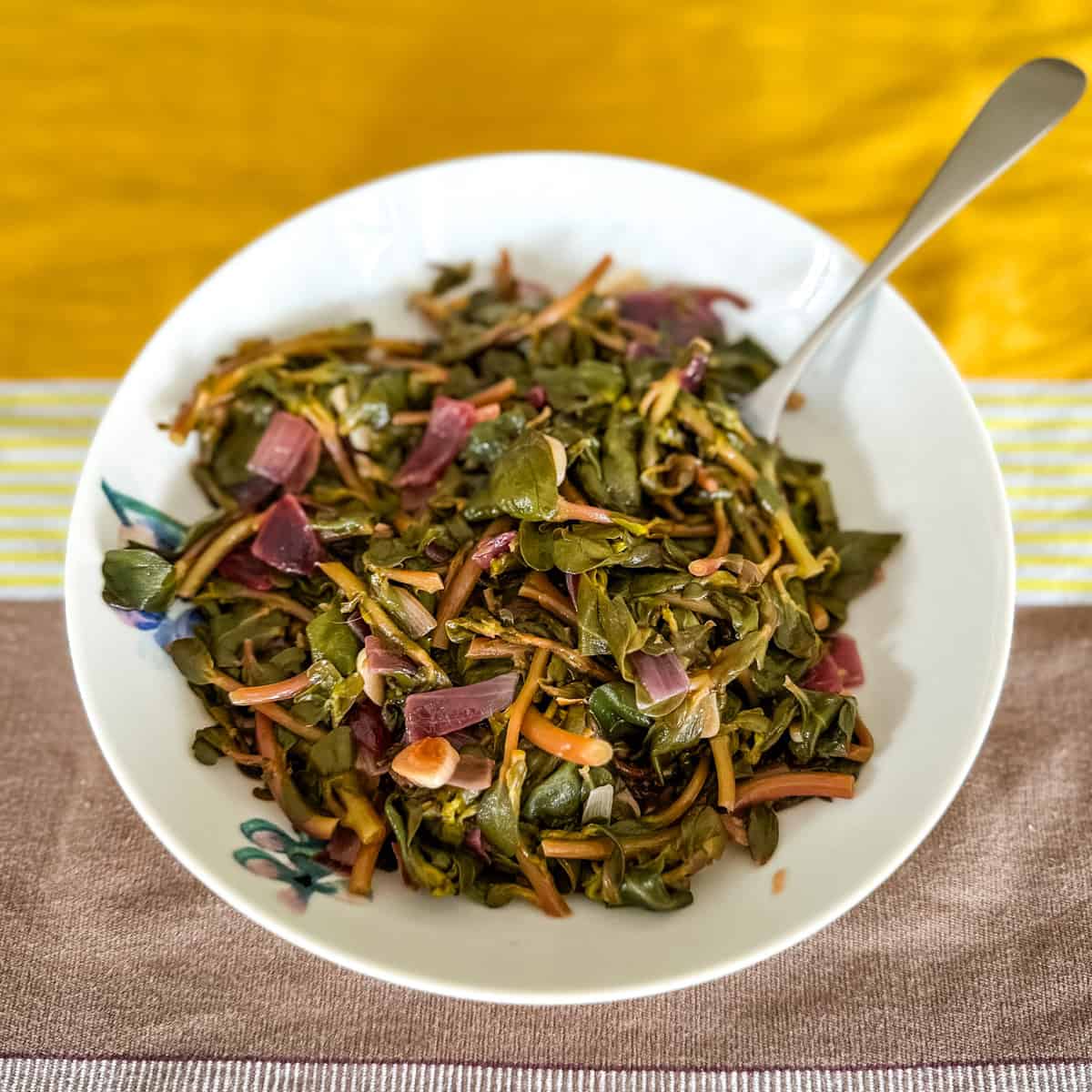
The most efficient and popular method for preparing purslane, particularly for those new to the ingredient, is the quick sauté. This technique preserves the plant’s structural integrity while mellowing its natural acidity. Professional chefs suggest that the key to a successful purslane dish lies in minimal heat exposure, as overcooking can lead to an excessively mucilaginous (slimy) texture, similar to okra.

Ingredients and Preparation Standards
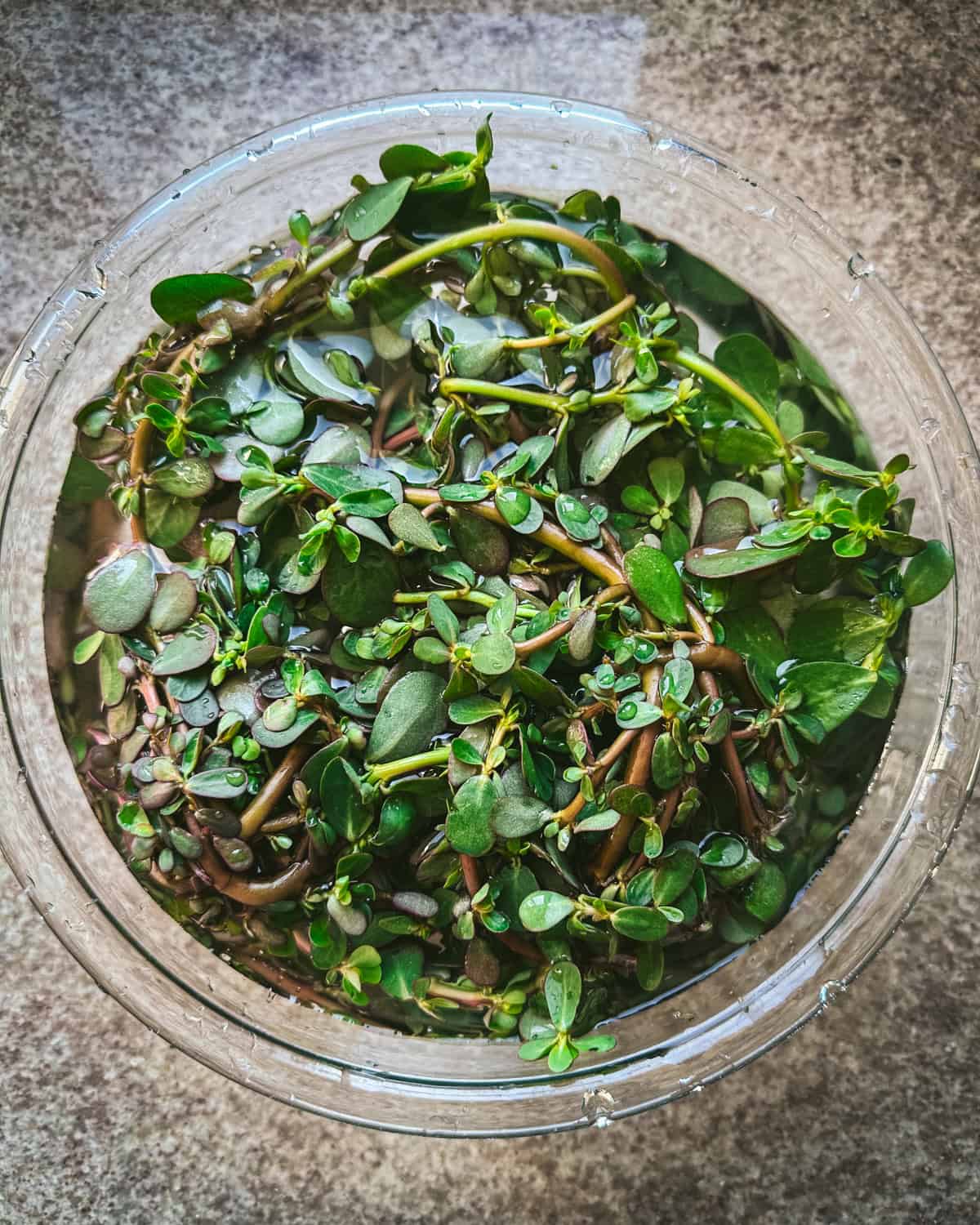
The standard preparation requires a large bunch of fresh purslane, roughly 1 to 1.5 pounds. The cleaning process is critical; the dense growth habit of the plant often traps silt and soil. A thorough soak in cold water, followed by a double rinse, is recommended.
The supporting ingredients are intentionally simple to allow the flavor of the green to remain the focus:
- Aromatics: Diced onions (red or white) and thinly sliced garlic cloves provide a savory base.
- Lipids: High-quality organic extra virgin olive oil is preferred for its heart-healthy fats and low-smoke point compatibility.
- Acidity: Fresh lemon juice is essential. The citric acid interacts with the mineral salts in the purslane to brighten the overall flavor profile.
- Seasoning: Sea salt or kosher salt is added to draw out moisture and enhance the vegetable’s natural "green" notes.
Chronology of the Sauté Process
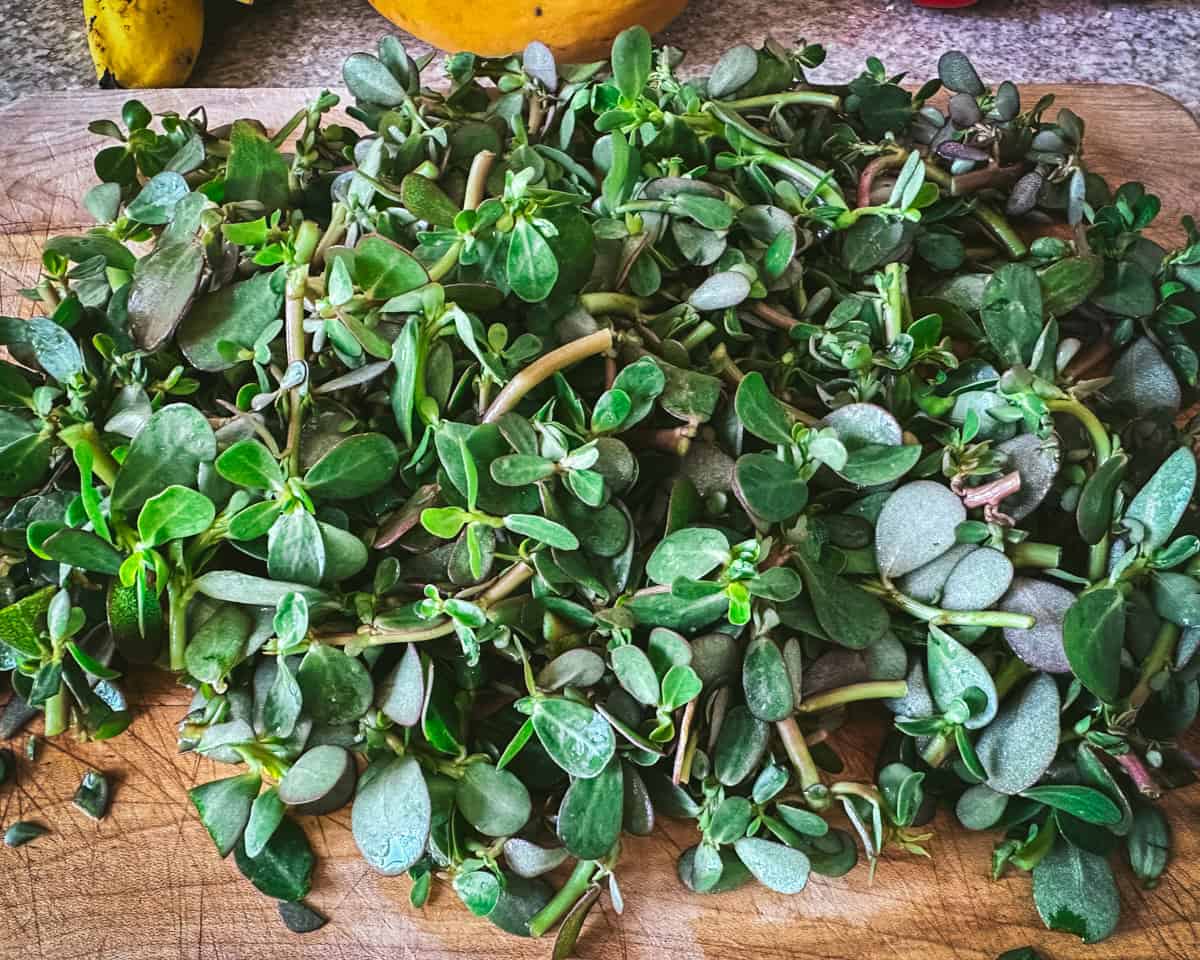
- Initial Cleaning: The purslane is soaked, rinsed, and patted dry. Large, woody stems are discarded, while tender stems and leaves are chopped into 2-to-3-inch segments.
- Aromatic Base: Olive oil is heated in a large skillet over medium heat. The onions and garlic are sautéed for approximately 2 to 3 minutes until translucent and fragrant.
- Thermal Integration: The chopped purslane is added to the skillet and seasoned with salt.
- Controlled Wilting: The pan is covered to create a steam-assisted environment. The purslane is cooked for 5 to 6 minutes, with occasional stirring. During this phase, the volume of the greens will reduce significantly.
- Finishing: The pan is removed from the heat, and fresh lemon juice is folded in. This final step prevents the lemon juice from turning bitter under high heat.
Broader Impact: Sustainability and Food Security
The promotion of purslane consumption carries implications beyond individual nutrition. From an environmental standpoint, purslane requires significantly less water than traditional commercial crops like lettuce or spinach. As water scarcity becomes a more pressing issue in global agriculture, the integration of drought-tolerant wild crops into the human diet could reduce the ecological footprint of the vegetable supply chain.
Agricultural analysts suggest that if purslane were to be cultivated on a larger commercial scale, it could provide a high-yield, low-input source of essential fatty acids for populations in arid climates. This aligns with the United Nations’ Sustainable Development Goals regarding zero hunger and responsible consumption.
Expert Reactions and Market Trends
Industry experts in the health and wellness sector have noted a steady increase in "weed-to-table" dining. Nutritionist reactions have been overwhelmingly positive, with many advocating for the inclusion of purslane in anti-inflammatory diets. In the retail sector, specialty farmers’ markets in urban centers like New York, Los Angeles, and Mexico City have reported a higher demand for foraged greens, with purslane often selling out during the peak summer months.
The "Huevos con Verdolagas" (eggs with purslane) trend has also gained traction in the brunch market, appealing to consumers looking for nutrient-dense, plant-forward breakfast options. By pairing the greens with protein-rich eggs and traditional salsas, restaurants are able to offer dishes that are both culturally authentic and nutritionally superior.
Conclusion
The transition of purslane from a maligned garden weed to a celebrated superfood represents a broader cultural return to ancestral eating habits and sustainable foraging. With its unparalleled Omega-3 content, ease of preparation, and deep roots in Mexican culinary heritage, Portulaca oleracea offers a compelling case for the value of biodiversity in our diets. Whether foraged from a backyard or purchased from a local market, sautéed purslane stands as a testament to the fact that some of the most nutritious foods on the planet are often those that grow most effortlessly beneath our feet. As the culinary world continues to evolve, the humble purslane is likely to remain a permanent fixture on the plates of those who prioritize health, history, and environmental stewardship.


