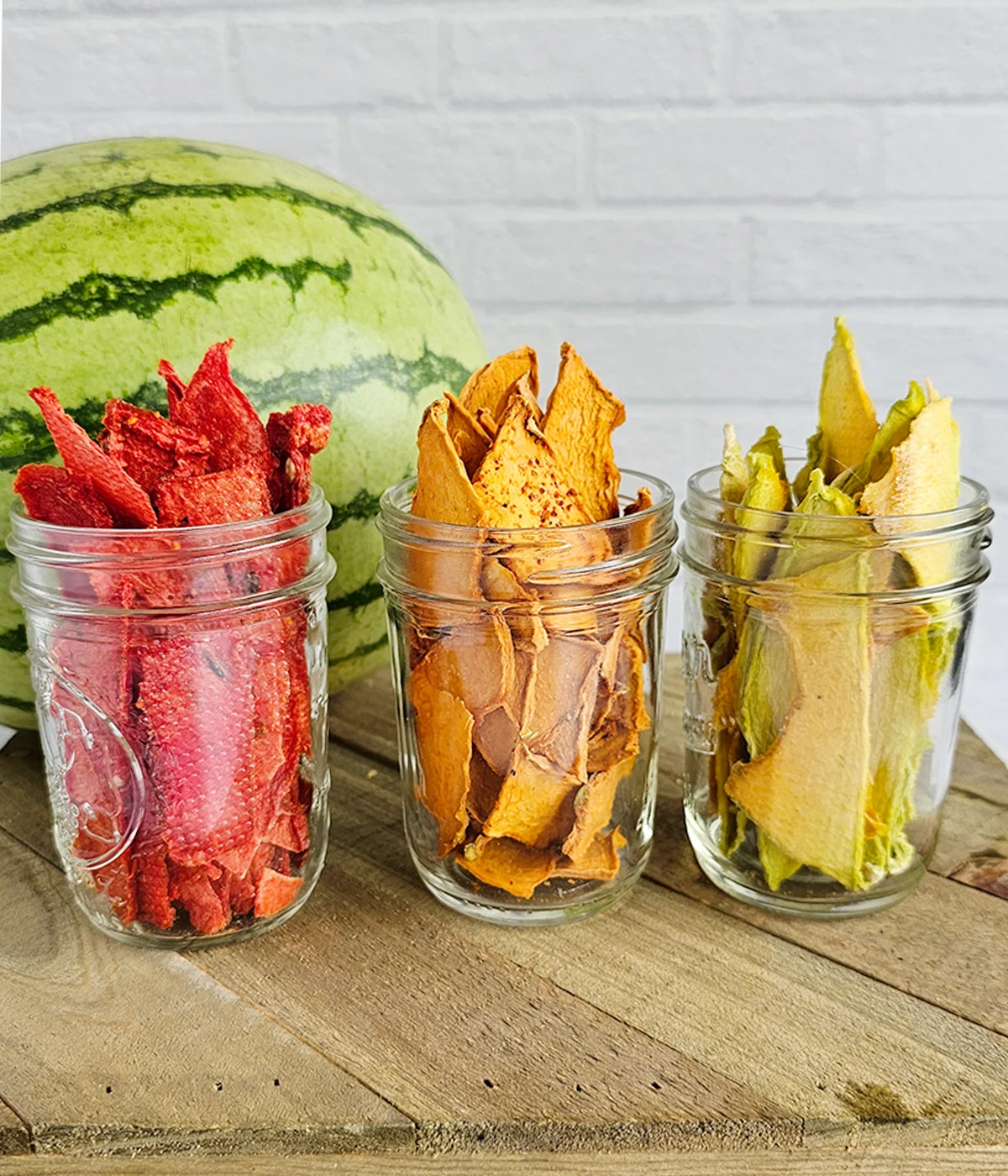
The practice of dehydrating melons, including watermelon, cantaloupe, and honeydew, has emerged as a sophisticated method for extending the shelf life of highly perishable produce while creating shelf-stable, nutrient-dense snacks. As food prices fluctuate and global awareness of food waste increases, home food preservation techniques are transitioning from niche hobbies to essential household management strategies. Dehydration serves as a critical tool in this transition, allowing for the conversion of seasonal surpluses into versatile pantry staples that are ideal for long-term storage, outdoor recreation, and daily nutritional supplementation.
The Socio-Economic Context of Food Preservation
The impetus for dehydrating melons is rooted in the broader challenge of global food waste. According to data from the United Nations Environment Programme (UNEP), approximately one-third of all food produced for human consumption is lost or wasted. In the United States, the Department of Agriculture (USDA) estimates that 30-40 percent of the food supply is wasted, with fresh produce being the most vulnerable category. Melons, characterized by their high water content—often exceeding 90 percent—are particularly prone to rapid spoilage once harvested or sliced.
By removing the moisture that facilitates microbial growth and enzymatic spoilage, dehydration effectively halts the degradation process. This allows consumers to purchase melons in bulk during peak season when prices are lowest and quality is highest, thereby maximizing economic value and ensuring a year-round supply of fruit that would otherwise be unavailable during winter months.
Technical Methodology: The Chronology of Dehydration
The process of dehydrating melons requires a systematic approach to ensure safety, texture, and flavor retention. The following chronology outlines the standard procedure recommended by food preservation experts.
Phase 1: Selection and Preparation
The quality of the final product is directly proportional to the ripeness of the raw fruit. Practitioners must select melons that have reached peak maturity, as the dehydration process concentrates sugars; under-ripe fruit will result in a bland or bitter product, while over-ripe fruit may become excessively mushy.
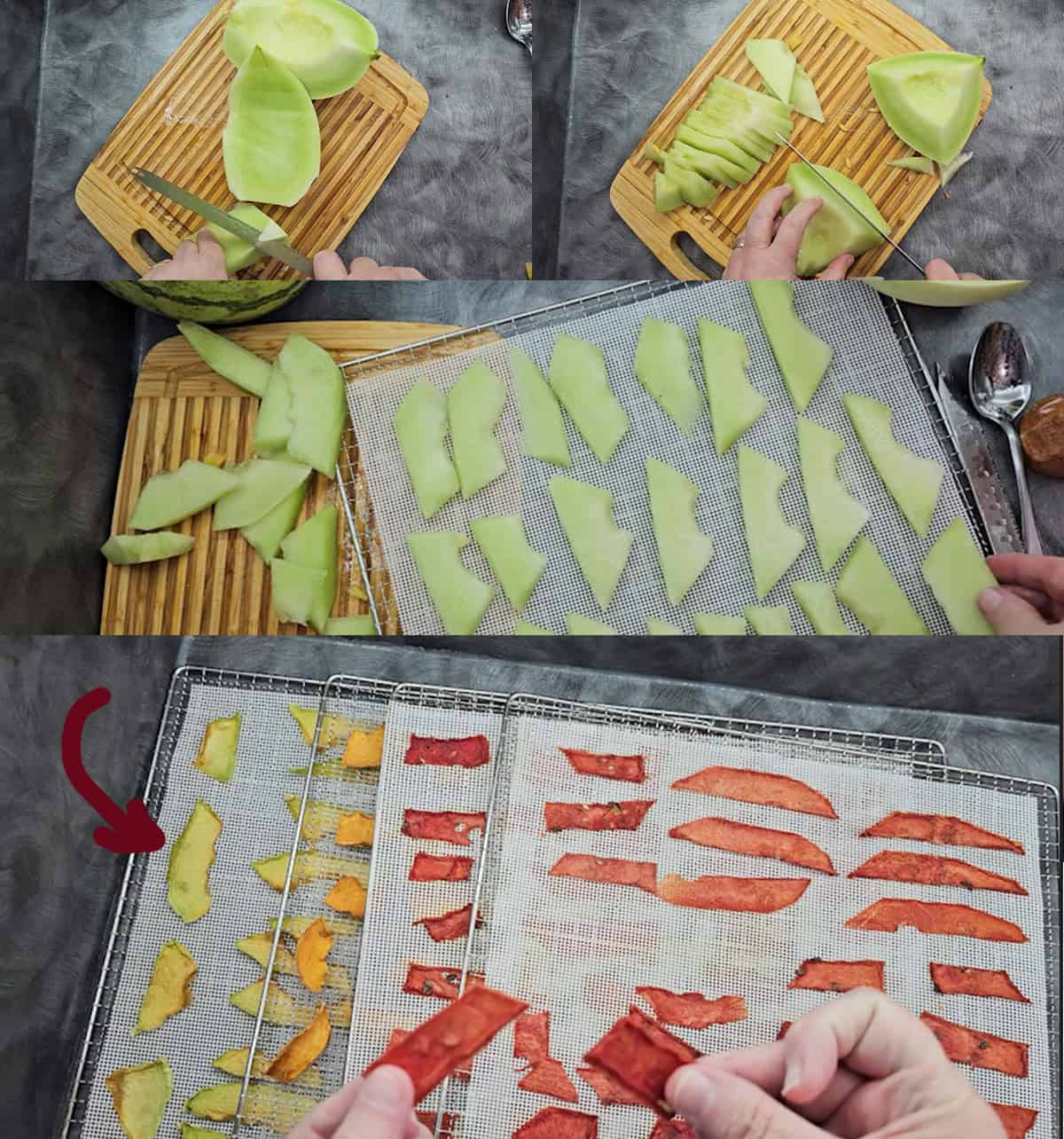
Preparation begins with a thorough washing of the exterior rind to prevent cross-contamination. Once cleaned, the melon is halved, and the seeds are removed. The fruit is then sliced into uniform pieces, typically between 1/4-inch and 1/2-inch in thickness. Uniformity is critical to ensure that all pieces dry at the same rate, preventing a scenario where some pieces remain moist (and thus prone to mold) while others become overly brittle.
Phase 2: The Dehydration Cycle
The prepared slices are arranged on dehydrator trays in a single layer, ensuring adequate space between pieces for airflow. The industry standard for fruit dehydration is 135°F (57°C). At this temperature, moisture is removed efficiently without "case hardening"—a condition where the exterior of the fruit dries too quickly, trapping moisture inside and leading to internal spoilage.
The duration of the cycle typically ranges from 10 to 14 hours. However, environmental factors such as ambient humidity and the specific sugar content of the melon variety can influence these timelines. Watermelon, for instance, often requires a longer duration due to its higher water-to-fiber ratio compared to cantaloupe or honeydew.
Phase 3: Testing and Cooling
A piece of fruit is considered sufficiently dehydrated when it reaches a "leathery" or "pliant" consistency. It should not be sticky to the touch, and when torn, there should be no visible beads of moisture. Once the cycle is complete, the fruit must be allowed to cool completely at room temperature. Storing warm fruit in a sealed container creates condensation, which reintroduces moisture and compromises shelf stability.
Nutritional Profile and Chemical Analysis
Dehydration does not significantly alter the primary nutritional components of melons, but it does change the density of those nutrients. When the water weight is removed, the remaining vitamins, minerals, and sugars become concentrated.
Concentration of Nutrients
Melons are significant sources of Vitamin A (in the form of beta-carotene), Vitamin C, and Potassium. In their dried form, a 1/4-cup serving provides roughly the same caloric and sugar content as one full cup of fresh fruit. This makes dehydrated melon an efficient energy source for high-exertion activities such as hiking or athletic training.
The Role of Natural Sugars
The high fructose and glucose content in melons acts as a natural preservative. During the dehydration process, these sugars undergo a mild concentration that results in a "candy-like" texture. In watermelon specifically, the texture can become reminiscent of taffy. Because no artificial preservatives or sulfur dioxide are required for home dehydration, the resulting product remains a "clean-label" snack.
Storage Dynamics and Conditioning
To achieve a shelf life of up to one year, dehydrated melons must be stored under specific conditions. The primary adversaries of dried fruit are oxygen, light, and moisture.
The Conditioning Process
Conditioning is a vital safety step for fruit intended for long-term storage. After cooling, the dried melon is placed in a clear, airtight glass jar, filled about two-thirds full. For seven to ten days, the jar is shaken daily and inspected for signs of condensation or clumping. If moisture appears, the fruit must be returned to the dehydrator. If no moisture is detected after a week, the fruit is considered "conditioned" and ready for permanent storage.
Long-Term Containment
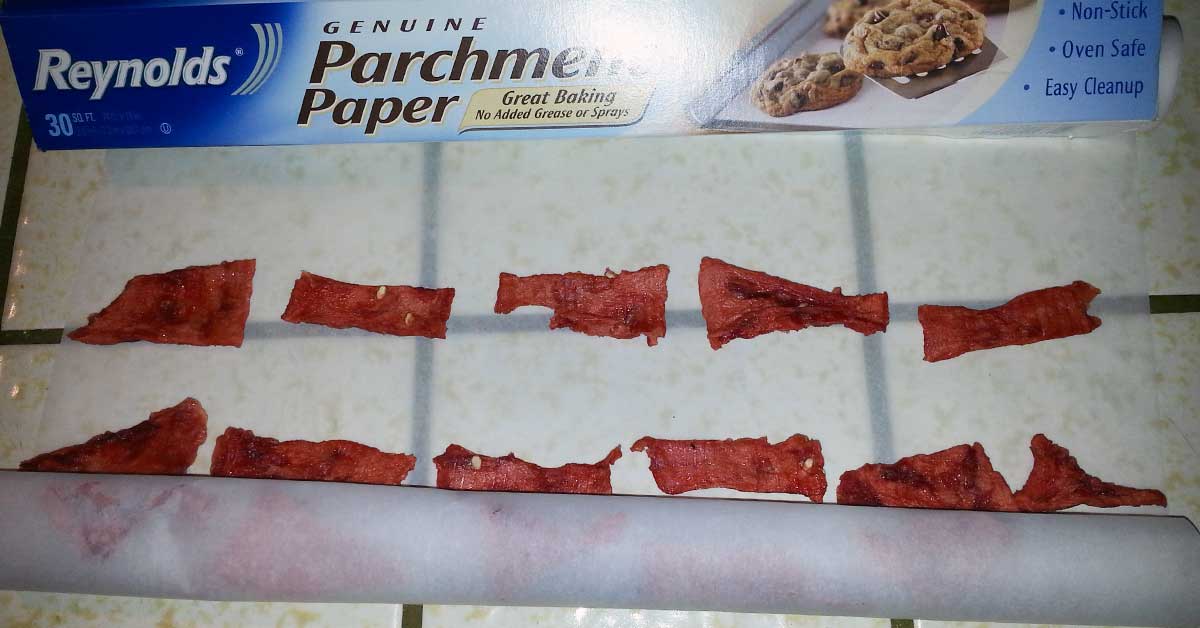
For optimal preservation, vacuum-sealing is the preferred method. Utilizing oxygen absorbers or desiccant packs can further safeguard the product against oxidation and humidity. While glass jars are standard, Mylar bags are frequently used by long-term food storage enthusiasts due to their ability to block light completely. Practitioners often wrap individual pieces of dried watermelon in parchment paper to prevent the concentrated sugars from causing the slices to fuse together over time.
Comparative Analysis of Melon Varieties
While the general process remains consistent, different melon varieties yield distinct results:
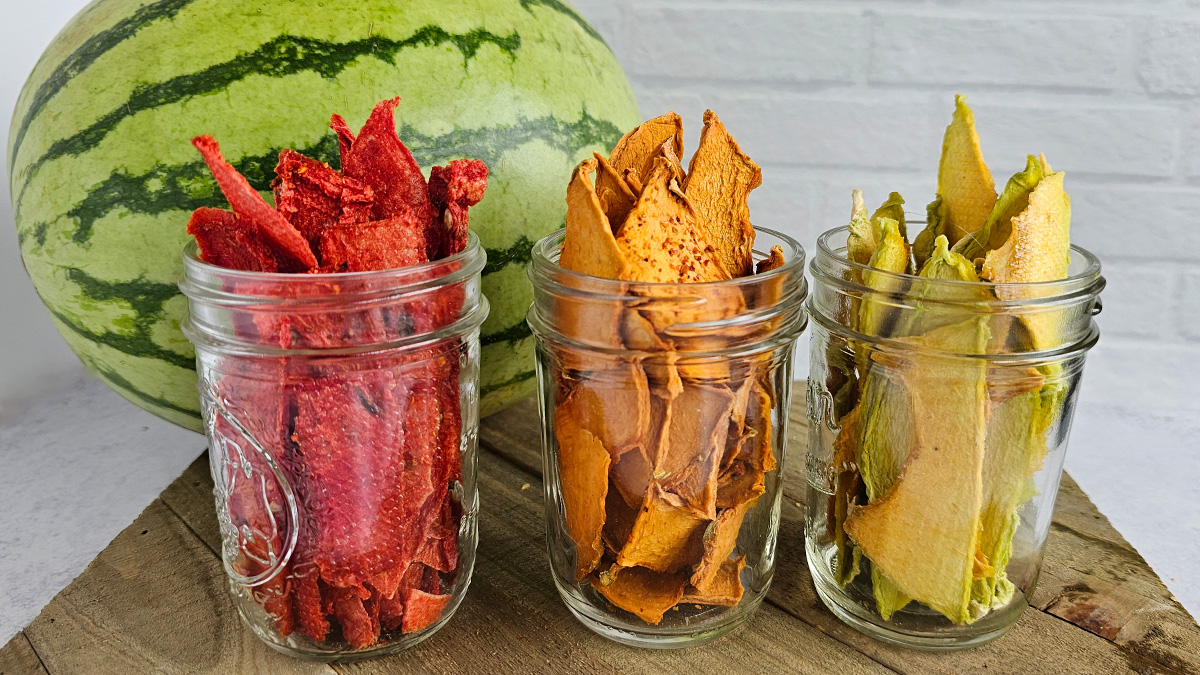
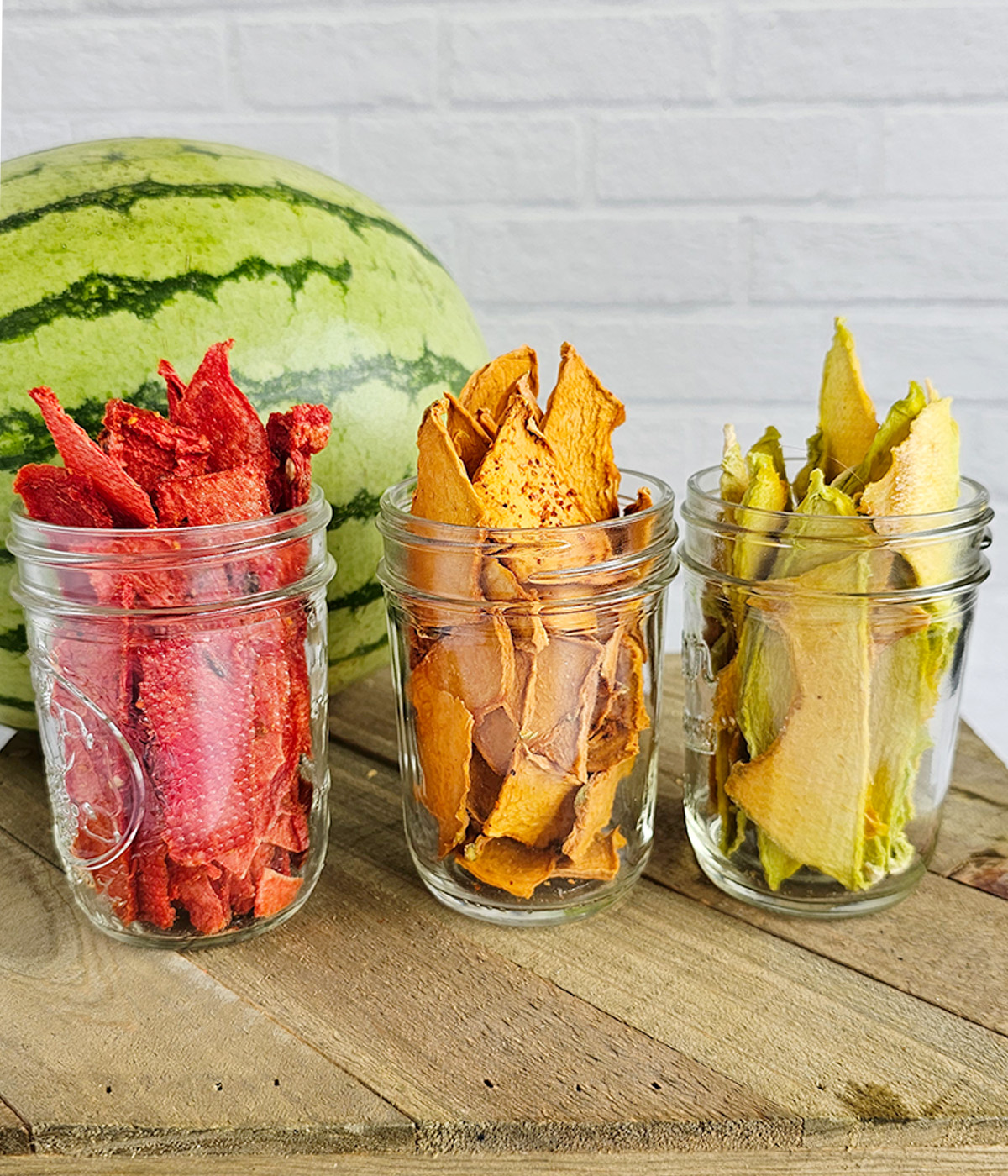
- Watermelon: Known for its dramatic reduction in size. The high water content means a large melon will yield a relatively small amount of dried "jerky." The flavor is intensely sweet.
- Cantaloupe: Provides a more substantial, fibrous texture. Its orange hue is retained well, making it visually appealing for trail mixes.
- Honeydew: Offers a more subtle sweetness and a unique green aesthetic. It is often described as having a "refreshing" flavor even in its concentrated state.
Advanced Culinary Applications and Seasoning
Beyond simple snacking, dehydrated melons are increasingly utilized in gourmet culinary applications. Chefs and home cooks have begun experimenting with "value-added" seasonings applied prior to the dehydration cycle.
Flavor Enhancement
The application of citric acid, lime juice, or chili-lime seasoning (such as Tajín) can balance the intense sweetness of the fruit. Furthermore, dehydrated melon can be ground into a fine powder to be used as a natural flavoring agent for desserts, smoothies, or cocktail rims.
Rehydration and Integration
Dried melons can be partially rehydrated for use in baked goods or fruit salads. When chopped into small pieces, they serve as a shelf-stable alternative to raisins or dried cranberries in granolas and cereal blends.

Safety Standards and Official Guidelines
The USDA’s National Center for Home Food Preservation provides the regulatory framework for these activities. Their guidelines emphasize that while dehydration is one of the oldest forms of food preservation, it requires strict adherence to temperature and hygiene standards.
The use of domestic ovens as an alternative to dedicated dehydrators is permissible, provided the oven can maintain a temperature as low as 170°F. However, because most ovens do not have the sophisticated airflow of a dehydrator, the "door-propping" method is often necessary to allow moisture to escape. This requires caution in households with children or pets due to the exposed heat source.
Broader Implications for Sustainability
The resurgence of interest in dehydrating melons reflects a shift toward a more circular domestic economy. By transforming potential waste into a durable asset, households reduce their carbon footprint associated with food transport and waste disposal. Furthermore, the ability to preserve food at home provides a layer of food security in the face of supply chain disruptions.
As agricultural technology continues to evolve, the integration of traditional preservation methods like dehydration with modern equipment ensures that the bounty of the summer harvest remains available, nutritious, and economically viable throughout the calendar year. The dehydration of melons stands as a testament to the efficacy of simple, science-based interventions in solving modern challenges of waste and nutrition.