
The systemic issue of food waste in the United States has reached a critical threshold, with federal data indicating that approximately 40 percent of the national food supply is discarded annually. This inefficiency results in a significant financial burden on the average American household, which loses an estimated $2,913 per year to food spoilage and premature disposal. Beyond the immediate economic impact, the environmental consequences are profound, as decomposing food in landfills is a primary contributor to methane emissions, a potent greenhouse gas. Central to this crisis is the widespread mismanagement of food storage at the consumer level. Experts suggest that the transition away from traditional plastic packaging and the adoption of scientifically backed storage techniques can extend the shelf life of perishables from days to weeks, simultaneously reducing exposure to chemical endocrine disruptors found in many synthetic materials.
The Economic and Environmental Scale of Food Waste
According to the Environmental Protection Agency (EPA) and the United States Department of Agriculture (USDA), the scale of food waste is a multi-dimensional problem affecting food security, resource conservation, and climate change. When 40 percent of food is wasted, the resources used to produce that food—including water, energy, and labor—are also squandered. The $2,913 annual loss per household is particularly acute during periods of high food price inflation, where the cost of staples like dairy, produce, and meat has seen volatile increases.
The primary driver of domestic food waste is improper storage. Most consumers rely on the original packaging provided by retailers, which is often designed for transport efficiency rather than long-term preservation. Furthermore, the reliance on single-use plastics has introduced a secondary concern: the leaching of chemicals into the food supply. Research indicates that certain plastics can act as endocrine disruptors, interfering with hormonal systems. By shifting toward inert materials like glass, stainless steel, and natural fibers, consumers can improve both the longevity of their groceries and their long-term health outcomes.
The Science of Plastic and Food Spoilage
The ubiquitous nature of plastic bags and containers in modern kitchens often accelerates the decomposition process. Plastic is non-porous and traps moisture and ethylene gas—a natural ripening agent emitted by many fruits and vegetables. When moisture is trapped against the surface of leafy greens or berries, it creates a breeding ground for mold and bacteria.
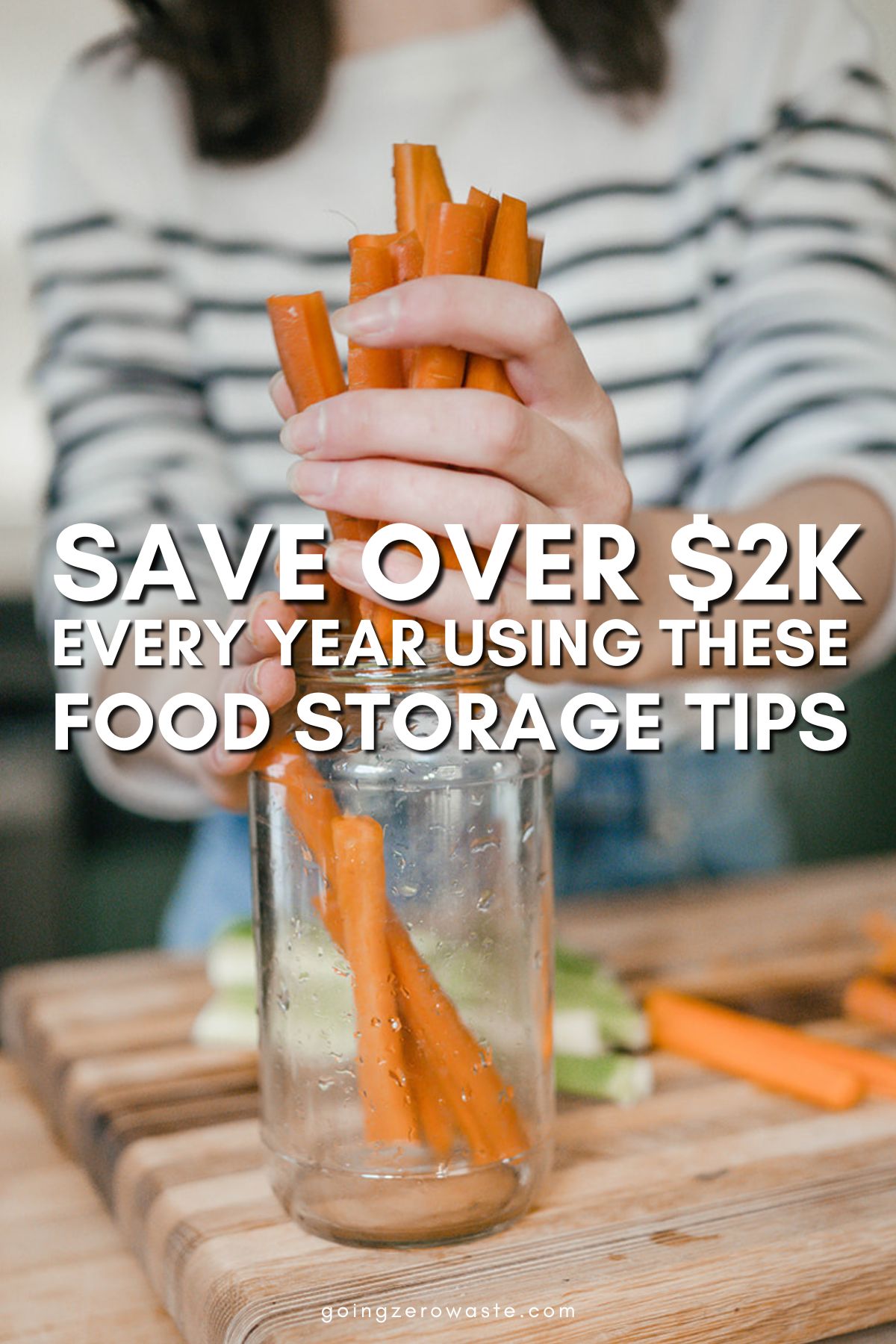
In contrast, sustainable storage methods prioritize breathability and humidity control. For instance, high-quality silicone and glass containers provide stable environments that do not react chemically with acidic foods. While some plastics are labeled as "recyclable," such as rigid plastics #1 (PET) and #2 (HDPE), the reality of global recycling infrastructure means that a significant portion of these materials still ends up in the waste stream. Transitioning to reusable, non-plastic alternatives is increasingly viewed by environmental analysts as the most effective path toward a "zero-waste" kitchen.
A Chronology of Effective Food Preservation
To maximize the lifespan of groceries, the preservation process must begin immediately upon returning from the market. The following chronology outlines the necessary steps to transition produce from retail packaging to long-term storage:
Immediate Processing and Pre-Storage
The initial hour after grocery shopping is the most critical window for preservation. Produce should be removed from plastic retail bags, which act as "suffocation chambers" for fresh items. Root vegetables should be separated from their green tops, as the leaves continue to draw moisture and nutrients away from the root even after harvest.
The Role of Humidity and Aeration
Leafy greens and herbs require a delicate balance of moisture. Unlike the "drowning" effect of a plastic bag, natural fiber bags—often referred to as "swag bags"—utilize multi-layered unbleached cotton to maintain a damp environment that allows the produce to breathe. This method is scientifically proven to keep vegetables crisp for over fourteen days by regulating the micro-environment around the plant tissue.
Strategic Washing Protocols
While it is tempting to wash all produce immediately, moisture is the primary enemy of many fruits. Berries, for example, should only be washed immediately before consumption, or treated with a diluted vinegar bath to kill mold spores before being dried thoroughly and stored in airtight glass jars.
Specialized Storage Solutions and Material Analysis
The market for sustainable food storage has expanded to include several high-performance materials that outperform traditional plastic.
Borosilicate Glass and Airtight Seals
Glass is an inert material, meaning it will not leach chemicals into food regardless of temperature or acidity. Borosilicate glass, often used in high-end snapware, is particularly valuable due to its thermal shock resistance, allowing it to move safely from the freezer to the oven. Airtight seals on these containers are essential for preventing the oxidation of leftovers and pre-chopped vegetables.
Silicone Technology
Food-grade silicone, such as that used in Stasher bags, offers a flexible, non-toxic alternative to plastic zip-top bags. Silicone is durable, heat-stable, and can be used for vacuum-sealing scraps for stocks or marinating proteins. Unlike plastic, silicone does not degrade into microplastics that can contaminate the food chain.
Beeswax Wraps and Antimicrobial Properties
For items like cheese, bread, and partial produce (such as half an onion), beeswax wraps provide a breathable, antimicrobial barrier. The combination of organic cotton, beeswax, and tree resin creates a seal that mimics the natural peel of a fruit, protecting the item from air while allowing excess gases to escape.
Stainless Steel and Portability
For prepared meals and dry goods, stainless steel "tiffins" or bento boxes offer a rugged, non-reactive solution. These are particularly effective for mobile storage, such as workplace lunches, where durability is a priority.

Strategic Refrigerator Organization
Longevity is not only determined by the container but also by the placement within the refrigerator. Professional kitchens utilize a "zone" system to manage temperature fluctuations and prevent cross-contamination.
- The Fridge Door: As the warmest zone due to frequent opening, the door should be reserved for items with high preservative content, such as condiments, shelf-stable juices, and fermented sauces. Dairy and eggs should never be stored here.
- The Upper Shelves: These shelves maintain the most consistent temperature. They are ideal for prepared leftovers, "ready-to-eat" snacks, and items that do not require cooking.
- The Lower Shelves: The coldest part of the main compartment, the lower shelves are designated for raw proteins (meat and fish) and dairy products. Storing raw meat at the bottom also prevents accidental drips from contaminating other food items.
- Crisper Drawers: Modern refrigerators typically offer humidity-controlled drawers. The high-humidity drawer should be used for thin-skinned vegetables and leafy greens that are prone to wilting. The low-humidity drawer is intended for fruits that emit ethylene gas, such as apples and pears. Separating these prevents the gas from prematurely rotting the sensitive greens.
Broader Implications and Policy Responses
The shift toward meticulous food storage is part of a larger movement toward domestic efficiency and environmental stewardship. In response to the high rates of waste, the USDA and EPA have launched the "Winning on Food Waste" initiative, which aims to reduce national food waste by 50 percent by 2030. This goal requires a massive shift in consumer behavior, moving away from "buy-and-forget" habits toward a more intentional "meal-prep and preserve" model.
Analysts suggest that if the average household successfully implements these storage strategies, the cumulative effect would be a significant reduction in the demand for new plastic production and a decrease in the carbon footprint of the agricultural supply chain. Furthermore, the individual financial savings—nearly $3,000 annually—provide a powerful incentive for consumers to invest in high-quality, non-plastic storage infrastructure.
The transition to a plastic-free, low-waste kitchen is more than a lifestyle trend; it is a necessary adaptation to economic and environmental pressures. By understanding the science of decomposition and the benefits of inert storage materials, consumers can reclaim the value of their grocery budgets and contribute to a more sustainable food system. As global supply chains remain under pressure, the ability to extend the life of fresh food from days to weeks is becoming an essential skill for the modern household.