The practice of food dehydration, an ancient method of preservation, has seen a significant resurgence in the modern culinary landscape as consumers seek to reduce food waste and create lightweight, nutrient-dense options for outdoor recreation and long-term storage. Among the various food groups subjected to this process, dairy—specifically hard cheeses like Parmesan—presents a unique set of challenges and opportunities. While traditional soft cheeses are generally deemed unsuitable for home dehydration due to their high moisture and fat content, Parmesan cheese, characterized by its low water activity and granular structure, has emerged as a primary candidate for short-term shelf-stable preservation. This report examines the technical procedures, scientific principles, and logistical implications of dehydrating Parmesan cheese for home and field use.
The Technical Framework of Cheese Dehydration
Dehydration is fundamentally the process of removing water from food to a level where microbial growth and enzymatic activity are inhibited. In the case of Parmesan cheese, the objective is to transition the product from a semi-hard state to a brittle, shelf-stable form. Unlike fruits or vegetables, which consist primarily of water and fiber, cheese is a complex matrix of proteins, fats, and minerals.
The process begins with the selection of the medium. Culinary experts and food preservationists distinguish between high-moisture "young" cheeses and aged varieties. Parmesan, particularly Parmigiano-Reggiano or its domestic counterparts, is aged for a minimum of 12 to 36 months. During this aging process, the cheese naturally loses moisture, resulting in a product that typically contains less than 30% water. This low baseline moisture makes it significantly safer and more efficient to dehydrate than cheddar or mozzarella, which possess higher fat-to-protein ratios and moisture levels.
Chronological Methodology of the Dehydration Process
The successful dehydration of Parmesan cheese requires a systematic approach to ensure safety and quality. The chronology of the process is divided into four distinct phases: preparation, thermal processing, lipid management, and stabilization.
-
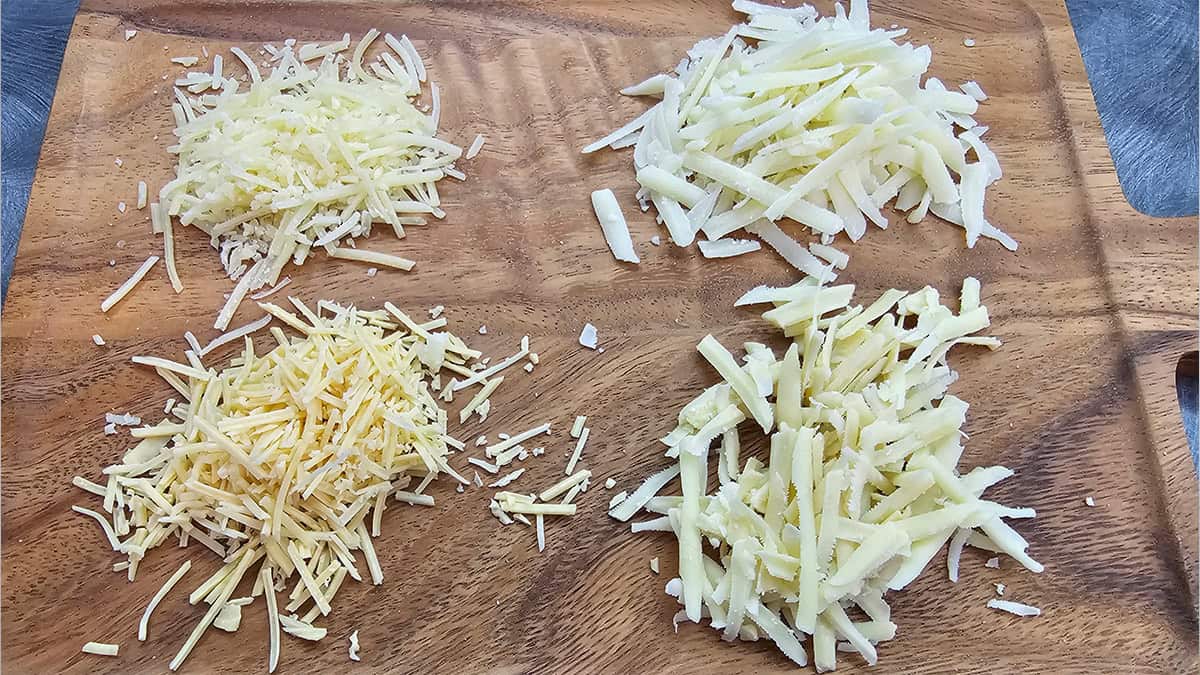
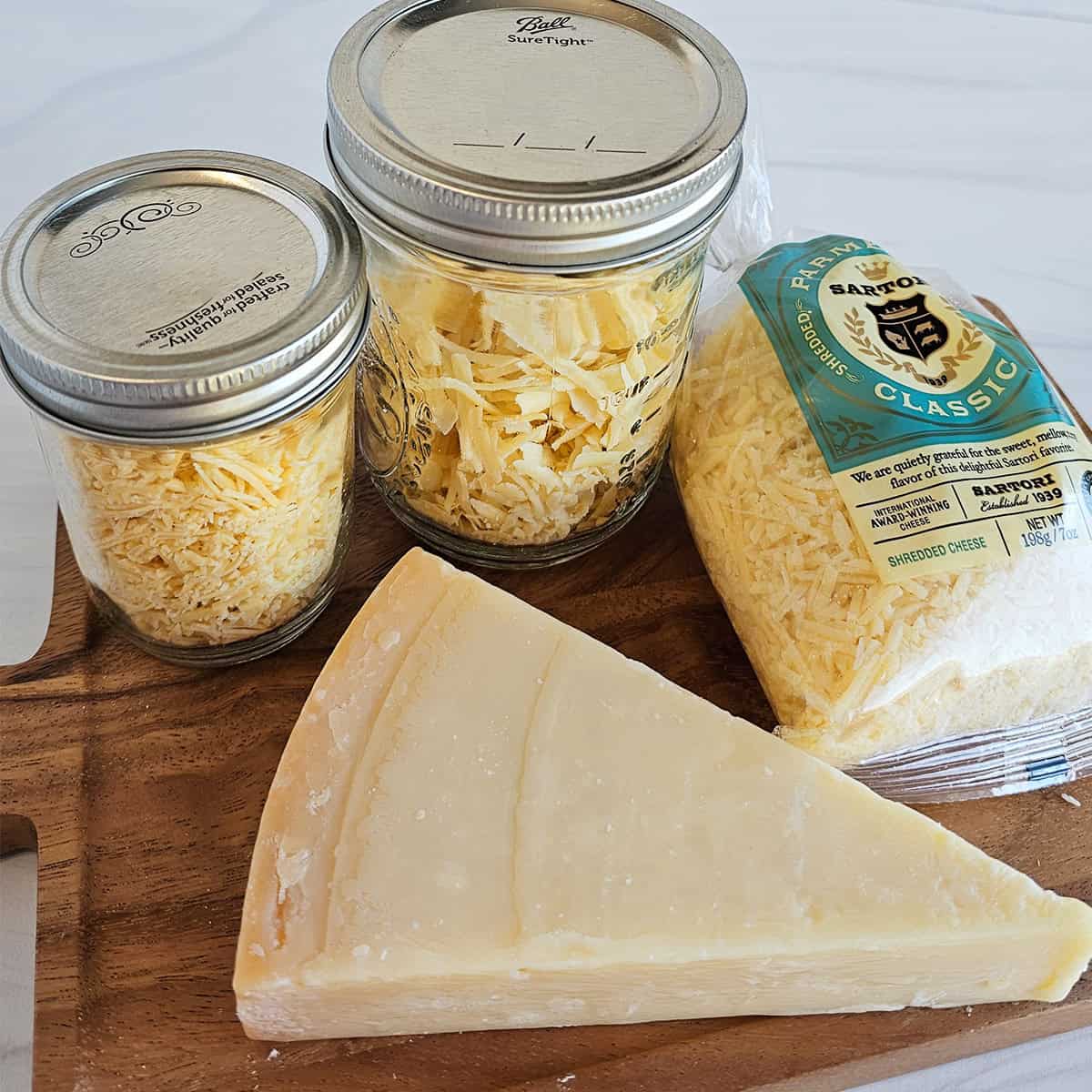
Preparation and Surface Area Optimization: To ensure even drying, the cheese must be processed into uniform shapes. Shredding or grating is the standard approach, as it increases the surface area relative to volume, allowing moisture to escape more rapidly. Home practitioners often utilize pre-shredded varieties for convenience, though freshly grated wedges are preferred by purists to avoid the anti-caking agents, such as cellulose, often found in bagged products.
-
Thermal Processing: The cheese is spread in a single layer on dehydrator trays, often lined with parchment paper or silicone mats to catch any oil runoff. The temperature setting is critical; most food safety guidelines recommend a temperature between 125°F and 135°F (52°C to 57°C). If the temperature is too high, the cheese will melt and case-harden, trapping moisture inside. If too low, the process takes too long, increasing the window for potential bacterial proliferation.
-
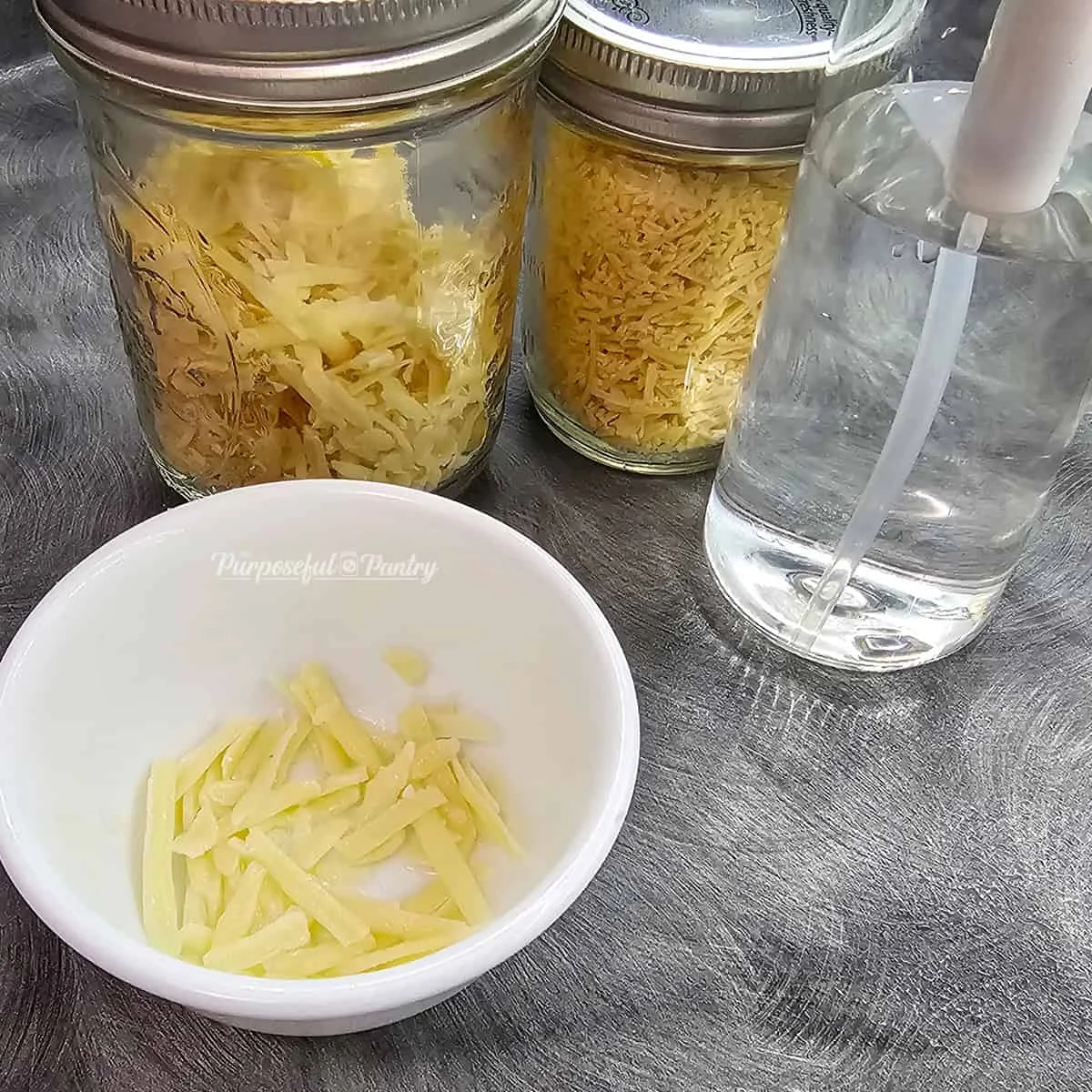
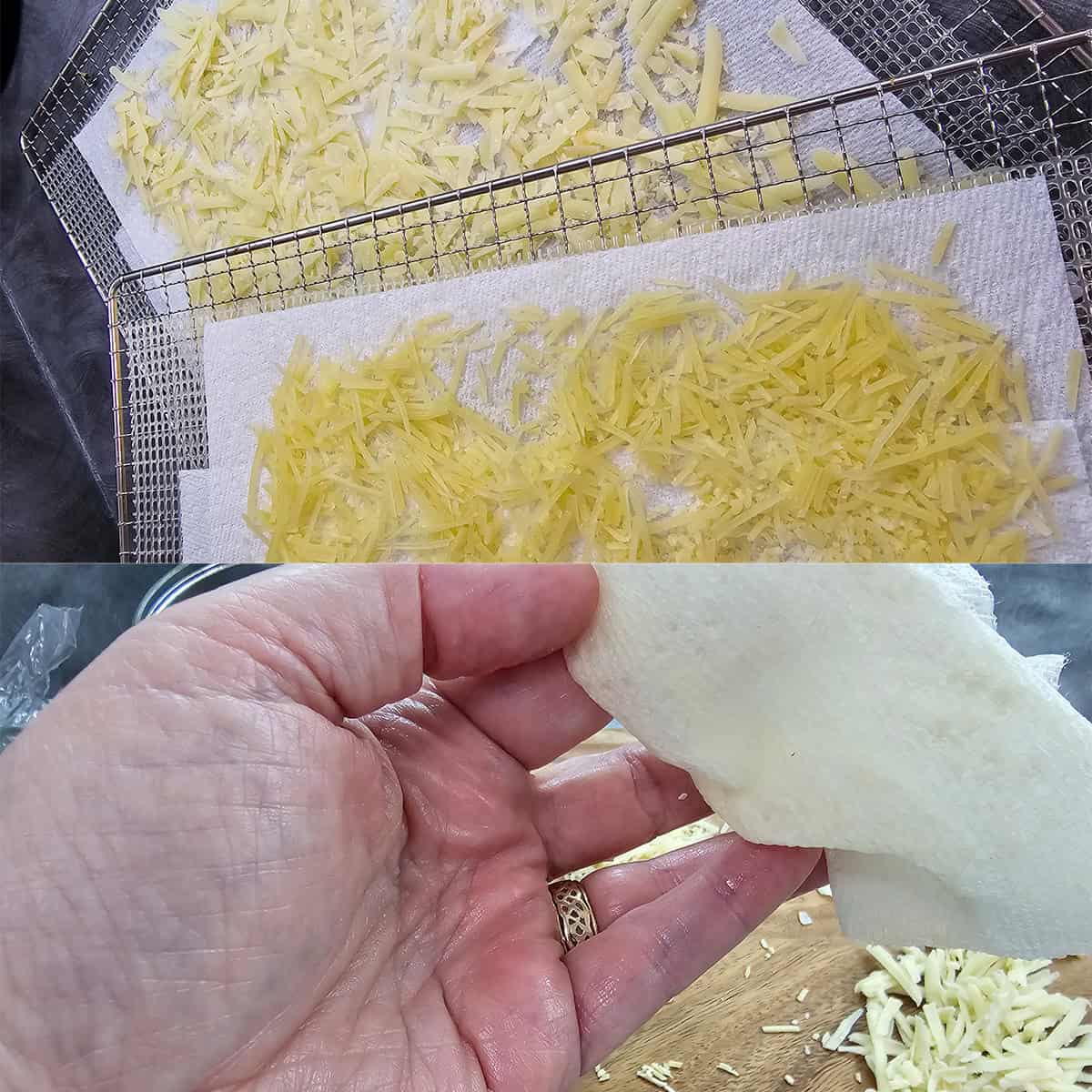
Active Lipid Management: As the cheese warms, the milk fats begin to liquefy and "sweat" to the surface. This is a critical juncture in the process. Unlike water, fat does not evaporate. If left on the cheese, these fats will eventually undergo oxidation, leading to rancidity. Practitioners must periodically blot the cheese with clean, lint-free paper towels to remove as much surface oil as possible.
-
Conditioning and Final Assessment: The process is complete when the cheese shreds are brittle and "snap" rather than bend. Once removed from the heat, the cheese must be allowed to cool completely. During this phase, any residual moisture redistributes itself, a process known as conditioning.
The Chemistry of Shelf Stability: Water Activity vs. Fat Oxidation
A common misconception in home food preservation is that dehydrated food is indefinitely shelf-stable. In the context of dairy, the distinction between "shelf-stable" and "non-perishable" is vital. The dehydration process effectively lowers the water activity ($a_w$) of the cheese. Most bacteria require an $a_w$ of 0.85 or higher to grow; properly dehydrated Parmesan can reach levels well below 0.60, effectively halting microbial spoilage.
However, the limiting factor for dehydrated cheese is not moisture, but lipids. Parmesan cheese contains approximately 25% to 30% fat. Because home dehydrators cannot remove fat, the remaining lipids are exposed to oxygen. This leads to oxidative rancidity, a chemical reaction where oxygen molecules break down the fatty acid chains, resulting in "off" flavors and odors. While the cheese may remain safe from a bacterial standpoint, its sensory qualities will degrade over time. For this reason, food scientists categorize home-dehydrated Parmesan as a short-term storage item, generally suitable for six to twelve months if stored under optimal conditions.
Supporting Data: Nutritional Density and Concentration
Dehydration results in a significant concentration of nutrients. When water is removed, the remaining solids—protein, calcium, and sodium—become more dense by weight.
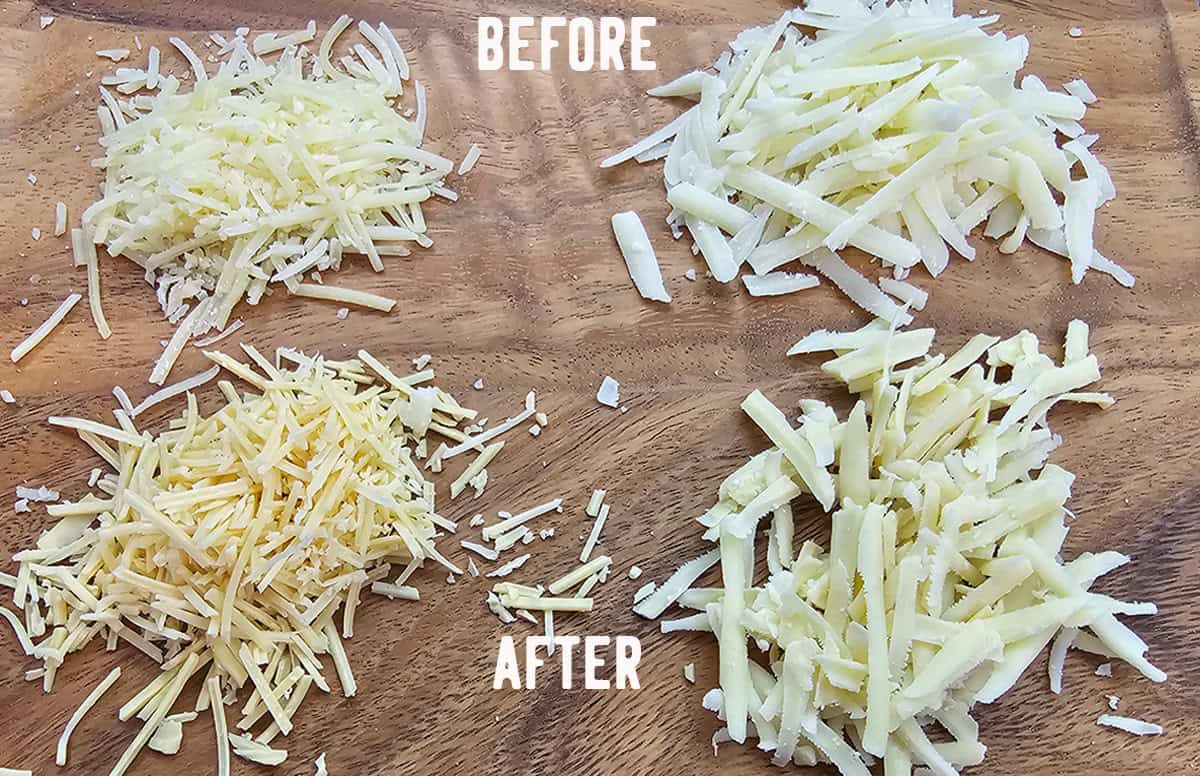
According to nutritional analysis, a standard one-ounce serving of fresh Parmesan contains approximately 10 grams of protein and 7 grams of fat. Once dehydrated, the weight of the serving decreases by roughly 50% to 70%, while the caloric and protein content remains constant. This makes dehydrated Parmesan an elite "power food" for backpackers and athletes. For every 100 grams of dehydrated cheese consumed, the individual receives a much higher concentration of amino acids and electrolytes compared to the fresh equivalent.
Furthermore, the salt content in Parmesan acts as a secondary preservative. With sodium levels often exceeding 400mg per ounce, the salt further inhibits bacterial growth through osmotic pressure, drawing water out of any potential microbial cells that might contaminate the product.
Safety Guidelines and Expert Perspectives
Regulatory bodies like the USDA (United States Department of Agriculture) maintain strict guidelines regarding the storage of dairy products. Officially, the USDA recommends that all cheese be kept refrigerated. However, the agency acknowledges that hard cheeses have a much longer shelf life at room temperature than soft cheeses.
Experts in the field of food preservation, such as Darcy Baldwin, author and creator of The Purposeful Pantry, emphasize that while dehydration extends the life of the cheese, it does not make it immortal. "The fats in Parmesan cheese are never fully removed by the home dehydrating process," Baldwin notes. She suggests that while the product can be kept on a shelf for short-term use in camping meals or seasoning blends, the freezer remains the optimal environment for long-term quality retention.
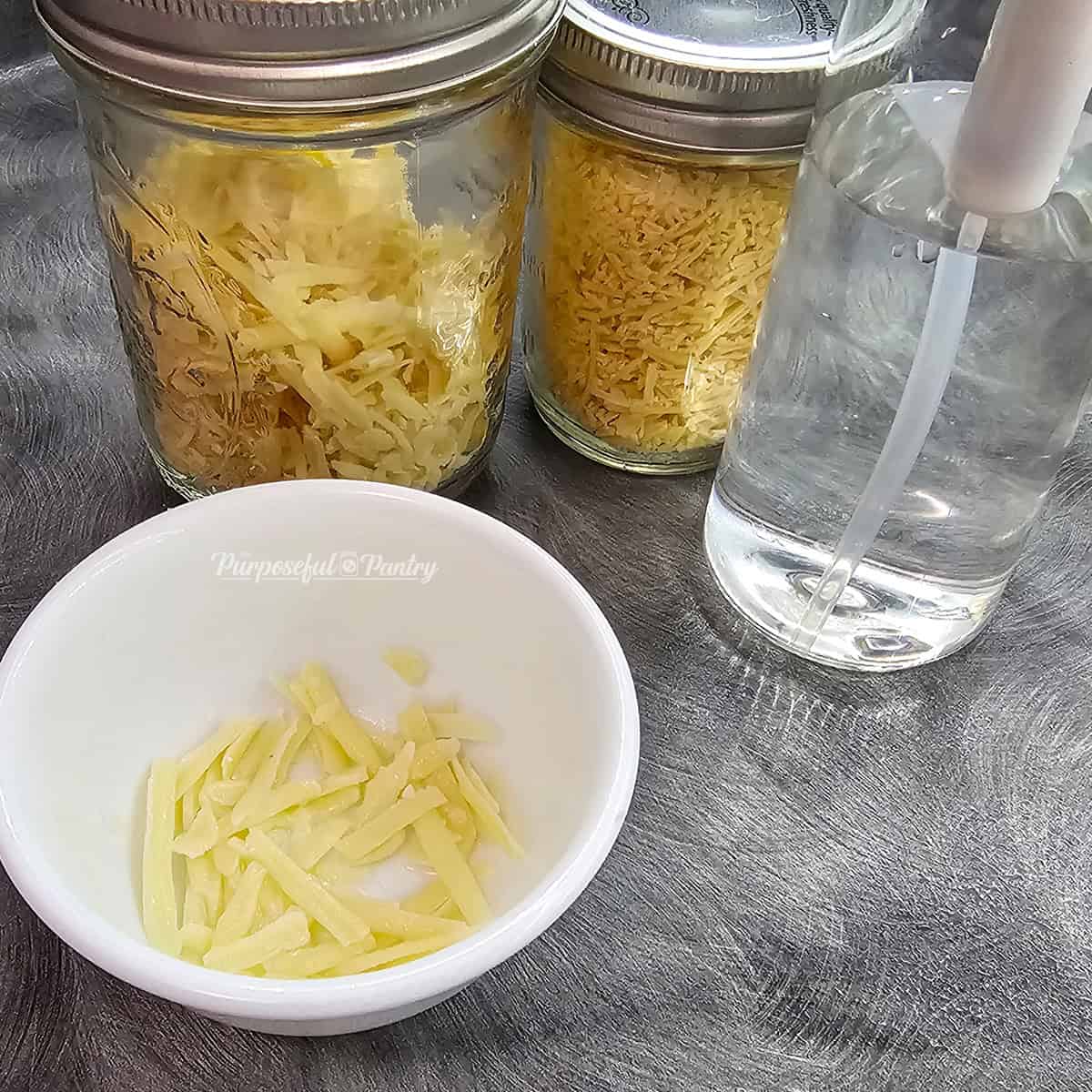
The consensus among food safety educators is that dehydrated cheese should be stored in airtight containers, such as vacuum-sealed jars or Mylar bags with oxygen absorbers, to mitigate the aforementioned risk of lipid oxidation.
Broader Implications for Food Security and Waste Reduction
The ability to dehydrate and store Parmesan cheese has broader implications for household economy and environmental sustainability.
-
Reduction of Food Waste: Dairy products are among the most frequently discarded items in residential kitchens. Dehydrating cheese that is nearing its expiration date allows consumers to "reset" the clock, converting a perishable item into a stable pantry staple.
-
Economic Efficiency: Consumers can take advantage of bulk pricing or sales on large wedges of high-quality Parmesan. By dehydrating a portion of the purchase, the consumer secures a long-term supply of seasoning and protein without the risk of the cheese molding in the refrigerator.
-
Applications in Disaster Preparedness: In the context of emergency management, dehydrated hard cheeses provide a source of high-quality protein and fats that do not require refrigeration during short-term power outages. While not a replacement for professional freeze-dried emergency rations, it serves as a valuable component of a "deep pantry" strategy.
-
The Outdoor Recreation Industry: The lightweight nature of dehydrated Parmesan has made it a favorite among the "ultralight" backpacking community. When every ounce of pack weight matters, the ability to carry a nutrient-dense flavor enhancer that can be rehydrated in a single pot of pasta or consumed as a dry, crunchy snack is a significant logistical advantage.
Conclusion and Future Outlook
The dehydration of Parmesan cheese represents a sophisticated intersection of culinary tradition and modern preservation science. By understanding the chemical limitations imposed by fat content and the physical requirements of moisture removal, home practitioners can successfully create a versatile, portable food product.
While home dehydration cannot yet match the multi-decade shelf life of industrial freeze-drying—which removes moisture through sublimation at sub-zero temperatures—the accessibility and cost-effectiveness of tray dehydration make it a viable tool for the modern kitchen. As research into food science continues to evolve, and as more consumers prioritize self-sufficiency and waste reduction, the refinement of these techniques will likely lead to even safer and more efficient methods for preserving the nutritional value of dairy products. For now, dehydrated Parmesan remains a premier example of how ancient wisdom can be adapted to meet the demands of contemporary lifestyles.