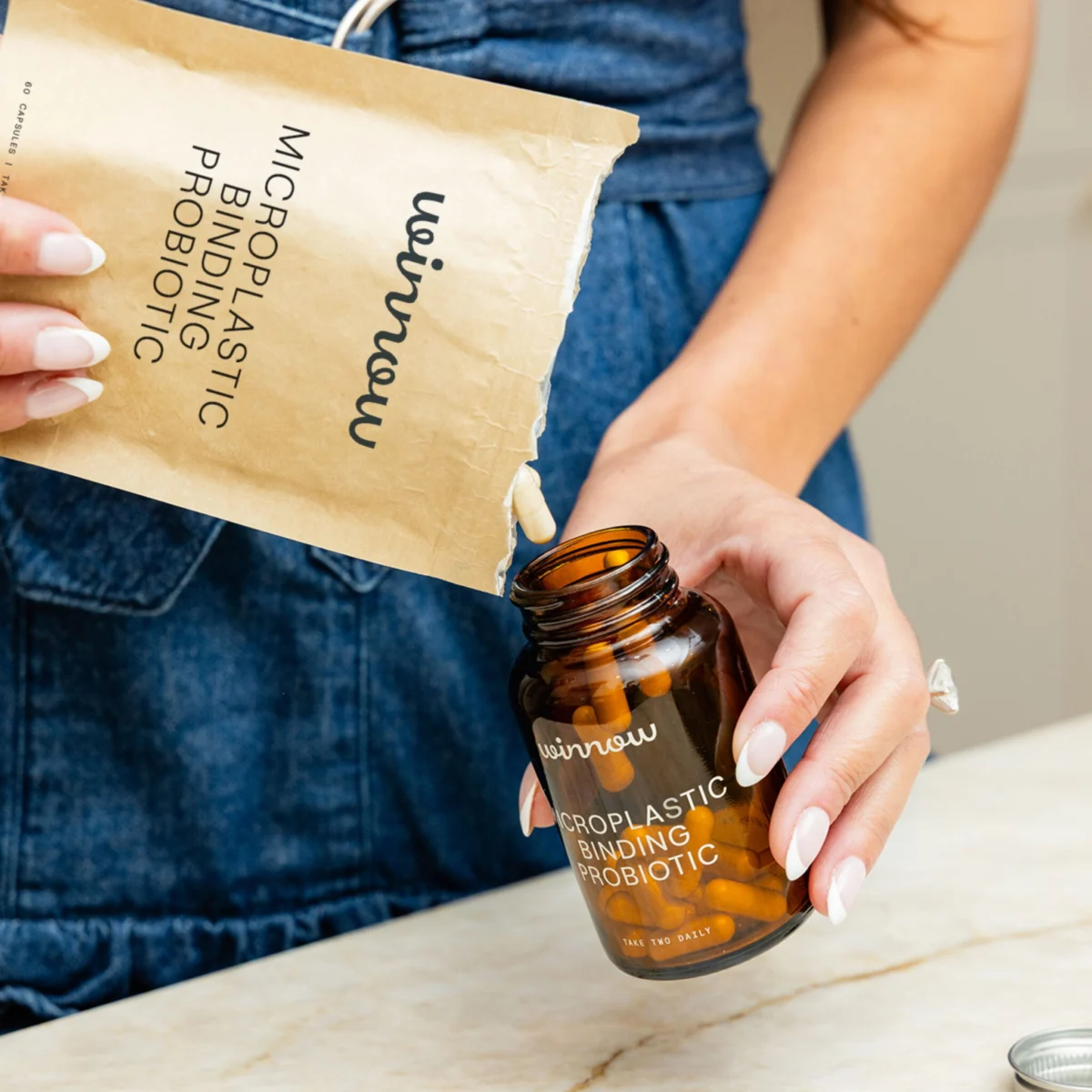
In an era where microplastics have permeated every level of the global ecosystem, from the depths of the Mariana Trench to the human bloodstream, a new category of health interventions is emerging. Winnow, a specialized probiotic supplement, represents a novel intersection between traditional gut health maintenance and environmental bioremediation. As anthropogenic plastic pollution becomes a permanent fixture of the modern environment, scientific inquiry has shifted toward mitigating the internal accumulation of these particles. Winnow Labs has introduced a daily probiotic formula specifically engineered to address this concern, utilizing strains that demonstrate the ability to bind microplastic particles within the digestive tract, thereby facilitating their excretion. This development comes as global health organizations and environmental researchers intensify their focus on the "plasticome"—the total burden of plastic and its associated chemicals within the human body.
The Microplastic Crisis: Context and Proliferation
The presence of microplastics—particles smaller than five millimeters—is no longer an abstract environmental concern but a documented physiological reality. Research indicates that the average person may ingest thousands of plastic particles annually through food, water, and air. Common sources include synthetic clothing fibers, degradation of larger plastic debris, bottled water, and even household dust. A 2022 study published in Environment International detected microplastics in human blood for the first time, while subsequent research has identified these polymers in lung tissue, placentas, and breast milk.
The health implications of this chronic exposure are currently the subject of rigorous international study. While the long-term effects remain to be fully codified, preliminary research suggests that microplastics can trigger inflammatory responses, disrupt endocrine function, and serve as vectors for heavy metals and pathogenic bacteria. Against this backdrop, the concept of "biological winnowing"—the process of separating and removing these foreign materials from the body—has moved from theoretical science to commercial application.
A Chronology of Discovery: From Environmental Remediation to Human Supplements
The development of microplastic-binding probiotics follows a logical progression in microbial science. For decades, microbes have been utilized in environmental "bioremediation" to clean up oil spills and neutralize toxic waste.
- 1970s–1990s: Early identification of plastic-degrading bacteria in soil and marine environments.
- 2010s: Discovery of Ideonella sakaiensis, a bacterium capable of breaking down PET plastic, sparking interest in using microbes to manage plastic waste.
- 2020–2023: Research pivots toward the human microbiome. Scientists begin screening existing probiotic strains to determine if they possess natural affinities for plastic polymers.
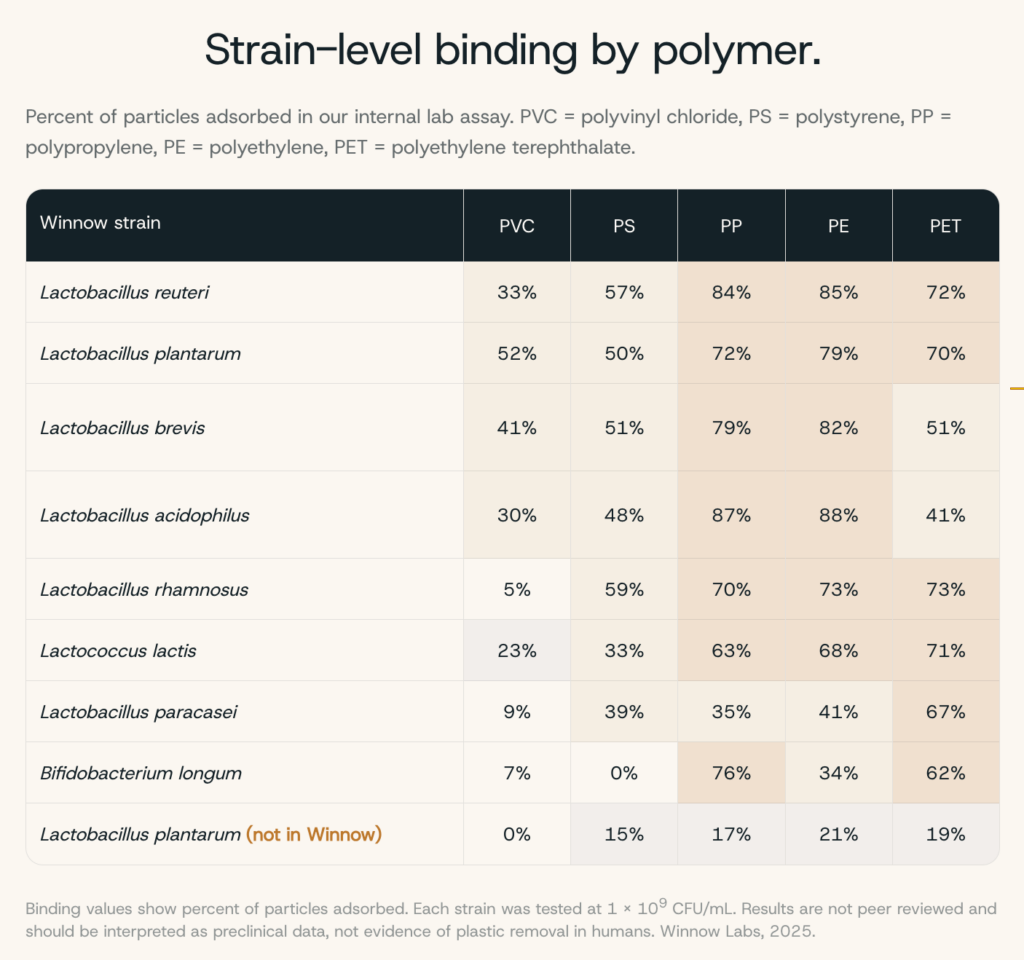
- 2024: Internal and preclinical testing by Winnow Labs identifies specific combinations of strains that outperform single-strain solutions in binding common plastics like polyethylene (PE) and polypropylene (PP).
- 2025: A landmark peer-reviewed study screens nearly 800 bacterial strains, confirming that specific probiotics can increase the excretion of microplastics in animal models and reduce intestinal accumulation.
Winnow’s entry into the market marks the transition of this technology into a consumer-ready format, designed to fit into existing daily health routines.
The Scientific Mechanism: Surface Adsorption and Microbial Binding
The efficacy of Winnow is predicated on a mechanism known as surface adsorption. This is not a chemical reaction that "dissolves" plastic, but rather a physical process where plastic particles adhere to the outer layers of the probiotic bacteria. This adherence allows the plastic to remain trapped within the bolus of waste moving through the gastrointestinal tract, preventing the particles from lingering in the intestinal folds or potentially translocating into the lymphatic system.
Winnow Labs identifies two primary bacterial structures responsible for this binding:
- Exopolysaccharides (EPS): These are carbohydrate polymers secreted by the bacteria. They create a sticky, biofilm-like surface that can capture micro- and nanoplastics.
- S-layer Proteins: These are structured protein layers on the cell envelope of many bacteria that provide additional binding sites for foreign particles.
Internal laboratory data from Winnow suggests that their multi-strain formula is significantly more effective than isolated strains. In tests involving a blended mix of common plastic polymers—including Polyethylene (PE), Polypropylene (PP), Polystyrene (PS), Polyethylene Terephthalate (PET), and Polyvinyl Chloride (PVC)—the Winnow formula demonstrated a binding capacity 1.8 times higher than any single strain tested. This synergy suggests that a diverse microbial environment is more capable of handling the heterogeneous nature of modern plastic pollution.
Formula Composition and Clinical Foundation
While the microplastic-binding aspect of Winnow is its most innovative feature, the supplement is built upon a foundation of clinically studied probiotic strains recognized for general digestive and immune support. The formula includes:
- Lactobacillus rhamnosus ATCC 53103: One of the most extensively researched probiotic strains, known for supporting the gut barrier and immune health.
- Lactobacillus reuteri DSM 17938: Studied for its role in digestive regularity and its ability to modulate the gut environment.
- Lactobacillus acidophilus ATCC SD5212: A staple of gut health supplements, focused on maintaining a balanced microbiome and supporting digestive comfort.
By combining these well-documented strains with those selected for plastic-binding potential, the product functions as a dual-purpose intervention. This approach addresses a common consumer preference for "functional" supplements that provide traditional benefits while tackling emerging modern health threats.
Comparative Analysis: Winnow vs. Conventional Probiotics
In the competitive landscape of premium probiotics, Winnow distinguishes itself through its specific environmental focus. Most high-end probiotics, such as those produced by competitors like Seed, focus on the "symbiotic" relationship between prebiotics and probiotics to enhance delivery and colonization. Winnow shares this commitment to quality—utilizing plastic-free, sustainable packaging and high-potency strains—but pivots the value proposition toward "cleansing" the body of inert pollutants.
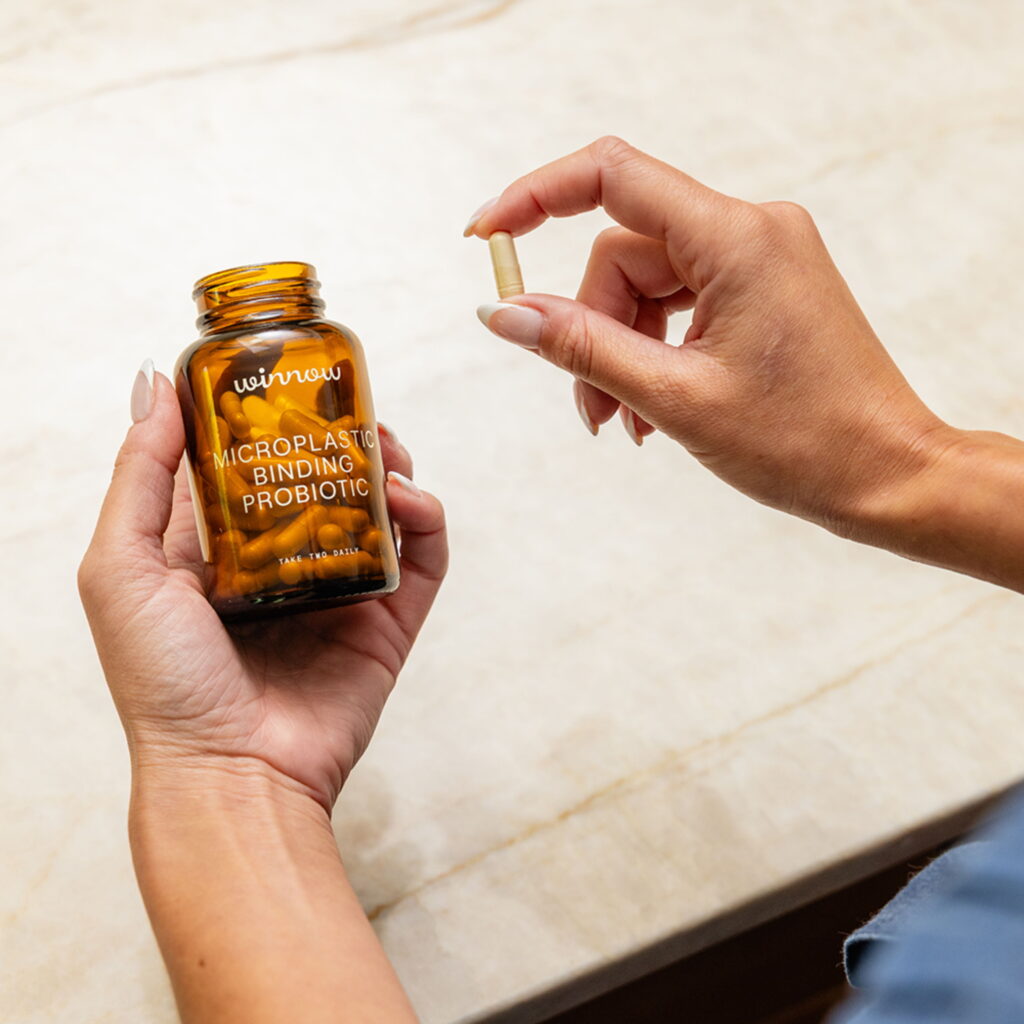
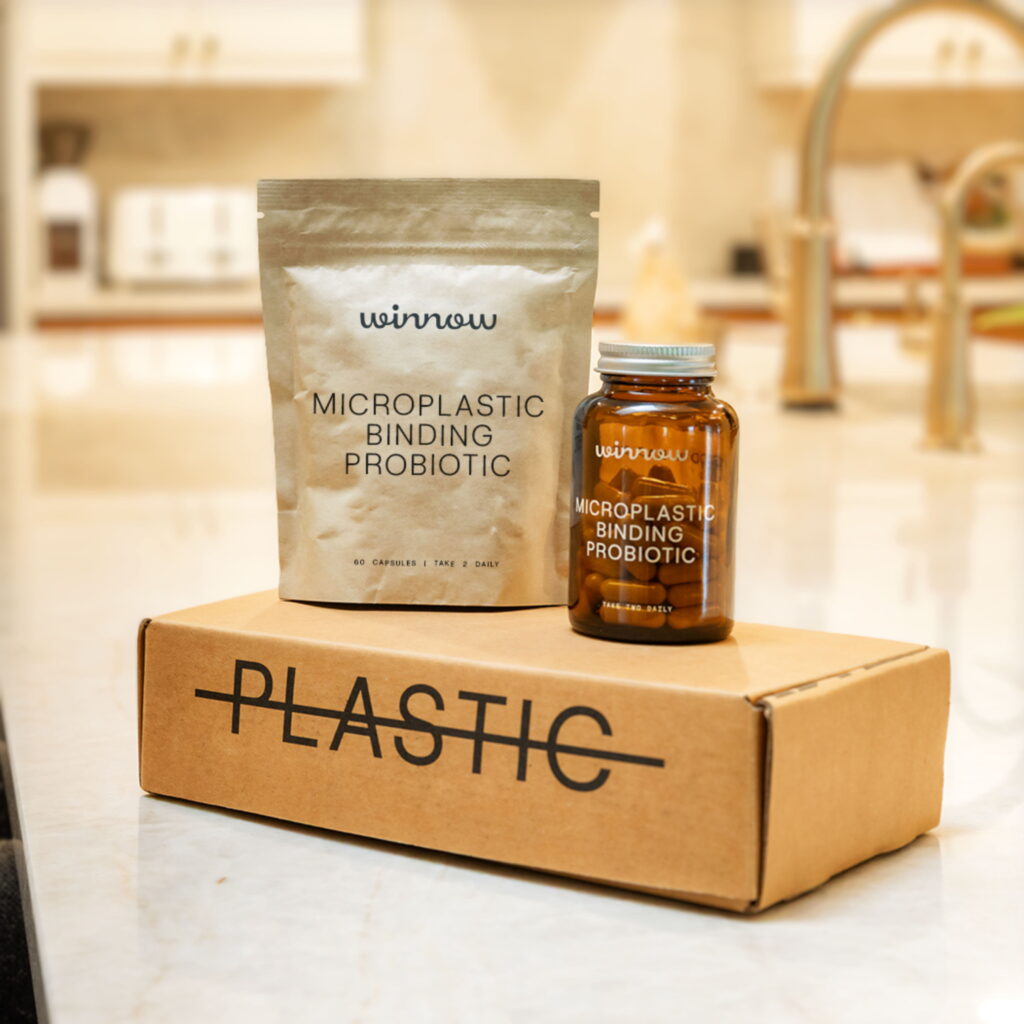
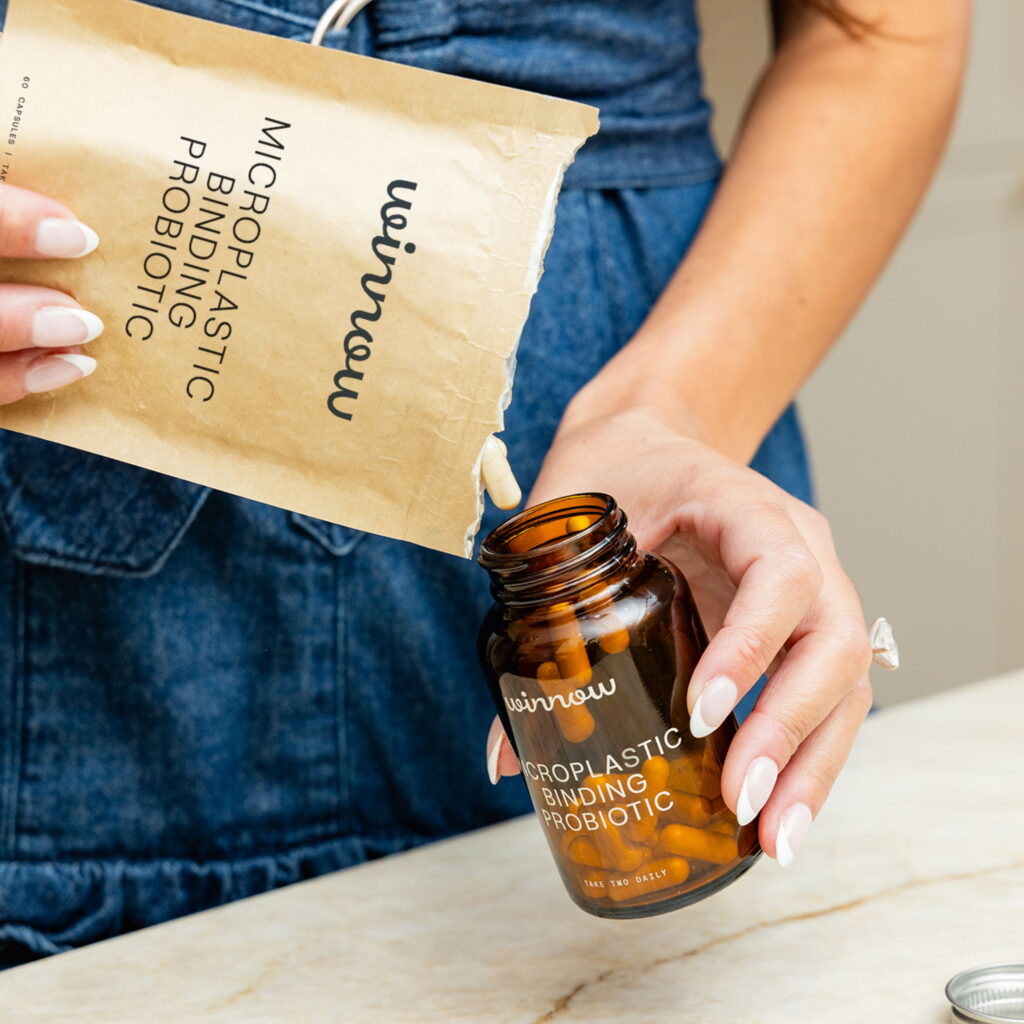
The decision to adopt plastic-free packaging is a strategic move that aligns the product’s delivery system with its scientific mission. By utilizing glass and compostable materials, Winnow avoids the irony of delivering a microplastic-fighting solution inside a vessel that could shed microplastics into the capsules themselves.
Official Responses and Industry Perspectives
The supplement industry is currently navigating a period of increased scrutiny regarding "environmental health" claims. While the FDA regulates probiotics as dietary supplements rather than drugs, companies like Winnow must ensure that their claims are supported by credible research.
Independent researchers have noted that while the preclinical data is promising, human clinical trials specifically measuring plastic excretion are the "gold standard" toward which the industry must move. Dr. Emily Thompson, a researcher specializing in the human microbiome, stated, "The use of probiotics as a bio-filter within the human body is a fascinating application of microbial science. However, it must be viewed as part of a holistic strategy. We cannot supplement our way out of a global pollution crisis; we must also reduce the influx of these materials."
Industry analysts suggest that Winnow represents the first wave of "post-plastic" health products. As public awareness of microplastics grows, consumer demand for protective measures is expected to rise, potentially leading to a new sector of the $70 billion global probiotic market.
Broader Implications and Public Health Recommendations
The rise of products like Winnow underscores a growing realization that total avoidance of plastic is currently impossible in a globalized economy. Even individuals who adhere to "zero-waste" lifestyles are subject to atmospheric microplastics and contaminated water supplies. Therefore, the strategy of "harm reduction" becomes paramount.
Health experts recommend a multi-tiered approach to reducing the body’s plastic burden:
- Physical Barriers: Using high-quality water filters (Reverse Osmosis or sub-micron filters) and HEPA air purifiers to catch particles before they are ingested or inhaled.
- Lifestyle Modifications: Avoiding the heating of food in plastic containers, which significantly increases the migration of polymers and phthalates into food.
- Microbial Support: Utilizing targeted probiotics like Winnow to assist the body’s natural elimination processes.
- Regulatory Support: Advocating for international treaties, such as the Global Plastics Treaty, to limit the production of primary microplastics and hazardous additives.
Fact-Based Analysis of Future Outlook
As Winnow continues to gather data from its consumer base and ongoing lab testing, the focus will likely shift toward the long-term impact of microbial binding on the human "body burden." If preclinical success translates into measurable human health outcomes—such as reduced markers of intestinal inflammation or lower systemic plastic concentrations—it could redefine the role of probiotics in public health.
The implications extend beyond individual health. If specific bacterial strains can be optimized for plastic binding, there is potential for these technologies to be used in municipal water treatment or agricultural soil restoration. For the time being, Winnow serves as a personal intervention tool for those seeking to mitigate the realities of living in the Plastic Age.
In conclusion, Winnow represents a sophisticated response to a pervasive modern problem. While it does not replace the need for systemic regulatory changes and a reduction in global plastic production, it offers a scientifically grounded method for individuals to support their internal defenses. As the science of the microbiome continues to evolve, the ability to "winnow" away the remnants of industrial society may become a standard component of human health maintenance.