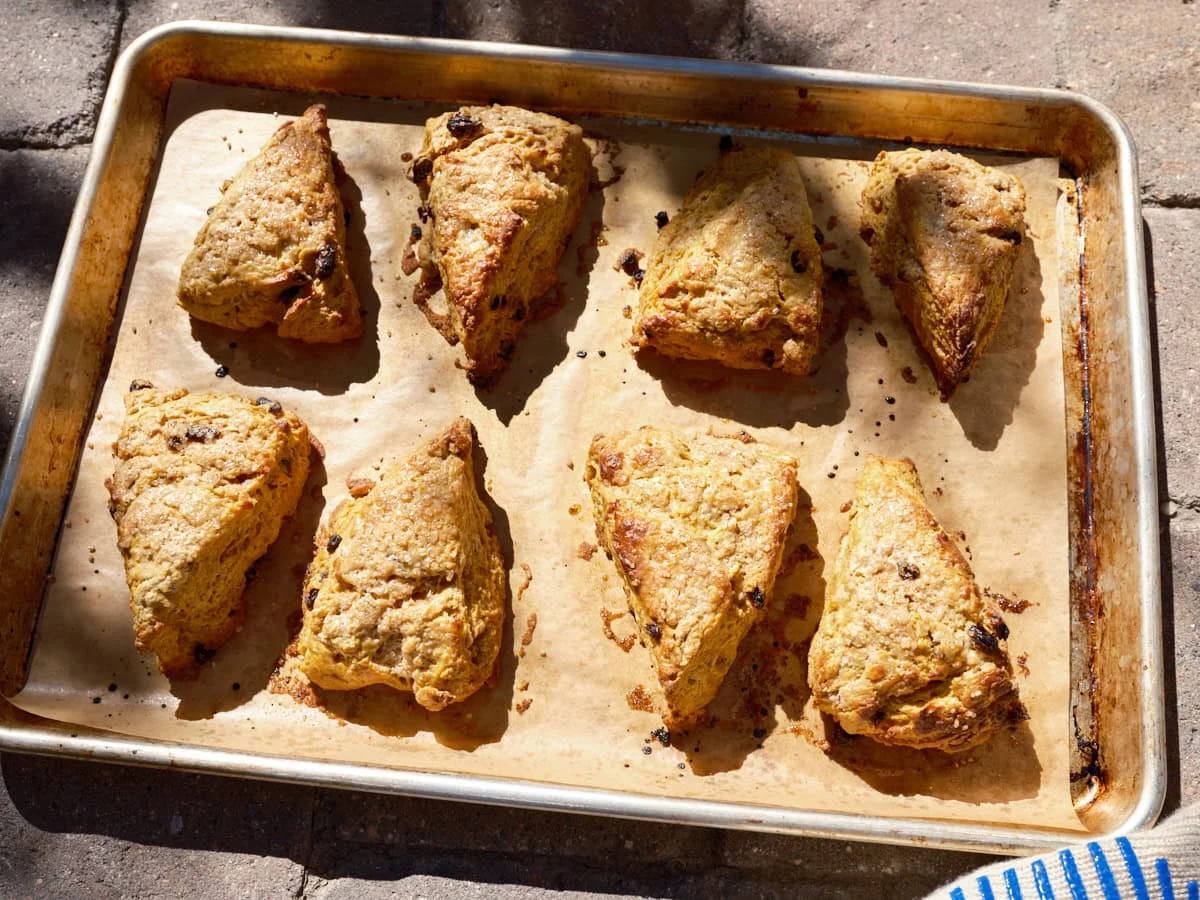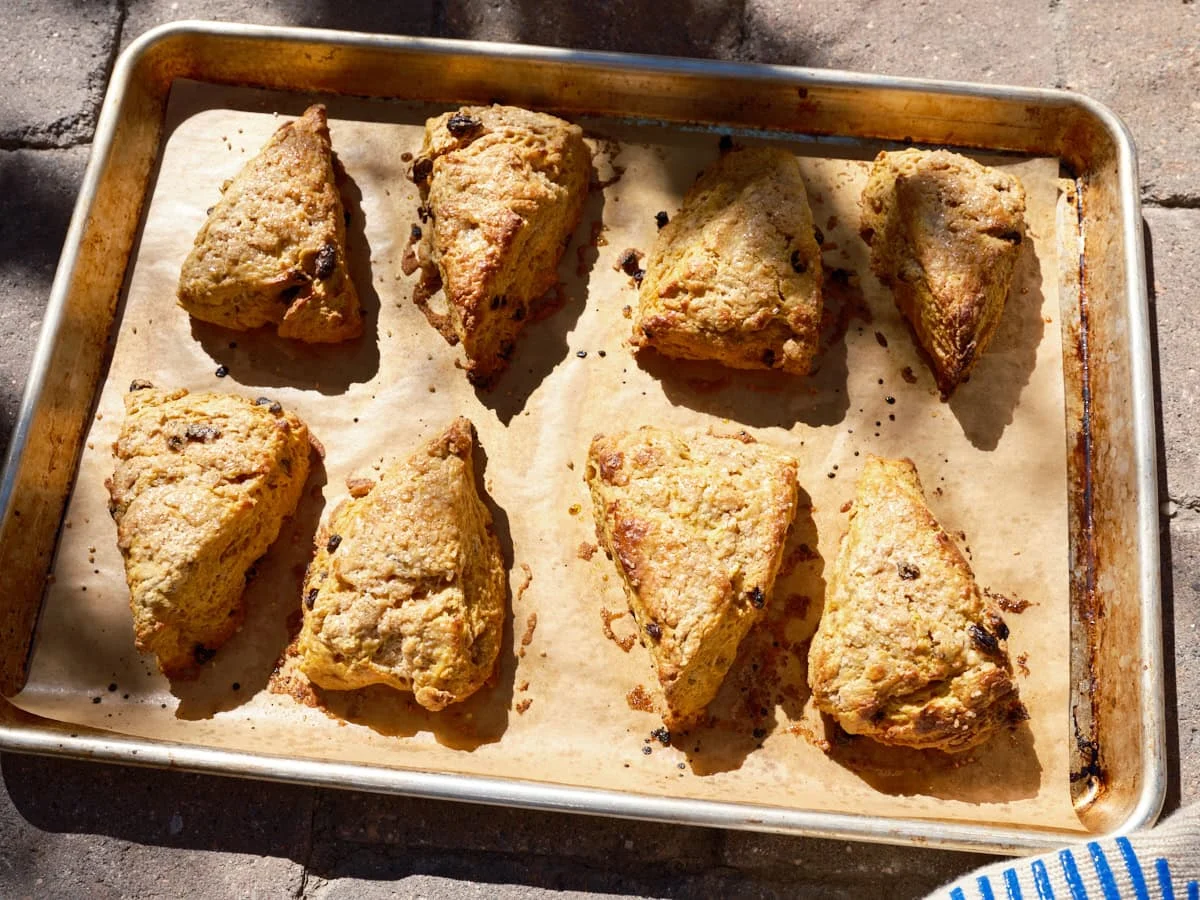
A new recipe for sourdough pumpkin scones is garnering attention within the baking community, introducing a sophisticated blend of traditional techniques and seasonal flavors that challenge conventional expectations for this classic pastry. These innovative scones, characterized by a soft, tender interior encased in a remarkably sturdy, craggy crust, aim to offer a "best of both worlds" experience, marrying the desirable attributes of both light biscuits and dense scones. The development of this particular recipe also highlights several key baking advancements, particularly for those contending with high-altitude conditions.
The culinary creation departs from the often-encountered dry and crumbly scone, instead presenting a confection that, while sweet and decidedly scone-like in its flavor profile, possesses an unexpected tenderness. This textural dichotomy has sparked minor discourse among baking enthusiasts regarding the precise classification, with some drawing parallels to the biscuit tradition. However, the recipe’s inherent sweetness firmly places it within the scone category, distinguishing it from its more savory counterparts. The emphasis on achieving a significant vertical rise, rather than a flatter, more expansive scone, is a cornerstone of this recipe’s innovation, promising a cleaner cut and a more visually appealing profile.
The Evolution of the Scone: A Brief Historical Perspective
The scone’s origins are deeply rooted in Scottish culinary tradition, with early versions dating back to the 16th century. Originally made with oats and cooked on a griddle, the scone evolved significantly with the introduction of baking powder in the 19th century, allowing for oven baking and a lighter texture. The British scone typically contains flour, fat (butter), milk or buttermilk, and a leavening agent, often served with clotted cream and jam. Across the Atlantic, American biscuits share a similar ingredient profile but tend to be less sweet, more savory, and primarily served alongside meals. The current sourdough pumpkin scone recipe represents a modern fusion, embracing the sweetness of the traditional scone while incorporating the robust flavor and textural complexity imparted by sourdough and ancient grains. This blending of historical lineages underscores a broader trend in contemporary baking towards reinterpreting classic recipes through innovative techniques and ingredients.
Sourdough Renaissance: Beyond the Loaf
The resurgence of sourdough baking, propelled significantly by a global focus on home crafts and artisanal food production, has seen its application expand far beyond the quintessential loaf of bread. Sourdough starter, a fermented mixture of flour and water, contributes a distinct tang and complex flavor profile, alongside natural leavening properties. Its integration into scones, particularly using "discard" (the portion of the starter removed before feeding), minimizes waste and imbues the pastry with a subtle, yeasty depth that complements the sweetness of pumpkin and spices. This approach leverages the starter’s inherent acidity, which plays a crucial role in gluten development and the overall texture of baked goods. The use of sourdough in items like scones, pancakes, and waffles signifies a mature phase in the sourdough trend, where its unique characteristics are explored for diverse culinary applications, moving from a niche interest to a mainstream baking staple.
Einkorn Flour: A Return to Ancient Grains
A notable feature of this recipe is the recommendation for whole-grain einkorn flour. Einkorn, considered one of the earliest cultivated forms of wheat, offers a distinctive nutty and earthy flavor that provides a rustic counterbalance to the sweet pumpkin. Its use aligns with a growing consumer interest in ancient grains, driven by perceived nutritional benefits and a desire for more diverse and authentic flavor profiles. While einkorn is praised for its unique taste and potentially easier digestibility for some, its gluten structure is notably weaker than modern wheat varieties, requiring careful handling in baking.
Should einkorn not be readily available, the recipe suggests substituting it with other whole wheat flours such as Red Fife, Butler’s Gold, or Marquis. This flexibility underscores the adaptability of the recipe while maintaining the desired whole-grain earthiness that is integral to its flavor balance. The incorporation of ancient grains is not merely a trend; it represents a deeper exploration into the diverse characteristics of different flours and their impact on the final product’s texture and taste. Culinary experts note that the integration of such flours reflects a growing consumer demand for both wholesome ingredients and artisanal quality.
The Acidic Advantage: Buttermilk for Flakiness and Flavor
The deliberate inclusion of buttermilk is a pivotal element in achieving the desired flaky texture and complex flavor of these scones. While heavy cream, often used in scone recipes for its high fat content, coats flour particles to create distinct layers, buttermilk’s acidity provides a different pathway to tenderness. Buttermilk, with its low pH (typically between 4.4 and 4.8), interacts synergistically with the sourdough starter. This acidity works to relax and tenderize the gluten strands, a particularly advantageous property when working with delicate whole-grain flours like einkorn, which inherently possess a weaker gluten structure.
The chemical reaction between the acid in buttermilk and any baking soda present (or even the starter itself) also contributes to leavening, creating a lighter, more open crumb. Beyond its textural contributions, buttermilk introduces a subtle tang that harmonizes beautifully with the fermented notes of the sourdough discard and the earthy sweetness of pumpkin. This strategic use of buttermilk demonstrates a sophisticated understanding of ingredient chemistry, moving beyond simple fat content to leverage the nuanced effects of pH on dough structure and flavor development. This approach yields a tender, flaky crumb that stands in contrast to the texture achieved with higher-fat dairy products, offering a distinct and equally desirable result.
Conquering Altitude: Baking Techniques for a Superior Rise
Baking at high altitudes presents unique challenges due to lower atmospheric pressure, which causes gases to expand more rapidly and liquids to evaporate faster. These conditions can lead to baked goods spreading prematurely and collapsing, resulting in flat, dense products. The recipe addresses these challenges head-on by employing specific techniques designed to ensure a "super-tall rise" and prevent spreading.
One crucial recommendation is the use of a convection oven. Convection ovens utilize fans to circulate hot air evenly throughout the oven cavity. This intense, consistent heat promotes rapid crust formation on the outer edges of the scones during the initial stages of baking. This quick "setting" of the dough’s exterior acts as a structural scaffold, preventing the scone from spreading outward and instead encouraging it to rise vertically. For bakers without a convection oven, a practical workaround involves increasing the baking temperature by approximately 25 degrees Fahrenheit for the first few minutes. This initial burst of higher heat aims to emulate the rapid crust development facilitated by convection, thereby contributing to a taller, more aesthetically pleasing scone. These adjustments are critical for bakers in high-desert regions or similar elevated environments, where slight modifications can significantly impact the final product’s success, transforming a potentially flat pastry into a proud, well-risen scone.
Versatility and Adaptation: Catering to Diverse Preferences
The recipe’s inherent flexibility is another aspect that broadens its appeal. Recognizing that specific ingredients may not always be on hand or that individual preferences vary, the developers have provided practical substitutions without compromising the core integrity of the scone.
For those without einkorn flour, any whole wheat flour is a suitable alternative, ensuring the retention of the desired rustic, earthy notes. Similarly, the pumpkin puree can be swapped for sweet potato or butternut squash puree at the same weight, or for applesauce or mashed banana (at a slightly reduced weight of 100g due to their inherent sweetness). This adaptability allows bakers to utilize seasonal produce or pantry staples efficiently.
The buttermilk, a key textural and flavor component, also has viable alternatives. If buttermilk is unavailable, a homemade substitute can be created by adding one teaspoon (5g) of white vinegar or lemon juice to 70g of whole milk and allowing it to curdle for five minutes. Kefir can also be used as a direct, one-for-one replacement.
Ingredient versatility extends to inclusions as well. While raisins are a classic choice, dried cranberries offer a tart counterpoint, and fresh or frozen blueberries could introduce a different fruity dimension. This commitment to adaptability ensures that the recipe remains accessible and enjoyable for a wide audience, promoting creativity and resourcefulness in the home kitchen.
Implications for Home Baking and Culinary Trends
The development of such a refined sourdough pumpkin scone recipe signifies several broader implications for home baking and the wider culinary landscape. Firstly, it underscores the continued elevation of home baking from a mere necessity to a sophisticated craft. Recipes like this, which integrate advanced techniques and specialized ingredients, empower home bakers to achieve professional-level results and explore complex flavor profiles.
Secondly, it exemplifies the ongoing trend of seasonal ingredient utilization. Pumpkin, long associated with autumn, is here presented in a way that transcends simple novelty, instead becoming a foundational flavor within a carefully constructed pastry. The market for seasonal, locally-inspired ingredients continues to grow, reflecting a consumer desire for freshness and connection to natural cycles.
Finally, this recipe highlights the intersection of tradition and innovation. By taking a centuries-old pastry and infusing it with modern sourdough techniques, ancient grains, and a deep understanding of baking science, it demonstrates how culinary traditions can be preserved and reinvigorated for contemporary palates. This approach encourages ongoing experimentation and a deeper appreciation for the nuanced art of baking, influencing future recipe developments and consumer expectations within the artisanal food movement. The emphasis on high-altitude adjustments further contributes to inclusivity within the baking community, providing tailored solutions for bakers regardless of their geographic location.
As home bakers continue to seek out challenges and diverse flavors, recipes like the sourdough pumpkin scone are poised to become staples, blending the comforting familiarity of a classic with the exciting complexity of modern artisanal techniques. The enthusiastic reception for such detailed and thoughtful culinary creations suggests a robust future for inventive home baking, cementing the role of carefully crafted pastries in the evolving gastronomic landscape.