
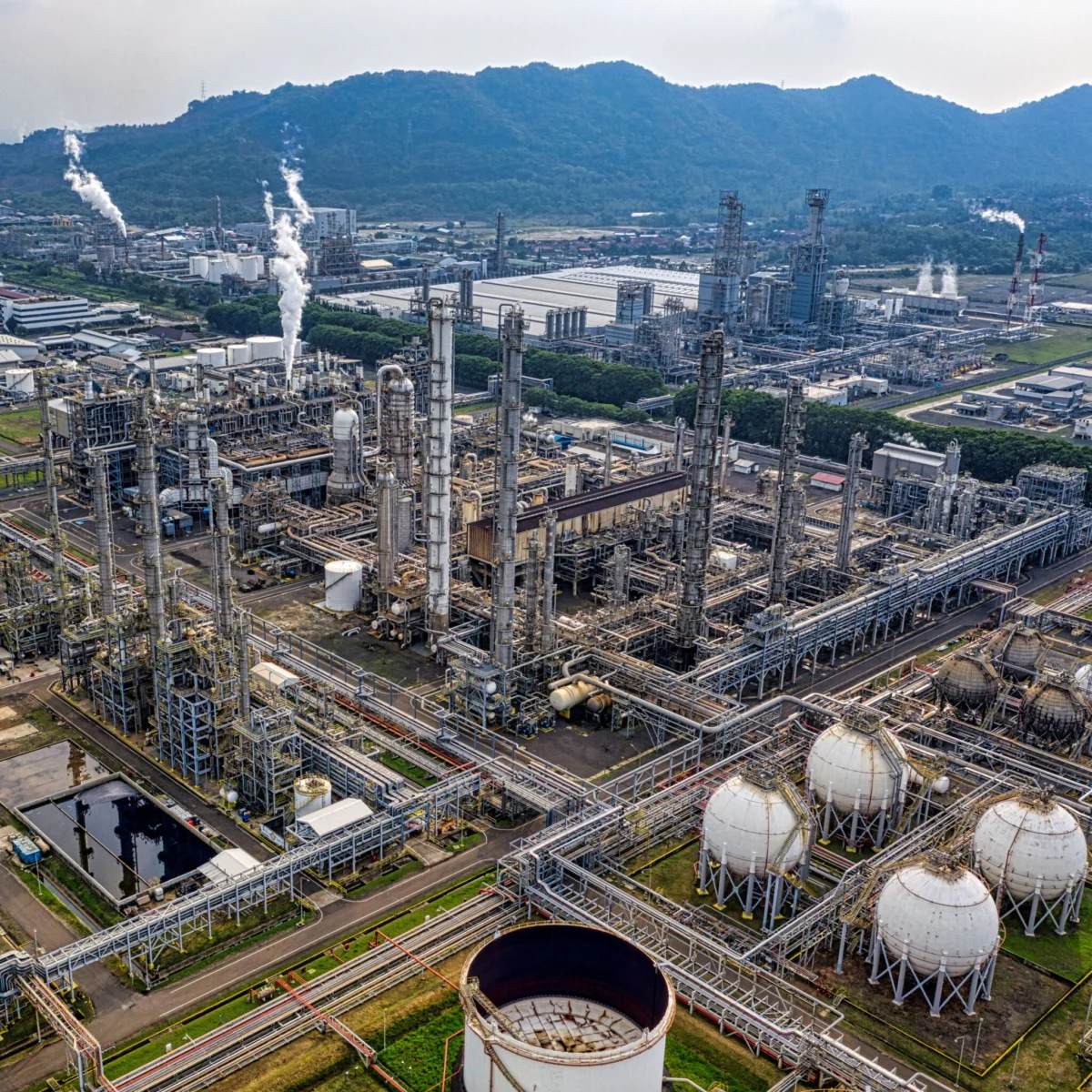
The 85-mile corridor stretching along the Mississippi River between New Orleans and Baton Rouge, Louisiana, has earned the grim moniker "Cancer Alley" due to the density of industrial activity and the corresponding health crises reported by its residents. This region, home to approximately 200 fossil fuel and petrochemical facilities, has become the focal point of a national debate regarding environmental justice, industrial regulation, and the long-term health implications of synthetic chemical production. Recent data indicates that residents in this stretch of Louisiana are exposed to health risks from hazardous air pollutants at levels more than ten times higher than the average citizen in other parts of the state. These communities are disproportionately composed of Black, Indigenous, and People of Color (BIPOC) as well as low-income households, highlighting a systemic pattern that advocates describe as "environmental racism."
The Mechanics of Petrochemical Production
Petrochemical plants are industrial facilities designed to process crude oil and natural gas—often sourced through hydraulic fracturing, or "fracking"—into the foundational components of modern consumer goods. These plants transform hydrocarbons into a vast array of chemicals used in the manufacturing of plastics, synthetic textiles, pharmaceuticals, automotive parts, and industrial pesticides. The process is inherently carbon-intensive, requiring massive energy inputs even before the final chemical transformations occur.
The industry is categorized by the types of chemicals produced. Olefin plants, for instance, utilize "steam crackers" to produce ethylene, the world’s most widely used petrochemical. Ethylene is the primary precursor for polyethylene, the plastic resin identified by recycling codes #2 (High-Density Polyethylene or HDPE) and #4 (Low-Density Polyethylene or LDPE). These materials are ubiquitous in modern life, found in everything from milk jugs and detergent bottles to grocery bags and industrial films.
Beyond olefins, aromatic plants produce chemicals such as benzene, toluene, and xylene. These substances are essential for the production of dyes, synthetic detergents, and high-performance plastics. Furthermore, syngas plants utilize natural gas or coal to generate synthetic gas, which is then converted into ammonia for fertilizers and methanol for various industrial applications. The energy required for these processes makes the petrochemical sector one of the most energy-demanding segments of the global chemical industry.
A Chronology of Industrial Concentration
The development of Cancer Alley is not a recent phenomenon but the result of decades of industrial clustering and land-use decisions.
- Early 20th Century: The region’s proximity to the Mississippi River made it an ideal location for transport and cooling water. Early oil refineries began to dot the landscape, following the discovery of significant petroleum reserves in the Gulf of Mexico.
- Post-WWII Boom: Following World War II, the demand for plastics and synthetic fertilizers surged. The "Plantation-to-Plant" pipeline began, as former agricultural lands and plantations were sold to industrial conglomerates.
- 1980s-1990s: The term "Cancer Alley" gained national prominence as local activists and health researchers began to document clusters of rare cancers and respiratory illnesses among residents living in the shadow of the plants.
- 2010s-Present: The U.S. shale gas boom provided a cheap, abundant supply of ethane, leading to a massive expansion of the petrochemical sector in Louisiana and Texas. Despite mounting health concerns, state governments have continued to offer tax incentives to attract multi-billion dollar industrial projects.
Public Health Implications and Scientific Analysis
The health impacts of living near petrochemical hubs are documented in various peer-reviewed studies. A significant analysis published in the New England Journal of Medicine has linked proximity to these facilities with increased rates of various cancers, including leukemia and lymphoma. The primary drivers of these health issues are volatile organic compounds (VOCs) and hazardous air pollutants (HAPs) released during the refining and cracking processes.
In addition to cancer, residents of Cancer Alley report high incidences of respiratory illnesses, skin disorders, and reproductive health issues. A series of 70 interviews conducted by Human Rights Watch revealed a harrowing pattern of miscarriages, high-risk pregnancies, and neonatal health complications among women in the region. In St. John the Baptist Parish, the presence of chloroprene—a chemical used in the production of Neoprene—has been a specific point of contention, with the EPA previously identifying it as a likely human carcinogen.
The contamination is not limited to the air. An Environmental Integrity Project (EIP) report found that nearly 70 petrochemical companies across the United States discharge millions of pounds of pollutants into public waterways annually. This discharge often includes "forever chemicals" known as PFAS (per- and polyfluoroalkyl substances). In some areas of Cancer Alley, PFAS levels in drinking water have been measured at hundreds of times the safety thresholds recommended by health experts, posing a direct threat to the neurological and developmental health of the local population.
The Economic Pivot: Petrochemicals as a Lifeline for Big Oil
As the global economy shifts toward renewable energy for transportation and power generation, the petrochemical sector has emerged as a strategic "lifeline" for the fossil fuel industry. Industry analysts suggest that by 2030, petrochemicals could account for more than a third of the growth in global oil demand. By 2050, this figure could rise to nearly half.
This transition explains the aggressive expansion of plastic production facilities even as global awareness of plastic pollution increases. For oil and gas companies, plastics represent a way to lock in long-term demand for their raw materials. However, this economic strategy carries significant environmental costs. The expansion of the petrochemical sector threatens to undermine global climate goals, as the production, use, and disposal of plastic are all carbon-intensive processes.
Legal Challenges and Regulatory Shifts
The legal landscape surrounding Cancer Alley has been marked by intense volatility. Under the Biden administration, the Justice Department and the Environmental Protection Agency (EPA) initiated several investigations and lawsuits aimed at curbing toxic emissions in the region. This included a high-profile civil rights investigation into whether the state’s permitting processes violated the Civil Rights Act of 1964 by disproportionately harming Black residents.
However, recent shifts in federal administration have seen a reversal of these efforts. Lawsuits filed by the federal government against major polluters have, in several instances, been dropped or settled with minimal penalties. Furthermore, the state of Texas recently cleared the way for a major expansion of petrochemical facilities along its coastline, despite vocal opposition from health experts and local communities who warned of the cumulative impact on air quality.
Robert Taylor, founder of the group Concerned Citizens of St. John, has voiced the frustration of many residents, stating that the government has effectively "abandoned" them, designating their homes as a "sacrifice zone" for industrial profit.
Environmental Justice and Community Resistance
Despite the formidable economic and political power of the petrochemical industry, grassroots resistance continues to grow. Sharon Lavigne, a retired special education teacher and recipient of the Goldman Environmental Prize, founded Rise St. James to combat the expansion of industrial plants in her parish. Her organization successfully blocked the construction of a massive $1.25 billion plastics plant and continues to demand basic human rights: clean air and safe drinking water.
The movement for environmental justice in Cancer Alley has sparked a broader conversation about "intersectional environmentalism." This perspective argues that environmental issues cannot be separated from social and racial justice issues. Advocates argue that as long as certain communities are deemed "expendable" for the sake of industrial output, true environmental sustainability cannot be achieved.
Broader Impact and Global Implications
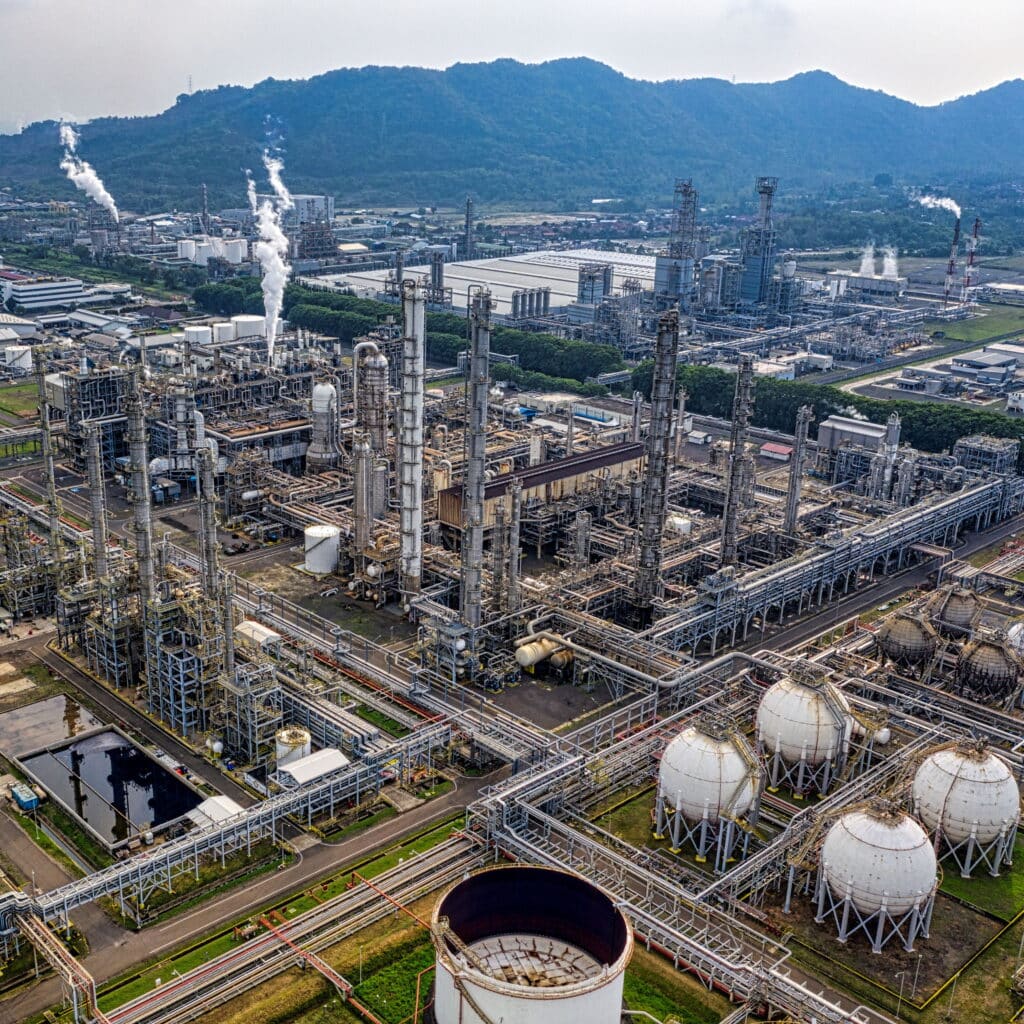
The crisis in Cancer Alley is a microcosm of a global trend. As petrochemical production shifts to regions with lower regulatory oversight, the health and environmental costs are often exported to marginalized populations. The long-term implications of this industrial growth include:
- Climate Change Acceleration: The petrochemical industry is on track to become one of the largest sources of greenhouse gas emissions, complicating efforts to limit global warming to 1.5 degrees Celsius.
- Global Plastic Crisis: Increased production leads to increased waste. With recycling rates for plastics remaining below 10% globally, the surge in production ensures that plastic pollution in oceans and landfills will continue to escalate.
- Water Scarcity and Contamination: The high water usage of these plants, combined with the risk of chemical spills and runoff, poses a long-term threat to global freshwater security.
The path forward requires a multi-faceted approach involving stricter regulatory oversight, the elimination of subsidies for fossil-fuel-based plastics, and a transition toward a "circular economy" that prioritizes reuse and non-toxic materials. For the residents of Cancer Alley, the stakes are existential. Their struggle highlights the urgent need for a global re-evaluation of the true cost of synthetic production and the ethical boundaries of industrial expansion.


