The global wellness market has seen a significant shift toward traditional botanical practices, leading to a surge in demand for herbalism-related products and education as the holiday season approaches. As consumers increasingly prioritize self-sufficiency and natural health alternatives, the market for herbal supplies, medicinal plants, and specialized equipment has expanded beyond niche apothecary circles into the mainstream gift-giving economy. This trend reflects a broader cultural movement toward "functional gifting," where presents are chosen for their utility in promoting long-term health and sustainable lifestyle practices. For those seeking to support the aspiring or seasoned herbalist, understanding the logistical and educational requirements of the craft is essential for selecting gifts that offer both immediate utility and long-term value.

The Rise of Modern Herbalism: Market Context and Growth
The resurgence of herbalism is not merely a localized phenomenon but a documented shift in global consumer behavior. According to market research, the global herbal medicine market was valued at approximately $165 billion in 2022 and is projected to exceed $400 billion by 2030. This growth is driven by a combination of factors, including a heightened focus on preventative health, the "clean beauty" movement, and a growing skepticism regarding synthetic additives in daily-use products. Consequently, the tools of the trade—ranging from high-quality organic bulk herbs to precision extraction equipment—have become highly sought-after commodities during the fourth-quarter retail surge.
Industry analysts suggest that the "DIY" (Do-It-Yourself) aspect of herbalism is particularly appealing to the Millennial and Gen Z demographics, who view the preparation of tinctures, salves, and teas as a form of "slow living" and environmental stewardship. This shift has created a robust secondary market for educational resources, including online certifications and botanical literature, which are now considered premium gift items.
The Foundation of the Apothecary: Bulk Herbs and Sourcing Standards
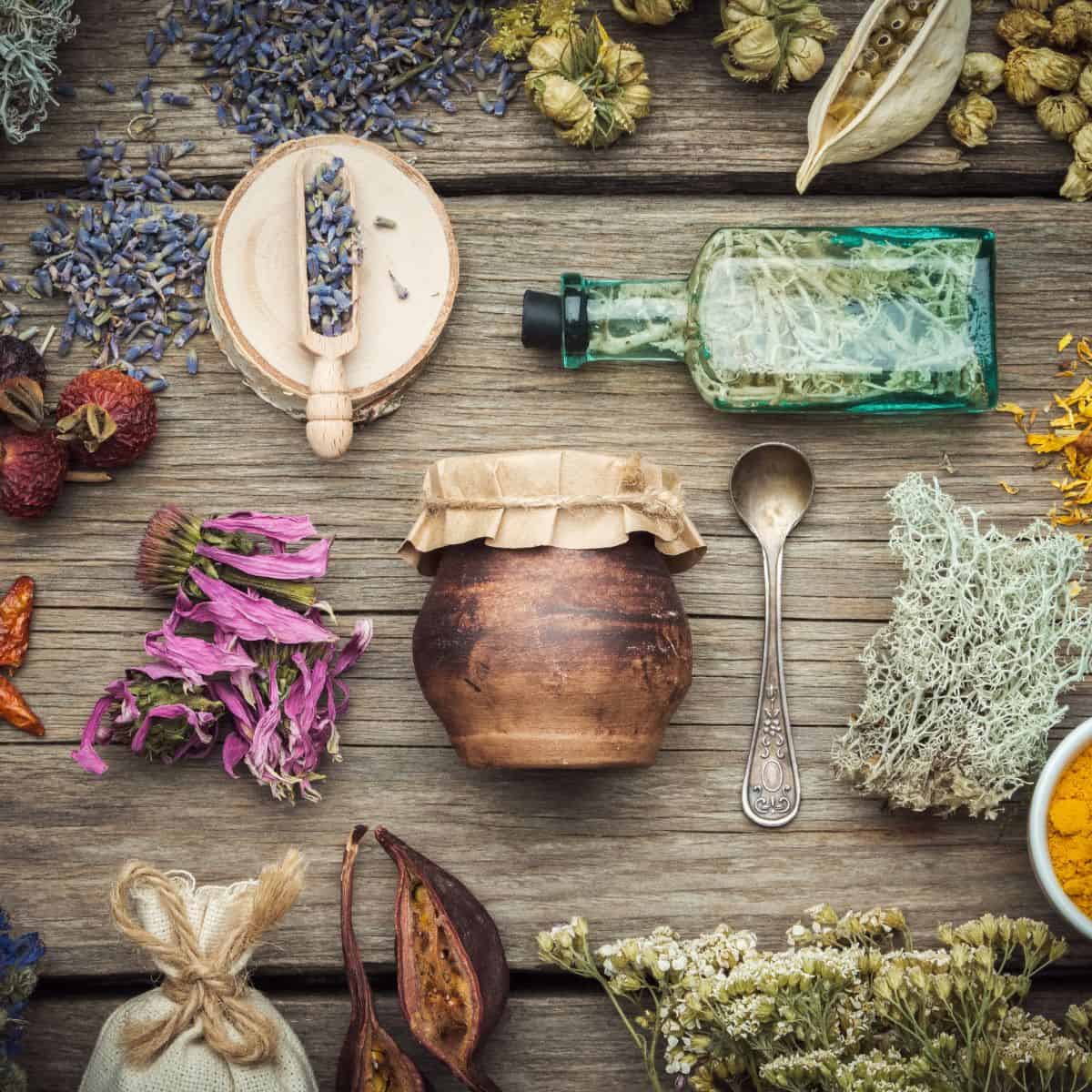
The primary requirement for any herbalist is a consistent supply of high-quality, ethically sourced plant material. For the gift-giver, the selection of herbs should prioritize organic certification and sustainable harvesting practices. Industry leaders such as Mountain Rose Herbs have set the standard for bulk botanical sourcing, offering a wide array of medicinal plants that serve as the building blocks for home remedies.
Commonly requested staples for a well-stocked herbal apothecary include:
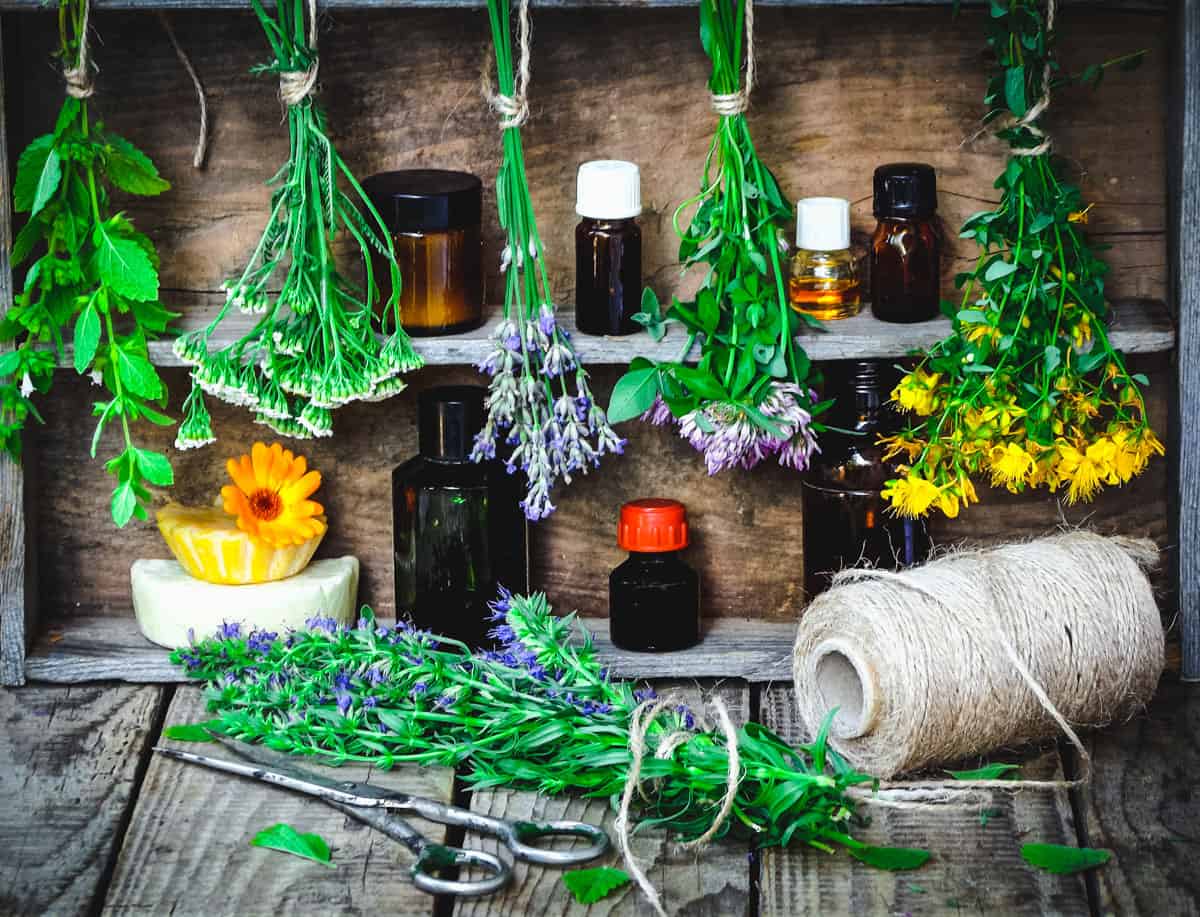
- Calendula (Calendula officinalis): Highly valued for its skin-soothing properties and its versatility in both topical salves and internal teas.
- Elderberry (Sambucus nigra): A seasonal favorite for immune support, often used in the preparation of syrups and cordials.
- Echinacea (Echinacea purpurea): A fundamental herb for respiratory health and immune system modulation.
- Lemon Balm (Melissa officinalis): Frequently utilized for its nervine properties to address stress and sleep quality.
- Lavender (Lavandula angustifolia): A multi-purpose botanical used in aromatherapy, skincare, and culinary applications.
For the holiday season, pre-curated herb kits designed for specific therapeutic goals—such as digestive health, stress management, or immune fortification—provide a structured entry point for beginners. These kits often combine multiple botanicals that work synergistically, offering a practical introduction to the principles of herbal formulation.
Technical Equipment: The Science of Herbal Extraction
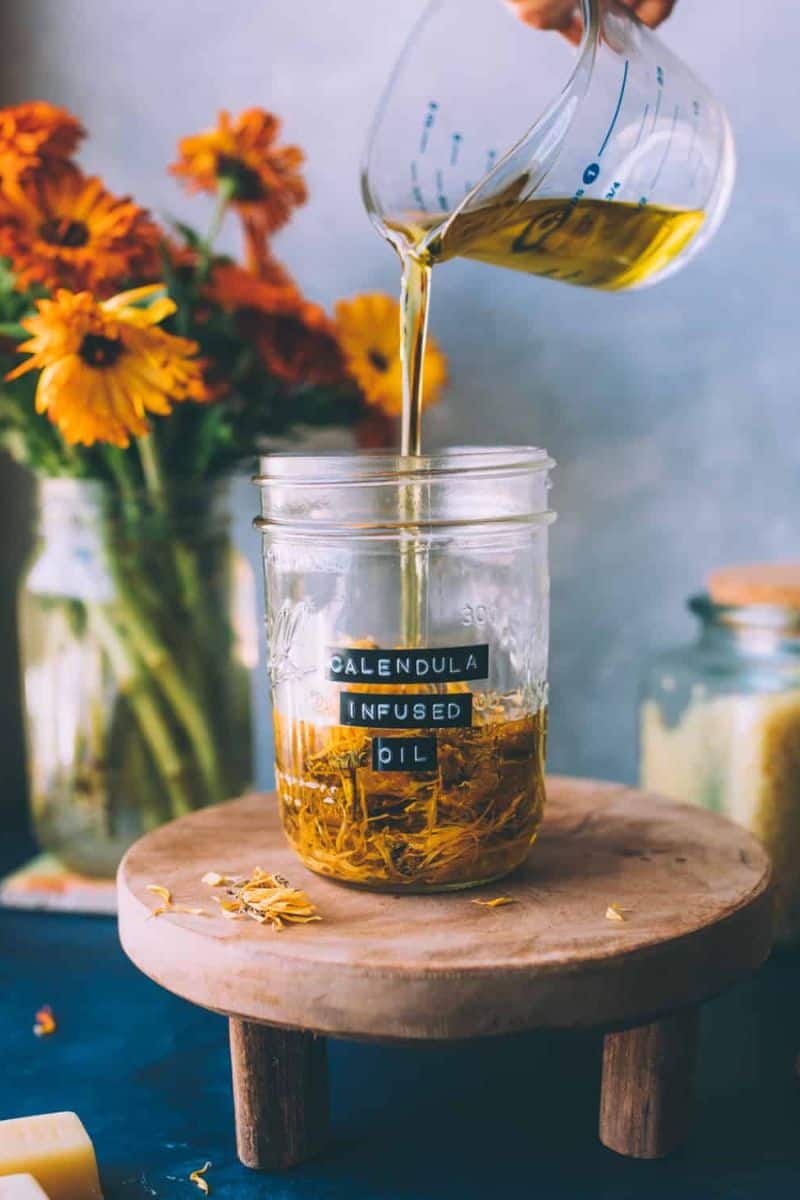
Beyond the plants themselves, the efficacy of herbal medicine depends heavily on the equipment used for extraction and storage. The process of making tinctures, oxymels, and infused oils requires specific glassware and filtration tools that ensure product stability and potency.
Storage and Infusion Glassware
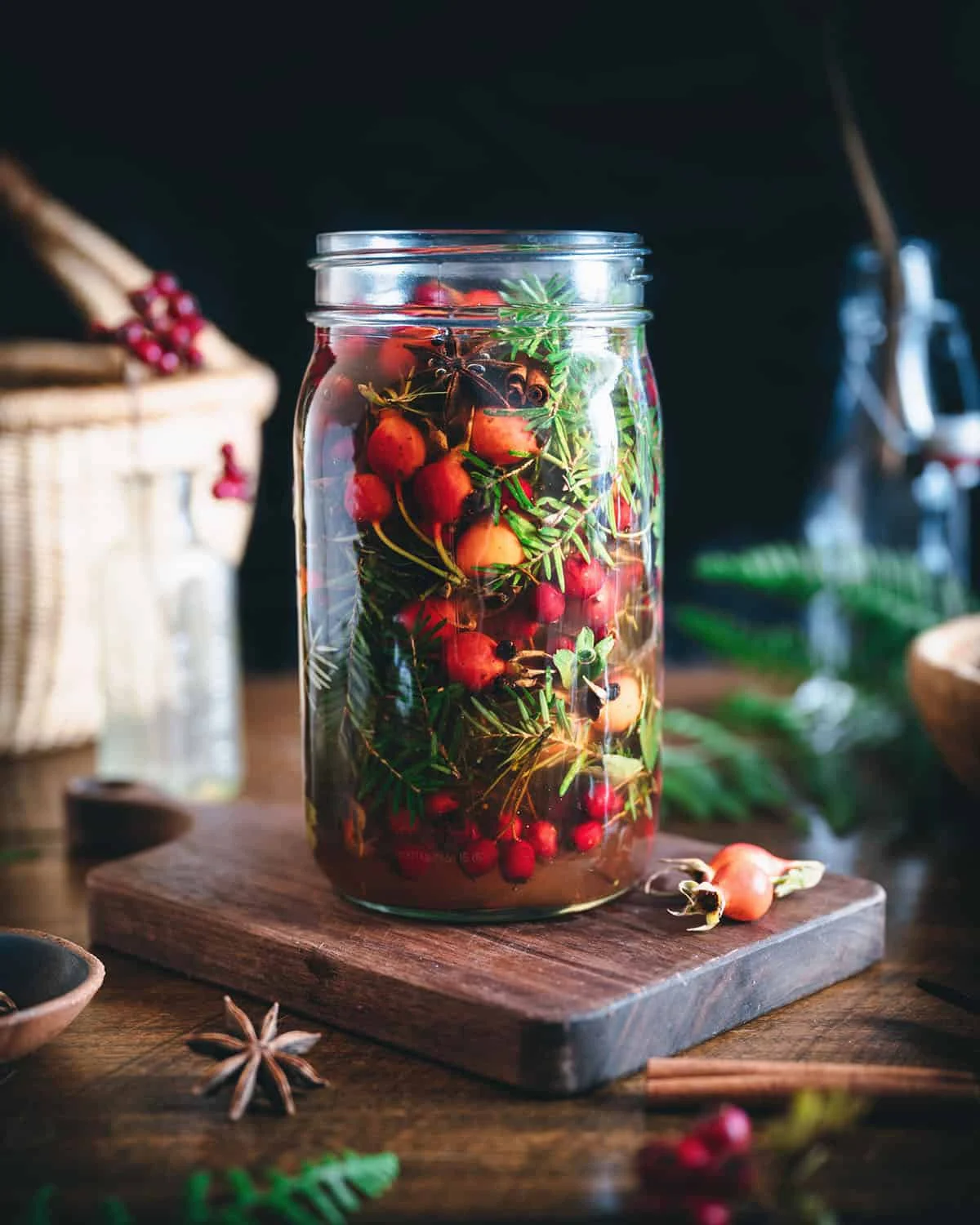
The Mason jar remains an indispensable tool for the modern herbalist. Wide-mouth pint and quart jars are preferred for their ease of use during the infusion process, particularly when working with bulky dried flowers or roots. Recent innovations in lid technology, such as leak-proof storage lids, have improved the functionality of these jars, allowing for the frequent agitation required during the maceration period without the risk of oxidation or spills.
Precision Extraction Tools
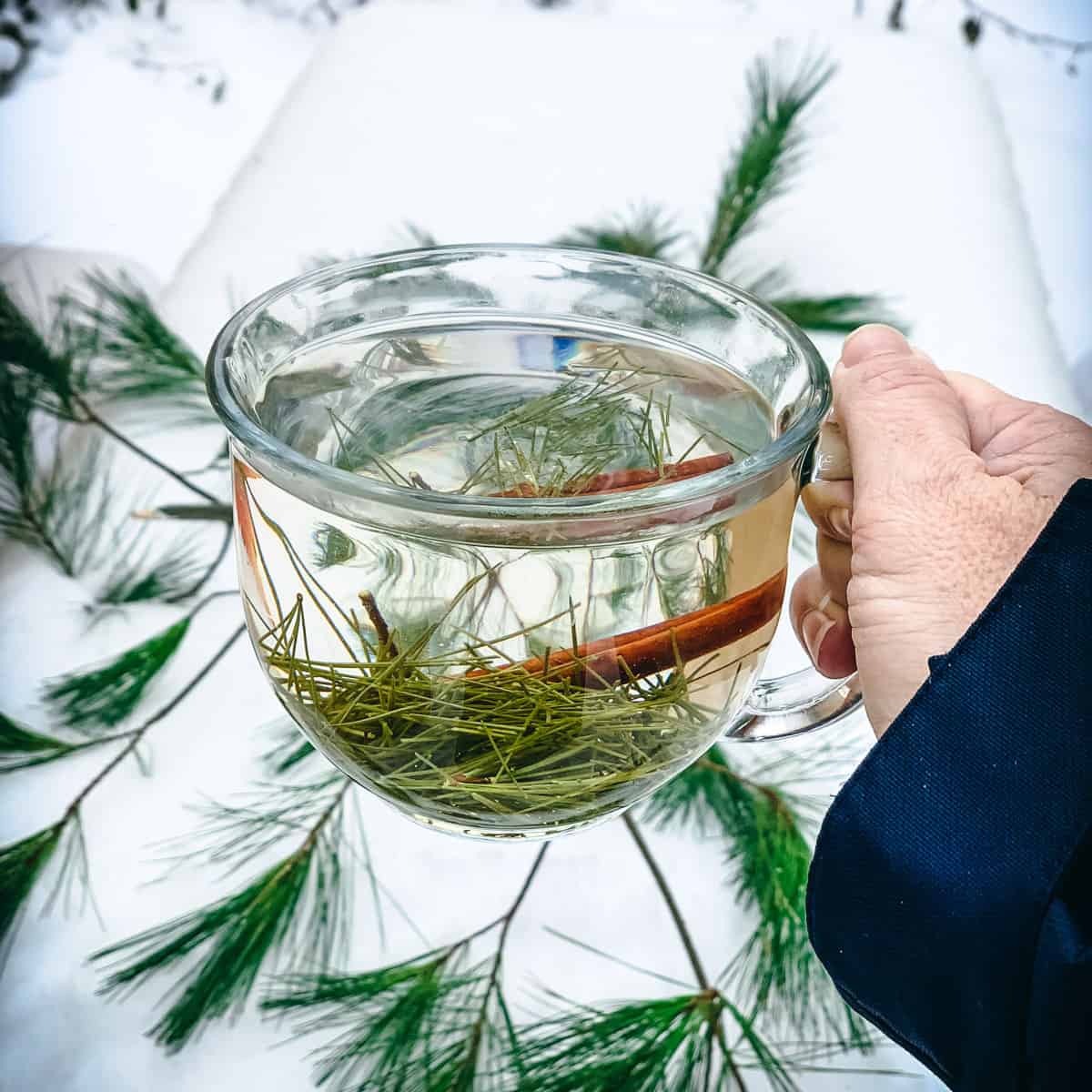
For the preparation of professional-grade tinctures, specialized bottles and filtration systems are required. Amber or cobalt glass "Boston Round" bottles are the industry standard for light-sensitive extracts, as they protect the chemical integrity of the herbs from UV degradation. Furthermore, the use of stainless steel funnels and fine-mesh strainers is critical for achieving a clear, particulate-free final product. In terms of high-end gifts, cast iron teapots and ceramic tea infuser mugs represent a fusion of aesthetic appeal and functional durability, providing the precise temperature control necessary for optimal steeping.
The DIY Skincare Movement: Ingredients for Botanical Beauty
A significant subset of herbalism focuses on topical applications, including salves, balms, and lotions. This sector has grown in tandem with the "Clean Beauty" movement, which emphasizes transparency in ingredient lists. Gift-givers should look for carrier oils and stabilizers that are minimally processed and nutrient-dense.
Essential Skincare Components:
- Carrier Oils: Jojoba oil, sweet almond oil, and apricot kernel oil are favored for their stability and skin-compatibility.
- Beeswax: A critical emulsifier and protective barrier. High-quality beeswax pellets are preferred for their ease of measurement and melting consistency.
- Butters: Shea and cocoa butters provide the necessary viscosity for lip balms and body butters.
- Clays and Salts: Bentonite clay and Epsom salts are foundational for the creation of detoxifying bath blends and facial masks.
Educational Advancement: The Gift of Knowledge
As the complexity of herbalism increases, so does the need for formal education. The transition from a hobbyist to a practitioner requires a deep understanding of botanical identification, contraindications, and dosage. Online platforms like The Herbal Academy have democratized access to this knowledge, offering structured courses that range from introductory "materia medica" to advanced clinical studies.
Literature remains a cornerstone of the herbalist’s library. Reference books such as Healing Herbal Infusions provide a technical framework for home-scale production, while botanical skin care recipe books offer specialized guidance for cosmetic formulation. Giving the gift of an herbal course or a high-quality reference text is often seen as a significant investment in the recipient’s personal and professional development.
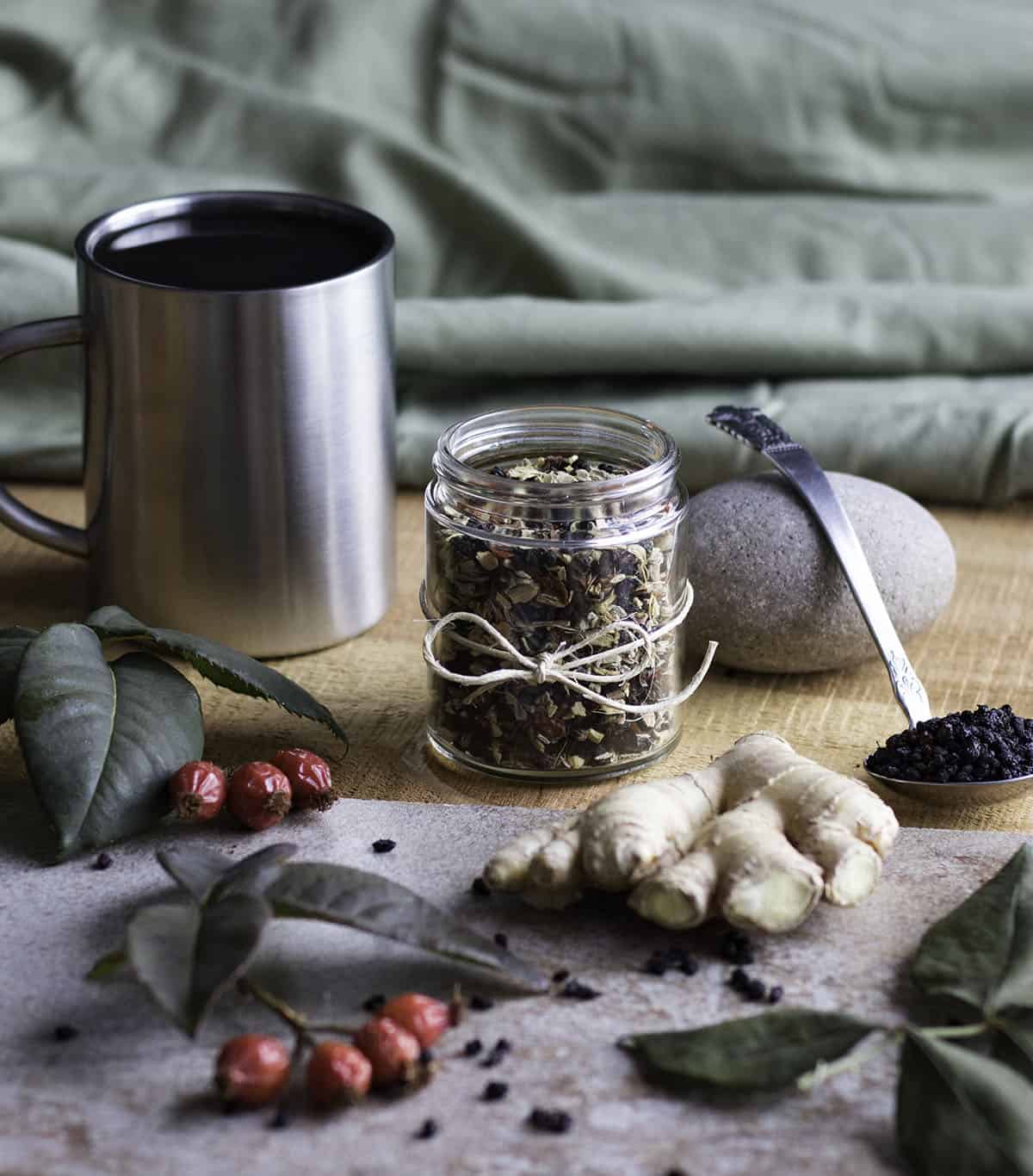
Chronology of the Modern Herbal Movement
To understand the current demand for these gifts, one must look at the timeline of herbalism’s integration into modern life:
- The 1970s Resurgence: A "back-to-the-land" movement sparked renewed interest in foraging and traditional medicine.
- The 1990s Standardization: The Dietary Supplement Health and Education Act (DSHEA) of 1994 provided a regulatory framework for herbal products in the U.S., increasing consumer confidence.
- The 2010s Digital Boom: The rise of social media platforms allowed for the rapid sharing of herbal recipes and the growth of online herbal schools.
- 2020-Present: The global pandemic accelerated the trend toward home-based health management, leading to a 20% increase in herbal supplement sales in a single year.
Broader Economic and Social Impact
The proliferation of herbalism has positive implications for local economies and environmental conservation. Many herbalists prioritize wildcrafting—the practice of harvesting plants from their natural habitats. This has led to an increased emphasis on "ethical wildcrafting" standards to prevent the over-harvesting of endangered species like Goldenseal or American Ginseng.
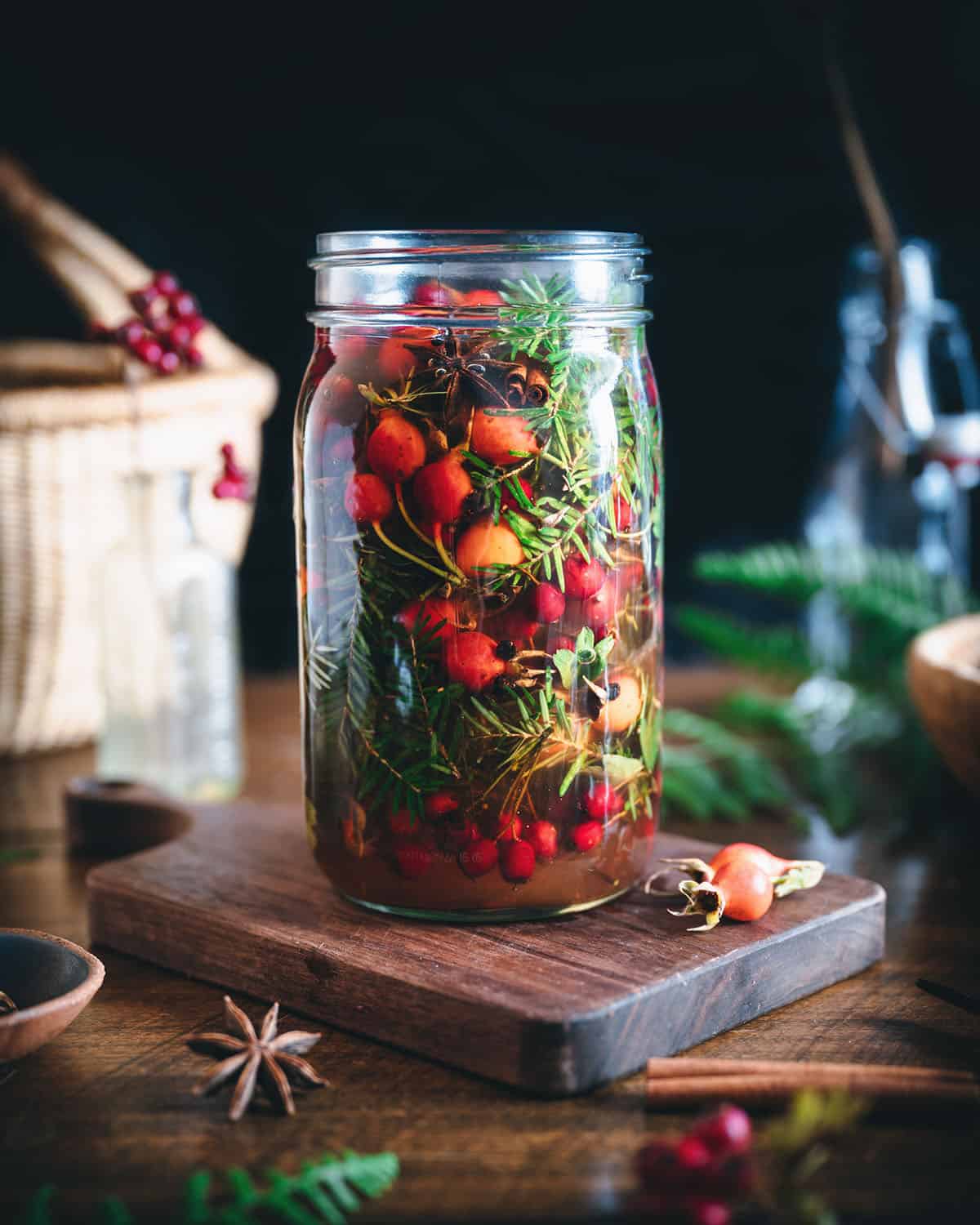
Furthermore, the demand for herbal gifts supports a network of small-scale farmers and artisanal producers. Businesses like Homestead and Chill or MadeOn Skin Care represent a growing sector of the economy that focuses on small-batch, high-transparency production. By choosing these products, gift-givers contribute to a circular economy that values craftsmanship over mass production.
Expert Analysis and Implications
The shift toward herbalism represents more than a passing trend; it is a fundamental realignment of how individuals interact with their environment and their health. For the retail sector, this means that "gift guides" must now account for specialized technical needs rather than just aesthetic appeal. The modern herbalist is part scientist, part gardener, and part chef. Consequently, the most successful gifts are those that facilitate the intersection of these roles.

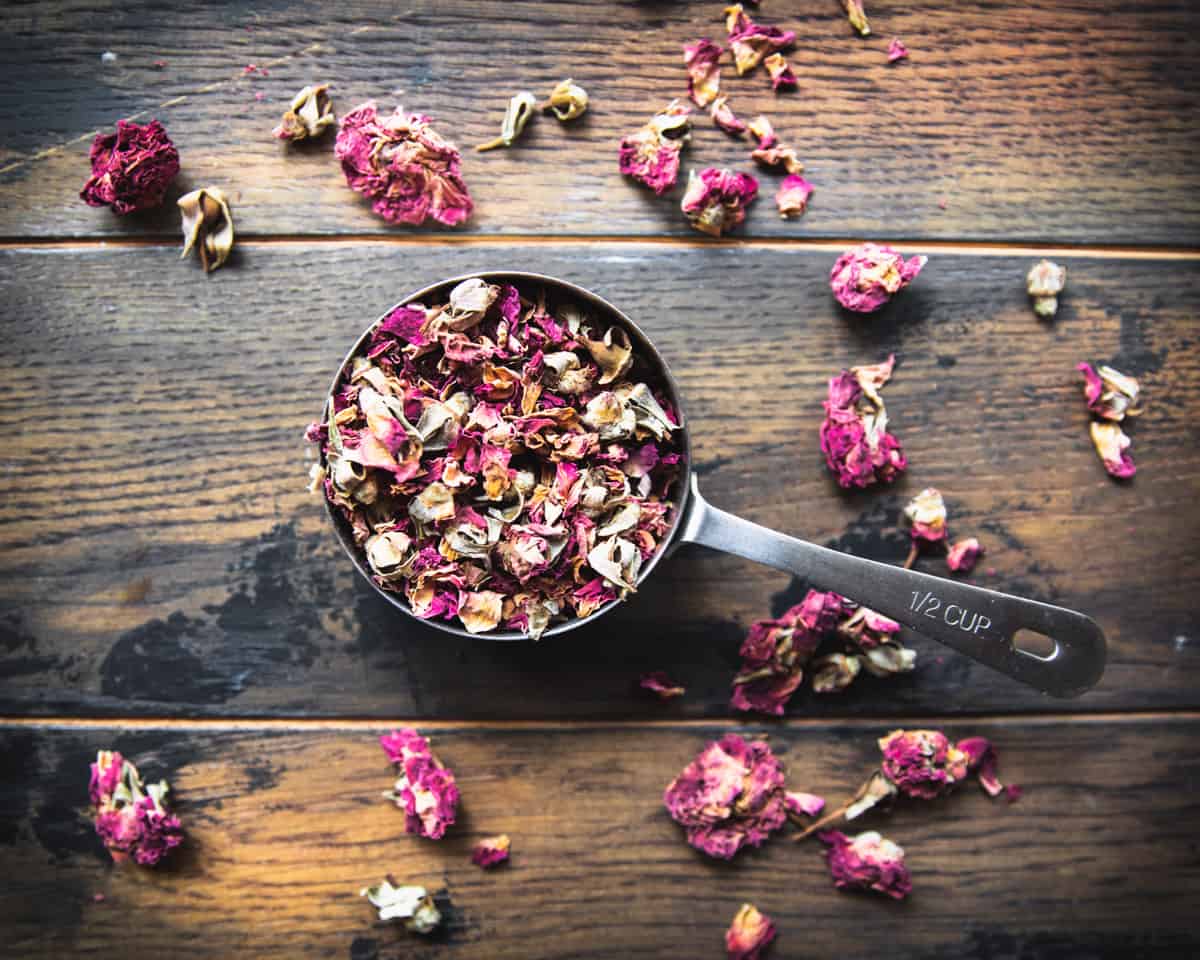
In conclusion, the ideal gift for an herbalist is one that respects the rigor of the craft. Whether it is a set of precision-engineered tincture bottles, a comprehensive botanical course, or a pound of organic dried roses, these items serve as the infrastructure for a lifestyle centered on wellness and tradition. As the holiday season progresses, the trend toward functional, nature-based gifting is expected to remain a dominant force in the consumer landscape, reflecting a collective desire for gifts that are as meaningful as they are useful.