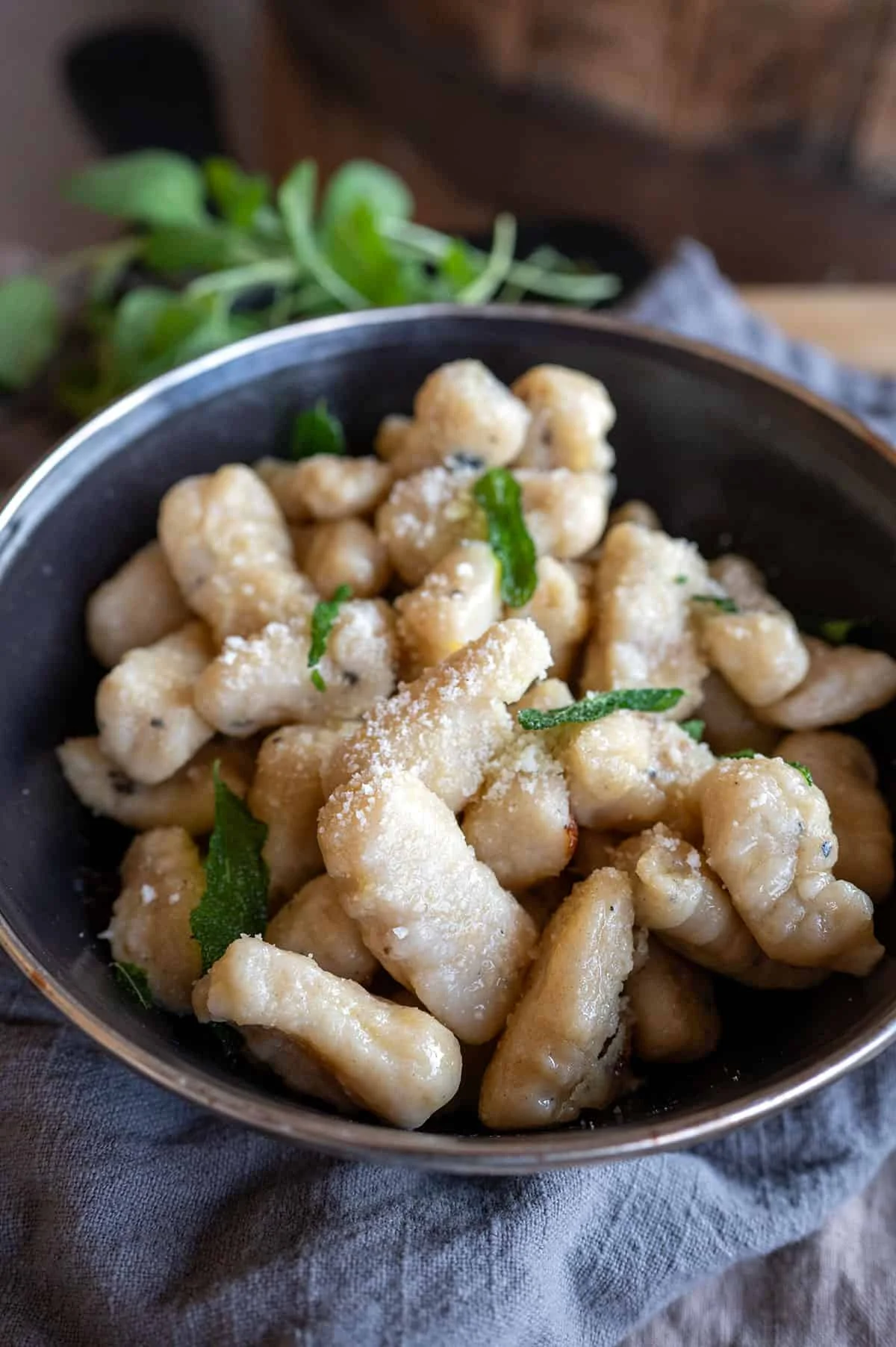
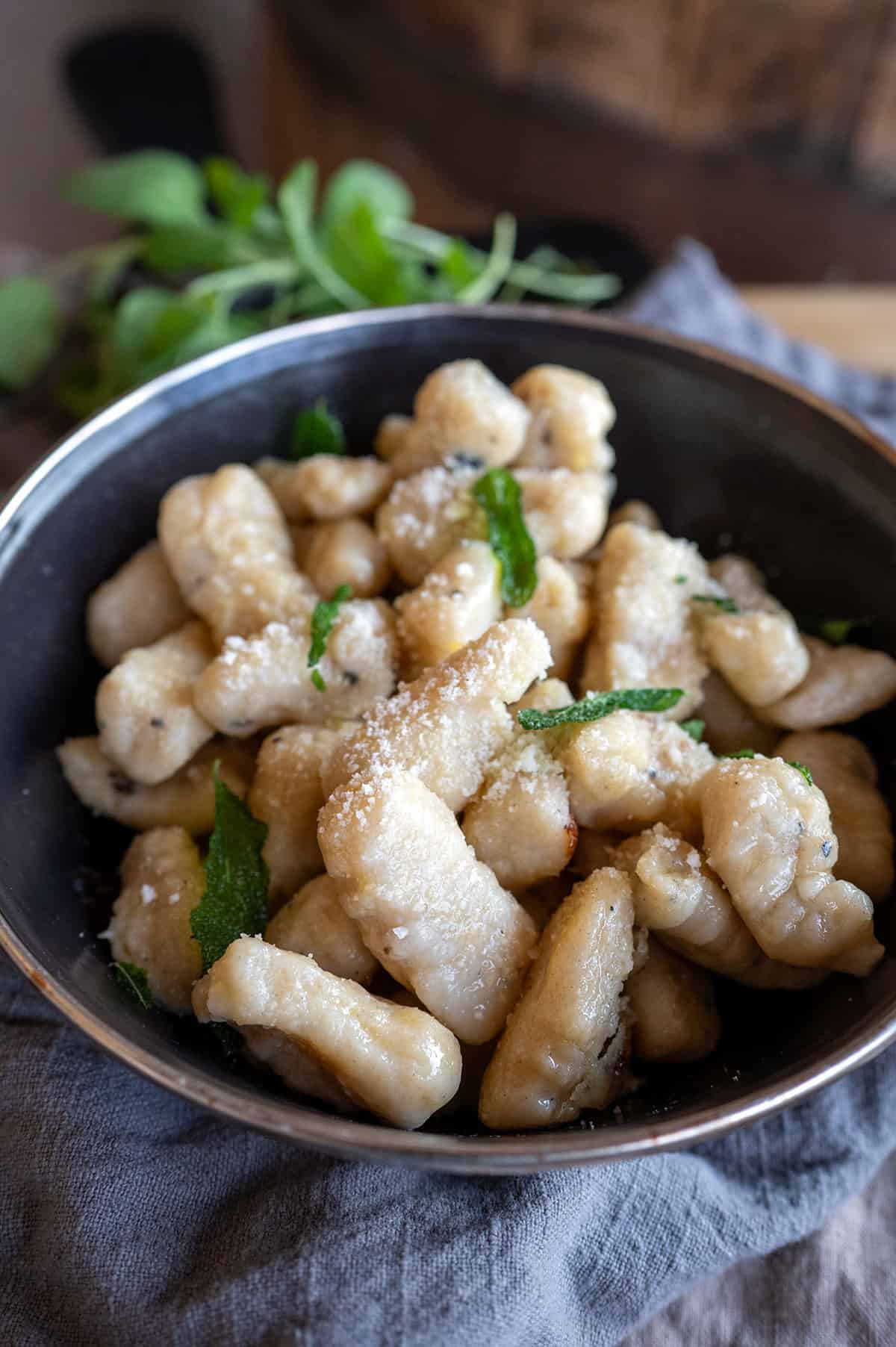
Traditional gnocchi preparation, a comforting staple in Italian cuisine, typically involves boiling or baking potatoes, followed by mashing, mixing, rolling, and cutting. This methodical approach, while effective, often yields predictable results. However, a revolutionary technique is emerging, transforming this familiar dish into an extraordinary culinary experience by harnessing the primal power of fire. This innovative method involves cooking potatoes directly in hot grill coals, infusing them with a profound, smoky depth before they are even transformed into dumplings.
This unconventional cooking method, popularized by grilling enthusiasts and pitmasters, represents a significant departure from standard gnocchi recipes. The initial apprehension of placing produce directly into embers is quickly replaced by the realization of its profound flavor-enhancing capabilities. As the potato skins char and blacken in the intense heat, the interior steams to a perfect tenderness. This direct interaction with the fire imbues the potato with a complex, smoky essence that permeates the entire ingredient, laying a robust foundation for the gnocchi.
The subtle inclusion of charred potato bits into the final mash is not an imperfection, but rather a deliberate enhancement. These flecks of carbon contribute to the gnocchi’s unique flavor profile, adding layers of complexity and a distinctively rustic character that sets it apart from its conventionally prepared counterparts. This technique elevates a simple weeknight meal into a dish with a compelling narrative and an unforgettable taste.

The Genesis of Grilled Gnocchi
Gnocchi, derived from the Italian word "nocchio," meaning "knot," are small, dense dumplings typically made from mashed potatoes, flour, and egg. Their soft, pillowy texture is a hallmark of their appeal. Historically, the preparation of the potato base has remained largely unchanged, with boiling or baking being the standard methods. The introduction of grilling the potatoes directly into the coals marks a paradigm shift, fundamentally altering the flavor profile of the final dish.
This method is more than just a culinary trick; it’s an embrace of elemental cooking. By placing potatoes directly into a bed of glowing coals, cooks are tapping into a method that predates modern kitchen appliances. The intense heat from the coals sears the exterior of the potato, creating a natural foil that traps steam within, cooking the potato to a creamy consistency. Simultaneously, the charring process imparts a deep, smoky flavor that is intrinsically bound to the potato itself.
What Constitutes Grilled Gnocchi?
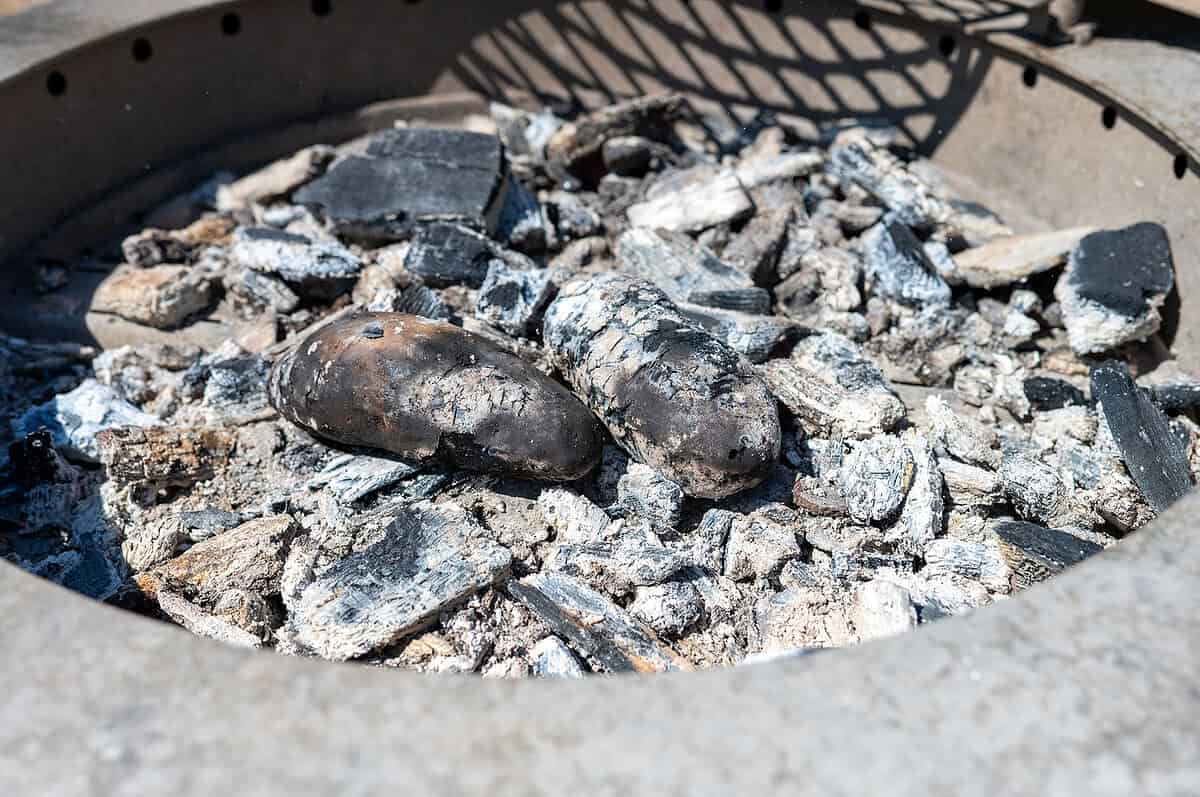
At its core, grilled gnocchi begins with the foundational element of traditional gnocchi: potatoes. However, the transformative step lies in the initial cooking of these potatoes. Instead of being boiled in water or baked in an oven, they are subjected to the direct heat of a charcoal fire. This direct contact with the embers is crucial. The skins blacken and blister, acting as a natural casing that steams the potato flesh to a tender, almost custardy interior. This process is not about achieving a perfectly clean potato; it’s about extracting maximum flavor from the interaction with the fire.
The resulting mash, often containing small pieces of the charred skin and flesh, is then used to create the gnocchi dough. This deliberate inclusion of char is what differentiates grilled gnocchi. It introduces a nuanced smoky undertone that is absent in traditional versions. This depth of flavor is carried through to the finished dumpling, turning a familiar comfort food into something with a robust, backyard barbecue essence.

The Culinary Process: From Coals to Dumplings
The transformation of a humble potato into smoky gnocchi involves a series of deliberate steps, each contributing to the final unique flavor and texture.
Step 1: Harnessing the Fire – Cooking the Potatoes
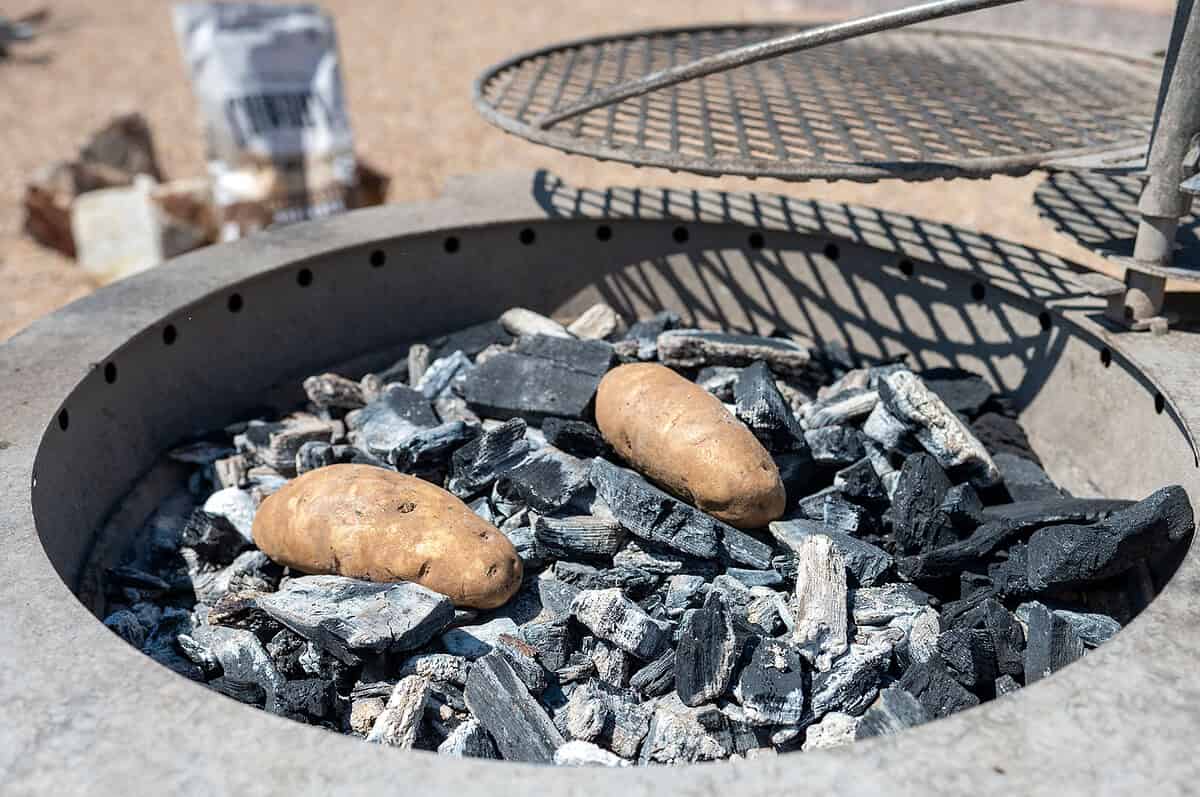
The process begins with the preparation of the grilling environment. A substantial bed of charcoal is ignited and allowed to burn down until it produces a steady, consistent heat, free from open flames. This is crucial for controlled cooking. The potatoes, typically russet or similar starchy varieties, are then placed directly onto the glowing coals. This direct contact is the defining characteristic of this method.

The cooking time for the potatoes generally ranges from 45 to 60 minutes. During this period, the potatoes are turned every 15 minutes to ensure even charring and cooking. The target internal temperature for the potatoes is between 205°F and 210°F, indicating that they are thoroughly cooked and tender. While charring is expected and desired for its flavor contribution, a preference for less char can be accommodated. In such cases, potatoes can be placed on the grill grate over medium-high heat with the lid closed. This method still imparts a grilled flavor but with a milder smoky profile and less intense charring, though it may require a slightly longer cooking time.
Step 2: Halting the Cook and Preparing for Mash
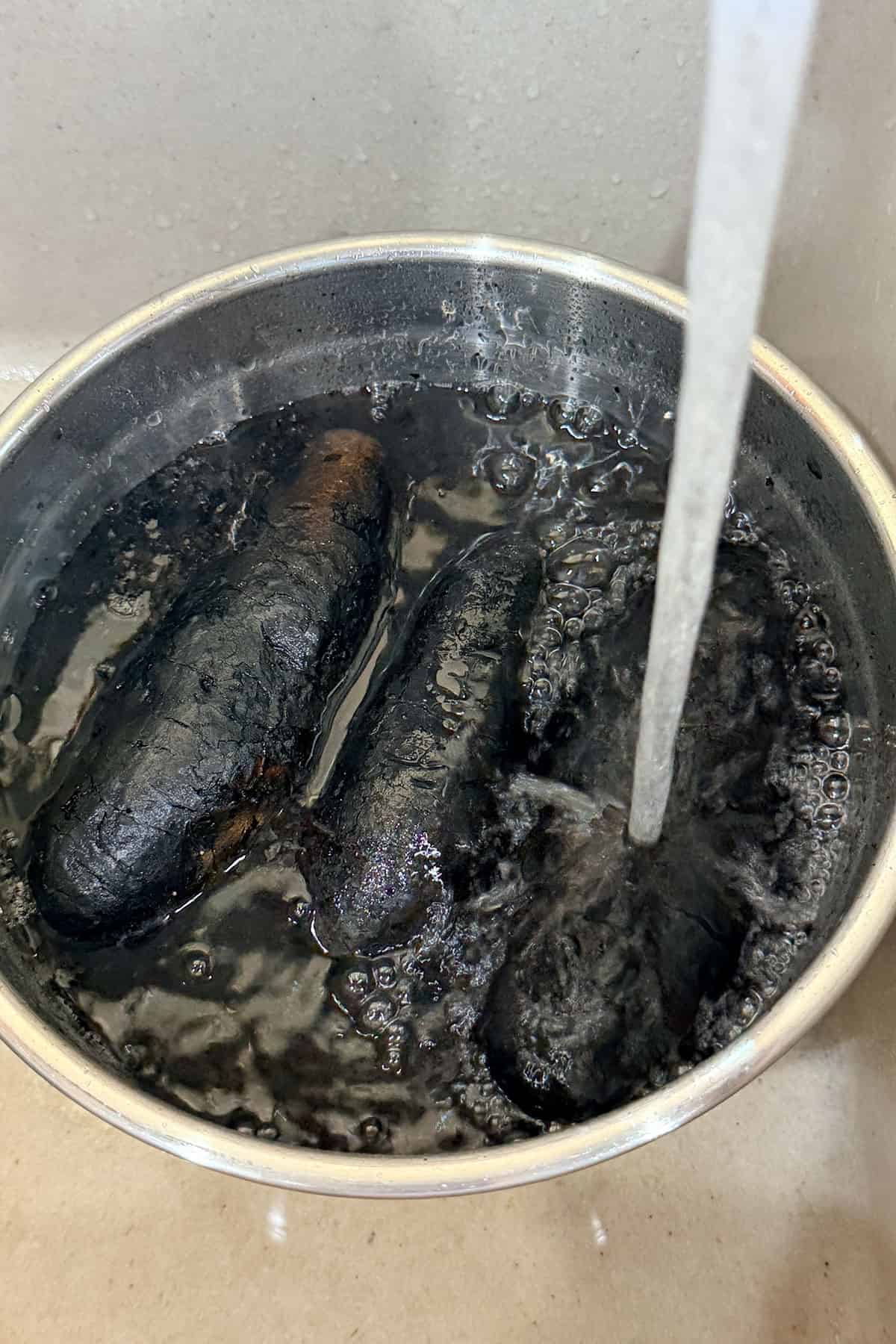
Once the potatoes reach the desired temperature and tenderness, they are removed from the coals. To halt the cooking process and make them easier to handle, they are immediately dunked in cold water. This rapid cooling also helps to firm up the potato flesh slightly, which can be beneficial for the subsequent mashing process.
Step 3: Extracting the Smoky Heart
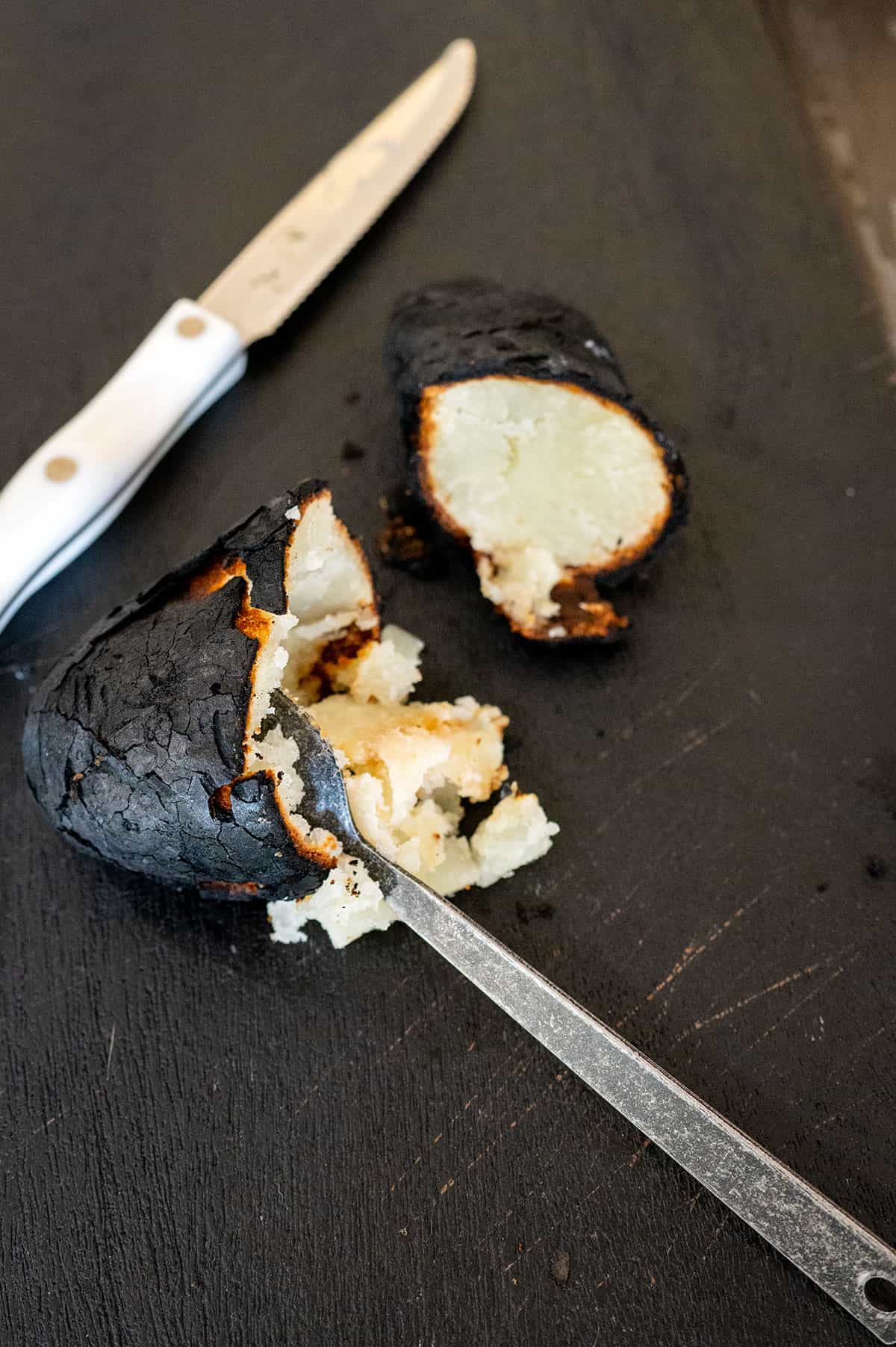
After cooling, the potatoes are cut in half. The soft, cooked interior is then scooped out, leaving behind the charred skin. This scooped-out flesh is the key ingredient for the gnocchi dough. The presence of small charred bits within the potato flesh is not a flaw but an intentional element. These dark flecks are the vessels of the smoky flavor that will define the gnocchi.
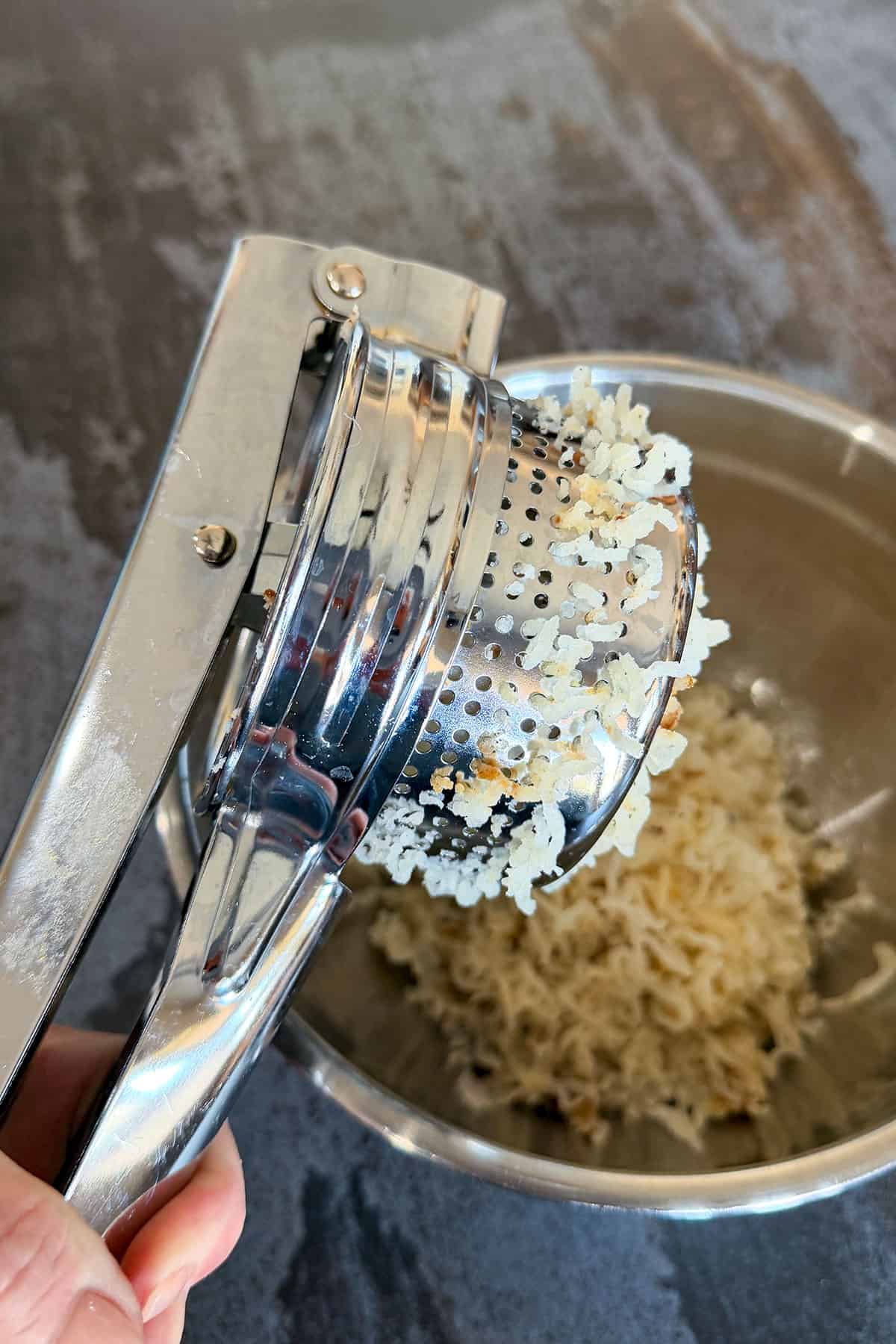
For optimal texture, the potato flesh is then mashed. A potato ricer is often recommended for achieving the smoothest consistency, ensuring that any fibrous textures are eliminated. As the potatoes are riced, any stray pieces of charred skin or flesh are integrated directly into the mash, ensuring that the smoky essence is evenly distributed.
Step 4: Building the Gnocchi Dough
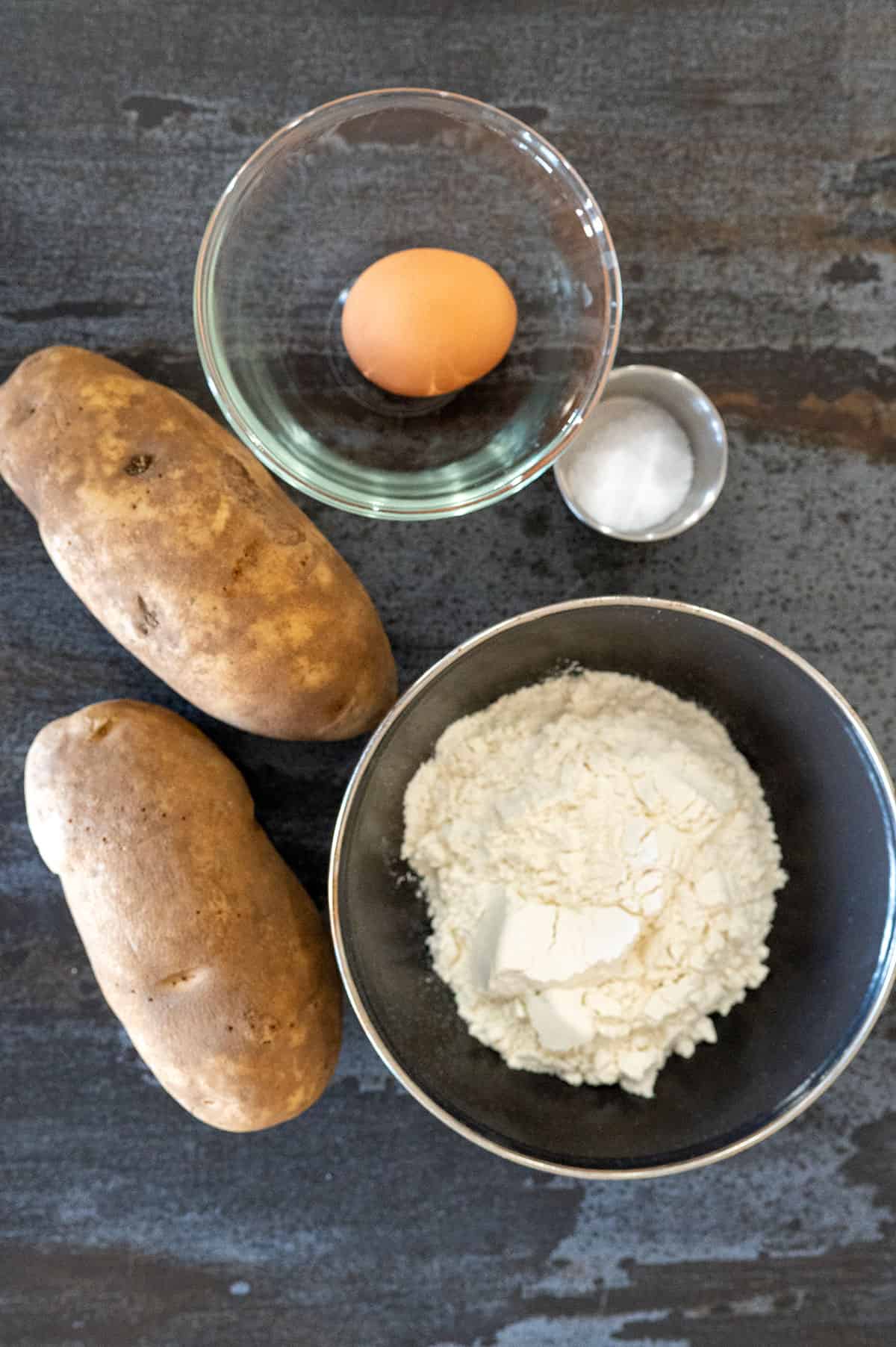
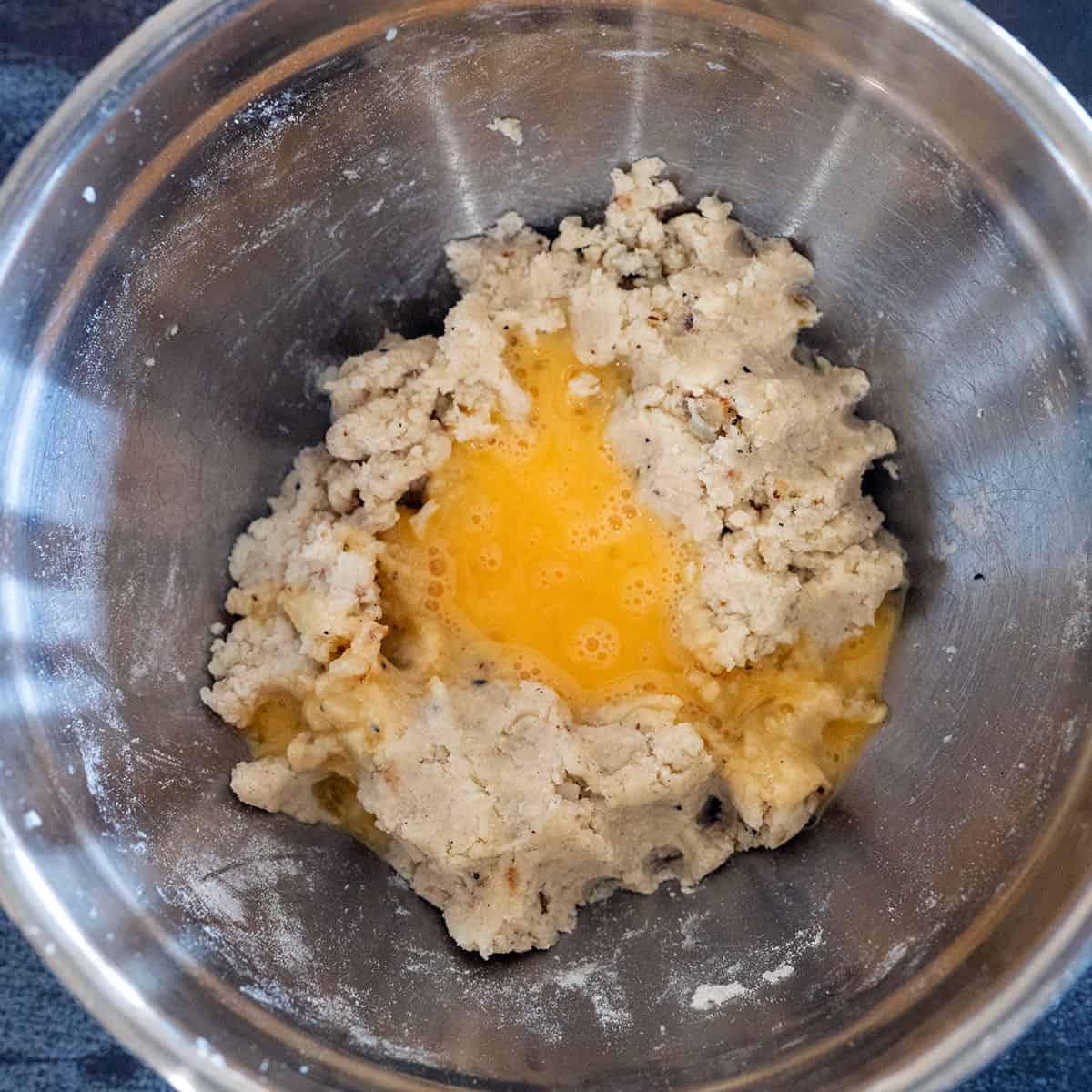
The mashed potato forms the base of the gnocchi dough. Approximately two-thirds of the required flour and a pinch of salt are combined with the potato. A well is then created in the center of this mixture, into which a beaten egg is poured. This initial combination begins the process of forming a cohesive dough.
Step 5: Developing the Dough’s Structure
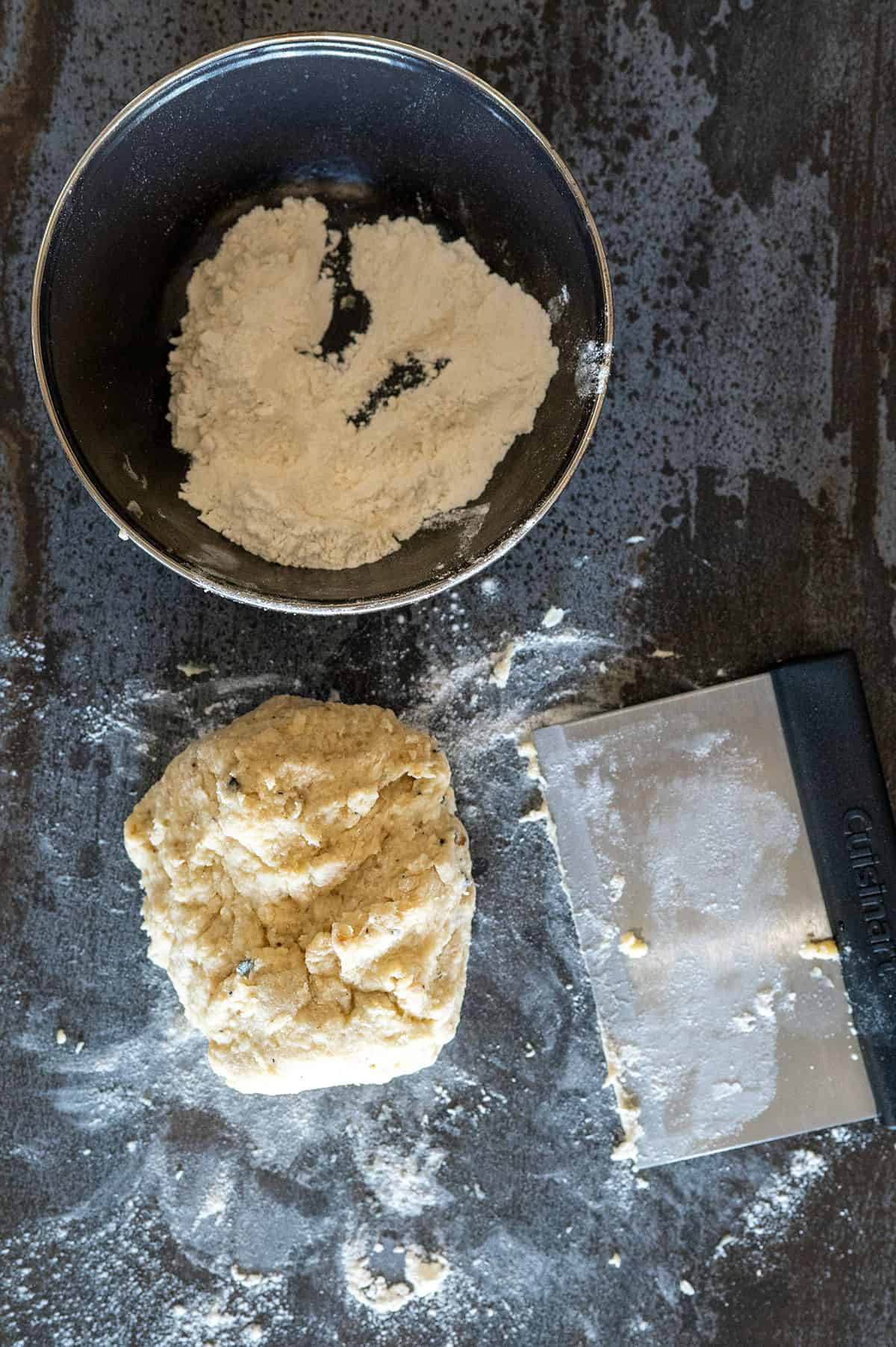
The ingredients are then kneaded together, either by hand or using a stand mixer with a dough hook. The process involves gradually incorporating more flour as needed until the dough comes together and achieves a consistency that is no longer sticky. The goal is a workable dough that is pliable yet firm enough to hold its shape.
Step 6: Shaping the Gnocchi
The prepared dough is then divided into four equal portions. Each portion is rolled into a long, rope-like shape. These ropes are then cut into approximately one-inch pieces. To achieve the classic gnocchi texture that helps to hold sauce, each piece can be rolled down the back of a fork, creating ridges. Throughout this shaping process, a light dusting of flour is used to prevent sticking. The shaped gnocchi are then placed on a floured surface or baking sheet in a single layer, often sprinkled with additional flour, to prevent them from adhering to each other before cooking.
Step 7: The Final Transformation – Boiling and Finishing
A large pot of generously salted water is brought to a rolling boil. The shaped gnocchi are then added to the boiling water in batches. It is important not to overcrowd the pot, as this can lead to uneven cooking and the gnocchi sticking together. The gnocchi are cooked until they float to the surface, an indication that they are done. Using a slotted spoon, the cooked gnocchi are carefully removed from the water and drained.
Serving Suggestions: Complementing the Smoky Profile
The inherent smoky flavor of grilled gnocchi lends itself to a variety of accompaniments that enhance rather than overpower its unique character. Rich and simple sauces work exceptionally well, as the gnocchi’s robust taste doesn’t require a complex sauce to stand out.
- Classic Pairings: Traditional options like a light brown butter sauce, a vibrant basil pesto, or a simple marinara sauce are excellent choices. These classic pairings offer a familiar comfort while allowing the gnocchi’s smoky notes to shine through.
- Elevated Simplicity: For a minimalist approach, a drizzle of high-quality olive oil and a pinch of sea salt can be remarkably satisfying.
- Gourmet Touches: A particularly delightful serving suggestion involves tossing the warm gnocchi with melted butter, a hint of lemon zest for brightness, grated Parmesan cheese for a salty umami kick, and crispy fried sage leaves for an aromatic crunch. This combination creates a symphony of flavors and textures.
Storage and Preservation
Grilled gnocchi, like most fresh pasta, is best enjoyed immediately after cooking. However, leftovers can be stored in an airtight container in the refrigerator for up to two days. Reheating can be done gently in a hot pan with a little butter or oil, or in a microwave.
For those who wish to prepare gnocchi in advance, the uncooked, shaped dumplings freeze exceptionally well. They can be laid out on a floured baking sheet and frozen until solid. Once frozen, they can be transferred to a freezer bag for long-term storage. These frozen gnocchi can be boiled directly from the freezer without the need for thawing, maintaining their quality and ease of preparation.
Frequently Asked Questions and Pitmaster Insights
The innovative nature of cooking potatoes directly in coals naturally leads to several common inquiries. Addressing these questions provides further clarity on the technique and its nuances.
Can I grill the potatoes without putting them directly in the coals?
Yes, this is a viable alternative for those who prefer less char. Placing the potatoes on the grill grate over medium-high heat with the lid closed, turning them occasionally until they reach an internal temperature of 205-210°F, will still impart a desirable grilled flavor. This method offers a more controlled smoky profile without the intense charring associated with direct coal cooking.
Why are there charred bits in my mashed potato?
The presence of charred bits is an intentional outcome of cooking potatoes directly in the coals. This charring of the skin and a small portion of the flesh is integral to the smoky flavor profile. By incorporating these bits into the mash, the smoky essence is distributed throughout the gnocchi, creating a more complex and satisfying taste.
Can I freeze gnocchi before cooking it?
Absolutely. Shaping the uncooked gnocchi and then freezing them on a floured sheet pan until solid allows for convenient long-term storage. Once frozen, they can be transferred to a freezer bag. When ready to cook, they can be boiled directly from frozen, eliminating the need for thawing and simplifying the cooking process.
This innovative approach to gnocchi preparation, born from the heart of grilling culture, offers a compelling alternative to traditional methods. By embracing the smoky essence derived from direct coal cooking, chefs and home cooks alike can elevate this beloved Italian dumpling into a dish that is both familiar and excitingly new, a testament to the boundless creativity within the culinary world.