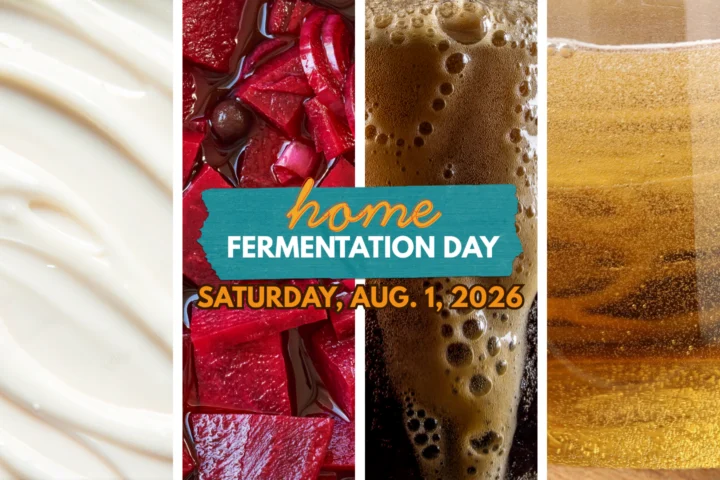
The American Homebrewers Association (AHA) has officially designated August 1, 2026, as Home Fermentation Day, a new annual observance dedicated to celebrating the diverse and ancient practice of fermentation. This initiative aims to unite enthusiasts of all fermented creations, from the meticulously crafted homebrews that grace our glasses to the vibrant, gut-friendly ferments that grace our tables. The AHA, a leading organization in the homebrewing community, positions itself as the central hub for all aspects of fermentation, offering resources, inspiration, and a platform for shared knowledge.
The call to action for Home Fermentation Day is clear: enthusiasts are encouraged to showcase their fermentation projects by tagging the American Homebrewers Association on social media platforms using the handle @homebrewassoc or by employing the dedicated hashtag #HomeFermentationDay. This digital gathering is designed to foster a sense of community and provide a visual tapestry of the widespread interest and creativity within the fermentation world.
The Enduring Appeal of Fermented Beverages
Home Fermentation Day shines a spotlight on the rich history and evolving landscape of fermented beverages. While beer, mead, and cider remain foundational pillars for many home fermentationists, the observance extends an invitation to explore a much broader spectrum of fermented drinks. This includes traditional beverages from cultures around the globe, as well as contemporary innovations in the field. The AHA recognizes that the journey of fermentation is one of continuous discovery, offering a wealth of inspiration and practical resources to support both seasoned brewers and newcomers alike.
The practice of brewing beer at home, a cornerstone of the AHA’s mission, has seen significant growth and sophistication over the decades. The organization’s commitment to this hobby is reflected in its extensive archives and its continuous efforts to educate and empower homebrewers. By extending this focus to encompass all forms of fermentation, the AHA acknowledges a fundamental truth: the underlying principles of microbial transformation are shared across a vast array of food and beverage production.
Expanding Horizons: The World of Fermented Foods
Beyond the realm of beverages, Home Fermentation Day champions the exploration of fermented foods. This expansion of focus is a strategic move to broaden the appeal and accessibility of fermentation. The AHA highlights that delving into fermented foods can provide a rewarding and complementary dimension to a homebrewer’s existing passion. Engaging with the creation of items like sauerkraut, kimchi, yogurt, kefir, and sourdough bread not only diversifies one’s culinary repertoire but also offers a tangible connection to ancient food preservation techniques that have sustained communities for millennia.
The benefits of incorporating fermented foods into one’s diet are increasingly recognized by nutritional science. Probiotic-rich foods, a direct result of fermentation, are associated with improved gut health, enhanced nutrient absorption, and a strengthened immune system. This growing awareness has contributed to a surge in interest in home fermentation of foods, transforming it from a niche practice to a mainstream culinary pursuit. The AHA’s inclusion of fermented foods in its Home Fermentation Day initiative reflects this evolving cultural and health-conscious landscape.
For those seeking to deepen their understanding of both fermented foods and beverages, the AHA’s online content archive, accessible via the link provided in their original announcement, offers a treasure trove of information. This archive serves as a testament to the organization’s dedication to being a comprehensive resource for all things fermentation.
A Legacy of Knowledge: Zymurgy Magazine
Central to the American Homebrewers Association’s educational outreach is Zymurgy magazine. Hailed as the premier publication dedicated to the art and science of homebrewing, Zymurgy also regularly features in-depth explorations into other fermented projects. This dual focus underscores the AHA’s holistic approach to fermentation.
Membership in the American Homebrewers Association grants individuals instant online access to the Zymurgy archives, along with four new issues delivered annually. This continuous stream of expert-authored content provides members with up-to-date information, innovative recipes, troubleshooting tips, and insights into the latest trends in fermentation. The magazine’s "You Can Ferment That" column, in particular, is highlighted as a key resource for sparking new ideas and guiding enthusiasts through various fermentation endeavors, both liquid and solid.
The historical significance of Zymurgy cannot be overstated. Since its inception, the magazine has been instrumental in democratizing brewing knowledge, empowering countless individuals to embark on their homebrewing journeys. Its expansion to include coverage of other fermented products reflects a natural evolution, acknowledging the interconnectedness of these practices and the shared curiosity that drives their practitioners.
The Power of Community: Joining the AHA
The announcement implicitly underscores a crucial aspect of the AHA’s strategy: many of the most valuable and exclusive resources available on HomebrewersAssociation.org are reserved for its members. This membership model serves several key purposes. Firstly, it provides a sustainable revenue stream that allows the AHA to continue its vital work in advocating for homebrewers, developing educational materials, and fostering community. Secondly, it cultivates a dedicated and engaged membership base, ensuring that the organization remains responsive to the needs and interests of its constituents.
Joining the American Homebrewers Association is presented not merely as a transaction, but as an entry into a vibrant and supportive community. Members benefit from access to a wealth of knowledge, networking opportunities with fellow enthusiasts and industry professionals, and exclusive discounts on brewing supplies and events. This sense of belonging and shared passion is a powerful motivator for individuals to engage more deeply with their fermentation hobbies.
The AHA’s designation of Home Fermentation Day is a strategic initiative designed to expand its reach beyond its traditional homebrewing base. By embracing the broader world of fermentation, the organization aims to attract a new demographic of enthusiasts interested in the health, culinary, and cultural aspects of fermented foods and beverages. This expansion is likely to strengthen the overall fermentation movement and provide new avenues for innovation and shared learning.
The Genesis of Home Fermentation Day
While the provided text does not offer a detailed historical account of the genesis of Home Fermentation Day, its establishment on August 1, 2026, suggests a deliberate and forward-looking approach by the American Homebrewers Association. The choice of date, strategically placed during the summer months, could align with peak seasons for certain fermentable ingredients or simply offer a convenient anchor point in the annual calendar.
The AHA’s decision to create such a day likely stems from an observed trend: a significant overlap in interest and methodology between homebrewers and those who engage in other forms of fermentation. Both practices rely on the controlled manipulation of microorganisms to transform raw ingredients into complex and flavorful products. Recognizing this shared foundation, the AHA is leveraging its established platform and credibility within the homebrewing community to create a unified celebration for all fermentation enthusiasts.
The timing of this announcement, while indicating a future date for the observance, also serves as an immediate call to action for engagement. The AHA is essentially inviting individuals to begin preparing their projects and to anticipate the inaugural celebration. This proactive approach aims to build momentum and ensure a successful launch for Home Fermentation Day.
Supporting Data and Broader Implications
The growing popularity of home fermentation is supported by various market trends and consumer behaviors. The global fermented foods market, for instance, has seen consistent growth, driven by increasing consumer demand for natural, healthy, and functional foods. Reports from market research firms project continued expansion, indicating a sustained interest in products derived from fermentation. This trend extends to home production, where consumers are increasingly seeking to replicate these benefits and flavors in their own kitchens.
The craft beverage movement, particularly in homebrewing, has also demonstrated remarkable resilience and innovation. The increasing availability of specialized ingredients, equipment, and online resources has lowered the barrier to entry for aspiring homebrewers, while simultaneously providing advanced tools for experienced practitioners. The AHA’s role in facilitating this growth has been pivotal, providing a trusted source of information and a community for brewers to connect.
The implications of Home Fermentation Day are multifaceted. For the American Homebrewers Association, it represents an opportunity to diversify its membership base and broaden its influence within the wider food and beverage industry. By embracing fermented foods, the AHA can tap into a growing market segment and position itself as a leader in the holistic fermentation space.
For consumers, the observance promises to foster greater awareness and participation in fermentation. It encourages exploration of new culinary horizons, promotes healthier eating habits through the consumption of probiotic-rich foods, and provides a platform for sharing knowledge and creativity. The #HomeFermentationDay hashtag, in particular, has the potential to become a vibrant online community, showcasing a global tapestry of fermentation projects and inspiring others to join the movement.
Furthermore, Home Fermentation Day can contribute to the preservation and popularization of traditional fermentation techniques. As global food systems evolve, there is a renewed appreciation for heritage practices that are sustainable, resourceful, and deeply rooted in cultural traditions. By celebrating these practices, the AHA is helping to ensure their continued relevance and transmission to future generations. The emphasis on both beverages and foods suggests a holistic approach, recognizing that fermentation is not a singular discipline but a family of related practices that enrich our lives in numerous ways.