The global food system currently faces a critical paradox: while food insecurity remains a persistent challenge, approximately one-third of all food produced for human consumption is lost or wasted. This systemic inefficiency contributes to an estimated 10% of all global greenhouse gas emissions, primarily through the release of methane as organic matter decomposes in landfills. In response to this environmental and economic crisis, digital platforms such as Too Good To Go have emerged to bridge the gap between surplus inventory at retail outlets and environmentally conscious consumers. By facilitating the redistribution of unsold food from restaurants, bakeries, and grocery stores, these platforms are redefining the logistics of the "circular food economy." Recent initiatives have demonstrated that this model not only mitigates waste but also provides a viable framework for high-quality, sustainable entertaining at a fraction of traditional retail costs.

The Economic and Environmental Context of Food Surplus
To understand the impact of surplus-food apps, one must examine the scale of the waste they aim to address. According to the Food and Agriculture Organization (FAO) of the United Nations, the carbon footprint of food waste is estimated at 3.3 billion tonnes of CO2 equivalent per year. If food waste were a country, it would be the third-largest emitter in the world, trailing only China and the United States. In the retail sector, waste occurs due to strict aesthetic standards, overstocking to ensure "shelf fullness," and the proximity of "best before" dates, which often do not reflect actual food safety.
The financial implications are equally staggering. Retailers and consumers in developed nations lose billions of dollars annually on discarded goods. Too Good To Go, a certified B-Corp founded in Denmark in 2015, addresses this by offering "Surprise Bags." This concept allows businesses to sell their surplus items—ranging from prepared meals to gourmet ingredients—at a significant discount, usually one-third of the original retail price. This prevents the total loss of the product’s value for the merchant while providing affordable access to high-quality food for the consumer.
A Case Study in Sustainable Hosting: The Chronology of a Zero-Waste Event
The practical application of these digital tools was recently showcased through a curated zero-waste gathering. The process began with the selection of local vendors via the Too Good To Go mobile application. The participants targeted two specific categories: a gourmet grocery store and a specialized juice shop. This selection strategy was designed to secure a balance of shelf-stable artisanal products, fresh produce, and nutrient-dense beverages.
The chronology of the event unfolded as follows:

- Digital Reservation: Using the app’s geo-location features, the hosts identified "Surprise Bags" available for pickup during the late afternoon—a peak window for retailers to clear stock before closing.
- Acquisition and Evaluation: Upon pickup, the contents of the bags were assessed. The gourmet grocery bag contained artisanal breads, high-quality cheeses, and various charcuterie items. The juice store bag provided a selection of cold-pressed juices that were nearing their optimal freshness window.
- Inventory Integration: The hosts cross-referenced the acquired items with existing "pantry staples" and garden-grown ingredients, such as basil and tomatoes. This step is crucial in the zero-waste philosophy, as it ensures that "rescued" food is complemented by items already in the household, preventing further cycles of waste.
- Preparation and Execution: The centerpiece of the gathering was a versatile "toast station." By toasting various breads in a single oven cycle, the hosts minimized energy consumption while creating a blank canvas for a variety of toppings.
Strategic Culinary Applications for Surplus Ingredients
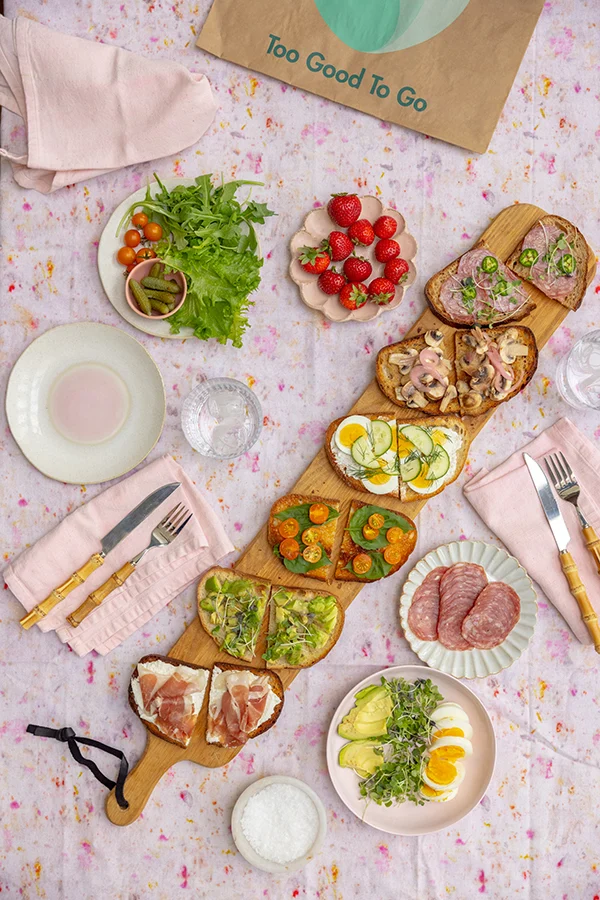
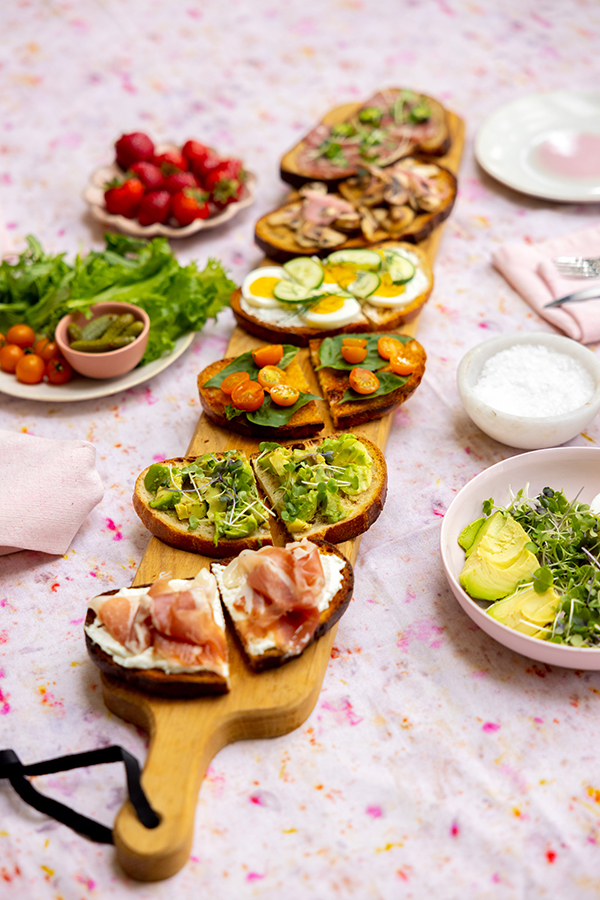
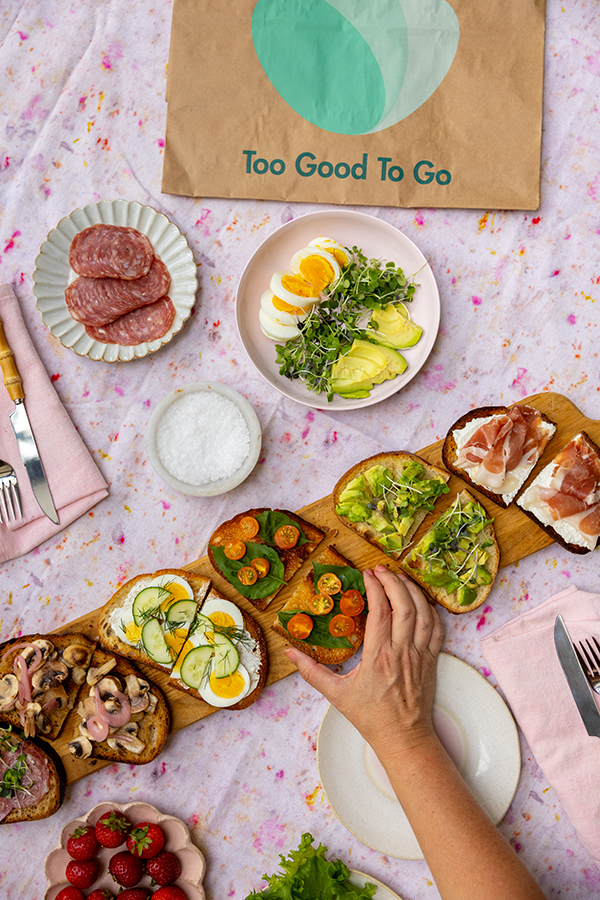
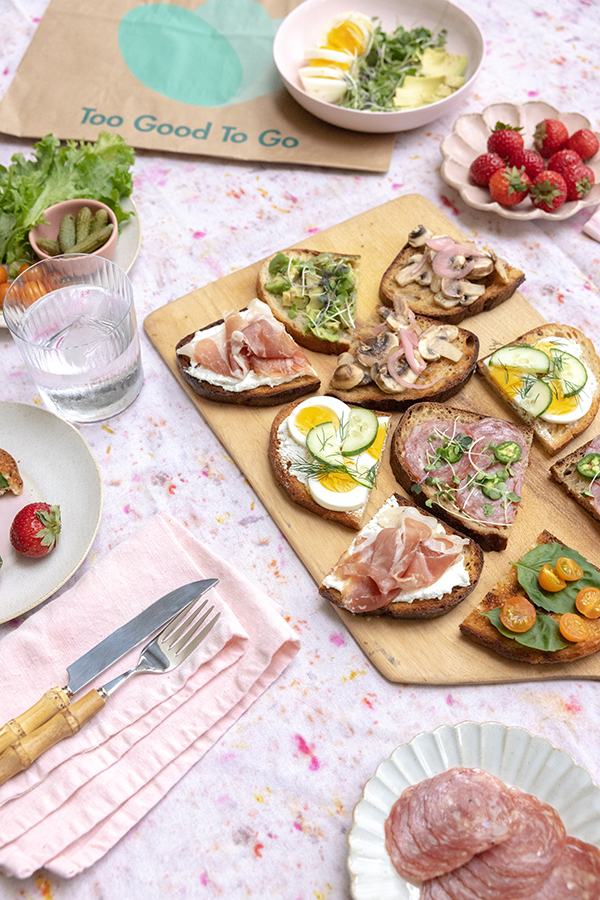
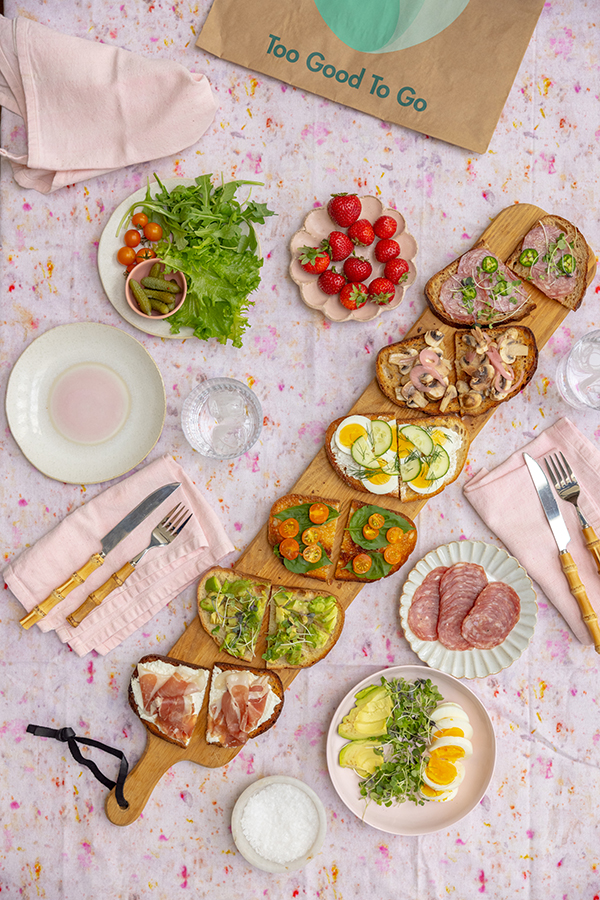
The success of a zero-waste gathering relies on culinary flexibility. Because the contents of a "Surprise Bag" are unpredictable, the host must adopt a "component-based" cooking style. The recent event utilized several sophisticated topping combinations that utilized surplus goods alongside fresh garden produce:
- Dairy and Charcuterie Integration: Ricotta cheese was paired with prosciutto and a drizzle of hot honey, utilizing the richness of the gourmet grocery finds.
- Produce Optimization: Avocado, often a high-waste item in traditional retail due to its rapid ripening, was mashed with lemon and salt, then topped with fresh sprouts to provide texture.
- Garden-to-Table Synergy: Sliced tomatoes and fresh basil, harvested directly from the garden, were seasoned with olive oil and sea salt, representing the ideal use of seasonal perishables.
- Protein and Herb Utilization: Hard-boiled eggs and sliced cucumbers were layered over a base of mayonnaise and garnished with fresh dill, demonstrating how simple deli items can be elevated through presentation.
- Heat-Treated Savories: Melted cheeses were combined with sautéed mushrooms, while soppressata was paired with jalapeños for a spicy profile.
This "make-your-own" approach serves a dual purpose: it reduces the labor required for the host and ensures that guests consume only what they intend to eat, further reducing plate waste.
Supporting Data: The Impact of Surplus Redistribution
The efficacy of apps like Too Good To Go is supported by significant operational data. As of 2023, the platform has saved over 200 million meals globally. This represents more than 500,000 tonnes of CO2e avoided. In urban centers, the density of participating vendors allows for a "hyper-local" supply chain, reducing the transportation emissions associated with food delivery services.
Market analysis suggests that the "recommerce" of food is a growing sector. Consumers, particularly those in the Millennial and Gen Z demographics, are increasingly prioritizing sustainability in their purchasing decisions. Research indicates that 73% of consumers are willing to change their consumption habits to reduce their environmental impact, provided the alternative is convenient and cost-effective. The "Surprise Bag" model hits this "sweet spot" of consumer psychology by gamifying the experience of sustainability.
Institutional and Market Responses
The shift toward zero-waste entertaining is receiving support from both the public and private sectors. Many municipalities are implementing organic waste bans in landfills, forcing businesses to find alternative outlets for surplus food. Retailers, in turn, are finding that participation in redistribution apps enhances their brand reputation.
"Partnering with surplus platforms allows us to reach a new demographic of customers who value sustainability," noted a representative from a gourmet food group. "It transforms a logistical headache—waste management—into a community engagement tool."

From a regulatory perspective, the "Good Samaritan Food Donation Act" in various jurisdictions provides liability protection for businesses that donate or sell food in good faith, even if the products are past their peak aesthetic quality. This legal framework is essential for the continued growth of the surplus food market.
Broader Implications for the Global Food System
The movement toward zero-waste gatherings is a microcosm of a larger shift in the global food system. As climate change continues to disrupt traditional agricultural cycles, the importance of "resource efficiency" becomes paramount. The transition from a linear "take-make-dispose" model to a circular one requires innovation at every level of the supply chain.
The use of surplus food for social gatherings challenges the traditional "luxury" narrative of entertaining. It proves that "gourmet" does not have to mean "newly manufactured." By valuing the ingredients that are already in the system, hosts can provide high-quality experiences that are ethically sound and economically prudent.
Furthermore, the juice industry’s involvement is particularly noteworthy. Cold-pressed juice production generates significant amounts of fibrous pulp, which is often discarded. By participating in surplus programs, these stores can move products that have high nutrient density but short shelf lives, ensuring that the energy used in their production is not wasted.

Conclusion: The Future of Sustainable Consumption
The integration of technology and culinary creativity offers a viable path forward in the fight against food waste. As demonstrated by the partnership between hosts and Too Good To Go, the barriers to sustainable living are being lowered through intuitive digital interfaces and a reimagining of what constitutes "value" in the kitchen.
The future of entertaining lies in the ability to adapt to the available resources. Whether it is through the rescue of gourmet groceries or the cultivation of a home garden, the move toward a zero-waste lifestyle is both a personal choice and a global necessity. As these platforms continue to scale, the hope is that the "Surprise Bag" will no longer be a novelty, but a standard component of a responsible and efficient global food economy.