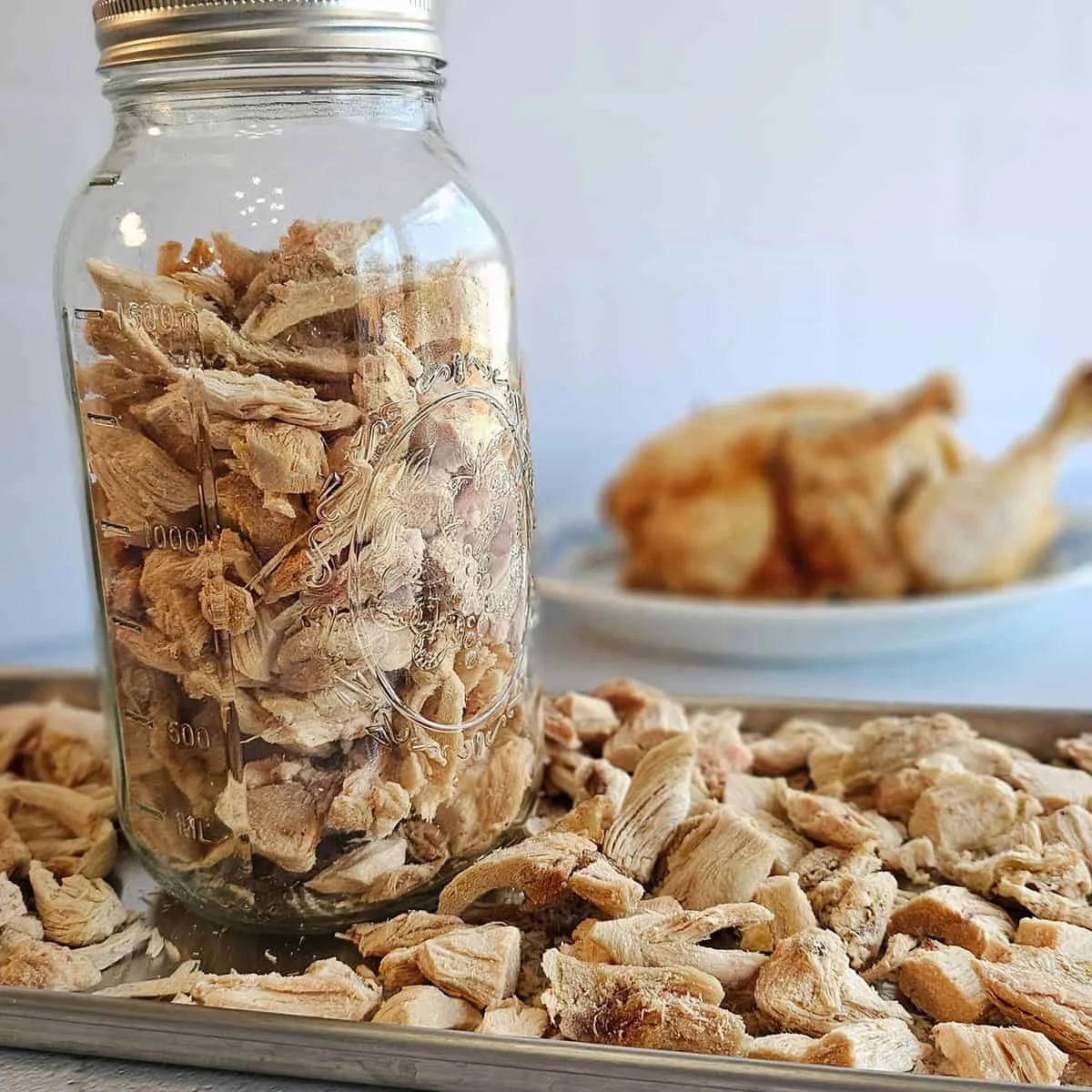
The integration of industrial-grade food preservation technology into the domestic kitchen has reached a significant milestone as more households adopt freeze-drying as a primary method for extending the shelf life of protein-dense prepared foods. Among the most popular candidates for this process is the rotisserie chicken, a retail staple that offers a unique combination of affordability, pre-cooked convenience, and nutritional density. As global food supply chains face ongoing volatility and consumer interest in emergency preparedness grows, the ability to transform a highly perishable ready-to-eat product into a shelf-stable pantry asset represents a significant shift in household economic management. By utilizing home freeze-dryers, such as those manufactured by industry leaders like Harvest Right, consumers are now able to bypass the traditional limitations of refrigeration and freezing, creating a versatile food supply that can last for years rather than days.
The Economic and Retail Context of Rotisserie Chicken
The rotisserie chicken has long served as a "loss leader" for major retailers, most notably Costco and Walmart. These companies often sell the birds at a price point that yields little to no profit margin in order to drive foot traffic into stores. According to industry data, Americans consume nearly 1 billion rotisserie chickens annually. However, the short shelf life of these birds—typically three to four days in a refrigerator—often results in significant household food waste if the meat is not consumed immediately.
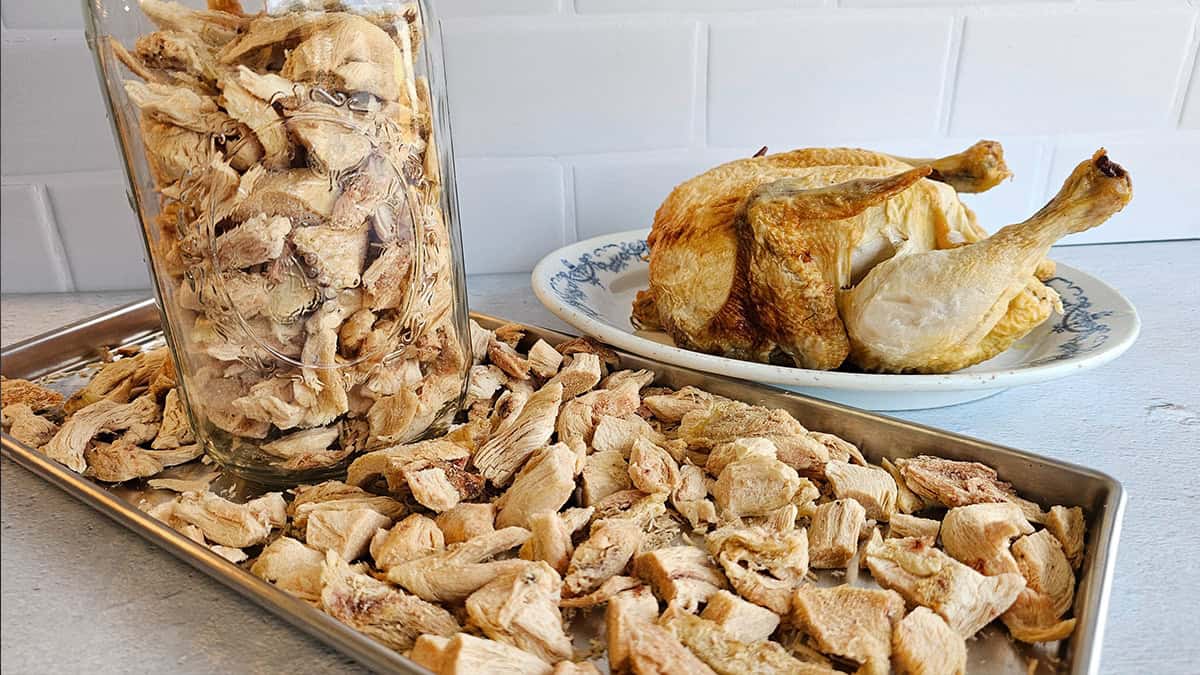
The emergence of home freeze-drying technology allows consumers to capitalize on retail cycles, specifically targeting "day-old" clearance items. When retailers mark down rotisserie chickens to make room for fresh stock, savvy consumers can acquire bulk quantities of high-quality protein at a fraction of the cost of raw poultry. By processing these chickens through a freeze-dryer, the cost-per-serving is drastically reduced, and the risk of spoilage is virtually eliminated. This practice aligns with broader trends in the "circular economy" and sustainable living, where the goal is to maximize the utility of every purchased calorie.
The Science and Chronology of the Freeze-Drying Process
Unlike traditional dehydration, which uses heat to evaporate moisture and can often result in a leathery texture and loss of nutrients, freeze-drying—or lyophilization—relies on the principle of sublimation. This process involves freezing the food and then reducing the surrounding pressure to allow the frozen water in the material to transform directly from the solid phase to the gas phase. This preserves the cellular structure of the chicken, ensuring that when it is rehydrated, it retains a texture nearly identical to its original state.
Phase One: Preparation and Nutrient Extraction
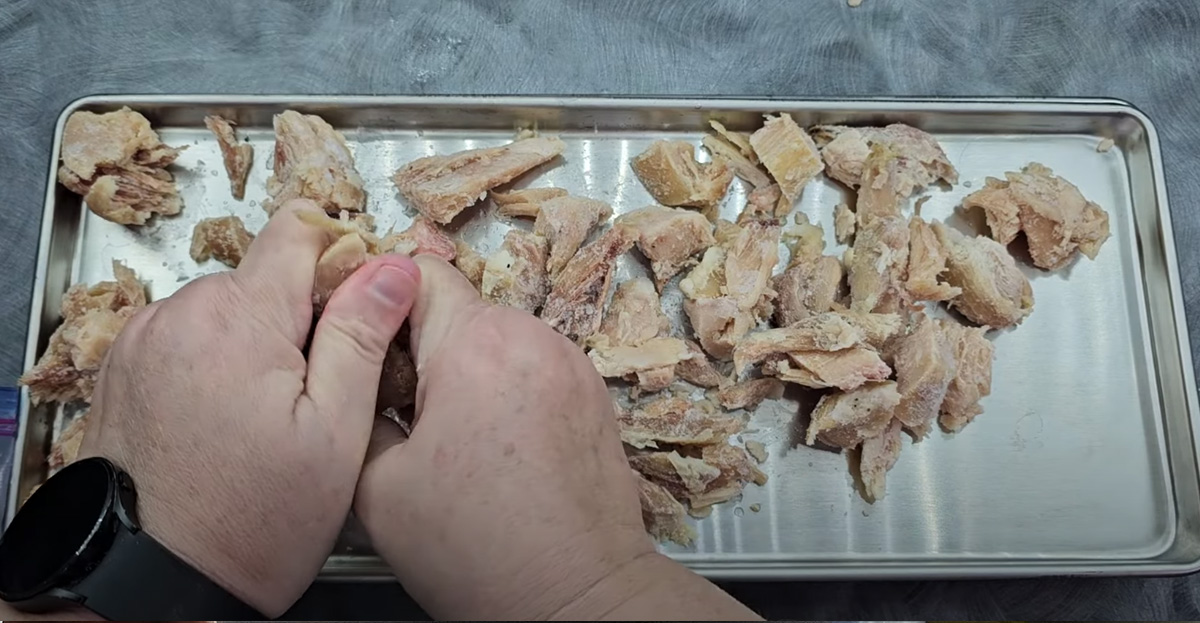
The process begins with the systematic stripping of the carcass. To ensure optimal results and food safety, the skin, visible fat, and bones must be removed. While the meat is destined for the freeze-dryer, the byproduct—the bones and connective tissue—is frequently utilized to create bone broth. This broth can subsequently be concentrated and freeze-dried into bouillon, ensuring a zero-waste outcome. Experts recommend cutting the meat into uniform, bite-sized pieces of approximately one inch or smaller. This uniformity is critical for consistent drying and efficient rehydration.
Phase Two: The Pre-Freezing Cycle
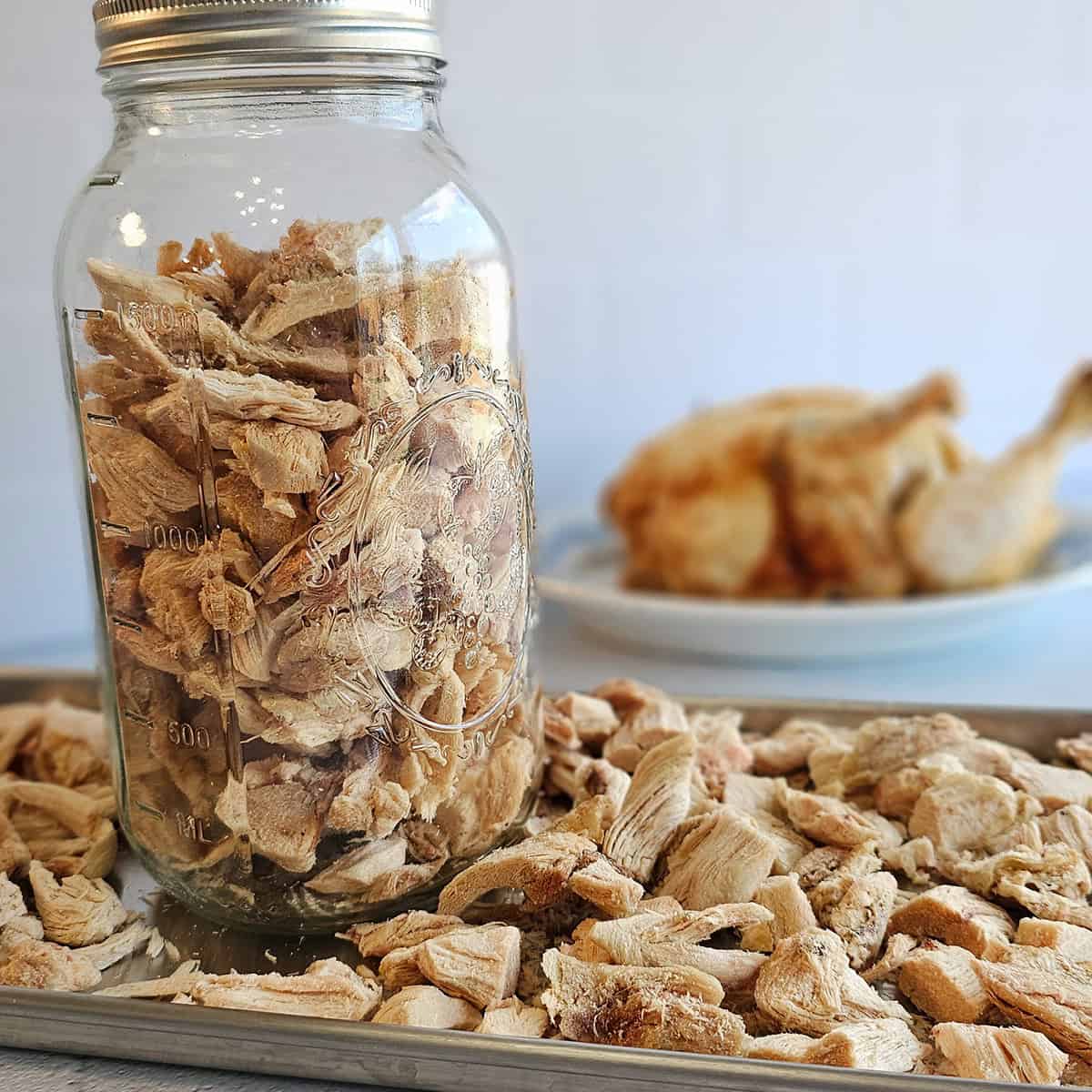
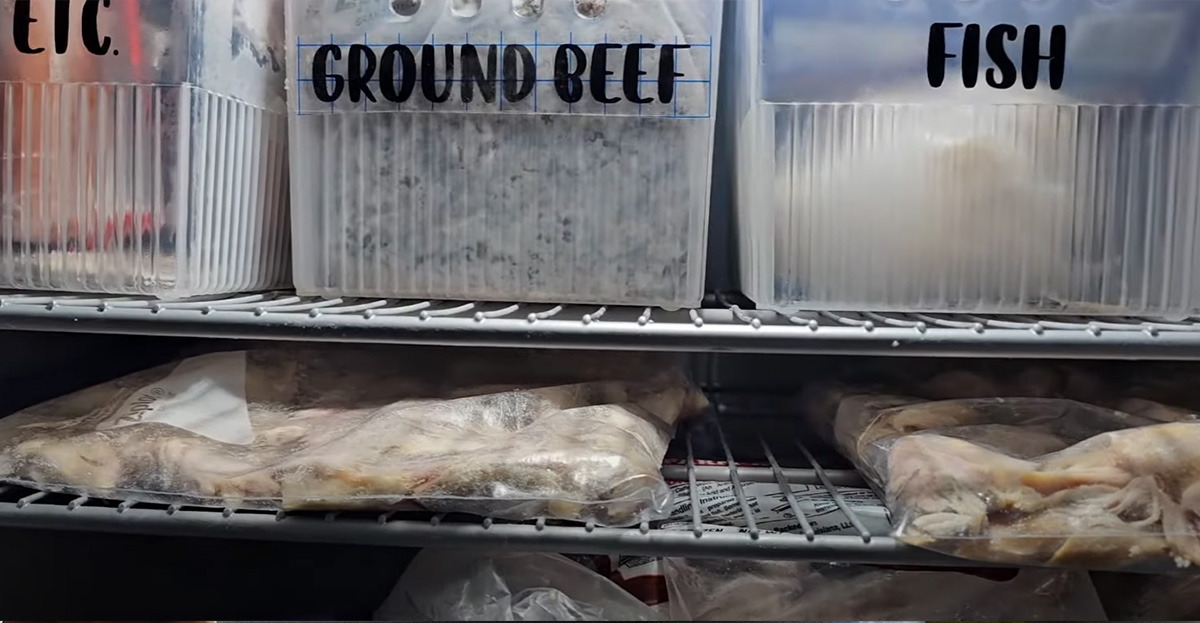
While modern freeze-dryers can handle the entire freezing and drying process, industry best practices suggest a pre-freezing stage. By placing the prepared chicken pieces in a conventional deep freezer for up to 24 hours, the total run time of the freeze-drying machine is significantly reduced. This not only saves energy but also reduces wear and tear on the vacuum pump and compressor. Advanced users often designate specific zones in chest freezers to accommodate freeze-dryer trays, allowing for a seamless transition from the freezer to the vacuum chamber.
Phase Three: Sublimation and Testing
Once the trays are loaded into the machine, the unit initiates a vacuum and gradually warms the trays while the chamber remains at sub-zero temperatures. This cycle typically lasts between 24 and 48 hours depending on the density of the meat and the initial moisture content. Testing the final product is a critical safety step; the chicken must be brittle and show no signs of internal moisture. A common analytical method used by practitioners is the "weight-stability test," where trays are weighed at two-hour intervals at the end of the cycle. If no further weight loss is recorded, the sublimation of water is complete.
Storage Specifications and Longevity Analysis
The primary challenge in preserving rotisserie chicken lies in its fat content. While freeze-drying is highly effective for lean meats, the oils and fats present in rotisserie chicken (particularly in dark meat cuts like thighs and legs) do not freeze-dry. Fat can go rancid over time even in a vacuum-sealed environment. Consequently, while some freeze-dried vegetables can last 25 years, rotisserie chicken is generally categorized as a medium-term storage item.
Current data suggests that freeze-dried rotisserie chicken maintains peak quality for six months to two years, depending on the precision of the storage environment. To maximize this window, the meat must be stored in airtight containers—typically Mylar bags or glass canning jars. The use of oxygen absorbers (O2 absorbers) is mandatory for long-term storage, as they remove any residual oxygen that could lead to lipid oxidation. For immediate pantry use, vacuum-sealing jars is a common and effective practice, provided the food is kept in a cool, dark location.
Technical Data and Rehydration Metrics
One of the most significant advantages of freeze-dried chicken over dehydrated alternatives is the volumetric consistency. Unlike dehydration, which causes significant shrinkage, freeze-dried chicken maintains its original size and shape. This allows for a 1:1 substitution ratio in culinary applications. If a recipe calls for one cup of cooked chicken, the cook can simply measure one cup of freeze-dried chicken.
Rehydration Protocols:
- Hot Rehydration: This method involves simmering the chicken in a skillet with a small amount of broth or water. The porous structure of the freeze-dried meat acts as a sponge, absorbing the liquid in minutes.
- Cold Rehydration: For use in salads or cold dishes, the chicken is submerged in liquid and placed in a refrigerator. This allows for a slower, more even absorption of moisture.
- Nutritional Retention: Studies on lyophilized meats show that nearly 97% of the original vitamins and minerals are retained, making it nutritionally superior to canned or heavily processed "shelf-stable" meat products found in commercial grocery aisles.
Broader Impact on Food Security and Emergency Preparedness
The rise of home-based freeze-drying represents a democratization of food technology that was previously reserved for the military and aerospace industries. In the context of disaster preparedness, freeze-dried rotisserie chicken provides a high-protein, "ready-to-eat" solution that requires minimal fuel to prepare. As climate-related supply chain disruptions become more frequent, the ability for a household to maintain a "living pantry" of pre-cooked proteins is increasingly viewed as a necessary component of modern resilience.
Furthermore, the environmental impact of reducing food waste cannot be overstated. By converting near-expiry retail products into long-term assets, consumers are actively participating in a more efficient food distribution model. This shift also reflects a change in consumer behavior toward "active preservation," where the household takes a proactive role in the processing and storage of their food supply rather than relying solely on "just-in-time" retail delivery.
Implications for the Future of Home Preservation
As the market for home freeze-dryers continues to expand, it is expected that more specialized techniques for meat preservation will emerge. Manufacturers are already responding to this demand by developing more energy-efficient units and more sophisticated sensors to detect moisture levels. The rotisserie chicken serves as the "entry-level" protein for many of these machine owners due to its low barrier to entry and high success rate.
In conclusion, the practice of freeze-drying rotisserie chicken is more than a culinary trend; it is a sophisticated response to economic pressures and a commitment to food waste reduction. By applying scientific principles of sublimation and rigorous storage protocols, the modern household can transform a simple grocery store purchase into a durable, nutritious, and versatile resource. As this technology becomes more accessible, the definition of a "stocked pantry" will continue to evolve from simple canned goods to high-quality, chef-ready ingredients that bridge the gap between convenience and long-term security.