The resurgence of home-based fermentation has reached a seasonal peak as health-conscious consumers and culinary enthusiasts turn to cranberry orange kombucha as a primary functional beverage for the winter months. Combining the probiotic benefits of traditional fermented tea with the high antioxidant profile of seasonal North American cranberries, this specific second-fermentation process represents a intersection of ancient preservation techniques and modern nutritional science. As the winter season traditionally sees a rise in immune-system challenges and digestive sluggishness due to heavier holiday diets, the introduction of tart, vitamin-rich ferments offers a strategic dietary intervention.
The Rise of Functional Home Fermentation
Kombucha, a fermented tea beverage produced through the symbiotic culture of bacteria and yeast (SCOBY), has transitioned from a niche health food product to a multi-billion dollar global industry. Market analysts suggest that the global kombucha market is expected to grow at a compound annual growth rate (CAGR) of approximately 15% through 2030. However, a significant subset of the market is shifting toward home production. This shift is driven by a desire for flavor customization and the ability to control sugar content, particularly during the winter months when seasonal fruits like cranberries are at their nutritional zenith.
The process of creating a cranberry orange second ferment involves taking a completed primary ferment—usually black or green tea-based—and introducing a fruit-based syrup. This secondary stage is critical not only for flavor but for the development of natural carbonation. When the yeast in the kombucha consumes the sugars in the cranberry-orange mixture within a sealed environment, it produces carbon dioxide, resulting in the characteristic "fizz" that rivals commercial sodas without the need for artificial additives.
Nutritional Profile and Clinical Context
The integration of cranberries into the fermentation cycle is supported by a wealth of clinical data regarding the berry’s health properties. Cranberries are prolific sources of proanthocyanidins (PACs), specifically Type-A PACs, which are unique to the fruit. Research published in various medical journals has demonstrated that these compounds prevent the adhesion of certain bacteria, such as E. coli, to the walls of the urinary tract, thereby acting as a preventative measure against urinary tract infections (UTIs).
Furthermore, the winter season often necessitates an increased intake of Vitamin C. A single serving of the cranberry-orange syrup used in this fermentation process provides a concentrated dose of ascorbic acid, supplemented by the bioflavonoids found in the orange zest and juice. When these are fermented, the bioavailability of certain nutrients can increase, and the presence of live probiotic strains—including Gluconacetobacter and various Lactobacillus species—supports the gut-brain axis and strengthens the intestinal barrier.
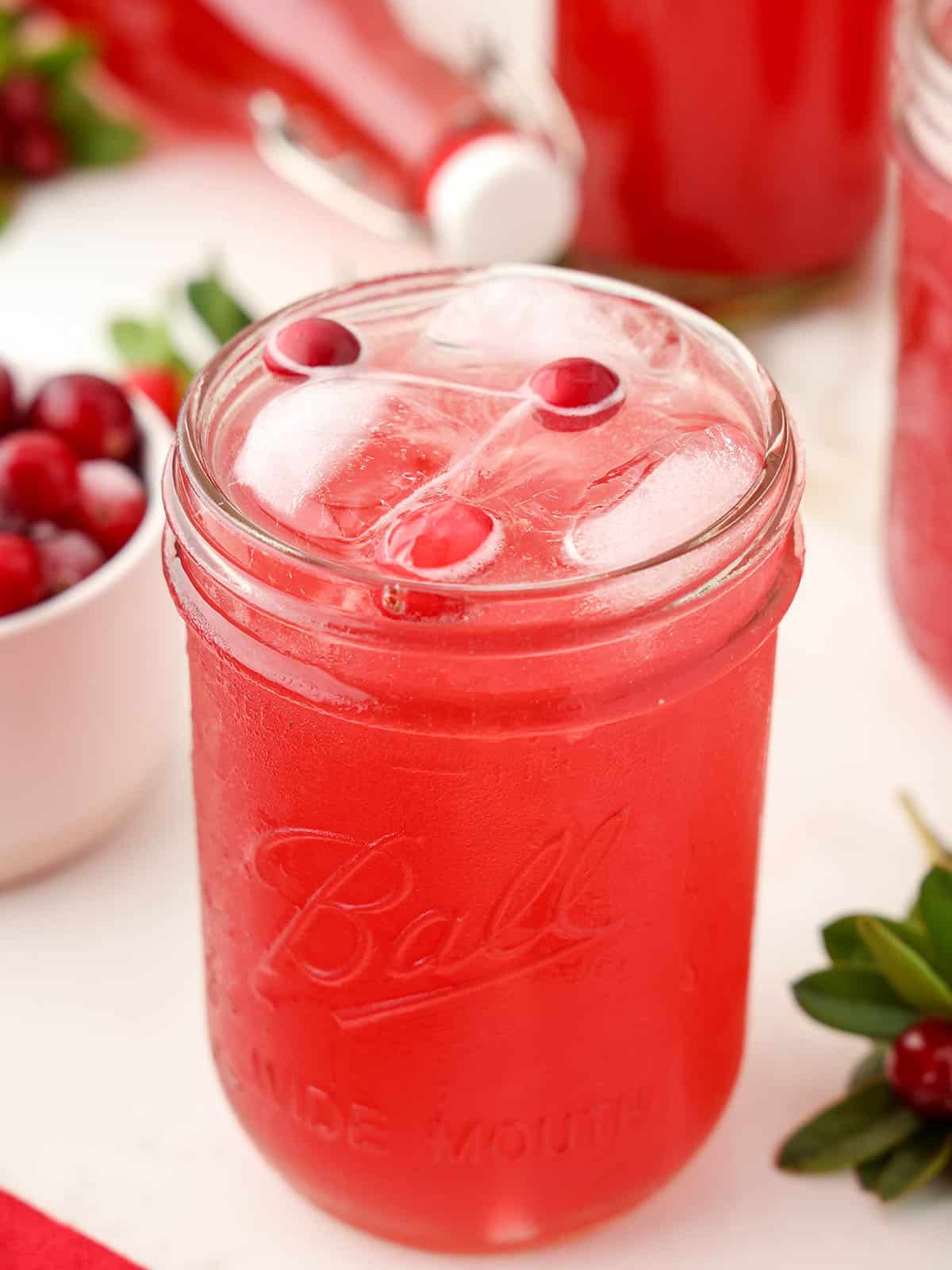
Technical Chronology of the Cranberry Fermentation Process
The production of this seasonal beverage follows a strict two-phase chronological order to ensure safety, flavor profile, and optimal carbonation.
Phase I: The Primary Fermentation
Before the cranberry infusion begins, a primary ferment must be completed. This involves steeping Camellia sinensis (black or green tea) in hot water, dissolving cane sugar, and introducing the SCOBY once the liquid has cooled to room temperature. This initial phase typically lasts between seven and 21 days, depending on ambient temperature. During this time, the SCOBY converts the sucrose into organic acids, including acetic, gluconic, and glucuronic acids, creating a tart base ready for flavoring.

Phase II: Preparation of the Cranberry-Orange Infusion
The second phase begins with the creation of a specialized syrup. Unlike raw fruit additions, which can lead to inconsistent fermentation, a cooked syrup ensures a more stable distribution of sugars and flavors.
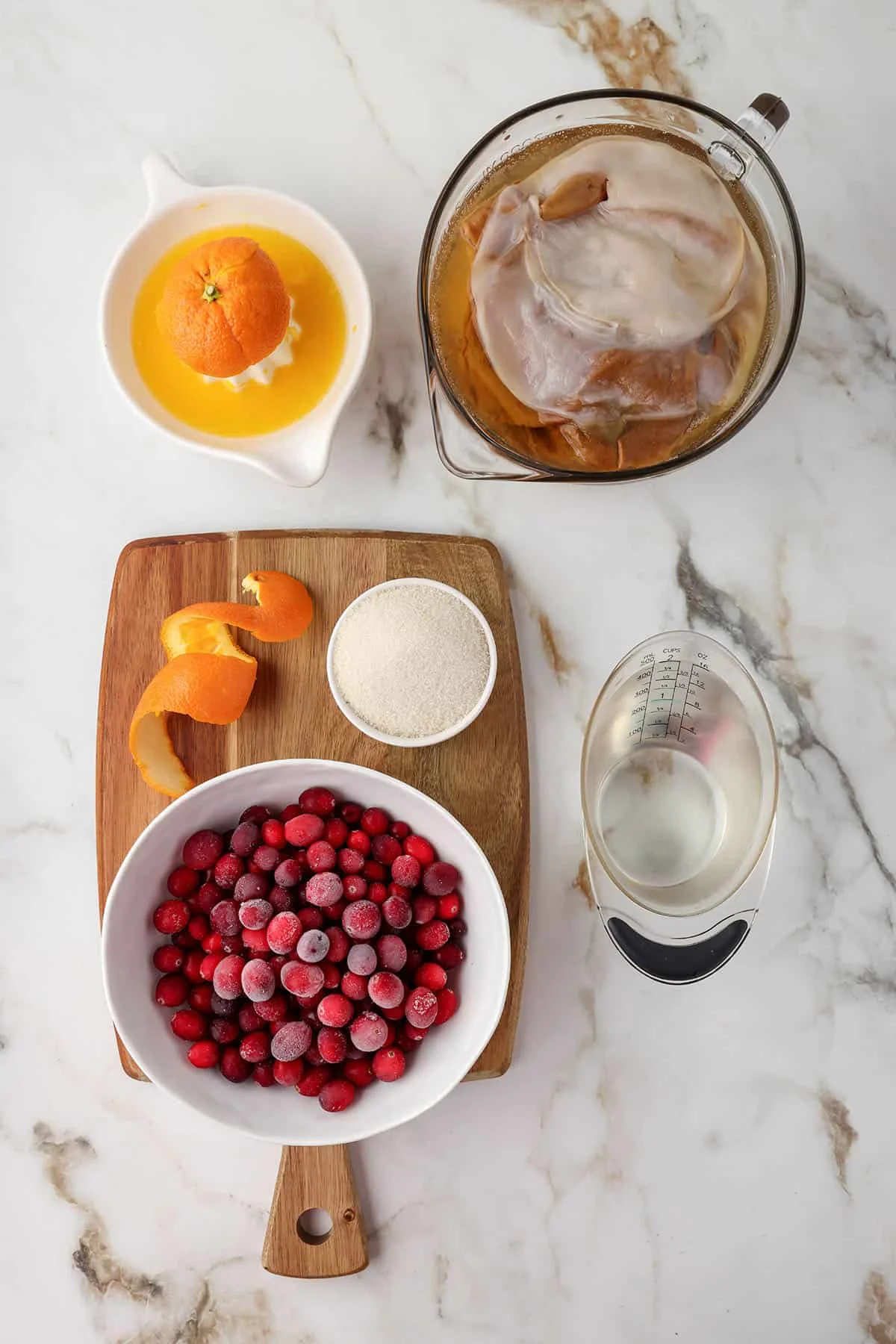
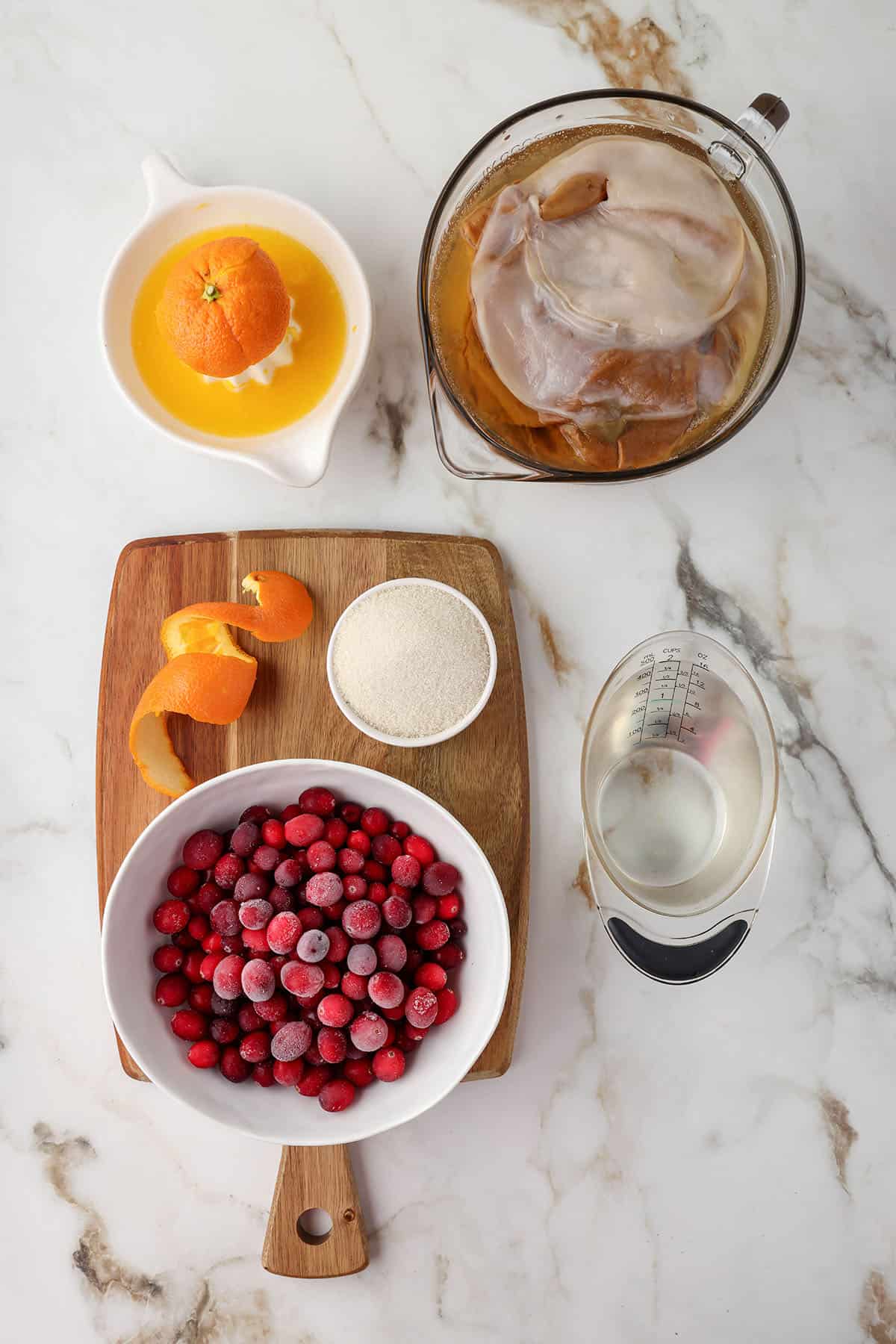
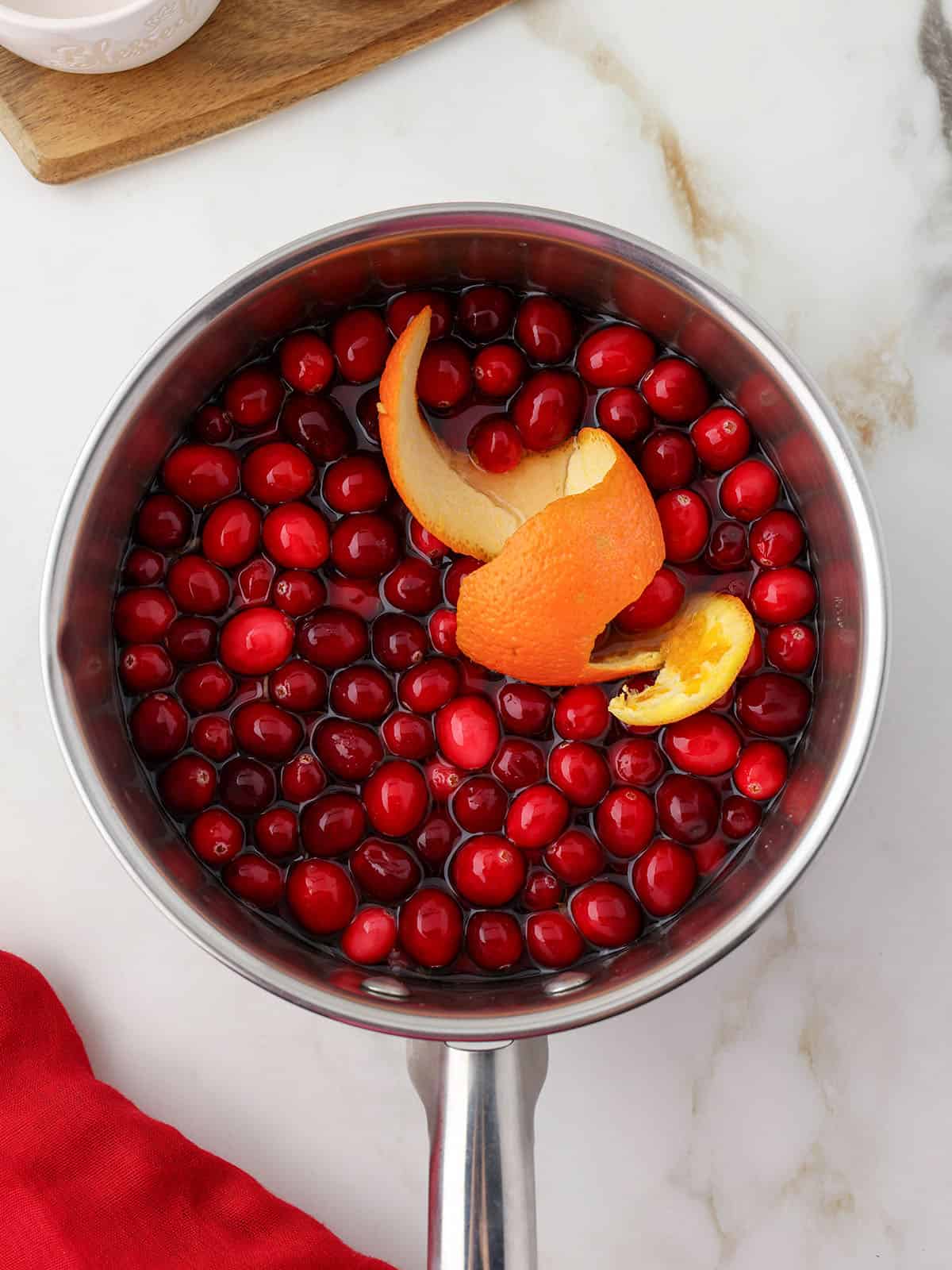
- Syrup Assembly: Two cups of fresh or frozen cranberries are combined with one cup of organic cane sugar, the juice of one large orange, and the zest (peel) of that orange.
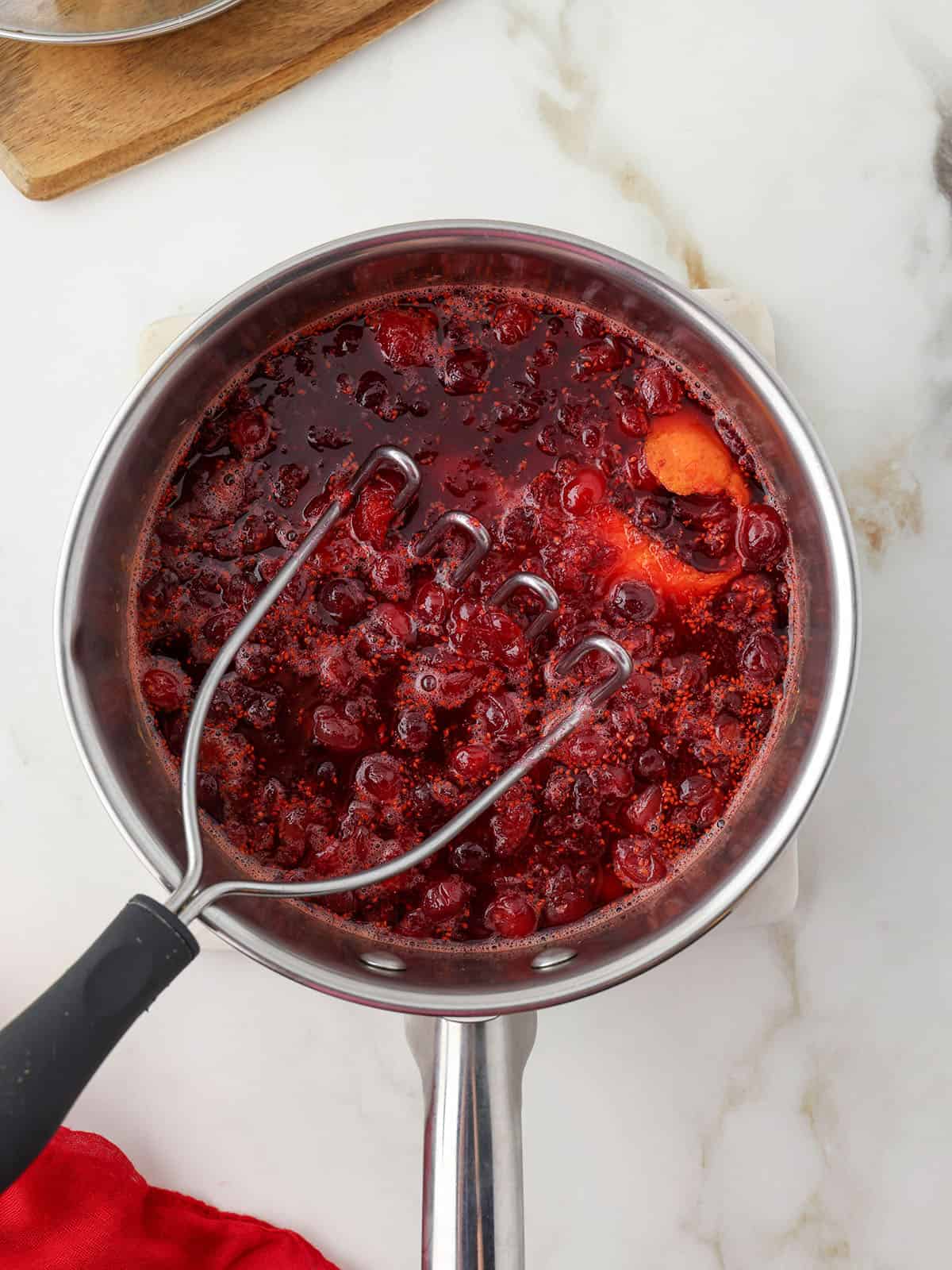
- Thermal Extraction: The mixture is brought to a simmer on medium heat. This heat serves to break down the tough outer skin of the cranberries, releasing pectin and anthocyanins (the pigments responsible for the deep red color).
- Maceration and Infusion: After simmering for five to seven minutes, the heat is deactivated, and the berries are manually mashed. The mixture is allowed to steep for 15 minutes, ensuring the volatile oils from the orange peel fully integrate into the syrup.
- Filtration: The resulting mixture is strained through a fine-mesh sieve and cheesecloth. This step is vital for clarity and to prevent "floaties" in the final bottled product.
Phase III: The Second Ferment and Carbonation
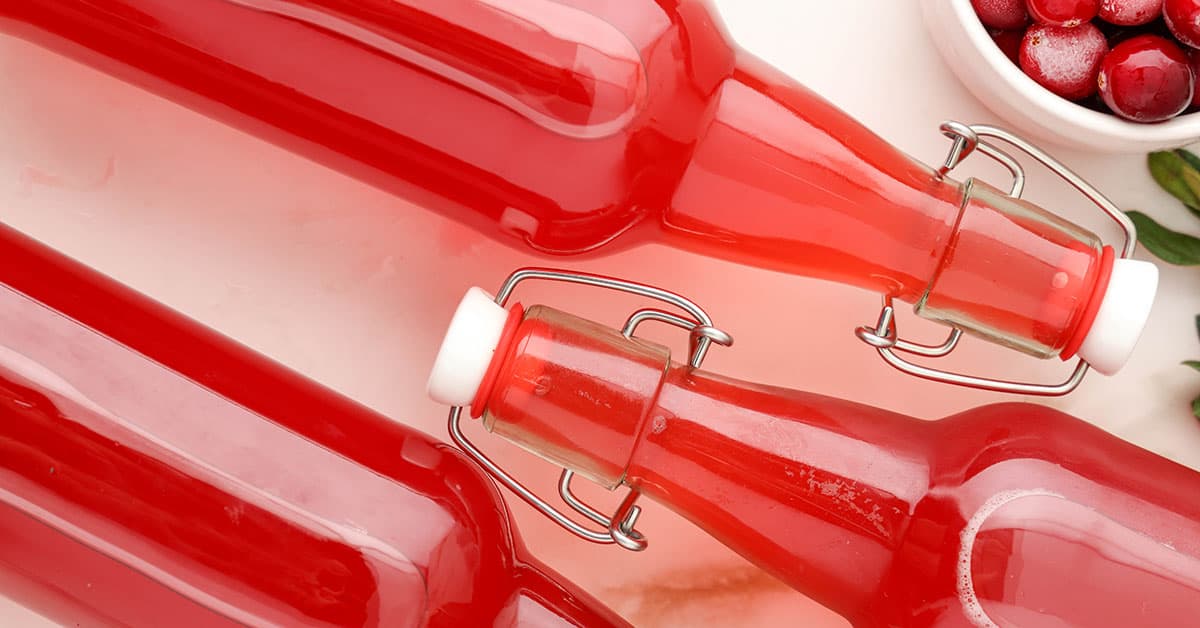
Once the syrup is cooled, it is integrated with the primary kombucha. For a standard batch, approximately two cups of syrup are mixed with seven cups of fermented tea. The mixture is then transferred into "swing-top" or "Grolsch-style" bottles, which are designed to withstand the internal pressure generated by CO2.
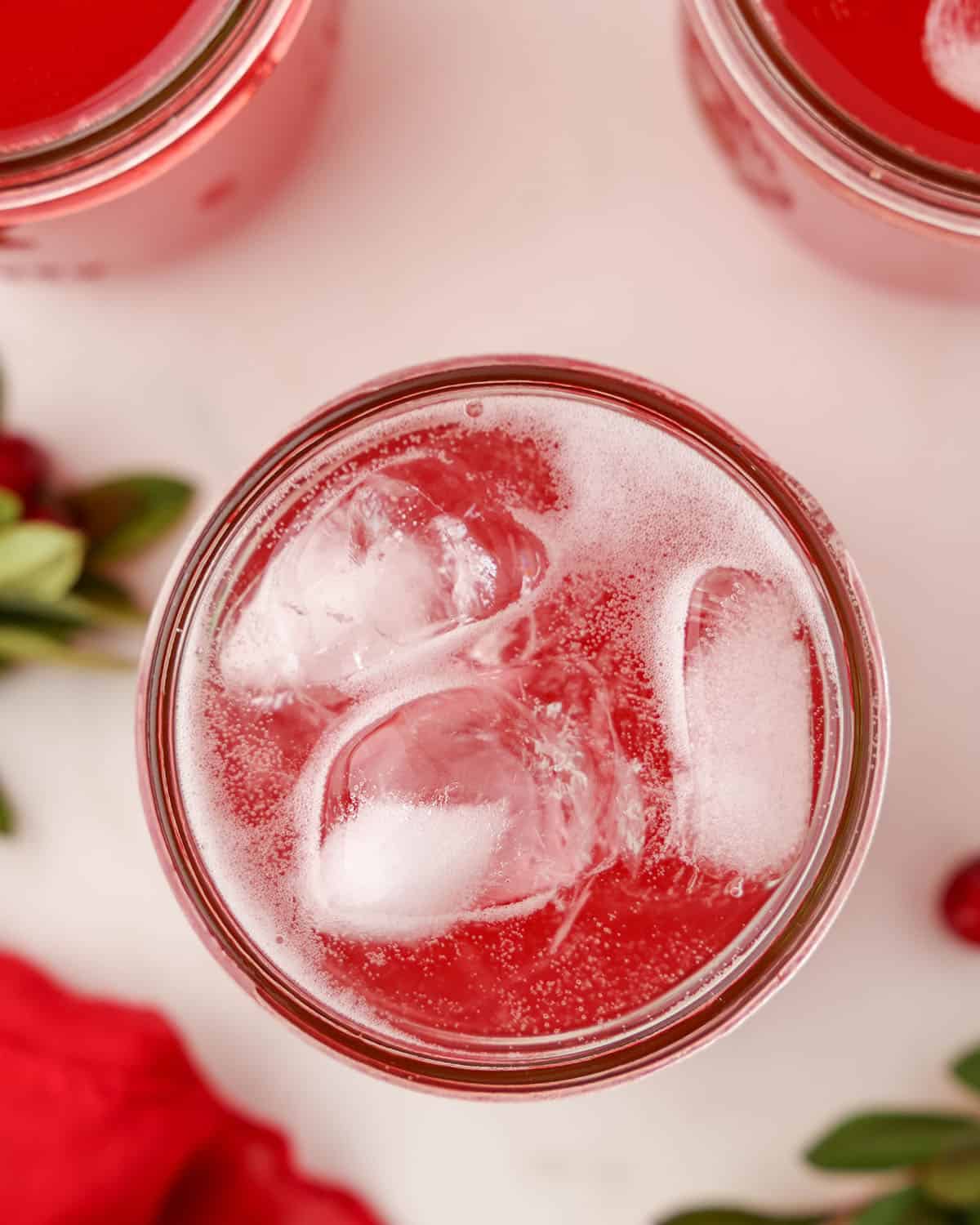
The bottles are stored in a dark environment at room temperature for a period of two to three days. This is the "active" phase of the second ferment. Experts in home fermentation recommend "burping" the bottles—briefly opening the seal—once every 24 hours to assess carbonation levels and prevent the risk of "bottle bombs," which can occur if the pressure exceeds the structural integrity of the glass.
Economic and Environmental Impact
The move toward home-brewing cranberry kombucha also carries economic implications. Commercial functional beverages often retail for $3.00 to $5.00 per 16-ounce bottle. By utilizing seasonal produce and bulk tea, home brewers can reduce this cost to less than $0.50 per serving. From an environmental perspective, the use of reusable glass swing-top bottles significantly reduces the carbon footprint associated with the single-use plastic and aluminum packaging prevalent in the retail beverage sector.
Furthermore, the "zero-waste" potential of this specific recipe is high. The cranberry pulp remains after straining the syrup. Journalistic observation of culinary trends shows that this pulp is increasingly repurposed into "fermentation jams" or fruit leathers, ensuring that the fiber content of the fruit is not discarded.
Safety and Quality Control Standards
While home fermentation is generally safe, it requires adherence to specific hygiene standards to prevent the growth of pathogenic molds or bacteria. Professional brewers and food safety experts emphasize the following:
- Sterilization: All equipment, including pitchers, funnels, and bottles, must be thoroughly cleaned.
- pH Monitoring: The final kombucha should ideally maintain a pH between 2.5 and 3.5. This acidity acts as a natural preservative, inhibiting the growth of harmful organisms like Clostridium botulinum.
- Temperature Regulation: Fermentation is a temperature-dependent biological process. If the environment is too cold (below 65°F), the yeast may become dormant; if too hot (above 85°F), the flavor may become overly yeasty or vinegar-like.
Broader Implications for the Functional Beverage Market
The popularity of cranberry orange kombucha highlights a broader shift in consumer behavior. Modern consumers are increasingly looking for "beverages with benefits"—drinks that serve a purpose beyond simple hydration. By incorporating ingredients traditionally associated with herbalism and holiday traditions into a probiotic framework, home brewers are creating a new category of "seasonal functionalism."
The reaction from the wellness community has been overwhelmingly positive. Nutritionists note that the tartness of the cranberry serves as a natural palate cleanser, which can be particularly beneficial after the consumption of high-fat holiday meals. Additionally, the orange peel provides d-limonene, a compound studied for its potential to aid in gastric reflux relief and liver detoxification.
Conclusion
Cranberry orange kombucha is more than a seasonal recipe; it is a testament to the enduring relevance of fermented foods in the human diet. By following a structured, scientifically-grounded process of second fermentation, individuals can produce a high-quality, carbonated beverage that supports immune health, urinary tract function, and digestive wellness. As the winter season progresses, the sight of deep-red, bubbling bottles in kitchens across the country signals a return to self-sufficiency and a deeper understanding of the biological alchemy that occurs when fruit, tea, and time converge.
This trend is expected to continue evolving, with future iterations potentially incorporating winter spices such as cinnamon or clove, further blurring the lines between traditional apothecary and modern gastronomy. For now, the cranberry orange ferment remains a gold standard for winter health, offering a bright, tart, and fizzy defense against the darker days of the year.