
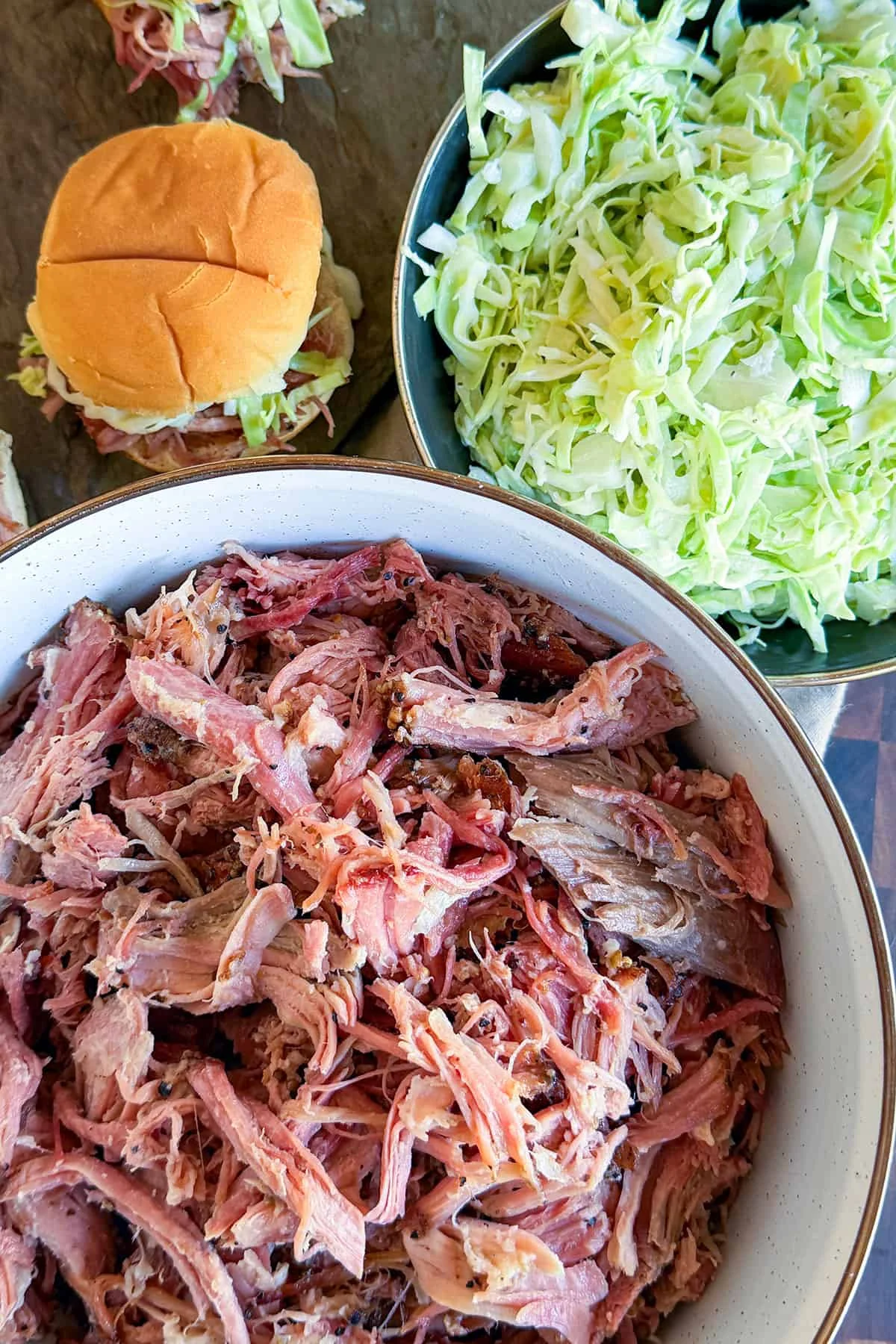
The culinary world is constantly evolving, with traditional techniques being reinterpreted and celebrated. One such revival involves a beloved smoked meat: pastrami. While most commonly associated with beef brisket, this article delves into the nuanced process of crafting exceptional pork pastrami, transforming humble pork shoulder into a flavorful, juicy delight perfect for sandwiches and beyond. This comprehensive guide explores the essential steps, from the meticulous brining and seasoning to the patient smoking and resting, offering a deep dive into a technique that promises to elevate any barbecue spread.
Understanding Pastrami: Beyond the Beef
Pastrami, a cured and smoked meat, has a rich history, with its origins often traced back to Eastern European Jewish traditions. Historically, beef brisket or navel was the preferred cut due to its marbling and ability to withstand the lengthy curing and smoking process. However, the fundamental principles of pastrami preparation—brining for preservation and flavor, followed by a low-and-slow smoking process—can be applied to a variety of proteins. Pork, with its inherent richness and fat content, offers a unique and rewarding canvas for this culinary transformation. Pork shoulder, also known as pork butt, is particularly well-suited due to its abundant connective tissue and fat, which break down during the cooking process to yield incredibly tender and moist meat. Other pork cuts like pork loin or pork belly can also be utilized, each offering a distinct texture and flavor profile.
The Pork Pastrami Process: A Multi-Day Commitment to Flavor
Creating authentic pork pastrami is not a dish for the impatient. It requires a significant time investment, typically spanning several days to ensure the proper development of flavor and texture. This meticulous process can be broken down into distinct phases: brining, seasoning, smoking, and resting. Each step is critical to achieving the desired outcome of a succulent, richly flavored, and tender finished product.

Step 1: The Art of the Brine
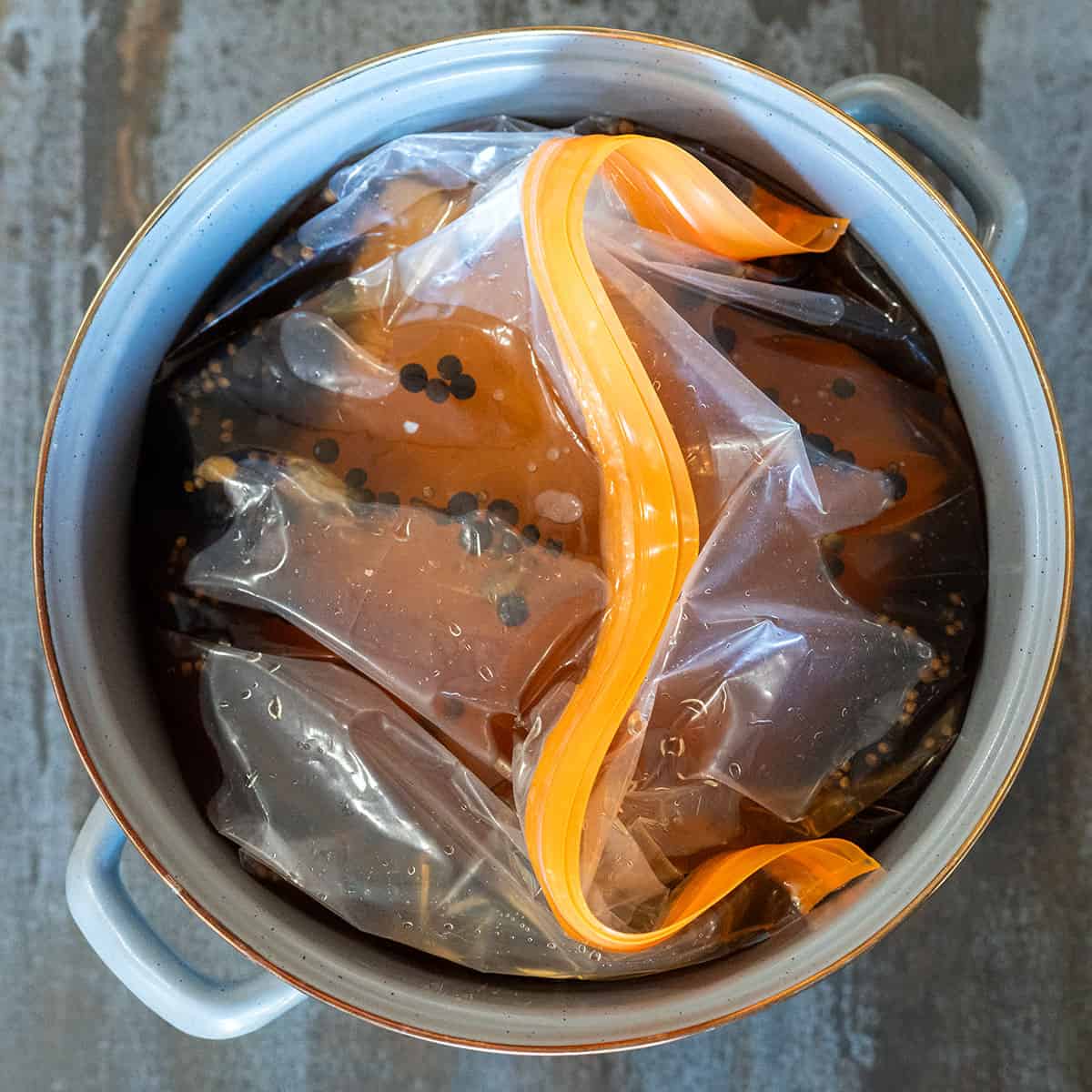
The foundation of exceptional pastrami lies in its brine. This crucial step not only seasons the meat from within but also aids in its preservation and moisture retention. The brine typically consists of a carefully balanced mixture of water, salt, sugar, and a blend of spices. For pork pastrami, a common brine recipe involves dissolving kosher salt and brown sugar in simmering water, allowing the mixture to cool completely before use. The pork shoulder is then submerged in this cooled brine, typically within a specialized meat preparation bag to ensure full immersion and prevent contamination. This brining period is extensive, often lasting for five to six days, allowing the salt and flavorings to penetrate deep into the meat. This extended soak is vital for larger cuts like an 8-10 pound pork butt, ensuring even curing and seasoning throughout. Smaller cuts, such as pork tenderloin, might require a shorter brining time of three to four days.
A key component in many pastrami brines is pink curing salt, also known as Prague powder. Pink salt #1, which contains sodium nitrite, plays a critical role in inhibiting bacterial growth and imparting the characteristic reddish-pink hue to cured meats. It is essential for food safety in extended curing processes and contributes to the unique flavor profile of pastrami. It’s important to note the distinction between Pink Salt #1 and Pink Salt #2, as the latter contains sodium nitrate and is used for longer-cured products like salami.

Pro Tip: To ensure the pork shoulder is completely submerged in the brine, it is advisable to place the meat preparation bag within a large pot or a food-safe container. This prevents any part of the meat from being exposed to the air, which could lead to uneven curing or spoilage.
Step 2: The Seasoning Ritual
Once the brining process is complete, the pork shoulder is removed from the brine. It is then thoroughly rinsed under cold water to remove any excess salt from the surface. Following this, the meat is patted dry with paper towels. This drying step is crucial for allowing the subsequent seasoning to adhere effectively and for the formation of a desirable bark during the smoking process.
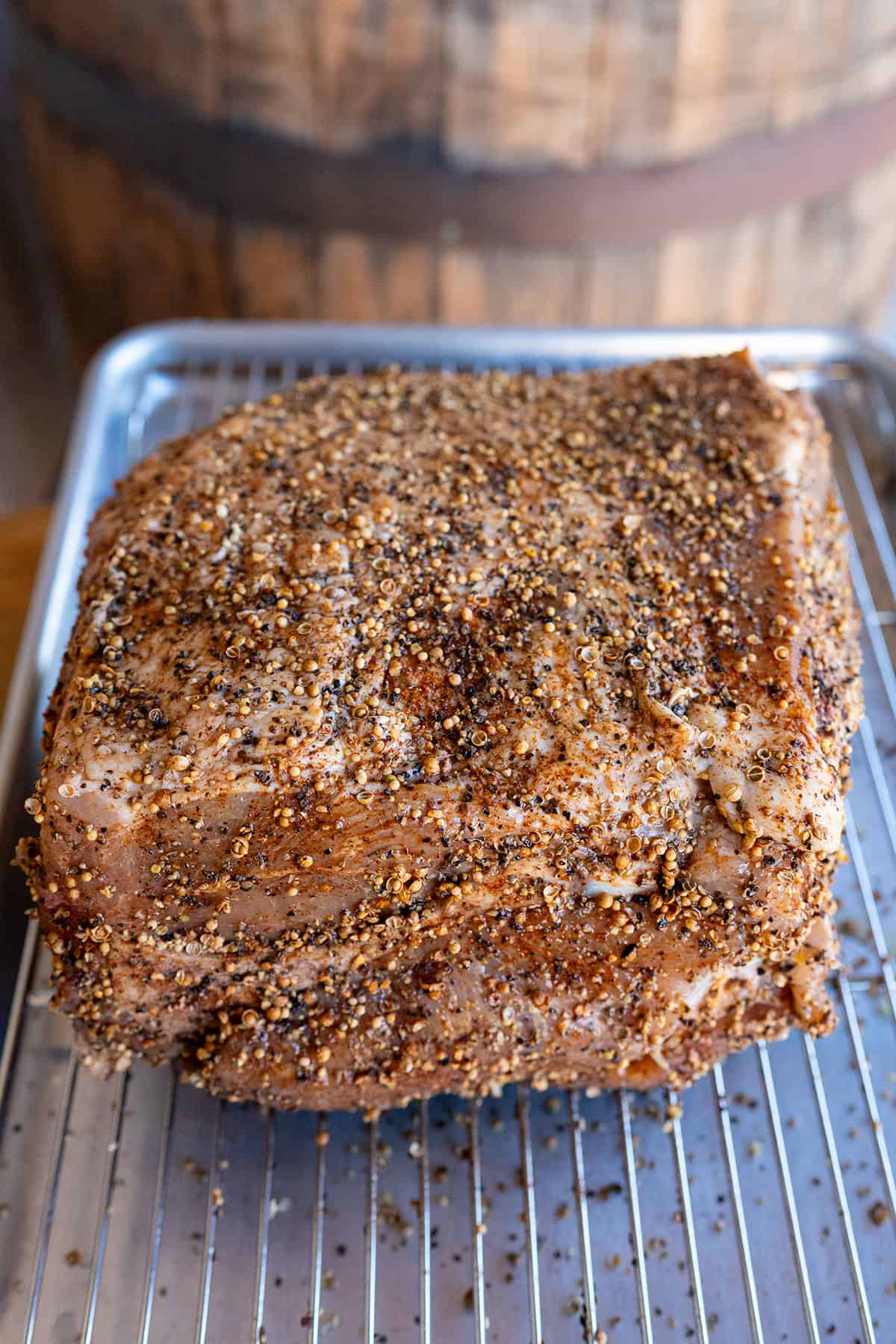
The pork is then generously seasoned with a specialized pastrami rub. This rub is often a salt-free blend, designed to complement the savory notes developed during brining. Common ingredients in a pastrami rub include black peppercorns, coriander seeds, mustard seeds, sugar, paprika, and garlic powder. The rub is applied liberally to all surfaces of the pork shoulder. After seasoning, the meat is placed on a rack set over a baking sheet. It is then refrigerated, uncovered, for an additional day. This dry-curing period allows the rub to adhere firmly to the meat and begins the process of forming a flavorful crust.
Step 3: The Patient Smoke
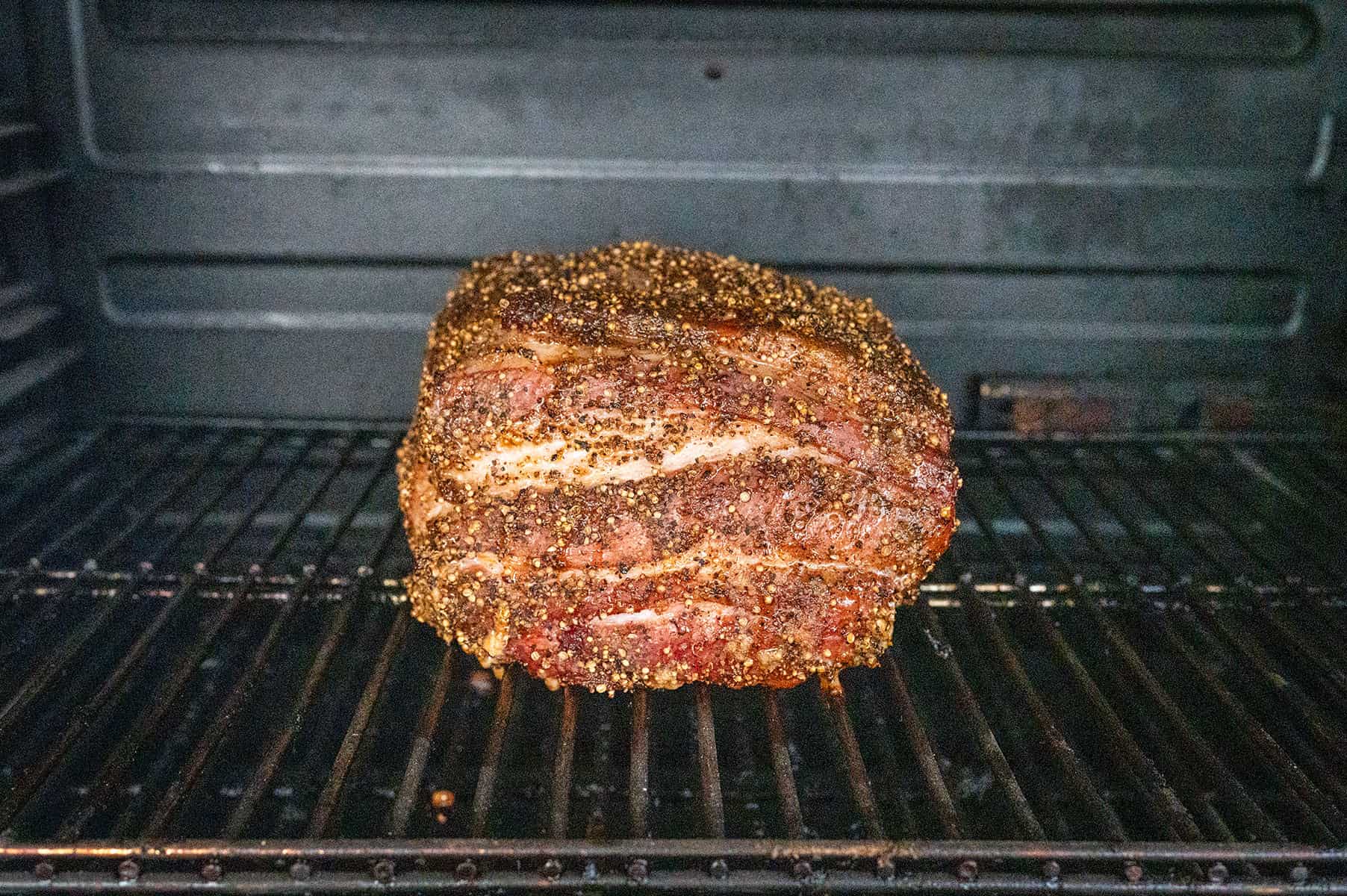
The smoking phase is where the pork pastrami truly begins to develop its iconic smoky flavor and tender texture. The smoker is preheated to a moderate temperature, typically around 275°F (135°C). The seasoned pork shoulder is placed directly on the smoker grates, ideally with the fat cap facing upwards to allow the rendered fat to baste the meat as it cooks. The cooking is done over indirect heat to prevent the exterior from burning before the interior is cooked through.
The initial smoking period continues until the internal temperature of the pork reaches between 150°F and 160°F (65°C to 71°C). This stage can take approximately four hours, depending on the size and thickness of the pork shoulder. Monitoring the internal temperature with a reliable meat thermometer is essential for ensuring the meat is progressing as expected.
Step 4: The Protective Wrap
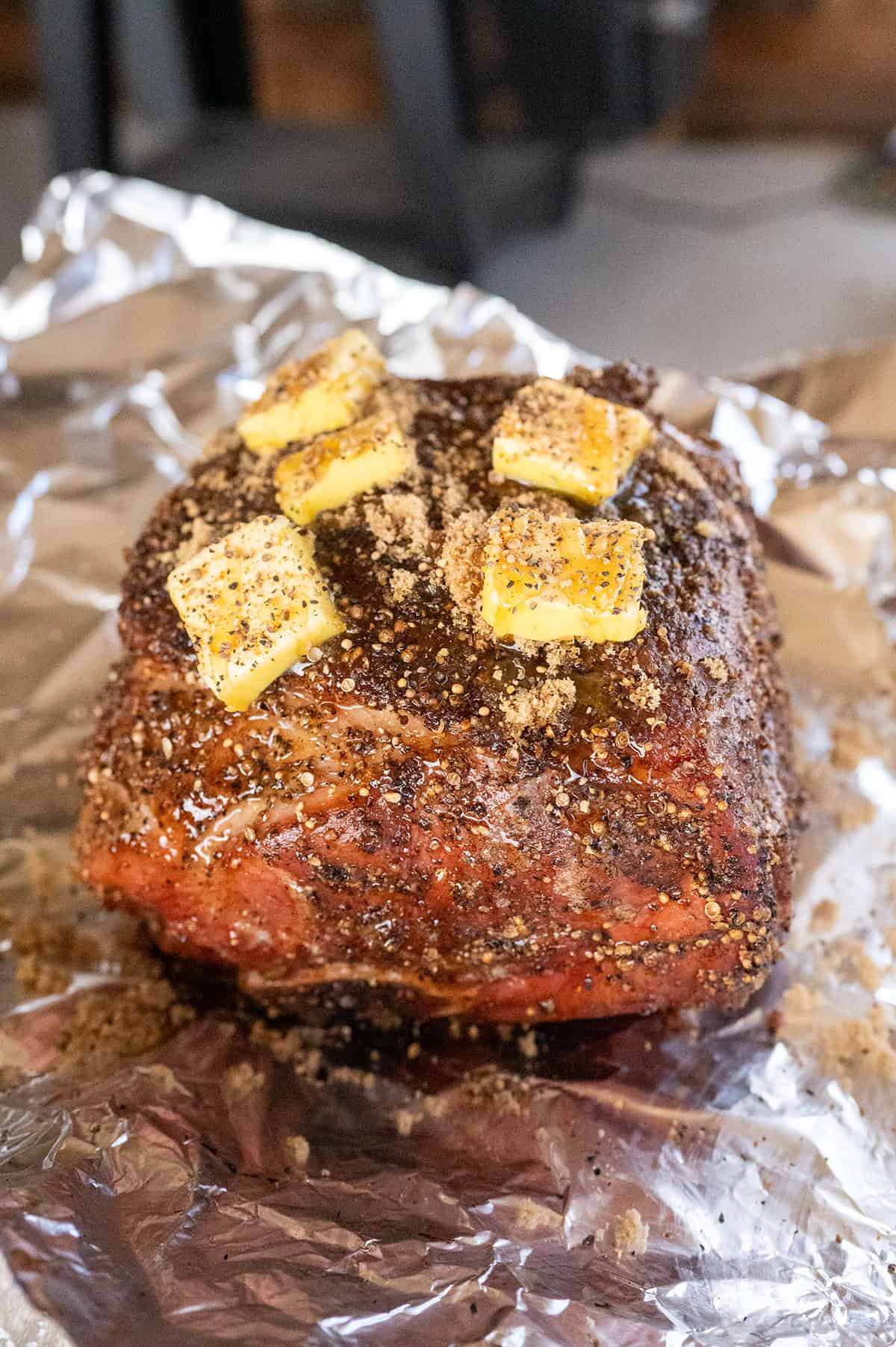
Once the pork has reached the target internal temperature and developed a desirable bark, it’s time for the wrapping stage. This process helps to push the meat through the "stall," a period where the temperature plateaus due to evaporative cooling, and ensures maximum moisture retention. The pork shoulder is carefully transferred to a double layer of heavy-duty aluminum foil. A mixture of brown sugar, butter, and honey is often sprinkled over the top of the pork, along with an additional light dusting of the pastrami rub. This sweet and savory combination adds another layer of flavor and helps to tenderize the meat further. The foil is then wrapped tightly around the pork, creating a sealed packet.
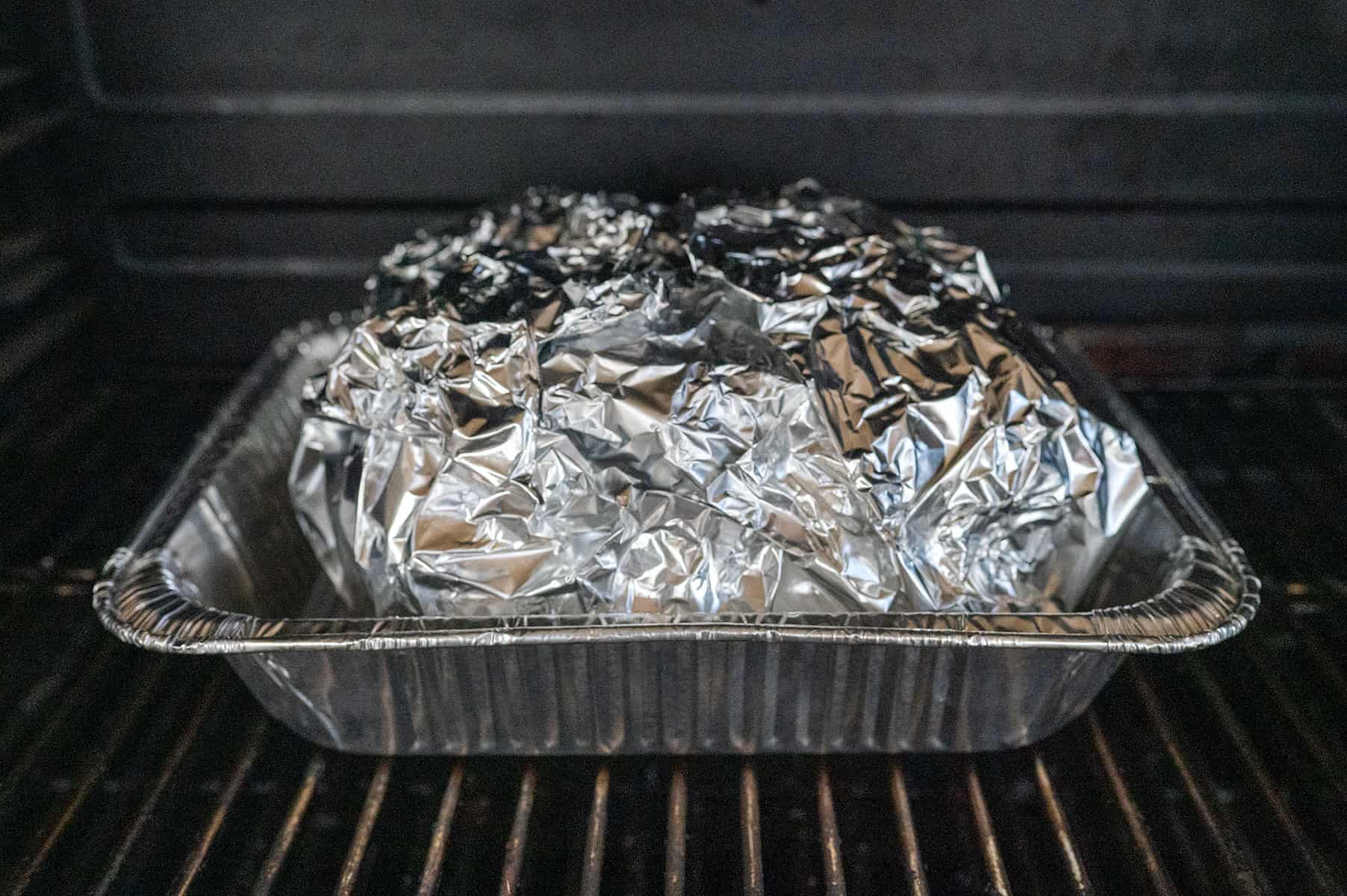
The wrapped pork butt is then returned to the smoker. The cooking continues at the same temperature of 275°F (135°C) until the internal temperature registers between 195°F and 205°F (90°C to 96°C). This braising-like environment within the foil allows the connective tissues to break down completely, resulting in exceptionally tender, pull-apart meat. This second smoking phase typically lasts another three to four hours.
Step 5: The Crucial Rest and Shred
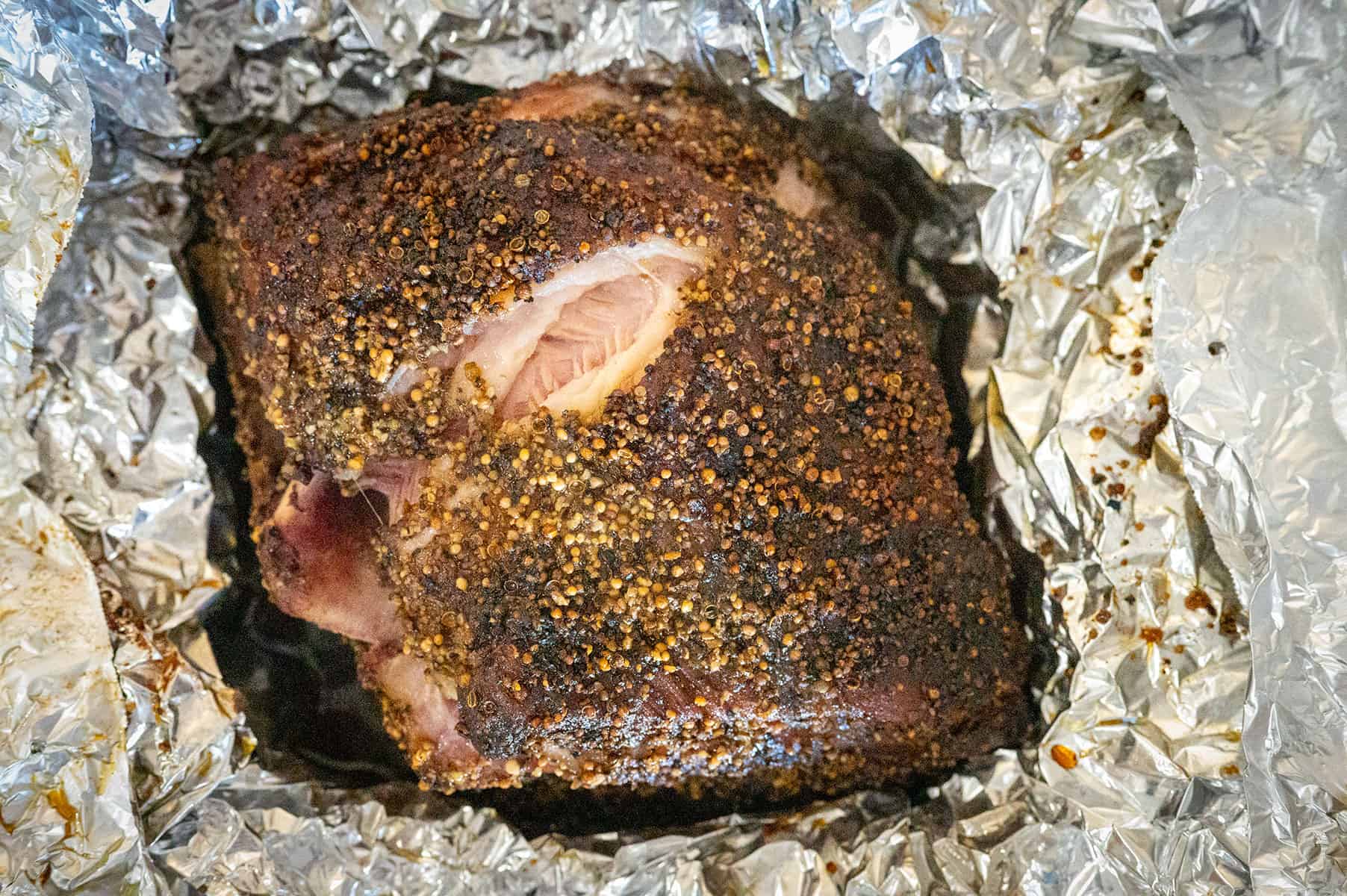
After reaching the desired internal temperature, the pork shoulder is removed from the smoker. It is critical to allow the meat to rest for at least 30 minutes, and ideally longer, before shredding. This resting period allows the internal juices to redistribute throughout the meat, ensuring maximum moisture and tenderness. Skipping this step can result in dry, less flavorful meat.
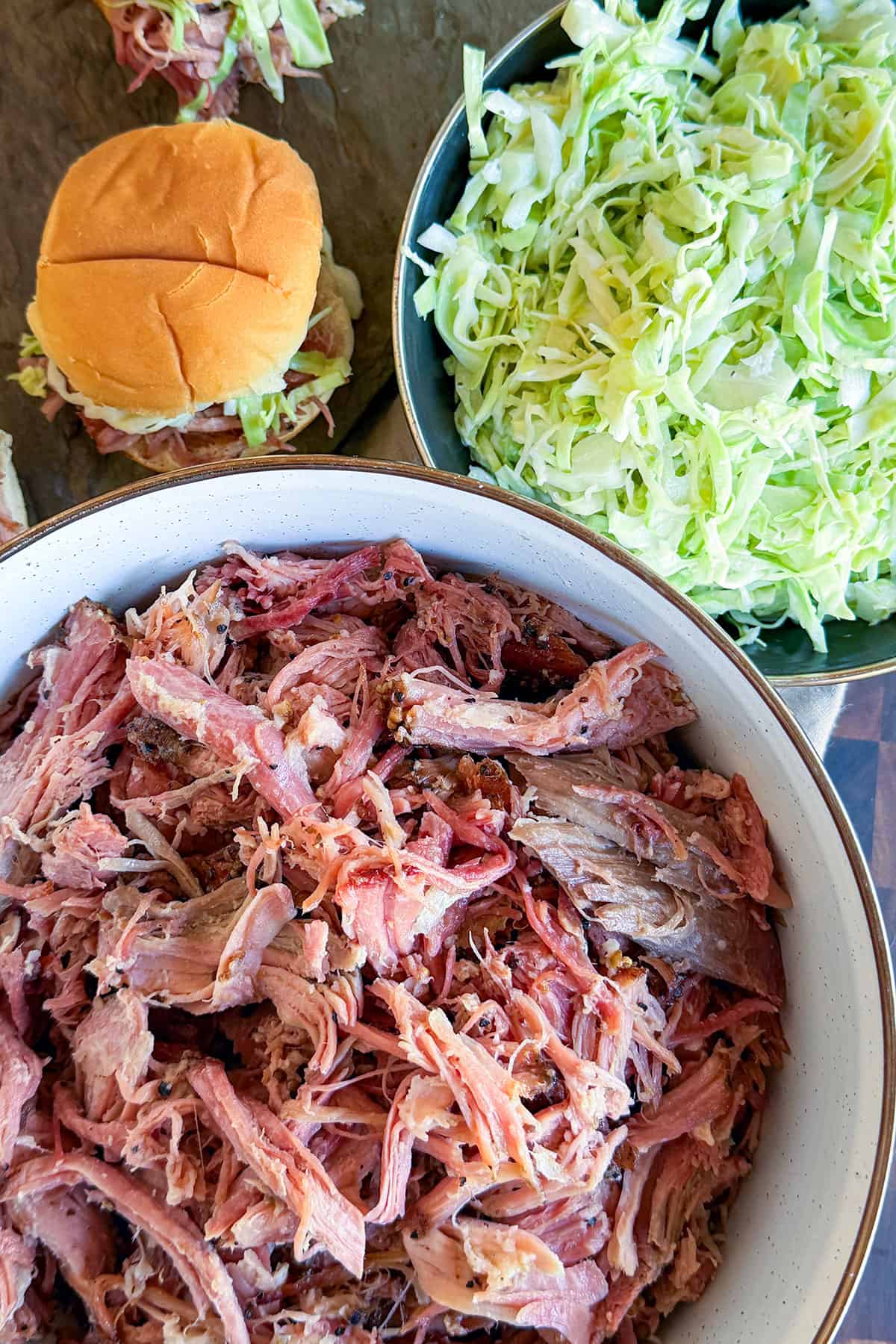
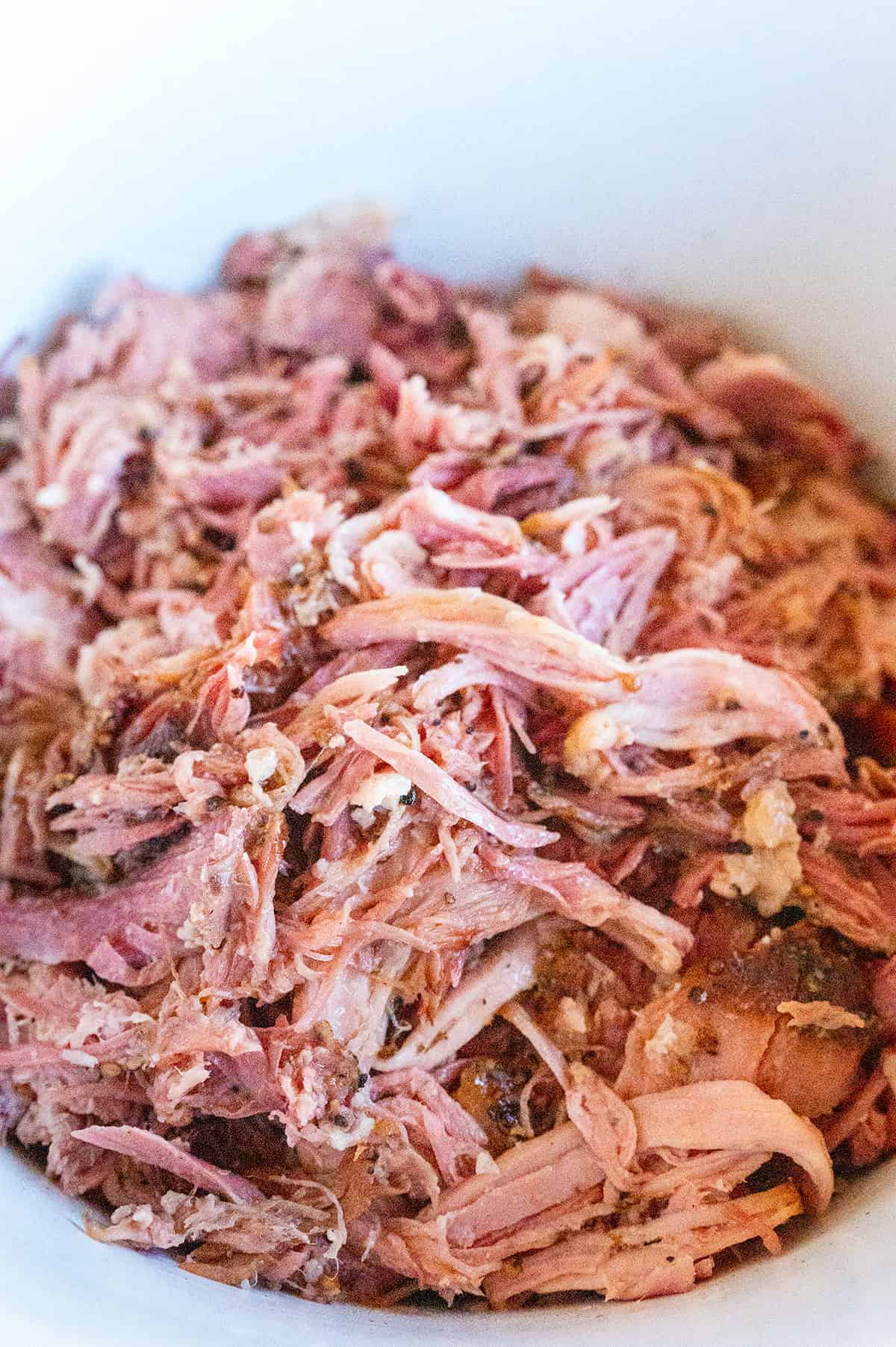
Once rested, the pork shoulder is placed in a large bowl, pan, or pot. The bone is removed, and the meat is then shredded using two forks or gloved hands. The rendered juices collected in the foil packet are then poured over the shredded pork, adding a final boost of moisture and flavor. This is the point where the pork transforms into "pulled pork pastrami."
Serving Your Pork Pastrami Masterpiece
The versatility of pork pastrami is one of its greatest assets. It can be served as a hearty main course, accompanied by classic barbecue sides such as smoked mac and cheese, creamy coleslaw, or baked beans.
However, its true potential often shines through in the form of delectable sandwiches. The shredded pork pastrami can be piled high on slider rolls or traditional buns. Toppings can range from a tangy coleslaw for a fresh contrast to a simple spread of mayonnaise and mustard. A classic yellow mustard offers a sharp bite, while a whole grain mustard provides a more complex, earthy flavor.
Storage and Longevity
Leftover pork pastrami can be stored in an airtight container in the refrigerator for up to four to five days. For longer storage, it freezes exceptionally well for several months, making it an excellent option for meal prepping or keeping a stash of this delicious meat on hand.
Expert Insights and FAQs
GCG Pro Pitmaster Tips: While the article does not provide specific "Pro Pitmaster Tips" beyond the general instructions, one could infer that attention to detail in brine concentration, consistent smoker temperature, and adequate resting time are paramount. The quality of the pork shoulder itself also plays a significant role in the final outcome.
Frequently Asked Questions:
- What is pastrami brine? Pastrami brine is a specialized mixture typically composed of kosher salt, brown sugar, pickling spices, and pink curing salt. It is used to cure and flavor meats before smoking.
- What is pastrami rub? A pastrami rub is a seasoning blend applied to the meat after brining. A salt-free version often includes spices like black pepper, coriander, mustard seeds, sugar, paprika, and garlic.
- How long do you need to brine pork to make pastrami? For larger cuts like an 8-10 lb pork butt, a brining period of 5-6 days is recommended. Smaller cuts may require 3-4 days.
- What is pink curing salt? Pink curing salt, also known as Prague powder, is a mixture of salt and sodium nitrite (Pink Salt #1) or sodium nitrate (Pink Salt #2). It is used for food safety in curing meats and contributes to their characteristic color and flavor. Pink Salt #1 is primarily used for cured and smoked products like bacon and pastrami.
The Broader Impact
The resurgence and adaptation of traditional techniques like pastrami making highlight a growing appreciation for artisanal food preparation. By applying these methods to different proteins, chefs and home cooks alike are expanding the culinary landscape, offering new and exciting flavor experiences. The ability to transform a relatively inexpensive cut of pork into a gourmet delicacy like pork pastrami demonstrates the power of time-honored techniques and the creativity inherent in the culinary arts. This trend not only celebrates flavor but also encourages a deeper understanding and engagement with the food we consume.


