
The landscape of Mother’s Day consumerism is undergoing a significant shift as the traditional focus on grand gestures and dining out gives way to a more nuanced emphasis on "at-home wellness" and personalized, restorative experiences. This evolution in gift-giving behavior reflects a broader societal movement toward the "sleep economy," where consumers prioritize high-quality rest, comfort-focused apparel, and artisanal, do-it-yourself (DIY) customization. As brands like Purple, an innovator in the sleep technology sector, collaborate with lifestyle entities such as Sleepy Jones, the market is seeing a surge in integrated gifting strategies that combine physical products with experiential at-home luxury. This trend is not merely a byproduct of changing tastes but is supported by significant retail data indicating that modern consumers are looking for gifts that offer long-term utility and emotional resonance rather than ephemeral satisfaction.
The Evolution of Mother’s Day Gifting: A Historical and Economic Context
To understand the current shift toward wellness-centric gifting, it is necessary to examine the trajectory of Mother’s Day as a commercial and social event. Historically established in the United States in the early 20th century, the holiday was initially intended as a day of religious and familial reflection. However, by the mid-1920s, it had become a cornerstone of the floral and greeting card industries. For decades, the "standard" gift set remained consistent: bouquets, jewelry, and breakfast in bed.

According to data from the National Retail Federation (NRF), Mother’s Day spending has seen a steady upward trajectory over the last decade, with total expenditures in the United States often exceeding $30 billion annually. While jewelry and special outings remain high-earning categories, there has been a documented increase in "household" and "personal electronics" categories that facilitate relaxation. The recent "wellness boom" has redirected a portion of this capital toward high-end bedding, ergonomic pillows, and loungewear. Market analysts suggest that this shift is driven by a demographic that views "time" and "rest" as the ultimate luxury goods, particularly for mothers who often balance career and domestic responsibilities.
The Rise of the Sleep Economy and Holistic Comfort
The "sleep economy"—a market segment encompassing everything from smart mattresses to specialized sleep apparel—is currently valued at over $400 billion globally. This sector’s growth is a primary driver behind the 2024 Mother’s Day trends. Brands like Purple have capitalized on this by expanding their offerings beyond the mattress, moving into the "soft goods" space with products like the Purple Harmony Pillow and knit jersey sheets.
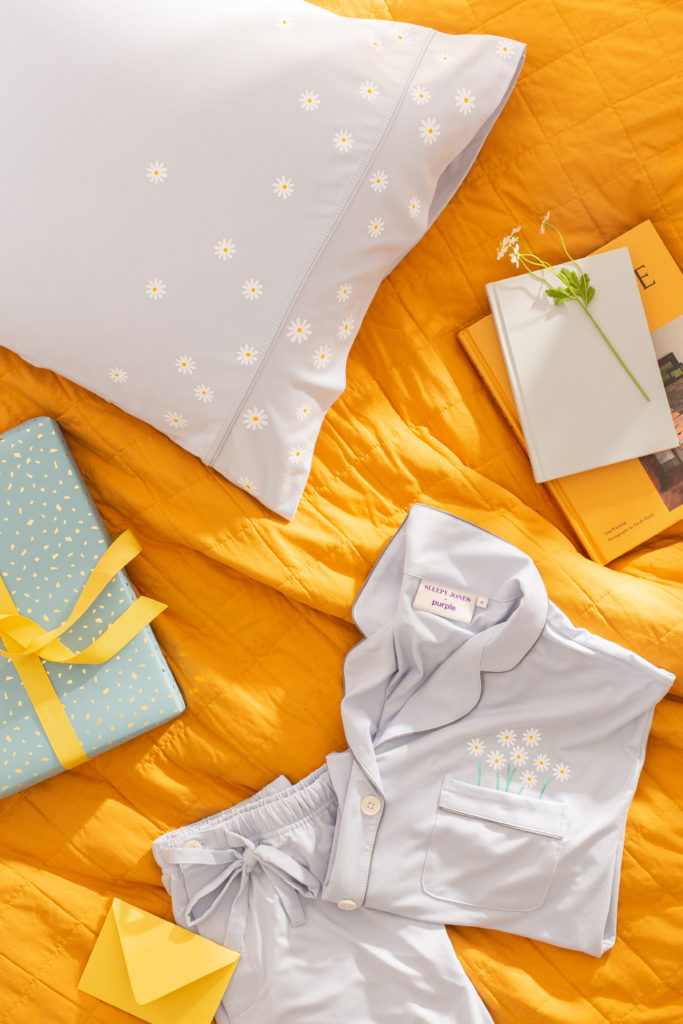
The recent partnership between Purple and Sleepy Jones, a brand known for its classic, lounge-ready aesthetic, exemplifies the fusion of technical performance and fashion. By utilizing knit jersey materials—traditionally used for high-end T-shirts—in bedding and pajamas, these companies are targeting a consumer desire for a "seamless" comfort experience. This holistic approach suggests that the modern gift is no longer a single item but a "curated environment." Industry experts note that "bundling" items like pajamas, high-thread-count sheets, and ergonomic pillows creates a "sanctuary" effect that aligns with contemporary mental health and self-care narratives.
Chronology of Modern Mother’s Day Preparation
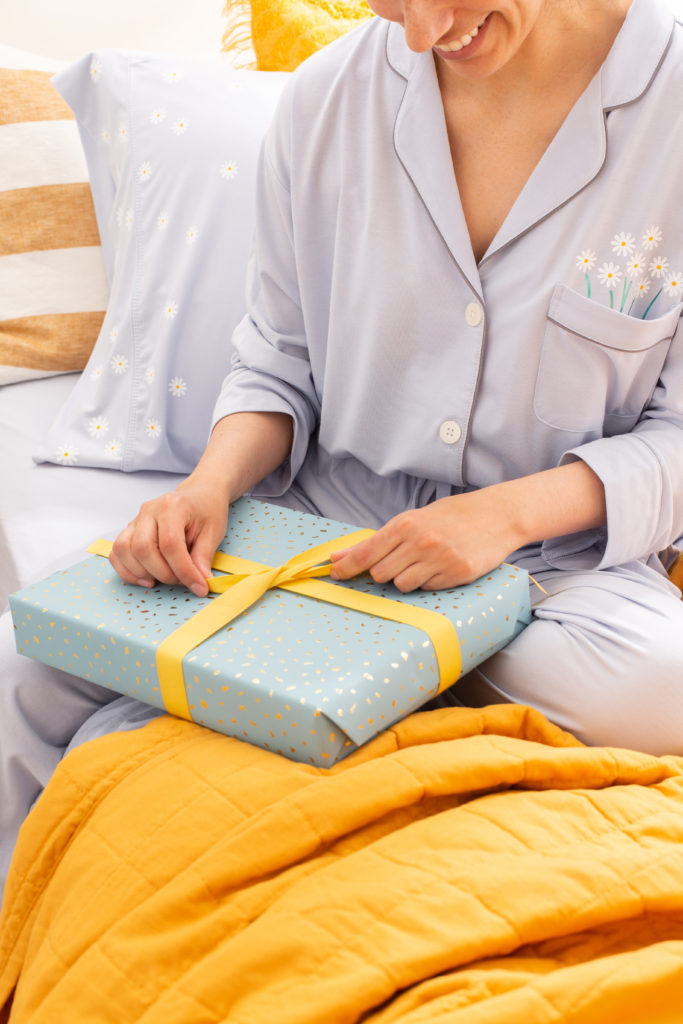
The planning cycle for Mother’s Day has also shifted, moving from last-minute floral purchases to a multi-week engagement with brands and DIY projects. A typical consumer timeline for the "restorative gift" strategy often begins three to four weeks prior to the holiday.
- Phase One: Research and Procurement (Weeks 3-4): Consumers identify core wellness items. This often involves researching sleep technology, such as Purple’s "soft-stretch" material, which aims to provide pressure relief and temperature regulation.
- Phase Two: Customization and Personalization (Weeks 1-2): This period sees a spike in the purchase of craft materials, such as iron-on vinyl and textile dyes. The goal is to take a high-quality "base" garment—like a set of Sleepy Jones pajamas—and add a personal touch.
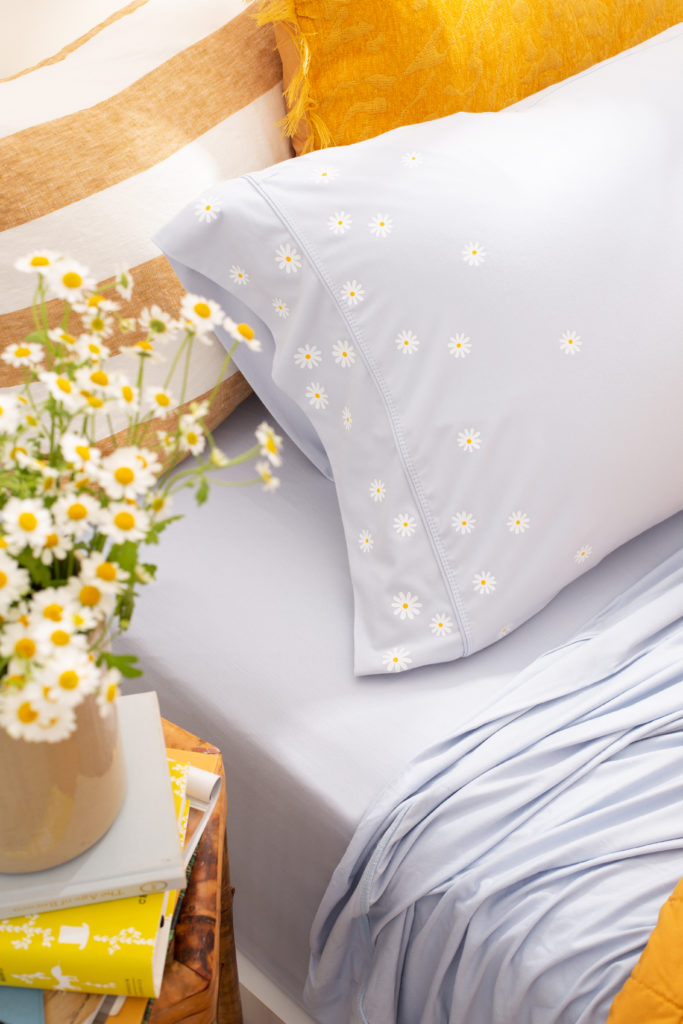
- Phase Three: The Experiential Setup (24-48 Hours Prior): The focus shifts to the domestic environment. This includes the acquisition of "bedroom blooms"—fresh-cut flowers intended for the nightstand rather than the dining table—to create a localized sensory experience upon waking.
- Phase Four: The Execution (Mother’s Day Morning): The culmination of the strategy involves "simple luxuries," such as professional-grade coffee service and the presentation of the curated "relaxation retreat."
Analysis of Personalization: The Return of the Daisy and 90s Aesthetics
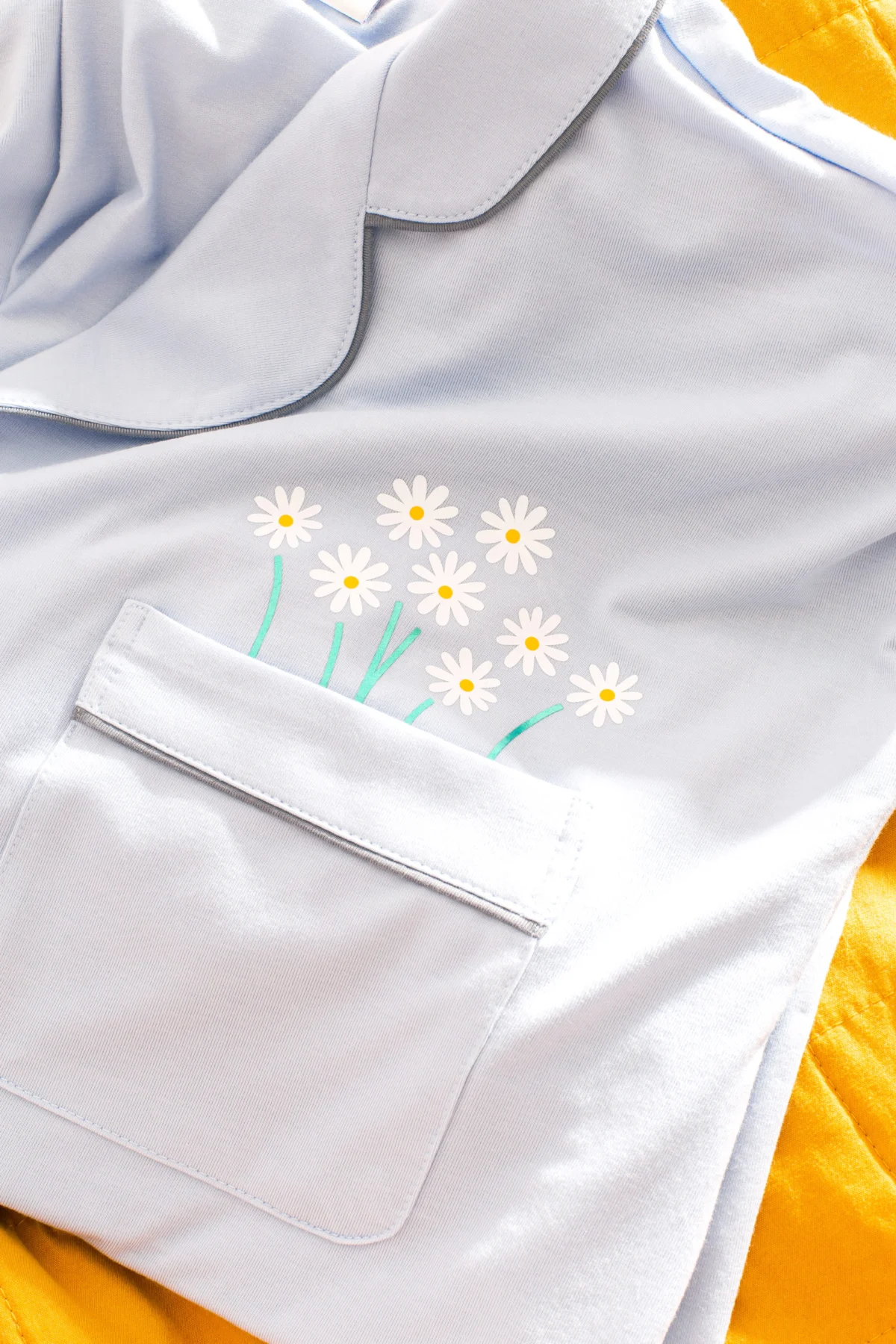
A notable aesthetic trend within this year’s Mother’s Day market is the resurgence of 1990s-inspired floral motifs, specifically the daisy. In the world of DIY customization, the daisy serves as a "cheerful neutral," capable of being layered onto various solid-colored fabrics. This trend is significant because it represents a move away from generic, mass-produced patterns toward intentional, handcrafted design.
The use of craft cutters and iron-on vinyl has democratized textile design, allowing consumers to apply "posy" patterns to pajama pockets or pillowcases. This "labor of love" adds a layer of emotional value that market research suggests is highly prized by recipients. By personalizing a high-value item like a Purple pillowcase, the gift-giver bridges the gap between a "corporate" product and a "sentimental" heirloom.
Technical Guide: Implementing the DIY Personalization Strategy
For consumers looking to replicate the personalization trends seen in recent retail collaborations, a standardized process is recommended to ensure the longevity of the garment. This process involves the integration of technology (craft cutters) and traditional textile care.
Required Materials and Pre-Production:
The process requires a garment with a pocket (preferably jersey knit), iron-on vinyl in a minimum of three colors (to represent stems, petals, and centers), a craft cutter, and a heat source.
Standard Operating Procedure:

- Surface Preparation: The fabric must be pre-pressed to remove moisture and wrinkles, ensuring a stable bond for the vinyl.
- Digital Scaling: Artwork templates, such as the daisy motif, must be scaled specifically to the pocket dimensions.
- Layered Application: To achieve a professional finish, the vinyl must be applied in a specific sequence: stems first, followed by petals, and finally the flower centers.
- Thermal Regulation: The use of parchment paper is critical to prevent overheating the fabric or the previously applied vinyl layers. Excessive heat can degrade the adhesive properties of the material, leading to peeling after laundry cycles.
Official Responses and Strategic Market Positioning
Representatives from the sleep and textile industries have noted that Mother’s Day serves as a critical "touchpoint" for brand loyalty. A spokesperson for the bedding industry recently stated that "holidays like Mother’s Day allow brands to demonstrate the lifestyle application of their technology. It is no longer about the specs of a mattress; it is about the quality of the morning that mattress provides."
Furthermore, the use of promotional incentives, such as the "OHD10" discount code offering a 10% reduction on Purple orders, indicates a strategic effort to lower the barrier to entry for luxury sleep products. These codes are often valid for extended periods, encouraging repeat business and long-term brand engagement well beyond the holiday itself.
Broader Impact and Market Implications
The shift toward at-home wellness and personalized gifting for Mother’s Day has broader implications for the retail sector. First, it signals a move away from the "disposable" gift culture. High-quality sheets and pillows are durable goods with a lifespan of several years, suggesting that consumers are prioritizing sustainability and long-term value.
Second, the integration of DIY projects with premium brands highlights a new "hybrid" consumer. This individual is willing to spend significantly on a base product (the "luxury") but also wants to invest their own time and creativity (the "personal"). This hybrid model offers a roadmap for brands to engage with customers through content-driven marketing—providing not just a product, but the templates and instructions to make that product unique.
Finally, the emphasis on the "restorative retreat" reflects a post-pandemic re-evaluation of the home. As the boundaries between work, rest, and leisure remain blurred, the bedroom has become a primary site for mental health recovery. Mother’s Day gifting is currently the leading edge of this trend, as consumers seek to honor the maternal figures in their lives by providing the one thing that modern life often lacks: a dedicated, beautiful, and personalized space for rest.
In conclusion, the modern Mother’s Day is characterized by a sophisticated blend of economic investment in the sleep economy and a creative return to personalized, DIY aesthetics. By focusing on "simple luxuries" and the "restful morning," gift-givers are aligning with a broader cultural movement that prizes wellness and intentionality over traditional, high-visibility consumption. As this trend continues to evolve, it is likely to redefine the standards for holiday gifting across all sectors of the luxury and lifestyle markets.


