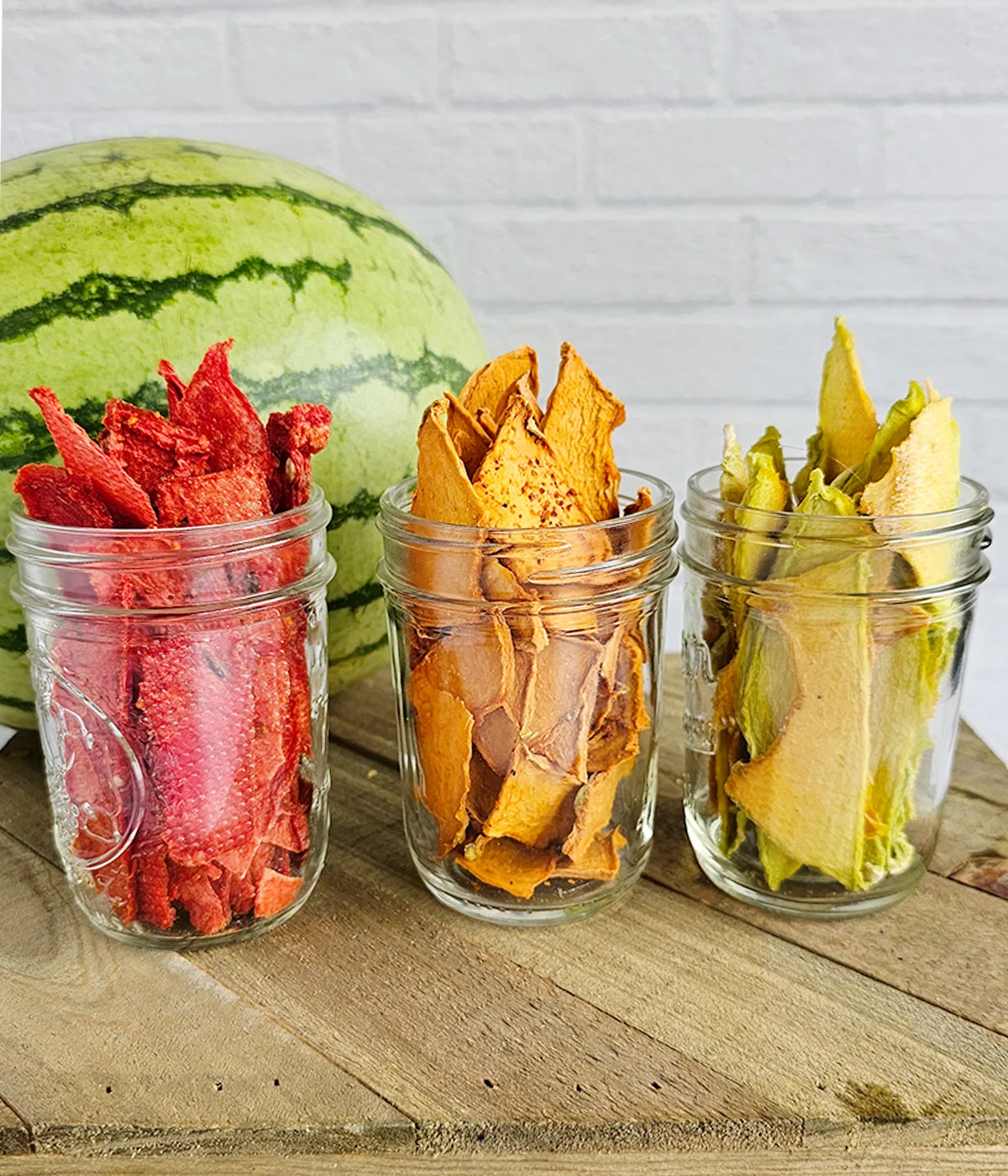
The global movement toward sustainable living and the reduction of household food waste has brought traditional food preservation methods back into the spotlight, with melon dehydration emerging as a highly effective strategy for extending the shelf life of seasonal produce. Melons, including watermelon, cantaloupe, and honeydew, are characterized by their high water content—often exceeding 90%—which makes them notoriously difficult to store once sliced. By utilizing controlled dehydration, consumers can transform these perishable fruits into shelf-stable, nutrient-dense snacks that remain viable for up to a year, effectively mitigating the common issue of refrigerator spoilage.
The Economic and Environmental Context of Food Preservation
The impetus for home dehydration often stems from a broader economic and environmental crisis regarding food waste. According to data from the United States Department of Agriculture (USDA), approximately 30% to 40% of the food supply in the U.S. is wasted, much of it occurring at the retail and consumer levels. Melons represent a significant portion of this waste due to their size; a single large watermelon or cantaloupe is often more than a small household can consume before the fruit’s cellular structure begins to collapse and ferment.
Dehydration serves as a critical intervention in this cycle. By removing the moisture that facilitates bacterial growth and enzymatic decay, the process locks in the fruit’s natural sugars and vitamins. This not only saves the consumer money by maximizing the utility of their grocery purchases but also reduces the carbon footprint associated with food disposal and the subsequent demand for out-of-season imports. Experts in the field of food security suggest that such domestic preservation techniques are essential components of a resilient household economy.
The Science of Dehydration: How Moisture Removal Ensures Safety
At its core, dehydration is a scientific process of moisture management. The goal is to reduce the water activity (aw) of the fruit to a level where most bacteria, yeasts, and molds cannot survive. For melons, this involves a slow, low-heat application that draws water out of the fibrous tissues without "case hardening"—a phenomenon where the outside of the food dries too quickly, trapping moisture inside and leading to internal rot.
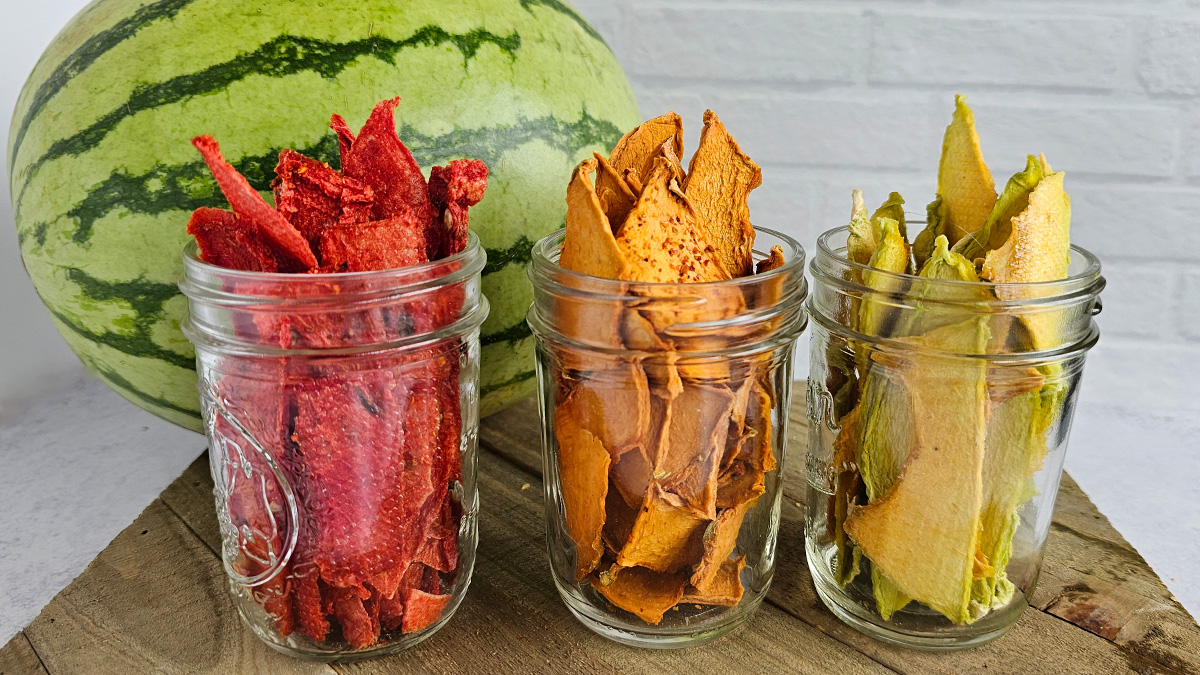
The optimal temperature for fruit dehydration is generally accepted to be 135°F (57°C). At this specific thermal point, the moisture evaporates efficiently while the nutritional integrity, particularly heat-sensitive vitamins like Vitamin C and Vitamin A (found in high concentrations in cantaloupe), is largely preserved. The result is a concentrated form of the fruit that possesses a leathery or "taffy-like" texture, often referred to as fruit jerky.
A Chronological Guide to the Dehydration Process
Achieving a shelf-stable product requires a disciplined adherence to a specific chronology of preparation and processing. The following timeline outlines the transition from fresh produce to preserved pantry staple.
Phase 1: Selection and Preparation
The process begins with the selection of a peak-ripe melon. Unlike some fruits that can ripen further after being harvested, melons generally do not increase their sugar content significantly once removed from the vine. A ripe melon provides the best flavor profile for dehydration, as the drying process concentrates the sugars.
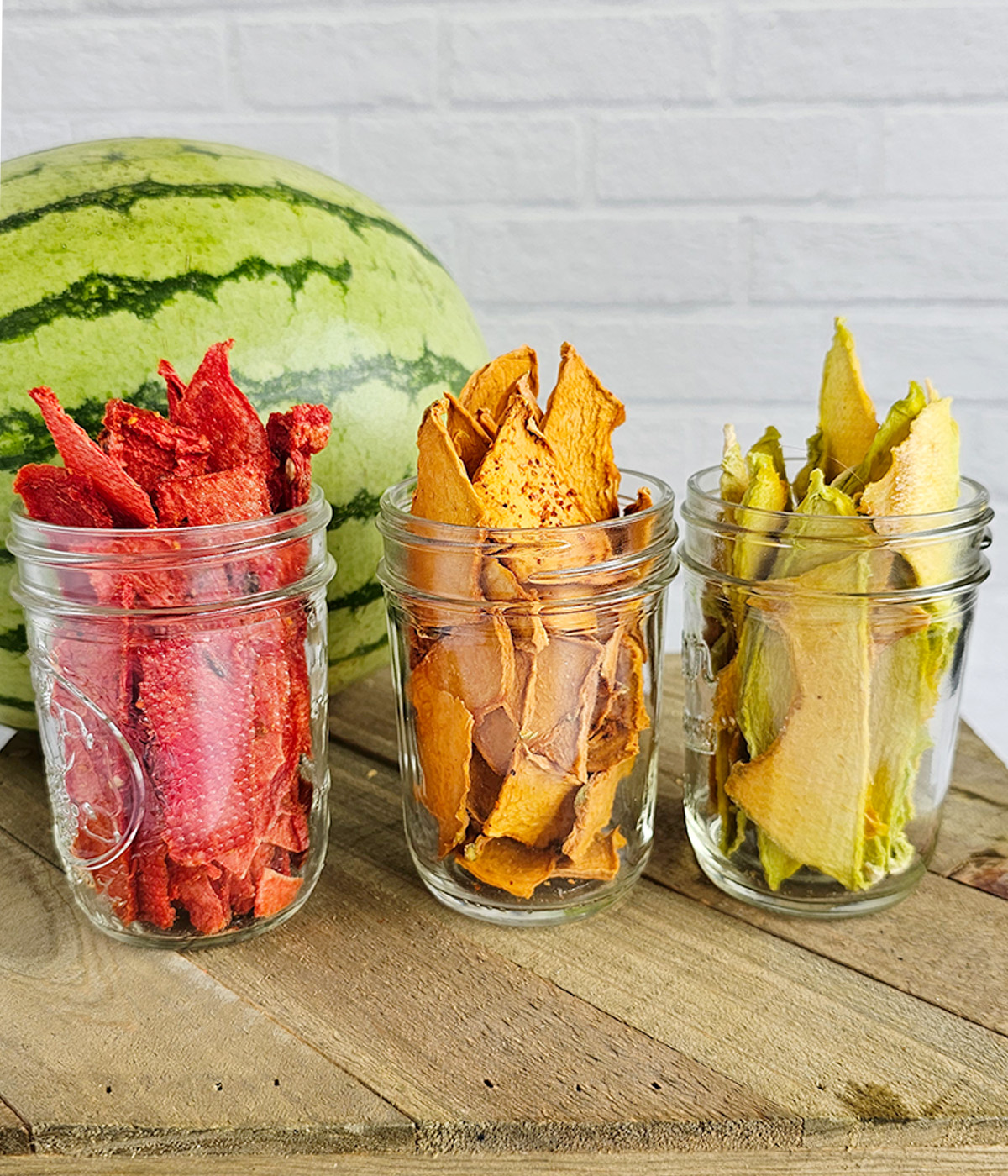
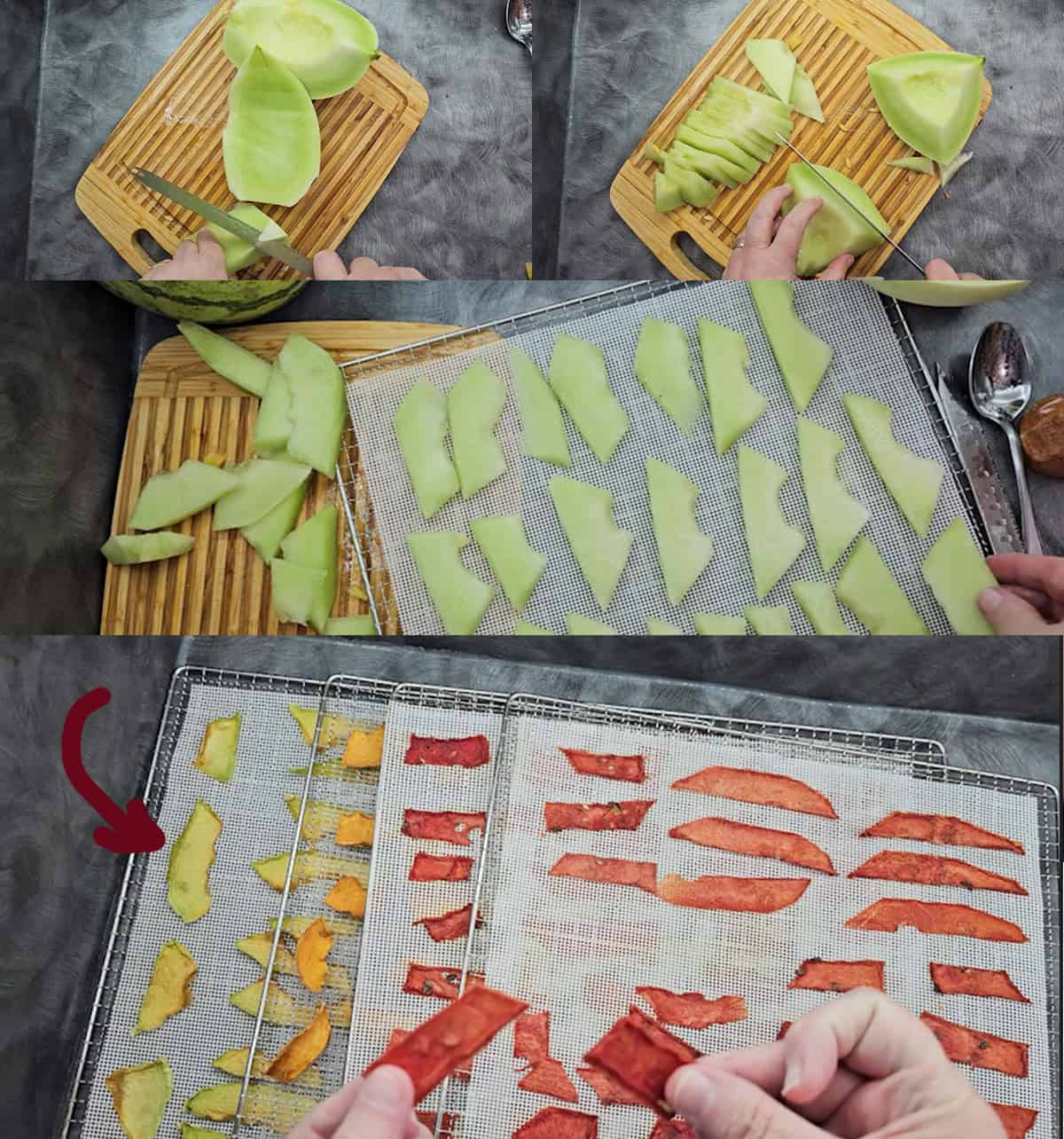
The fruit must be thoroughly washed to remove soil-borne pathogens from the rind. Once cleaned, the melon is sliced into uniform pieces. Professional culinary standards suggest a thickness of 1/4 inch (approximately 6 millimeters). Uniformity is the most critical factor during this stage; if slices vary in thickness, they will dry at different rates, potentially leaving some pieces under-dried and prone to mold in storage.
Phase 2: The Dehydration Cycle
Once prepared, the slices are arranged on dehydrator trays. It is imperative that the pieces do not overlap, as airflow must reach all surfaces of the fruit to ensure even drying.
For most melons, the dehydration cycle lasts between 10 and 14 hours at 135°F. However, environmental factors such as ambient humidity and the specific water content of the fruit can influence this duration. Watermelon, having the highest water content, typically resides on the longer end of this spectrum. During this phase, the fruit will shrink significantly in size as the liquid volume is removed.
Phase 3: Testing for Dryness
The cycle concludes only when the fruit reaches the proper consistency. For melons, the desired state is "leathery." When a cooled slice is bent, it should not show signs of moisture or stickiness, nor should it snap like a cracker. If the fruit feels tacky or soft, it requires additional time in the dehydrator.
Equipment and Alternative Methodologies
While specialized electric dehydrators—such as those produced by Excalibur or Cosori—are the preferred tools for this process due to their precise temperature controls and horizontal airflow, they are not the only option.
Oven Dehydration
For individuals without dedicated machinery, a standard home oven can be utilized. This method requires the oven to be set to its lowest possible temperature, ideally 170°F or lower. Because many modern ovens do not maintain such low temperatures accurately, it is often necessary to "prop" the oven door open slightly with a heat-resistant silicone tool. This allows excess heat and moisture to escape, mimicking the airflow of a dehydrator. However, oven dehydration requires closer monitoring to prevent scorching and is generally less energy-efficient.
Essential Accessories
In addition to the heating element, several accessories facilitate a better outcome:
- Mandoline Slicer: Ensures perfect uniformity in slice thickness.
- Mesh Liners: Prevents smaller, dried pieces of melon from falling through the tray grates as they shrink.
- Parchment Paper: Useful for storage to prevent pieces from sticking together.
Nutritional Profile and Health Implications
The dehydration of melons results in a significant concentration of nutrients per gram. According to nutritional estimations, a 1/4 cup serving of dehydrated melon contains approximately 14 calories, 3 grams of carbohydrates, and 0.3 grams of fiber. It is important to note that while the nutrients are concentrated, so are the natural sugars.

One cup of fresh melon has the same sugar content as 1/4 cup of the dried version. For consumers monitoring their glycemic index or caloric intake, this concentration must be accounted for. Nevertheless, as a snack, dehydrated melon remains a superior alternative to processed "fruit snacks" or candies, which often contain corn syrup, artificial dyes, and preservatives. Dehydrated cantaloupe, in particular, remains an excellent source of beta-carotene, which the body converts into Vitamin A to support vision and immune function.
Post-Processing: Conditioning and Storage
The most common failure in home food preservation occurs after the drying is complete. To ensure long-term shelf stability, a process known as "conditioning" must be implemented.
The Conditioning Protocol
Even after 14 hours of drying, some slices may retain slightly more moisture than others. To equalize this moisture, the dried fruit should be placed in a glass jar, filled about two-thirds full, and left for seven to ten days. The jar should be shaken daily. If condensation appears on the glass, the fruit is not sufficiently dry and must be returned to the dehydrator. If no condensation appears after a week, the fruit is considered stable for long-term storage.
Long-Term Storage Solutions
Dehydrated melons should be stored in airtight containers, such as Mason jars or vacuum-sealed bags. Because the natural sugars in melons are hygroscopic—meaning they readily absorb moisture from the air—maintaining an airtight seal is vital. In regions with high relative humidity, the inclusion of a food-grade desiccant (moisture absorber) packet is highly recommended. When stored in a cool, dark, and dry environment, dehydrated melon can maintain its quality for up to twelve months.

Flavor Innovation and Culinary Applications
While plain dehydrated melon offers a sweet, natural flavor, culinary enthusiasts often employ seasonings to enhance the profile. Proponents of "perked up" fruit snacks suggest several combinations:
- Citrus Infusion: A spritz of lime or lemon juice before drying adds a tart contrast to the sweetness.
- Spice Profiles: A light dusting of ginger or cinnamon can complement the musky sweetness of cantaloupe and honeydew.
- Savory-Sweet: The application of Tajin (a chili-lime salt) to watermelon slices creates a complex snack popular in various global cuisines.
Beyond simple snacking, these preserved fruits have diverse applications. They can be chopped and added to granola or trail mixes, reconstituted in water for use in smoothies, or used as a unique garnish for cocktails and desserts.
Broader Impact and Final Analysis
The practice of dehydrating melons represents more than just a kitchen hobby; it is a pragmatic response to the modern challenges of food waste and nutritional density. As inflation impacts grocery prices and the global community looks toward more sustainable consumption patterns, the ability to transform a highly perishable summer fruit into a year-round pantry staple is an invaluable skill.
By following rigorous safety standards—specifically the 135°F temperature threshold and the conditioning protocol—home cooks can ensure a safe, delicious, and economically sound product. Whether used for hiking, school lunches, or emergency food supplies, dehydrated melons stand as a testament to the enduring utility of traditional preservation science in a contemporary world. Through these methods, the "Purposeful Pantry" becomes not just a storage space, but a tool for environmental stewardship and household health.