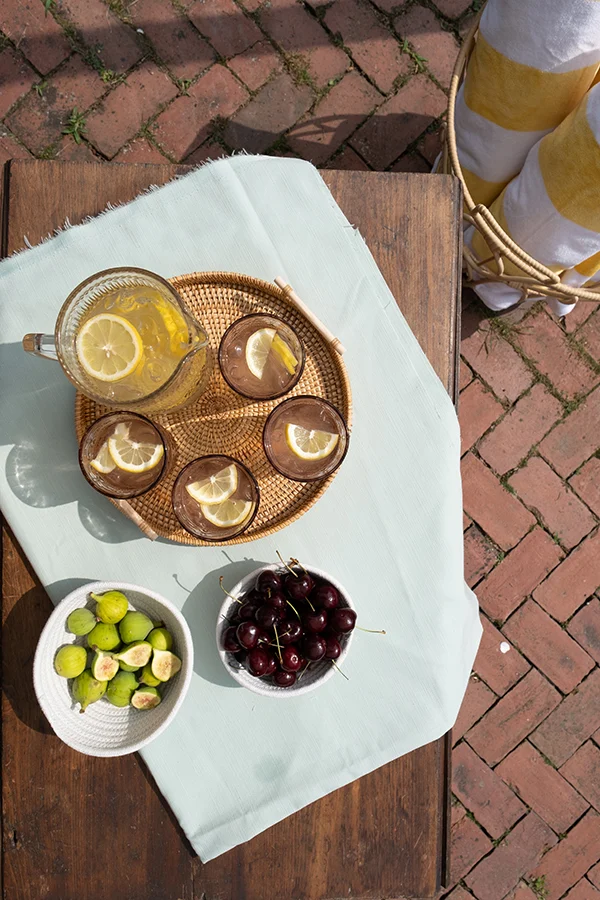
The global home decor market is undergoing a significant transformation as major retailers pivot toward curated, trend-forward collections designed to meet the demands of a more design-conscious consumer base. Walmart, a dominant force in the retail sector, has recently introduced its "Wow and Now" section, a strategic initiative aimed at capturing the seasonal "refresh" market by offering high-aesthetic home goods at accessible price points. This move reflects a broader industry trend where value-driven retailers are competing with high-end boutiques by leveraging sophisticated supply chains and rapid delivery systems to offer "attainable luxury." As consumers increasingly prioritize outdoor living and seasonal home updates, the intersection of affordability, style, and logistical efficiency has become the new frontline for retail dominance.
The Rise of the Curated Value Segment
For decades, the value retail sector was defined by utilitarianism and mass-market appeal. However, the post-pandemic era has seen a shift in consumer psychology. The "homebody economy," which surged in 2020, has evolved into a permanent preference for enhanced domestic environments. Data from the Home Improvement Research Institute (HIRI) indicates that while large-scale renovations have stabilized, the market for "micro-refreshes"—small-scale aesthetic updates—continues to grow.
Walmart’s "Wow and Now" initiative is a direct response to this shift. By curating specific items that align with current interior design trends, such as organic textures, sustainable materials, and "Cottagecore" aesthetics, the retailer is positioning itself as a destination for style-conscious shoppers. The focus is on items that provide high visual impact at low financial risk, allowing homeowners to cycle through seasonal trends without the long-term commitment required by expensive furniture.

Strategic Product Integration: Outdoor Living and Entertaining
A central component of the summer refresh trend is the expansion of the living space into the outdoors. Market analysts at Statista report that the outdoor furniture and decor market in the United States is projected to reach over $9 billion by 2025. This growth is driven by the "outdoor room" concept, where patios and decks are treated with the same design rigor as interior living rooms.
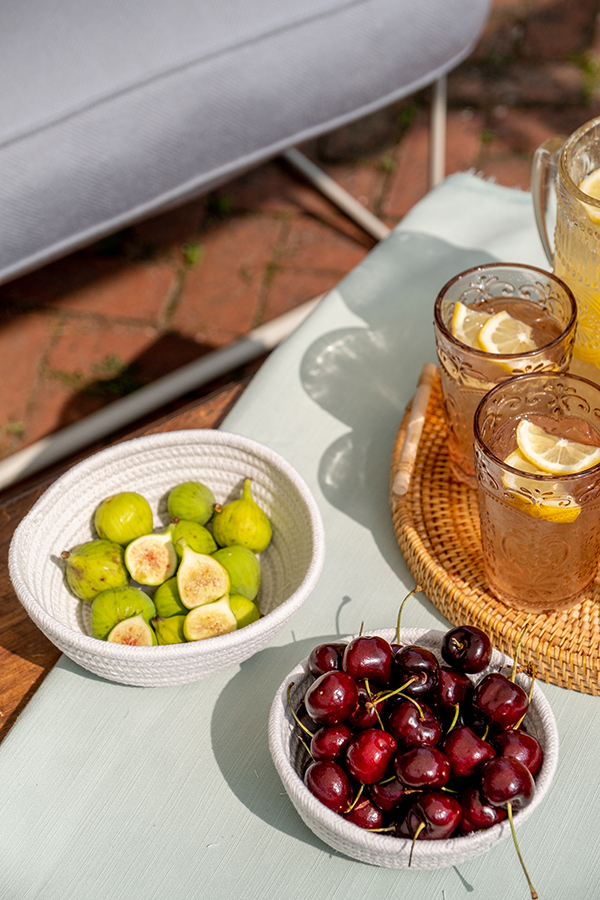
The specific products featured in the latest seasonal collections highlight this trend. Woven bowl sets and rattan trays have become staples of the summer aesthetic. These items utilize natural fibers, which serve a dual purpose: they provide a tactile, organic feel that complements outdoor environments, and they align with the growing consumer demand for materials that feel more sustainable and less industrial.
Furthermore, the emphasis on "homemade refreshments" and entertaining is reflected in the surge of glassware and serving-ware sales. Pitchers and specialized glassware, such as rose-tinted tumblers, are no longer seen merely as functional kitchen items but as essential components of a curated "tablescape." This shift in consumer behavior suggests that the act of hosting has become a form of self-expression, necessitating products that are both photogenic for social media and functional for high-volume use.
The Logistics of the "Instant" Refresh
One of the most critical factors in the success of modern retail initiatives is the "last mile" of delivery. Walmart’s investment in its logistics infrastructure has allowed it to compete directly with Amazon’s Prime service. For the "Wow and Now" section, quick delivery is a primary selling point.
In a professional analysis of retail logistics, speed is often the deciding factor for impulse or seasonal purchases. When a consumer decides to refresh a patio for an upcoming weekend gathering, a two-day or same-day delivery window significantly increases conversion rates. Walmart has utilized its 4,700 stores across the United States as de facto fulfillment centers, allowing them to reach 90% of the U.S. population within a very short timeframe. This logistical advantage is a cornerstone of their strategy to dominate the seasonal home goods market.
Chronology of Walmart’s Home Goods Evolution
To understand the significance of the current summer collection, it is necessary to examine the timeline of Walmart’s home sector evolution:
- Pre-2018: The Utilitarian Phase. Walmart’s home department focused primarily on basic necessities—plastic storage bins, standard bedding, and functional kitchen appliances.
- 2018-2019: The Digital Transformation. The retailer began a massive overhaul of its website, introducing a more editorial feel and launching private-label brands like "MoDRN."
- 2020: The Pandemic Pivot. As demand for home goods skyrocketed, Walmart accelerated its partnerships with influencers and designers to stay relevant in a rapidly changing market.
- 2021-Present: The Curated "Wow" Era. The launch of sections like "Wow and Now" represents the culmination of this strategy—a blend of rapid trend identification, influencer-led marketing, and high-velocity logistics.
Economic Implications: The "Lipstick Effect" in Home Decor
Economists often refer to the "Lipstick Effect," where consumers during periods of economic uncertainty forgo large luxury purchases but continue to spend on small, high-visibility indulgences. This phenomenon is currently manifesting in the home decor sector. While the housing market may experience volatility and high interest rates may deter major renovations, the sale of $15 woven bowls, $20 glass pitchers, and $25 striped beach towels remains robust.
These items provide a psychological boost and a sense of "newness" to a home environment without requiring significant capital. By targeting this specific price point, retailers like Walmart are insulating themselves against broader economic downturns. They are providing "affordable luxuries" that satisfy the consumer’s desire for aesthetic improvement while remaining within a tightened household budget.

Material Trends and Consumer Preferences
The specific choice of materials in the summer 2021 and 2022 collections—rattan, open-weave seagrass, and heavy-gauge glass—is not accidental. These materials reflect a broader move toward "Biophilic Design," which seeks to connect occupants more closely to nature.
- Rattan and Woven Goods: These materials offer a neutral palette that fits into various design styles, from "Boho Chic" to "Modern Farmhouse." They are also lightweight and durable, making them ideal for outdoor-indoor transitions.
- Textiles: The "striped towel" trend is a perennial summer favorite, evoking a classic Mediterranean or "Grandmillennial" aesthetic. High-quality cotton textiles in storage baskets suggest a lifestyle of organized leisure.
- Glassware: The move away from plastic toward glass and ceramic reflects a consumer shift toward durability and a perceived increase in quality.
Official Responses and Market Analysis
While Walmart has not released specific internal sales figures for the "Wow and Now" sub-section, retail analysts observe that the company’s "Home" category has consistently outperformed expectations in recent quarterly reports. During earnings calls, Walmart executives have frequently cited "improved merchandising" and "enhanced omni-channel capabilities" as key drivers of growth.
Industry experts suggest that the success of these curated sections is also due to the "treasure hunt" aspect of the shopping experience. By frequently rotating stock and featuring "limited time" trends, Walmart creates a sense of urgency that encourages repeat visits to both their physical stores and their digital platforms.
Broader Impact on the Retail Landscape
The success of curated, trend-forward sections in big-box retail has significant implications for the future of the industry. Firstly, it narrows the gap between "high" and "low" design. As sophisticated aesthetics become more accessible, the prestige of luxury home brands is challenged, forcing them to innovate further or lean into more exclusive materials and craftsmanship.
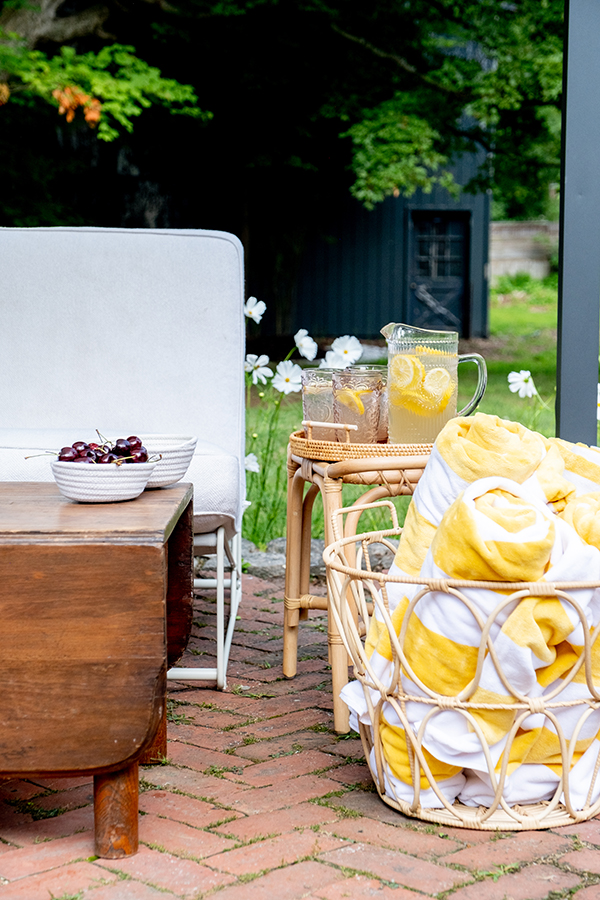
Secondly, the integration of influencer-style content—as seen in the "Oh Happy Day" partnership—demonstrates that the line between content and commerce is continuing to blur. Consumers no longer just want to see a product; they want to see it "in situ," styled within a lifestyle that they aspire to. This "shoppable content" model is becoming the standard for the industry.
Finally, the emphasis on quick delivery and seasonal refreshes is likely to increase the pressure on global supply chains to remain agile. The ability to identify a trend on social media and have a corresponding product in a consumer’s home within weeks is the new benchmark for retail excellence.
In conclusion, the summer home refresh trend, exemplified by Walmart’s latest curated offerings, is more than a simple marketing campaign. It is a sophisticated intersection of design trends, economic strategy, and logistical prowess. By offering trend-forward, affordable, and rapidly delivered home goods, retailers are successfully tapping into the modern consumer’s desire for a stylish, ever-evolving living space that reflects their personal brand and lifestyle aspirations. As we move further into the decade, the ability to provide these "micro-refreshes" will likely be a defining characteristic of retail market leaders.