
The culinary world continues to rediscover and celebrate foundational food technologies, among which the ancient Mesoamerican process of nixtamalization stands as a paramount example. This sophisticated method transforms dried corn into "masa," a uniquely versatile and nutritious dough that forms the bedrock of countless traditional dishes, from the ubiquitous tortilla to the complex tamale. Far more than a mere milling technique, nixtamalization is a chemical and physical marvel, profoundly altering corn’s nutritional profile and culinary properties, a testament to the ingenuity of early agricultural societies.
The Transformative Science of Nixtamalization
At its core, nixtamalization is the process of cooking and steeping dried corn kernels in an alkaline solution, typically limewater (a solution of calcium hydroxide, also known as cal or slaked lime). This seemingly simple step initiates a cascade of complex biochemical changes critical to the corn’s subsequent utility and nutritional value. The process begins by simmering the dried corn in the alkaline solution, followed by a crucial steeping period, often overnight. During this time, the kernels hydrate, absorb calcium and potassium from the cooking liquid, and undergo significant structural modifications.
One of the most immediate and visible effects is the loosening of the pericarp, or hull, of the corn kernel, which facilitates its removal. More profoundly, the starches within the kernel swell and gelatinize, creating a texture that is both pliable and cohesive. This gelatinization is essential for producing a dough that is less prone to tearing and breaking, making it ideal for pressing into thin tortillas or forming into tamales. Simultaneously, certain nutrients encapsulated within the corn germ are released, further aiding the grinding process into masa harina, or corn flour.
However, the most significant nutritional transformation involves the corn’s protein matrix and the bioavailability of essential nutrients. Corn, while a staple crop, naturally contains niacin (Vitamin B3) in a bound form, rendering it largely inaccessible for human absorption. This is a critical factor, as diets heavily reliant on unprocessed corn can lead to pellagra, a severe niacin deficiency disease characterized by dermatitis, diarrhea, dementia, and ultimately, death. Nixtamalization breaks these chemical bonds, freeing the niacin and making it readily assimilable by the human body. This discovery, made empirically millennia ago, was a monumental public health achievement, predating modern nutritional science by thousands of years. Beyond niacin, the process also enhances the absorption of other minerals, notably calcium, which is incorporated directly from the limewater into the corn.
A Deep Dive into Nutritional Enhancement
The nutritional benefits conferred by nixtamalization extend beyond just niacin. The addition of calcium from the limewater significantly boosts the calcium content of the masa, a crucial mineral for bone health, nerve function, and muscle contraction. For populations where dairy intake might be low, nixtamalized corn provides an important dietary source of calcium. Furthermore, the alkaline treatment alters the corn’s protein structure, improving the overall quality and digestibility of its amino acids. While corn is often considered incomplete in terms of essential amino acids, particularly lysine and tryptophan, nixtamalization can marginally improve their bioavailability, contributing to better protein utilization.
Beyond vitamins and minerals, nixtamalization also influences the carbohydrate profile. The gelatinization and subsequent retrogradation of starches can lead to the formation of resistant starch. Resistant starch behaves similarly to dietary fiber, resisting digestion in the small intestine and instead fermenting in the large intestine. This fermentation produces short-chain fatty acids, which are beneficial for gut health, can improve insulin sensitivity, and may contribute to a feeling of fullness. Thus, masa derived from nixtamalized corn is not just a source of calories but a more nutritionally robust food item compared to corn flour made from un-nixtamalized corn.
An Ancient Innovation: A Historical Timeline
The practice of nixtamalization is deeply rooted in the agricultural history of Mesoamerica, with archaeological evidence suggesting its origins dating back as far as 1500–1200 BCE, if not earlier. The Olmec civilization, considered one of the earliest complex societies in Mesoamerica, is believed to have been among the first to develop and utilize this technology. As maize cultivation spread throughout the Americas, so too did the knowledge of nixtamalization.
- Circa 1500 BCE: Early evidence of maize processing methods resembling nixtamalization found in areas associated with the Olmec civilization in modern-day Mexico. This period marks the nascent understanding of how to make corn digestible and nutritious.
- Classical Period (250-900 CE): Nixtamalization becomes a cornerstone of Maya civilization. The widespread adoption of the technique ensured the health and dietary stability of large populations, allowing for the development of complex urban centers and sophisticated cultural practices. The tortilla, made from nixtamalized masa, becomes a fundamental food item.
- Postclassic Period (900-1521 CE): The Aztec Empire further refines and institutionalizes nixtamalization. Maize, and by extension masa, is central to their diet, economy, and religious beliefs. Temples dedicated to corn deities underscore its vital importance. The process is fully integrated into daily life, passed down through generations.
- 16th Century: European contact introduces corn to the Old World. However, the knowledge of nixtamalization is largely overlooked or not fully understood by European colonists and subsequent farmers in other parts of the world. This oversight leads to widespread pellagra epidemics in regions like Southern Europe, Africa, and the Southern United States, where corn became a dietary staple without the accompanying nixtamalization process.
- Early 20th Century: Modern science begins to unravel the mystery of pellagra and, through epidemiological studies, links its prevalence to diets heavy in unprocessed corn. The work of scientists like Joseph Goldberger eventually confirms the role of niacin deficiency and implicitly highlights the genius of ancient nixtamalization.
- Late 20th Century – Present: A renewed appreciation for traditional foodways and the scientific validation of nixtamalization’s nutritional benefits leads to its resurgence and recognition globally. Culinary enthusiasts, health advocates, and food scientists alike champion the process for its health benefits, cultural authenticity, and superior flavor profile.
Expert Perspectives and Cultural Resonance
Food historians and nutritional scientists widely acknowledge nixtamalization as one of the most significant food processing innovations in human history. Dr. Martha T. Menchaca, a distinguished scholar of Mesoamerican cultures, emphasizes, "Nixtamalization was not merely a cooking method; it was a societal advancement that enabled civilizations to thrive. Without it, maize could not have sustained the large populations of the Maya or Aztec empires." Similarly, contemporary nutritionists like Dr. Eleanor Vance, specializing in micronutrient bioavailability, often highlight nixtamalization as a prime example of traditional wisdom anticipating modern scientific understanding. "The ancient peoples of Mesoamerica effectively biofortified their staple crop through a simple yet profound chemical process," Vance notes. "They unlocked essential nutrients and significantly improved the health outcomes of their communities long before the concept of vitamins was even conceived."
The cultural significance of masa extends far beyond its nutritional value. In Mexico and Central America, masa is inextricably linked to identity, tradition, and community. The act of preparing masa, pressing tortillas, and sharing meals is a deeply ingrained cultural practice, often passed down through generations. The ubiquitous tortilla press, a fundamental tool in any kitchen where masa is made, symbolizes this continuity. Traditional presses, often crafted from cast iron or sturdy wood, are not just utilitarian objects but often heirlooms, imbued with the history of family meals and shared experiences. An antique wooden press, like the one described as belonging to an "abuela" (grandmother), serves as a tangible link to ancestral knowledge and culinary heritage, a reminder that the best tools are often those proven by time and use.
The Tools of Tradition: The Tortilla Press
Central to the artisanal creation of perfect tortillas is the tortilla press. This ingeniously simple device ensures uniform thickness, a critical factor for even cooking and optimal texture. Traditionally, tortilla presses are constructed from durable materials designed to withstand repeated pressure.
- Cast Iron: Highly prized for its weight and strength, cast iron presses deliver consistent, even pressure, resulting in perfectly flat tortillas. Their robustness ensures longevity, often making them family heirlooms. The weight also contributes to stability during the pressing action.
- Wood: Wooden tortilla presses, often handcrafted, embody a rustic charm and traditional aesthetic. While they may require slightly more effort than their cast iron counterparts to achieve uniform thinness, their appeal lies in their connection to ancient methods and their beautiful, natural appearance. They are often lighter than cast iron but, if well-built, can be extremely durable.
- Aluminum: While lighter and often more affordable, aluminum presses are generally considered less ideal for serious tortilla making. Their lighter weight can lead to uneven pressure distribution, making it challenging to achieve consistent tortilla thickness. They also tend to be less durable over time compared to cast iron or high-quality wooden presses, particularly with frequent use.
The choice of a tortilla press is more than just practical; it often reflects a commitment to the craft and an appreciation for the traditional culinary journey.
From Masa to Meal: Crafting Tortillas and Tortilla Chips
The journey from masa harina to a freshly cooked tortilla or a crispy tortilla chip is a rewarding one, highlighting the versatility of this ancient ingredient. Masa harina, the dried and ground nixtamalized corn, forms the basis of the dough. When rehydrated with warm water and a pinch of salt, it transforms into a pliable, fragrant dough that evokes the fresh taste of corn.
To make tortillas, small balls of this masa dough are placed between two sheets of parchment or plastic wrap on the tortilla press. A firm press flattens the dough into a uniform disc. These discs are then cooked on a hot griddle or comal, traditionally made of cast iron, until they puff up slightly and develop light brown spots. The result is a warm, pliable tortilla with an earthy aroma and a subtly sweet corn flavor, far superior to most store-bought alternatives. These fresh tortillas are perfect for tacos, enchiladas, or simply enjoyed on their own.
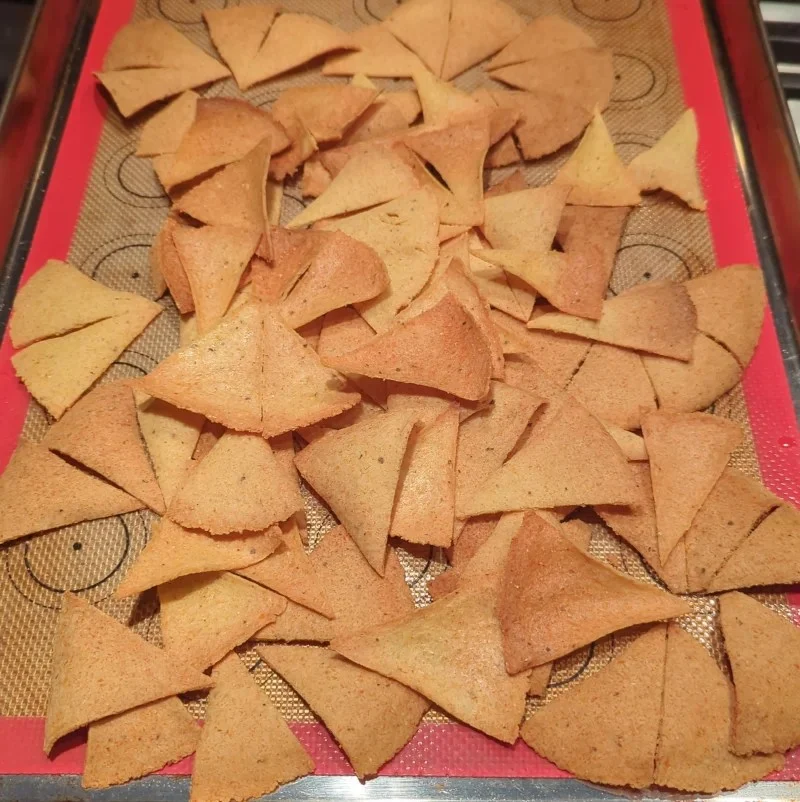
The same masa dough can be easily transformed into homemade tortilla chips. After pressing the tortillas, they can be cut into wedges. These wedges are then either baked until crisp or, for a more traditional and intensely flavorful result, deep-fried until golden brown and crunchy. A sprinkle of salt immediately after cooking enhances their flavor. The resulting chips offer a robust corn flavor and satisfying crunch that complements salsas, guacamole, or nachos, demonstrating the dual utility of a single batch of masa dough.
Modern Applications and Broader Implications
In the contemporary food landscape, nixtamalization is experiencing a renaissance. Beyond its traditional strongholds, chefs and home cooks worldwide are embracing masa for its superior flavor, texture, and nutritional benefits. The growing interest in fermented foods and ancient grains also contributes to this renewed appreciation. Consumers are increasingly seeking out authentic, traditionally processed ingredients, driving demand for high-quality masa harina.
Economically, corn and masa remain central to the livelihoods of millions. Small-scale farmers and artisanal producers continue to employ traditional nixtamalization methods, often playing a vital role in local food economies. However, large industrial producers also utilize modernized nixtamalization techniques to meet global demand, making masa harina accessible to a wider market. This dual approach helps preserve the tradition while making its benefits available on a larger scale.
The broader implications of nixtamalization are profound. It stands as a powerful reminder of how traditional foodways often embody deep scientific understanding, developed through centuries of empirical observation and refinement. It underscores the importance of preserving culinary heritage not just for cultural reasons, but for the inherent wisdom and health benefits they offer. As the world grapples with issues of food security, nutrition, and sustainable agriculture, the ancient process of nixtamalization offers valuable lessons in transforming a staple crop into a truly nourishing and culturally rich food source. Its enduring legacy is a testament to human ingenuity and the timeless power of food to sustain both body and soul.


