
The Technical Foundations of Fruit Dehydration
The process of dehydrating cantaloupe is governed by the principles of thermodynamics and food science. Fresh cantaloupe typically consists of approximately 90% water. To achieve a state of preservation, this moisture content must be reduced to between 10% and 15%. This reduction is achieved through the application of low, consistent heat and high airflow. According to food safety standards, the optimal temperature for dehydrating fruits is 135°F (57°C). This specific temperature is high enough to facilitate the evaporation of moisture without "case hardening," a phenomenon where the exterior of the fruit dries too quickly, trapping moisture inside and leading to internal mold growth.
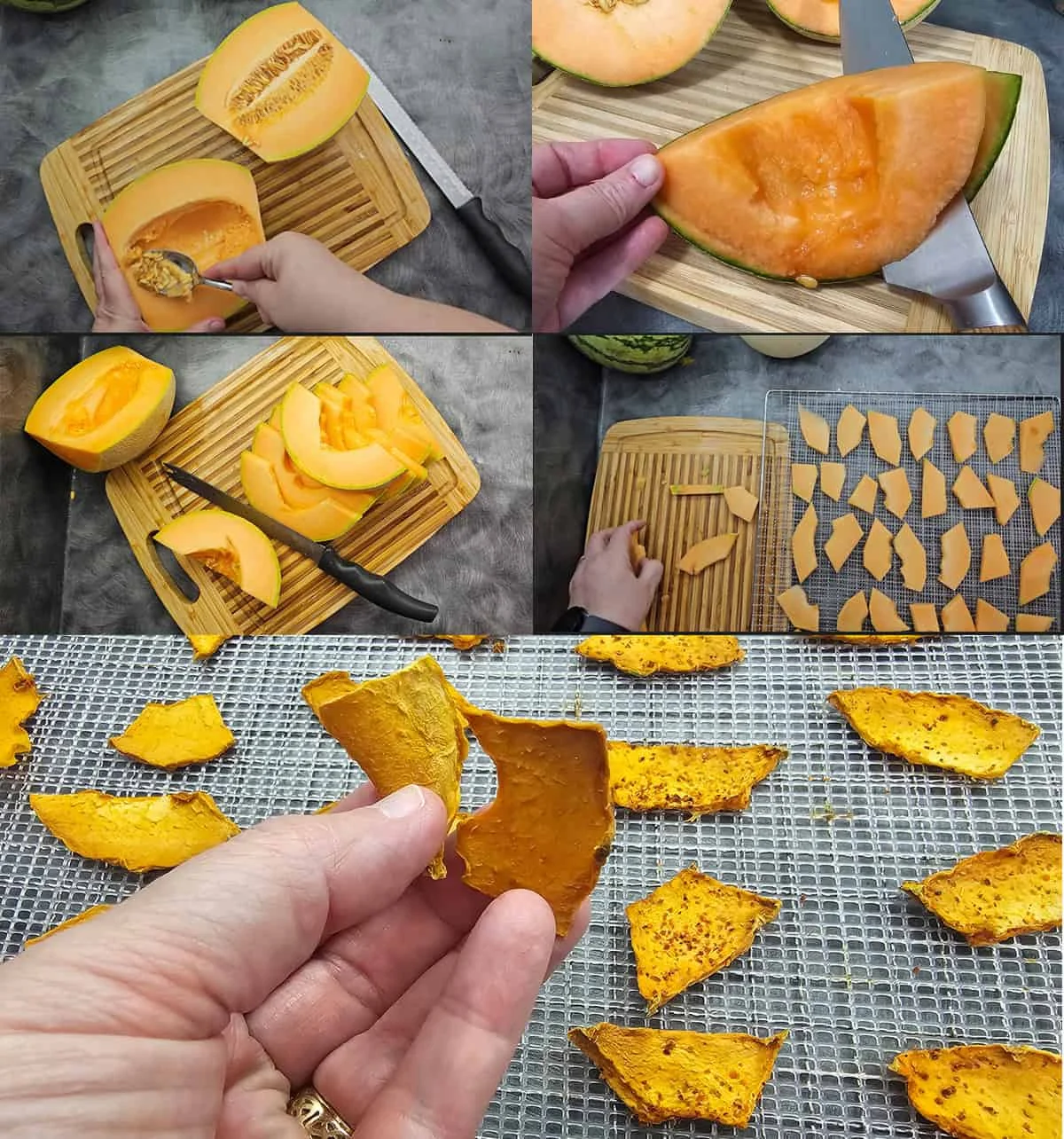
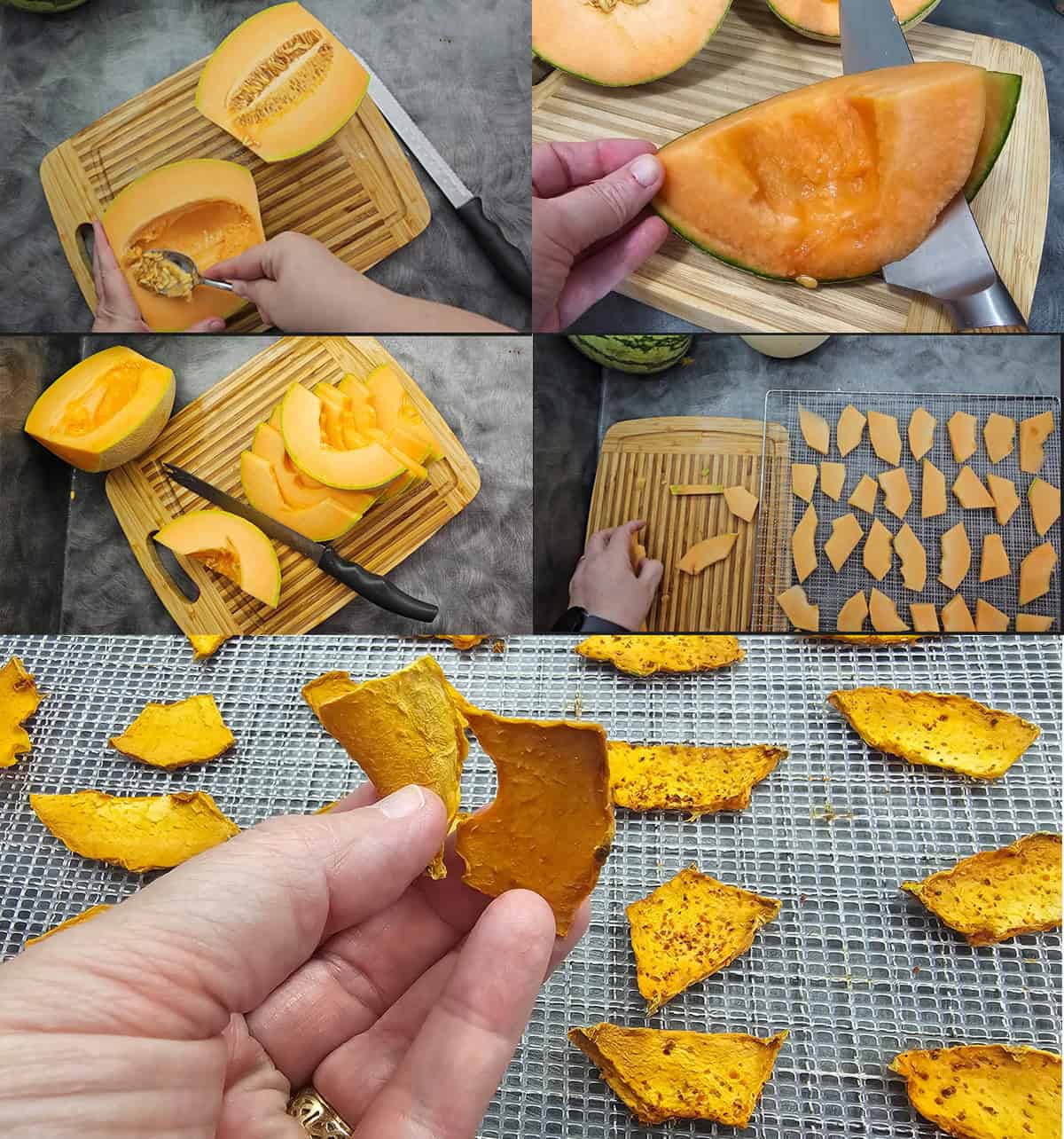
The structural integrity of the fruit during this process is paramount. Professional guidelines suggest slicing the melon into uniform 1/4-inch (approx. 6 mm) thicknesses. Uniformity ensures that all pieces reach the required dryness simultaneously, preventing a mixture of over-dried and under-dried segments. The duration of the process typically spans 10 to 14 hours, depending on the ambient humidity of the processing environment and the specific sugar content of the melon.
Chronology of the Preservation Process
The transition of a fresh cantaloupe from a highly perishable gourd to a shelf-stable product follows a strict chronological sequence to ensure safety and quality:
- Selection and Sanitization: The process begins with the selection of a ripe specimen. While dehydration can concentrate the flavors of sub-optimal fruit, peak-season melons yield the highest quality results. The exterior rind must be thoroughly washed to prevent the transfer of soil-born pathogens, such as Salmonella, to the flesh during slicing.
- Primary Processing: The melon is halved, and the seeds and pulp are removed. The rind is then excised, and the remaining flesh is sliced into consistent wedges or strips.
- Loading and Thermal Exposure: Slices are arranged on dehydrator trays with sufficient spacing to allow for 360-degree airflow. The unit is set to 135°F.
- Monitoring and Evaluation: Periodic checks are conducted after the eight-hour mark. The fruit is considered "done" when it achieves a leathery, pliable texture and no visible moisture beads appear when the fruit is squeezed.
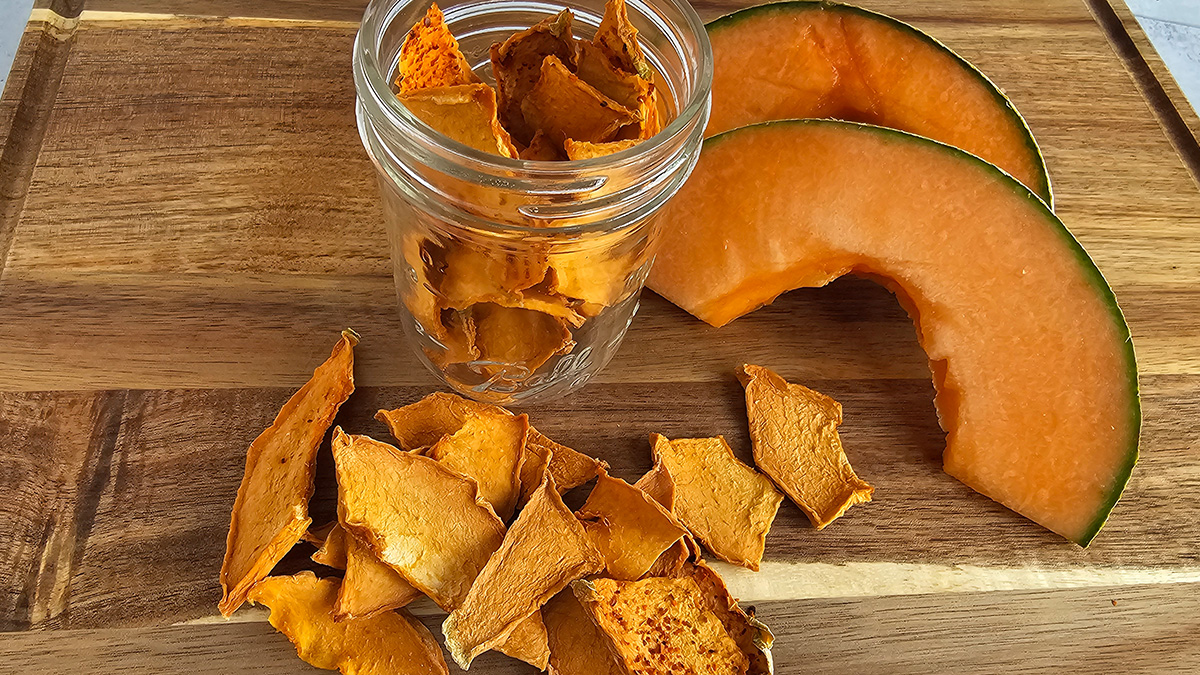
- The Conditioning Phase: Post-dehydration, the fruit must undergo "conditioning." This involves placing the cooled fruit in a clear, airtight container for seven to ten days. The container is shaken daily to redistribute any remaining internal moisture. If condensation appears on the container walls, the fruit must be returned to the dehydrator.
- Long-Term Storage: Once conditioned, the product is moved to a cool, dark environment in airtight vessels, potentially utilizing oxygen absorbers or desiccant packs for enhanced longevity.
Nutritional Profile and Supporting Data
Dehydration does not merely preserve the fruit; it alters its nutritional density. Because the water is removed, the nutrients and calories become more concentrated per gram of weight. Data indicates that a standard serving of 1/4 cup of dried cantaloupe provides approximately 14 kilocalories.
The nutritional breakdown for a typical serving includes:
- Carbohydrates: 3 grams
- Sugar: 3 grams
- Potassium: 63 milligrams
- Protein: 0.3 grams
- Fiber: 0.3 grams
- Sodium: 12 milligrams
Cantaloupe is an exceptional source of Vitamin A (in the form of beta-carotene) and Vitamin C. While some Vitamin C is lost due to heat exposure during the drying process, the concentration of Vitamin A remains high, making the dried fruit an efficient delivery system for antioxidants. Experts note that for nutritional tracking, one cup of fresh fruit is roughly equivalent to 1/4 cup of the dehydrated variant in terms of sugar and caloric content.
Economic and Environmental Implications
The adoption of home dehydration techniques carries significant implications for the broader economy and the environment. According to the United States Department of Agriculture (USDA), nearly 30% to 40% of the food supply is wasted, with a substantial portion of that waste occurring at the retail and consumer levels. High-moisture fruits like melons are particularly prone to being discarded due to their rapid rate of over-ripening.
By implementing dehydration protocols, households can effectively "lock in" the value of their purchases. This is particularly relevant during the peak summer harvest when cantaloupe prices are at their lowest. From a "Cottage Food" perspective, the ability to transform a raw agricultural product into a value-added, shelf-stable snack provides a pathway for small-scale producers to diversify their offerings. Furthermore, the reduction in food waste contributes to a decrease in methane emissions from landfills, aligning home preservation with global sustainability goals.
Alternative Methodologies: Oven Dehydration
For individuals lacking specialized equipment, the use of conventional ovens serves as a viable alternative, though it requires more rigorous oversight. Most modern ovens have a minimum temperature setting of 170°F (77°C), which is higher than the ideal 135°F. To compensate, practitioners are advised to:
- Set the oven to its lowest possible temperature.
- Prop the oven door open slightly (approximately 1-2 inches) to facilitate moisture escape and lower the internal temperature.
- Utilize cooling racks placed on baking sheets to mimic the airflow of a dedicated dehydrator.
- Monitor the fruit closely, as the higher heat can lead to scorching or "cooking" rather than drying.
Safety warnings are frequently issued regarding this method, particularly for households with small children or pets, due to the necessity of leaving the oven door ajar for extended periods.
Market Trends and Culinary Versatility
The rise of "artisanal" dried fruits has seen a surge in the popularity of seasoned dehydrated products. Market analysis suggests that consumers are increasingly looking for clean-label snacks that avoid the sulfur dioxide and added sugars found in many commercial dried fruits. Home-dried cantaloupe meets this demand perfectly.
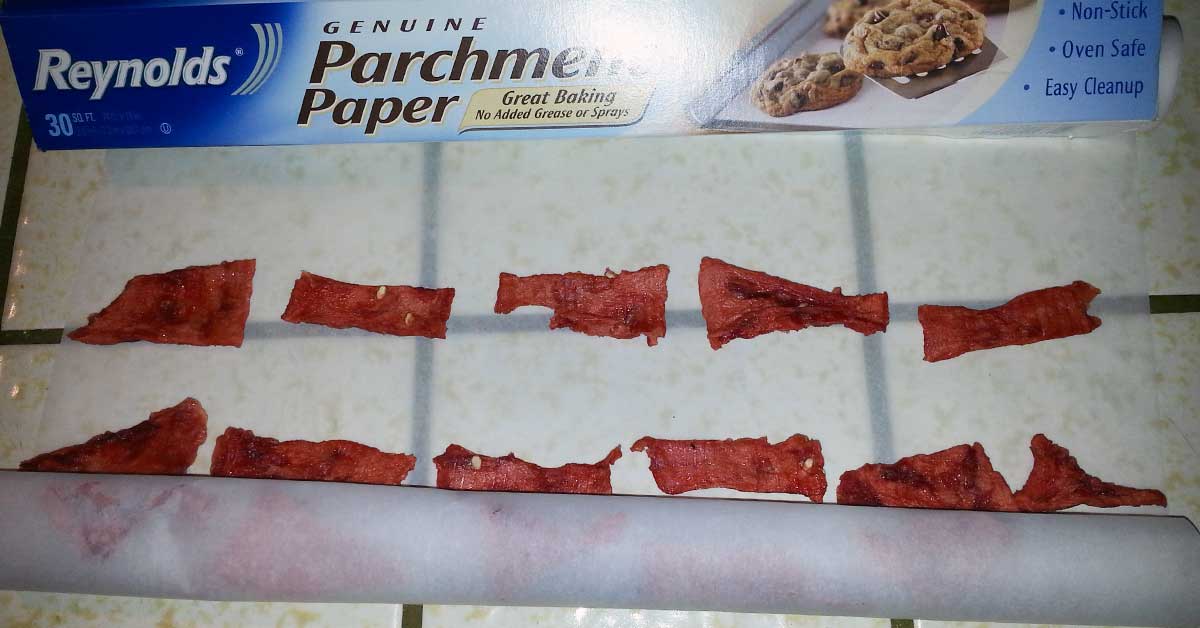
Culinary experts have identified several seasoning profiles that enhance the natural profile of the melon:
- Acidic Enhancements: A spritz of lemon or lime juice prevents oxidation and adds a bright contrast to the concentrated sugars.
- Spice Infusions: The application of Tajin, chili powder, or ginger provides a sophisticated flavor profile suitable for adult snack markets.
- Sweet Complement: A light dusting of cinnamon can align the fruit with autumnal flavor palettes.
Beyond direct consumption, dehydrated cantaloupe is being integrated into trail mixes, utilized as a garnish for high-end cocktails, and rehydrated for use in baked goods or fruit compotes, demonstrating a versatility that fresh melon lacks.
Regulatory Perspectives and Safety Standards
National food safety organizations emphasize the importance of proper storage to prevent the growth of molds and the development of rancidity. The presence of natural sugars makes dried cantaloupe hygroscopic, meaning it readily absorbs moisture from the air. In high-humidity environments, even "bone-dry" fruit can become sticky and prone to spoilage if not kept in an airtight environment.

The use of vacuum sealing has been recommended by preservation specialists as the "gold standard" for maintaining the quality of dried melon jerky. When stored correctly, the fruit maintains its organoleptic properties—taste, smell, and texture—for 12 months, providing a reliable source of nutrition outside of the traditional growing season.
Conclusion and Future Outlook
The strategic dehydration of cantaloupe represents a synthesis of traditional wisdom and modern food science. As the global community moves toward more resilient and localized food systems, the ability to preserve the summer harvest becomes more than a hobby; it becomes a fundamental component of economic and nutritional management. By understanding the thermal requirements, the importance of conditioning, and the nutritional benefits of the process, consumers can significantly reduce their environmental footprint while enjoying the health benefits of one of nature’s most nutrient-dense fruits year-round. The ongoing development of energy-efficient home dehydrators and a renewed public interest in food sovereignty suggest that the "melon jerky" trend is poised to remain a staple of the modern pantry for the foreseeable future.


