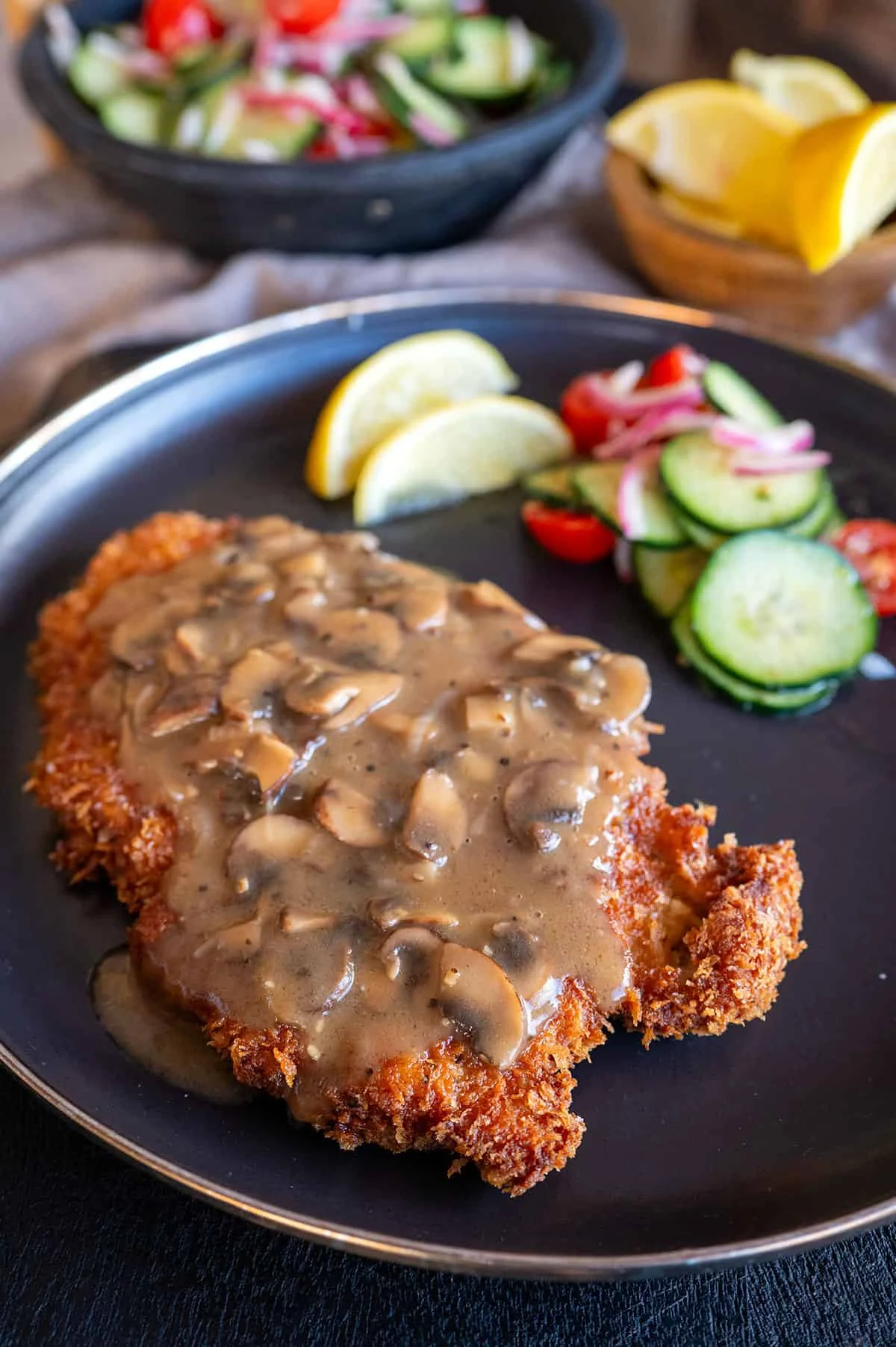
Schnitzel, a dish synonymous with European comfort food, is a culinary tradition that transcends borders and generations. At its heart, schnitzel is a thin cutlet of meat, expertly pounded and then coated in a delicate flour, egg, and breadcrumb batter before being pan-fried to a perfect golden crisp. While originating in Austria, typically with veal, its versatility has led to popular pork and chicken variations enjoyed worldwide. This particular recipe, honed through personal experience and family tradition, offers a straightforward path to achieving a tender, juicy interior encased in a light, crunchy panko crust. Requiring only pantry staples and approximately 30 minutes of preparation and cooking time, it stands as an accessible yet impressive meal for any home cook.
The genesis of this refined schnitzel recipe can be traced to a personal journey through European culinary landscapes. The author’s father-in-law, who served in the U.S. Army stationed in Germany, introduced an early iteration of the dish. This foundational knowledge was further enriched during a period of living in Belgium, where a husband’s international soccer affiliations led to an encounter with a German player who shared his family’s specific technique. Extensive sampling of schnitzel in various eateries across Europe solidified this recipe as a reliable and beloved favorite, embodying the essence of this beloved dish.
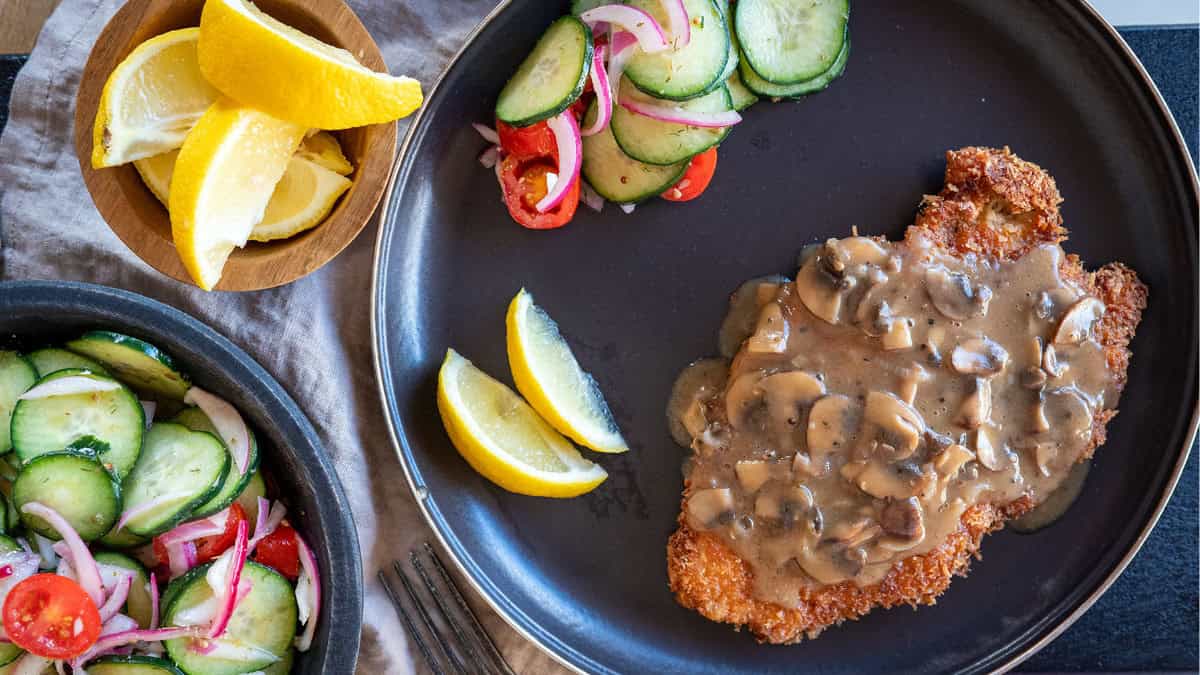
Serving suggestions for this versatile schnitzel are as varied as its origins. It can be enjoyed in its purest form, simply enhanced with a bright squeeze of fresh lemon. For those seeking a more traditional and hearty presentation, it pairs exceptionally well with a rich Mushroom Gravy, transforming it into a classic Jägerschnitzel – a dish often referred to as "hunter’s schnitzel" and a staple in German and Austrian culinary traditions.

Understanding Schnitzel: More Than Just a Fried Cutlet
Schnitzel, in its most fundamental definition, is a breaded and pan-fried meat cutlet. Its historical roots are firmly planted in Austria, where the traditional preparation involves veal. However, the culinary adaptability of schnitzel has led to widespread adoption and variations using pork and chicken, each offering a distinct yet equally satisfying experience. The hallmark of an exceptional schnitzel lies in the meticulous pounding of the meat to an even, thin consistency. This crucial step ensures rapid and uniform cooking, preventing the meat from becoming tough while allowing the coating to achieve its signature crispness. The classic three-step breading process—flour, followed by an egg wash, and finally breadcrumbs—forms the foundation for the delightful texture. In this specific recipe, the use of center-cut pork chops provides a lean yet flavorful base, while panko breadcrumbs elevate the crunch factor to new heights, offering a lighter and airier crisp compared to traditional breadcrumbs.
The Art of Dredging: A Memorable Technique
A common point of confusion for novice cooks can be remembering the precise order of the breading process. To demystify this, a helpful mnemonic device, often shared on culinary television programs, is the acronym "FEB." This simple yet effective acronym stands for Flour, Egg, and Breadcrumbs, representing the sequential steps for achieving the perfect coating. This methodical approach ensures that each layer adheres properly, contributing to the final crispy texture.
A World of Schnitzel: Exploring Regional Variations
The term "schnitzel" itself encompasses a broad category of dishes, with regional variations and specific toppings dictating unique names and culinary identities. Understanding these distinctions can enhance appreciation for the dish’s rich heritage.
- Wiener Schnitzel: The archetypal schnitzel, traditionally made with veal and originating from Vienna, Austria. It is typically served with a lemon wedge and often accompanied by potato salad or parsley potatoes.
- Schweineschnitzel: This is the pork version, which is widely popular throughout Germany and Austria. It’s a more economical and accessible option compared to veal, offering a robust flavor profile.
- Hähnchenschnitzel: A chicken schnitzel, offering a lighter alternative. It’s a popular choice for those who prefer poultry or are looking for a quicker cooking time.
- Putenschnitzel: Turkey schnitzel, similar to chicken schnitzel in its leanness and mild flavor.
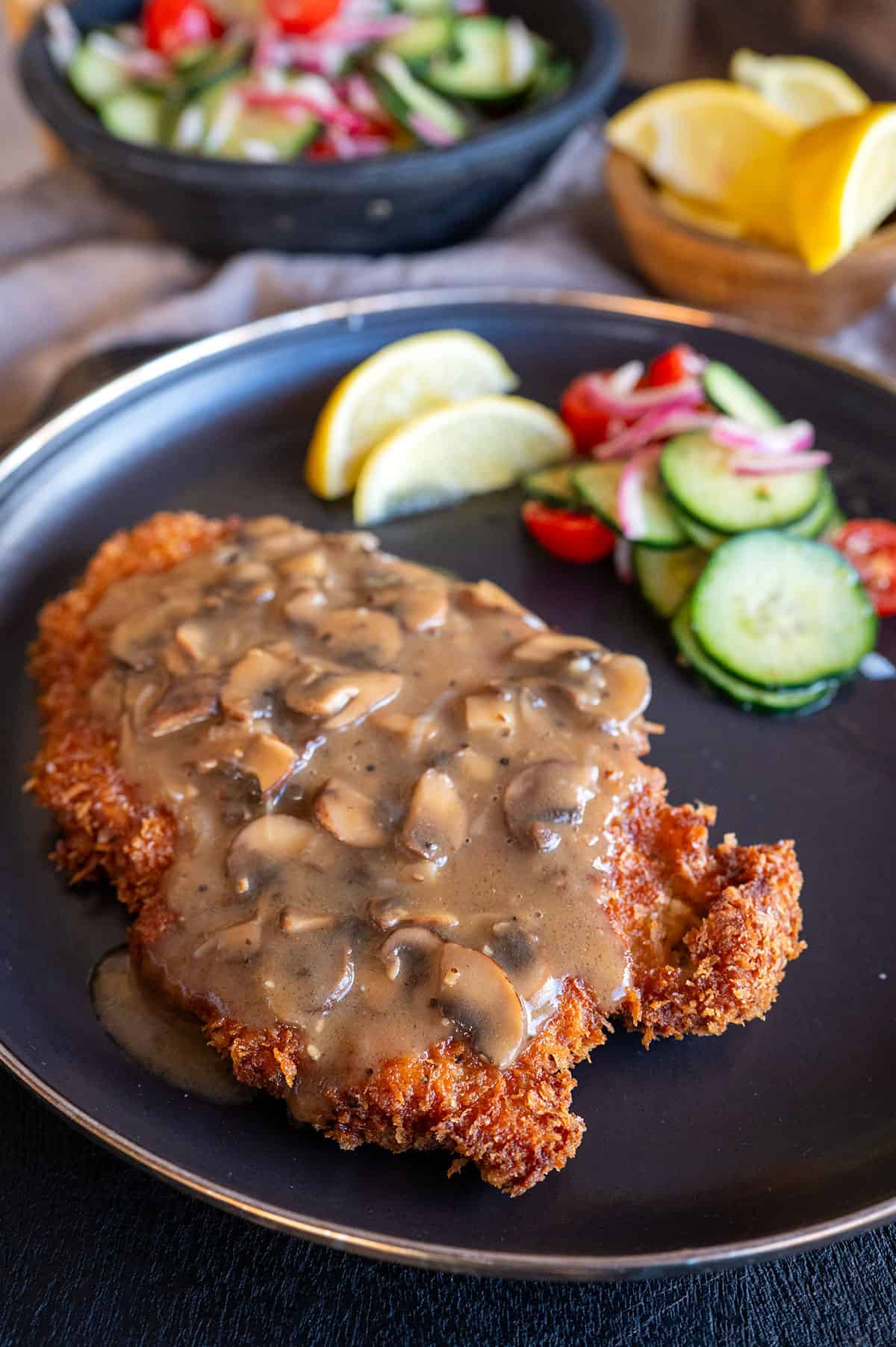
- Jägerschnitzel (Hunter’s Schnitzel): This classic variation involves a schnitzel, typically pork or veal, topped with a rich mushroom gravy, often referred to as "hunter’s sauce." The gravy can include ingredients like onions, mushrooms, and cream, providing a savory depth.
- Zigeunerschnitzel (Gypsy Schnitzel): Another popular variation featuring a schnitzel topped with a piquant sauce, commonly made with bell peppers, onions, and tomatoes. The name has historical connotations and is sometimes subject to discussion regarding its cultural appropriateness.
- Rahmschnitzel (Cream Schnitzel): A schnitzel served with a creamy sauce, which can vary but often includes ingredients like mushrooms, onions, and cream.
This recipe serves as a foundational Pork Schnitzel, acting as a blank canvas for all these delicious variations. Mastering the basic technique of preparing the cutlet opens the door to easily adapting it with different sauces and accompaniments, allowing for endless culinary exploration.
Essential Ingredients for Perfect Pork Schnitzel
To achieve the exemplary crispy pork schnitzel described, a curated selection of ingredients is necessary. The core components are readily available in most kitchens, underscoring the recipe’s practicality.
For the Schnitzel:
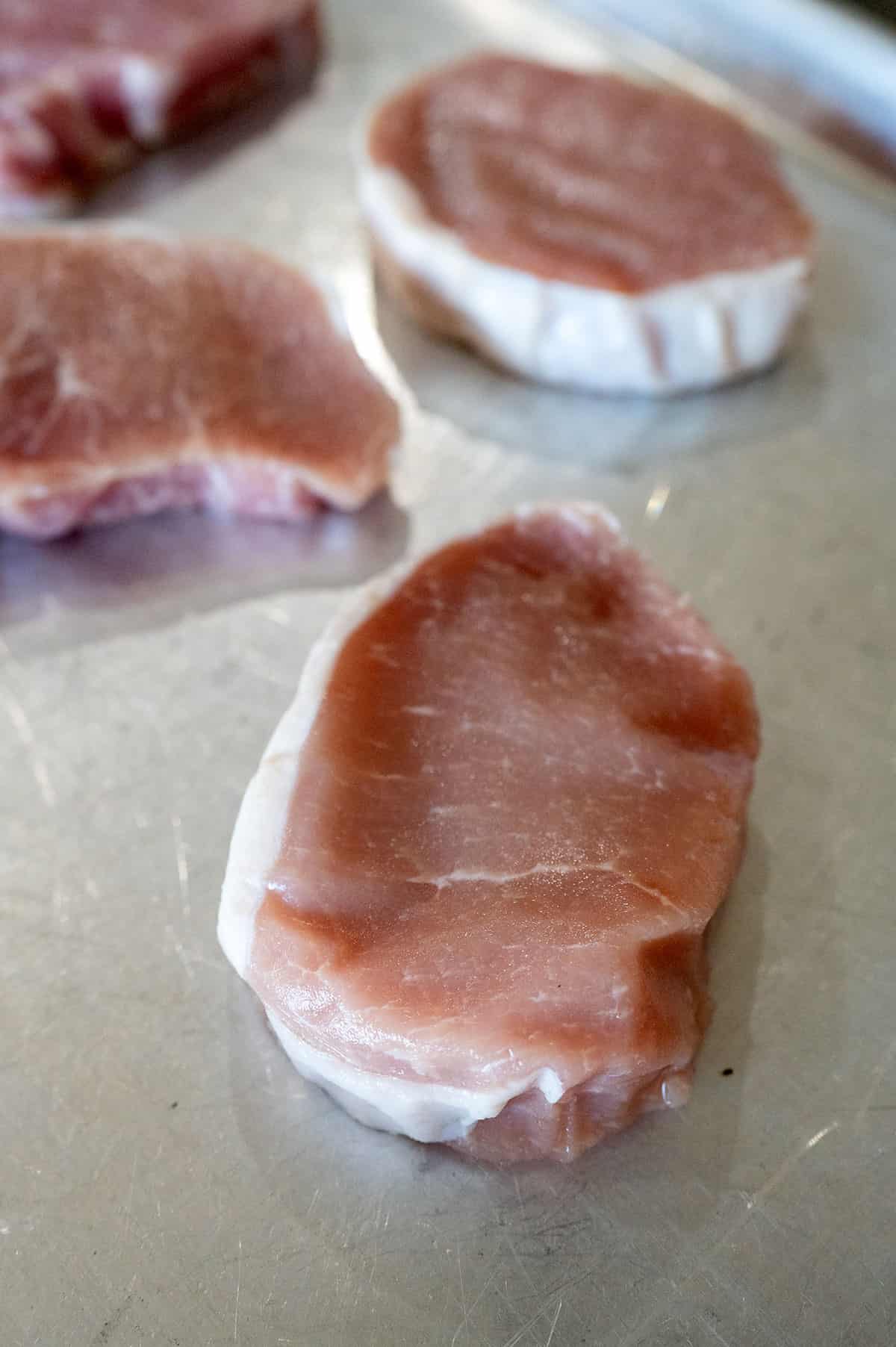
- Center-Cut Pork Chops: Four to six (approximately 1 to 1.5 inches thick), boneless. The center-cut variety ensures a good balance of leanness and tenderness.
- All-Purpose Flour: Approximately 1 cup, for the initial dredging.
- Large Eggs: Two to three, beaten, to create the egg wash.
- Panko Breadcrumbs: Approximately 2 cups, for an extra-crispy coating. Panko, a Japanese-style breadcrumb, is known for its airy texture and superior crispiness.
- Salt: To season the pork and the breadcrumb mixture.
- Black Pepper: Freshly ground, for seasoning the pork.
For Seasoning the Dredging:
- Salt: ½ teaspoon, to enhance the flavor of the panko coating.
- Paprika: ¼ teaspoon, adding a subtle color and mild smoky note.
- Garlic Powder: ¼ teaspoon, for an aromatic boost to the crust.
For Frying:
- Neutral Oil: Such as vegetable oil, canola oil, or peanut oil, approximately 1 to 1.5 cups, for pan-frying. The choice of oil impacts the final flavor and smoke point. Neutral oils are preferred to allow the schnitzel’s flavor to shine.
Optional for Serving:
- Lemon Wedges: For a bright, zesty finish.
- Mushroom Gravy: For a classic Jägerschnitzel.
Substitutions and Considerations:
- Alternative Meats: Boneless chicken breast or veal cutlets can be successfully substituted for pork chops. The pounding technique remains the same.
- Breadcrumb Alternatives: While panko provides superior crispness, regular plain breadcrumbs can be used if panko is unavailable. However, the texture will be less airy and crisp.
- Seasoning the Dredge: The added salt, paprika, and garlic powder in the panko mixture are crucial for building flavor throughout the crust.
The Culinary Process: A Step-by-Step Guide to Perfection
The journey to a perfectly cooked schnitzel is an engaging process that rewards attention to detail. The following steps outline the method for achieving that desirable crispy exterior and tender interior.
Step 1: Preparing the Pork Cutlets
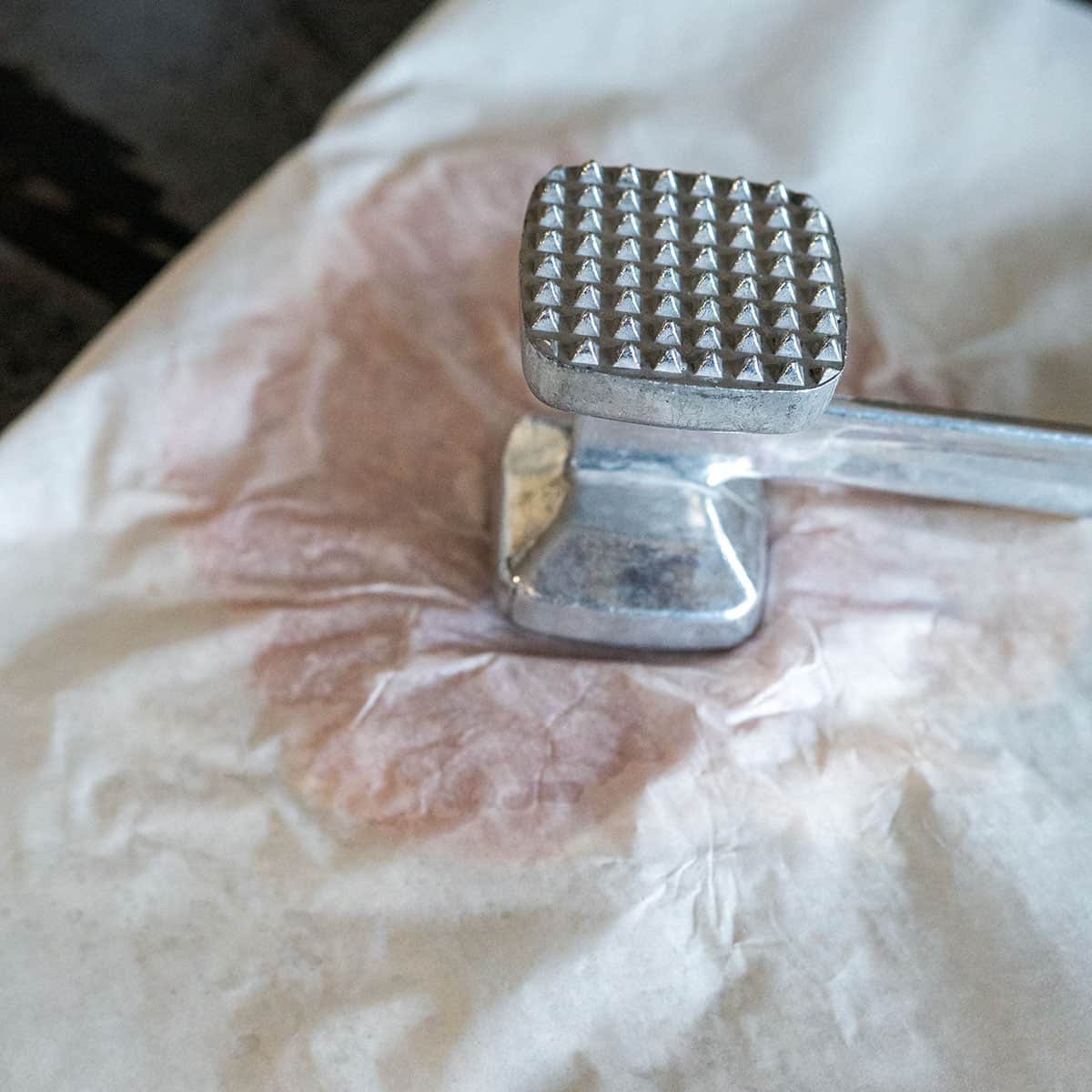
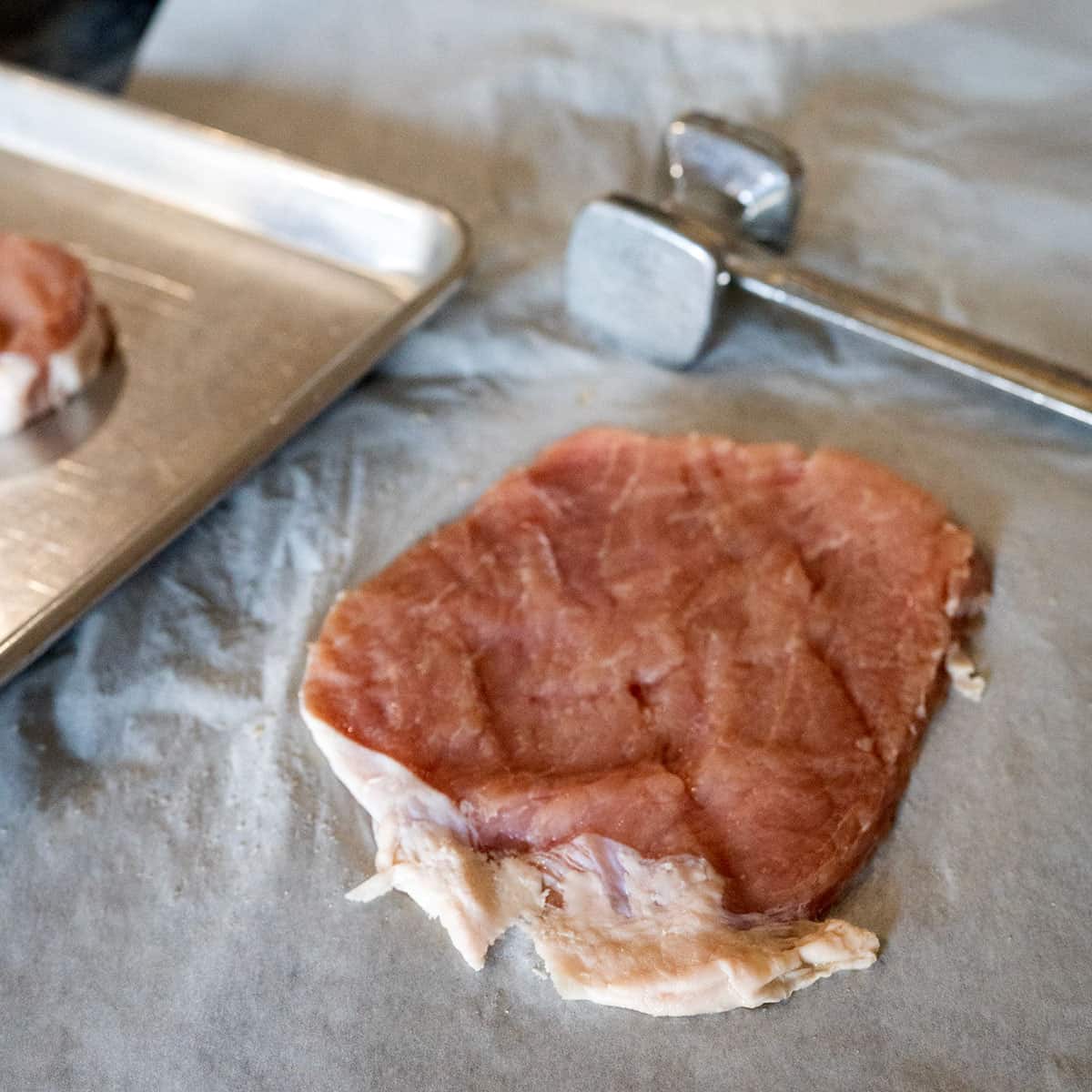
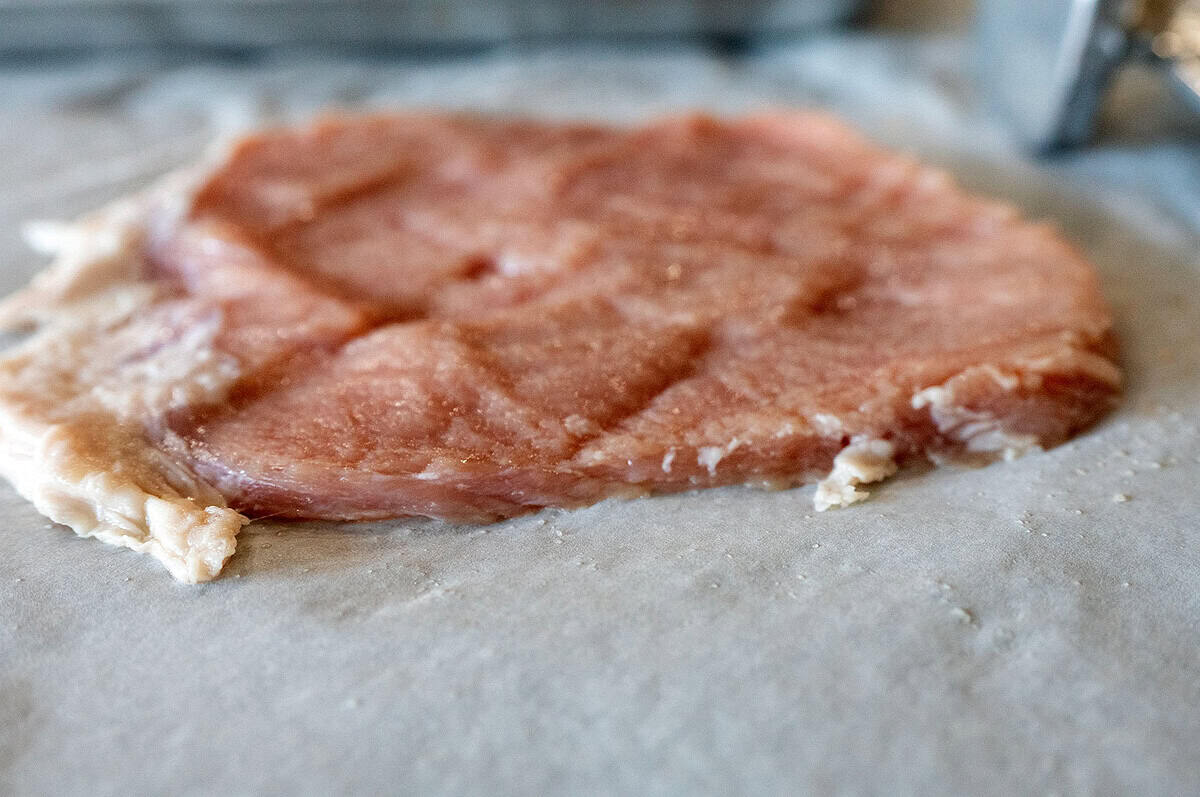
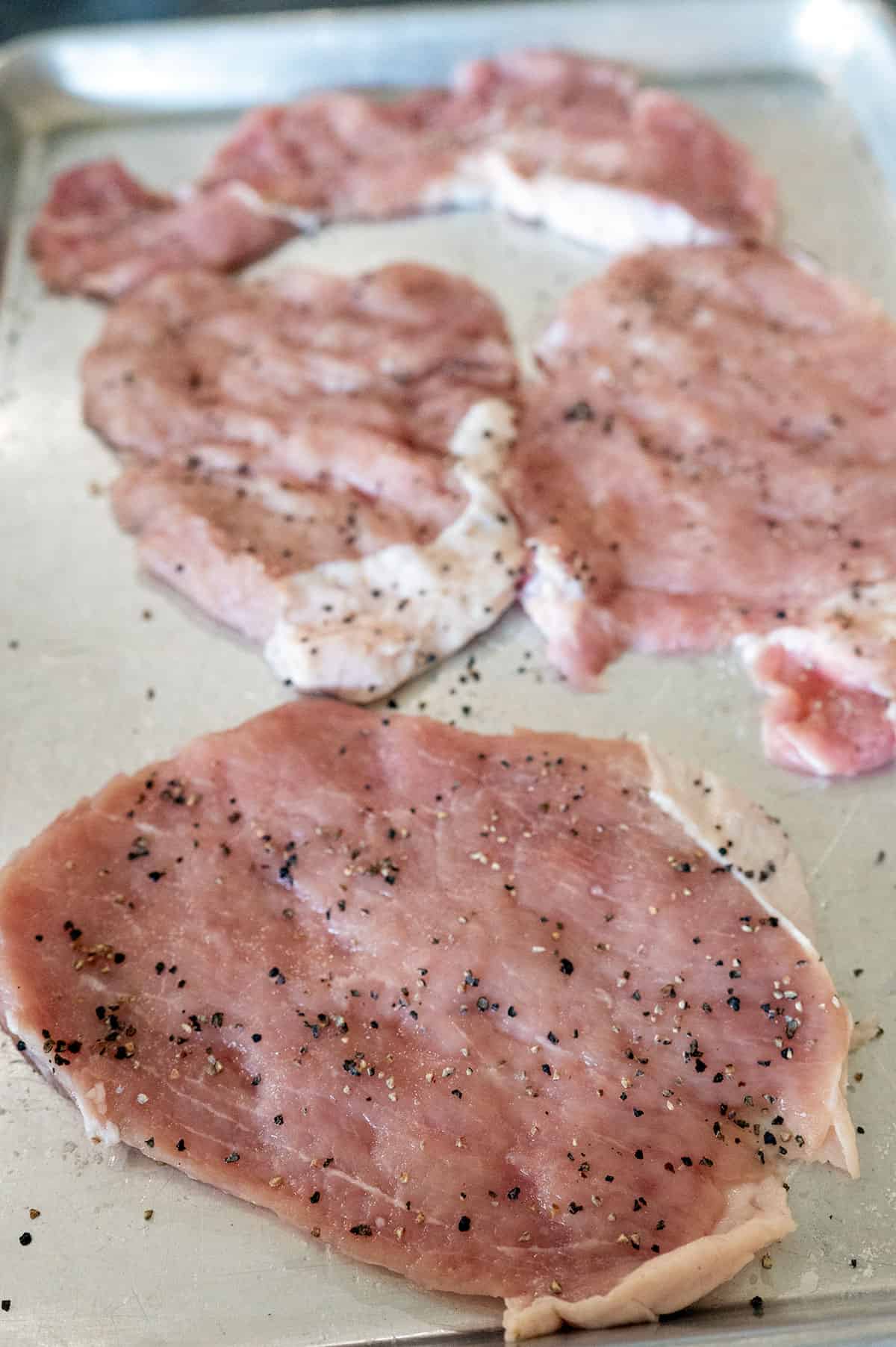
The foundation of great schnitzel begins with properly prepared pork. Begin by placing each pork chop between two sheets of plastic wrap or inside a resealable plastic bag. Using the flat side of a meat mallet, gently but firmly pound the pork to an even thickness, ideally between 1/8 and 1/4 inch. This process not only tenderizes the meat but also increases its surface area, allowing for quicker and more even cooking. Once pounded, season both sides of each cutlet generously with 1 teaspoon of salt and 1 teaspoon of black pepper. This initial seasoning is vital for infusing flavor into the meat itself.
Step 2: Establishing the Dredging Station
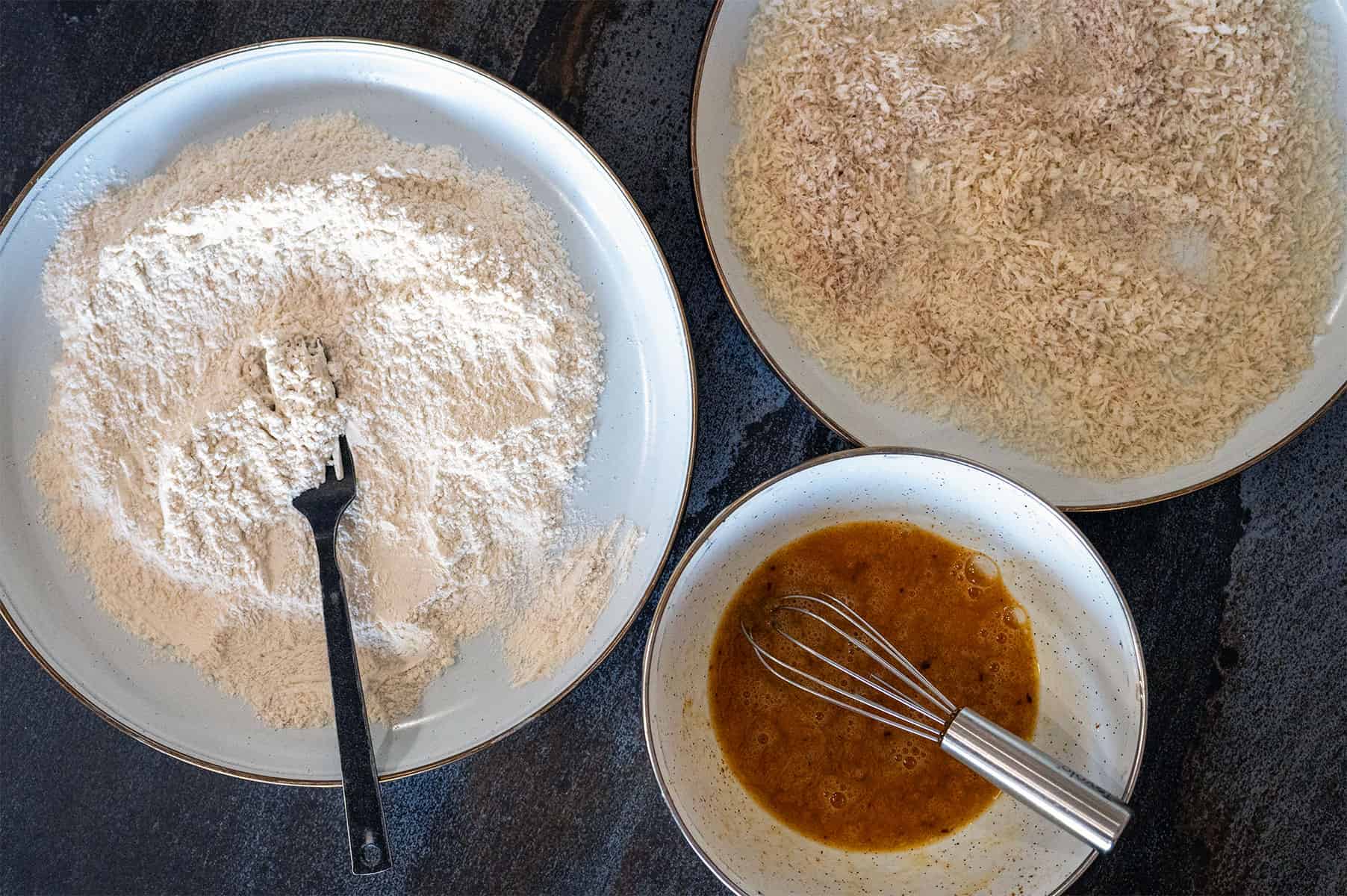
Efficiency is key when frying schnitzel, so setting up a well-organized dredging station beforehand is paramount. Prepare three shallow dishes or plates. In the first, place the all-purpose flour. In the second, whisk the eggs until thoroughly combined to create the egg wash. In the third dish, combine the panko breadcrumbs with ½ teaspoon of salt, ¼ teaspoon of paprika, and ¼ teaspoon of garlic powder. Mix these seasonings thoroughly into the panko. This seasoned panko will form the flavorful, crunchy crust.
GCG PRO TIP: The importance of seasoning each component of the dredge cannot be overstated. The flour and egg wash provide the adhesive layers for the breadcrumbs, and seasoning them, along with the pork itself, ensures that flavor is distributed throughout the entire cutlet, not just on the surface.
Step 3: The Art of Dredging
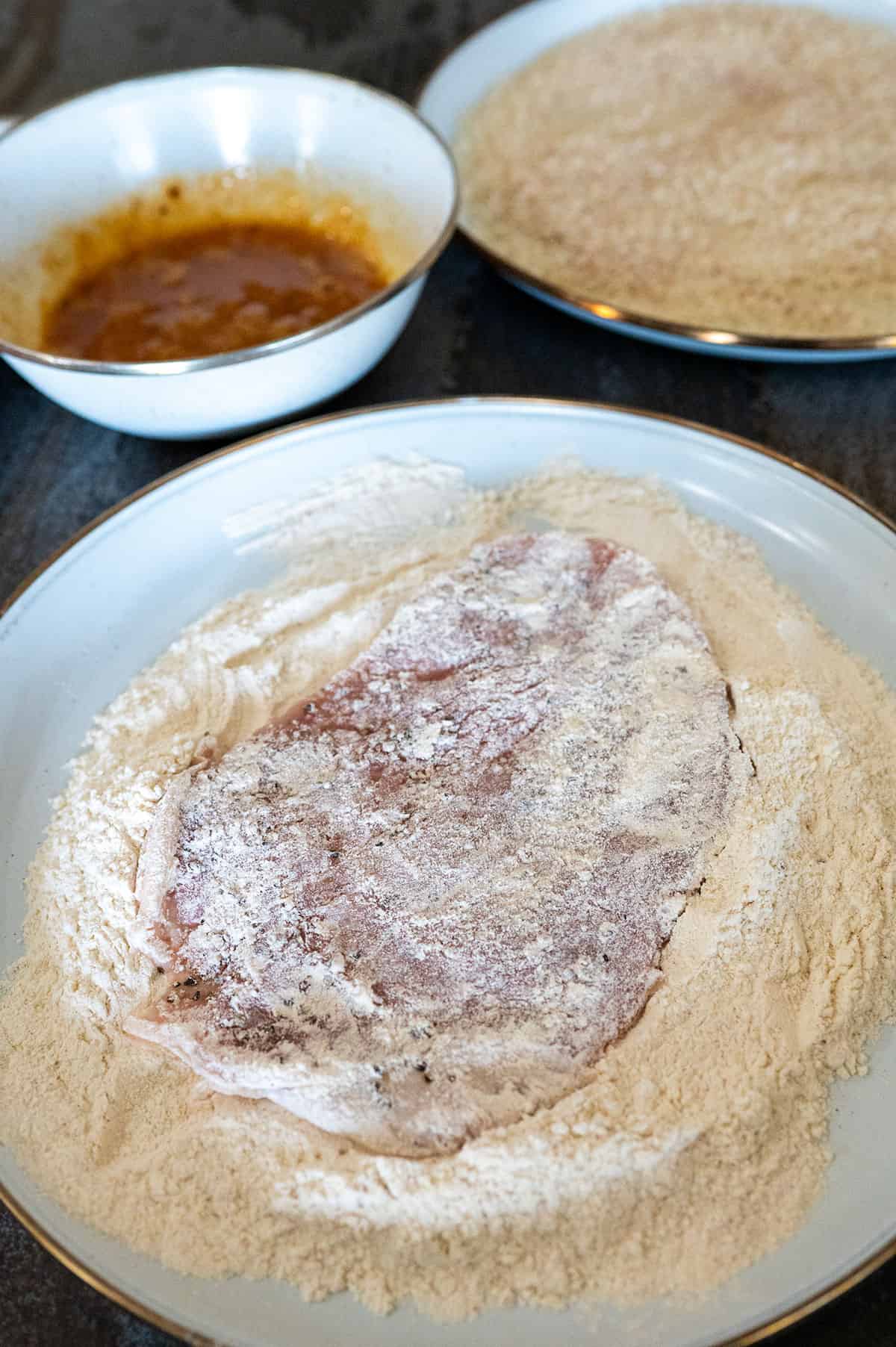
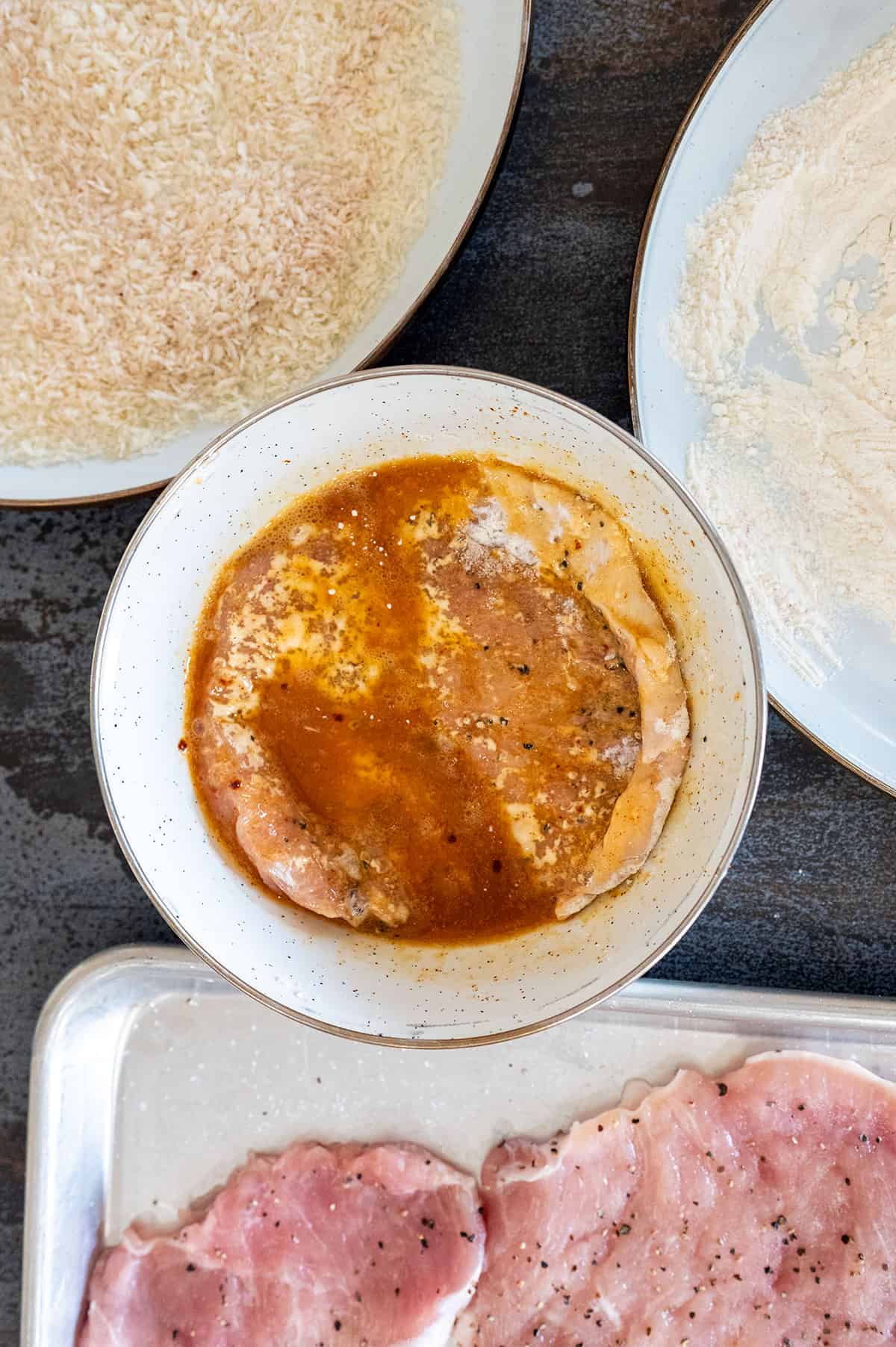
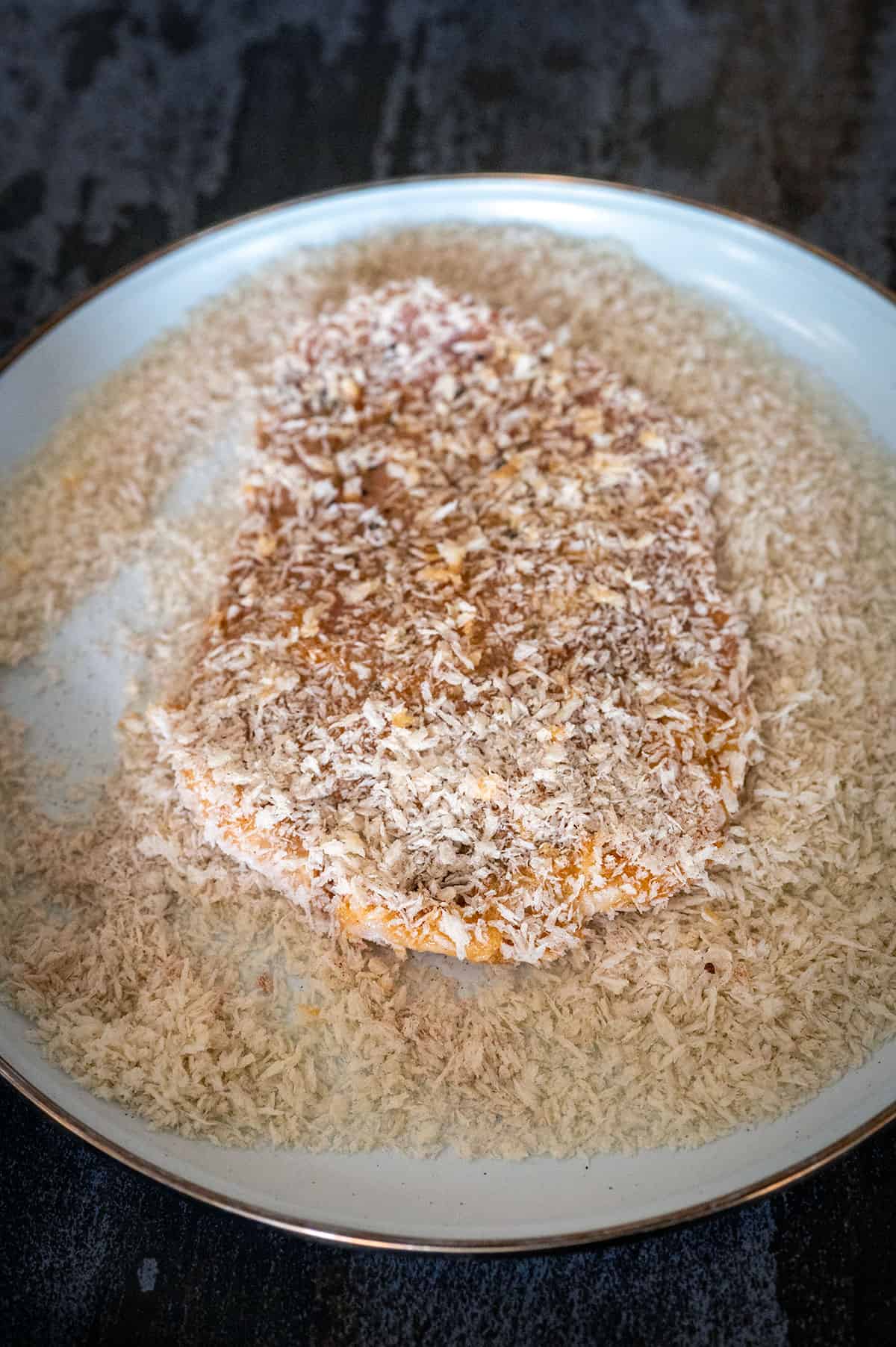
With the dredging station prepared, it’s time to coat the pork cutlets. Take each seasoned pork chop and dredge it thoroughly in the flour, ensuring it is fully coated. Gently shake off any excess flour, as too much can lead to a gummy texture. Next, dip the floured pork into the egg wash, allowing any excess to drip back into the dish. Finally, press the egg-washed cutlet firmly into the seasoned panko breadcrumbs, ensuring both sides are evenly and generously coated. Pressing the breadcrumbs onto the meat helps them adhere securely during the frying process, preventing them from falling off.
Step 4: Heating the Frying Oil
The success of the crisp crust is heavily dependent on the correct oil temperature. Heat the neutral oil in a large, heavy-bottomed skillet over medium-high heat to 375°F (190°C).
GCG PRO TIP: Using a kitchen thermometer to monitor the oil temperature is crucial. If the oil is too cool, the schnitzel will absorb excessive oil, resulting in a greasy, rather than crispy, texture. Conversely, if the oil is too hot, the breadcrumb coating can burn before the pork is cooked through. Maintaining the precise temperature ensures a golden-brown exterior and a perfectly cooked interior.
Step 5: Frying the Schnitzel to Golden Perfection
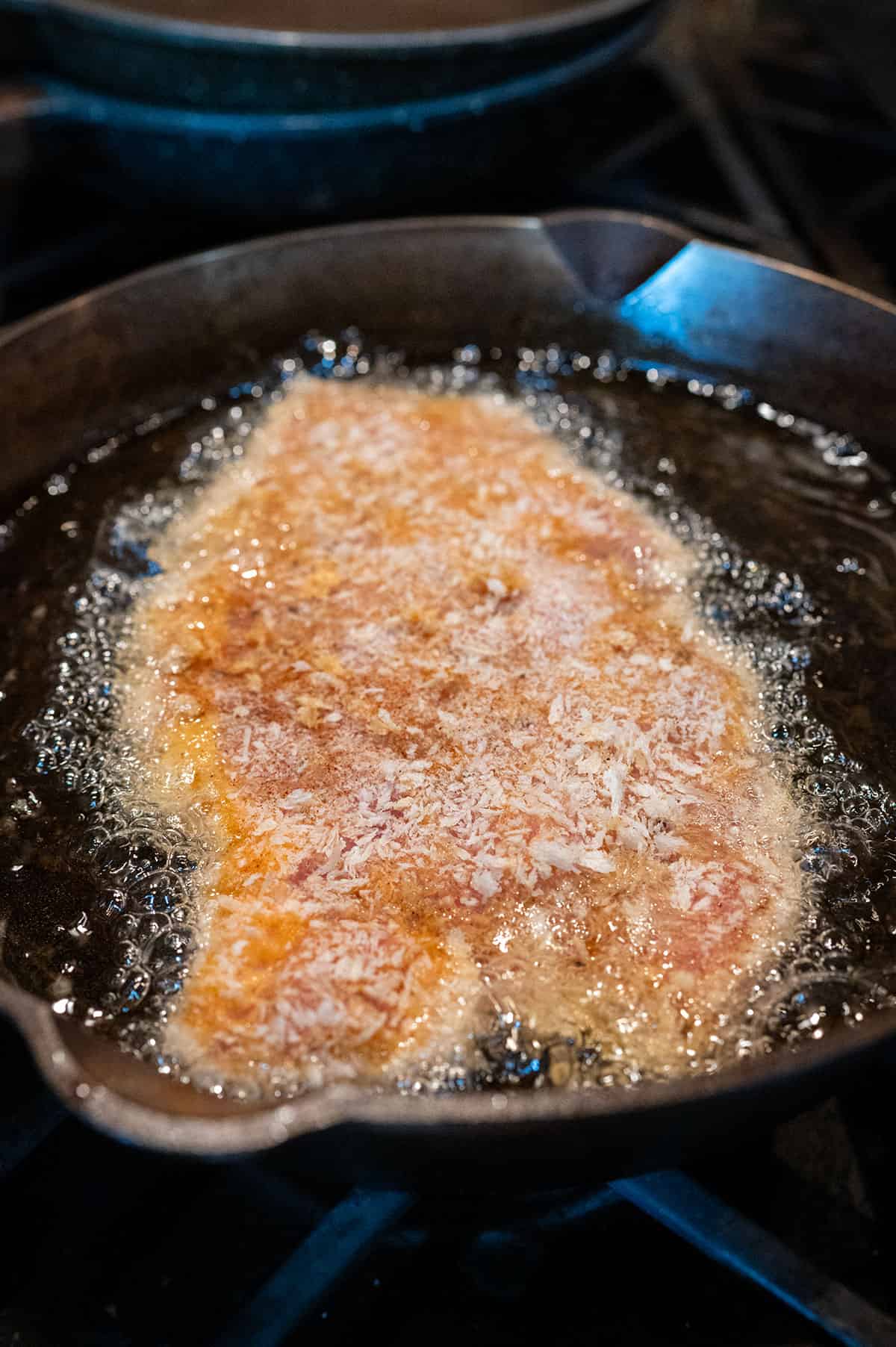
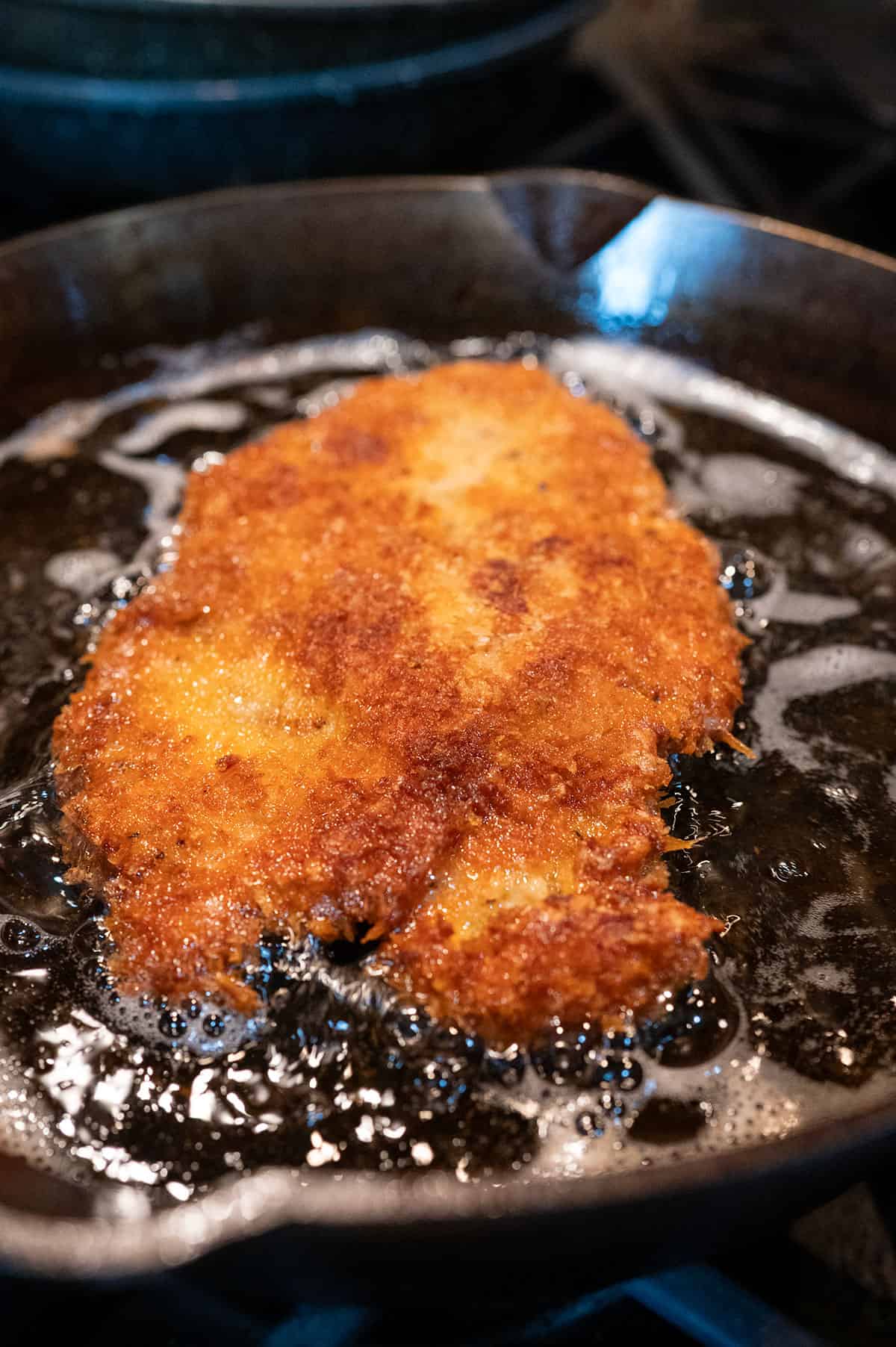
Once the oil reaches the optimal temperature, carefully place one or two breaded pork cutlets into the hot skillet, ensuring not to overcrowd the pan, as this can lower the oil temperature and lead to uneven cooking. Fry the schnitzel for approximately 4 to 5 minutes per side. The goal is to achieve a deep golden-brown color and ensure the pork is cooked through. The thinness of the pounded meat facilitates quick cooking, so vigilance is key to prevent overcooking.
Step 6: Resting and Final Seasoning
As each schnitzel reaches its golden perfection, carefully remove it from the skillet using tongs and transfer it to a plate or baking sheet lined with paper towels. This step allows excess oil to drain away, contributing to the desired crispiness. Immediately after transferring, season the hot schnitzel with a light pinch of salt. The residual heat will help the salt adhere, enhancing the overall flavor profile with a final pop of savory goodness.
Serving Your Masterpiece: The Culinary Finale
The culmination of the cooking process is the presentation and enjoyment of the perfectly prepared schnitzel. Serve the schnitzel immediately while it is still hot and at its crispiest. A simple yet effective accompaniment is a generous squeeze of fresh lemon juice, which cuts through the richness and brightens the flavors.
For a truly authentic and satisfying meal, consider elevating your schnitzel to Jägerschnitzel status by topping it with a luscious mushroom gravy. This classic pairing is a testament to the enduring appeal of German and Austrian cuisine.
Beyond the Jägerschnitzel, a variety of side dishes complement schnitzel beautifully. Traditional accompaniments include:
- Butter Noodles: Simple yet comforting, providing a neutral base.
- German Spätzle: Soft egg noodles, a delightful textural contrast.
- Mashed Potatoes: A classic choice, offering a creamy element.
- Cucumber Salad: A refreshing and crisp counterpoint to the fried cutlet.
Storage and Reheating: Preserving the Crisp
Should there be any leftover schnitzel, proper storage and reheating methods are essential to maintain its desirable texture. Store cooled schnitzel in an airtight container in the refrigerator for up to 3 days. To reheat and restore the crispiness, avoid using the microwave, as it can often result in a soggy texture. Instead, opt for a skillet, oven, or air fryer. Reheating in a skillet over medium heat, or in a preheated oven at 400°F (200°C), or in an air fryer will help to revive the crust. For longer storage, cooked and cooled schnitzel can be frozen for up to 2 months. Reheat from frozen in a 400°F (200°C) oven or air fryer until thoroughly heated and crispy.
Frequently Asked Questions About Schnitzel
What’s the difference between schnitzel and Jägerschnitzel?
Schnitzel refers to the breaded and fried cutlet itself. Jägerschnitzel, on the other hand, is a specific preparation where the schnitzel is served topped with a mushroom gravy, often referred to as "hunter’s sauce."
Can I make schnitzel with chicken instead of pork?
Absolutely. Boneless, skinless chicken breast is an excellent substitute for pork chops. The key is to pound the chicken to an even, thin thickness, mirroring the process used for pork.
Why is my schnitzel crust falling off?
A common reason for the breadcrumb crust detaching is insufficient adherence during the dredging process. This can occur if the pork wasn’t adequately coated in flour before the egg wash, or if the panko breadcrumbs weren’t pressed on firmly enough. Ensuring each layer adheres well, particularly pressing the breadcrumbs onto the meat with your hands, is crucial for a stable crust.