Mushroom gravy, a dish celebrated for its rich, savory depth and remarkable versatility, stands as a testament to the power of simple ingredients transformed into culinary excellence. This fundamental sauce, built upon the earthy notes of sautéed mushrooms and the subtle sweetness of shallots, bound together by a classic butter-and-flour roux and enriched with robust beef broth, offers a quick and rewarding path to elevating everyday meals. Requiring approximately 15 minutes from start to finish and prepared in a single pot, this mushroom gravy is poised to become an indispensable component in a home cook’s repertoire, perfectly complementing a diverse array of dishes, from the crispy delight of schnitzel to the comforting embrace of mashed potatoes, the bold flavors of steak, or the hearty satisfaction of roasted meats.
The Genesis of Gravy: A Culinary Staple
At its core, mushroom gravy is a testament to the enduring appeal of well-executed sauces in global cuisine. Its roots can be traced through various culinary traditions, notably in American and German cooking. In Germany, a mushroom-forward sauce often adorns dishes like Jägerschnitzel, a classic pork cutlet preparation that highlights the harmonious marriage of tender meat and a deeply flavored mushroom sauce. This historical context underscores the gravy’s long-standing role as a flavor enhancer and a critical component of traditional meals, providing a rich, umami-forward counterpoint to leaner proteins and starchy bases. The simplicity of its construction, relying on fundamental cooking techniques like sautéing and roux-making, makes it accessible to cooks of all skill levels, while its potential for nuanced flavor development ensures it remains a subject of culinary exploration.
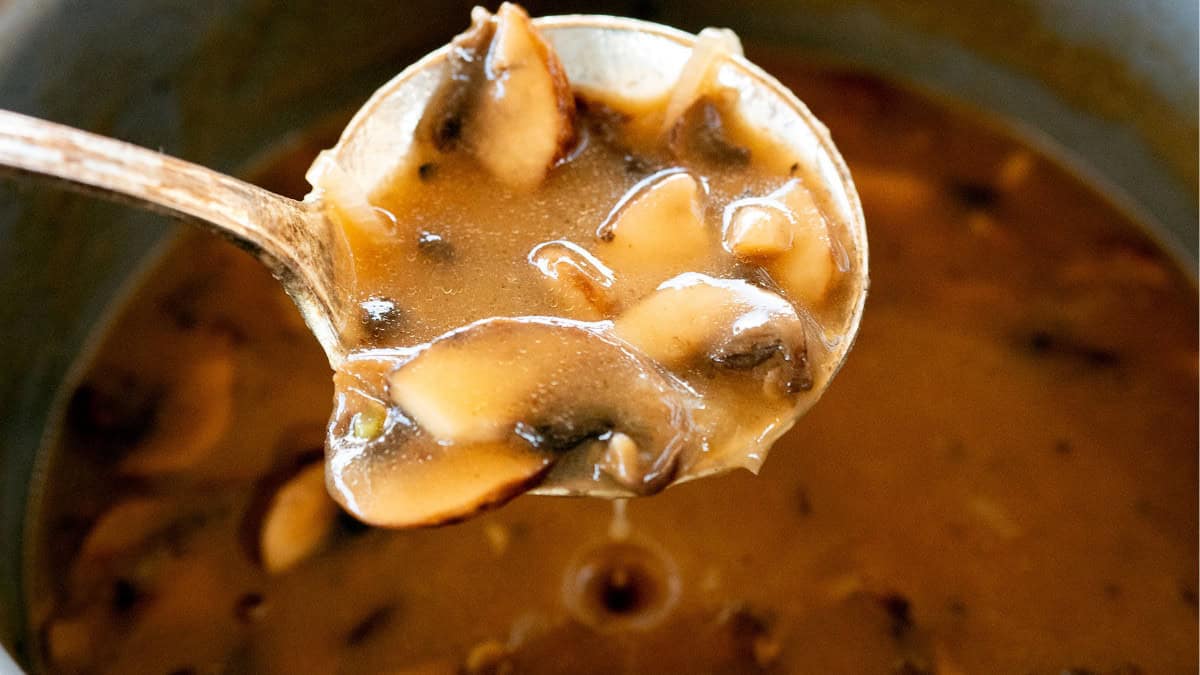
The recipe presented here embodies this spirit of accessible sophistication. It focuses on the essential elements: the careful sautéing of mushrooms and shallots to coax out their natural flavors, the creation of a smooth and stable roux using butter and flour, and the gradual incorporation of beef broth to achieve a luscious, glossy consistency. This methodical approach ensures a gravy that is not only delicious but also reliably replicates its flavorful profile with each preparation.
Understanding the Foundation: Ingredients and Their Roles
The success of this mushroom gravy hinges on the quality and interaction of its core components.
Key Ingredients:
- Mushrooms: The star of the dish, mushrooms provide the characteristic earthy flavor and a pleasing texture. Cremini or button mushrooms are ideal for their readily available nature and balanced taste. For a deeper, more intense mushroom essence, shiitake or porcini mushrooms can be used, though they often require rehydration prior to cooking.
- Shallots: Offering a milder and sweeter profile than onions, shallots contribute a delicate aromatic base that complements the mushrooms without overpowering them. A small yellow onion can serve as a suitable substitute if shallots are unavailable.
- Butter: Essential for sautéing the aromatics and forming the roux, butter provides richness and helps to develop toasted flavors.
- All-Purpose Flour: This acts as the thickening agent in the roux, creating a stable emulsion with the butter and broth.
- Beef Broth: The liquid foundation of the gravy, beef broth imparts a deep, savory flavor and a rich color. For a lighter profile, chicken or vegetable broth can be used, though this will alter the overall richness and depth of the final gravy.
The Roux: A Culinary Cornerstone
The creation of a roux is a pivotal step in developing the gravy’s texture and mouthfeel. A roux is a cooked mixture of fat (typically butter) and flour, used as a thickening agent for sauces, soups, and stews. The ratio of fat to flour is crucial, with a 1:1 ratio by weight or volume being standard for many applications. In this recipe, the flour is cooked with the melted butter for at least 60 seconds. This process is vital for several reasons: it toasts the flour, eliminating any raw, pasty taste, and it helps to prevent lumps from forming when the liquid is added. The slight browning of the roux also contributes to the overall color and depth of flavor in the final gravy.

The Method: A Step-by-Step Culinary Journey
The preparation of this mushroom gravy is designed for efficiency and flavor maximization, adhering to a logical progression that yields exceptional results.
Step 1: Sautéing the Aromatics
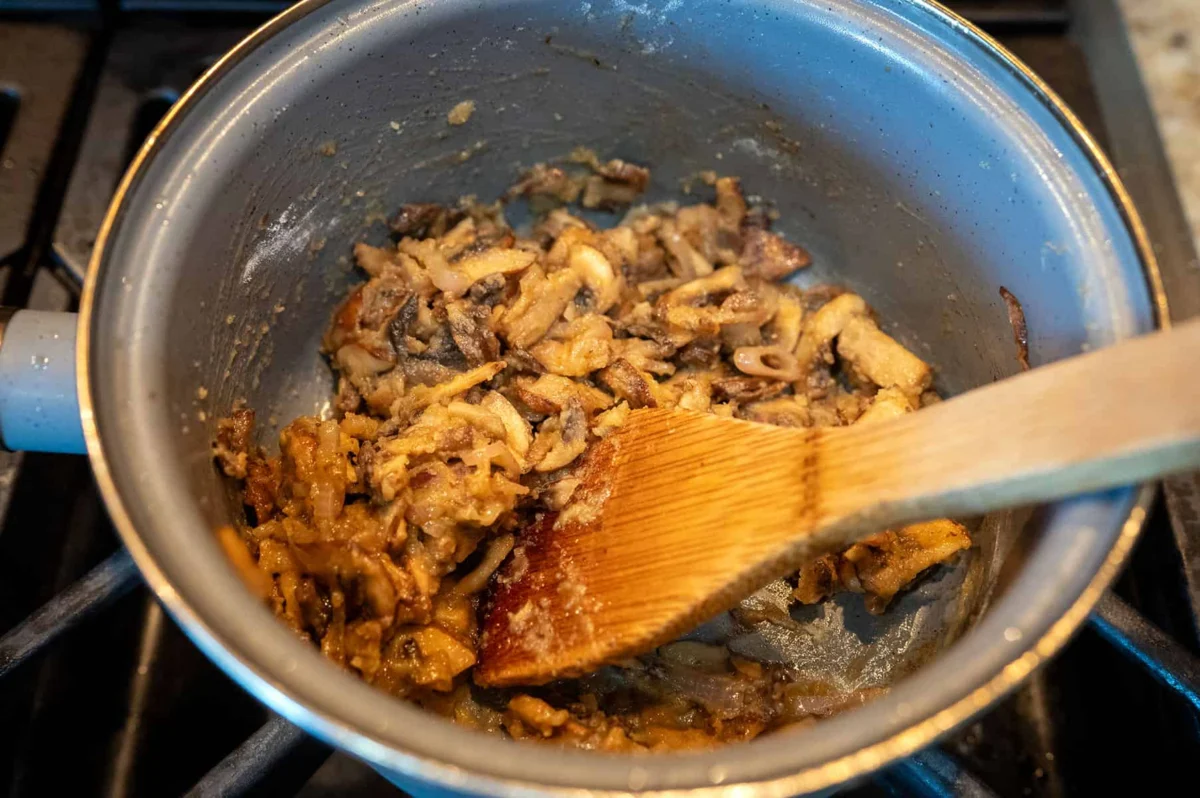
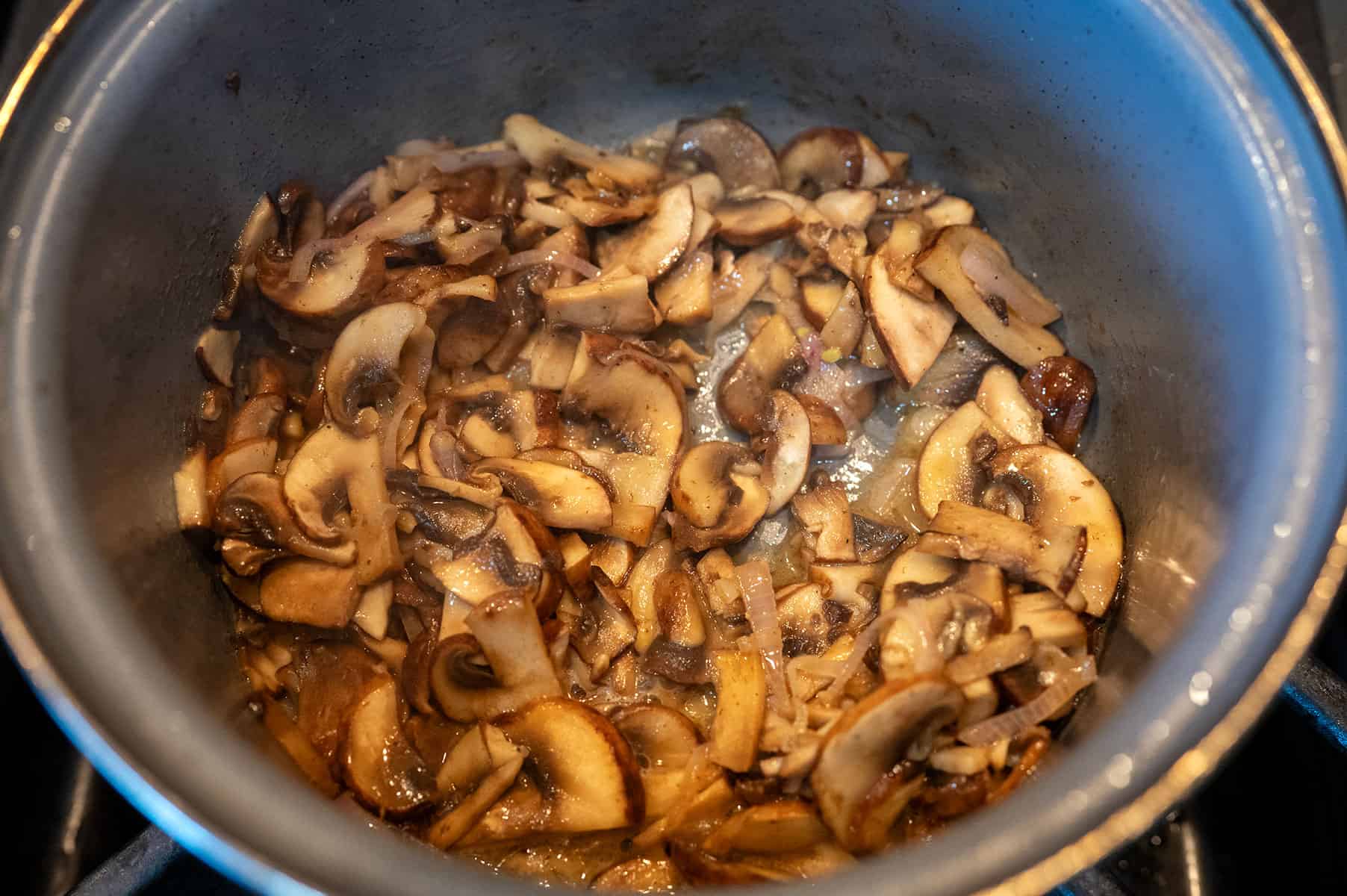
The process begins by melting three tablespoons of butter in a pot or saucepan over medium heat. Once shimmering, the finely chopped shallots and sliced mushrooms are introduced. This stage requires patient sautéing, allowing the mushrooms to release their moisture and begin to caramelize, developing a rich brown hue. This browning, often referred to as the Maillard reaction, is critical for building the foundational flavor of the gravy. This typically takes between five to seven minutes, and home cooks are encouraged to allow the mushrooms to achieve a slight browning rather than rushing this crucial step.
Step 2: Crafting the Roux
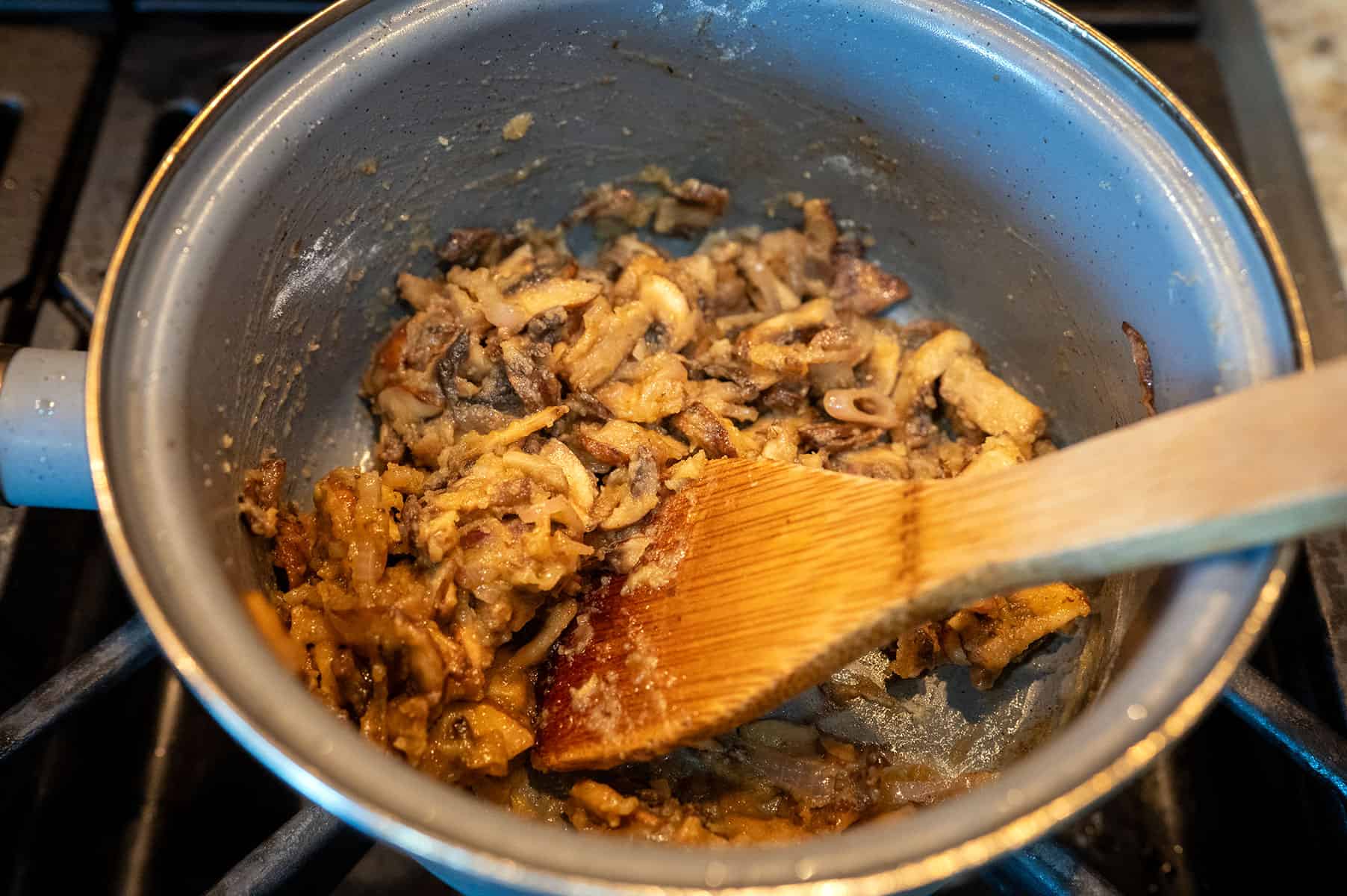
Following the sautéing of the mushrooms and shallots, the remaining tablespoon of butter is added to the pan. Once melted, the all-purpose flour is stirred in. The mixture is then cooked for approximately 60 seconds, with constant stirring. This brief cooking period ensures the flour is thoroughly integrated with the butter and any residual moisture is evaporated, creating a smooth paste that will effectively thicken the gravy without imparting a raw flour taste.
Step 3: Incorporating the Broth
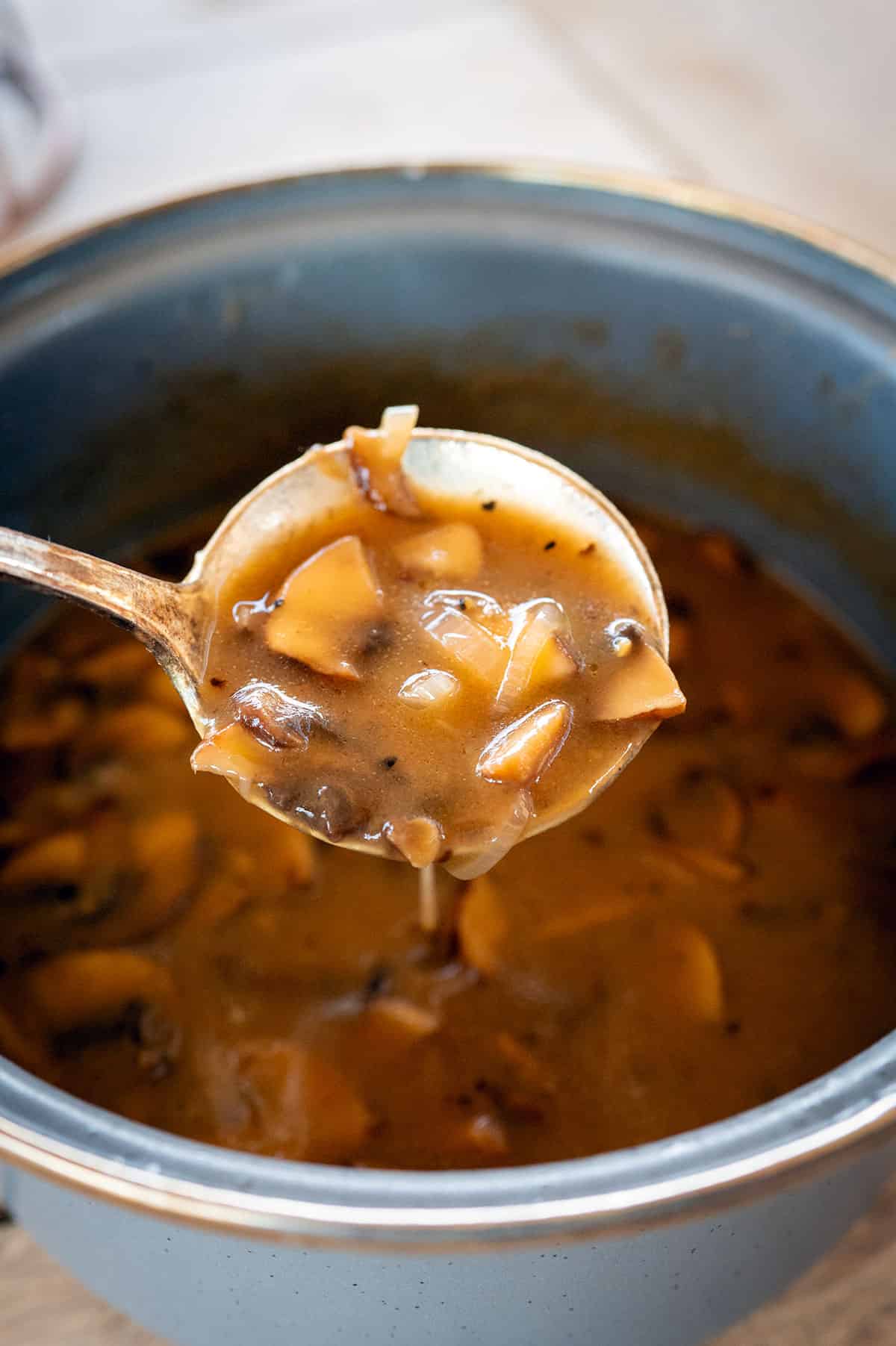
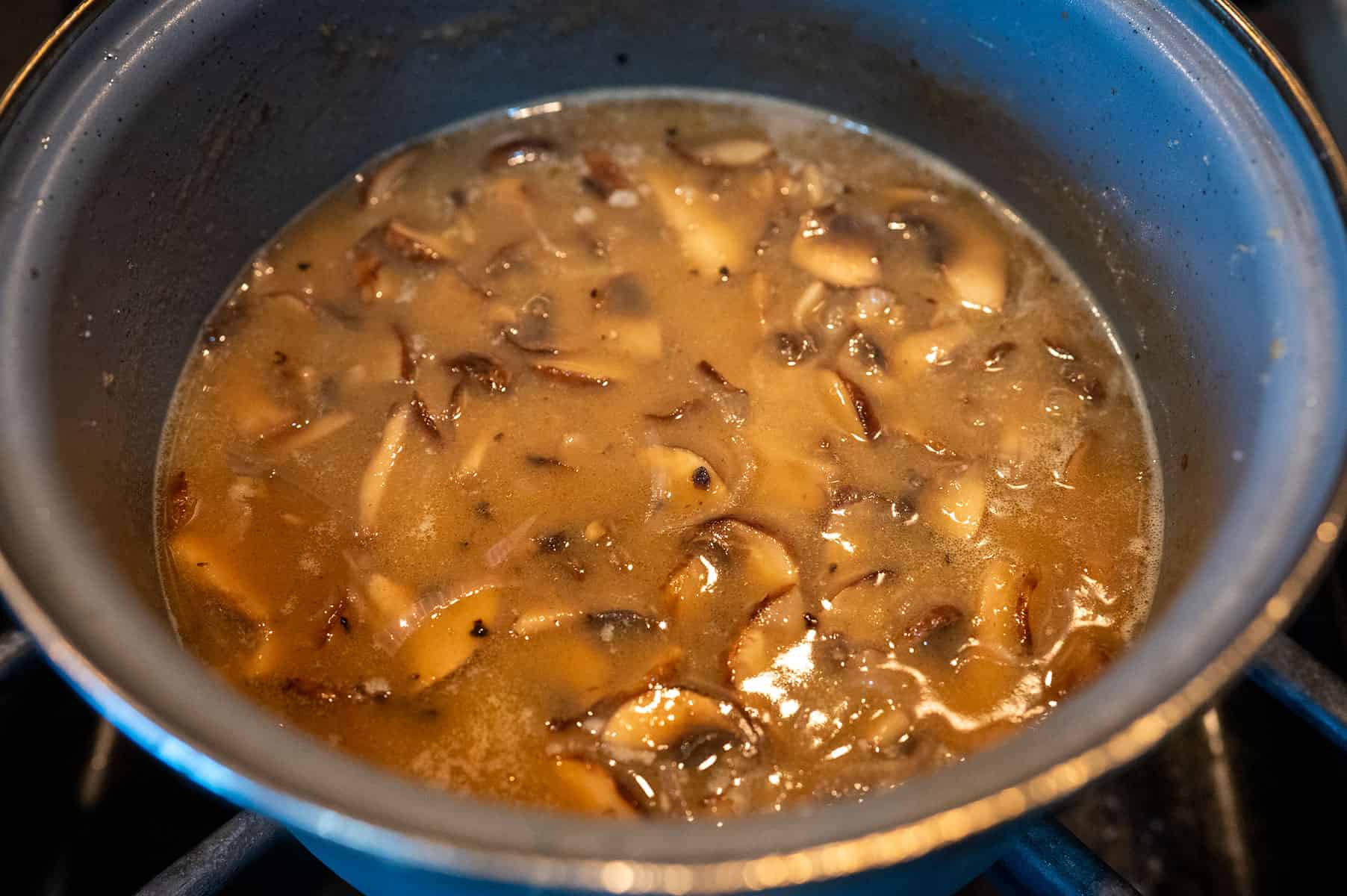
The beef broth is then gradually poured into the pot, while the cook simultaneously stirs to combine the roux with the liquid. This is a critical moment for ensuring a lump-free gravy. Scraping the bottom of the pan helps to incorporate any flavorful browned bits that may have adhered during the sautéing process, further enriching the gravy’s taste. The mixture is then brought to a boil before being reduced to a gentle simmer.
Step 4: Simmering to Perfection
The gravy is left to simmer, uncovered, for approximately five to eight minutes. During this time, it will gradually thicken to a rich, spoonable consistency. Occasional stirring prevents sticking and ensures even cooking. Once the desired thickness is achieved, the gravy is seasoned with salt and pepper to taste, allowing for personalized flavor adjustments.
Beyond the Basics: Enhancing and Serving Mushroom Gravy
The versatility of mushroom gravy extends far beyond its fundamental preparation. Its rich, savory profile makes it an ideal accompaniment to a wide range of dishes, transforming ordinary meals into something extraordinary.
Culinary Applications:
- Schnitzel: A classic pairing, particularly in German cuisine where it forms the basis of Jägerschnitzel. The rich, earthy gravy provides a luxurious counterpoint to the crispy, pan-fried cutlets.
- Mashed Potatoes: A comforting and beloved combination, the creamy texture of mashed potatoes readily absorbs the flavorful gravy, creating a deeply satisfying dish.
- Steak: Spooned over a perfectly cooked steak, mushroom gravy adds an extra layer of richness and savory depth, enhancing the inherent flavors of the beef.
- Roasted Meats: Whether it’s roasted chicken, pork, or lamb, mushroom gravy provides a succulent sauce that complements the tender, slow-cooked meat.
- Other Applications: The gravy can also be utilized in dishes like shepherd’s pie, as a topping for biscuits and gravy, or incorporated into casseroles for added flavor and moisture.
Flavor Enhancements and Customization:
For those seeking to further personalize their mushroom gravy, several modifications can be explored:
- Umami Boost: A splash of soy sauce or a pinch of mushroom powder can intensify the savory, umami notes of the gravy.
- Herbal Infusions: Fresh herbs such as thyme or rosemary, finely chopped and added during the simmering stage, can introduce aromatic complexity.
- Garlic Addition: Minced garlic, sautéed alongside the shallots, will impart a pungent, aromatic layer to the gravy.
- Creaminess: For an even richer, more decadent gravy, a splash of heavy cream can be stirred in during the final moments of simmering.
Storage and Reheating: Preserving Culinary Excellence
The practicality of this mushroom gravy extends to its storage and reheating capabilities. Leftover gravy can be stored in an airtight container in the refrigerator for up to four days. Gentle reheating is recommended, either on the stovetop over low heat or in the microwave, with occasional stirring. A small addition of broth may be necessary if the gravy has thickened significantly during refrigeration.
For longer storage, mushroom gravy freezes well for up to two months. It is important to note that the texture may separate slightly upon thawing. To restore its smooth consistency, reheat slowly and whisk vigorously.
Frequently Asked Questions: Addressing Common Culinary Queries
The widespread appeal of mushroom gravy naturally leads to a host of common questions from home cooks seeking clarity and guidance.
Clarifying Terminology: Gravy vs. Sauce
The distinction between "gravy" and "sauce" can often be blurred, as the terms are frequently used interchangeably. Generally, gravy refers to a sauce thickened with a roux and often built upon meat drippings or broth. The term "sauce" is broader and can encompass a wider variety of preparations, including those that are cream-based or do not rely on a roux for thickening.
Roux Alternatives: Cornstarch Slurry
For individuals seeking to avoid or omit a roux, a cornstarch slurry offers an effective alternative. This involves mixing cornstarch with a small amount of cold water until smooth, then stirring this mixture into the simmering broth. While this method achieves thickening, the resulting texture and flavor profile may differ slightly from that of a traditional roux-based gravy.
Mushroom Selection: Optimal Choices
The choice of mushrooms significantly impacts the final flavor and appearance of the gravy. Cremini and button mushrooms are universally recommended for their balanced taste and availability. Portobello mushrooms can be used, though they tend to produce a darker gravy. For an intensified mushroom flavor, dried mushrooms like shiitake or porcini can be rehydrated and incorporated.
Flavor Adjustments: A Canvas for Creativity
Mushroom gravy serves as an excellent base for culinary experimentation. The addition of ingredients like soy sauce, mushroom powder, fresh herbs, or minced garlic allows for the customization of its flavor profile, catering to individual preferences and the specific demands of a dish.
In conclusion, this comprehensive guide to mushroom gravy not only provides a detailed recipe but also delves into its historical context, the science behind its preparation, and its vast culinary applications. It stands as a testament to the enduring power of simple, well-executed cooking techniques to create dishes that are both comforting and sophisticated, making it an invaluable addition to any culinary repertoire.