
The Resurgence of Botanical Maceration in Modern Wellness
The global natural skincare market is projected to reach an estimated valuation of $15.7 billion by 2030, driven by a compound annual growth rate of 6.6%. This economic shift reflects a deepening consumer skepticism regarding synthetic preservatives, stabilizers, and artificial fragrances. As a result, the foundational skill of infusing herbs into carrier oils has transitioned from a niche hobby to a critical competency for those seeking to minimize their chemical footprint.
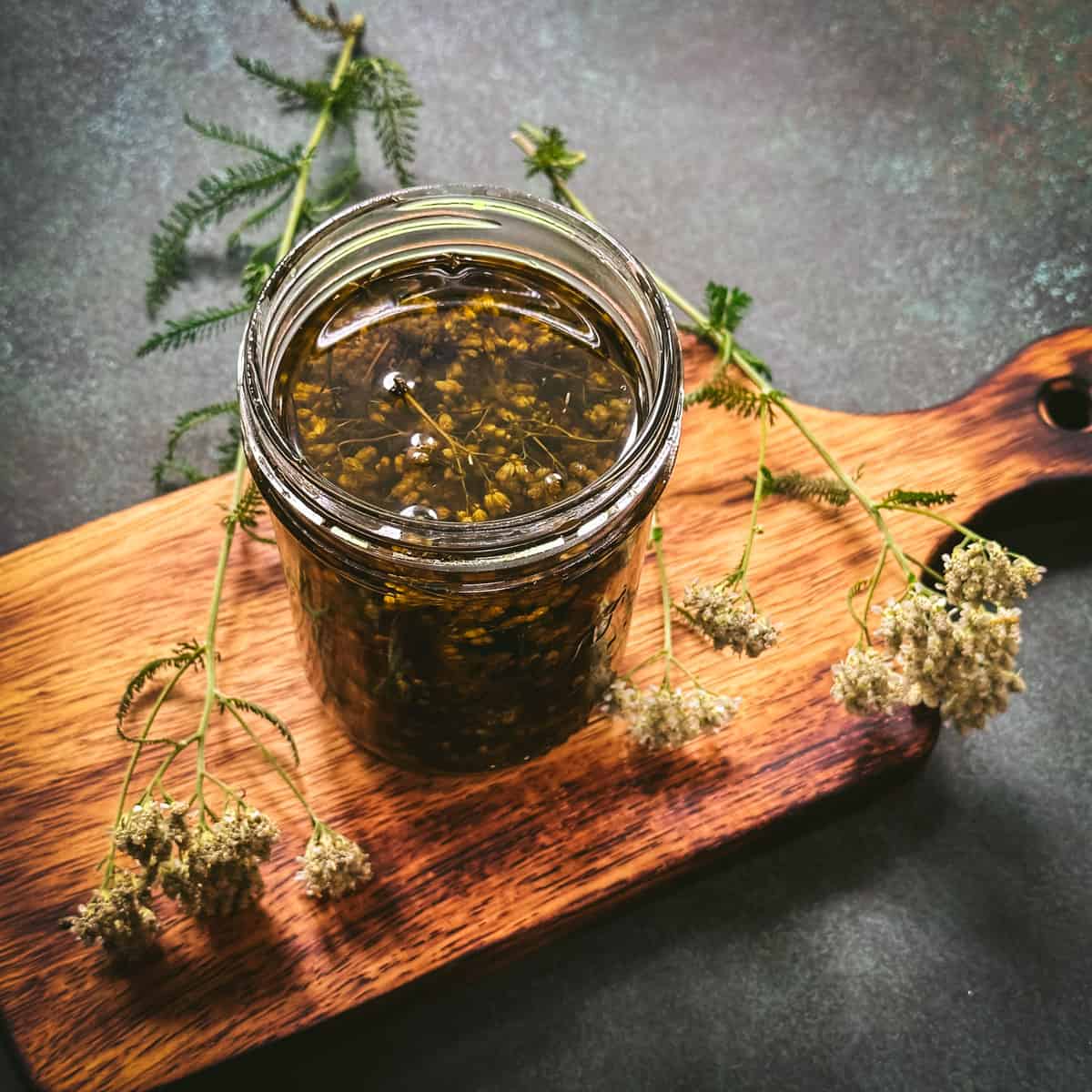
An infused herbal oil differs significantly from an essential oil. While essential oils are highly concentrated volatile compounds typically extracted via steam distillation, infused oils are "fixed" oils—such as olive, sunflower, or almond—that have absorbed the medicinal properties of a plant over time. This process yields a product that is generally safer for direct topical application and preserves a broader spectrum of the plant’s therapeutic profile, including flavonoids and fat-soluble vitamins.
Strategic Selection of Botanical and Lipid Components
The efficacy of an infused oil is dictated by the quality and characteristics of its two primary components: the herb and the carrier oil. Experts in botanical formulation emphasize that the choice of herb should be aligned with the intended therapeutic outcome.
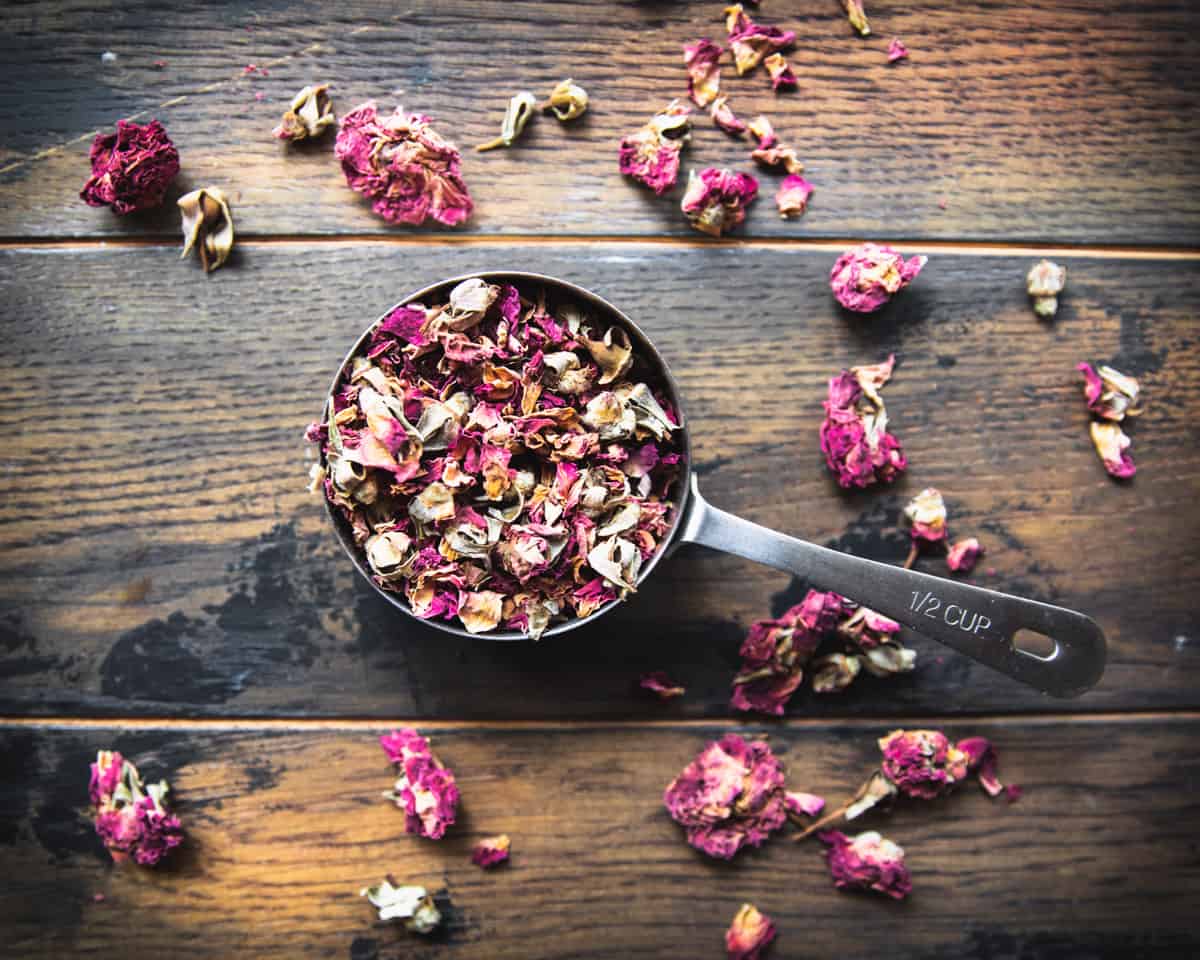
Commonly utilized botanicals include:
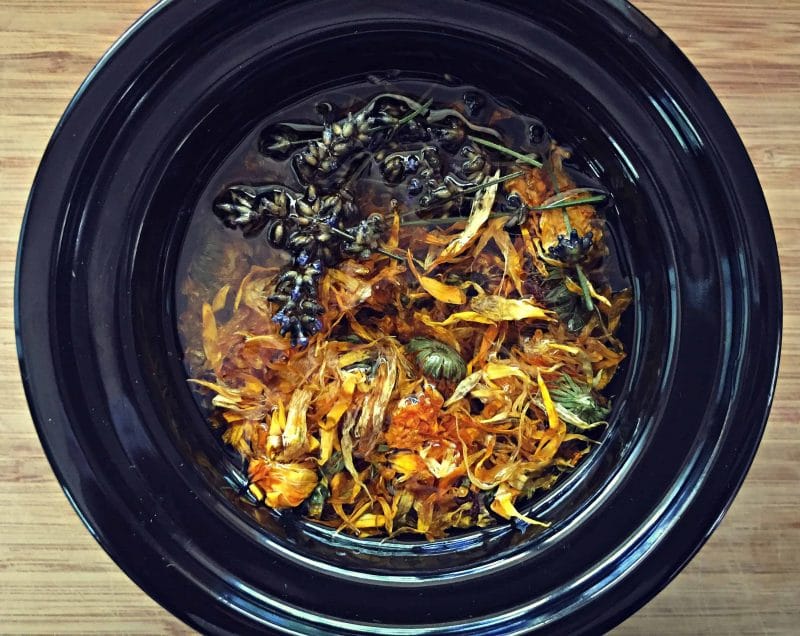
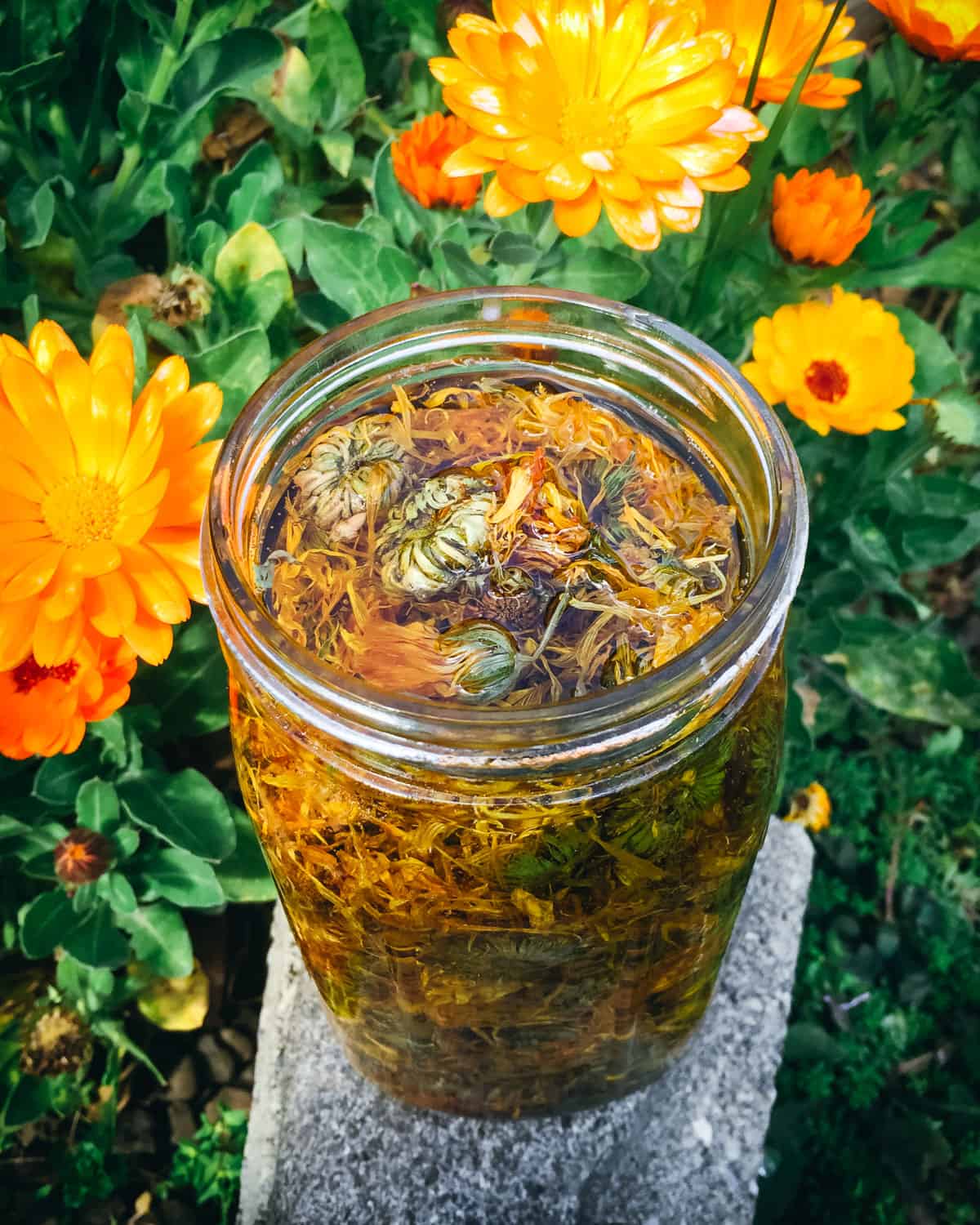
- Calendula (Calendula officinalis): Renowned for its high triterpenoid content, making it a staple for soothing compromised skin.
- Lavender (Lavandula angustifolia): Valued for its linalool content, providing both aromatic benefits and mild antiseptic properties.
- Comfrey (Symphytum officinale): Contains allantoin, a compound associated with rapid cell proliferation and tissue repair.
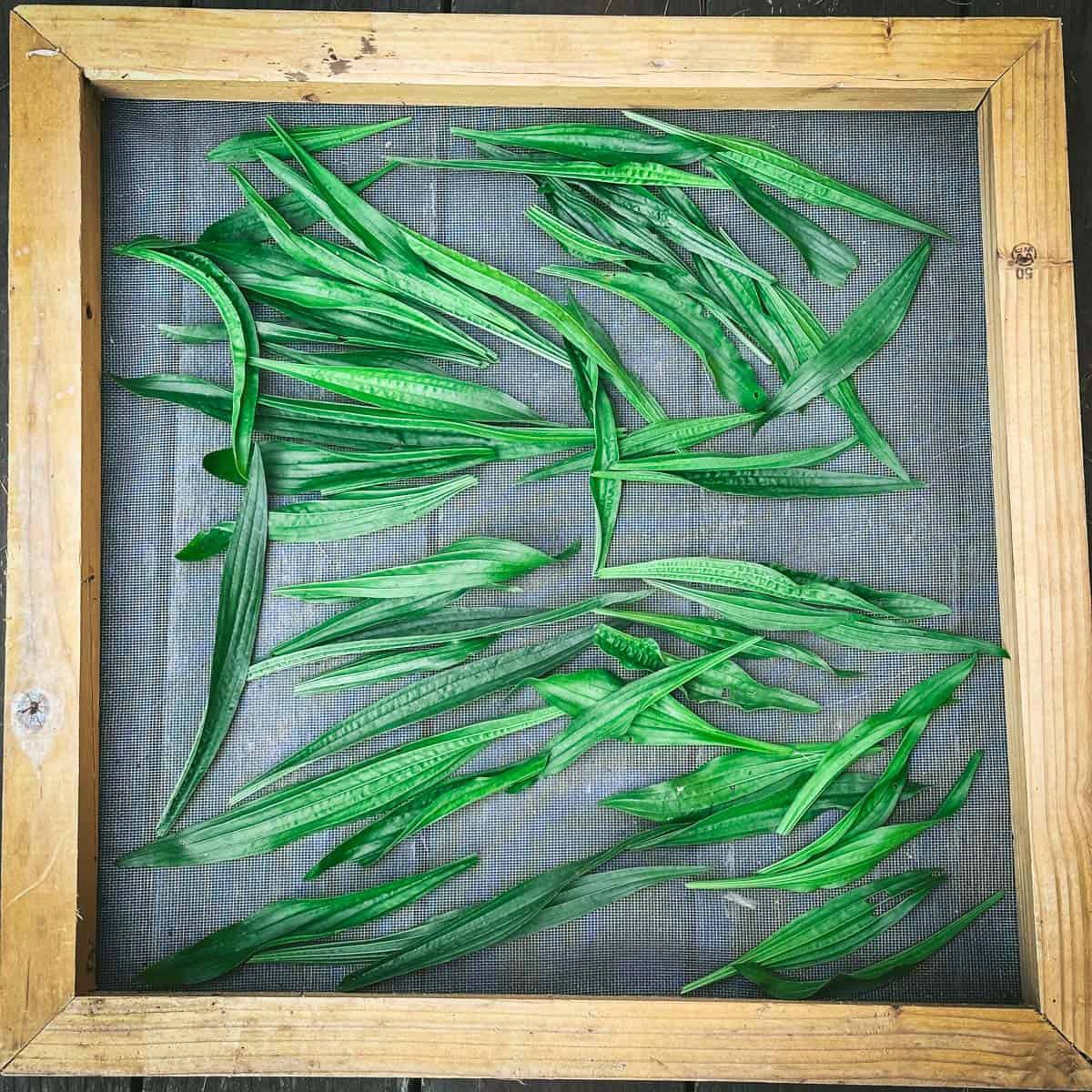
- Plantain (Plantago major): A ubiquitous "first-aid" herb used for its ability to draw out impurities and soothe insect bites.
- St. John’s Wort (Hypericum perforatum): Unique in its requirement for fresh flowering tops, producing a deep red oil used for nerve-related discomfort.
Equally critical is the carrier oil selection. Stability and skin absorption rates are the primary metrics for selection. Olive oil remains the industry standard due to its high oleic acid content and natural antioxidants, which provide a shelf life of approximately one to two years. Jojoba oil, technically a liquid wax, mimics the skin’s natural sebum and offers exceptional stability against rancidity. For lighter applications, sweet almond oil or grapeseed oil are preferred, though they possess shorter shelf lives and higher susceptibility to oxidation.
Methodological Chronology: The Infusion Process
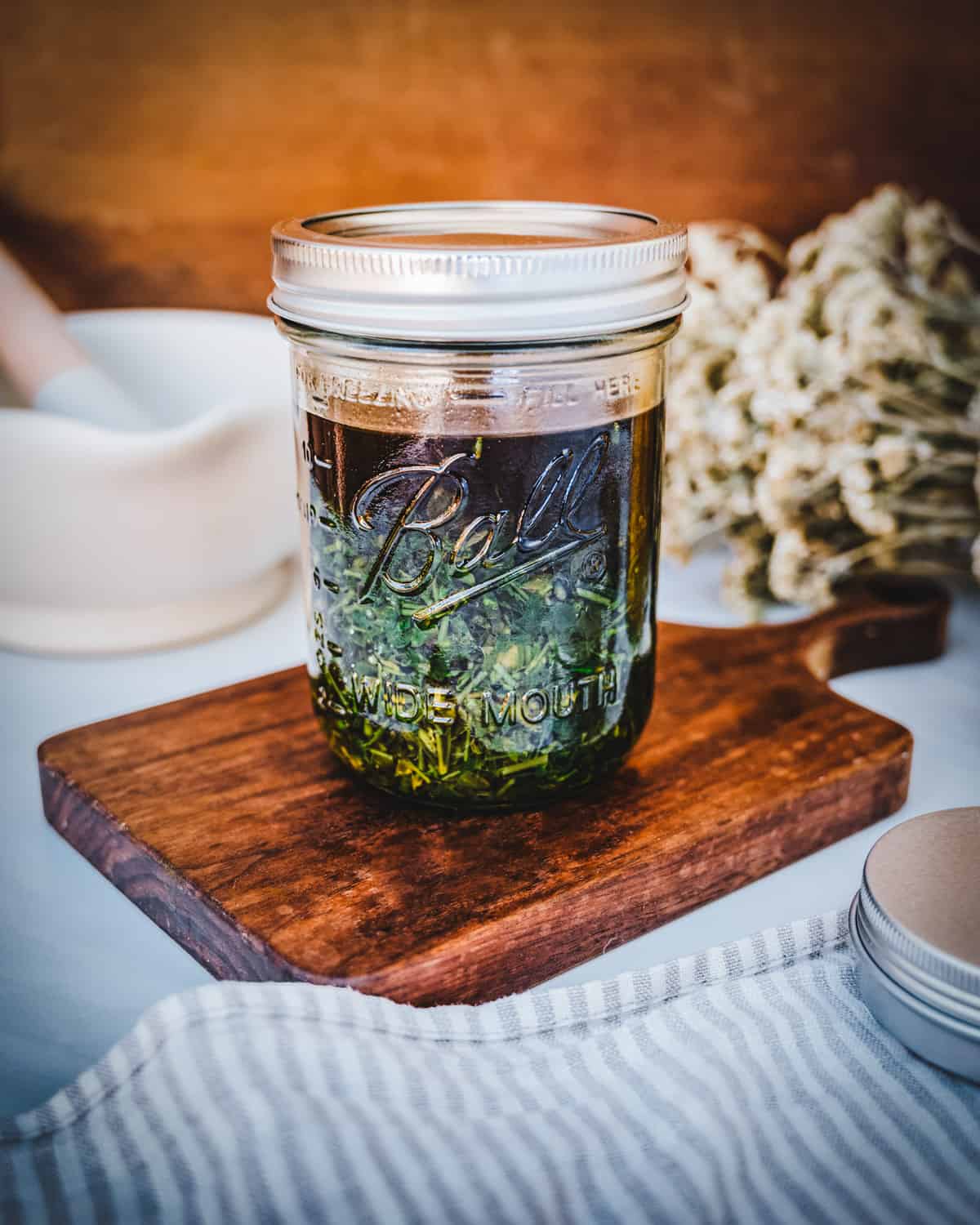
The production of high-quality infused oils follows a strict chronological progression to ensure potency and prevent microbial contamination.
Phase 1: Preparation and Dehydration
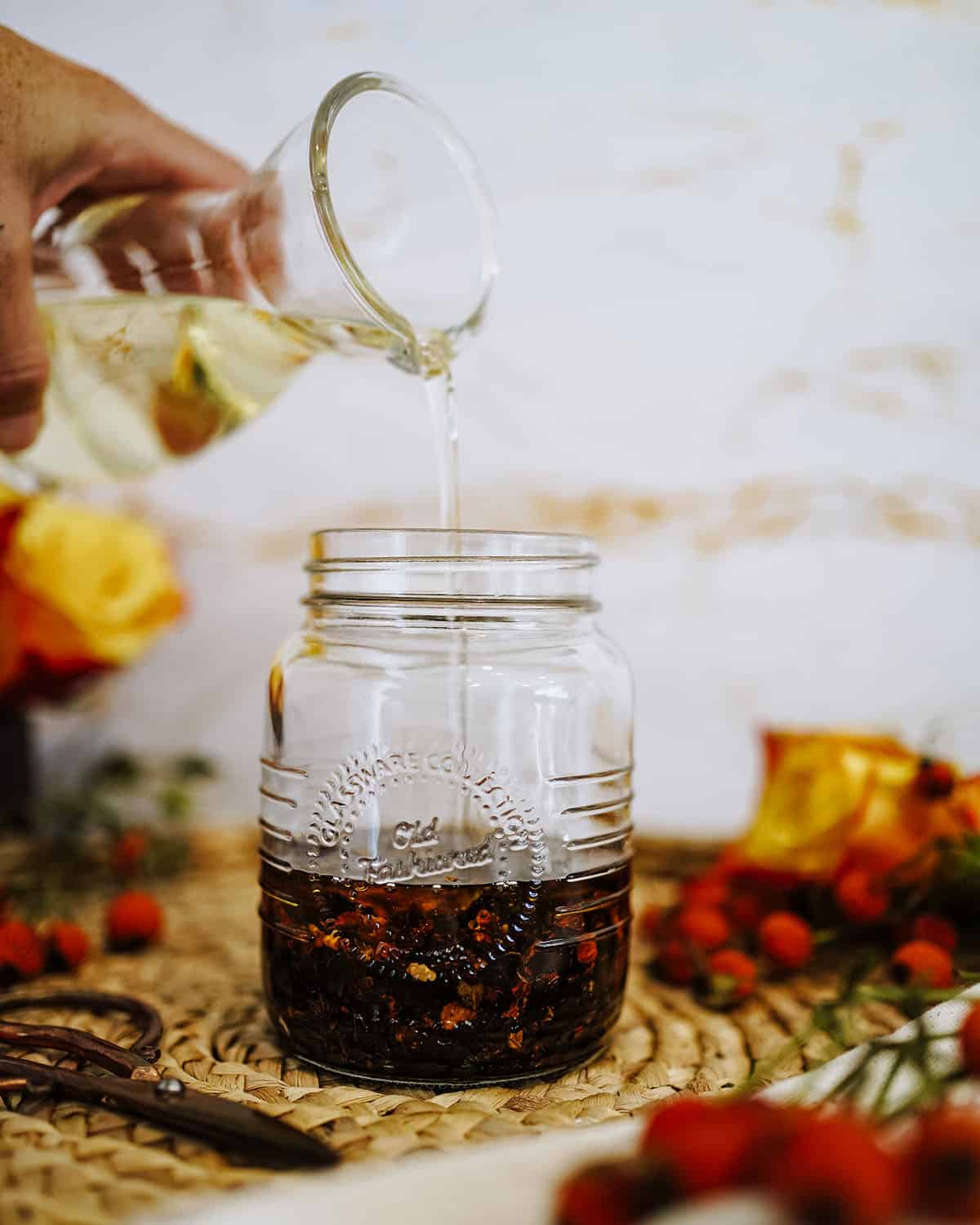
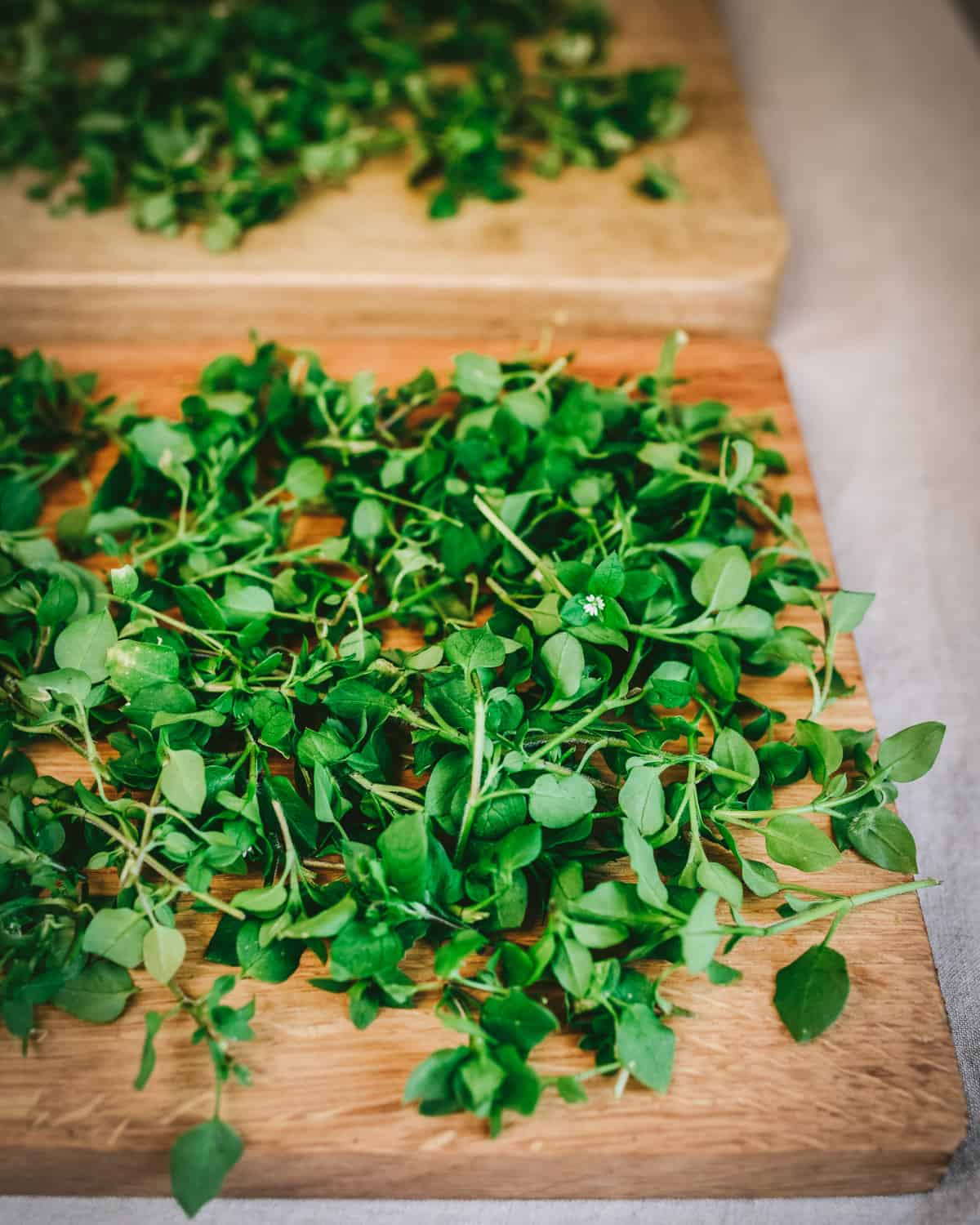
The most significant risk in oil infusion is the introduction of moisture, which facilitates the growth of mold and pathogenic bacteria, including Clostridium botulinum. Consequently, most herbalists mandate a total dehydration phase. Herbs should be harvested after the morning dew has evaporated and dried until they are "crisp" to the touch. For herbs with high moisture content that lose potency when fully dried—such as chickweed or dandelion flowers—a "wilting" period of 24 hours is recommended before using the quick-heat method to drive off remaining water.
Phase 2: Maceration Methods
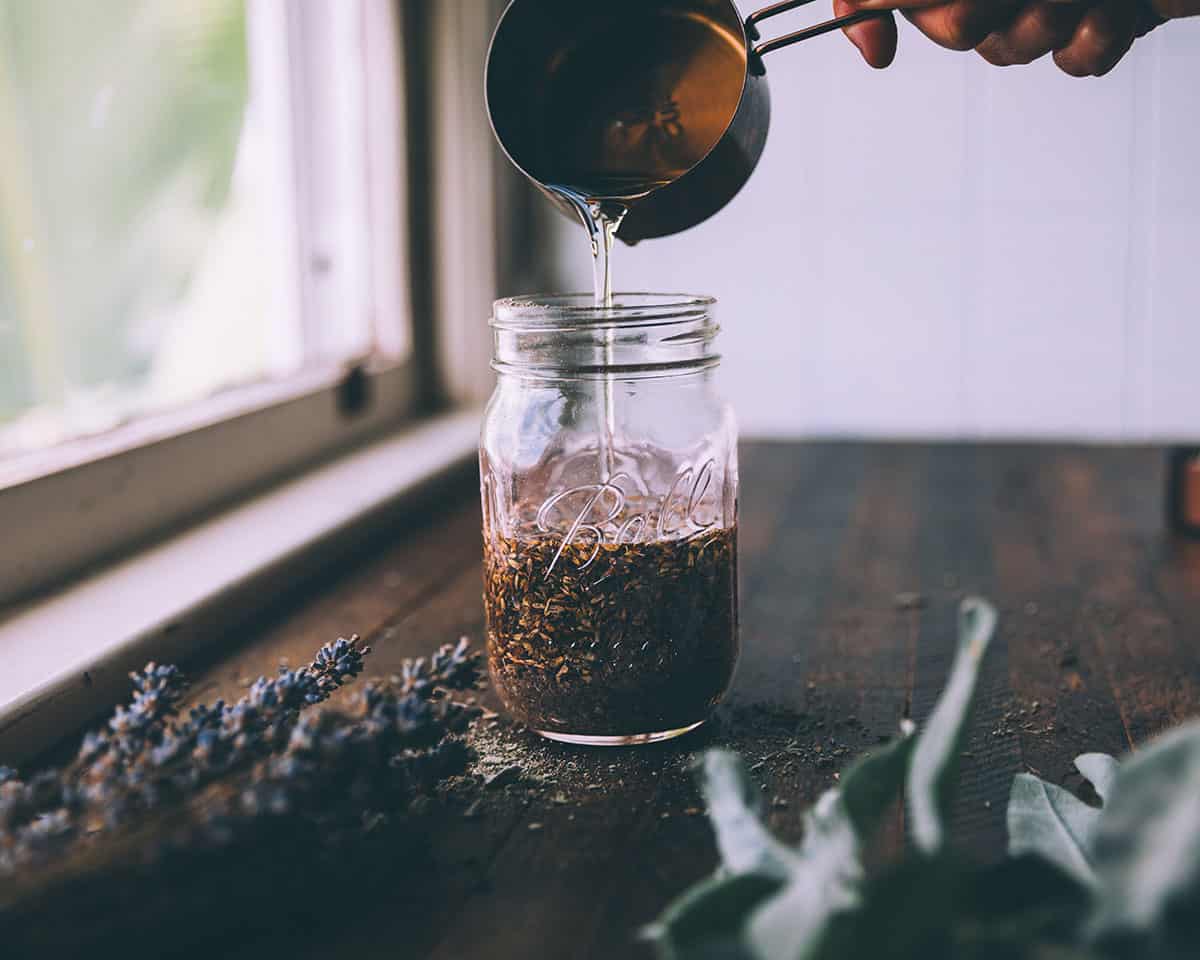
There are three primary methodologies utilized in modern herbalism, each with distinct advantages:
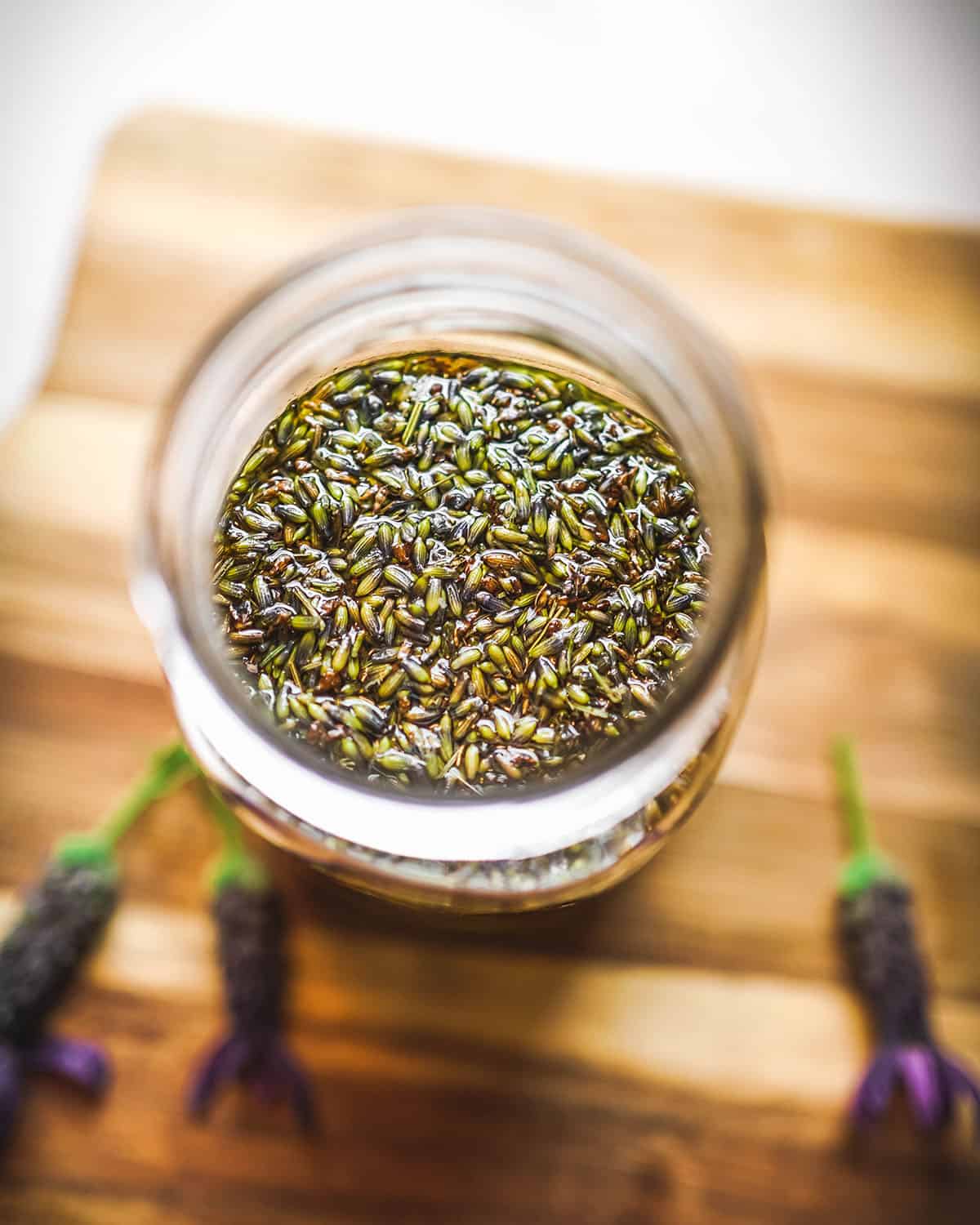
- The Cold Infusion Method (The Traditional Standard): This method involves submerging dried herbs in oil within a sealed glass vessel and storing it in a cool, dark environment for four to six weeks. This slow extraction prevents the degradation of heat-sensitive compounds.
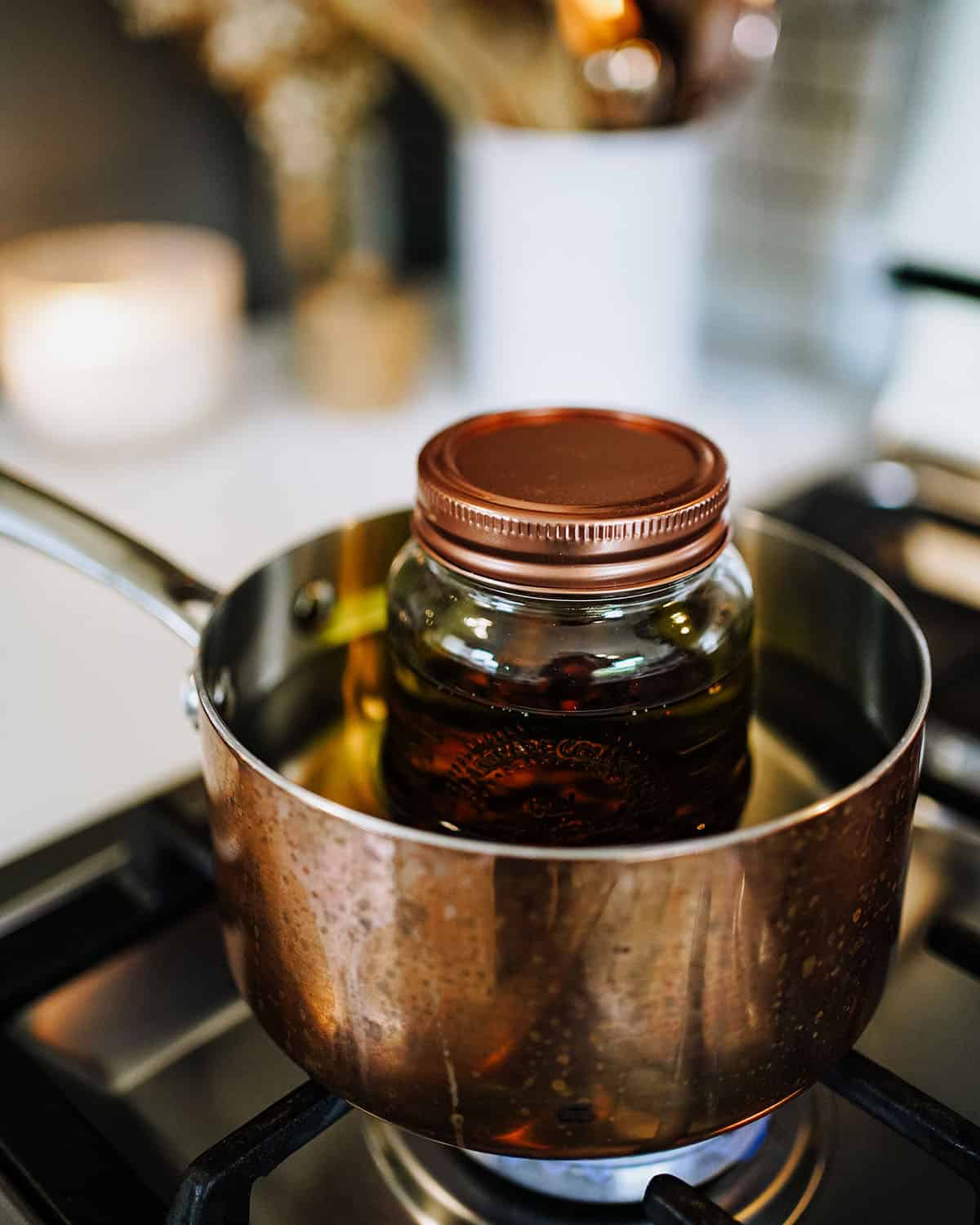
- The Quick-Heat Method (The Accelerated Path): For immediate needs or when working with wilted fresh material, a double boiler or slow cooker is employed. The oil is maintained at a consistent temperature between 100°F and 110°F for 12 to 24 hours. Professional formulators caution that exceeding 120°F can result in the "cooking" of the herb, altering its chemical profile and potentially causing the carrier oil to go rancid.
- The Solar Method (The Hybrid Approach): This involves placing the infusion in a sunny window to utilize gentle solar heat. While popular, many contemporary herbalists advise against this, as ultraviolet light accelerates the oxidation of the oil and the breakdown of certain phytochemicals.
Phase 3: Filtration and Stabilization
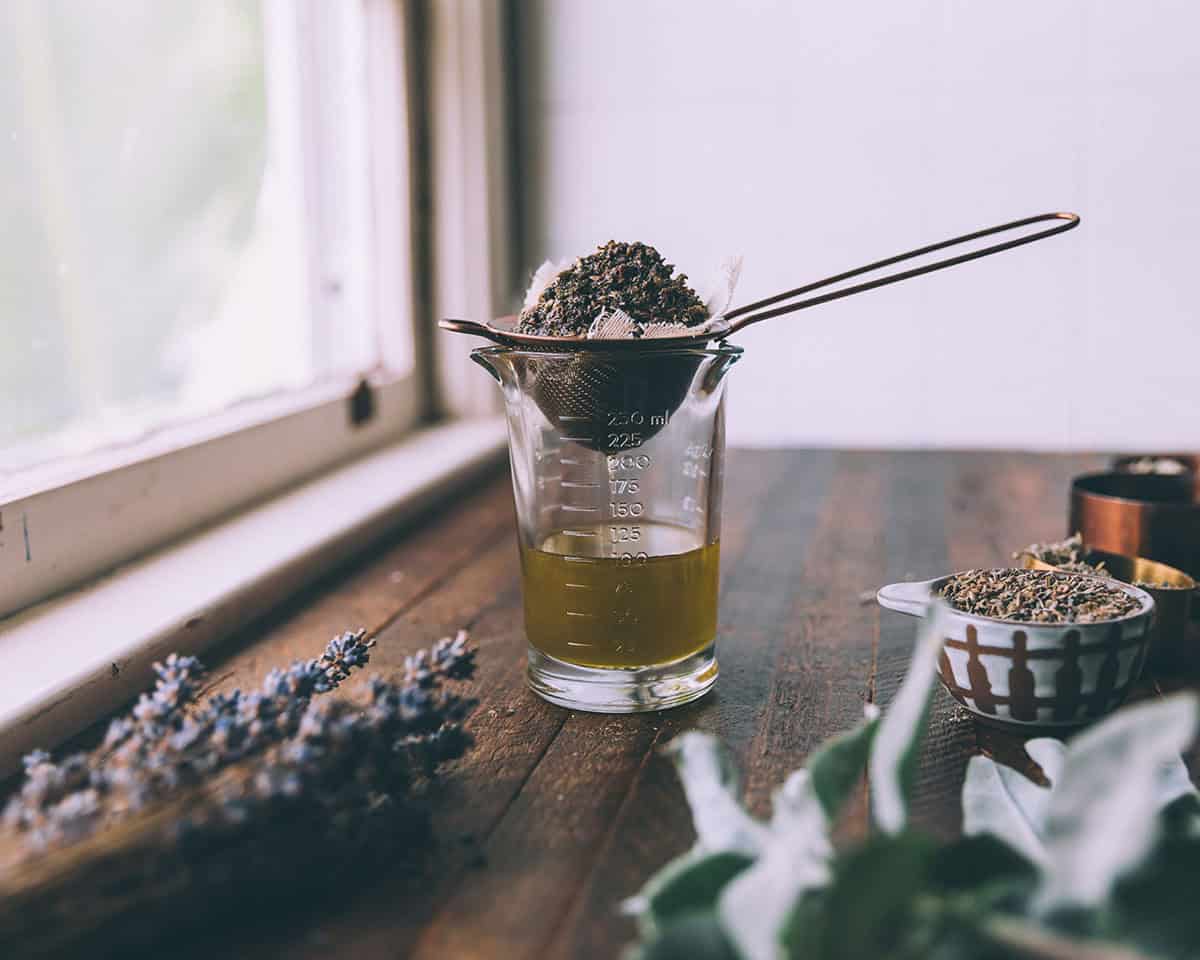
Once maceration is complete, the mixture is strained through multiple layers of cheesecloth or a fine-mesh stainless steel sieve. Total clarity in the final oil is the goal; any sediment left behind can become a focal point for spoilage.
Scientific Analysis of Spoilage and Safety
The stability of an infused oil is a function of its "water activity." Even in a seemingly dry infusion, microscopic droplets of water can lead to rancidity—the chemical decomposition of fats. Journalistic investigations into DIY skincare safety highlight that while commercial products use synthetic antioxidants like BHA or BHT, natural practitioners rely on Vitamin E (tocopherol) or Rosemary Antioxidant Extract (ROE) to extend shelf life.
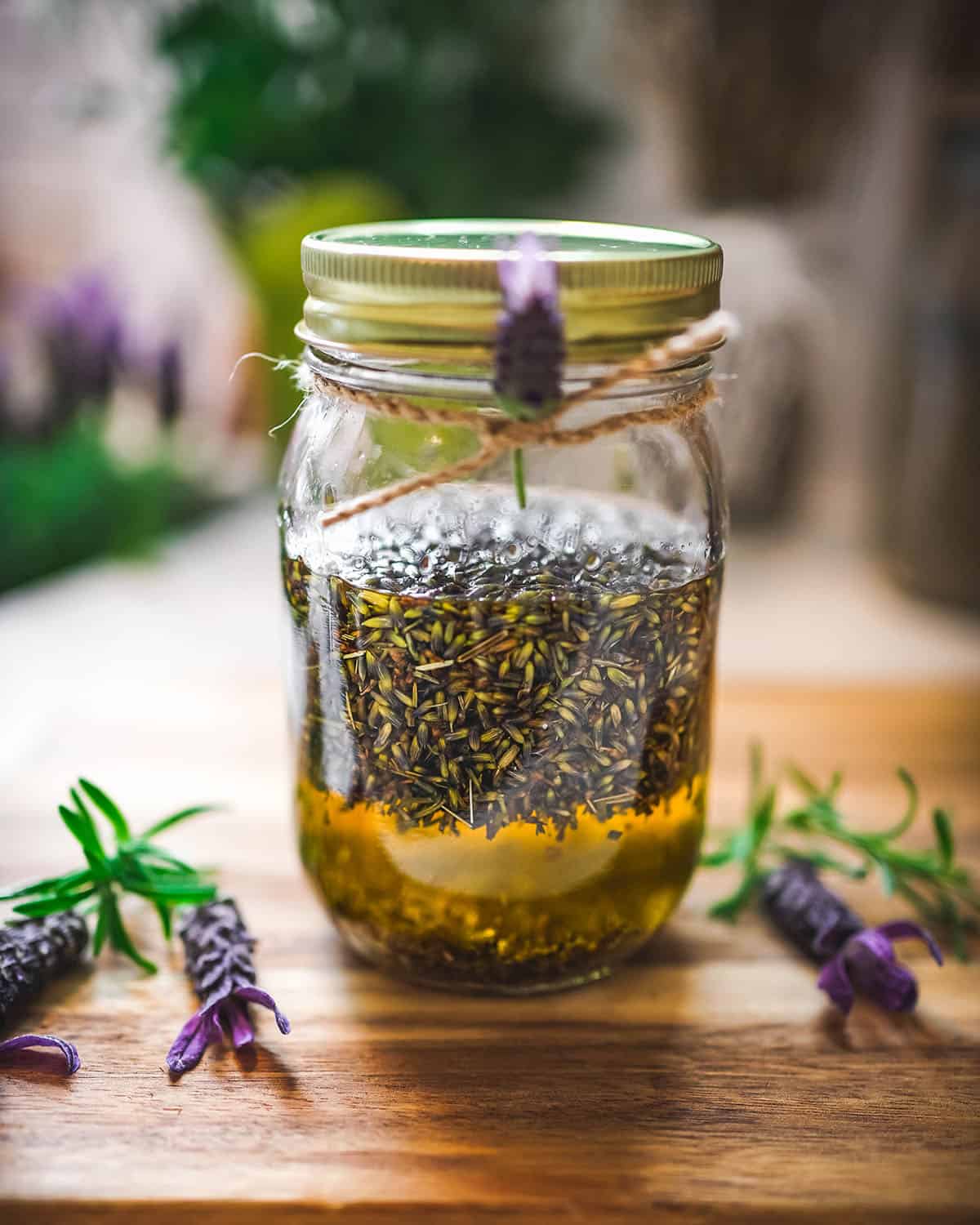
Data indicates that infused oils stored in amber glass, away from direct sunlight and temperature fluctuations, maintain their integrity for 6 to 12 months. Signs of failure include a "sour" or "play-dough" scent, visible cloudiness, or the presence of fuzzy growth on the surface of the oil.
Industry Perspectives and Regulatory Context
While the FDA does not strictly regulate the production of small-batch infused oils intended for personal use, the agency maintains clear guidelines for products sold as "cosmetics." Professional herbalists and commercial manufacturers must adhere to Good Manufacturing Practices (GMP) to ensure batch consistency and safety.
Statements from members of the American Herbalists Guild suggest that the move toward home-scale infusion is a positive step for consumer education. "When an individual understands the lifecycle of a botanical—from harvest to oil—they become more discerning consumers," notes one industry analyst. "They begin to demand higher standards from the larger beauty industry, particularly regarding the sourcing of raw materials and the avoidance of filler ingredients."
Broader Implications: Economic and Environmental Impact
The shift toward DIY herbal infusions carries significant environmental implications. By producing body care foundations at home, consumers drastically reduce the demand for single-use plastics and the carbon emissions associated with the global shipping of heavy, water-based lotions.
Furthermore, the economic impact is non-trivial. A high-end "botanical facial oil" may retail for upwards of $80 for a one-ounce bottle. The same volume can be produced at home for a fraction of the cost, often using foraged or garden-grown ingredients. This democratization of skincare allows for a higher quality of life and personal care in socio-economically diverse communities.
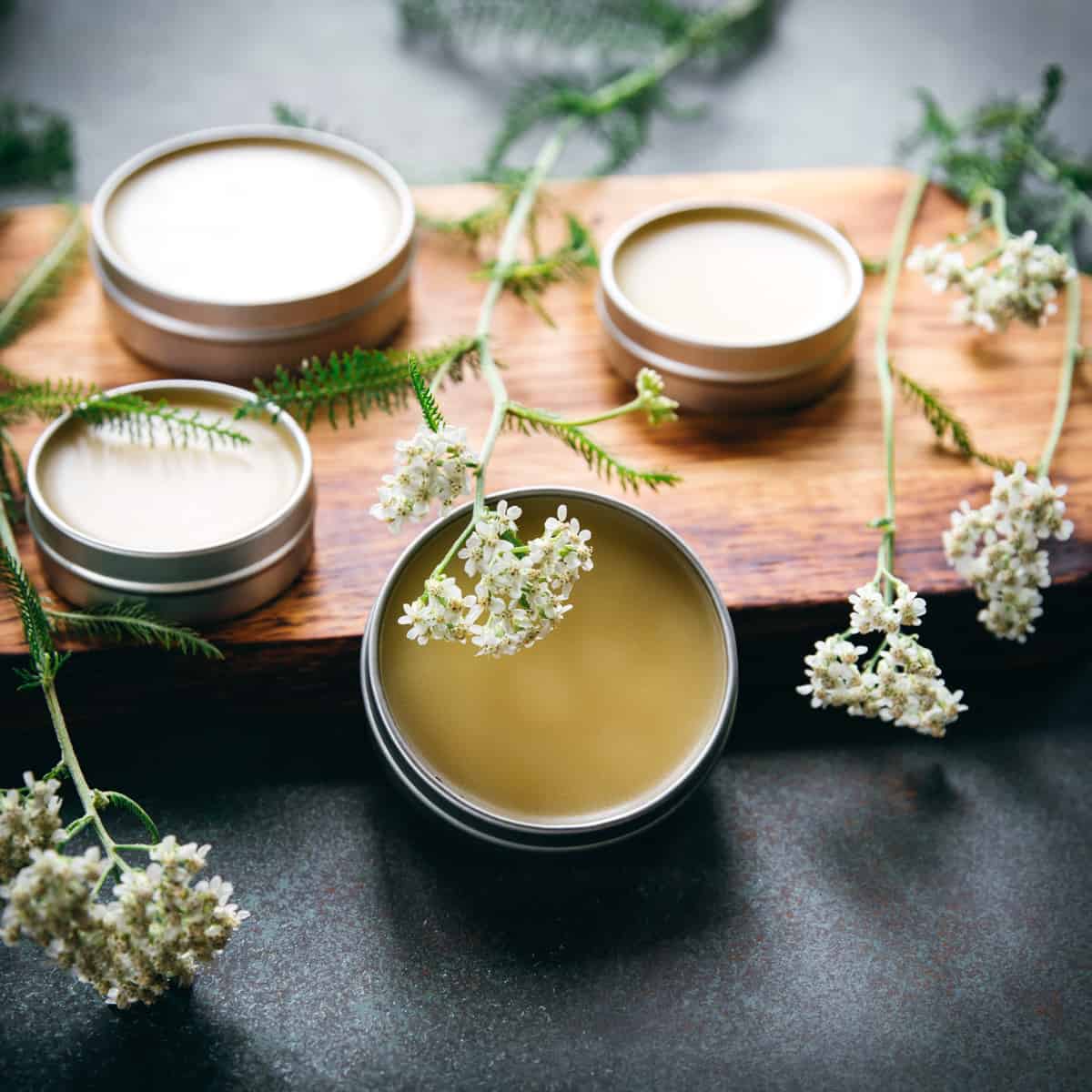
As we move further into a decade defined by a return to "slow" living and sustainable practices, the art of the herbal infusion stands as a bridge between ancient wisdom and modern dermatological needs. It is a process that rewards patience, precision, and a deep respect for the botanical world. Whether used as a standalone treatment or as the base for a complex salve, infused herbal oils represent the pinnacle of accessible, effective, and ecologically responsible skincare.


