The practice of home food preservation has seen a significant resurgence in recent years, driven by a growing interest in food security, waste reduction, and the burgeoning popularity of outdoor activities such as long-distance backpacking and camping. Among the various techniques available to the modern pantry enthusiast, the dehydration of hard cheeses, specifically Parmesan, has emerged as a specialized method for extending the utility of dairy products without the immediate need for refrigeration. While traditional dairy products are notoriously difficult to preserve outside of cold chains, the unique chemical composition of Parmesan cheese—characterized by low moisture content and a high protein-to-fat ratio—renders it an ideal candidate for home-based dehydration. This process, while not providing the indefinite shelf life associated with freeze-drying, offers a robust solution for short-term storage and the creation of portable, nutrient-dense food components.
The Science of Cheese Dehydration and Fat Stability
To understand why Parmesan is suited for dehydration, one must examine the fundamental principles of water activity ($a_w$) and lipid oxidation. Dehydration works by removing water from food, which inhibits the growth of microorganisms such as bacteria, yeast, and mold. However, dehydration does not remove fat. In the case of cheese, the fat remains within the protein matrix. Parmesan, a "grana" style cheese, is aged for a minimum of 12 months, and often up to 36 months, which naturally reduces its moisture content to approximately 30 percent. In contrast, softer cheeses like Cheddar or Mozzarella contain significantly higher moisture and fat levels, making them prone to melting rather than drying when exposed to the heat of a dehydrator.
According to food preservation experts, the primary challenge in dehydrating cheese is "fat capping" or "oil-off." When cheese is heated, the fat molecules liquefy and migrate to the surface. If this oil is not managed, it can coat the cheese, preventing moisture from escaping and eventually turning rancid through oxidation. Rancidity occurs when oxygen reacts with the fats, producing off-flavors and odors. Therefore, the successful dehydration of Parmesan requires a meticulous approach to oil management, utilizing absorbent materials to remove surface lipids throughout the drying cycle.
A Systematic Chronology of the Dehydration Process
The transition of fresh Parmesan into a shelf-stable dried product follows a specific chronological sequence designed to maximize moisture extraction while minimizing fat degradation.
Phase 1: Selection and Preparation
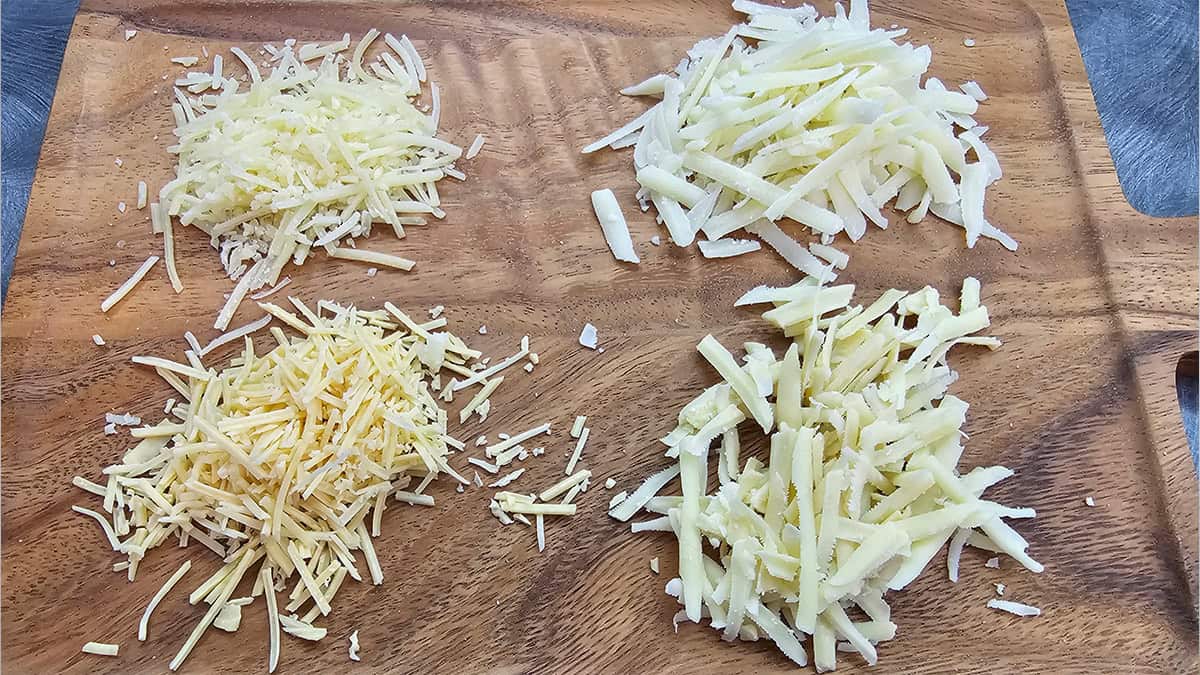
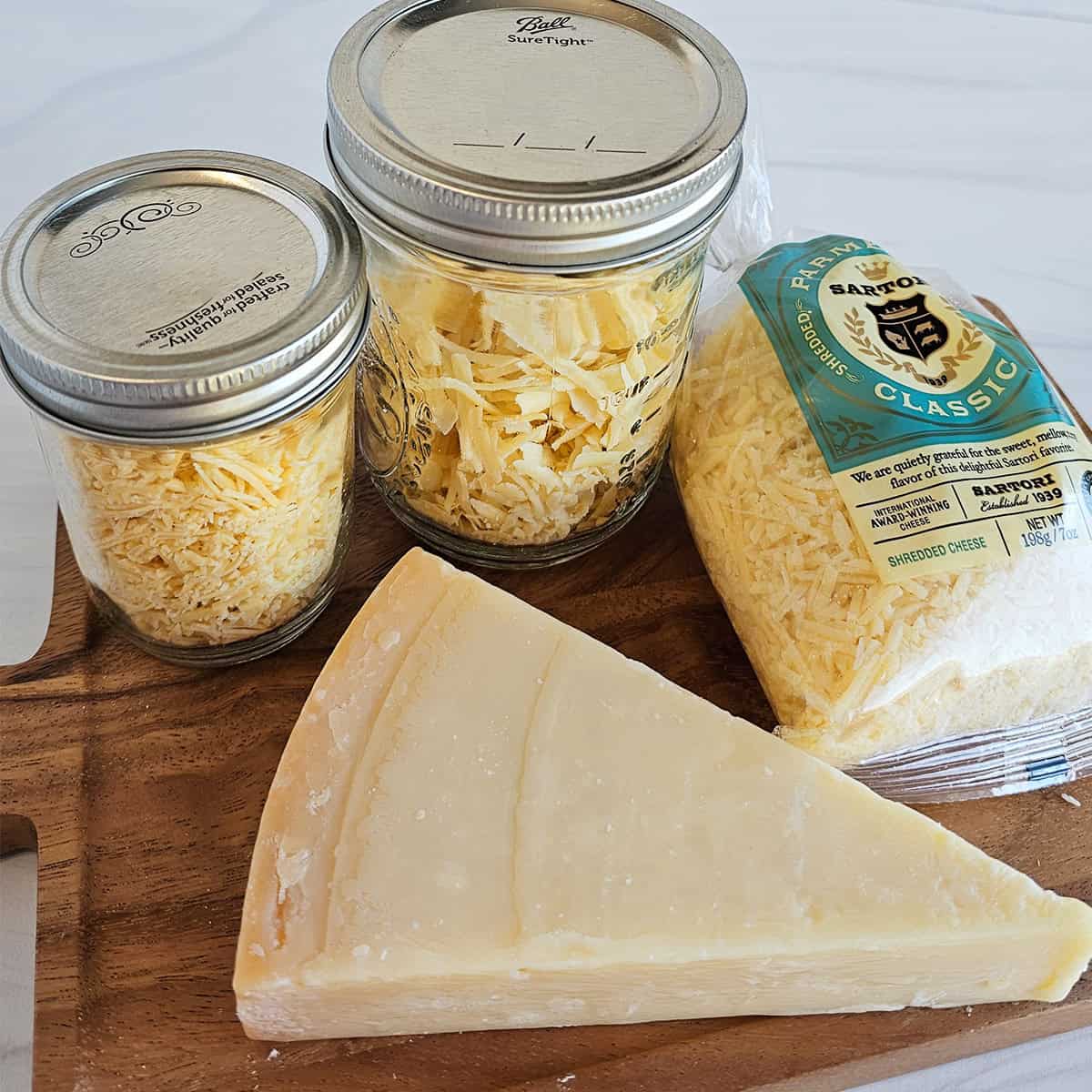
The process begins with the selection of the cheese. While pre-shredded Parmesan is widely available and convenient, many preservationists prefer grating fresh wedges to avoid the anti-caking agents, such as cellulose, often found in commercial bags. If using a wedge, the cheese should be grated into fine, uniform shreds. Uniformity is critical; inconsistent sizes lead to uneven drying, where the exterior of a thick shred may feel dry while the interior retains enough moisture to support mold growth.
Phase 2: Dehydrator Configuration
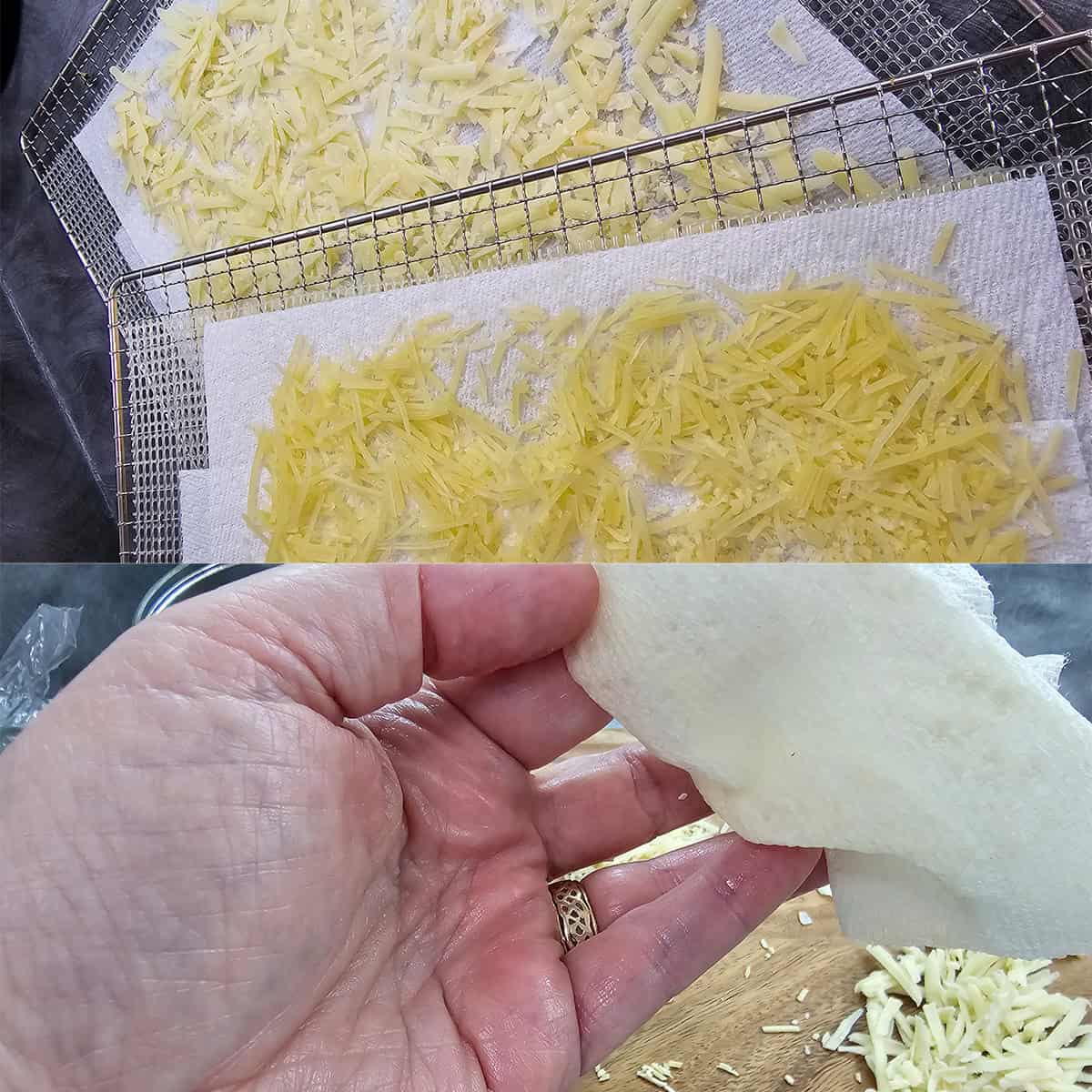
Trays must be prepared with fine mesh liners to prevent the cheese shreds from falling through as they shrink. Crucially, a layer of high-quality, lint-free paper towels is placed over the mesh. The shredded cheese is then spread in a thin, single layer. Overcrowding the trays can create pockets of humidity, significantly extending the drying time and increasing the risk of the cheese "sweating" excessively.
Phase 3: The Thermal Cycle
The dehydrator is typically set to a temperature between 125°F and 135°F (52°C to 57°C). This temperature range is high enough to facilitate evaporation but low enough to prevent the cheese from cooking or reaching a full melt. The initial phase of drying usually lasts between 6 to 12 hours, depending on the ambient humidity and the specific moisture content of the starting material.
Phase 4: Active Oil Management
Approximately two to three hours into the process, the cheese will begin to release oils. At this stage, the practitioner must intervene by blotting the top of the cheese with fresh paper towels and, in many cases, replacing the bottom paper towels entirely. This step may need to be repeated several times. The goal is to remove as much surface fat as possible, as this fat is the primary factor that limits the shelf life of the finished product.
Phase 5: Testing and Conditioning
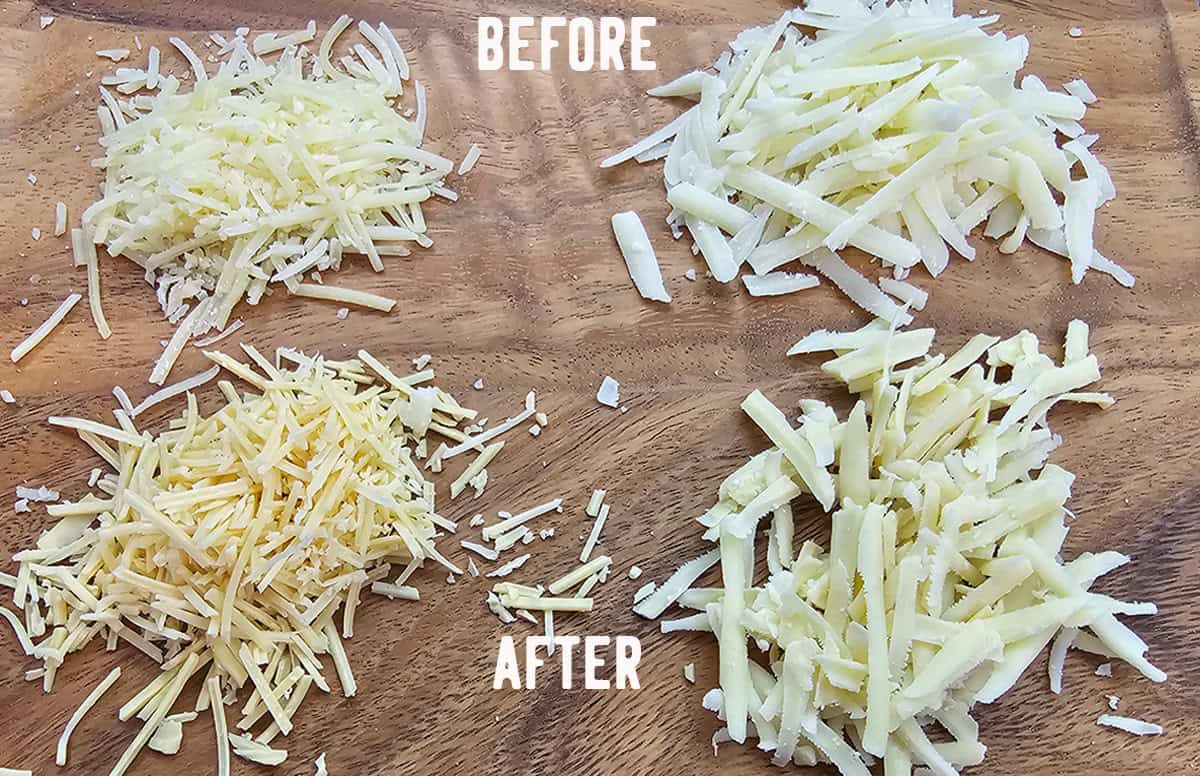
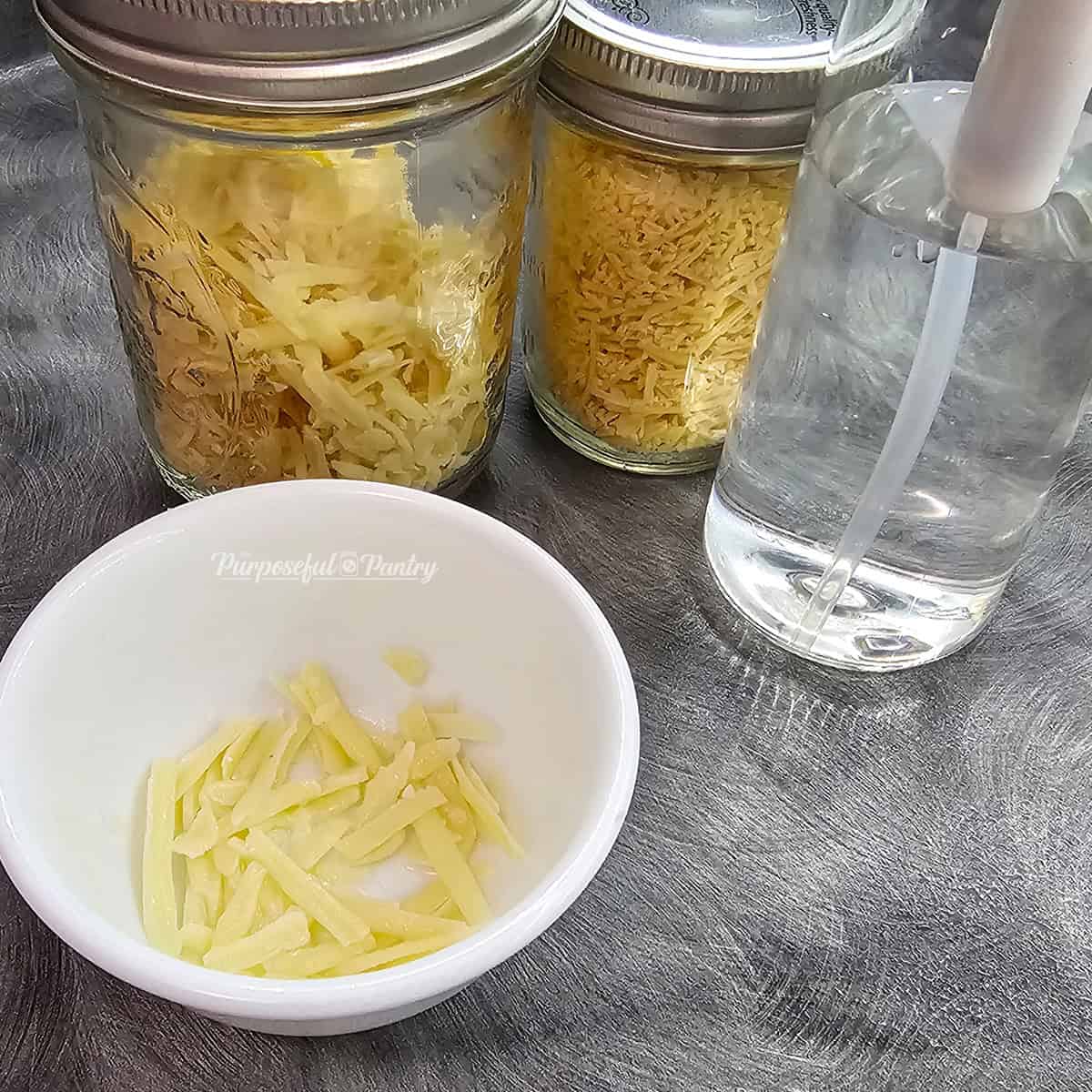
The cheese is considered fully dehydrated when it is brittle and "snaps" rather than bends. There should be no visible beads of oil. Once removed from the heat, the cheese must be allowed to cool completely before being placed into airtight containers. Conditioning—the process of shaking the jar over several days to check for moisture condensation—is a vital final safety check.
Supporting Data on Shelf Life and Storage Safety
While the United States Department of Agriculture (USDA) provides strict guidelines for commercial shelf-stable dairy, home-dried cheese occupies a more nuanced space in food safety. Data suggests that while dehydrated Parmesan can remain palatable at room temperature for several months, it is not considered "long-term" shelf-stable in the same category as dried grains or legumes.
The longevity of the product is dictated by the storage environment. In a standard pantry (60°F to 70°F), dehydrated Parmesan generally maintains its quality for 6 to 12 months. However, if stored in a freezer, the shelf life can be extended to several years, as the sub-zero temperatures virtually halt the process of lipid oxidation.
Nutritional density is another factor supported by data. Dehydration concentrates the nutrients found in Parmesan. A standard one-ounce serving of fresh Parmesan contains approximately 105 calories, 7 grams of protein, and 438 mg of sodium. Because the water weight is removed, the resulting dried product is significantly more calorie-dense by weight, making it an efficient energy source for high-exertion activities.
Industry Perspectives and Expert Reactions
Food safety analysts often express caution regarding home-dried dairy. The primary concern cited by organizations like the National Center for Home Food Preservation (NCHFP) is the lack of standardized testing for home-dehydrated high-fat foods. "The challenge with cheese is that fat can harbor pathogens if the moisture is not sufficiently low and the storage temperature is too high," notes a hypothetical consensus among food scientists.
Despite these cautions, the "prepper" and "ultralight backpacking" communities have championed the practice, reporting high success rates when using hard, aged cheeses. The reaction from the outdoor industry has been a shift toward "DIY" trail meals. Companies specializing in backpacking gear have seen an uptick in the sale of high-end dehydrators, such as Excalibur or Tribest models, which offer the precise temperature control necessary for dairy preservation.
Broader Implications for Food Waste and Sustainability
The ability to dehydrate Parmesan has implications beyond mere convenience for hikers. From a sustainability perspective, this method allows consumers to purchase cheese in bulk—often at a lower price point—and preserve it before it can spoil in the refrigerator. In the United States, dairy products are among the most wasted food categories; extending the life of a high-value cheese like Parmesan contributes to a reduction in household food waste.
Furthermore, the creation of "meals in a jar" using dehydrated ingredients is a growing trend in domestic economy. By combining dried Parmesan with dehydrated vegetables, pasta, and proteins, households can create "instant" gourmet meals that require only boiling water to reconstitute. This not only saves time but also reduces the reliance on highly processed, preservative-laden commercial instant meals.
Modern Gastronomic Applications
The utility of dehydrated Parmesan extends into various culinary applications:
- Seasoning Blends: Ground into a powder, dehydrated Parmesan serves as a base for umami-rich seasonings. When mixed with dried mushroom powder, garlic, and herbs, it creates a shelf-stable topping for popcorn, roasted vegetables, or potatoes.
- Backcountry Cooking: For long-distance hikers, dehydrated Parmesan provides the salt and fat necessary for recovery without the weight of water or the risk of spoilage associated with fresh cheese.
- Protein Snacks: The "crunchy" texture of dried cheese shards has made them a popular low-carb, high-protein snack alternative to traditional crackers.
Conclusion
Dehydrating Parmesan cheese is a sophisticated technique that bridges the gap between traditional food preservation and modern culinary needs. While the process requires diligent attention to temperature and oil management, the result is a versatile, nutrient-dense ingredient that enhances both the pantry and the trail. As the move toward self-sufficiency and sustainable consumption continues to gain momentum, the mastery of such preservation methods becomes an invaluable skill for the contemporary home cook. By understanding the limitations of fat stability and adhering to rigorous drying protocols, individuals can safely enjoy the flavors of aged Italian cheese in a convenient, shelf-stable format.