
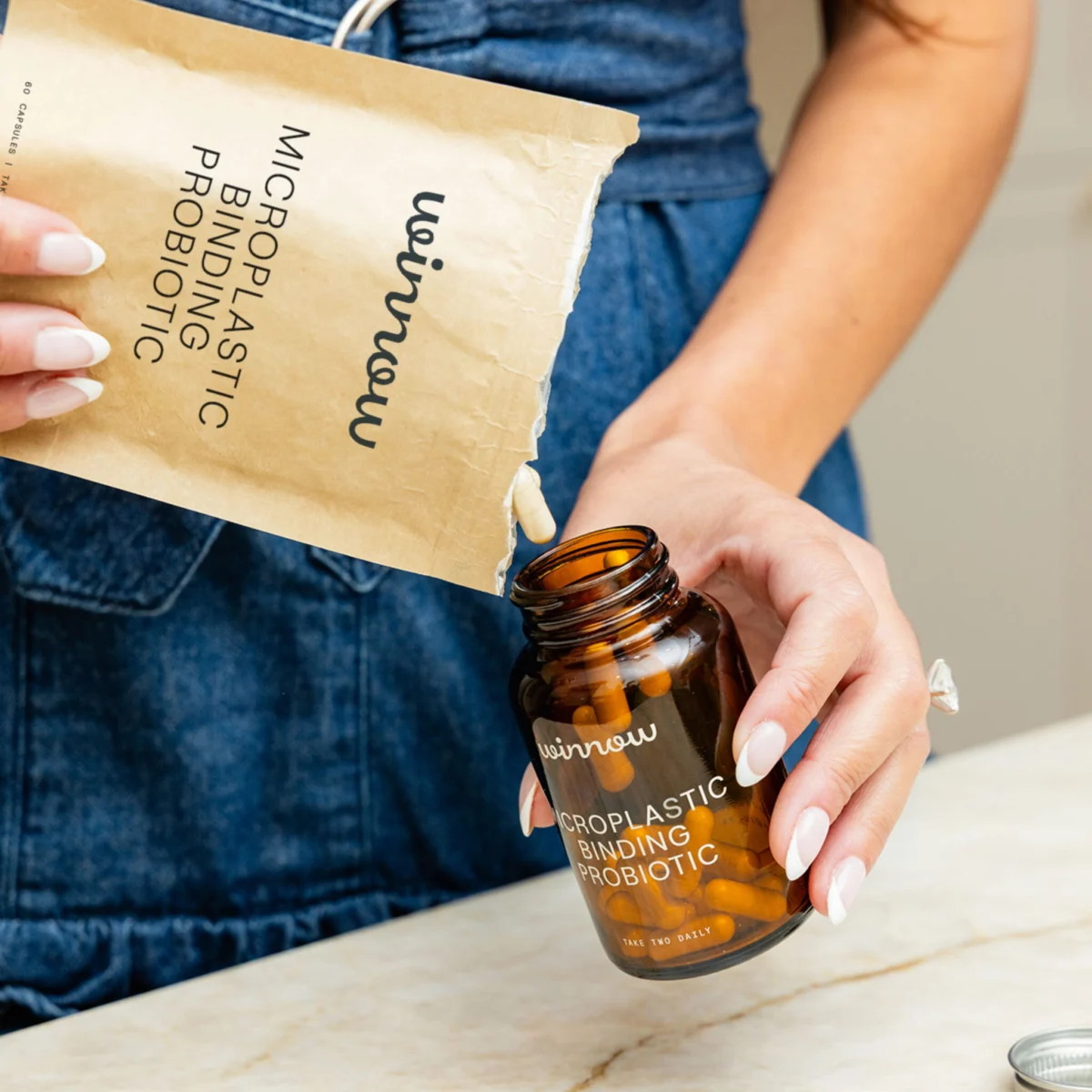
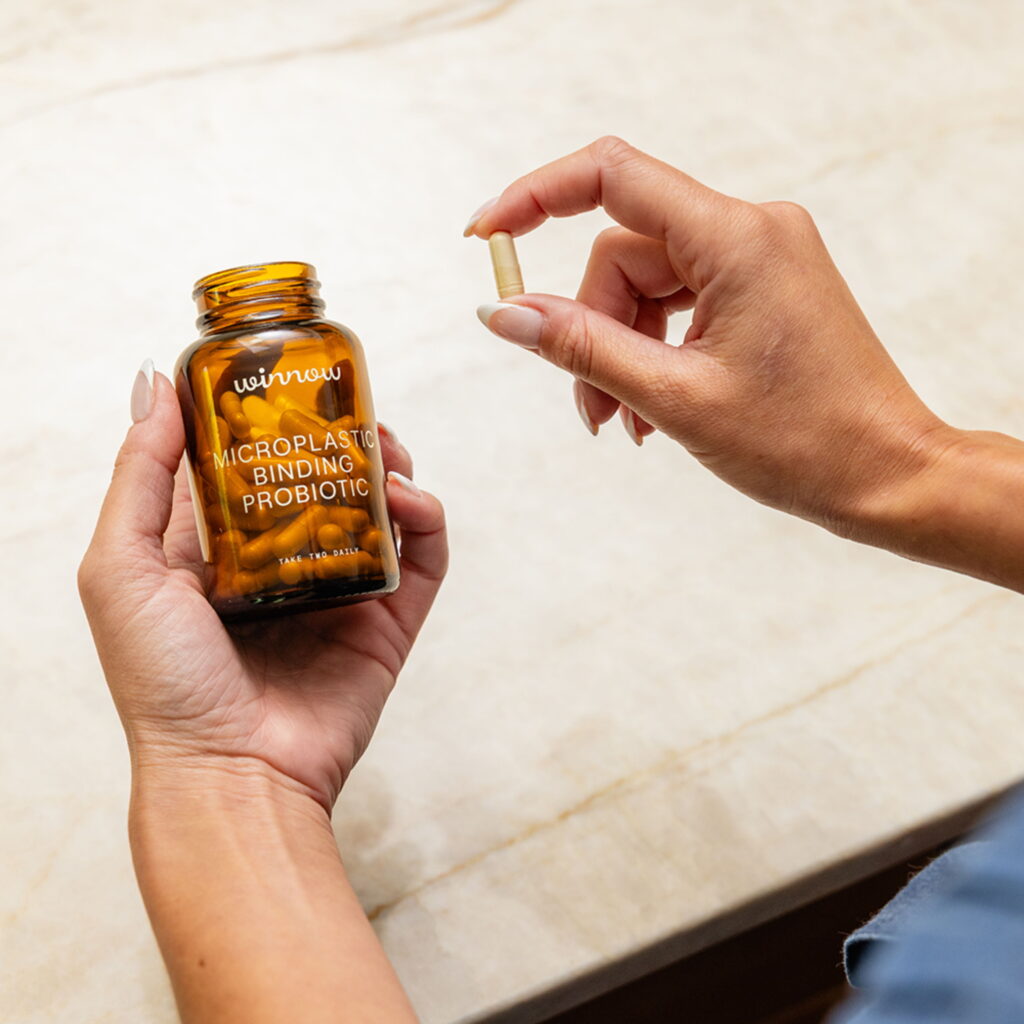
The global proliferation of microplastics has transitioned from an environmental concern to a direct physiological challenge, as these microscopic polymer fragments are now documented in human blood, lung tissue, and even placental tissue. In response to this pervasive exposure, a new category of dietary supplements has emerged, exemplified by the launch of Winnow, a daily probiotic formulated with the dual intent of supporting gastrointestinal health and facilitating the excretion of ingested microplastics. Unlike traditional probiotics that focus solely on the microbiome’s bacterial balance, Winnow utilizes specific strains selected for their demonstrated ability to bind to various plastic polymers in preclinical settings. This development represents a shift in the wellness industry toward addressing environmental toxins at the cellular and digestive levels.
The Mechanism of Microplastic Binding in the Gut
The efficacy of Winnow is predicated on a biological process known as surface adsorption. In this context, microplastic particles—which enter the human body primarily through food, bottled water, and household dust—physically adhere to the exterior of probiotic bacteria as they transit through the intestinal tract. Scientific inquiry into this phenomenon has identified two primary bacterial structures responsible for this interaction: exopolysaccharides (EPS) and S-layer proteins. These components create a sticky or textured surface that can trap micro- and nanoplastics, effectively "binding" them to the bacteria.
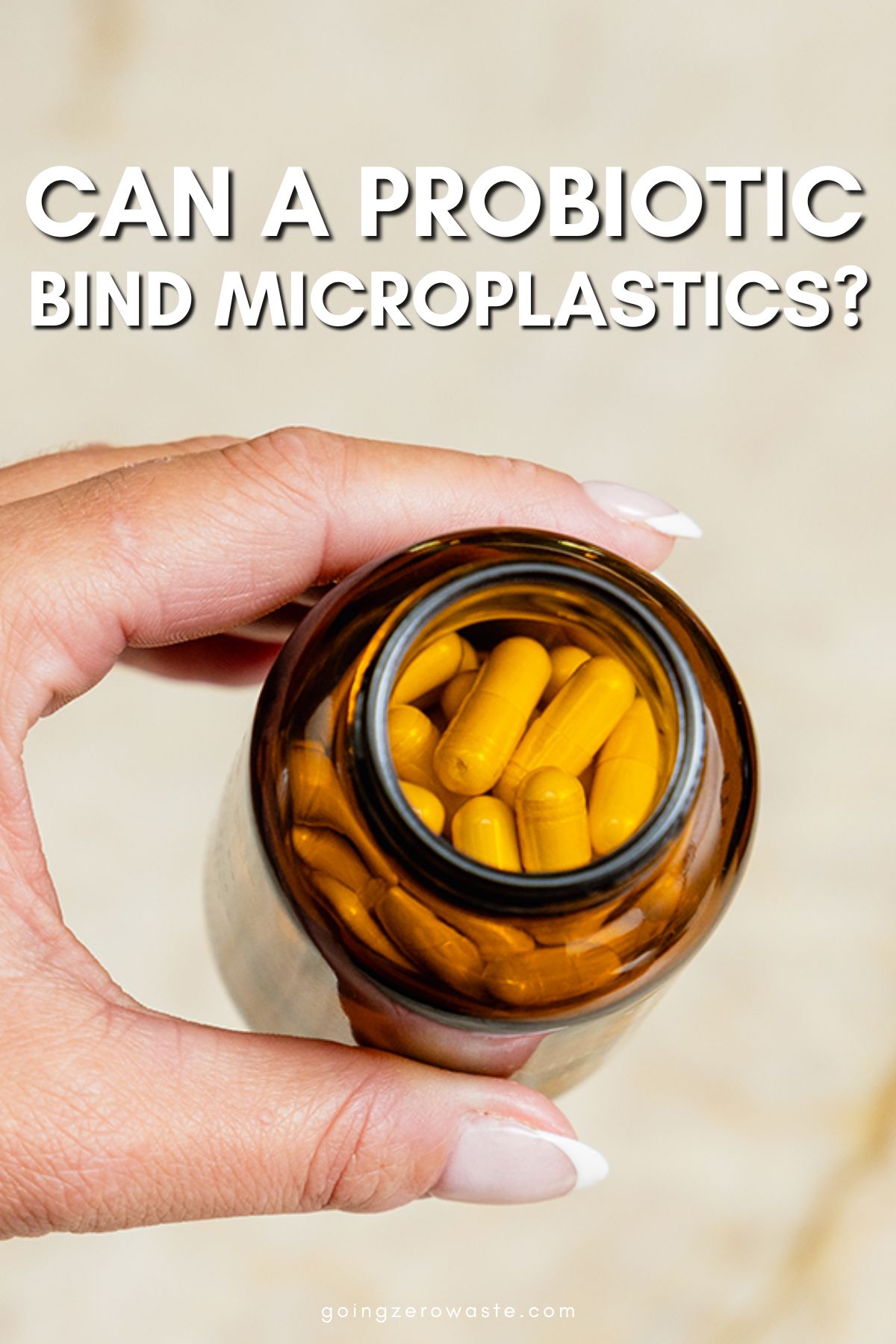
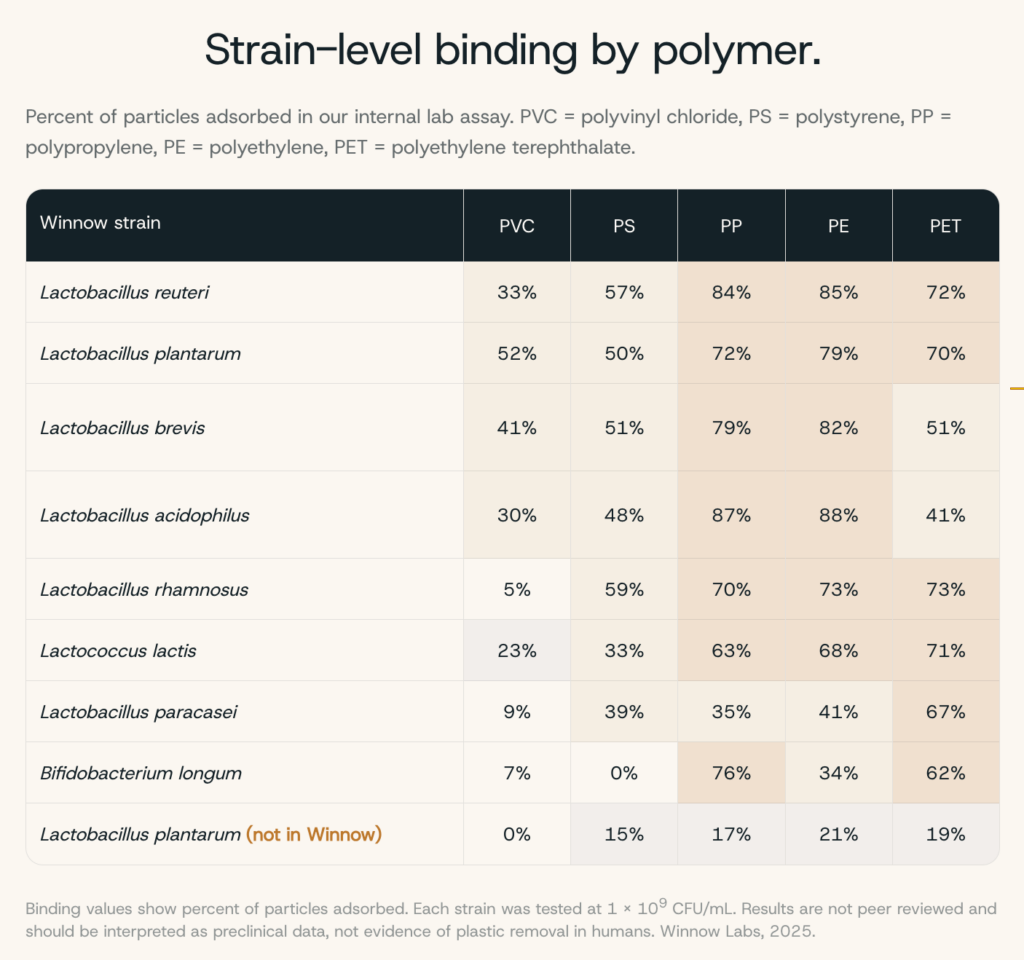
Once bound, these plastic particles are less likely to interact with the intestinal lining or be absorbed into the bloodstream. Instead, they remain sequestered to the probiotic cells and are eventually eliminated from the body through regular bowel movements. Internal laboratory testing conducted by Winnow indicates that their multi-strain formula is significantly more effective than individual strains, reportedly binding 1.8 times more of a blended plastic mix than any single-strain alternative.
Scientific Foundation and Strain Selection
The formulation of Winnow rests on two distinct pillars of research: established human clinical trials for digestive health and emerging preclinical data regarding plastic adsorption. The product incorporates several well-documented strains, including L. rhamnosus ATCC 53103, L. reuteri DSM 17938, and L. acidophilus ATCC SD5212. These specific strains have undergone extensive human research, with data supporting their roles in maintaining gut barrier integrity, supporting immune function, and promoting regularity.
The secondary function of the supplement—microplastic mitigation—is supported by more recent scientific developments. A 2025 study, which screened 784 bacterial strains, identified a subset of probiotics with a high affinity for microplastic adsorption. In animal models, these strains were shown to increase the rate of plastic excretion and simultaneously reduce the accumulation of polymers within intestinal tissues. Winnow’s internal data further specifies that the binding efficiency varies depending on the type of plastic. The formula was tested against common polymers, including:
- Polyethylene (PE): Found in plastic bags and films.
- Polypropylene (PP): Common in reusable containers and bottle caps.
- Polystyrene (PS): Used in foam packaging and disposable cutlery.
- Polyethylene Terephthalate (PET): The primary material for beverage bottles.
- Polyvinyl Chloride (PVC): Used in various industrial and consumer goods.
According to the company’s published science page, the full multi-strain formula outperformed average single strains across every tested category, suggesting a synergistic effect when these specific bacteria are combined.
Chronology of the Microplastic Crisis and Remediation Efforts
The emergence of products like Winnow is the culmination of decades of environmental observation and recent breakthroughs in human pathology.
- 1970s: Researchers first report finding "plastic spherules" in the North Atlantic Ocean, marking the beginning of microplastic awareness.
- 2004: The term "microplastics" is officially coined by Professor Richard Thompson to describe plastic particles smaller than 5 millimeters.
- 2015-2018: Studies begin to confirm the presence of microplastics in commercial table salt, bottled water, and seafood, highlighting the ingestion pathway.
- 2022: A landmark study published in Environment International detects microplastics in human blood for the first time, suggesting that particles can move from the gut into the circulatory system.
- 2024: Research in the New England Journal of Medicine links the presence of microplastics in carotid artery plaque to an increased risk of heart attack and stroke.
- 2025-2026: The biotechnology and supplement sectors respond with targeted interventions, such as the development of Winnow, to mitigate the biological load of these particles.
Regulatory Landscape and Industry Standards
As a dietary supplement, Winnow operates within a regulatory framework that differs from pharmaceutical drugs. In the United States, the Food and Drug Administration (FDA) does not "approve" supplements for safety or efficacy before they reach the market; rather, the responsibility lies with the manufacturer to ensure their products are safe and their claims are substantiated.
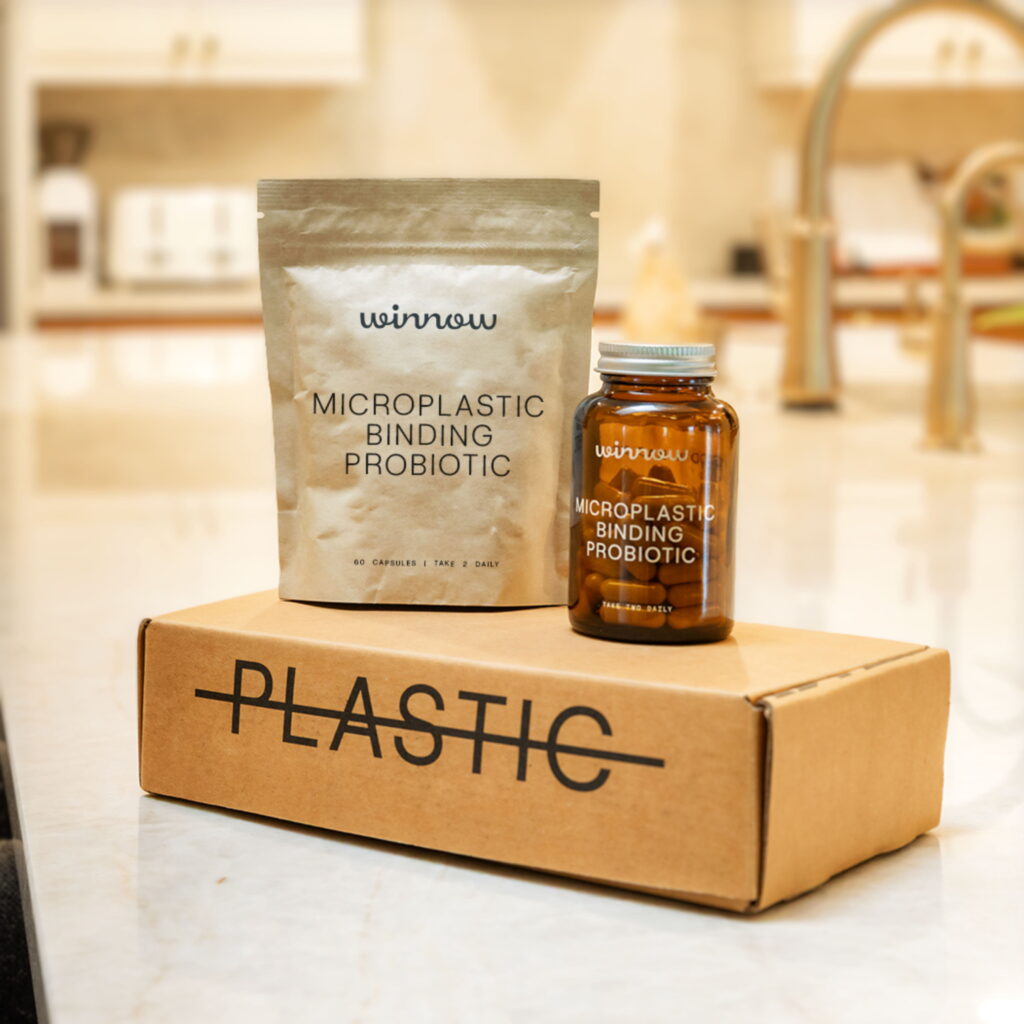
Winnow has positioned itself as a "premium" entrant in the market, mirroring the price points and quality standards of industry leaders like Seed. To distinguish itself further, the company has adopted a strictly plastic-free supply chain. This includes glass packaging and compostable shipping materials, addressing the irony of selling a microplastic-mitigation product encased in the very material it aims to combat. This "circular" approach to product design is increasingly becoming a requirement for brands targeting environmentally conscious consumers.
Supporting Data: The Scale of Human Exposure
The necessity for such interventions is underscored by the sheer volume of plastic humans interact with daily. Current environmental health data suggests that the average person may ingest approximately 5 grams of plastic every week—equivalent to the weight of a credit card.
The primary vectors for this exposure include:
- Bottled Water: A 2024 study using advanced imaging found that a single liter of bottled water can contain an average of 240,000 detectable plastic fragments.
- Synthetic Clothing: Mechanical agitation in washing machines releases millions of microfibers, which enter the water supply and eventually the food chain.
- Food Preparation: The use of plastic cutting boards and the heating of plastic containers in microwaves are significant contributors to direct ingestion.
- Household Dust: A substantial portion of indoor dust consists of degraded textile fibers and foam fragments, which are inhaled or settled onto food.
Broader Implications and Expert Analysis
While the science behind microplastic-binding probiotics is promising, public health experts emphasize that supplements should be viewed as one component of a broader risk-reduction strategy. The "Winnow approach" provides a biological defense mechanism, but it does not eliminate the need for systemic changes.
Analysts suggest that the rise of such products may signal a new era of "environmental medicine," where the focus shifts from treating acute illnesses to managing the chronic "body burden" of industrial pollutants. However, there is also a cautionary note regarding the "moral hazard" of such products—the risk that consumers may feel less inclined to reduce their plastic use if they believe a pill can neutralize the impact.
Winnow’s internal philosophy appears to acknowledge this. The company advocates for "everyday swaps" alongside their supplement, such as switching to glass or stainless steel food storage and utilizing high-quality water filtration systems. This holistic view suggests that while the probiotic can help "winnow" out existing particles, the ultimate goal remains the reduction of total exposure.
Conclusion: A Tool for a Plastic-Saturated World
The introduction of Winnow into the wellness market reflects a pragmatic response to an inescapable environmental reality. By combining clinically validated probiotic strains with innovative research into polymer adsorption, the product offers a dual-action strategy for modern health. As research continues to evolve from preclinical models to larger-scale human observations, the role of "binding" agents in the digestive tract may become a standard recommendation for populations living in high-exposure urban environments.
For now, Winnow represents a bridge between environmental activism and personal health, providing a data-driven option for those seeking to mitigate the physiological effects of the "Plastic Age." As the scientific community further unravels the long-term health implications of microplastic accumulation, the demand for targeted, biologically active solutions is expected to grow, potentially making microplastic-binding a standard feature of future nutritional science.


