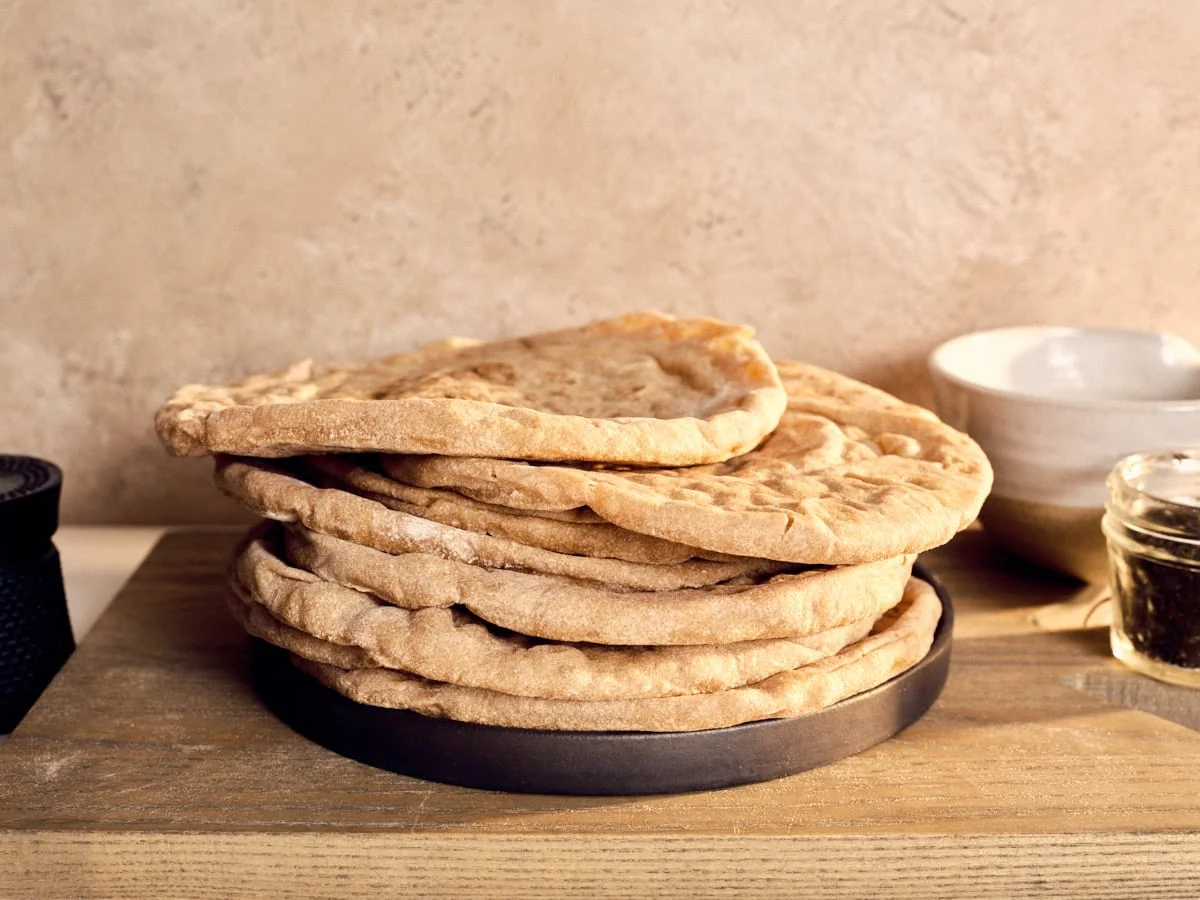
A groundbreaking new whole-grain sourdough pita recipe, meticulously developed through a collaborative effort at the Chimacum Valley Grainery in Washington, is set to redefine home baking standards for nutritious and flavorful flatbreads. This innovative formulation, originating from an advanced baking class, emphasizes a 100% whole wheat composition, promising exceptional softness, reliable puff, and the profound flavor depth characteristic of high-quality, fresh-milled grains combined with sourdough fermentation. The recipe represents a significant step forward in making wholesome, artisanal bread accessible to the everyday baker.
The genesis of this distinctive pita can be traced back to a specialized baking class co-taught last year for members of The Baker’s Corner, a prominent online community dedicated to sourdough enthusiasts. The event, held amidst the verdant landscapes of the Pacific Northwest at the esteemed Chimacum Valley Grainery, featured a comprehensive menu of advanced bread techniques. Among these, a whole-grain sourdough pita formulated with barley by renowned baker and collaborator Graison Gill captured particular attention. Participants and instructors alike were impressed by its hearty texture, inherent sweetness derived from freshly milled grains, and remarkable softness. This initial experience served as the primary inspiration for the subsequent development of the current 100% whole wheat sourdough pita.
A Journey of Culinary Innovation and Refinement
The development of this particular pita recipe was not an isolated endeavor but rather the culmination of extensive experimentation. Prior iterations of sourdough pita from the same developer included a lighter version featured in a debut cookbook, followed by another incorporating ancient grains and a touch of sweetener. However, the objective for this latest recipe was distinct: to achieve a fully whole-grain pita that maintained a consistently soft texture and reliable puff, while maximizing the complex flavor profile unlocked by sourdough fermentation interacting with premium whole-grain flour.
The commitment to a fully whole-grain composition reflects a broader trend in culinary and health-conscious circles towards nutrient-dense foods. Whole grains, rich in fiber, vitamins, and minerals, offer significant health benefits compared to refined flours. The challenge in baking with 100% whole wheat lies in managing its unique gluten structure and bran content, which can inhibit gluten development and reduce elasticity, often resulting in denser, less pliable breads. This recipe, however, successfully navigates these challenges, yielding a pita that is not only nutritious but also boasts an appealing texture and robust flavor that has been described as deeply satisfying. This success is particularly noteworthy given the historical difficulties associated with producing light, puffy flatbreads entirely from whole wheat.
The Role of Quality Grains and Sustainable Milling
A critical component in the success of this recipe is the selection of high-quality, fresh-milled grains, exemplified by the use of Chimacum Valley Grainery Bread Flour. Chimacum Valley Grainery, located in Washington, is a leader in the local grain movement, committed to cultivating and milling grains that offer superior flavor and nutritional integrity. Their dedication to sustainable agricultural practices and the provision of freshly milled flour provides bakers with ingredients that retain their full spectrum of flavor compounds and nutritional value, which can often be diminished in commercially processed flours.
While the recipe specifically calls for 100% whole wheat, it also offers flexibility for bakers to experiment with other whole grains. Up to 20% of the whole wheat flour can be substituted with other whole-grain flours such as triticale or spelt. Triticale, a hybrid of wheat and rye, imparts a distinct earthy flavor and robust texture, while spelt, an ancient wheat variety, contributes a subtle nutty sweetness and a slightly different gluten structure that can enhance dough extensibility. This adaptability not only allows for flavor variation but also encourages bakers to explore the diverse characteristics of different whole grains, aligning with the growing interest in diversifying dietary intake and supporting heritage grain initiatives.
Optimizing the Baking Process for the Perfect Puff
Achieving the characteristic "puff" in pita bread is a hallmark of a well-executed recipe, signifying proper dough development, proofing, and baking conditions. Several key factors are highlighted to ensure this desired outcome:
- Dough Thickness: Rolling the dough to an approximate thickness of 1/8 inch is crucial. Dough that is too thick may not fully inflate, while excessively thin dough might tear or bake too quickly before steam can adequately accumulate and expand within.
- High Oven Temperature: Baking in an oven preheated to 550°F (290°C), or the highest possible temperature, is essential. The intense heat causes moisture within the dough to rapidly turn into steam, creating pressure that inflates the pita into its distinctive pocket. A baking steel or stone, preheated for at least an hour, helps maintain this high temperature and provides direct, even heat to the dough.
- Preventing Dryness: Allowing the dough to dry out during handling or proofing can form a skin that restricts expansion, preventing the pita from puffing. Proper covering during proofing and efficient handling are therefore paramount.
- Even Rolling: Unevenly rolled dough can lead to partial puffing, where only sections of the pita inflate. Consistent thickness across the entire disc is vital for uniform results.
- Optimal Proofing: The timing of proofing is critical. Over-proofed dough may form large, irregular bubbles instead of a cohesive pocket, indicating that the gluten structure has weakened excessively. Under-proofed dough may lack the necessary gas production to create sufficient steam pressure for puffing. The recipe suggests a 30% increase in volume and a soft, resilient touch as indicators of readiness, emphasizing baking on the early side for whole wheat doughs to prevent breakdown.
Streamlined Schedule for the Modern Baker
Recognizing the demands of contemporary lifestyles, the recipe incorporates a baking schedule designed for convenience without compromising quality. It primarily utilizes an overnight levain, which allows for dough mixing in the morning and fresh pita ready by dinner. This strategic timing not only fits into a busy workweek but also helps manage the sourness of the bread, a particular consideration when working with high percentages of whole-grain flour. The result is a pita with a mild yet deeply flavorful profile, appealing to a broader palate.
For those requiring even greater flexibility, the dough can be bulk retarded. After approximately two hours of bulk fermentation, the dough can be refrigerated, allowing bakers to mix on one day and bake the pita the next. This method further integrates the artisanal baking process into varied schedules, making whole-grain sourdough pita a viable option for more households.
Nutritional and Culinary Implications
The release of this whole wheat sourdough pita recipe carries several significant implications for the baking community and broader public health. From a nutritional standpoint, it champions the integration of 100% whole grains into daily diets, offering a delicious and accessible way to increase fiber intake and consume a wider array of essential nutrients. Sourdough fermentation itself contributes to improved digestibility of grains, breaking down complex carbohydrates and phytic acid, which can inhibit mineral absorption. This makes the nutrients in whole grains more bioavailable, enhancing the overall health benefits.
Culinary innovation is another key implication. The recipe demonstrates that whole-grain flours, often perceived as challenging, can be transformed into soft, airy, and exceptionally flavorful products. This challenges conventional notions about whole wheat bread, proving that it can be as appealing and versatile as its refined counterparts. For home bakers, it represents an empowering opportunity to expand their repertoire with a recipe that yields consistently impressive results. The structured approach to dough handling, fermentation, and baking detailed in the methodology provides a clear pathway for success, demystifying the art of whole-grain sourdough.
The collaboration with entities like The Baker’s Corner and Chimacum Valley Grainery also underscores the growing interconnectedness within the artisanal food movement. It highlights the importance of partnerships between educators, bakers, and grain producers in fostering innovation, promoting sustainable agriculture, and disseminating high-quality culinary knowledge. Such initiatives are crucial for strengthening local food systems and ensuring the availability of diverse, nutrient-rich ingredients.
Recipe Vitals and Method Overview
The recipe yields ten pita, each approximately 120 grams, with a total dough weight of 1,320 grams. It features a prefermented flour percentage of 9.5% and a high hydration level of 84.0%, which contributes to the dough’s softness and extensibility. A final dough temperature of 77-78°F (25-26°C) is recommended to ensure optimal fermentation activity.
The method outlines a precise schedule:
- Levain Preparation (Overnight): A 100% hydration whole wheat levain is prepared and ripened overnight at 74-76°F (23-24°C). This can be substituted with an active sourdough starter for convenience.
- Mixing (Morning): The main dough is mixed, incorporating whole wheat flour, water, fine sea salt, the ripe levain, and a touch of extra-virgin olive oil. A brief rest during mixing aids in hydration, especially with whole-grain flour. Both mechanical mixer and hand-mixing instructions are provided, emphasizing gentle handling and gradual water incorporation.
- Bulk Fermentation (3 hours): At a warm room temperature of 74-76°F (23-24°C), the dough undergoes bulk fermentation for approximately three hours, including two sets of stretches and folds at 30-minute intervals to build strength and even out temperature. The dough should show about a 25% increase in volume.
- Divide and Shape: The dough is gently scraped onto a floured surface and divided into 120-gram pieces. Each piece is shaped into a tight ball, creating surface tension for optimal puff.
- Proof (1 hour): The shaped dough balls proof for one hour while the oven preheats.
- Bake: The fully proofed dough, showing about a 30% volume increase and a soft touch, is rolled out to 7 inches in diameter and 1/8 inch thick. Each pita is then baked on a preheated baking steel or stone in a 550°F (290°C) oven for 1-2 minutes until it puffs, then flipped for another minute to finish baking. Baked pitas are immediately transferred to a towel-lined container to maintain softness.
These whole wheat sourdough pitas are designed to maintain their freshness for up to a week when stored in a sealed bag at room temperature, and can be easily re-warmed in an oven or toaster.
Frequently Asked Questions and Further Exploration
The comprehensive guidance accompanying the recipe also addresses common challenges bakers face, such as why pita might fail to puff, why only half might puff, or why large bubbles might form instead of a cohesive pocket. These insights, grounded in the mechanics of dough handling and baking, empower bakers to troubleshoot and refine their technique.
This new whole wheat sourdough pita recipe represents a significant contribution to the evolving landscape of home baking. By merging the health benefits of 100% whole grains with the complex flavors and improved digestibility of sourdough, and packaging it within a manageable schedule, it sets a new benchmark for accessible, artisanal bread making. For those interested in exploring other forms of flatbreads, sourdough tortillas are suggested as a complementary recipe, further expanding the possibilities of whole-grain, fermented baking at home.