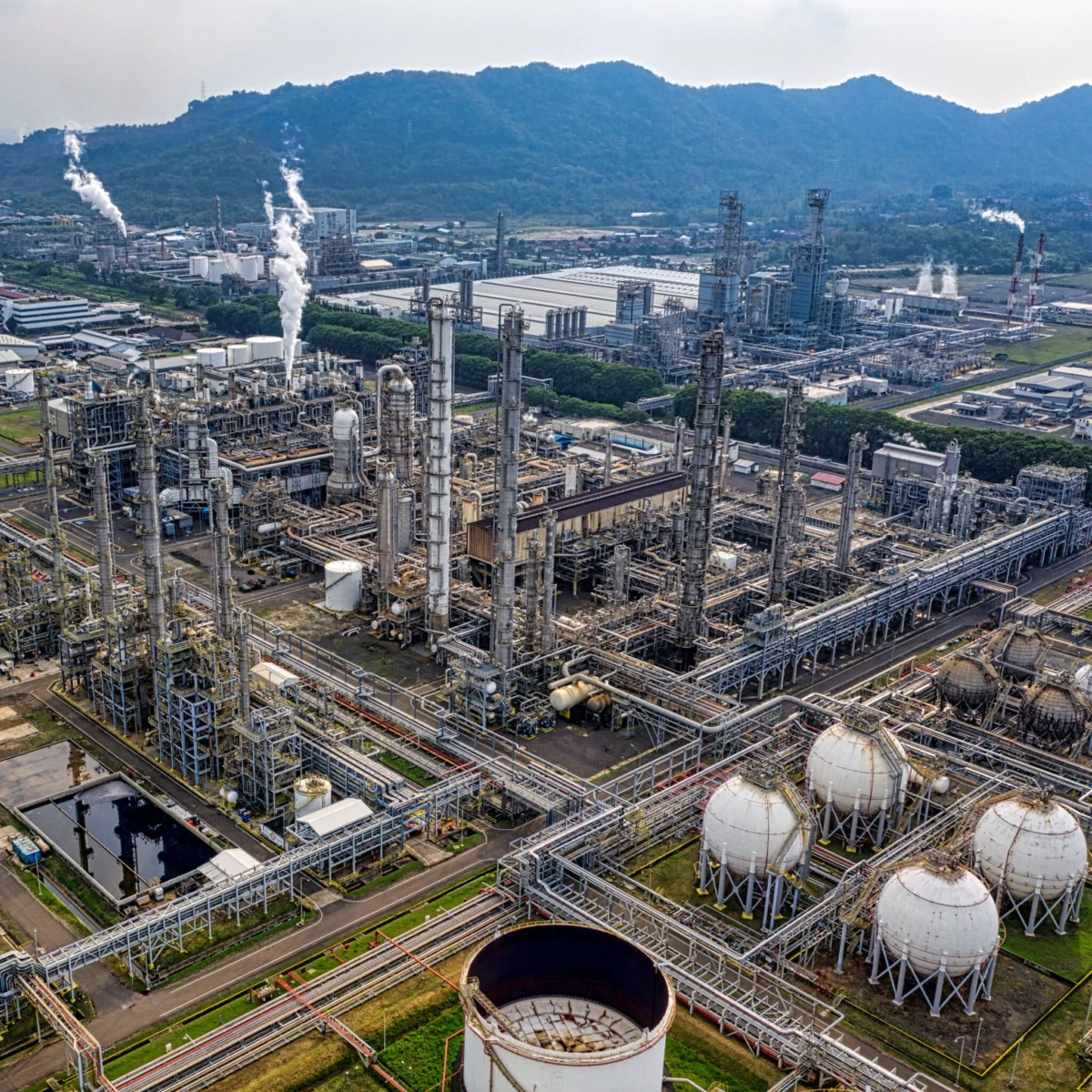
The 85-mile stretch of land along the Mississippi River between New Orleans and Baton Rouge, Louisiana, has earned a grim moniker that stands in stark contrast to its historical identity as "Plantation Country." Now known globally as "Cancer Alley," this industrial corridor houses approximately 200 fossil fuel and petrochemical operations, creating a landscape where residential life and heavy industry exist in a precarious, often deadly, proximity. For the communities residing within this zone—predominantly Black, Indigenous, and People of Color (BIPOC) and low-income households—the cost of living near these facilities is measured in a health risk from hazardous air pollutants that is more than ten times the state average.
The crisis in Cancer Alley represents a convergence of environmental racism, regulatory failure, and the global shift of the fossil fuel industry toward plastic production. As international demand for traditional fuel wanes, the petrochemical sector has emerged as a strategic lifeline for energy companies, leading to an unprecedented expansion of manufacturing facilities that transform raw hydrocarbons into the building blocks of modern life. However, this economic pivot has come at a staggering cost to public health and ecological stability, sparking a national debate over the ethics of "sacrifice zones" in the pursuit of industrial growth.
The Petrochemical Infrastructure: From Raw Hydrocarbons to Consumer Goods
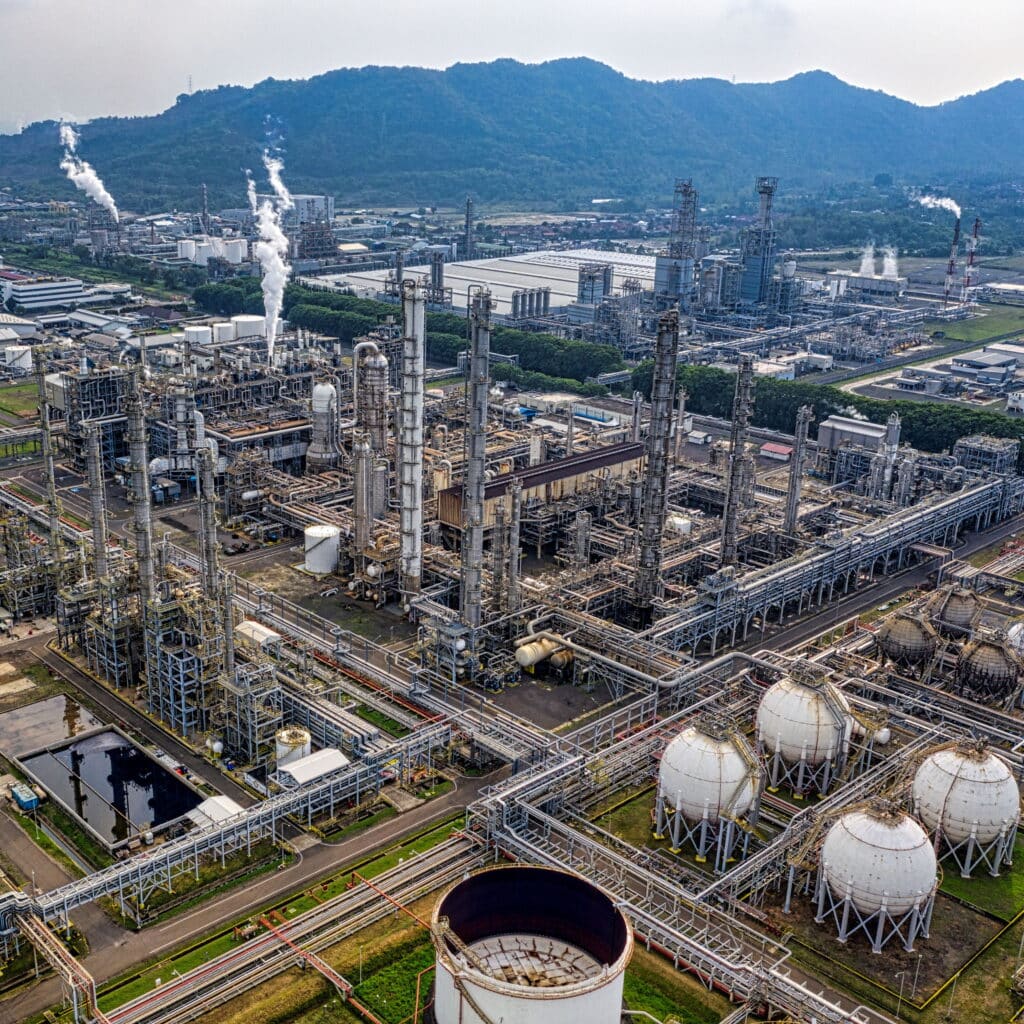
Petrochemical plants are the industrial engines that convert crude oil and fracked natural gas into the foundational chemicals used to manufacture plastics, pesticides, textiles, and pharmaceuticals. These facilities are frequently integrated into massive refinery complexes to streamline the processing of hydrocarbons. The manufacturing process begins with "cracking," where large hydrocarbon molecules are broken down into smaller components like ethylene and propylene.
Ethylene is currently the most widely produced petrochemical in the world. It serves as the primary feedstock for polyethylene, the plastic resin categorized as #2 (High-Density Polyethylene or HDPE) and #4 (Low-Density Polyethylene or LDPE). These materials are ubiquitous in global commerce, found in everything from milk jugs and detergent bottles to plastic grocery films and medical equipment.
The production of these chemicals is categorized by the type of output:
- Olefins Plants: These utilize steam crackers to produce ethylene and propylene. This process is recognized as one of the most energy-intensive operations in the entire chemical industry.
- Aromatic Plants: These facilities produce benzene, toluene, and xylene from naphtha and refinery streams. These chemicals are essential for the production of synthetic dyes, detergents, and high-performance plastics.
- Syngas Plants: Using natural gas or coal, these plants generate synthetic gas to create industrial chemicals such as ammonia and methanol, which are critical for the global fertilizer and shipping industries.
The carbon intensity of these operations is twofold: first, in the extraction and transport of the raw fossil fuels, and second, in the massive energy input required to maintain the high-temperature chemical reactions necessary for synthesis.
A Chronology of Industrialization and Displacement
The transformation of the Mississippi River banks into an industrial corridor was not accidental but the result of a century-long socioeconomic shift.
- Pre-1940s: The region was primarily agricultural, characterized by sugarcane plantations. Following the Civil War, many formerly enslaved people and their descendants established "freetowns" along the river, building tight-knit communities based on subsistence farming and fishing.
- 1940s–1960s: During and after World War II, the petrochemical industry began to migrate to the Gulf Coast, drawn by the proximity to oil fields, the logistics of the Mississippi River, and a lack of stringent zoning laws. Large corporations purchased former plantation land, often surrounding the existing freetowns with industrial infrastructure.
- 1980s: The term "Cancer Alley" began to circulate among environmental activists and residents as clusters of rare cancers and respiratory illnesses were reported in towns like Convent and St. Gabriel.
- 2010s–Present: The "shale gale"—the boom in domestic fracking—provided a cheap, abundant supply of ethane. This led to a "petrochemical renaissance," with billions of dollars in new investment flowing into Louisiana and Texas for new cracking facilities and export terminals.
Public Health Impacts: Data-Driven Evidence of Harm
The health crisis in Cancer Alley has been documented by multiple international and domestic oversight bodies. An analysis published in the New England Journal of Medicine highlighted the direct link between petrochemical exposure and chronic health conditions. The primary mechanism of harm is the release of Volatile Organic Compounds (VOCs) and particulate matter during the refining process.
In 2024, a report by the Environmental Integrity Project (EIP) revealed that nearly 70 petrochemical companies across the United States are discharging millions of pounds of pollutants into waterways annually. In many cases, these discharges occur under outdated permits or in the absence of federal regulations for specific toxins. In Cancer Alley, the contamination of drinking water is a primary concern. Polyfluoroalkyl substances (PFAS), often called "forever chemicals," have been detected in local water supplies at levels hundreds of times higher than the health advisory limits established by the Environmental Protection Agency (EPA).
A 2024 report by Human Rights Watch, based on 70 in-depth interviews with residents, provided a harrowing look at the human toll. Women in the region reported disproportionately high rates of miscarriages, high-risk pregnancies, and neonatal health complications. Furthermore, residents suffer from elevated risks of infertility, chronic obstructive pulmonary disease (COPD), and various forms of cancer, including lung and stomach cancers. The data suggests that for those living in the shadow of these plants, the environment has become fundamentally incompatible with long-term human health.
The Shifting Regulatory and Political Landscape
The battle for environmental justice in Louisiana has recently moved into the federal legal arena, though with inconsistent results. Under the Biden administration, the Justice Department and the EPA launched several initiatives to address the disparities in Cancer Alley. This included a landmark civil rights investigation into whether state regulators had violated the Civil Rights Act by allowing industrial expansion in predominantly Black neighborhoods.
However, the political landscape remains volatile. Recently, a significant lawsuit filed by the federal government against major polluters in the region was dropped following a change in administrative priorities. This legal retreat has been met with condemnation from local advocacy groups.
Sharon Lavigne, a retired teacher and founder of the organization Rise St. James, has become a leading voice in the movement. Lavigne, who was awarded the Goldman Environmental Prize, has focused her efforts on stopping the construction of new mega-complexes, such as the proposed $9.4 billion Formosa Plastics facility. Her demands—clean air, safe water, and the right to remain in her ancestral home—have become a rallying cry for the region.
Conversely, neighboring states have signaled a different direction. In Texas, state regulators recently cleared the way for significant petrochemical expansions along the Gulf Coast, despite warnings from health experts regarding the cumulative impact of air toxins. Industry proponents argue that these plants are essential for the global economy and provide high-paying jobs that sustain the local tax base.
Broader Implications: The "Lifeline" for Big Oil
The expansion of the petrochemical industry is intrinsically linked to the global energy transition. As the world moves toward electric vehicles and renewable power, the demand for gasoline and diesel is projected to plateau and eventually decline. To maintain profitability, fossil fuel companies are pivoting toward "non-combustion" uses of oil and gas.
According to the International Energy Agency (IEA), petrochemicals are set to account for more than a third of the growth in world oil demand to 2030, and nearly half to 2050. This means that even if the world successfully decarbonizes the transportation sector, the continued expansion of plastic production could lock in decades of fossil fuel extraction and carbon emissions.
This "petrochemical pivot" creates a significant challenge for climate policy. Because petrochemical plants have a functional lifespan of 30 to 50 years, the facilities being built today in Louisiana and Texas represent a long-term commitment to a high-carbon, high-pollution economic model.
Analysis of Environmental Justice and Future Outlook
The situation in Cancer Alley raises fundamental questions about the concept of "sacrifice zones"—geographic areas that have been permanently impaired by environmental damage or economic disinvestment. Robert Taylor, founder of Concerned Citizens of St. John, has argued that the government’s failure to regulate these industries constitutes an abandonment of its citizens. "We have been designated a sacrifice zone," Taylor stated in a recent public forum, echoing the sentiment that the lives of low-income residents are being traded for industrial output.
For the crisis to be resolved, experts suggest that several systemic changes are required:
- Modernization of the Clean Air Act: Current regulations often fail to account for the "cumulative impact" of multiple plants in a single area, measuring emissions facility-by-facility rather than the total toxic load on a community.
- Stricter Water Quality Standards: Federal oversight must catch up with the reality of chemical synthesis, establishing enforceable limits for PFAS and other emerging contaminants in industrial discharge.
- Zoning Reform: Local governments must implement buffer zones to prevent industrial facilities from being built directly adjacent to schools, hospitals, and residential neighborhoods.
- Economic Diversification: Reducing the region’s dependence on the petrochemical sector requires investment in green manufacturing and remediation jobs, providing a path for economic growth that does not compromise public health.
As the global community continues to grapple with the twin crises of plastic pollution and climate change, the residents of Cancer Alley remain on the front lines. Their struggle serves as a stark reminder that the "convenience" of modern plastic products often carries a hidden, localized cost—one that is paid in the health and longevity of the world’s most vulnerable populations. The future of the Mississippi River corridor will likely be determined by whether the legal and political systems choose to prioritize industrial expansion or the fundamental human right to a safe and healthy environment.