
The global interest in foraging and wildcrafting has seen a significant resurgence over the last decade, driven by a confluence of sustainability movements, a desire for food sovereignty, and the rise of "Cottagecore" aesthetics in mainstream media. As the holiday season approaches, the market for specialized foraging equipment, botanical education, and home-cultivation kits has expanded to meet the demands of both novice enthusiasts and seasoned practitioners. This report examines the essential categories of gifts for the foraging community, ranging from traditional field tools to modern adaptogenic products, while analyzing the broader economic and cultural implications of the wildcrafting movement.
Market Context: The Growth of Foraging and Wildcrafting
Foraging, the act of identifying and harvesting wild foods and medicines, has transitioned from a niche survivalist skill to a mainstream recreational activity. Market data suggests that the "outdoor recreation" economy, which includes activities like birdwatching and nature photography alongside foraging, contributes hundreds of billions of dollars to the global GDP annually. Within this sector, the demand for high-quality, durable equipment has surged. Consumers are increasingly prioritizing "Fair Trade" certifications and sustainable manufacturing processes, reflecting the ethical framework often associated with wildcrafting.
The timeline of this growth can be traced back to the early 2010s, with a significant spike occurring during the COVID-19 pandemic, when interest in self-sufficiency and outdoor activities peaked. This shift has created a robust secondary market for educational materials, specialized cutlery, and home-scale mycological cultivation.
Essential Field Equipment: Precision Tools and Transportation
For the active forager, the efficiency of the harvest is dictated by the quality of their field equipment. Two primary categories dominate this sector: transportation vessels and precision cutting tools.
Specialized Transportation: Baskets and Sustainable Bags
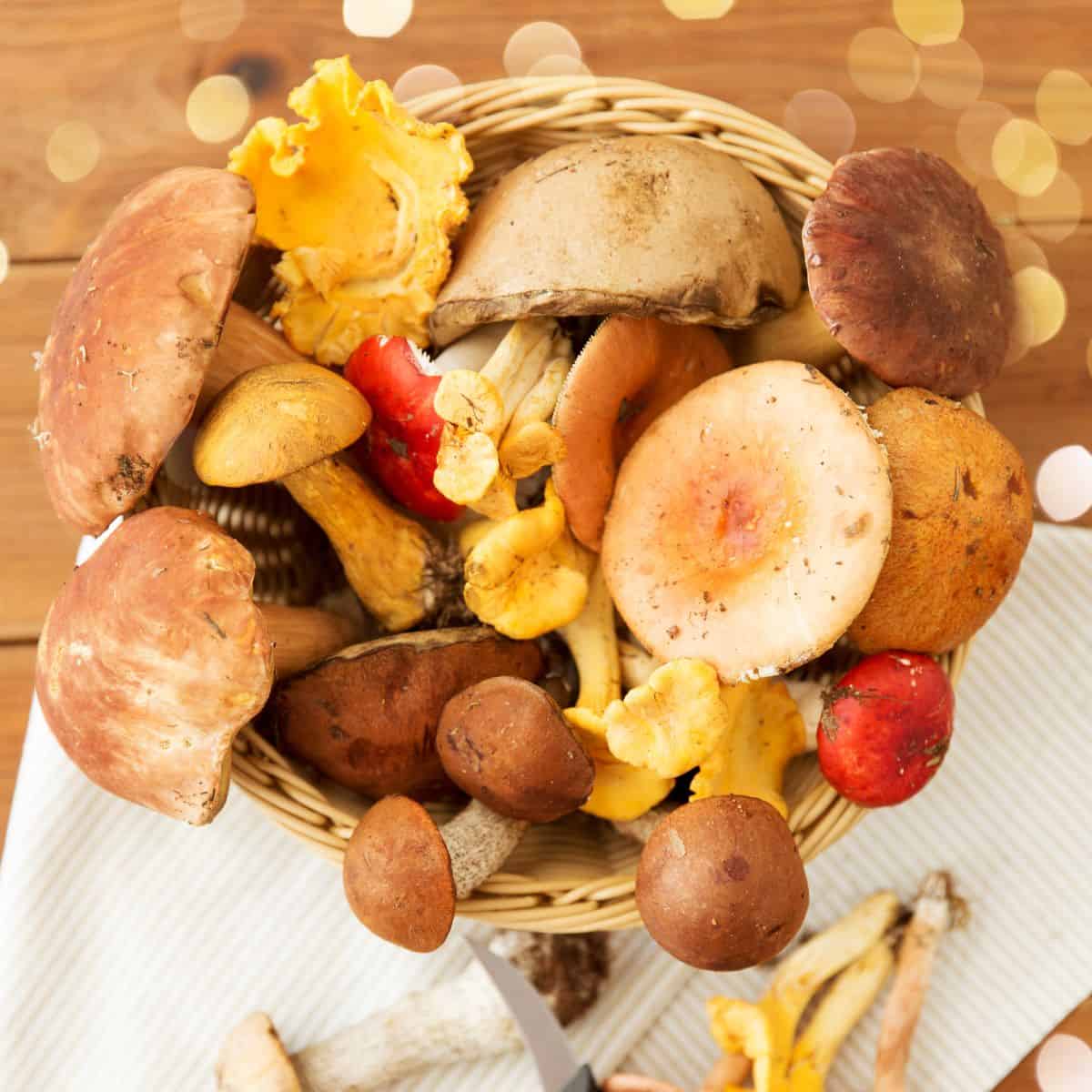
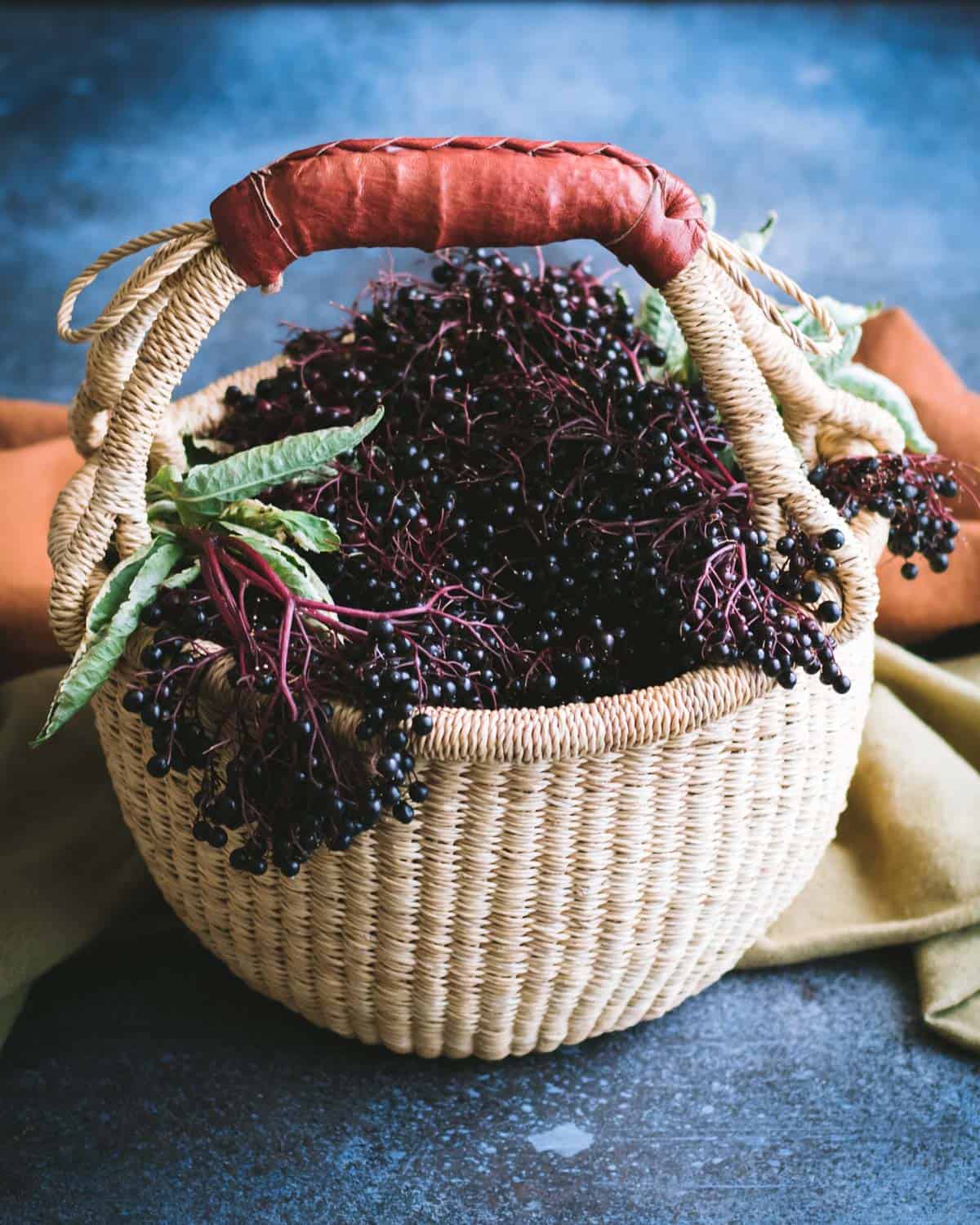
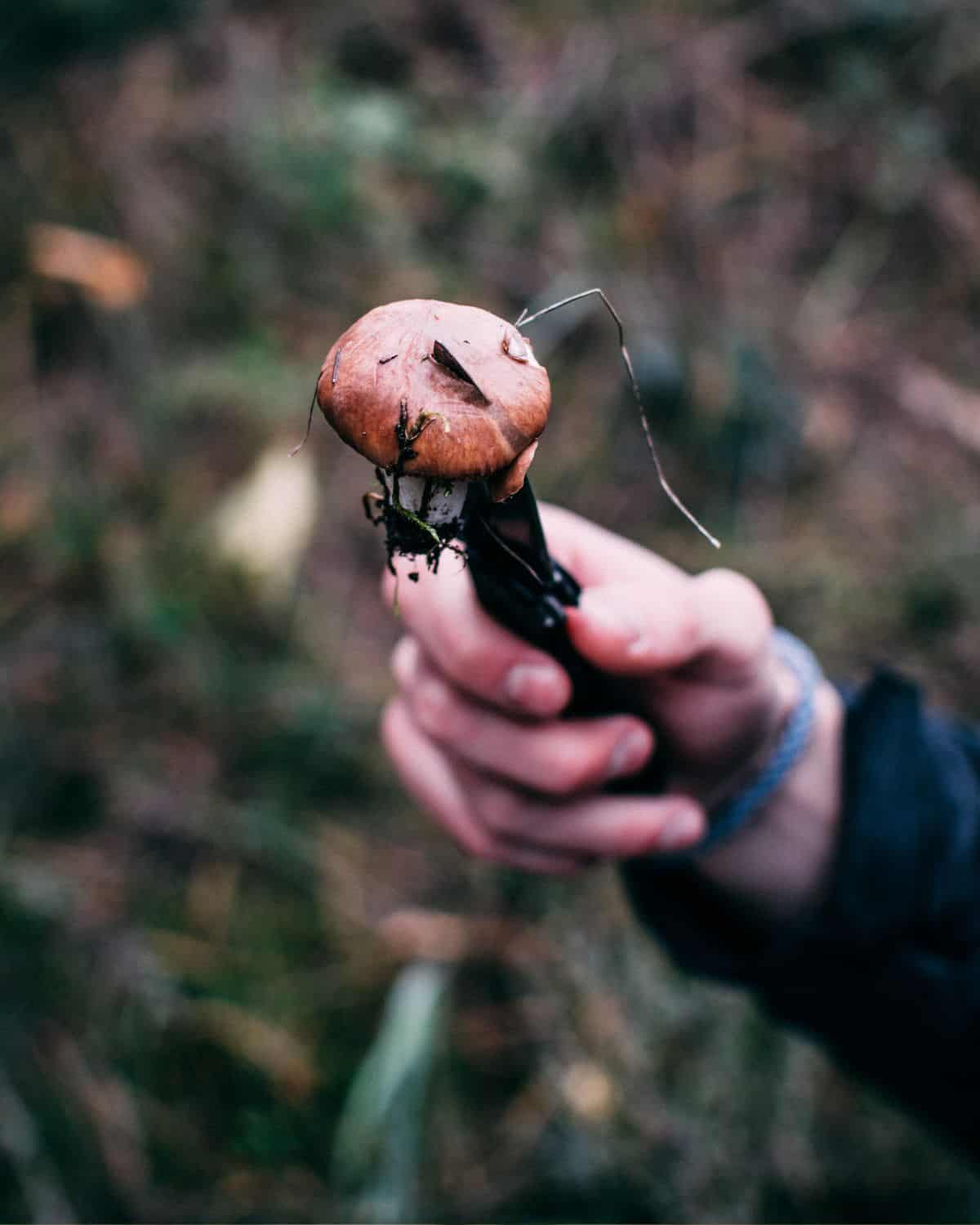
The traditional fair-trade market basket remains the gold standard for foragers. Unlike plastic or solid-walled containers, woven baskets allow for airflow, which prevents the premature wilting of delicate greens and the sweating of mushrooms. Furthermore, the porous nature of woven baskets allows fungal spores to drop through the bottom as the forager moves through the forest, theoretically aiding in the propagation of future harvests.
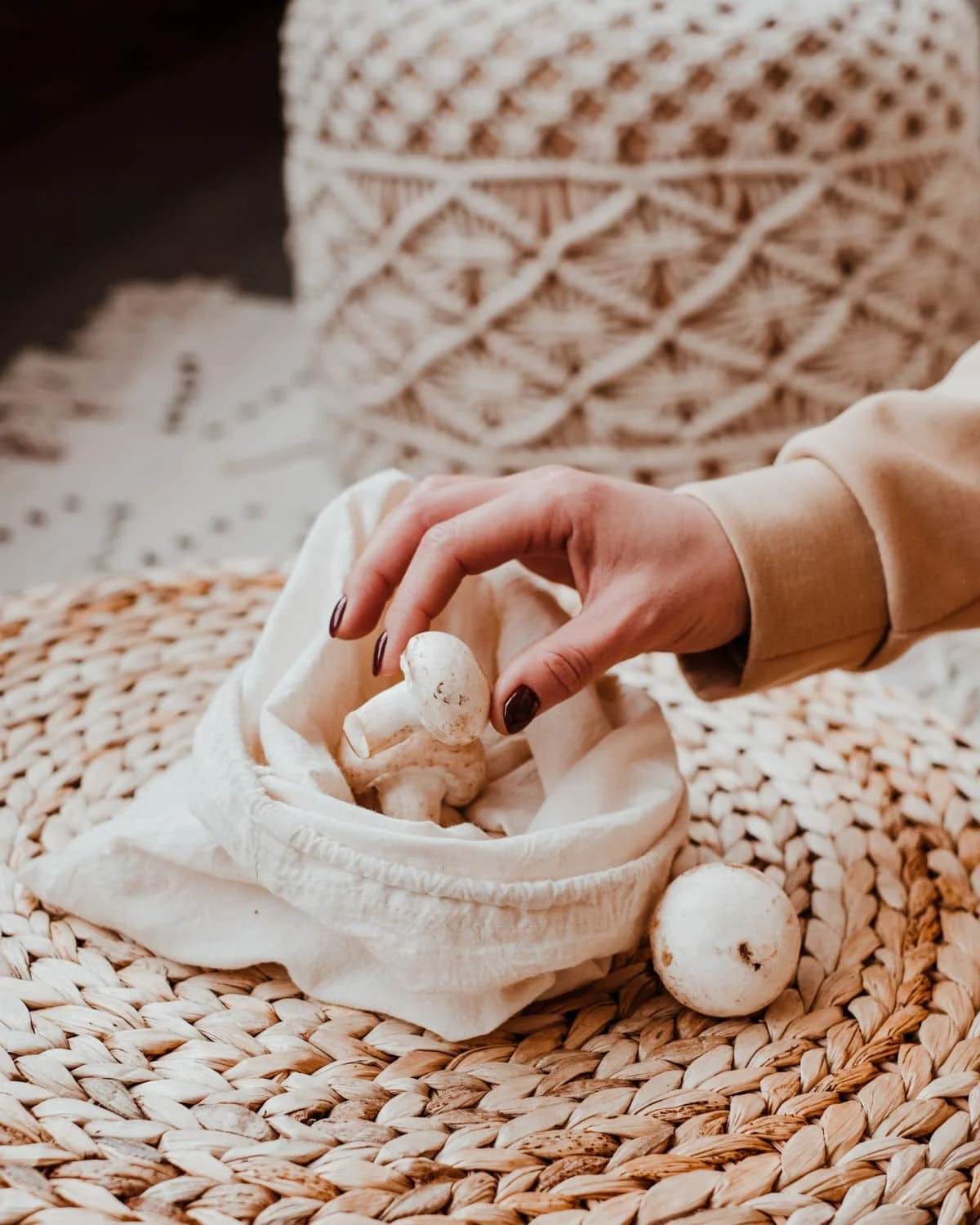
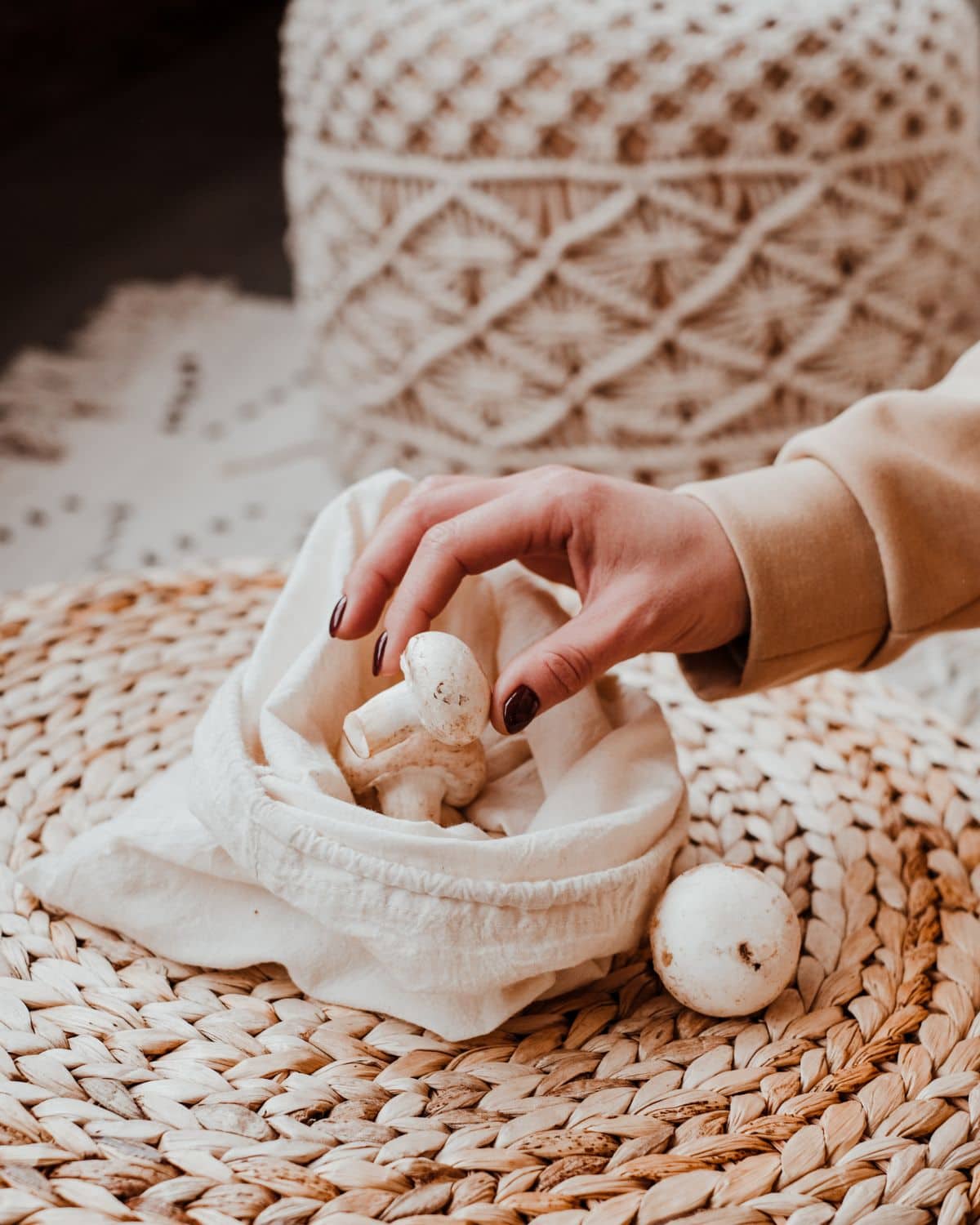
Market trends indicate a preference for graduated sizes—small, medium, and large—to accommodate various harvest volumes. In addition to traditional baskets, the use of lightweight, stowable cloth bags has become a staple for "unplanned" foraging. These reusable cotton or linen bags serve a dual purpose as sustainable alternatives to plastic produce bags in commercial retail settings, aligning with the zero-waste lifestyle often adopted by wildcrafters.
Precision Cutlery: The Foraging Knife
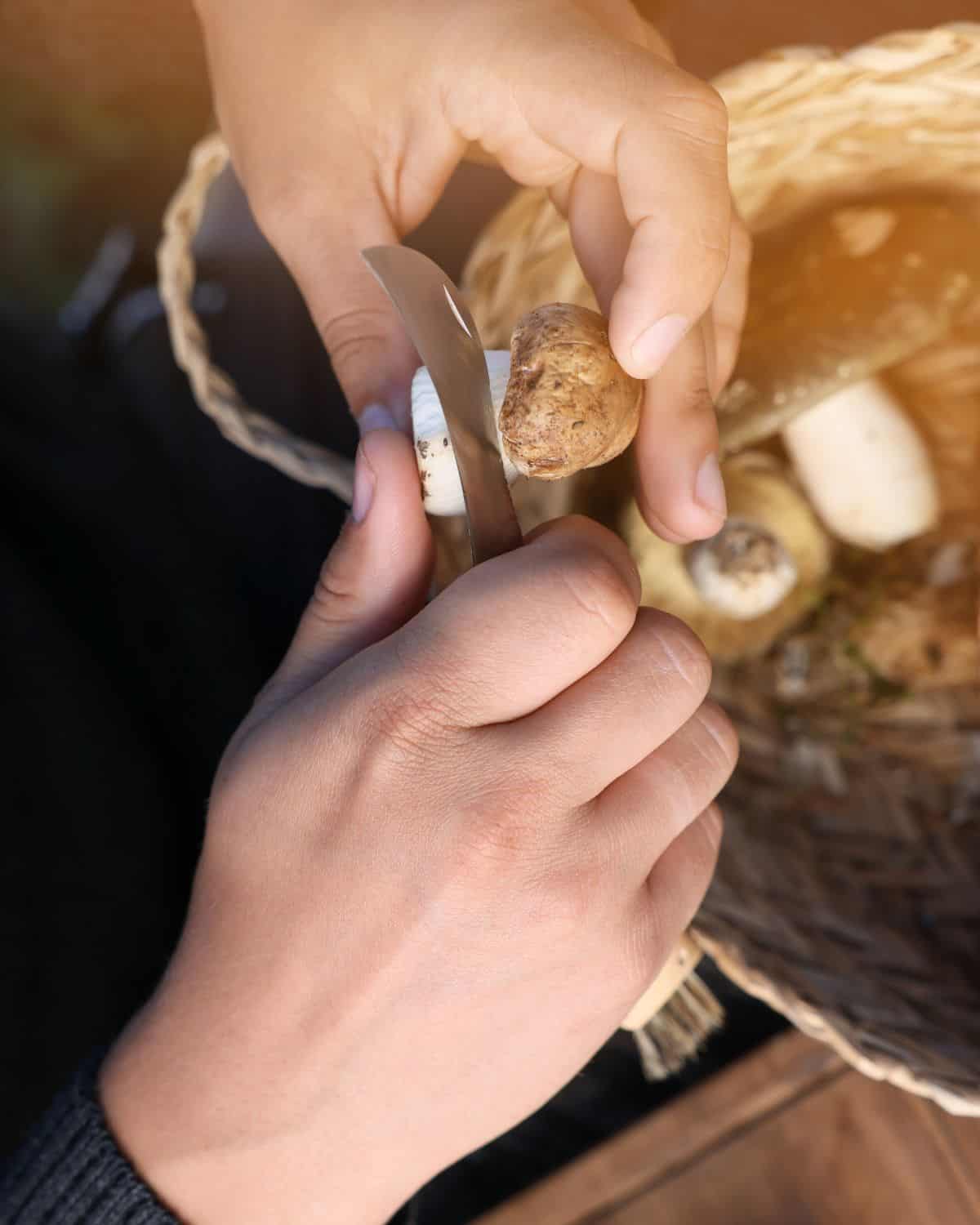
In the realm of cutlery, two European manufacturers have established dominance: the French firm Opinel and the Swedish company Morakniv. The Opinel Mushroom Knife is a specialized tool featuring a curved Sandvik stainless steel blade designed for clean cuts at the base of the stipe. It is uniquely equipped with a boar-hair brush on the handle for field-cleaning debris and a serrated spine for removing tough skins.
Conversely, the Morakniv Companion is frequently cited by industry experts as the premier multi-purpose foraging knife. Its fixed-blade construction provides durability that folding knives lack, and its ergonomic polymer handle is designed for use in damp, outdoor conditions. Analysts note that the affordability of the Morakniv makes it an ideal "entry-level" professional tool, as the risk of loss in dense undergrowth is a constant factor for field practitioners.
Home Cultivation and Dietary Innovation
As foraging has gained popularity, the industry has expanded to include products that allow for the "wild" experience within a controlled domestic environment. This is particularly relevant for individuals in urban settings or those with limited access to public lands.
Mycological Cultivation Kits
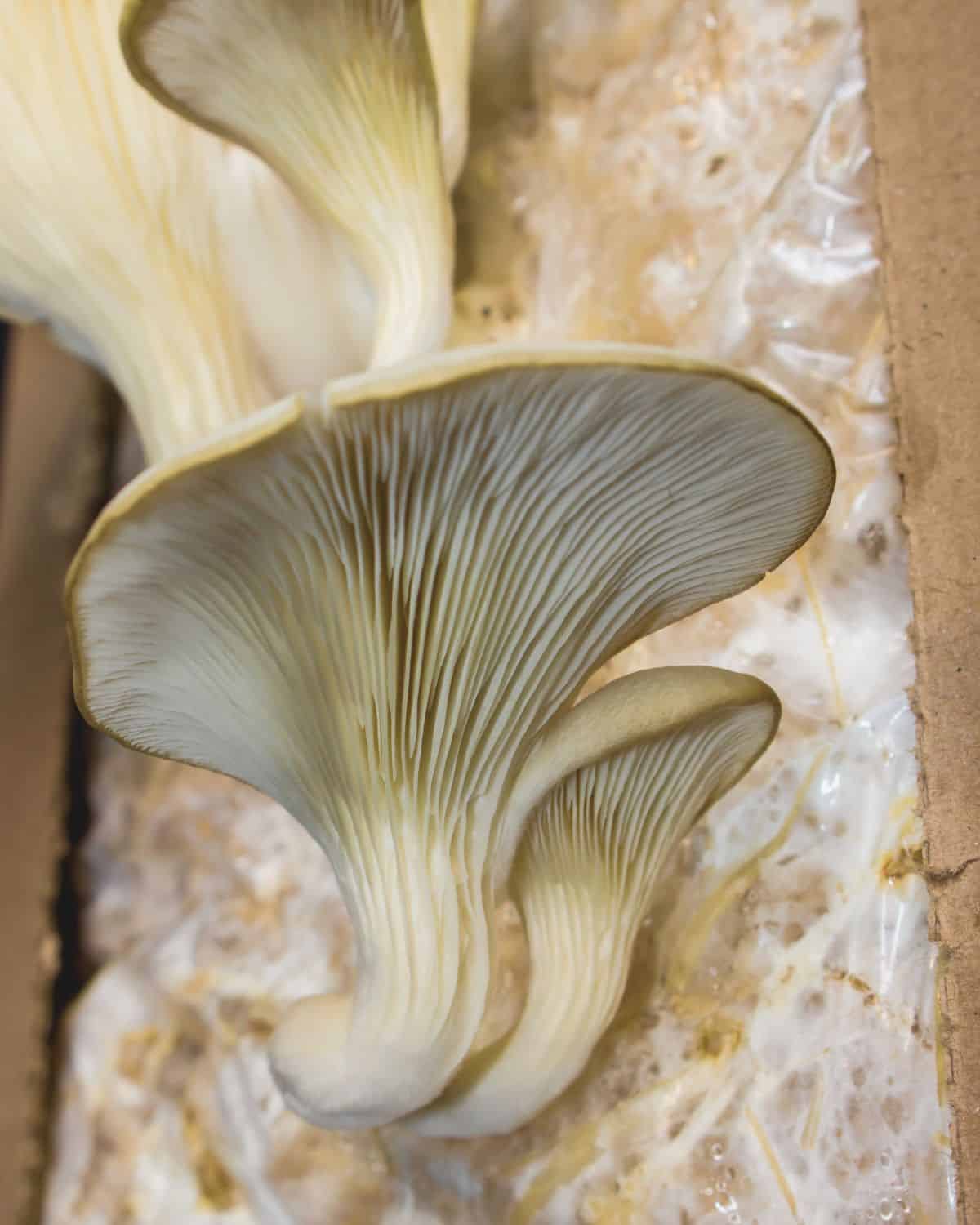
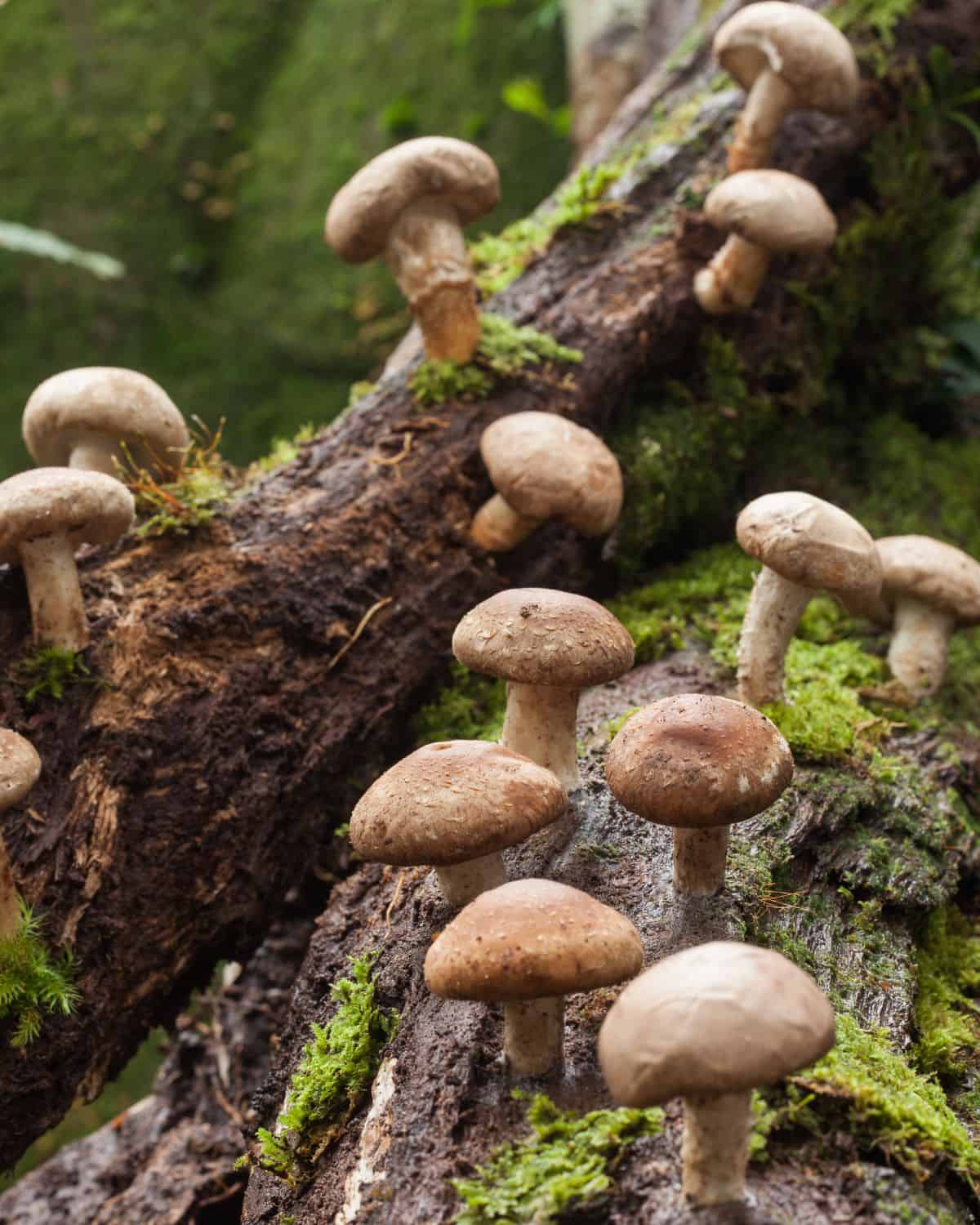
The rise of home-scale mushroom farming is exemplified by companies like Back to the Roots, which offers organic "mini-farms." These kits typically utilize oyster mushrooms (Pleurotus ostreatus), known for their aggressive growth and adaptability. Beyond simple kits, the market for "spawn plugs" allows landowners to inoculate hardwood logs with Shiitake or Lion’s Mane spores, representing a long-term investment in perennial food systems. This segment of the market caters to the "permaculture" demographic, which focuses on integrating food production into existing ecosystems.
The Rise of Adaptogenic Beverages
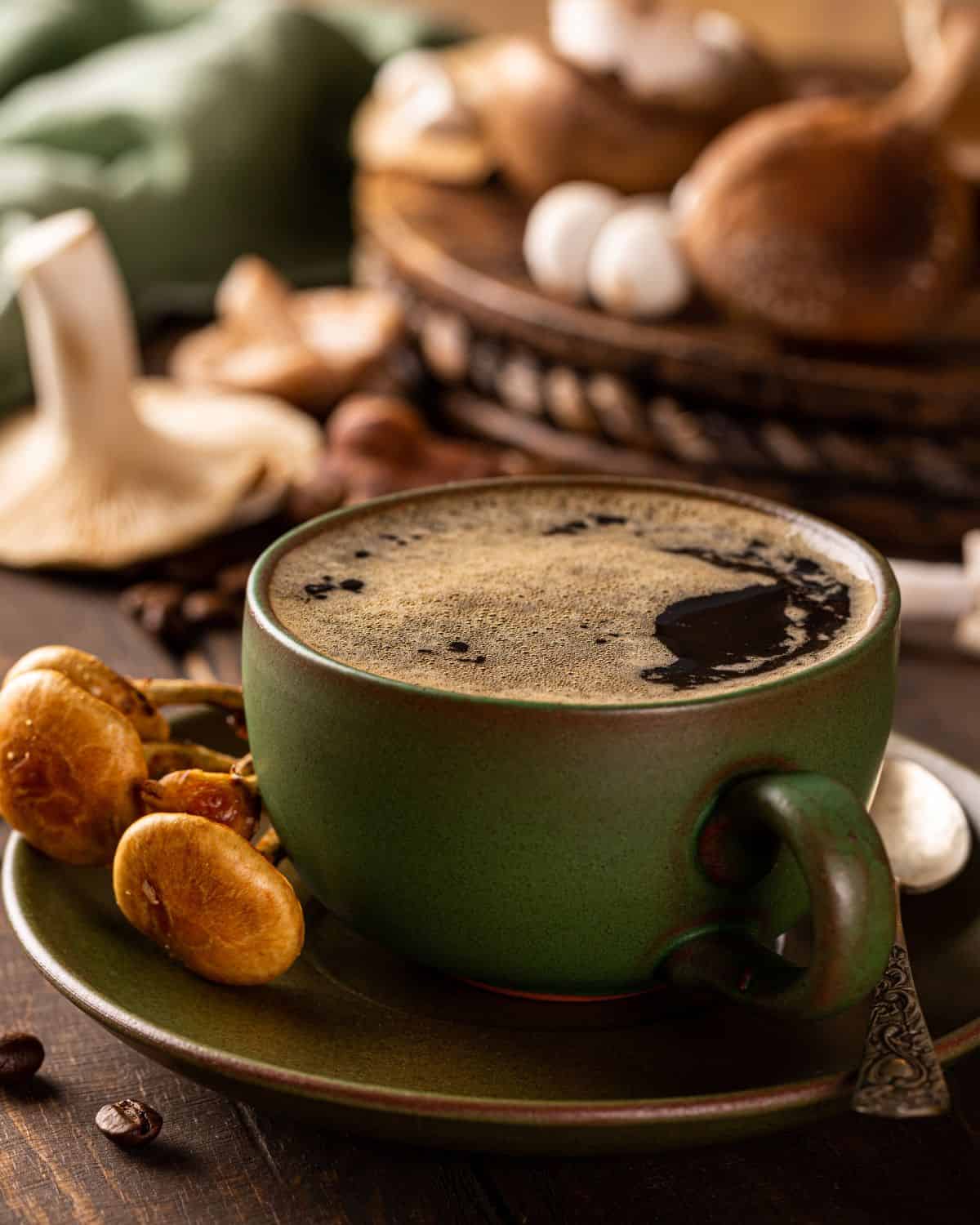
A significant development in the "wellness" sector is the integration of wild-foraged ingredients into daily routines, specifically through mushroom-infused coffees and teas. Brands like Four Sigmatic have popularized the use of Chaga (Inonotus obliquus) and Lion’s Mane (Hericium erinaceus) as "adaptogens"—substances believed to help the body manage stress. Market analysis shows that the functional mushroom market is projected to grow at a compound annual growth rate (CAGR) of over 8% through 2030. These products, often sold in portable sachets, are marketed toward outdoor enthusiasts who require lightweight, nutrient-dense options for camping and hiking.
Aesthetics and Educational Resources
The foraging movement is as much a cultural shift as it is a practical one. This is reflected in the demand for botanical-themed apparel, home decor, and high-level educational literature.
Botanical Apparel and Home Goods
The "Cottagecore" and "Dark Academia" aesthetic trends have fueled a demand for clothing that features scientifically accurate botanical illustrations. Small-scale manufacturers like Taproot Threads have successfully tapped into this market, producing apparel that features Yarrow, mushrooms, and other wild flora. Similarly, the home goods sector has seen an influx of foraging-themed items, such as ceramic mushroom mugs and vintage-style kitchen towels. These items serve to reinforce the identity of the forager within their domestic space.
The Role of Educational Literature
Perhaps the most critical "tool" for any forager is a reliable field guide. The implications of misidentification in foraging can be life-threatening, making botanical literacy the foundation of the practice.
The works of Samuel Thayer, such as Nature’s Garden and The Forager’s Harvest, are widely considered the definitive texts for North American wildcrafting. Thayer’s methodology emphasizes rigorous cross-referencing and seasonal observation. In the mycological field, David Arora’s All That the Rain Promises and More is praised for its portability and user-friendly identification keys, while his encyclopedic Mushrooms Demystified serves as the primary academic reference for enthusiasts.
Engaging the Next Generation: Foraging for Children
To ensure the longevity of the wildcrafting tradition, there has been a concerted effort to produce educational materials for children. This includes board games like Wildcraft! An Herbal Adventure Game, which utilizes cooperative gameplay to teach medicinal plant identification.
The literature for younger audiences has also evolved. Books such as The Dandelion Seed and In a Nutshell introduce the concepts of plant life cycles and ecology without the clinical tone of adult field guides. Educational experts suggest that early exposure to foraging fosters "ecological empathy," encouraging children to view the natural world as a source of sustenance and wonder rather than a backdrop for consumption.
Broader Impact and Implications
The commercialization of foraging equipment and the proliferation of gift guides reflect a broader societal move toward "green" gift-giving. Economically, this supports small-scale artisans, fair-trade cooperatives, and independent publishers. However, the rise of foraging also carries environmental implications.
As more individuals enter wild spaces to harvest, the risk of over-harvesting increases. Industry leaders and environmental advocates emphasize the importance of "Ethical Wildcrafting," a set of guidelines that dictate only taking what is needed and ensuring that the plant or fungal population can regenerate. The inclusion of educational books in gift guides is a vital component of this, as they often teach the ethics of the harvest alongside the methods.
In conclusion, the modern gift market for foragers and wildcrafters is a diverse ecosystem that mirrors the complexity of the natural world it serves. From the precision of a Swedish blade to the complex chemistry of Chaga coffee, these products represent a bridge between traditional knowledge and contemporary lifestyle. As the holiday season progresses, the trend toward practical, educational, and sustainable gifts suggests a lasting shift in consumer values toward a more grounded and ecologically conscious future.


