Home bakers can now achieve bakery-quality sugar cookies with a new recipe that promises perfection in every bite. This foolproof cut-out sugar cookie recipe delivers cookies that are delightfully crisp around the edges and wonderfully tender in the center. Complementing the cookies is a smooth, easy-to-pipe buttercream frosting, designed to hold its shape beautifully, making it ideal for intricate decorating. This recipe aims to demystify the art of cookie decorating, making it accessible even to beginners who might find piping frosting intimidating.

Mastering the Art of Cookie Decoration
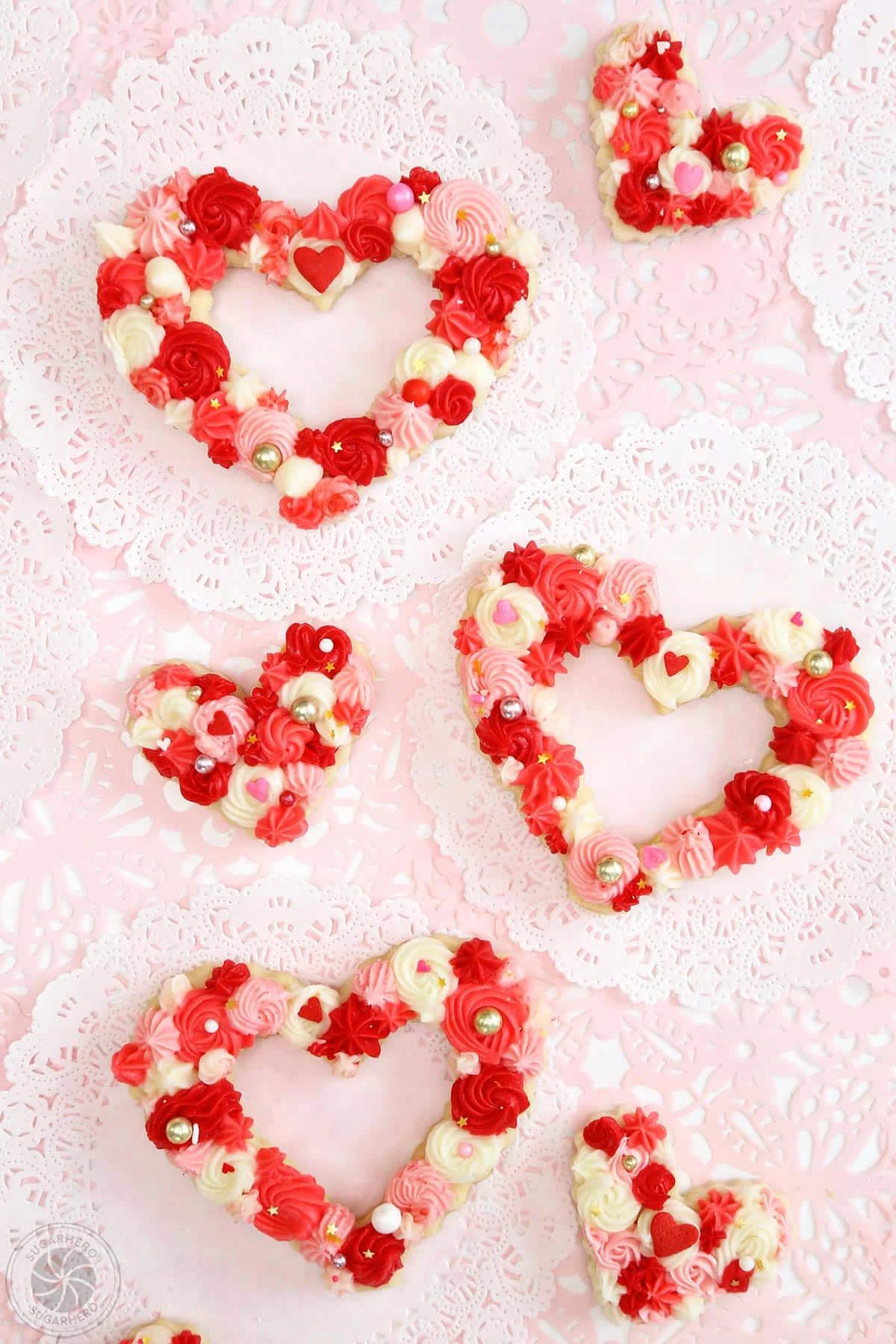
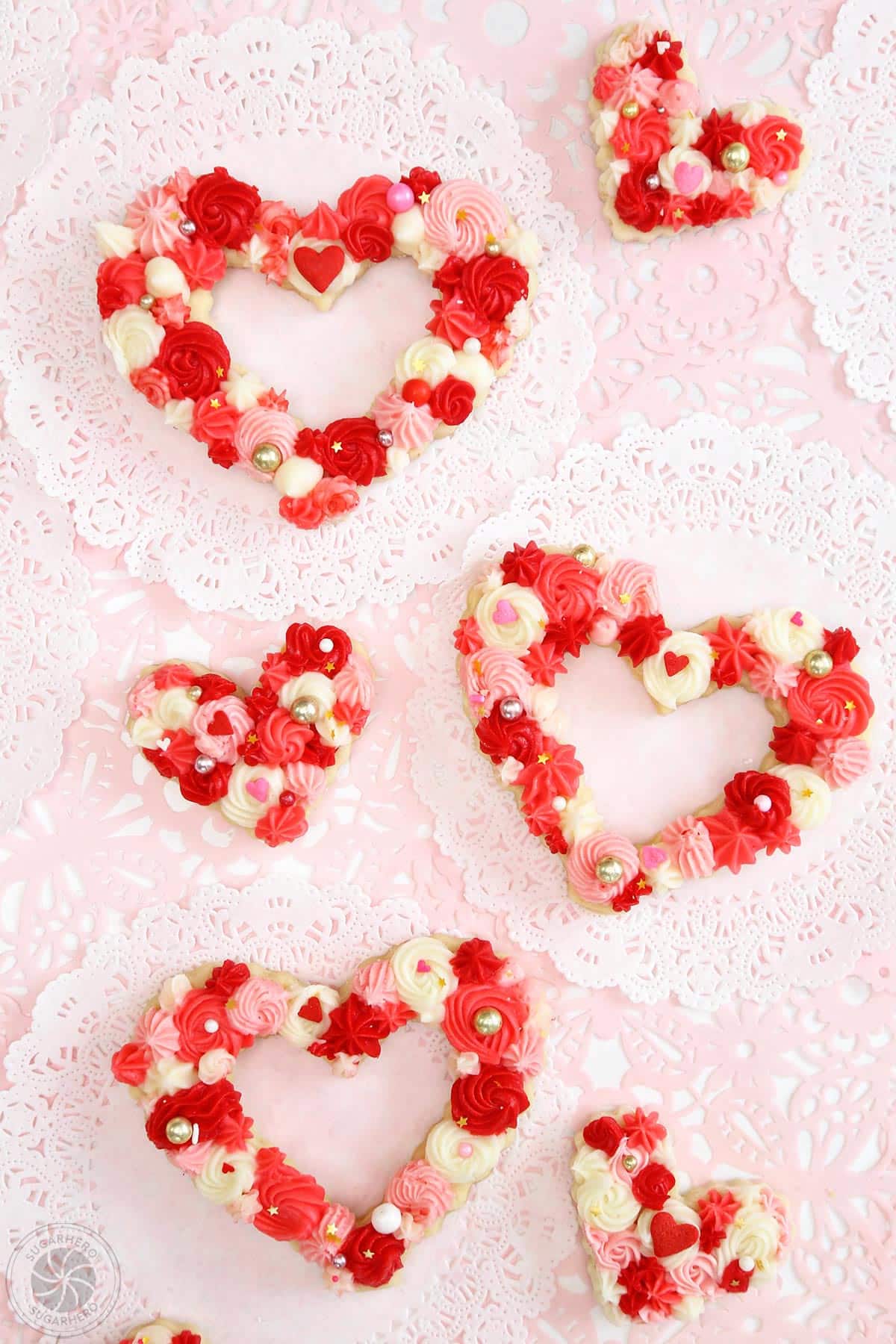
For many aspiring bakers, the prospect of using a piping bag can evoke a sense of apprehension. However, this recipe is designed to overcome that fear, transforming it into a rewarding and creative culinary experience. By utilizing a few different frosting tips and a variety of buttercream colors, anyone can create cookies that rival those from the most exclusive patisseries. The foundation of these exquisite cookies is a time-tested cut-out sugar cookie dough recipe, known for its reliability and excellent texture. While the example showcases a "wreath" shape achieved with scalloped cutters, the recipe is versatile enough to accommodate any cookie cutter shape, allowing for endless creative possibilities.
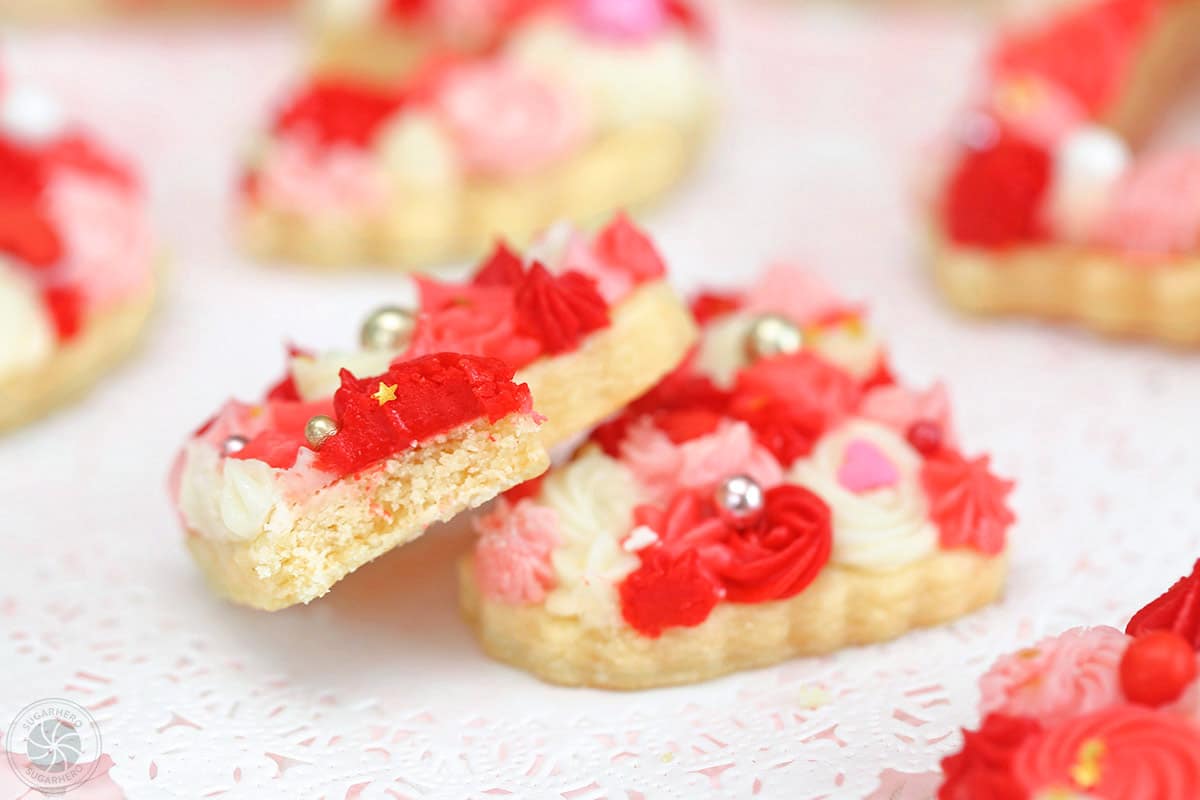
The accompanying frosting is a straightforward American-style buttercream. This classic frosting requires only a handful of common ingredients and can be prepared in approximately five minutes, making it a quick and efficient addition to the baking process. The simplicity of both the cookie dough and the frosting is key to the recipe’s appeal, ensuring that the focus remains on the enjoyable and artistic aspect of decoration.
The Beginner-Friendly Approach to Buttercream Decorating
The secret to achieving stunning decorated cookies, particularly for those new to the craft, lies in the strategic use of varied colors and piping tips. This recipe encourages experimentation by employing a palette of distinct frosting colors, such as white, dark red, and dark pink, with the option to blend dark pink and white for a softer hue. Each color is prepared separately and fitted with a small star piping tip. While exact tip numbers are not critical, the goal is to use small tips with ridged openings that create appealing textures.

What truly sets this technique apart and makes it exceptionally beginner-friendly is the inherent lack of a "wrong way" to decorate. Precision is not paramount; instead, the emphasis is on embracing creativity and letting one’s imagination guide the process. Bakers are encouraged to pipe swirls, dots, and whimsical lines of different colors adjacent to each other, ultimately covering the cookie’s surface. A final flourish of sprinkles can elevate these "beautifully chaotic masterpieces" to a new level of artistry. A detailed photo tutorial is available to illustrate the simplicity of this decorating method.
Essential Ingredients and Equipment
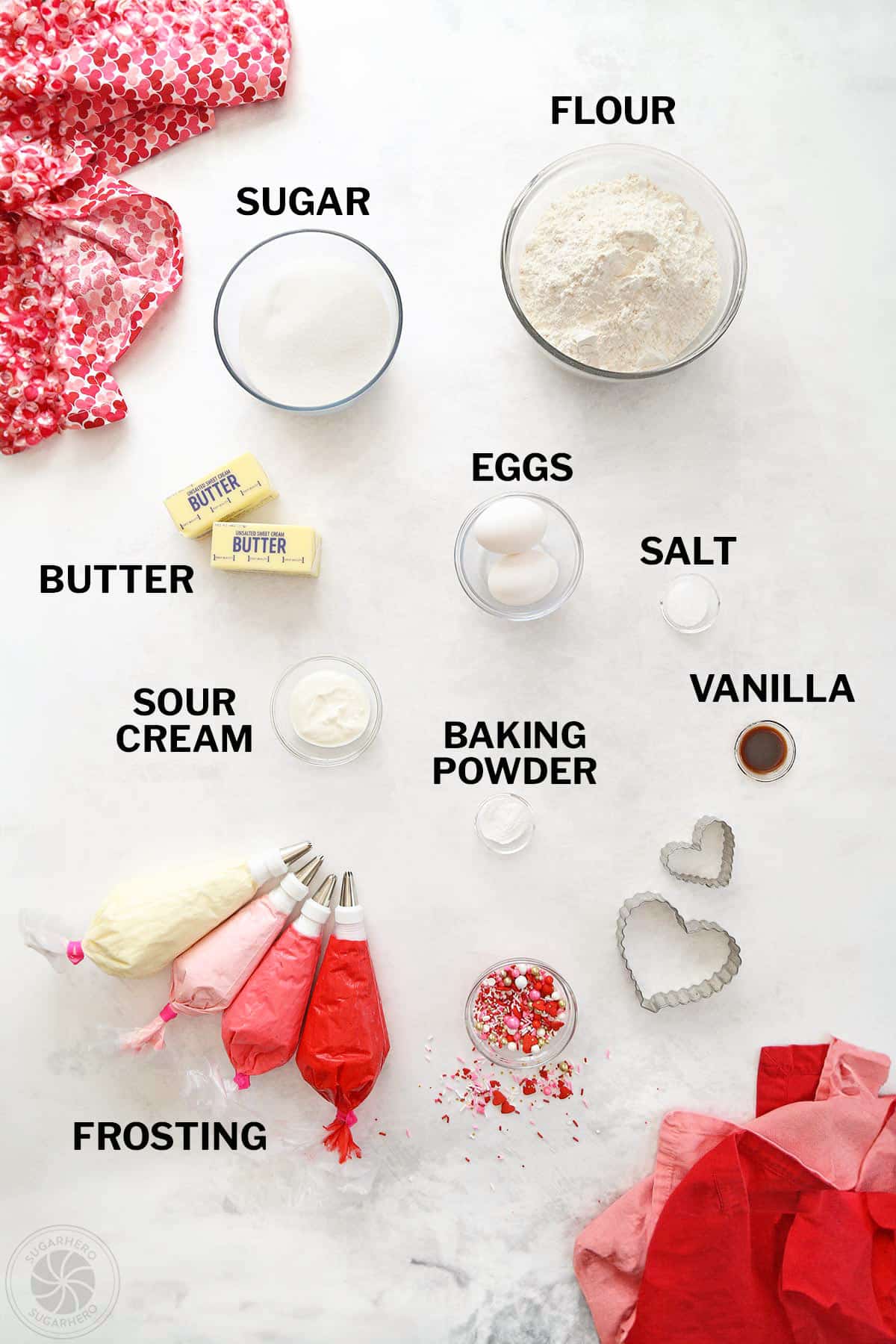
To embark on this delightful baking journey, a few key ingredients and tools are necessary. For the sugar cookies, the recipe typically calls for standard pantry staples, ensuring accessibility for most home kitchens. Detailed ingredient amounts are provided in the recipe card, and for those who prefer to measure by weight, the recipe acknowledges this preference and provides weight-based measurements as well, recommending the use of a kitchen scale for optimal accuracy. The adage that "8 oz equals 1 cup" is noted as not always true for weight measurements, advising bakers to rely on the provided specific quantities.
The buttercream frosting, being an American-style rendition, also requires a minimal list of ingredients. The emphasis on simplicity means readily available items like butter, powdered sugar, vanilla extract, and milk or cream are usually sufficient.
For the decorating aspect, a selection of piping bags and various small star piping tips are essential. The availability of different colors of food gel is also recommended to achieve the vibrant and varied hues shown in the finished product.
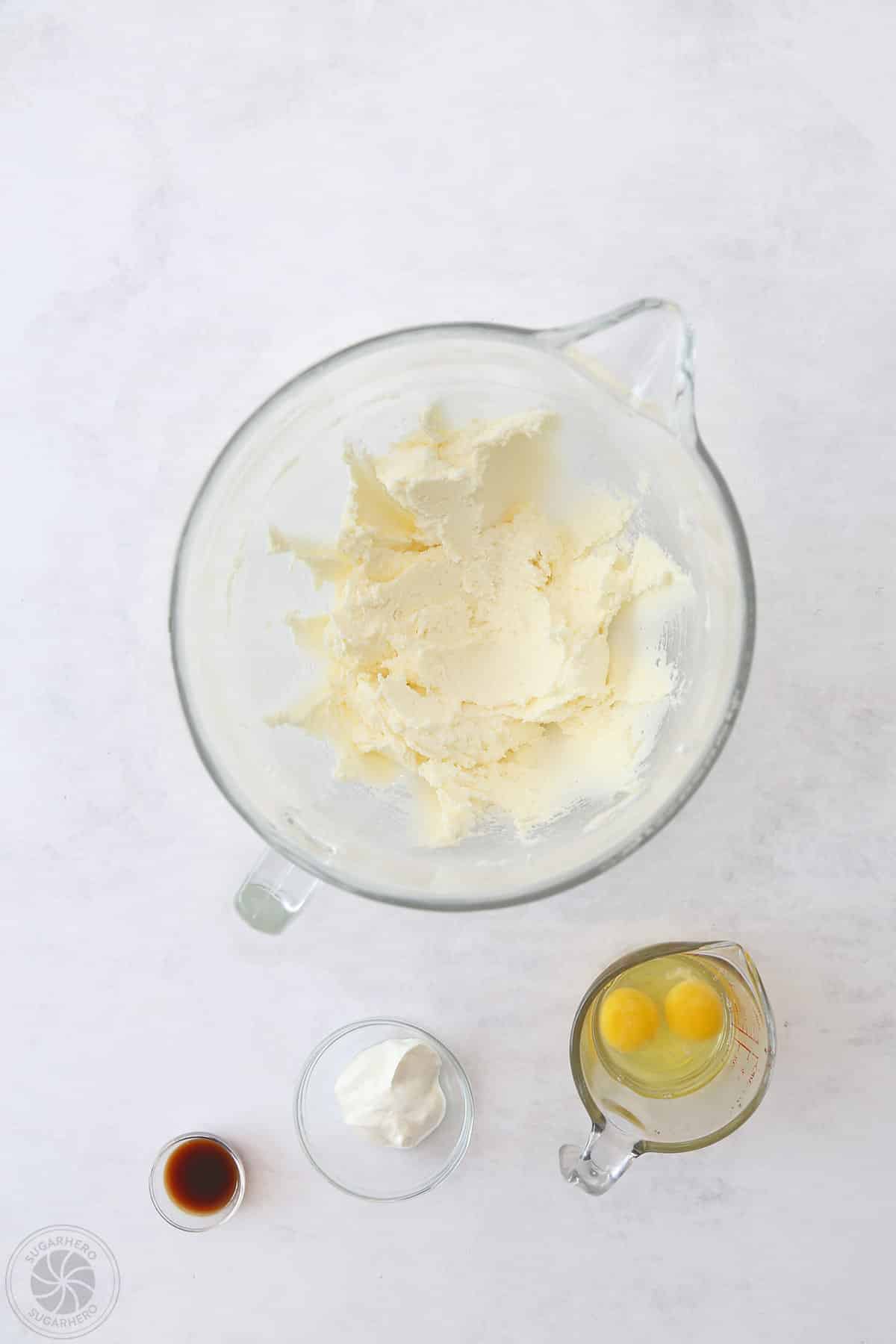
Key Ingredients for Sugar Cookies:
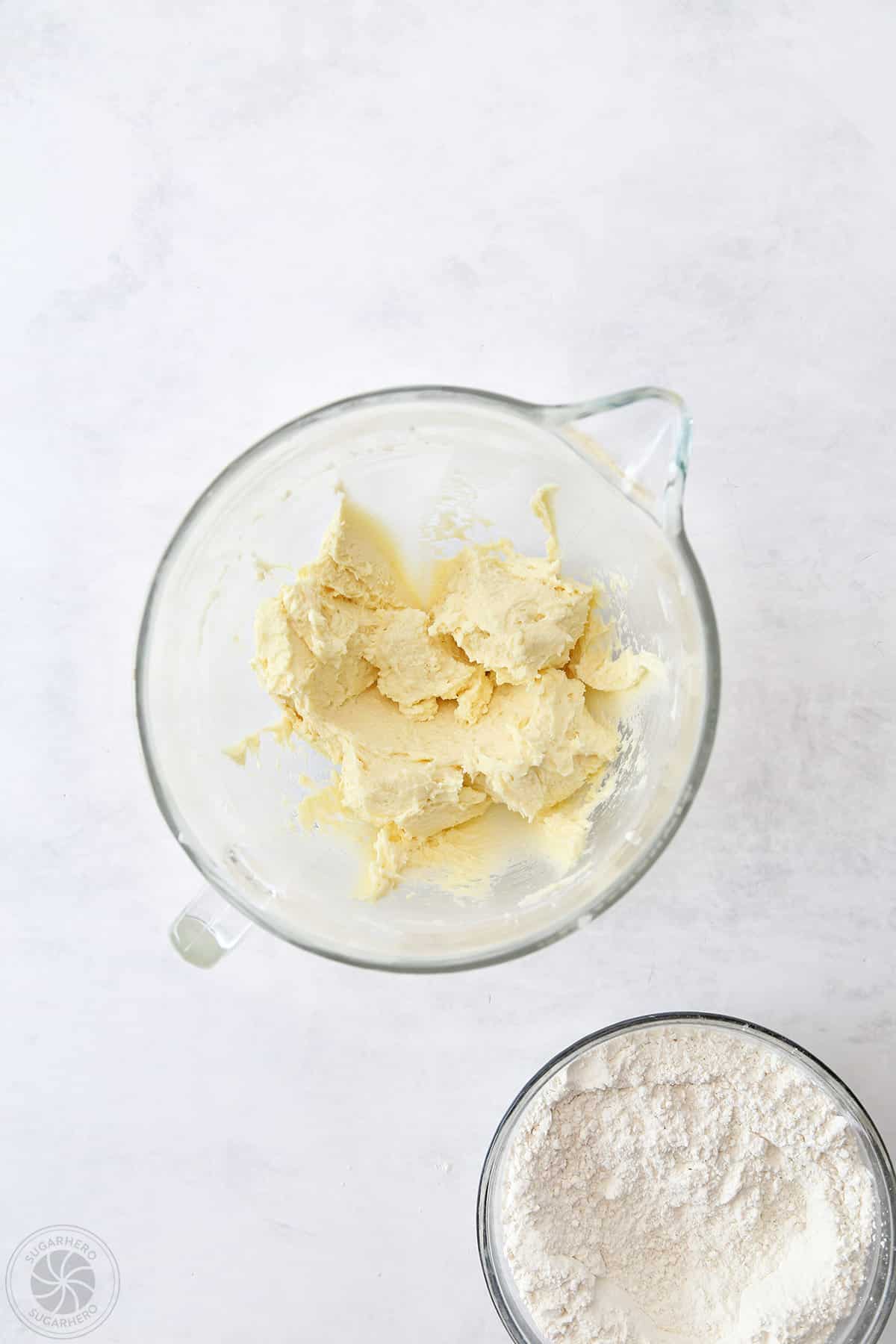
- All-purpose flour
- Granulated sugar
- Unsalted butter, softened
- Eggs
- Vanilla extract
- Salt
- Baking powder (optional, depending on desired spread)
Key Ingredients for Buttercream Frosting:
- Unsalted butter, softened
- Powdered sugar (confectioners’ sugar)
- Vanilla extract
- Milk or heavy cream
- Food coloring (gel-based recommended for vibrant colors)
Essential Equipment:

- Mixing bowls
- Electric mixer (stand or hand mixer)
- Measuring cups and spoons (or a kitchen scale)
- Rolling pin
- Cookie cutters
- Baking sheets
- Parchment paper or silicone baking mats
- Piping bags
- Various small star piping tips
- Sprinkles (for decoration)
Step-by-Step Culinary Creation
The process of making these sugar cookies and decorating them is broken down into manageable steps, ensuring a smooth and enjoyable experience from start to finish.
Crafting the Sugar Cookies:
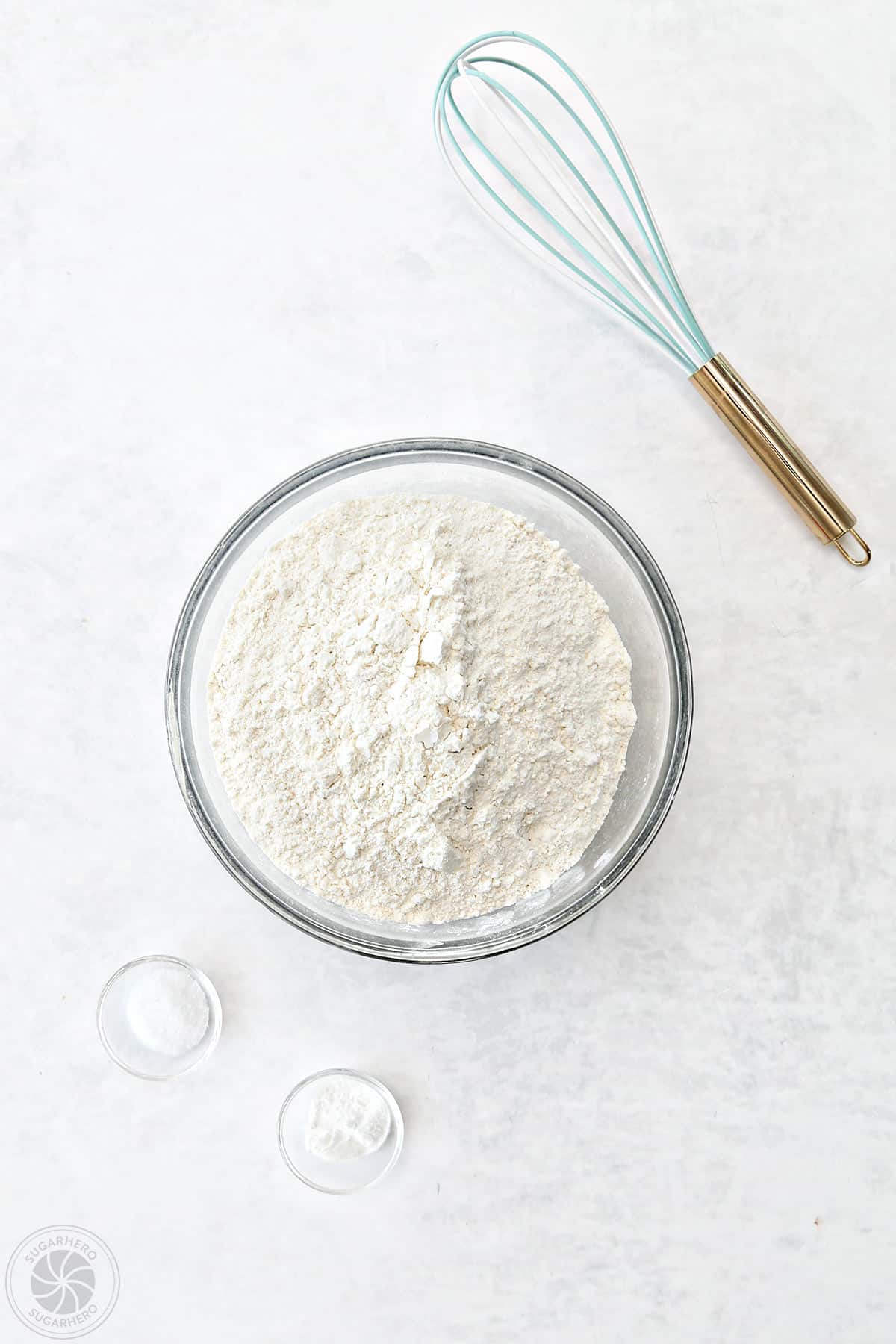
- Dry Ingredients: In a medium bowl, whisk together the flour, baking powder (if using), and salt.
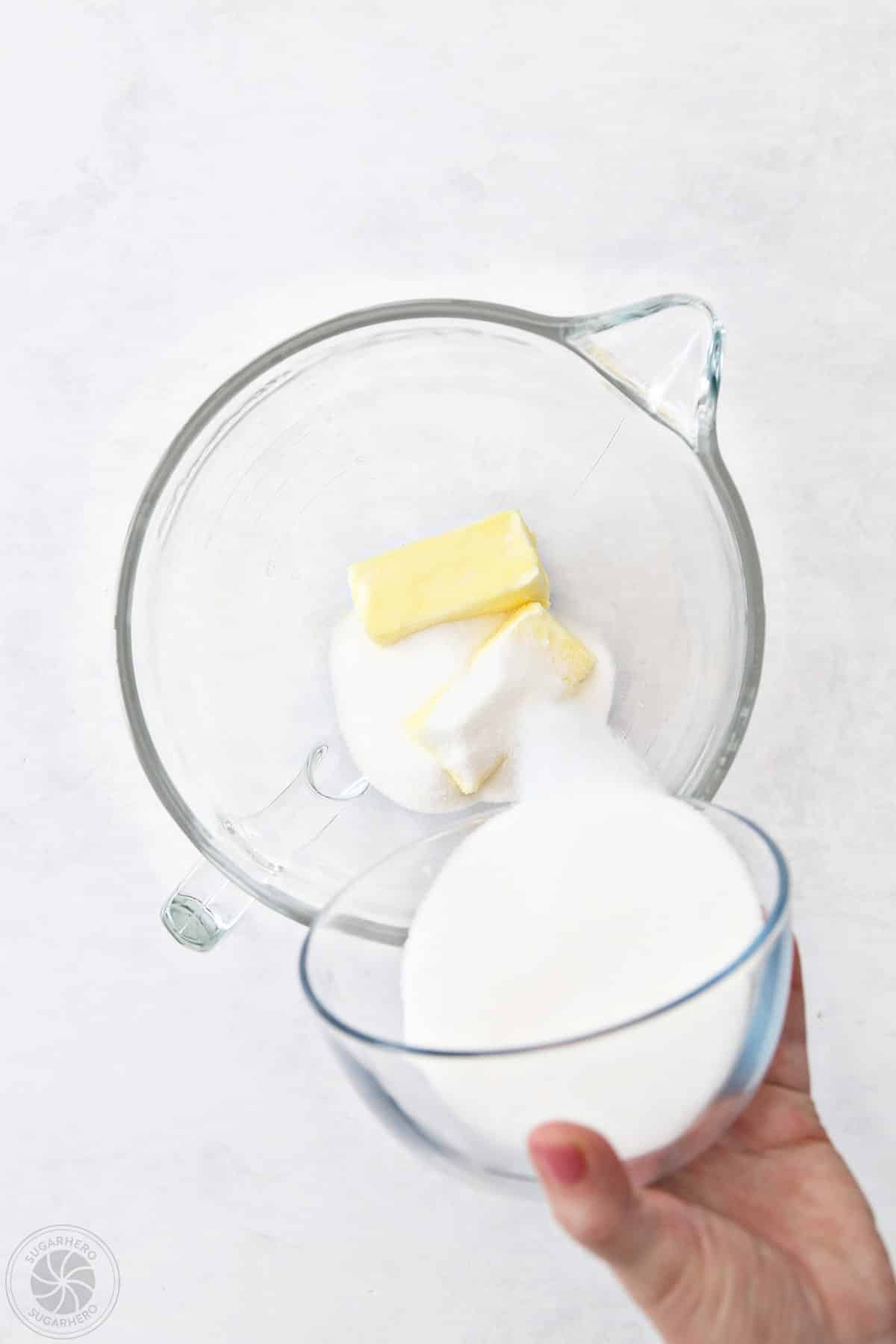
- Creaming Butter and Sugar: In a large bowl, cream together the softened butter and granulated sugar until light and fluffy. This process incorporates air, contributing to the cookie’s texture.
- Adding Wet Ingredients: Beat in the eggs one at a time, followed by the vanilla extract.
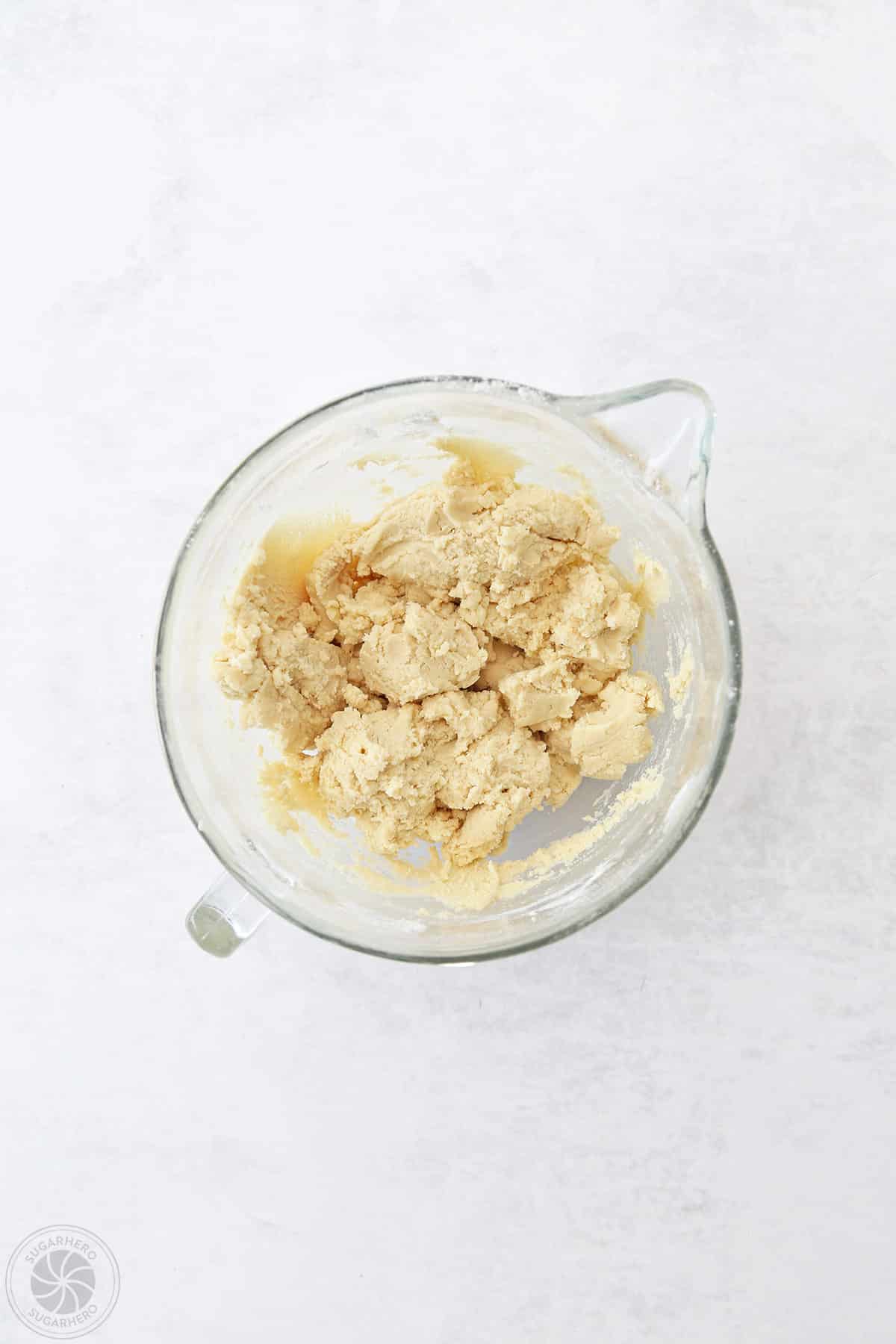
- Combining Wet and Dry: Gradually add the dry ingredients to the wet ingredients, mixing until just combined. Be careful not to overmix, as this can lead to tough cookies.
- Chilling the Dough: Divide the dough into two discs, wrap them tightly in plastic wrap, and refrigerate for at least one hour. Chilling is crucial for easy handling and to prevent excessive spreading during baking.
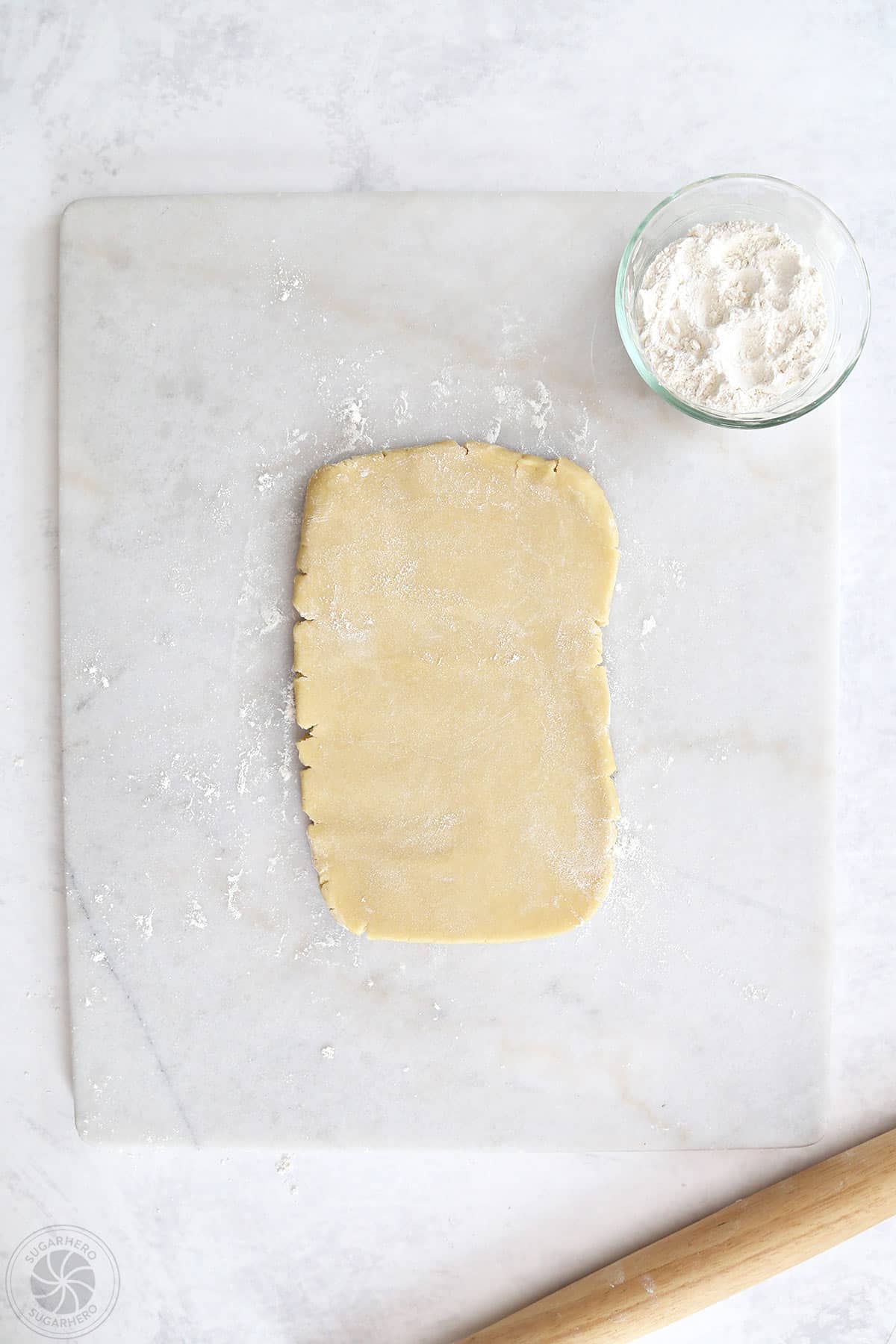
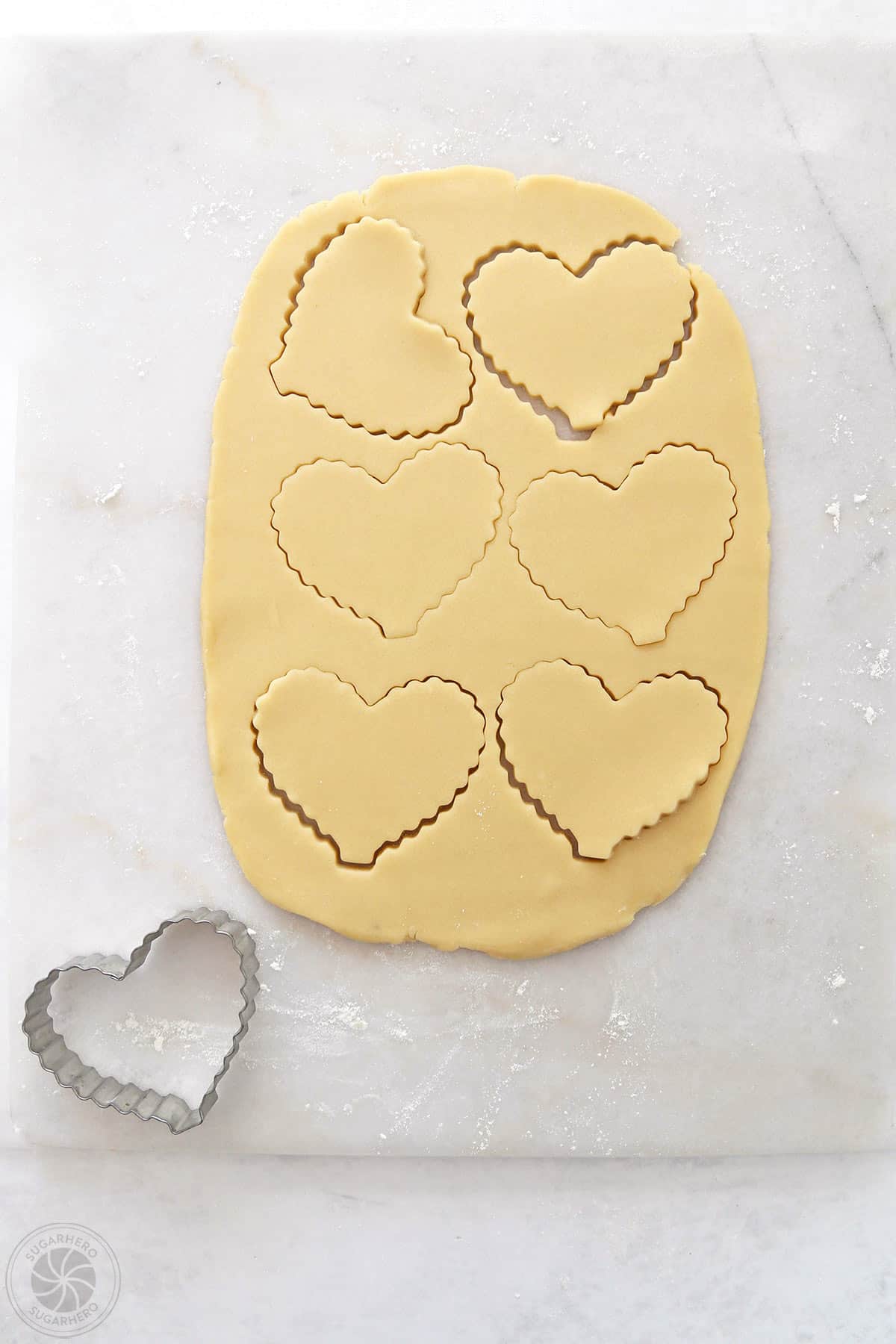
- Rolling and Cutting: Preheat your oven to the temperature specified in the recipe. Lightly flour a clean surface and your rolling pin. Roll out one disc of dough to about 1/4-inch thickness. Use your chosen cookie cutters to cut out shapes. Re-roll scraps as needed.
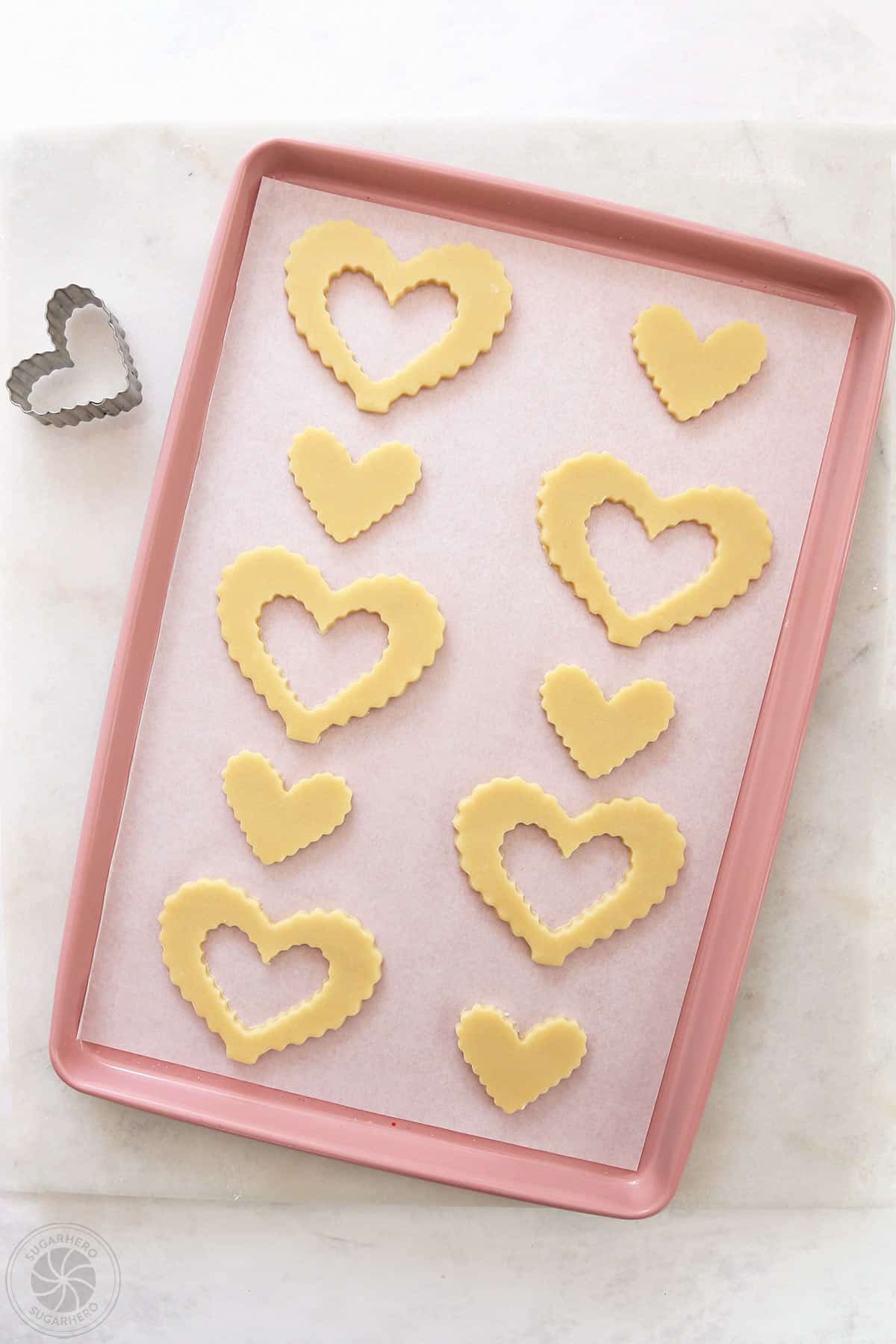
- Baking: Place the cut-out cookies on a baking sheet lined with parchment paper, ensuring they have a little space between them. Bake for the recommended time, or until the edges are lightly golden.
- Cooling: Allow the cookies to cool on the baking sheet for a few minutes before transferring them to a wire rack to cool completely. This prevents them from breaking.
Preparing the Buttercream Frosting:
- Creaming Butter: In a large bowl, beat the softened butter with an electric mixer until it is smooth and creamy.
- Adding Powdered Sugar: Gradually add the powdered sugar, one cup at a time, mixing on low speed until incorporated. Scrape down the sides of the bowl as needed.
- Achieving Consistency: Add the vanilla extract and milk or cream, a tablespoon at a time, beating until the frosting reaches a smooth, pipeable consistency. If the frosting is too thick, add a little more liquid; if it’s too thin, add more powdered sugar.
- Coloring the Frosting: Divide the buttercream into separate bowls for each color you wish to create. Add gel food coloring to each bowl and mix until the desired shade is achieved.
Decorating the Sugar Cookies:
- Preparing Piping Bags: Fit each piping bag with a small star tip and fill with a different color of frosting.
- Piping Techniques: Begin piping designs onto the cooled cookies. Encourage a freeform approach, piping swirls, dots, lines, and rosettes in various colors. There is no need for perfect symmetry or intricate patterns; the beauty lies in the vibrant, layered application of color.
- Adding Sprinkles: While the frosting is still wet, sprinkle edible decorations on top for an added touch of flair.
- Setting the Frosting: Allow the decorated cookies to sit at room temperature until the frosting has set, typically for at least 30 minutes to an hour, depending on humidity.
Tips for Culinary Success and Broader Implications
To ensure optimal results, several tips can enhance the cookie-making and decorating experience. These include using room-temperature ingredients for the dough, chilling the dough thoroughly, and avoiding overmixing. For the frosting, ensuring the butter is correctly softened is key to achieving a smooth texture. When coloring the frosting, using gel food coloring is recommended for its concentrated pigment, which allows for vibrant colors without altering the frosting’s consistency.
The implications of such accessible and user-friendly recipes extend beyond the individual kitchen. They democratize creative expression in baking, empowering more people to engage with the joy of making and sharing homemade treats. Recipes like this contribute to a growing trend of home baking, fueled by a desire for personalized culinary experiences and a connection to the food we consume. The ability to replicate professional-looking results at home can also foster a sense of accomplishment and boost confidence in novice bakers. Furthermore, decorated sugar cookies, especially those with a festive or personalized touch, often serve as thoughtful gifts and are central to many celebratory occasions, reinforcing their cultural significance in gatherings and holidays. The accessibility of this recipe ensures that these traditions can be more readily embraced by a wider audience.
The detailed breakdown of ingredients, equipment, and step-by-step instructions, along with helpful tips, aims to create a comprehensive guide for bakers of all skill levels. This approach ensures that the delightful experience of creating and enjoying perfect sugar cookies with beautifully piped buttercream frosting is within reach for everyone.