
The practice of dehydrating kimchi has emerged as a sophisticated method for both food preservation and culinary innovation, allowing enthusiasts to extend the shelf life of this traditional Korean staple while concentrating its complex flavor profile. As a lacto-fermented dish primarily composed of napa cabbage, radishes, and a pungent blend of aromatics like garlic, ginger, and gochugaru (Korean red chili flakes), kimchi is celebrated for its probiotic content and intense umami characteristics. However, the active fermentation process means that fresh kimchi has a limited peak window of flavor before it becomes overly acidic. Dehydration offers a strategic solution to this logistical challenge, transforming a perishable fermented product into a shelf-stable ingredient that can be stored for years or processed into a versatile seasoning powder.
The Scientific Foundation of Kimchi Dehydration
To understand the dehydration process, one must first recognize the biological nature of kimchi. It is the product of lactic acid fermentation, where beneficial bacteria—primarily Lactobacillus species—convert sugars into lactic acid. This process not only creates the signature sour taste but also acts as a natural preservative. When dehydrating kimchi, the primary objective for many is to retain these live cultures, which are sensitive to thermal degradation.
Microbiological research indicates that most probiotic bacteria begin to perish when exposed to temperatures exceeding 115°F (46°C). Consequently, the dehydration strategy is bifurcated based on the consumer’s goals. If the preservation of probiotics is the priority, a low-temperature "raw" dehydration method is required. Conversely, if the kimchi has already been pasteurized—as is often the case with shelf-stable, non-refrigerated commercial varieties—higher temperatures can be employed to accelerate the drying process without further nutritional loss, as the heat-sensitive elements have already been neutralized during the canning or jarring process.
Chronological Guide to the Dehydration Process
The transition of kimchi from a wet, fermented vegetable dish to a crisp, dehydrated product involves a precise series of steps designed to ensure safety and quality.
Phase 1: Preparation and Loading
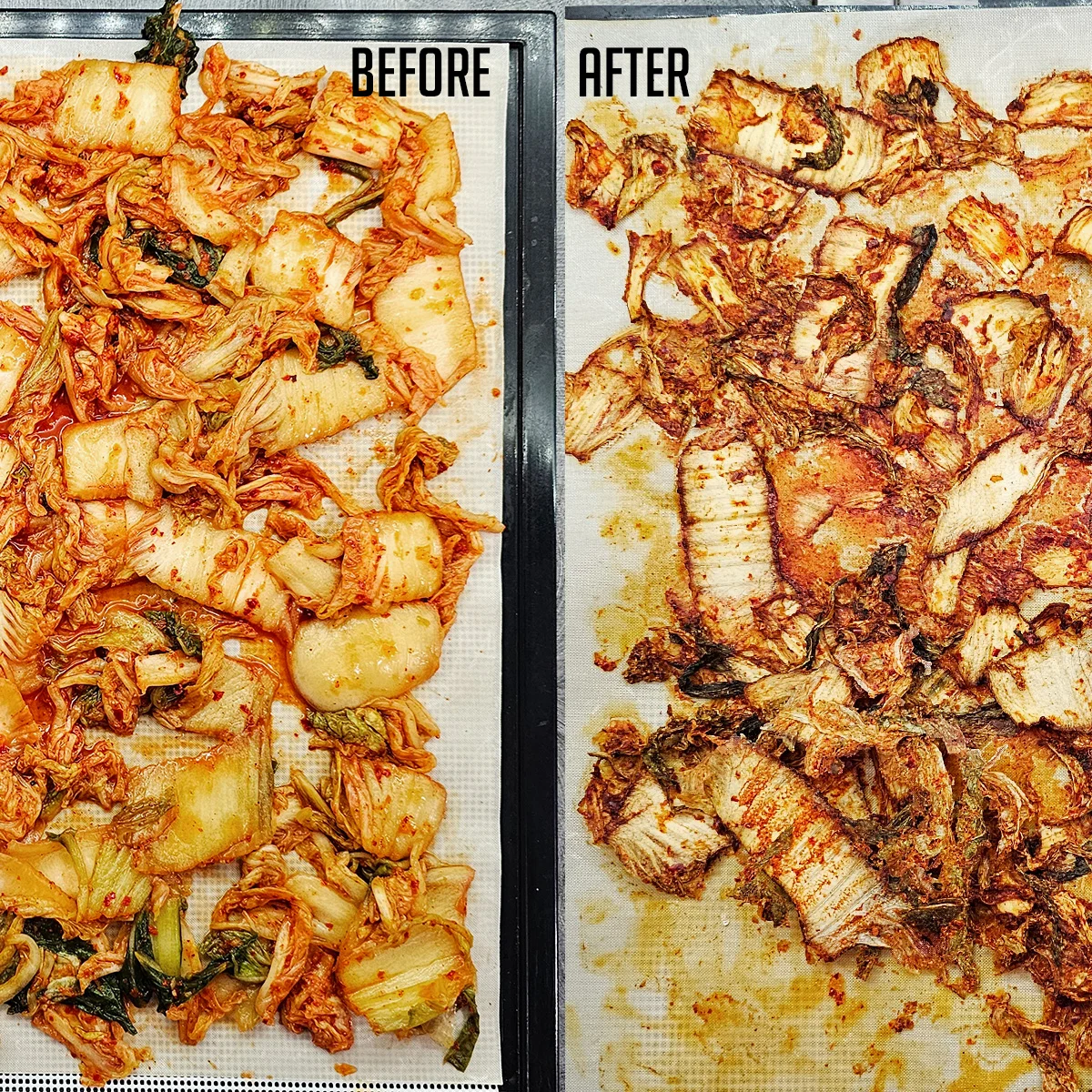
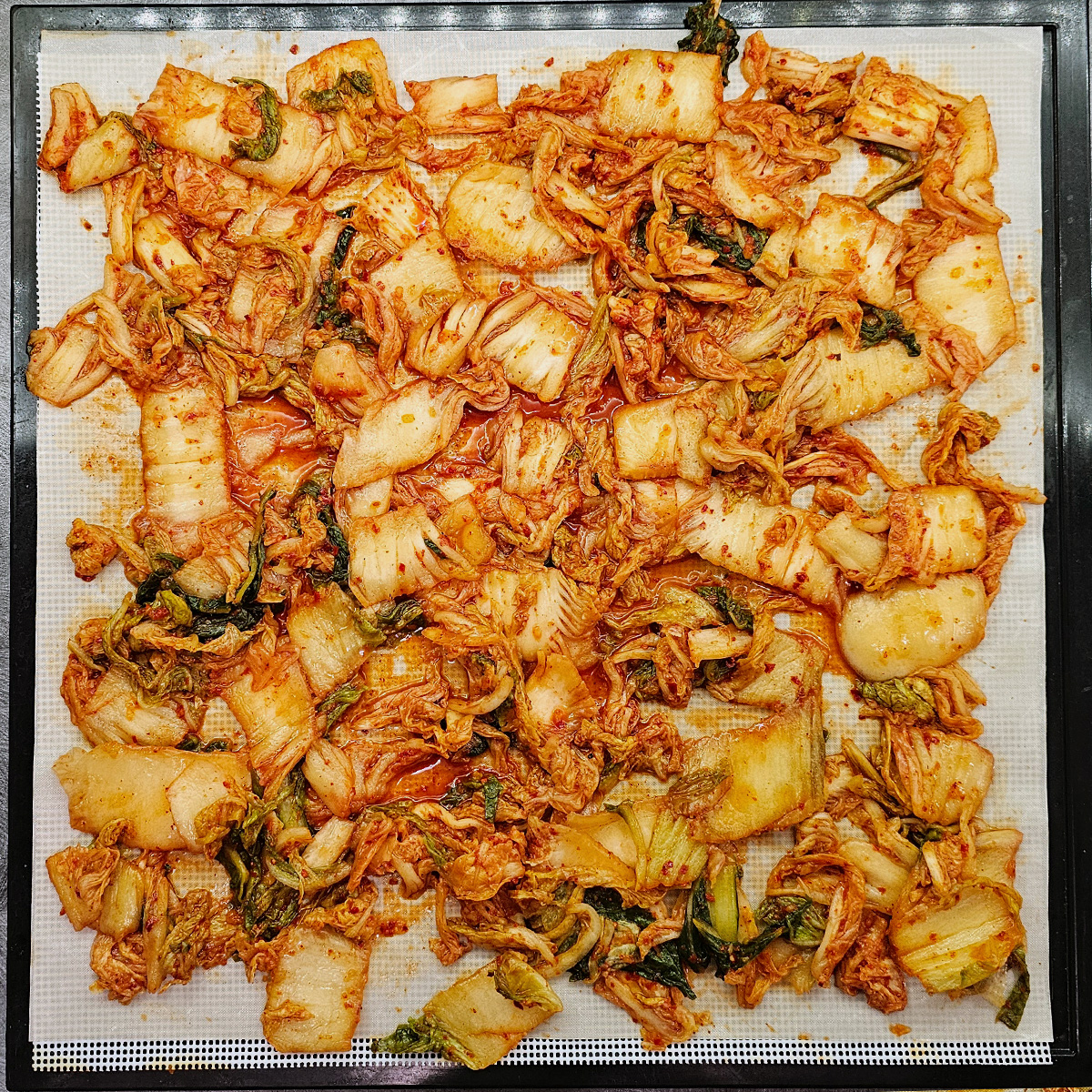
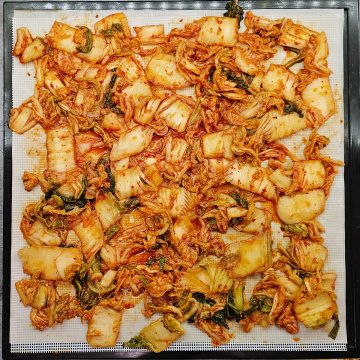
The initial stage requires the selection of high-quality kimchi, whether homemade or store-bought. Because kimchi contains significant amounts of liquid and pigment, preparation of the dehydrator trays is critical. Experts recommend the use of parchment paper or high-quality silicone fruit leather sheets. These liners serve a dual purpose: they prevent the liquid seasoning from dripping through the trays and protect the equipment from the permanent staining often caused by the capsaicin and pigments in the red chili flakes.
When spreading the kimchi, density is the most significant factor in drying time. While the cabbage leaves will shrink substantially as moisture evaporates, they should be spread in a single, even layer. Overlapping large leaves can create "cold spots" where moisture remains trapped, potentially leading to spoilage during the long drying cycle.
Phase 2: Temperature Regulation and Moisture Extraction
The dehydrator should be set according to the probiotic goals of the user. For "living" kimchi, the temperature must remain below 115°F (35°C). At this lower threshold, the process typically spans 12 to 24 hours. The duration is influenced by the ambient humidity of the room and the specific water content of the kimchi batch.
For pasteurized or shelf-stable kimchi, the temperature can be increased to 140°F (60°C), which significantly reduces the drying time. Throughout this phase, the dehydrator works by circulating warm air, which facilitates the evaporation of water from the vegetable tissues. As the water activity ($a_w$) drops, the environment becomes inhospitable to spoilage-causing microorganisms, effectively "locking" the kimchi in its current state of fermentation.
Phase 3: Testing and Verification
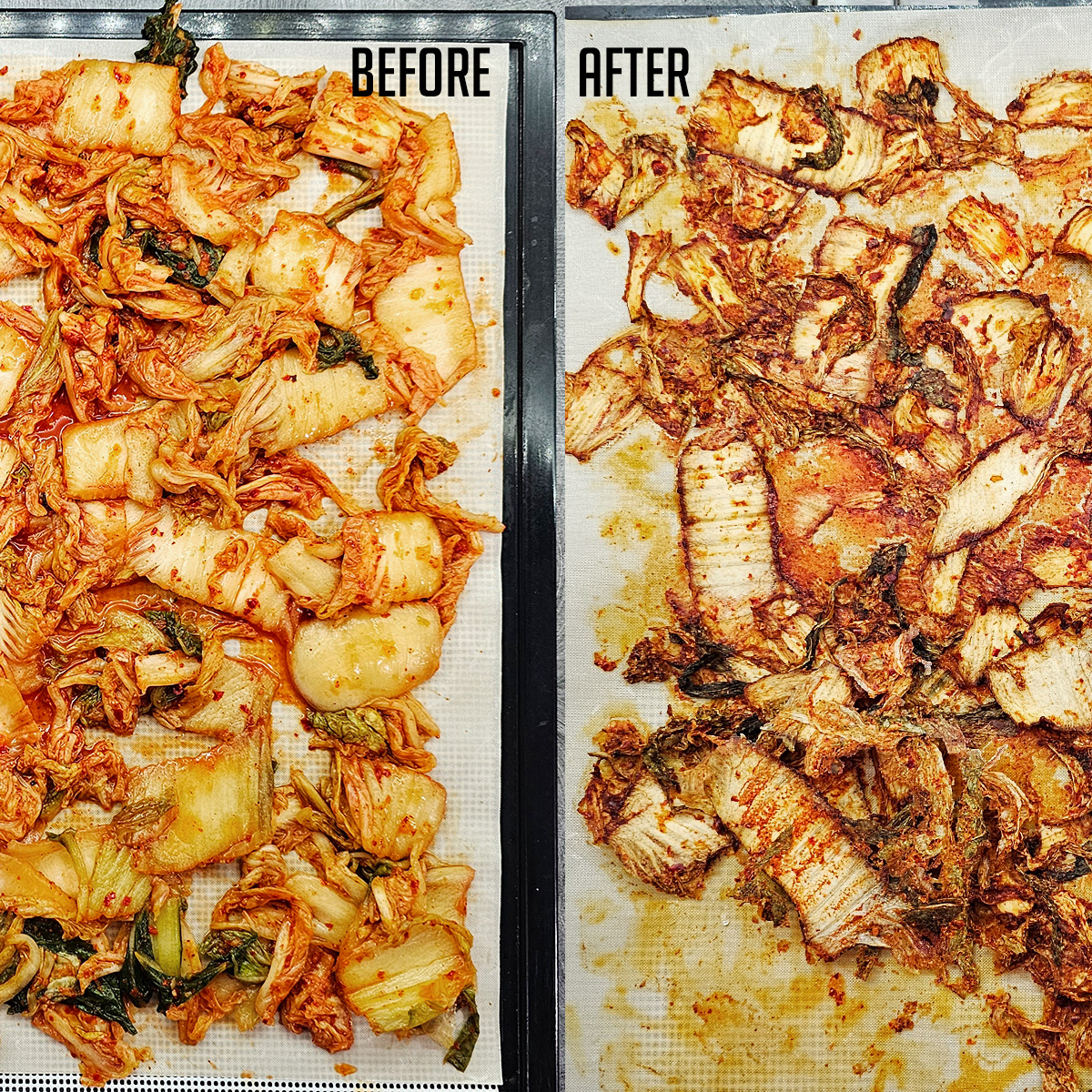
Determining the end-point of dehydration is a sensory process. Fully dried kimchi should be brittle or slightly pliable depending on the thickness of the cabbage ribs. A reliable test for dryness is the "snap test": a piece of the dried leaf should break cleanly when bent. If the piece feels spongy or damp to the touch, it requires additional time in the dehydrator. Residual moisture is the primary cause of mold growth in stored dehydrated foods.
Post-Dehydration Protocols: Conditioning and Storage
Even when kimchi appears dry, internal moisture can remain sequestered within the thicker stems of the cabbage. To mitigate the risk of spoilage, a "conditioning" phase is essential.
The Conditioning Process
Once the kimchi is removed from the dehydrator and cooled to room temperature, it should be placed in clear glass canning jars. These jars should be filled about two-thirds full and sealed with a lid. For the next five to seven days, the jars must be shaken daily and inspected for signs of condensation on the glass. If moisture appears, the batch must be returned to the dehydrator. If no moisture is detected after a week, the pieces have reached an equilibrium and are safe for long-term storage.
Long-Term Storage Solutions
For maximum longevity, dehydrated kimchi should be stored in an airtight environment, away from direct sunlight and heat. Vacuum-sealing the jars or using Mylar bags with oxygen absorbers can extend the shelf life to approximately two years. The absence of oxygen prevents the oxidation of fats (if any fish sauce or oils were used in the paste) and maintains the vibrant red color of the chili.
Culinary Applications and the Rise of Kimchi Powder
The utility of dehydrated kimchi extends far beyond simple preservation. It represents a new frontier in the "umami-forward" cooking trend that has gained traction in both professional and home kitchens.
Rehydration Techniques
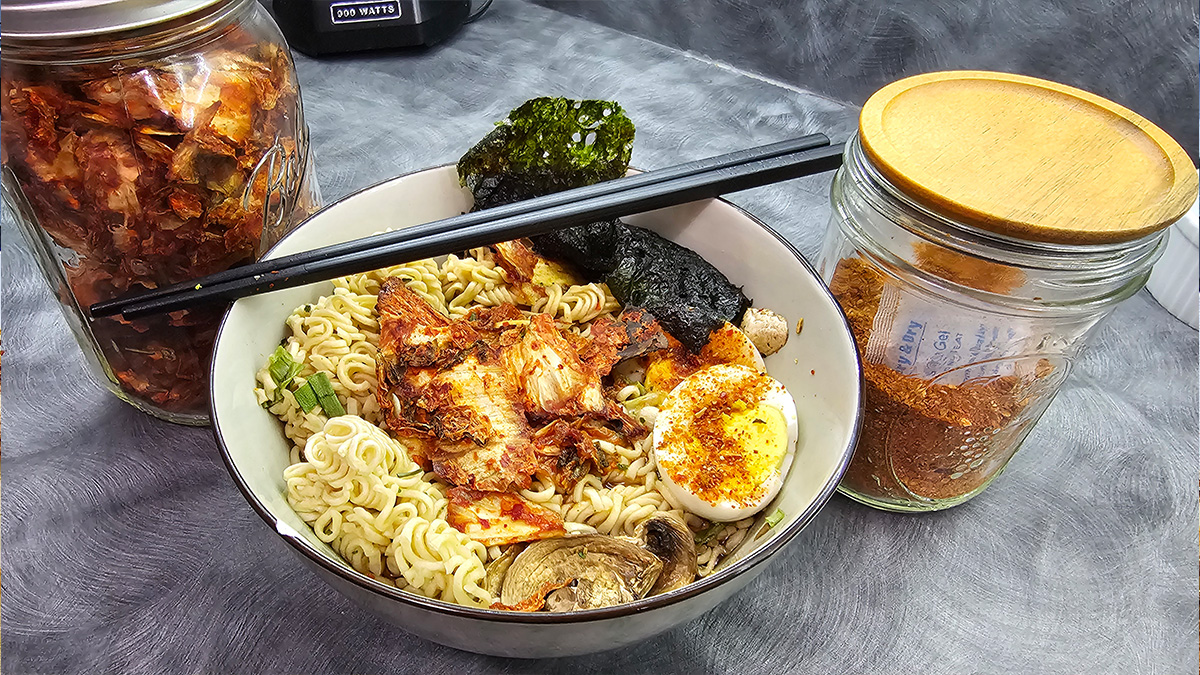
For use in traditional dishes, dehydrated kimchi can be reconstituted by soaking in warm water for 15 to 20 minutes. However, a more efficient method involves adding the dried pieces directly to liquid-based dishes such as ramen, stews (Kimchi-jjigae), or soups. The dried cabbage absorbs the surrounding broth, simultaneously rehydrating while infusing the liquid with concentrated spicy and sour notes.
The Development of Kimchi Powder
One of the most innovative uses for dehydrated kimchi is its transformation into a fine powder. By processing the fully dried and conditioned pieces in a high-speed blender or spice grinder, cooks create a potent "flavor bomb."
Kimchi powder has seen a surge in popularity as a gourmet seasoning. It is frequently used as:
- A Popcorn Seasoning: Providing a spicy, tangy alternative to traditional butter or cheese.
- A Dry Rub: Enhancing meats with a fermented depth that is difficult to achieve with standard spices.
- A Vegetable Garnish: Dusting dehydrated vegetable chips or roasted cauliflower to add complexity.
- A Finishing Salt: Mixed with sea salt to create a vibrant red seasoning for avocado toast or eggs.
Nutritional Analysis and Health Implications
From a nutritional standpoint, dehydrated kimchi is highly concentrated. Based on standard estimations, the nutrient density of dehydrated food is roughly four times that of its fresh counterpart by weight.
Nutritional Profile (Estimated per serving):
- Calories: 17 kcal
- Sodium: 573 mg
- Carbohydrates: 3 g
- Fiber: 2 g
- Protein: 1 g
- Potassium: 174 mg
While the caloric content remains low, the sodium concentration is a critical factor for health-conscious consumers. Because dehydration removes water but leaves minerals intact, the salt content per gram increases significantly. This makes dehydrated kimchi an excellent electrolyte source for hikers and backpackers, but it requires moderation for those on sodium-restricted diets. The presence of Vitamin C, Vitamin K, and riboflavin generally survives the low-heat drying process, ensuring that the "superfood" status of kimchi remains largely intact.
Market Context and the "Zero-Waste" Movement
The trend toward dehydrating fermented foods like kimchi aligns with broader global shifts in food consumption and sustainability. As food waste becomes an increasing concern—with an estimated one-third of all food produced globally being wasted—dehydration offers a practical domestic tool for waste reduction. Consumers who purchase large bulk containers of kimchi from wholesalers often find they cannot consume the product before it becomes unpleasantly sour. Dehydration provides a "reset button," capturing the flavor at its peak.
Furthermore, the "K-Food" wave (the global rise of Korean culture and cuisine) has moved kimchi from a niche ethnic product to a mainstream pantry staple. Market analysts have noted a significant increase in the sales of home dehydrators, driven by a DIY culture interested in fermentation and long-term food security.
Expert Analysis of Implications
The shift toward dehydrating fermented products represents a maturation of the home preservation movement. Historically, dehydration was reserved for simple fruits and meats (jerky). The inclusion of complex, fermented, multi-ingredient dishes like kimchi suggests a more sophisticated understanding of food chemistry among the general public.
Journalistic observation of the culinary landscape suggests that the "powdering" of fermented foods may soon move from home kitchens to commercial spice aisles. We are seeing a convergence of traditional Korean preservation methods with modern Western "convenience" cooking. The result is a hybrid culinary language where the ancient benefits of fermentation are made portable and shelf-stable, ensuring that the distinctive flavors of the Korean peninsula continue to influence global gastronomy in increasingly versatile forms.
In conclusion, dehydrating kimchi is more than a storage hack; it is a method of flavor distillation. Whether used as a lightweight snack for outdoor enthusiasts, a nutritional supplement for long-term storage, or a gourmet seasoning for modern fusion cooking, dehydrated kimchi stands as a testament to the enduring versatility of fermented foods in a fast-paced, health-conscious world.


