

The United States is currently grappling with a systemic food waste crisis that carries profound economic and environmental consequences. Recent data from the Environmental Protection Agency (EPA) and the United States Department of Agriculture (USDA) indicates that approximately 40 percent of the domestic food supply is discarded annually. For the average American household, this inefficiency translates to a financial loss of approximately $2,913 per year. Beyond the immediate economic impact, food waste is a primary contributor to environmental degradation; organic matter in landfills decomposes anaerobically, releasing methane—a greenhouse gas significantly more potent than carbon dioxide in its heat-trapping capabilities.
As inflation continues to pressure consumer purchasing power, the importance of food preservation has transitioned from a niche environmental concern to a critical financial strategy. Analysis suggests that a significant portion of this waste is not a result of intentional negligence but rather a lack of technical knowledge regarding proper food storage and the thermodynamic properties of household refrigeration. Furthermore, the ubiquitous reliance on single-use plastics has been identified as a secondary catalyst for spoilage, as these materials often trap moisture and gases that accelerate decomposition.
The Chronology of Spoilage: From Harvest to Disposal
To understand the necessity of advanced storage techniques, one must examine the timeline of food degradation. The process begins immediately upon harvest. Produce continues to "breathe" or respire, taking in oxygen and releasing carbon dioxide. The rate of respiration is directly linked to the shelf life of the item; higher respiration rates generally lead to faster spoilage.
Within the first 24 to 48 hours of purchase, many consumers inadvertently initiate the decay process by leaving produce in original retail packaging. Plastic produce bags, while convenient for transport, create a micro-environment that traps ethylene gas—a natural ripening hormone emitted by many fruits and vegetables. By day three or four, items stored incorrectly, such as berries in high-moisture environments or greens in unventilated bags, begin to show signs of cellular breakdown, manifesting as mold or "slimming." By the end of a one-week cycle, a substantial percentage of improperly stored fresh goods are often rendered inedible, leading to the "clean out" phase where hundreds of dollars in value are discarded.
Material Science in Food Preservation: Moving Beyond Plastic
The transition away from plastic storage is motivated by both health and efficacy. Research into endocrine-disrupting chemicals, such as Bisphenol A (BPA) and phthalates, has led many consumers to seek alternatives. However, the functional benefits of non-plastic materials are equally compelling.
Specialized Cotton and Hydration Systems
Textile-based storage, such as unbleached cotton bags, utilizes the principle of evaporative cooling and breathability. Unlike plastic, which seals in moisture and promotes rot, multi-layered cotton systems allow for a regulated exchange of gases. When dampened, these bags provide a high-humidity environment that keeps cellular structures turgid without allowing liquid water to sit on the surface of the produce. This method has been shown to extend the life of leafy greens and cruciferous vegetables by up to two weeks.
Platinum Silicone and Thermal Stability
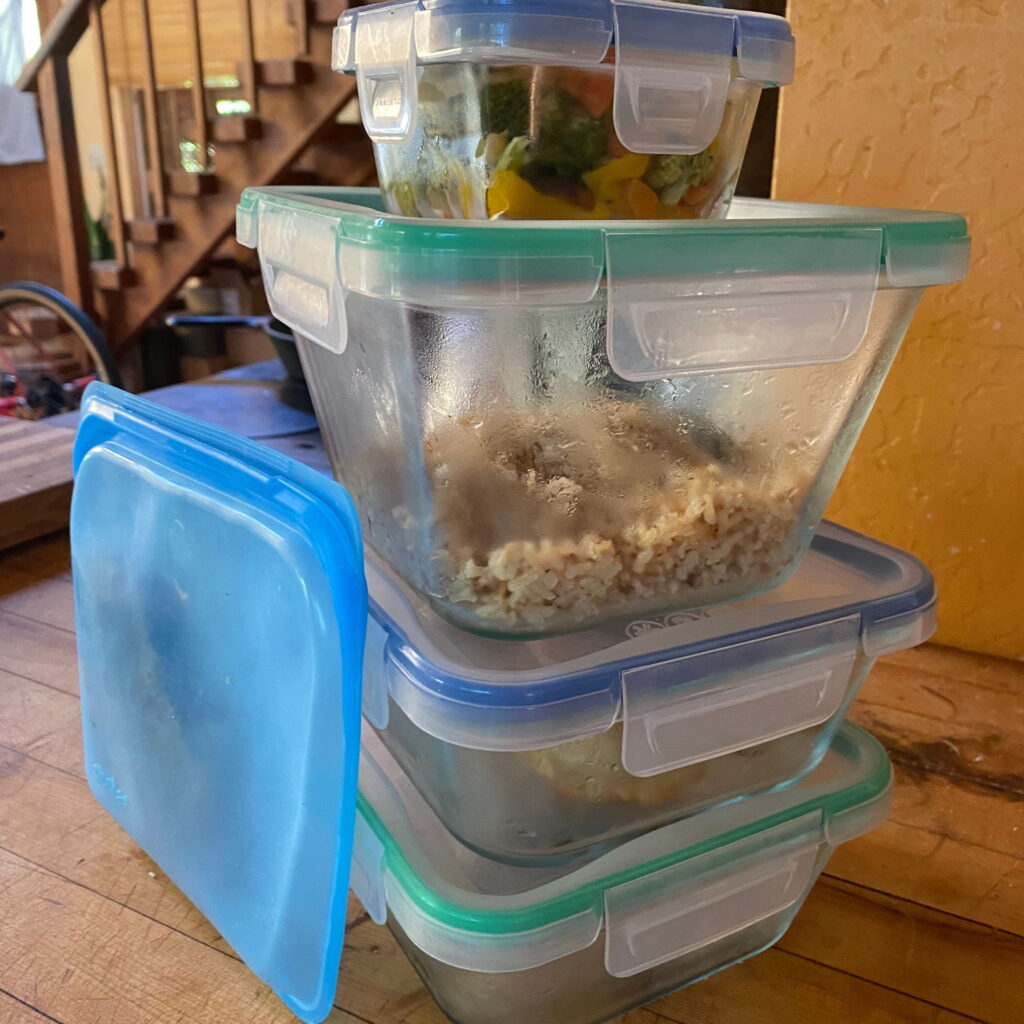
High-grade silicone has emerged as a durable alternative for freezing and marinating. Chemically inert and resistant to extreme temperatures, silicone does not leach chemicals into food. Its primary advantage in a newsroom-style analysis is its longevity; a single silicone vessel can replace thousands of single-use plastic bags over its lifecycle.
Borosilicate Glass and Thermodynamic Resilience
For prepared meals and leftovers, borosilicate glass remains the industry standard. Its ability to withstand rapid temperature changes—moving from a freezer to an oven—makes it ideal for modern meal-prepping workflows. From a preservation standpoint, the non-porous surface of glass ensures that odors and bacteria from previous uses do not contaminate fresh food, a common issue with aged plastic containers.
Technical Specifications for Produce Longevity
Effective food management requires a granular understanding of the specific biological needs of different produce categories. Experts in agricultural science categorize produce based on moisture requirements and ethylene sensitivity.
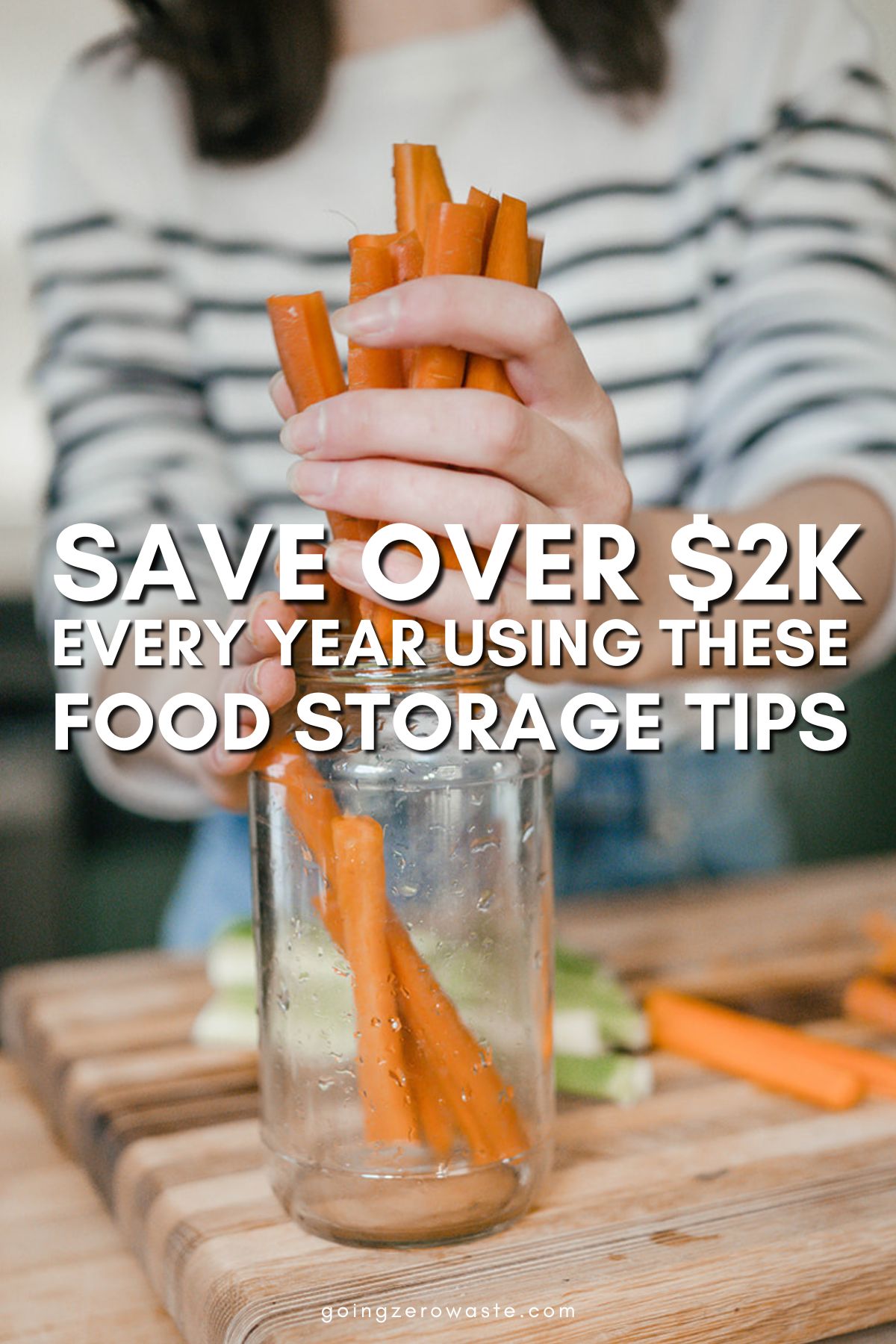
- Leafy Greens and Herbs: These items require high humidity but must be protected from standing water. Storing them in breathable cotton bags or "bouquet style" in glass jars with an inch of water can prevent shriveling.
- Alliums and Tubers: Onions, garlic, and potatoes require dark, cool, and dry environments. Crucially, potatoes and onions should be stored separately; onions emit gases that cause potatoes to sprout prematurely.
- Ethylene Producers vs. Ethylene Sensitive: Apples, bananas, and tomatoes are high-ethylene producers. Storing them in close proximity to sensitive items like broccoli, carrots, or leafy greens will result in the latter yellowing and decaying rapidly.
- Berry Preservation: Berries are highly susceptible to mold. They should remain dry and unwashed until immediately before consumption. Storing them in breathable containers or on paper-towel-lined glass trays can extend their life significantly.
Thermodynamic Optimization of the Refrigerator
A common misconception among consumers is that the interior of a refrigerator maintains a uniform temperature. In reality, a refrigerator is a complex thermal environment with distinct zones. Proper organization is essential for maximizing the lifespan of perishables.
The Warmest Zones
The refrigerator door is the most volatile area due to frequent exposure to room-temperature air. This area should be reserved for high-sodium or high-acid products that are naturally resistant to spoilage, such as condiments and processed juices. Milk and eggs, frequently stored here in American households, should be moved to colder interior shelves to prevent premature souring.
Consistent Cooling
The upper shelves maintain the most consistent temperature and are best suited for "ready-to-eat" items, including leftovers and pre-packaged snacks. The lower shelves are the coldest part of the unit, making them the safest location for raw proteins, such as meat and fish, as well as dairy products. This placement also serves a safety function, preventing potential drips from raw meat from contaminating other food items.
Humidity Control via Crisper Drawers
Modern refrigeration units typically feature two crisper drawers. One is designed for high humidity (closed vent), which is ideal for greens that wilt easily. The other is for low humidity (open vent), designed for fruits that emit ethylene gas. Experts recommend filling these drawers to only 25-50 percent capacity to allow for proper airflow, as overpacking creates "hot spots" where spoilage can accelerate.
Broader Economic and Environmental Implications
The move toward sophisticated food storage is more than a household "hack"; it is a necessary component of global food security. The USDA has set a goal to reduce food loss and waste by 50 percent by the year 2030. Achieving this target requires a shift in consumer behavior at the domestic level.
From an economic perspective, the "Save the Food" campaign, a national public service advertisement developed by the Ad Council and the Natural Resources Defense Council (NRDC), emphasizes that reducing food waste is equivalent to a significant pay raise for the average family. By reclaiming the $2,913 lost annually, households can better navigate the rising costs of energy and housing.
Furthermore, the reduction of plastic in food storage addresses the growing "microplastic" crisis. As plastic containers degrade through washing and heating, they shed microscopic particles that enter the food chain and the human body. By adopting glass, metal, and natural fibers, consumers mitigate these long-term health risks while simultaneously reducing the volume of plastic waste that enters the world’s oceans.
Conclusion and Future Outlook
The integration of proper storage materials, biological knowledge of produce, and thermodynamic organization of the kitchen represents a holistic approach to modern living. As resource scarcity becomes a defining challenge of the 21st century, the ability to preserve what we have is as vital as the ability to produce more.
Industry analysts expect a continued rise in the market for "zero-waste" kitchenware, as consumers increasingly prioritize durability over convenience. However, the most effective tool in the fight against food waste remains education. Understanding that a strawberry’s lifespan can be doubled through simple atmospheric adjustments or that a refrigerator’s bottom shelf is safer for poultry than the door are the types of technical insights that will eventually stabilize the domestic food economy. Through these collective adjustments, the 40 percent waste statistic can be systematically dismantled, leading to a more resilient and sustainable society.


