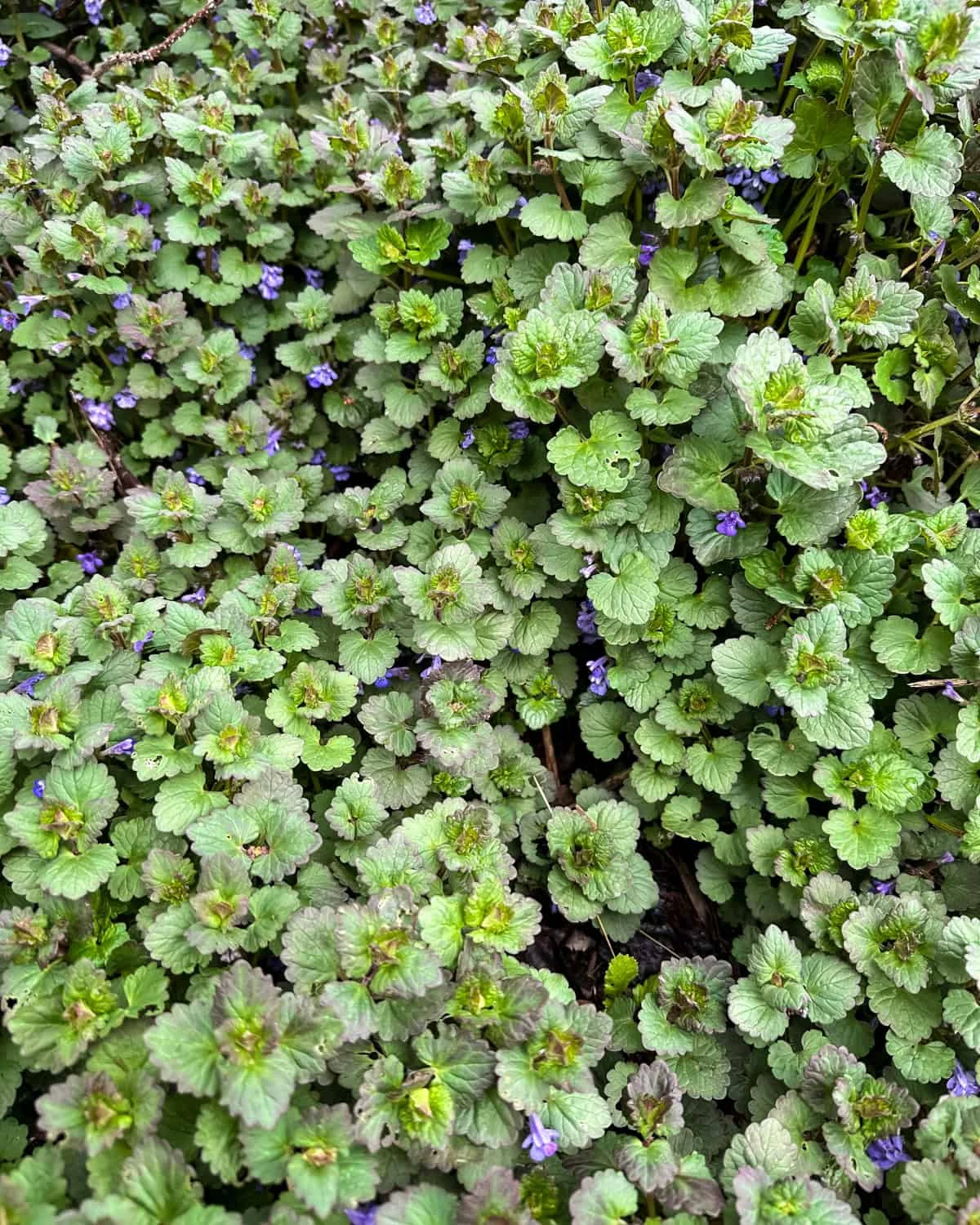
Glechoma hederacea, a perennial evergreen herb commonly referred to as creeping charlie or ground ivy, has emerged as a focal point for both horticultural management and ethnobotanical study during the early spring season. While often categorized by modern homeowners as a persistent and invasive weed, this member of the Lamiaceae (mint) family possesses a rich historical pedigree as a medicinal agent, a culinary ingredient, and a functional ground cover. As temperatures rise and soil moisture increases, the plant’s rapid expansion via stolons—creeping horizontal stems—highlights its remarkable resilience and ecological adaptability across diverse climates in North America, Europe, and Asia.
Botanical Classification and Morphological Characteristics
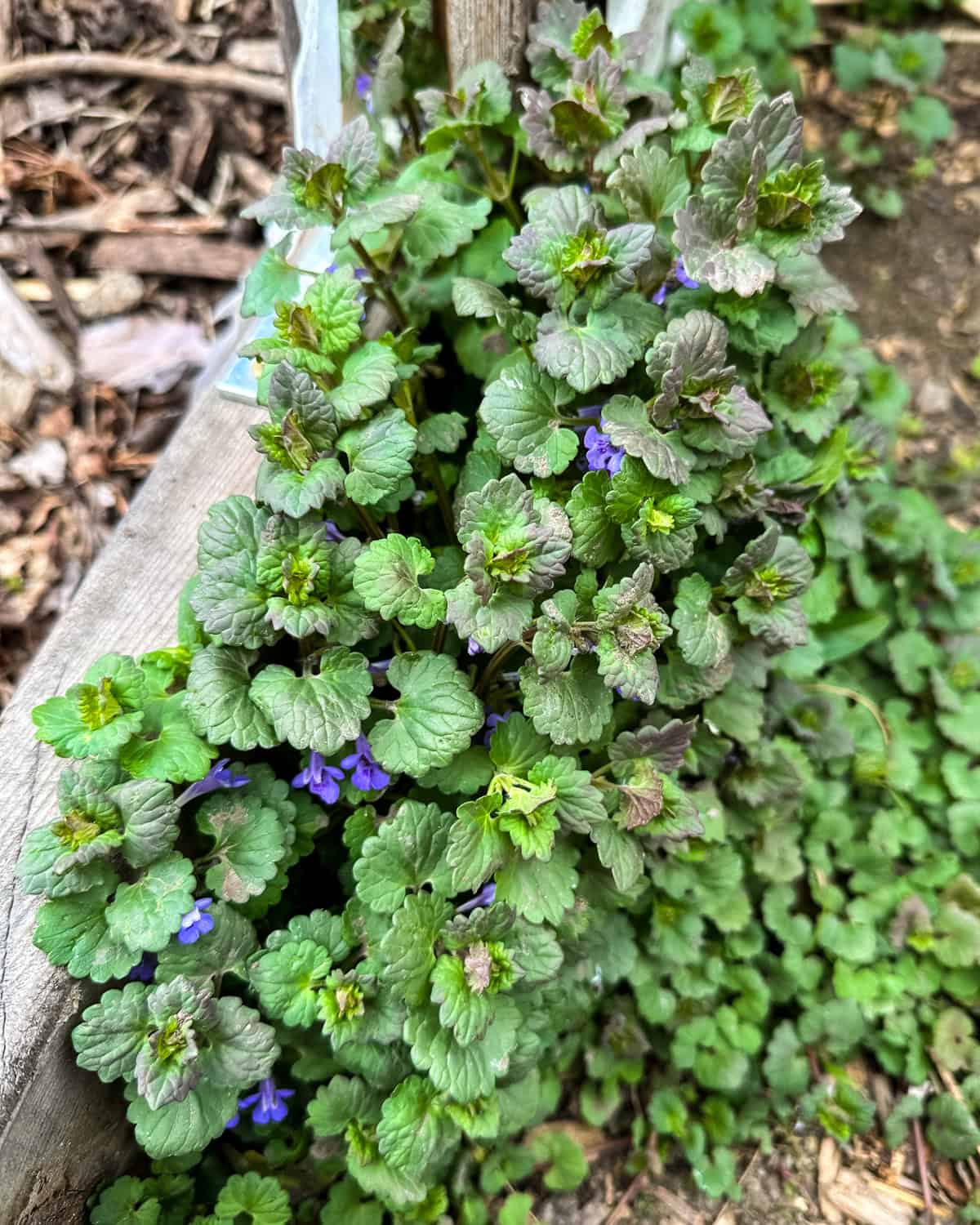
To understand the proliferation of Glechoma hederacea, one must first examine its specific botanical traits. As a member of the mint family, it exhibits the characteristic square stems and opposite leaf arrangement common to the genus. The leaves are typically petiolated, ranging in shape from reniform (kidney-shaped) to orbicular (round), with distinctively crenate or scalloped margins. These leaves often emit a pungent, balsamic, or minty aroma when crushed, a result of volatile oils stored within the plant’s tissues.
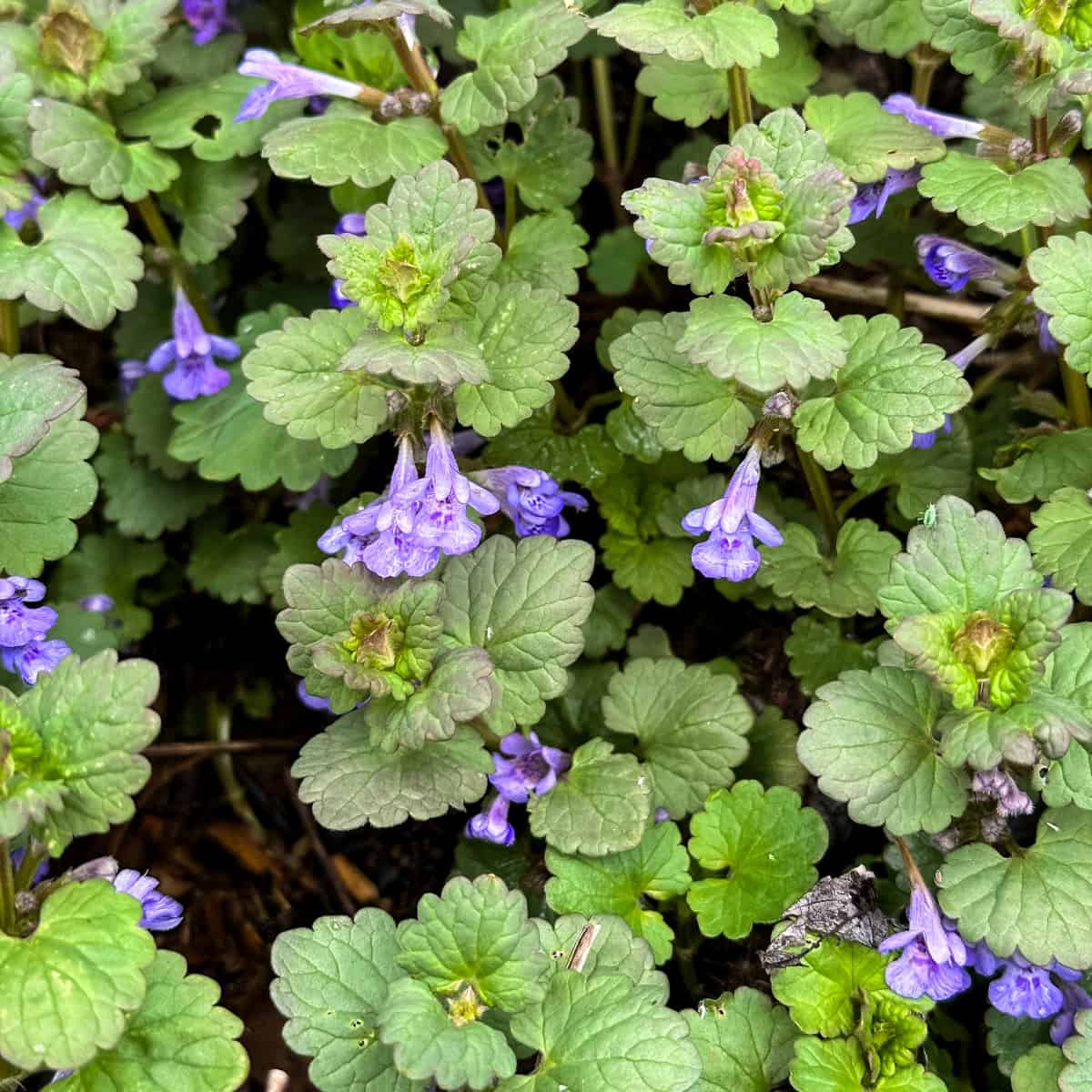
During its flowering period, which typically spans from April to July, the plant produces small, funnel-shaped flowers. These blossoms are generally bluish-violet or lavender, featuring darker purple spots on the lower lip which serve as nectar guides for pollinators. The flowers are zygomorphic, meaning they possess bilateral symmetry, and are arranged in verticillasters (axillary clusters) of three to seven.
The growth habit of creeping charlie is primarily prostrate. It utilizes a network of runners that root at the nodes, allowing a single specimen to colonize large areas of territory in a relatively short timeframe. This "creeping" mechanism is what makes the plant particularly difficult to eradicate from manicured lawns, as even a small segment of the stem left in the soil can regenerate into a full colony.
Historical Context and Ethnobotanical Evolution
The human relationship with Glechoma hederacea dates back centuries, long before it was labeled a nuisance in the context of suburban landscaping. In medieval Europe, the plant was known as "alehoof," a name derived from its essential role in the brewing process. Prior to the widespread adoption of hops (Humulus lupulus) in the 16th century, ground ivy was the primary clarifying and flavoring agent used in ale. The bitter resins and essential oils within the plant served not only to balance the sweetness of the malt but also acted as a preservative, extending the shelf life of the beverage.

Beyond the brewery, ground ivy was a staple in the European "physic garden." Saxon healers utilized the plant for a variety of ailments, a practice that continued through the Renaissance. It was famously recommended by herbalists such as John Gerard and Nicholas Culpeper for its "cleansing" properties. In traditional folk medicine, it was frequently administered as a tonic to treat respiratory congestion, tinnitus, and digestive upsets. It was also historically employed to treat "lead colic," an occupational hazard for painters and plumbers of the era, due to its purported ability to assist the body in eliminating heavy metals.
When European settlers migrated to North America, they intentionally brought Glechoma hederacea with them. It was valued as a reliable, fast-growing medicinal herb and a nutritious spring green that could survive the rigors of the frontier. Over time, however, the plant escaped cultivation, finding the moist, nitrogen-rich soils of the New World to be an ideal environment for naturalization.
Ecological Impact and Management Challenges
In the contemporary landscape, creeping charlie is often viewed through the lens of weed science. Horticulturalists note that the plant thrives in shaded, moist environments where turfgrass often struggles. This niche allows it to act as a pioneer species in disturbed areas. However, its ability to tolerate full sun—provided there is adequate moisture—makes it a formidable competitor in gardens and pastures.
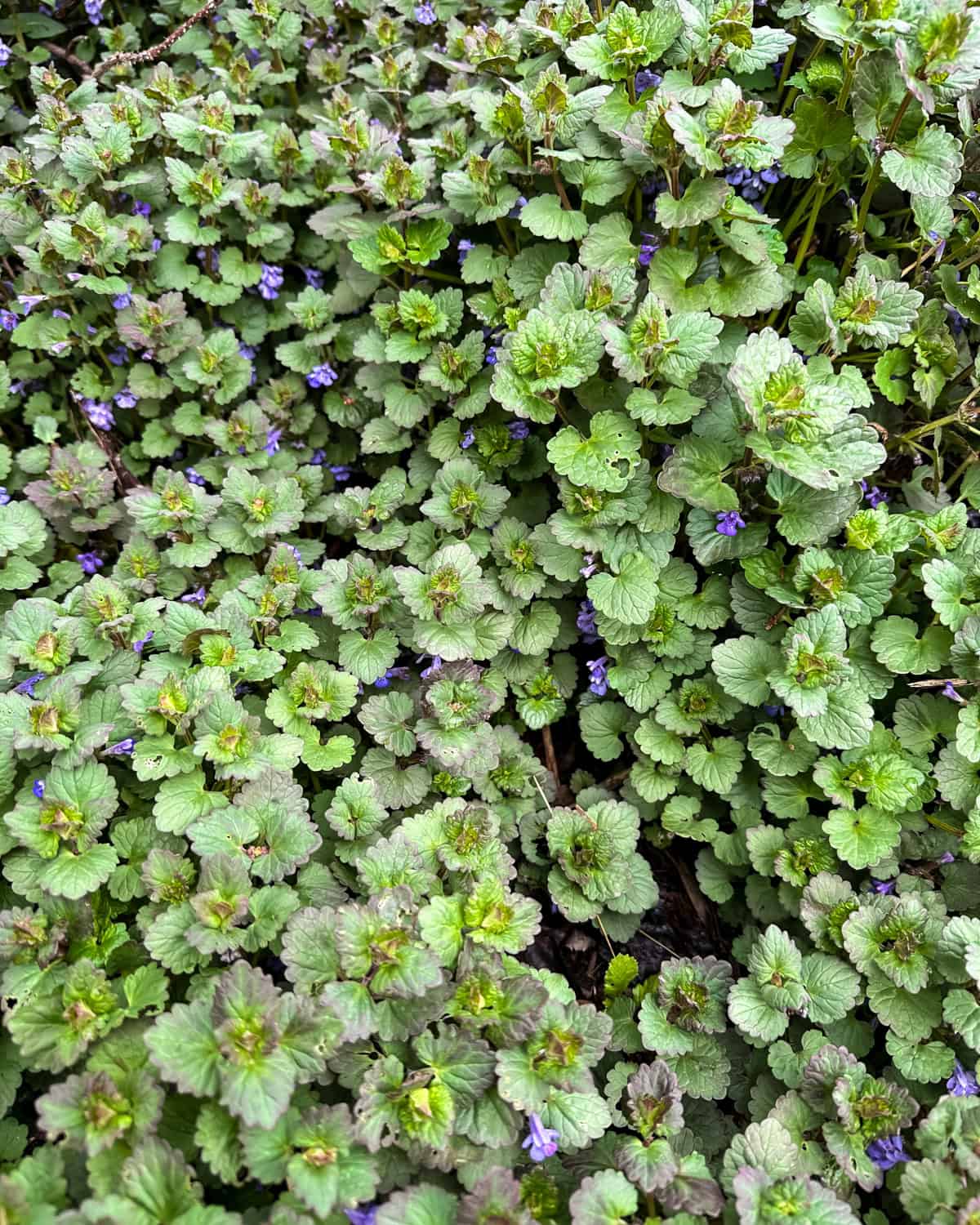
The ecological impact of Glechoma hederacea is multifaceted. On one hand, it provides early-season forage for bees and other pollinators at a time when few other nectar sources are available. On the other hand, its dense mat-forming growth can suppress native understory plants, leading to a reduction in local biodiversity.
Management of the species is notoriously difficult. Agricultural experts point out that the plant’s waxy leaf cuticle often repels liquid herbicides, requiring the use of specific surfactants or multiple applications for effective control. Furthermore, its reproductive strategy—utilizing both seeds and vegetative runners—ensures that it can persist even under heavy mowing or manual weeding regimes. Many modern ecological landscapers are now advocating for a shift in perspective, suggesting that in areas where grass cannot grow, creeping charlie should be embraced as a low-maintenance, "no-mow" ground cover.
Comparative Analysis: Identifying Look-alikes
Foragers and amateur botanists must be diligent in distinguishing Glechoma hederacea from other members of the Lamiaceae family that emerge simultaneously in the spring. Three primary look-alikes often cause confusion: henbit (Lamium amplexicaule), purple dead nettle (Lamium purpureum), and common mallow (Malva neglecta).

Henbit (Lamium amplexicaule)
Henbit is often confused with creeping charlie due to its purple flowers and square stems. However, the leaves of henbit are sessile (lacking a stalk) and wrap directly around the stem in the upper portions of the plant. Unlike the creeping habit of ground ivy, henbit tends to grow more upright and is an annual rather than a perennial.
Purple Dead Nettle (Lamium purpureum)
Purple dead nettle also features purple flowers and square stems, but its leaves are more triangular and often take on a distinct reddish-purple hue toward the top of the plant. The leaves are also more crowded and overlap in a shingle-like fashion, whereas ground ivy leaves are more spaced out along the runners.
Common Mallow (Malva neglecta)
Common mallow has similar rounded, scalloped leaves, but it lacks the square stem and the minty aroma. Mallow flowers are typically white or pale pink and have a very different structure, resembling miniature hibiscus blossoms.

While all three of these look-alikes are generally considered non-toxic and edible, accurate identification is critical for those utilizing the plants for specific medicinal or culinary purposes, as the chemical concentrations and flavor profiles vary significantly between species.
Nutritional and Pharmacological Profile
Scientific interest in Glechoma hederacea has seen a resurgence as researchers investigate the biochemical basis for its traditional uses. Recent pharmacological studies have confirmed that the plant contains high concentrations of phenolic acids, particularly rosmarinic acid, which is known for its potent antioxidant and anti-inflammatory properties.
Data indicates that ground ivy is a significant source of Vitamin C, potassium, and iron, making it a valuable addition to a spring diet when fresh produce might be scarce. Analysis of the plant’s essential oils has revealed the presence of terpenoids such as pino-camphone and menthone.
Research published in various botanical and medical journals has highlighted the following attributes:
- Antimicrobial Activity: Extracts of G. hederacea have demonstrated inhibitory effects against several strains of bacteria and fungi, supporting its historical use in treating skin infections and wounds.
- Hepatoprotective Properties: Some studies suggest that the flavonoids in ground ivy may help protect liver cells from oxidative stress.
- Respiratory Support: The plant acts as an expectorant, helping to thin mucus and facilitate its removal from the respiratory tract, which validates its traditional use in treating bronchitis and chronic coughs.
Culinary and Practical Applications
In the kitchen, creeping charlie offers a complex flavor profile that is often described as a combination of mint, sage, and a subtle earthiness. Foraging experts recommend harvesting the plant in early spring, as the leaves tend to become increasingly bitter as the temperature rises and the plant enters full bloom.
The leaves and flowers can be consumed raw in salads, providing a spicy kick similar to watercress. When cooked, the greens can be added to soups, stews, or omelets. Some chefs have experimented with using ground ivy to create unique pestos or infused vinegars. For those interested in home brewing, the plant can still be used to create "gruit" ales, offering a glimpse into pre-hop fermentation techniques.
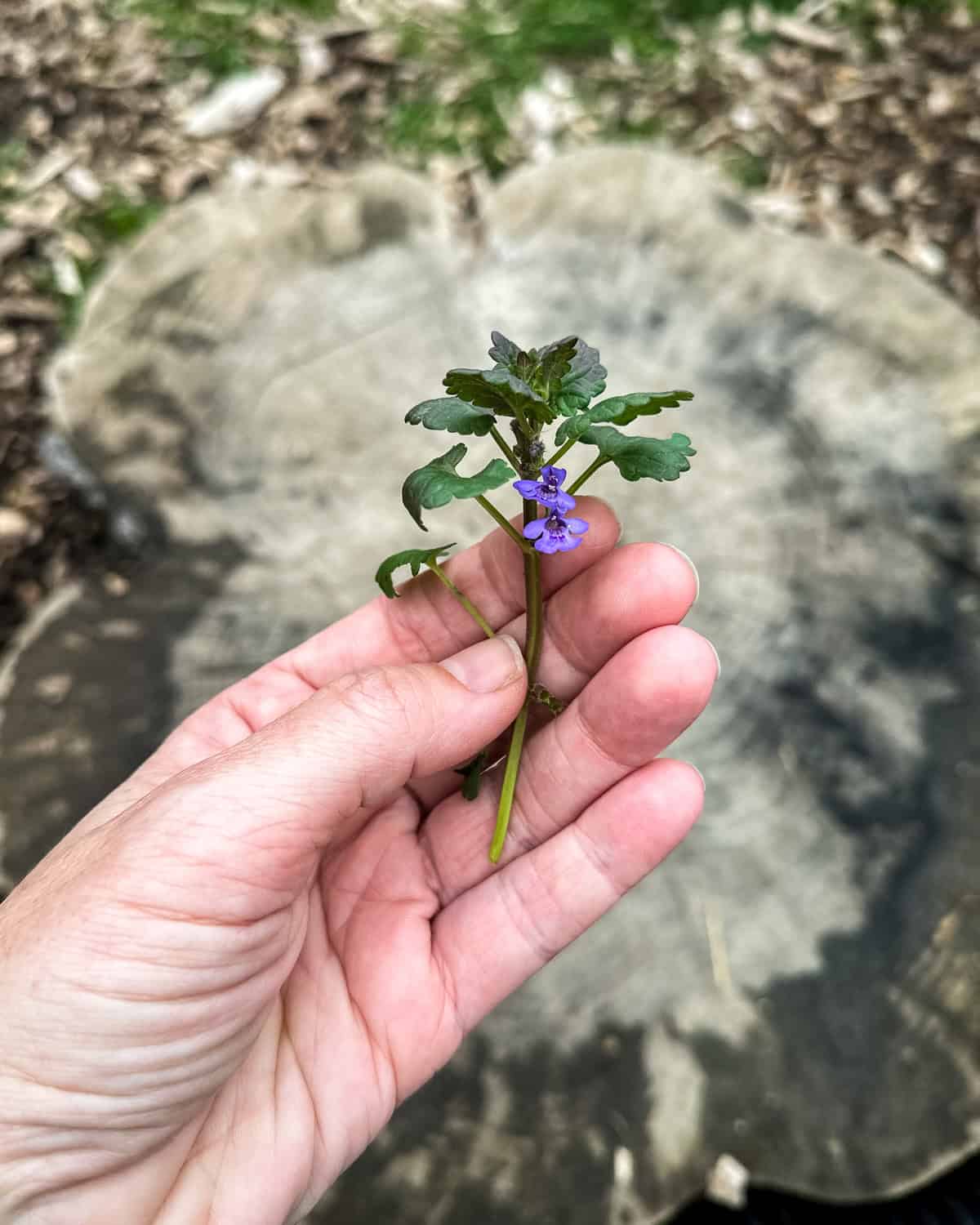
Beyond consumption, the plant serves practical purposes in the garden. Its dense growth makes it an effective "living mulch," retaining soil moisture and preventing the germination of more aggressive, non-edible weeds. Its aesthetic appeal, characterized by the "dainty purple flowers" and lush green mats, has led to its inclusion in some shade garden designs.
Broader Implications and Environmental Outlook
The persistence of Glechoma hederacea in the modern landscape is a testament to its evolutionary success. As climate change leads to wetter springs in many regions, the prevalence of this moisture-loving plant is expected to increase. This shift presents an opportunity for a re-evaluation of how we define "weeds."
Environmental analysts suggest that the heavy use of chemical herbicides to remove plants like creeping charlie from suburban lawns contributes to groundwater contamination and the loss of pollinator habitats. By shifting toward a "useful weed" paradigm, homeowners can reduce their chemical footprint while gaining access to a free, nutrient-dense food source and medicinal resource.
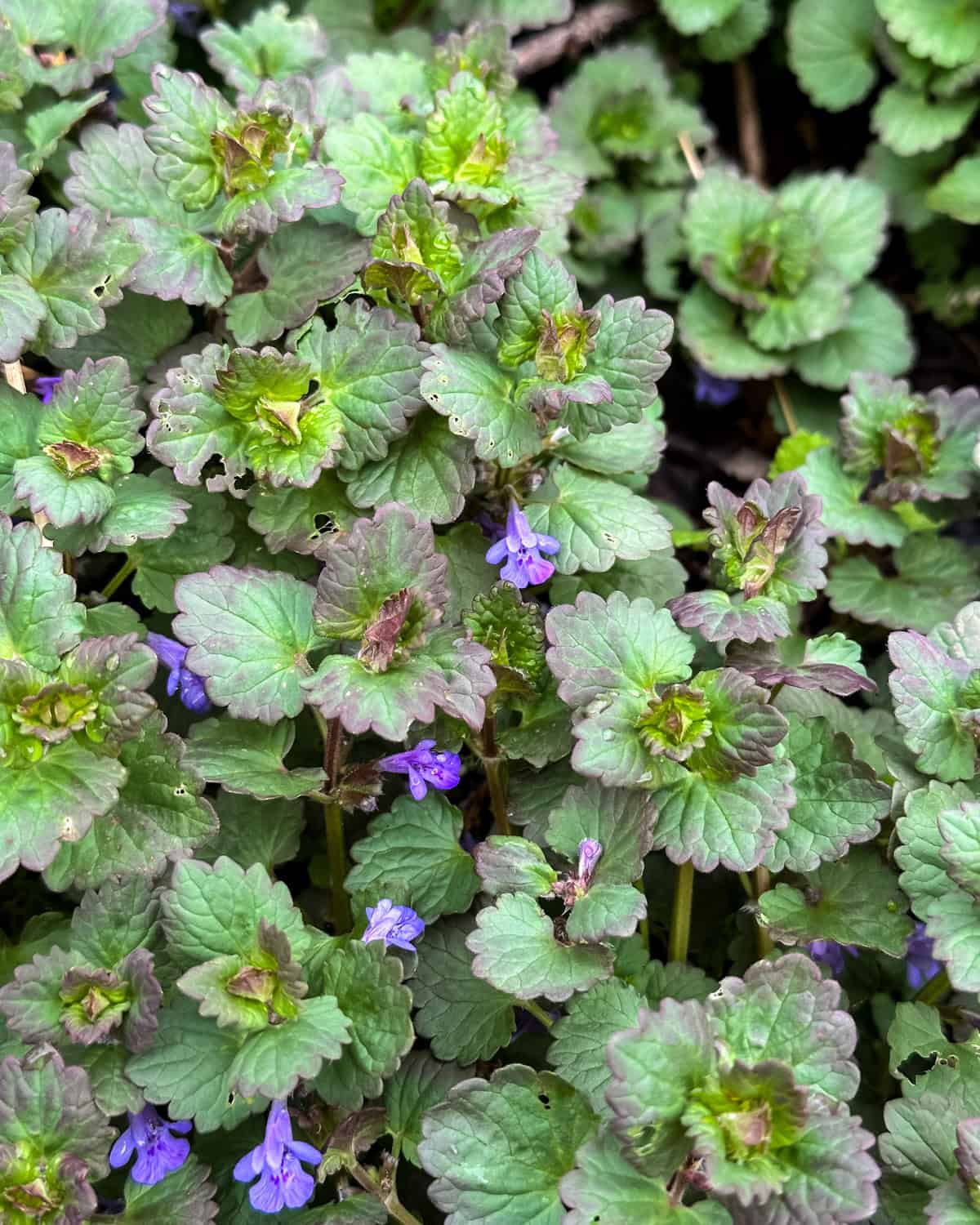
In conclusion, Glechoma hederacea is far more than a simple garden intruder. It is a plant with a deep historical connection to human industry, a complex chemical laboratory, and a resilient survivor in an ever-changing ecosystem. Whether viewed as a botanical specimen, a culinary ingredient, or a traditional medicine, the "creeping charlie" remains a significant and versatile component of the natural world, demanding respect for its tenacity and appreciation for its many benefits.