The practice of food dehydration, one of the oldest known methods of preservation, is experiencing a significant resurgence among modern consumers seeking to reduce household food waste and secure their domestic food supply. While common fruits such as apples, bananas, and grapes have long been staples of the dried fruit market, the dehydration of high-moisture melons, specifically the honeydew (Cucumis melo Inodorus group), has emerged as a specialized technique for home preservationists. This method transforms a highly perishable seasonal fruit into a shelf-stable, nutrient-dense snack that retains the characteristic sweetness and floral notes of the fresh melon while offering a unique, leathery texture.
The Scientific and Economic Context of Fruit Dehydration
The fundamental objective of dehydration is the reduction of water activity ($a_w$) within the food item. Fresh honeydew melon is composed of approximately 90% water, making it highly susceptible to microbial spoilage and enzymatic degradation once harvested. By lowering the moisture content to a level typically between 10% and 20%, the environment becomes inhospitable to bacteria, yeast, and molds.
From an economic perspective, the dehydration of honeydew melon addresses the global challenge of food waste. According to data from the United States Department of Agriculture (USDA), food waste at the retail and consumer levels is estimated at between 30 and 40 percent of the food supply. Melons are particularly prone to being discarded due to their large size and relatively short peak ripeness window. Dehydrating surplus honeydew allows households to extend the utility of the fruit by up to 12 months, effectively amortizing the initial cost of the produce over a longer period.
Selection and Preparation: The Chronology of Preservation
The success of the dehydration process is heavily dependent on the initial quality of the raw material. Experts in food science suggest that honeydew should be processed at the peak of ripeness to ensure maximum sugar concentration. A ripe honeydew is characterized by a creamy white or pale yellow rind and a slight "give" at the blossom end.
The preparation phase begins with a rigorous cleaning of the exterior rind. This is a critical safety step; because melons grow on the ground, the rind can harbor pathogens such as Salmonella or Listeria. Journalistic investigations into foodborne illness outbreaks have frequently highlighted the importance of scrubbing the exterior of melons before slicing to prevent the transfer of bacteria from the knife to the flesh.
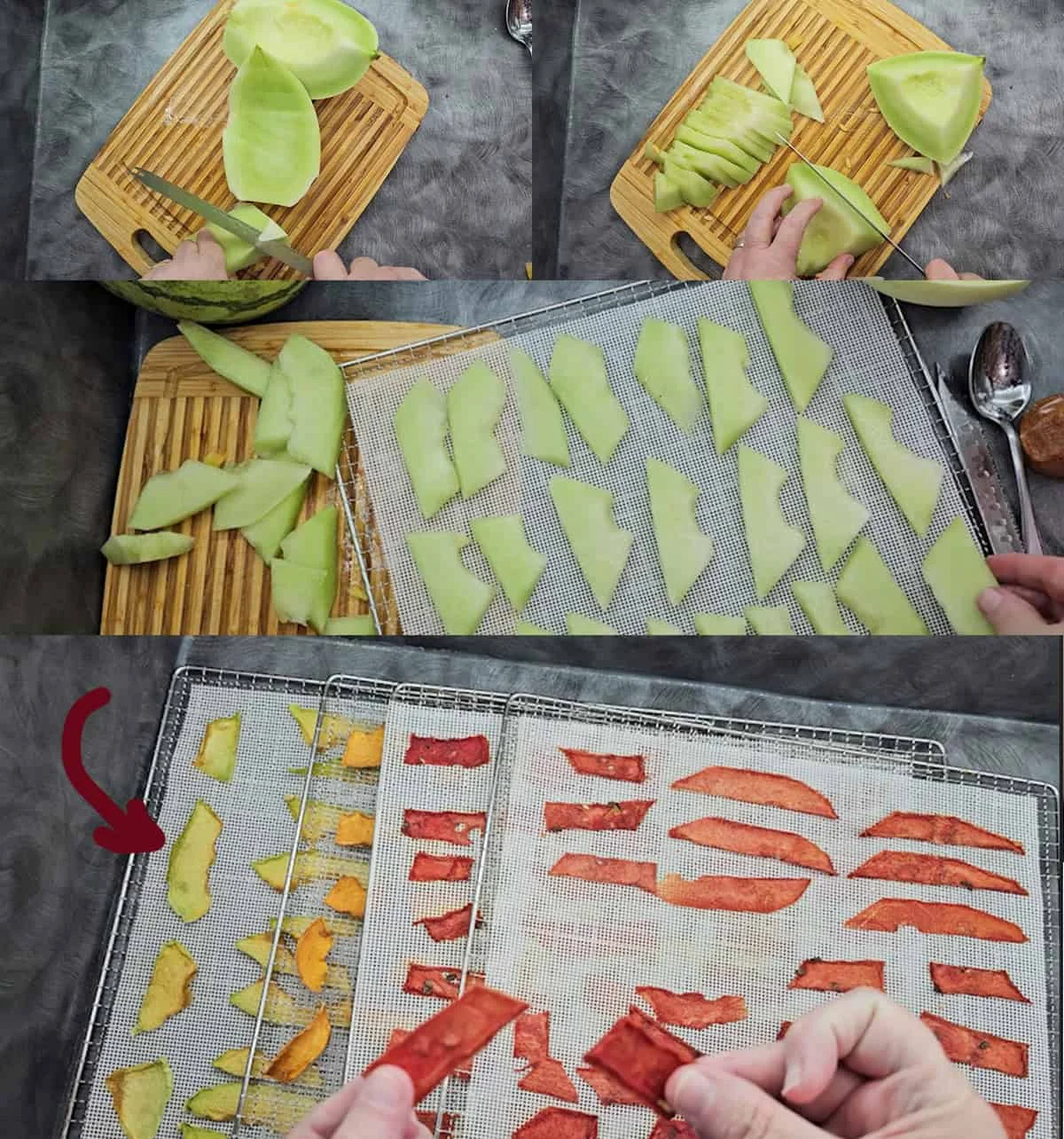
Once cleaned, the melon is halved, and the seeds and internal membranes are removed. The fruit is then peeled and sliced into uniform pieces. For optimal results, a thickness of 1/4 inch (approximately 6 millimeters) is recommended. Consistency in slicing is paramount; variations in thickness lead to uneven drying times, where thinner pieces may become brittle while thicker pieces retain enough moisture to encourage mold growth during storage.
Technical Specifications for Dehydration
The dehydration process for honeydew melon requires controlled temperature and airflow to ensure "case hardening" does not occur. Case hardening is a phenomenon where the exterior of the fruit dries too quickly, trapping moisture inside and leading to internal spoilage.
- Temperature Settings: The industry standard for drying fruits is 135°F (57°C). This temperature is high enough to inhibit enzymatic activity and facilitate evaporation but low enough to preserve the fruit’s vitamin content and natural color.
- Duration: Honeydew typically requires a duration of 10 to 14 hours in a dedicated dehydrator. Factors such as ambient humidity, the specific sugar content of the melon, and the efficiency of the dehydrator’s fan system can influence this timeline.
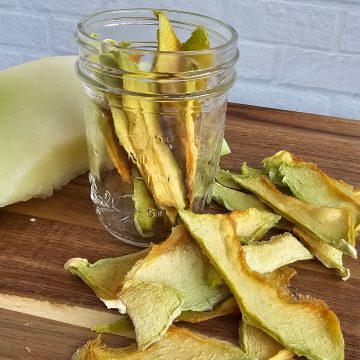
- Texture Assessment: The finished product should achieve a "leathery" or "pliant" state. Unlike root vegetables, which are dried until brittle, honeydew is considered sufficiently dehydrated when it no longer feels sticky to the touch and does not exude moisture when squeezed.
Alternative Methods: The Role of the Domestic Oven
For consumers without a dedicated electric dehydrator, the domestic oven serves as a viable alternative, though it requires closer monitoring. Most modern ovens feature a minimum temperature setting of 170°F (77°C), which is slightly higher than the ideal range for fruit. To compensate, food preservationists recommend propping the oven door open slightly with a heat-resistant utensil to allow moisture to escape and to lower the internal temperature.
While the oven method is faster due to the higher heat, it increases the risk of "cooking" the fruit rather than drying it, which can alter the flavor profile from fresh and sweet to slightly caramelized or burnt. It is also noted that this method is less energy-efficient than a dedicated dehydrator, which is designed to circulate air with minimal power consumption.
Conditioning and Long-Term Storage Protocols
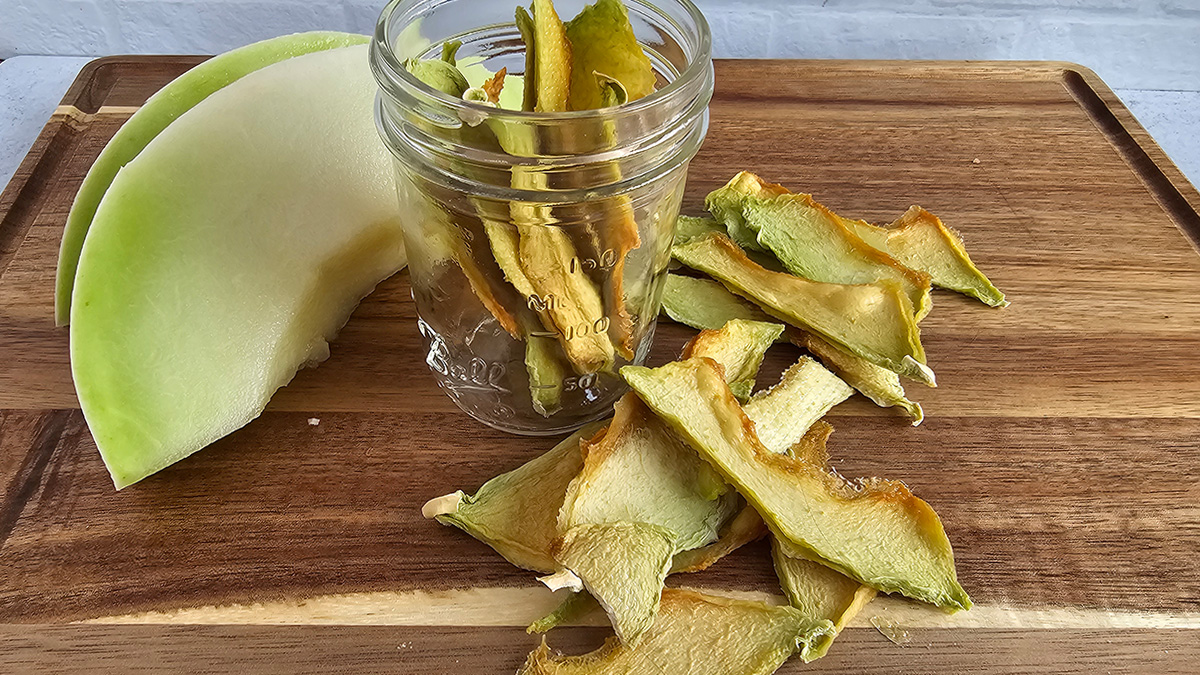
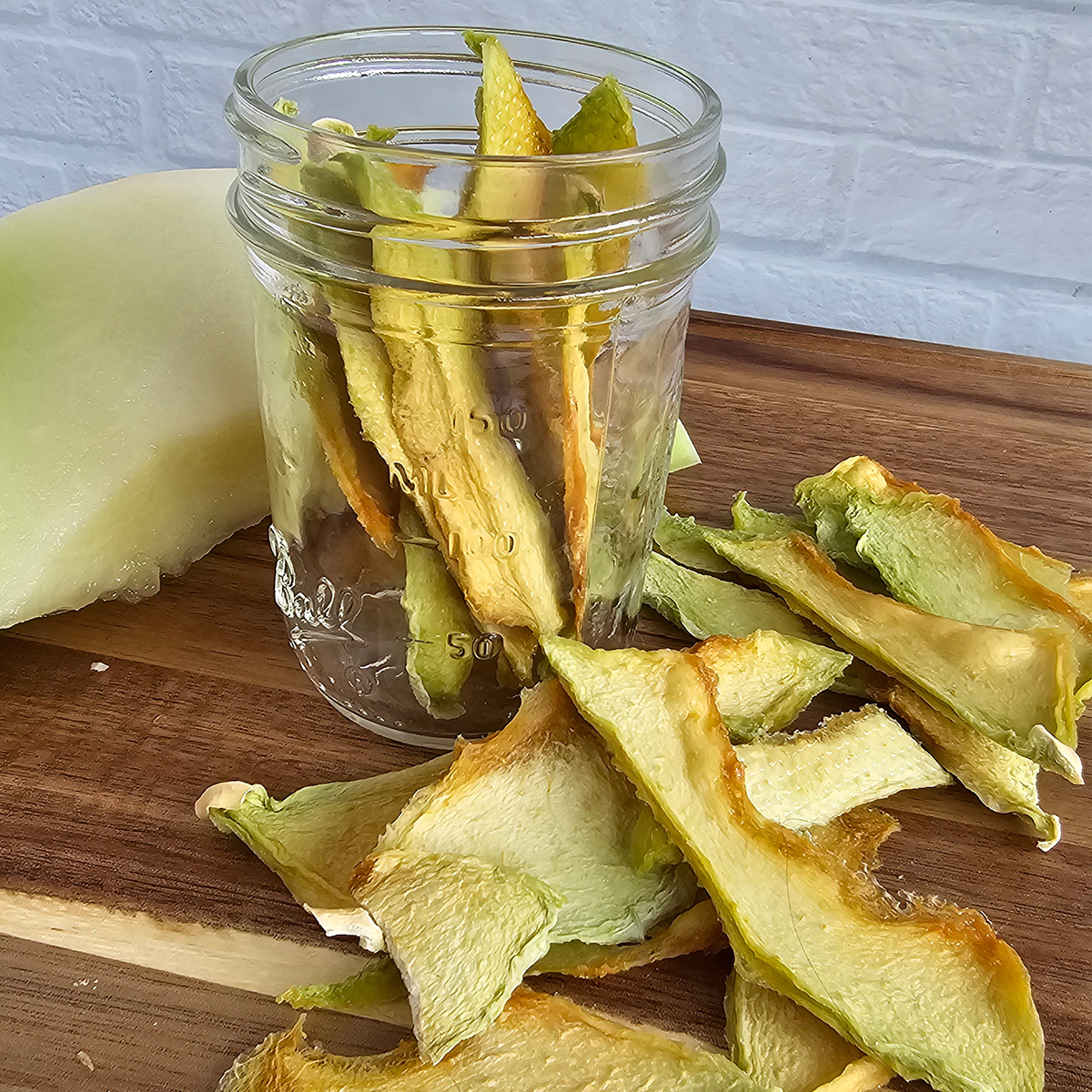
A critical yet often overlooked step in the dehydration timeline is "conditioning." Even with uniform slicing, some pieces of fruit may contain more moisture than others. Conditioning involves placing the cooled, dried fruit in a clear, airtight container (such as a glass Mason jar) for a period of seven to ten days.
During this phase, the jar should be shaken daily. If condensation appears on the interior of the glass, the fruit must be returned to the dehydrator for further processing. If the pieces stick together excessively, it indicates a lack of sufficient dryness. Once the conditioning period is complete without signs of moisture, the fruit can be moved to long-term storage.

For maximum shelf life, dehydrated honeydew should be stored in a cool, dark, and dry environment. High-quality storage options include:
- Vacuum-Sealed Bags: These remove oxygen, further reducing the risk of oxidation and flavor loss.
- Mylar Bags with Oxygen Absorbers: Ideal for long-term emergency food supplies.
- Glass Jars: Preferred for daily use as they provide a complete barrier against pests and humidity.
Nutritional Profile and Culinary Implications
The dehydration process results in a concentration of the melon’s nutritional components. Honeydew is a significant source of Vitamin C, which supports immune function, and Vitamin B6, which is essential for brain development and function. It also contains potassium, an electrolyte vital for heart health and fluid balance.
Data indicates that while the vitamins remain largely intact, the caloric density and sugar content per gram increase significantly. A standard serving of fresh honeydew (approximately one cup) contains roughly 60 calories. When dehydrated, the same volume of fruit may contain four times the caloric value due to the removal of water. Consumers are advised to treat dried honeydew as a concentrated energy source, making it an excellent option for high-exertion activities such as hiking or athletic training.

In the culinary sphere, dehydrated honeydew is being utilized by chefs and mixologists as a versatile ingredient. Beyond its role as a standalone snack, it can be rehydrated for use in compotes, finely diced for inclusion in granola or baked goods, or used as a sophisticated garnish for cocktails and desserts.
Broader Impact: Sustainability and Self-Sufficiency
The trend toward home dehydration reflects a broader societal shift toward self-sufficiency and sustainable living. By mastering the preservation of melons—fruits often perceived as difficult to store—individuals gain greater control over their food supply chain. This practice reduces the demand for commercially processed snacks, which often contain sulfur dioxide as a preservative and added sugars or artificial dyes.
Furthermore, the ability to preserve seasonal gluts of produce supports local agriculture. Consumers can purchase honeydew in bulk from local farmers during the peak of the summer season, when prices are lowest and quality is highest, and enjoy the fruit throughout the winter months. This reduces the carbon footprint associated with transporting fresh melons from the southern hemisphere during the off-season.
Expert Analysis and Safety Recommendations
Food safety experts from organizations such as the National Center for Home Food Preservation (NCHFP) emphasize that while dehydration is a low-risk preservation method, it is not without hazards. The primary risk associated with dried fruit is mold growth resulting from inadequate drying or poor storage conditions.
"The most important factor in home dehydration is the intersection of temperature and airflow," states the consensus among agricultural extension specialists. "Without adequate circulation, the moisture simply moves from the fruit to the air inside the machine, creating a humid environment that can actually promote spoilage before the drying process is complete."
In conclusion, the dehydration of honeydew melon represents a sophisticated marriage of traditional wisdom and modern food science. By following established protocols for preparation, temperature control, and conditioning, consumers can transform a fleeting summer fruit into a durable, nutritious, and economically efficient staple for the year-round pantry. As the global community continues to grapple with food security and waste reduction, such domestic preservation techniques remain an essential tool for the purposeful consumer.