The global movement toward sustainable consumption has reached a pivotal intersection where technology meets culinary arts, as evidenced by the growing adoption of surplus food redistribution platforms such as Too Good To Go. In a recent initiative designed to highlight the practical applications of waste reduction in social settings, a collaboration between lifestyle curators and the anti-waste application demonstrated how "surprise bags" of surplus inventory from gourmet grocers and juice purveyors can be transformed into high-end catering options for zero-waste gatherings. This initiative underscores a significant shift in consumer behavior, moving away from traditional retail models toward a circular economy where "rescued" food is valued for its environmental benefits and economic efficiency, often retailing at approximately one-third of its original market value.

The Mechanics of Surplus Food Redistribution
Too Good To Go, a social impact company certified as a B Corporation, operates on a marketplace model that connects consumers with businesses that have unsold, surplus food. This inventory, which would otherwise be discarded due to store closures or the expiration of daily freshness windows, is packaged into "Surprise Bags." The contents of these bags are not predetermined, as they depend on the specific surplus available at the end of a business day. This model serves a dual purpose: it allows businesses to recover sunk costs and reduce disposal fees while providing consumers with access to high-quality food at a fraction of the cost.
In the most recent practical application of this model, participants utilized the app to secure inventory from a high-end gourmet grocery store and a specialized juice boutique. By leveraging the app’s geo-location features, users were able to identify local surplus hubs, purchase the items through a digital interface, and collect them during designated windows. This process highlights the efficiency of the "rescue-to-table" pipeline, which is becoming a cornerstone of modern urban sustainability efforts.
The Environmental and Economic Realities of Food Waste
The urgency of these initiatives is supported by staggering environmental data. According to the Food and Agriculture Organization of the United Nations (FAO) and the World Resources Institute, approximately one-third of all food produced for human consumption is lost or wasted globally. This inefficiency contributes to an estimated 10% of all global greenhouse gas emissions. When food is discarded in landfills, it decomposes anaerobically, releasing methane—a greenhouse gas with a warming potential significantly higher than carbon dioxide.
From an economic perspective, the waste is equally profound. In the United States alone, the annual value of wasted food is estimated to be over $400 billion. For the average consumer, utilizing surplus food platforms offers a tangible way to combat inflation and rising grocery costs. By purchasing food at 33% of its retail price, households can significantly extend their purchasing power while participating in a larger ecological solution.

A Chronology of the Anti-Waste Movement
The evolution of food waste mitigation has transitioned from grassroots activism to sophisticated technological integration.
- 2015: Too Good To Go is founded in Denmark, aiming to address the massive waste generated by the European buffet and bakery sectors.
- 2016–2019: The app expands across Europe, gaining millions of users and partnering with major supermarket chains and independent cafes.
- 2020: The platform officially launches in the United States, targeting major metropolitan areas such as New York City and Boston, where the concentration of food service businesses is highest.
- 2021–Present: The "Surprise Bag" concept goes viral on social media platforms, leading to a surge in "zero-waste" content and partnerships with lifestyle influencers to normalize the consumption of surplus goods.
This timeline illustrates a shift in public perception. What was once viewed through the lens of "salvage" or "charity" is now marketed as a "gourmet surprise" and a badge of environmental responsibility.
Practical Application: The Zero-Waste Gathering
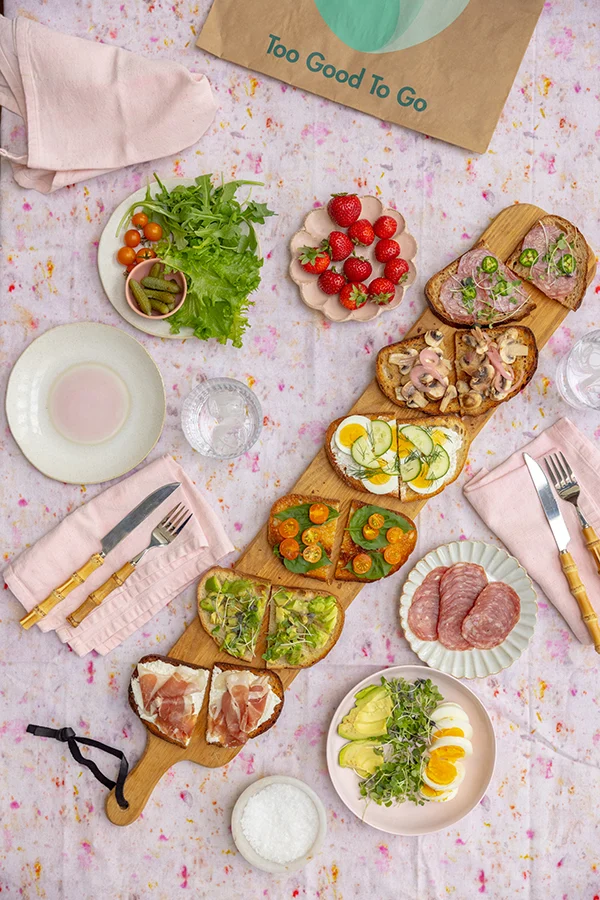
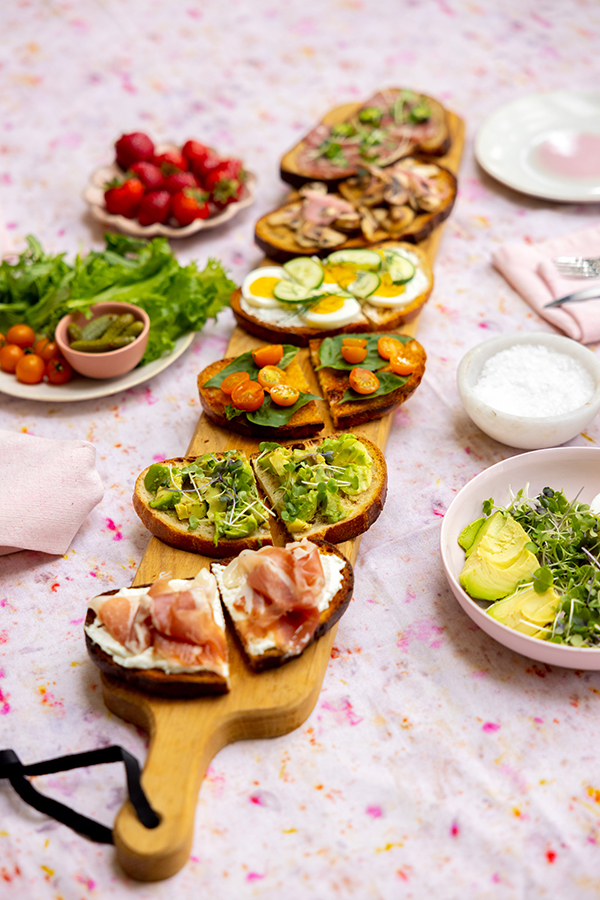
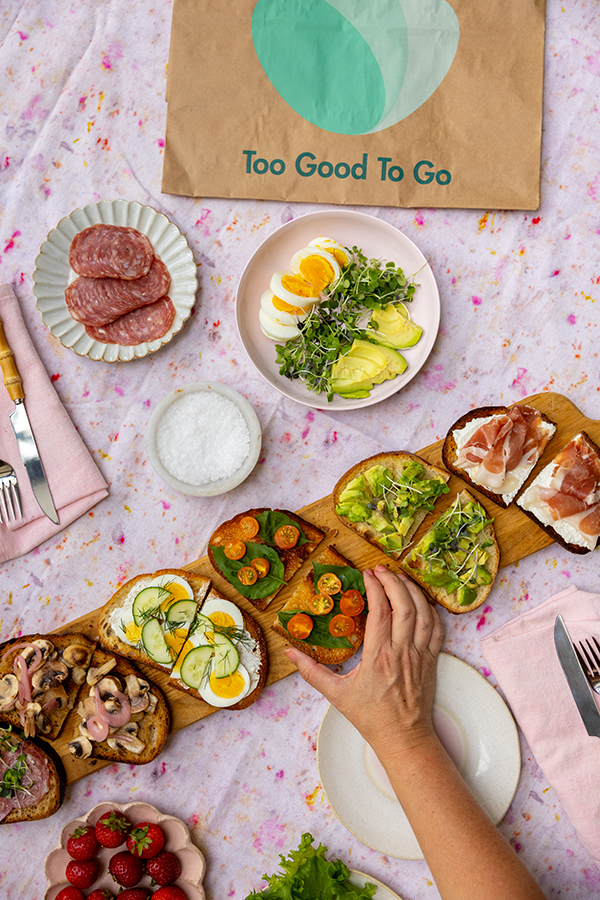
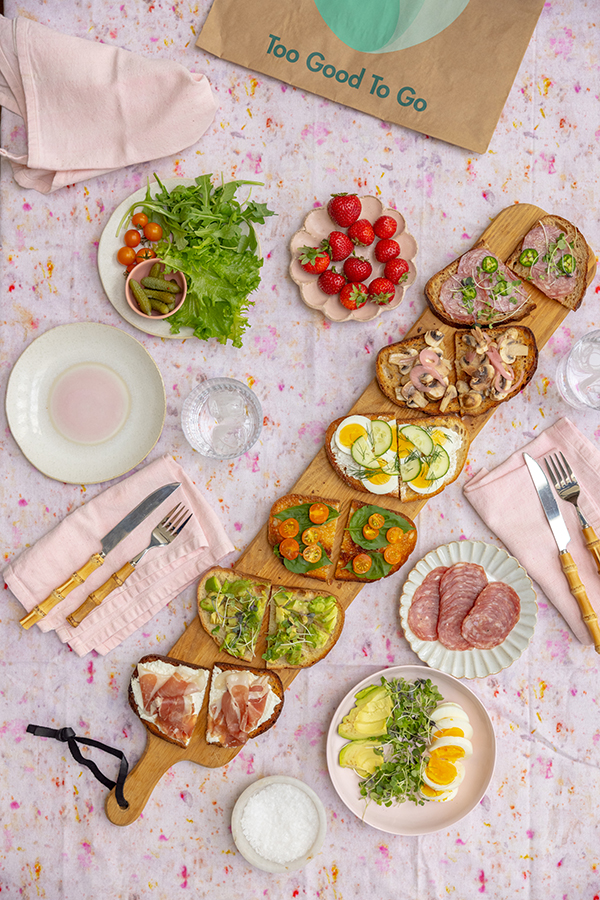
To demonstrate the versatility of rescued ingredients, the recent initiative focused on the "Crostini Social" model—a hosting strategy that prioritizes flexibility and ingredient utilization. By using a variety of artisanal breads, cheeses, and produce obtained via the app, hosts can create a sophisticated spread that minimizes waste through creative assembly.
The process involves toasting large quantities of rescued bread simultaneously in an oven to ensure uniform texture, followed by the presentation of various toppings sourced from surplus bags or existing pantry staples. This "build-your-own" approach not only reduces the labor required for the host but also ensures that ingredients are consumed according to individual preference, further reducing plate waste.

Culinary Innovation with Rescued Ingredients
The versatility of surplus inventory allows for a wide range of flavor profiles. Some of the successful combinations identified in the recent "rescue-to-table" demonstration include:
- Savory-Sweet Profiles: Ricotta cheese paired with prosciutto and a drizzle of hot honey.
- Plant-Based Options: Smashed avocado with lemon, sea salt, and micro-sprouts.
- Garden-Fresh Classics: Heirloom tomatoes with basil, salt, and extra virgin olive oil.
- Protein-Rich Variations: Sliced hard-boiled eggs with mayonnaise, cucumber, and fresh dill.
- Warm Compositions: Melted artisanal cheeses topped with sautéed mushrooms.
- Spicy Charcuterie: Soppressata paired with sliced jalapeños.
These pairings demonstrate that "surplus" does not equate to "low quality." In many cases, the items found in gourmet surprise bags are premium products that are simply nearing the end of their peak shelf life, making them ideal for immediate consumption in a social setting.

Retailer Perspectives and the Circular Economy
The participation of businesses in the surplus food ecosystem is driven by both ethical and financial incentives. For a gourmet grocery store or a juice shop, food waste represents a total loss of labor, water, energy, and raw materials. By partnering with redistribution platforms, these businesses can:
- Recover Marginal Costs: While the 33% price point is a discount for the consumer, it often covers the cost of goods for the retailer, turning a total loss into a break-even or slightly profitable transaction.
- Acquire New Customers: Surprise bags act as a low-risk "sampling" program. A consumer who picks up a bag at a boutique store may return as a full-price customer after being introduced to the quality of the inventory.
- Enhance Corporate Social Responsibility (CSR): Retailers can provide transparent data on how many meals they have "saved," which resonates with a younger, more environmentally conscious demographic.
The Global Regulatory Landscape and Future Projections
The rise of apps like Too Good To Go is occurring alongside a tightening regulatory environment regarding organic waste. In France, legislation passed in 2016 forbids supermarkets from throwing away or destroying unsold food, mandating that they donate it to charities or send it for animal feed/composting. Similar discussions are occurring in various U.S. states, including California and New York, where organic waste bans for large-scale generators are becoming more common.
As the "Upcycled Food" movement continues to gain traction, industry analysts predict that the market for rescued food will grow significantly over the next decade. The integration of artificial intelligence into inventory management will further refine how stores predict surplus, but the "Surprise Bag" model remains a vital safety net for the unpredictable nature of fresh food retail.
Broader Impact and Implications for the Future of Hosting
The transition toward zero-waste hosting is more than a culinary trend; it is a cultural shift in how society views the lifecycle of products. By integrating surplus food into social gatherings, hosts are effectively de-stigmatizing the consumption of "imperfect" or "excess" goods. This practice encourages a more mindful approach to consumption, where the value of an ingredient is determined by its utility and flavor rather than its proximity to a "best by" date.

The success of the partnership between Too Good To Go and lifestyle curators serves as a blueprint for future environmental advocacy. It moves the conversation away from deprivation and toward "clever" consumption—proving that fighting climate change can be an accessible, affordable, and even gourmet experience. As more consumers adopt these technologies, the collective impact on global greenhouse gas emissions could be substantial, moving the world one step closer to the United Nations’ Sustainable Development Goal of halving per capita global food waste by 2030.