
Mushroom gravy, a dish celebrated for its deep, earthy flavors and luxurious texture, stands as a testament to the power of simple ingredients transformed into culinary artistry. This versatile sauce, built upon the foundational elements of sautéed mushrooms and shallots, a classic butter-and-flour roux, and a robust beef broth, offers a quick yet sophisticated addition to a myriad of dishes. With a preparation time of approximately 15 minutes and requiring just a single pot, this recipe democratizes gourmet flavor, making it accessible for both novice cooks and seasoned culinarians alike. Its adaptability allows it to enhance everything from the crispy delight of schnitzel and the comforting embrace of mashed potatoes to the hearty satisfaction of steak and other roasted meats.
The Essence of Mushroom Gravy: A Culinary Bridge
At its core, mushroom gravy is a savory sauce meticulously crafted by slow-cooking earthy mushrooms and aromatic shallots, then expertly thickened with a roux – a fundamental mixture of butter and flour. This base is then enriched with a flavorful stock, most commonly beef broth, to achieve a glossy, cohesive consistency. This culinary creation is not merely a sauce; it is a cornerstone in both American comfort food traditions and the robust cuisines of Germany. In the American context, it frequently graces Sunday dinners, adding a layer of umami to traditional roasts. In Germany, a variation of this sauce is famously known as Jägerschnitzel, where a rich, mushroom-forward sauce blankets a perfectly cooked schnitzel, creating a dish of profound depth and satisfaction.
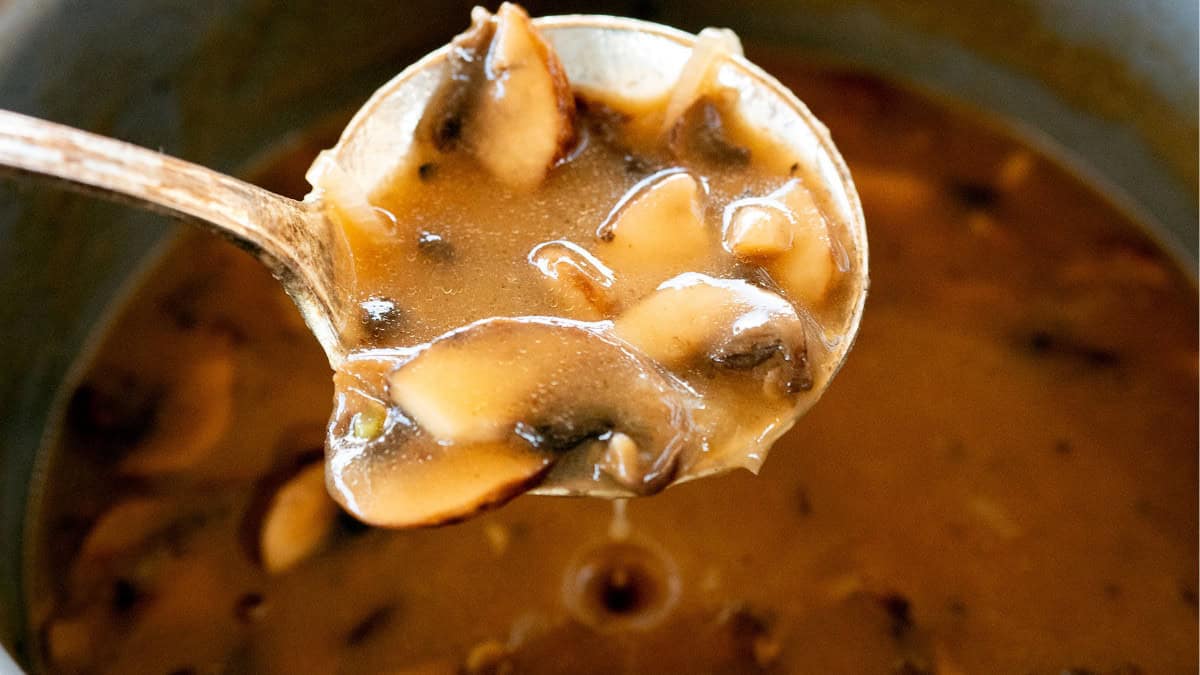
The recipe presented here champions simplicity, focusing on the essential techniques that yield maximum flavor. It begins with the gentle sautéing of shallots and mushrooms in butter, followed by the creation of a quick flour-based roux, and culminates in the simmering of beef broth until the sauce achieves a thick, glossy perfection. This streamlined approach ensures that the inherent flavors of the mushrooms and aromatics are allowed to shine, unencumbered by overly complex steps.
Nutritional Profile: A Savory Indulgence
While the primary appeal of mushroom gravy lies in its flavor and versatility, understanding its nutritional composition can provide valuable context for its place in a balanced diet. A standard serving, typically calculated based on the recipe’s proportions, offers approximately 152 calories. This caloric value is largely derived from its fat content, with around 12 grams per serving, including 7 grams of saturated fat. The gravy also contributes about 9 grams of carbohydrates and 4 grams of protein. It contains trace amounts of essential vitamins and minerals, such as Vitamin A (353 IU), Iron (1 mg), and Calcium (21 mg), alongside a notable sodium content of 1122 mg, which is a common characteristic of many savory sauces and broths. The dietary fiber content is minimal at 1 gram, and sugar content is low at 2 grams. It is important to note that these figures are approximations, as nutritional values can vary based on specific ingredient brands and precise measurements.
The Essential Ingredients: Crafting the Perfect Gravy
The creation of this exceptional mushroom gravy hinges on a curated selection of high-quality ingredients, readily available in most kitchens. The recipe calls for:

- Mushrooms: Typically, cremini or button mushrooms are recommended for their balanced flavor and texture.
- Shallots: These offer a more delicate and slightly sweeter flavor profile than onions, contributing a nuanced aromatic base.
- Butter: Unsalted butter is preferred to control the saltiness of the final dish and provides a rich, creamy foundation.
- All-Purpose Flour: This is the key to forming the roux, which thickens the gravy and creates its signature smooth consistency.
- Beef Broth: A good quality beef broth is crucial for imparting depth and a rich, savory character to the gravy.
Substitutions and Variations:
For those seeking flexibility or working with available ingredients, several substitutions can be made without compromising the integrity of the gravy. Shallots can be readily swapped for a small yellow onion, offering a slightly more pungent but still effective aromatic base. The choice of broth can also be adapted; chicken broth or vegetable broth can be used for a lighter flavor profile, though this will naturally result in a less intensely rich gravy.
The Culinary Process: A Step-by-Step Guide to Gravy Perfection
The preparation of this mushroom gravy is designed for efficiency and ease, allowing for a delicious outcome in under twenty minutes.
Step 1: Sautéing the Aromatics and Mushrooms
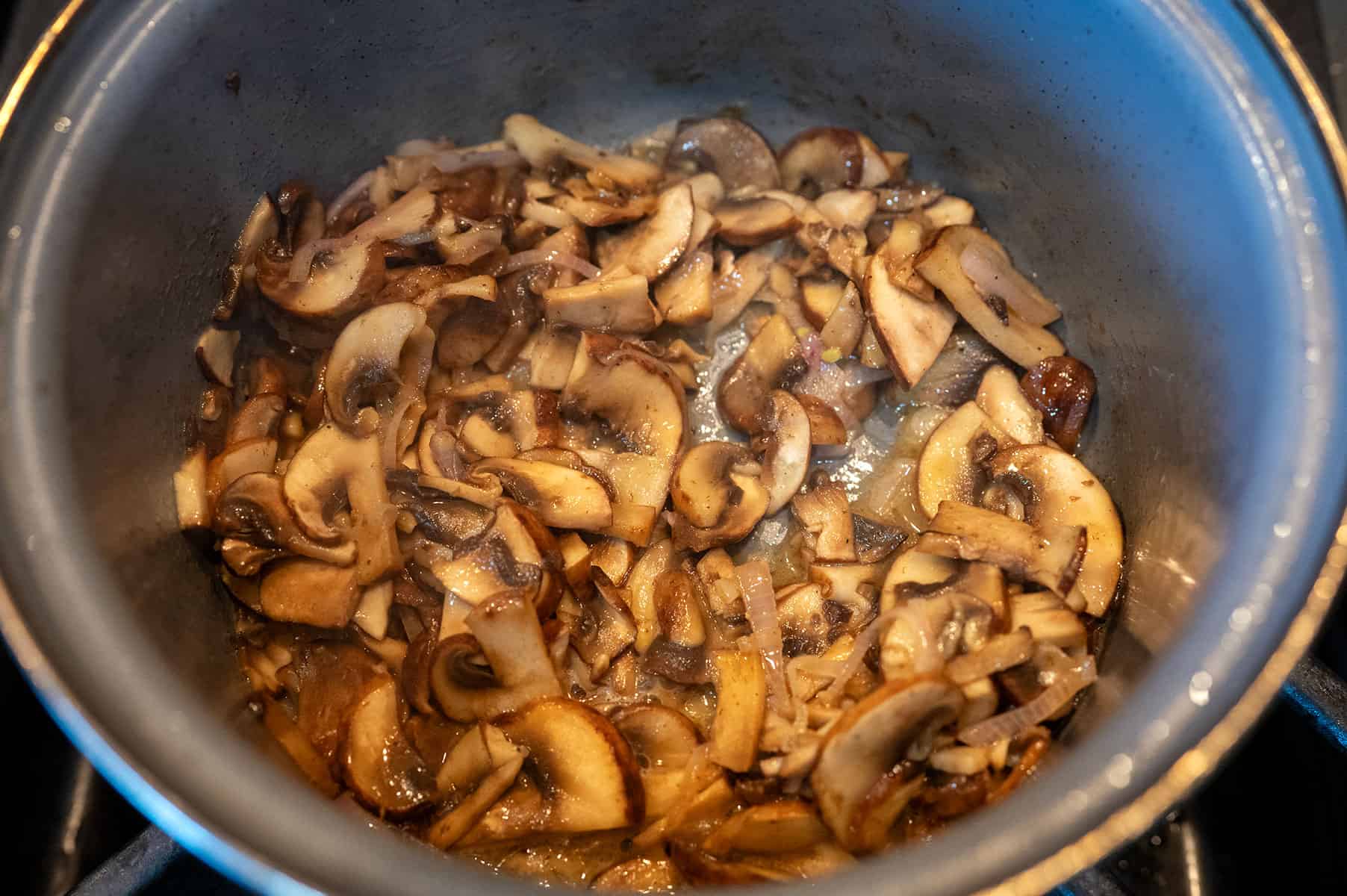
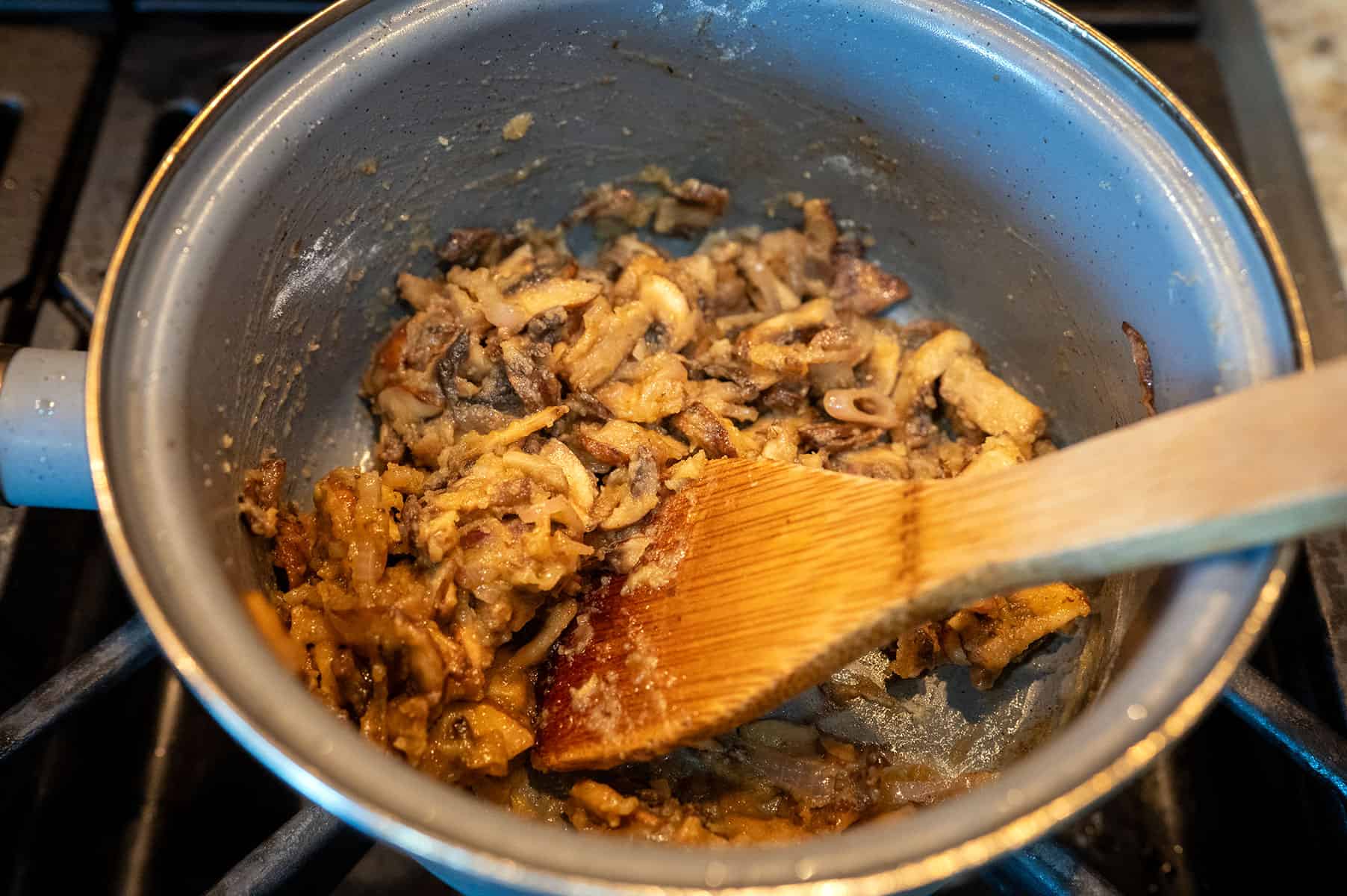
The process begins by melting 3 tablespoons of butter in a suitable pot or saucepan over medium heat. Once the butter is shimmering, the finely chopped shallots and sliced mushrooms are added. The mixture is then sautéed until the mushrooms are tender and have released their moisture, a process that typically takes between 5 to 7 minutes. This initial sauté is critical for developing the foundational flavors of the gravy.
GCG Pro Tip: Patience during this stage is paramount. Allowing the mushrooms to cook down and begin to brown is where a significant portion of the gravy’s deep flavor originates. This browning process, known as the Maillard reaction, transforms simple ingredients into complex, savory notes.
Step 2: Constructing the Roux
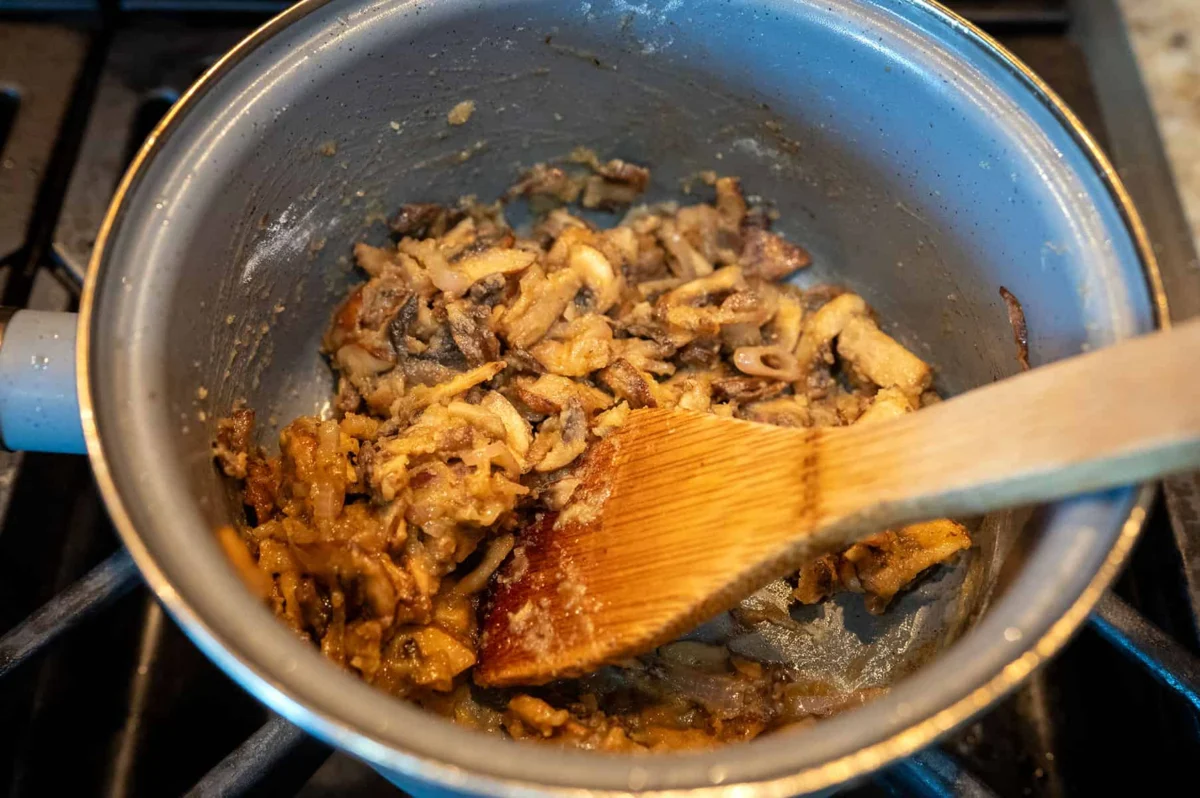
Following the sautéing of the mushrooms and shallots, the remaining 1 tablespoon of butter is added to the pan. Once this butter has melted, the all-purpose flour is incorporated. The mixture is then cooked for approximately 60 seconds, with constant stirring. This step forms the roux, a critical thickening agent.
GCG Pro Tip: It is essential not to rush the cooking of the flour. Stirring it for the full 60 seconds is crucial for eliminating any raw flour taste and ensuring a smooth, lump-free gravy. A properly cooked roux also contributes to the gravy’s viscosity and prevents a pasty texture.
Step 3: Incorporating the Broth
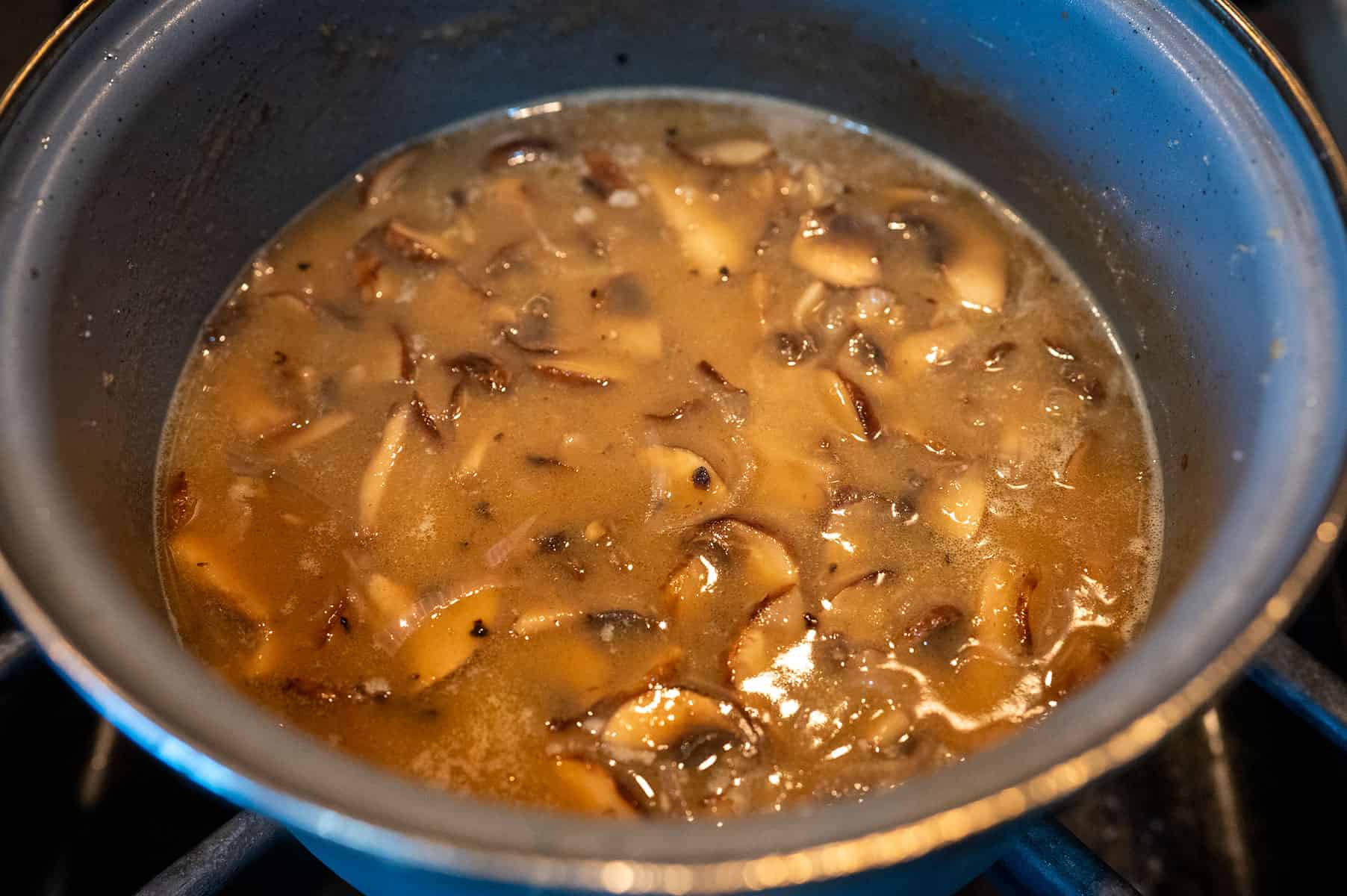
With the roux prepared, the beef broth is gradually poured into the pot. As the broth is added, the mixture should be stirred continuously to combine the roux with the liquid and to scrape up any flavorful browned bits that may have adhered to the bottom of the pan. This process deglazes the pan, incorporating all the developed flavors into the gravy. The mixture is then brought to a boil, after which the heat is reduced to a gentle simmer.
Step 4: Simmering to Thickness
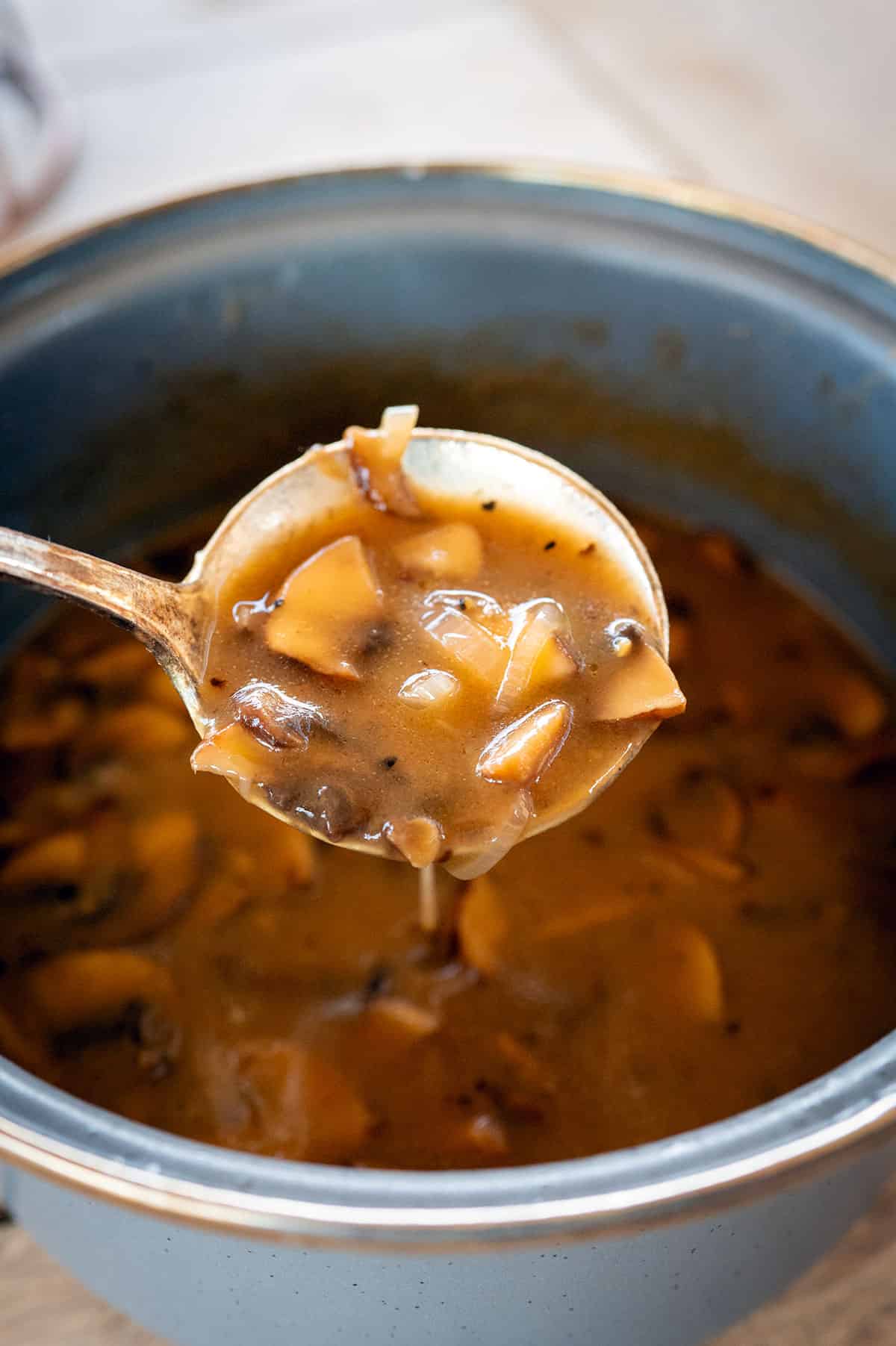
The gravy is then allowed to simmer, uncovered, with occasional stirring. This simmering period, typically lasting between 5 to 8 minutes, is where the magic happens. The starch in the flour absorbs the liquid, causing the gravy to thicken to a rich, spoonable consistency. As the gravy thickens, it develops a glossy sheen, indicative of a well-emulsified sauce. The final step involves seasoning with salt and pepper to taste, adjusting the flavor profile to personal preference.
Serving Suggestions: A Gravy for Every Occasion
The beauty of this mushroom gravy lies in its remarkable versatility, making it a welcome accompaniment to a wide array of dishes. It is particularly sublime when served over a perfectly prepared schnitzel, transforming it into an authentic Jägerschnitzel. Beyond this classic pairing, it is an ideal complement to:
- Mashed Potatoes: A creamy bed of mashed potatoes is elevated by a generous ladleful of this savory gravy.
- Roasted Meats: Whether it’s a succulent roasted chicken, a tender pork loin, or a perfectly grilled steak, mushroom gravy adds an extra layer of richness and flavor.
- Breakfast Dishes: For a decadent brunch, consider spooning it over biscuits or even a classic loco moco.
Storage and Reheating: Preserving the Flavor
Leftover mushroom gravy can be stored in an airtight container in the refrigerator for up to four days. When ready to reheat, it is best to do so gently on the stovetop over low heat or in the microwave, stirring occasionally. A splash of additional broth may be needed if the gravy has thickened too much during storage.
For longer preservation, mushroom gravy freezes exceptionally well for up to two months. While the texture might experience some separation upon thawing, a slow reheating process accompanied by vigorous whisking can effectively restore its smooth consistency.
Frequently Asked Questions: Addressing Common Culinary Inquiries
What’s the difference between mushroom gravy and mushroom sauce?
While often used interchangeably, a key distinction lies in their preparation. Gravy typically refers to a sauce thickened with a roux and built upon meat drippings or broth. "Sauce" is a broader term that can encompass a wider variety of preparations, including cream-based versions.
Can I make this gravy without a roux?
Yes, it is possible to create a thinner gravy without a roux. A cornstarch slurry, made by mixing cornstarch with a small amount of cold water, can be stirred into the simmering broth as an alternative thickening agent.
What mushrooms work best for mushroom gravy?
Fresh mushrooms such as cremini or button mushrooms are the most common and highly recommended choices due to their balanced flavor and texture. Sliced portobello mushrooms can also be used, though they may impart a darker hue to the gravy. For an even more intense flavor, rehydrated dried mushrooms like shiitake or porcini can be incorporated.
Can I adjust the flavors even more?
Absolutely. This recipe serves as an excellent foundation for culinary experimentation. For a richer, more umami-forward gravy, consider adding a dash of soy sauce or mushroom powder. Fresh herbs like thyme or rosemary can introduce aromatic complexity, while minced garlic, sautéed alongside the shallots, can add another layer of savory depth.


