The evolution of home baking has reached a pivotal juncture, marked by a discernible shift from recreational pursuit to semi-professional endeavor. For a growing cohort of dedicated bakers, the standard domestic oven, once sufficient for occasional loaves, now represents a significant bottleneck. This burgeoning demand for increased capacity and professional-grade performance in a home setting has driven interest in specialized equipment, notably the Rofco B40 electric stone oven. This comprehensive guide aims to delineate the operational parameters, strategic advantages, and practical considerations associated with integrating a Rofco oven into an advanced home baking workflow, offering insights for both prospective owners and current users seeking to refine their process.
The Ascendance of the Artisan Home Baker
Over the past decade, the global interest in artisanal bread-making has witnessed an unprecedented surge. Fueled by a desire for wholesome, high-quality food and the meditative craft of baking, enthusiasts have progressively honed their skills, moving beyond simple recipes to master complex sourdoughs, ancient grains, and intricate shaping techniques. This mastery, however, frequently outpaces the limitations of conventional kitchen appliances. The ambition to produce multiple loaves simultaneously, whether for personal consumption, community sharing, or the nascent stages of a micro-bakery venture, necessitates equipment capable of delivering consistent, high-volume results. This is where specialized ovens, designed with the specific demands of bread baking in mind, enter the domestic landscape. The transition from baking two loaves to six or more per cycle represents a fundamental scaling challenge, shifting the focus from individual loaf perfection to efficient batch production without compromising quality.
Introducing the Rofco B40: A Technical Overview
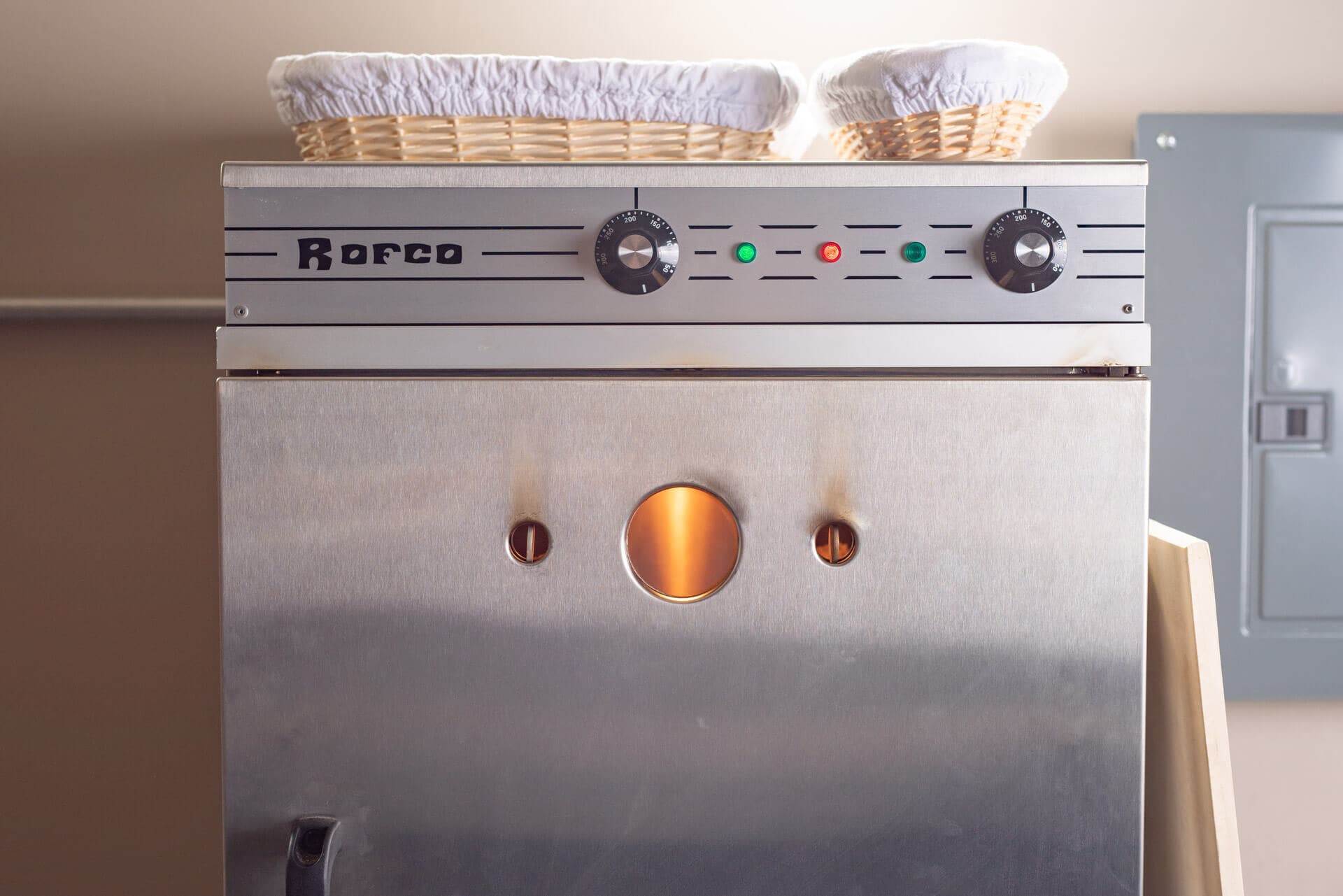
The Rofco B40 stands as a testament to Belgian engineering, purpose-built for the rigorous demands of bread baking. As the largest model in its series, the B40 features three distinct square baking decks, each engineered to provide optimal baking conditions. Its construction prioritizes durability and thermal efficiency, characterized by a robust, no-nonsense design and a sealed oven chamber that minimizes heat loss. This design choice is critical for maintaining consistent internal temperatures, a cornerstone of successful bread baking.
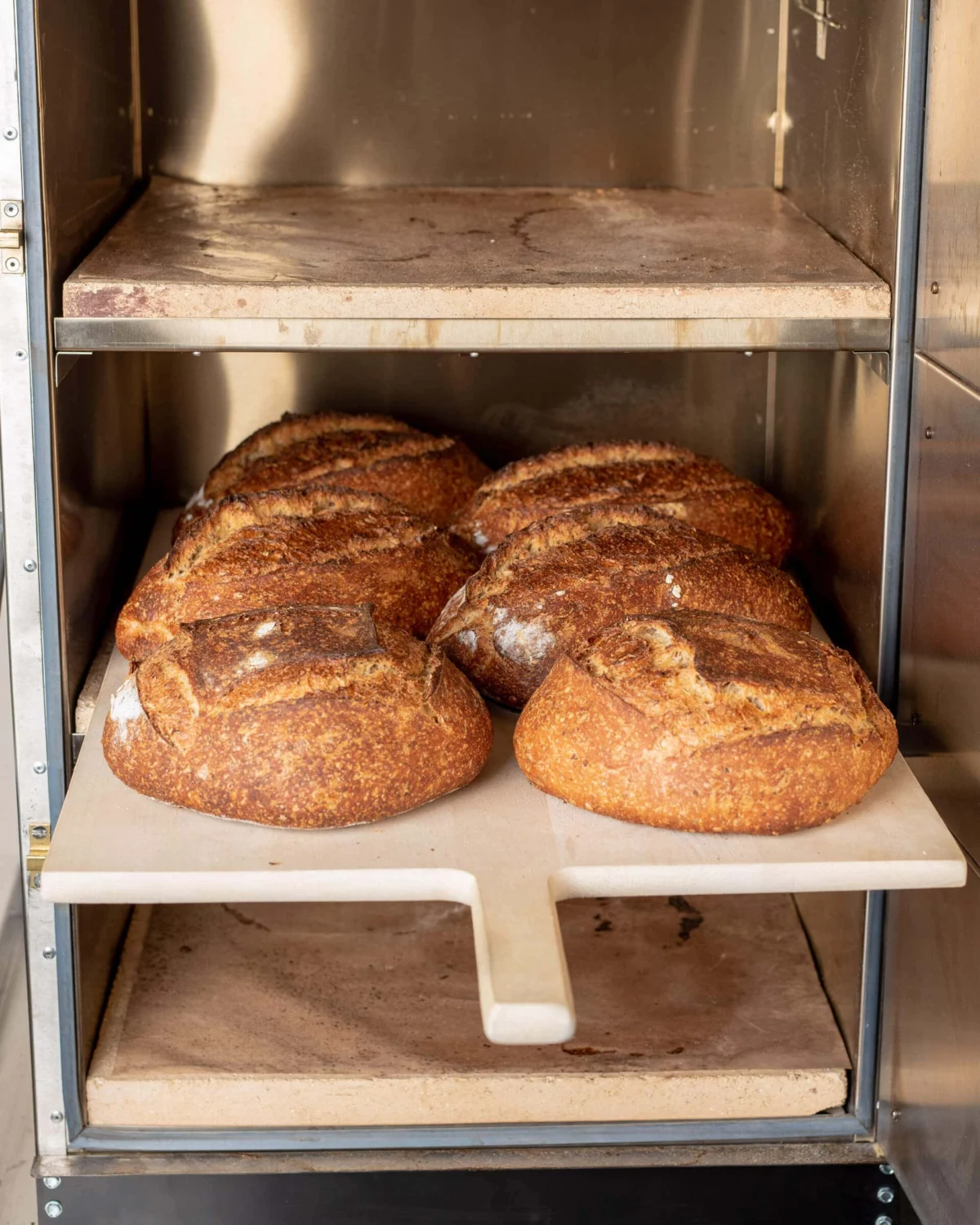
Central to the Rofco’s performance are its chamotte deck stones, each measuring a substantial 1-3/8 inches (approximately 3.5 cm) in thickness. Chamotte, a refractory material derived from fired clay, possesses exceptional thermal mass and heat retention properties. This allows the decks to absorb and radiate a significant amount of heat during the preheating phase, which is then stably maintained even after the oven door is opened for loading. The sustained radiant heat from these stones is instrumental in achieving a superior crust development and oven spring—the rapid expansion of dough during the initial stages of baking. Furthermore, the chamotte’s ability to retain heat for extended periods facilitates multiple back-to-back bakes with minimal recovery time, a crucial feature for high-volume production.
Despite its powerful capabilities, the Rofco B40 is remarkably compact, designed to minimize external radiant heat. While the oven’s exterior becomes warm to the touch, it avoids excessive heat dissipation into the surrounding environment, allowing for its placement in proximity to walls or other kitchen appliances without adverse effects.
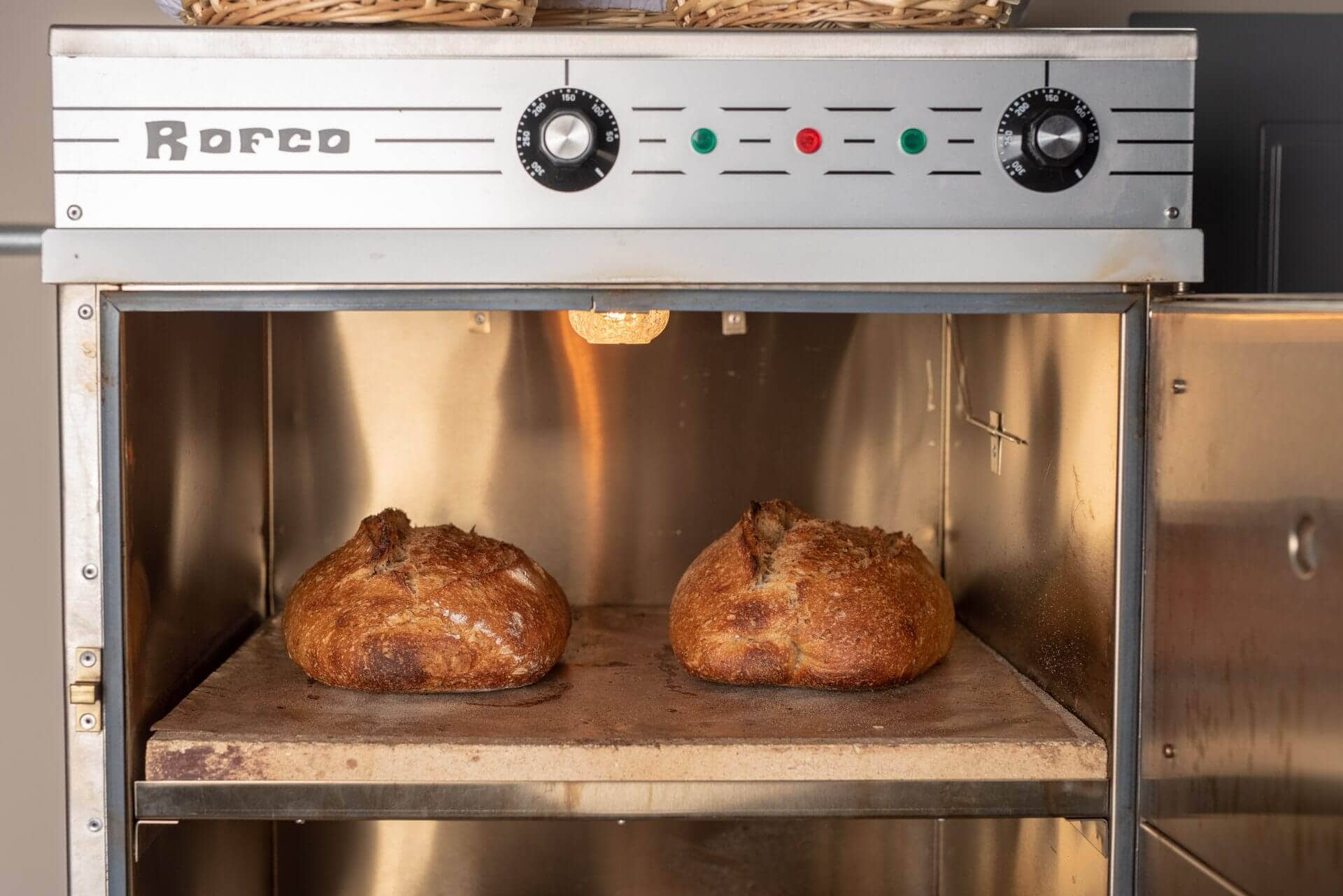
The oven operates on a standard 220V AC single-phase electrical supply, typically requiring a 6-20P cord plug and a compatible 6-20R receptacle. For many homes in regions like the US, this necessitates a dedicated electrical circuit installation by a certified electrician, ensuring both safety and optimal power delivery for the oven’s heating elements. This electrical requirement underscores its distinction from standard domestic appliances and positions it firmly within the category of specialized equipment.
Acquisition of such specialized equipment often involves suppliers catering to niche markets. Pleasant Hill Grain in the US, for instance, is frequently cited for its exceptional service and responsive support, providing a reliable channel for obtaining Rofco ovens and addressing any operational queries or minor component issues that may arise. This level of dedicated support is often a critical factor for bakers investing in professional-grade tools.
Operational Insights: Mastering Multi-Loaf Production
Efficient utilization of the Rofco B40’s baking capacity is akin to a strategic exercise in spatial optimization. The oven’s three 18.9-inch by 18.9-inch decks (approximately 48 cm x 48 cm) offer substantial surface area, but maximizing throughput while ensuring even baking requires careful dough placement.

Common configurations for bread loaves typically involve:
- Two 900g Batards per deck: This arrangement, where oval-shaped loaves are placed lengthwise, is frequently employed for its balance of capacity and space for oven spring.
- Two 800g Boules per deck: Round loaves (boules) require slightly more clearance due to their circumferential expansion, making this a common choice for smaller boules.
- Four 700g Loaves per deck: For smaller, perhaps more rustic, loaves, a four-per-deck configuration allows for significant batch production.
The strategic placement involves positioning loaves to allow adequate space for their expansion during baking, preventing them from touching and ensuring uniform heat exposure. The use of diagrams, with the top edge representing the back of the oven and the bottom edge the front (door side), assists bakers in visualizing optimal arrangements.
Beyond standard loaves, the Rofco B40’s versatility extends to other baked goods. The inclusion of square steel trays facilitates the baking of smaller items such as buns, rolls, or even a large square pizza. These trays simplify the loading and unloading of numerous small items and serve to contain any spills, maintaining oven cleanliness. The ability to switch between free-form loaves and tray-baked items significantly enhances the oven’s utility for diverse baking needs.
Optimizing the Bake: Techniques for Consistent Quality

Achieving consistent, high-quality results in the Rofco oven involves a refined understanding of preheating, steaming, and temperature management. While the Rofco is a robust workhorse, its manual steaming mechanism distinguishes it from professional ovens with integrated steam injection systems.
Steaming Protocols: Steam is paramount in the initial phase of bread baking, promoting maximum oven spring and developing a thin, crisp crust. The sealed chamber of the Rofco is advantageous in containing steam, but its introduction requires manual methods.
- High-Pressure Sprayer Method: A commercial-grade pressure sprayer, set to a fine mist, is a highly effective manual steaming tool. After loading the dough, a directed spray into each deck for 10-12 seconds ensures ample moisture. A crucial cautionary note involves avoiding direct spraying onto the glass-enclosed light fixture, as thermal shock can cause cracking. A second application of mist just before sealing the door enhances steam saturation.
- Steam Pods: Optional rectangular steel steam pods, placed on the sides of each deck, offer an alternative. Preheated with the oven, these pods release steam when water or ice cubes are poured into them. While effective, they occupy valuable deck space, a trade-off many high-volume bakers may find prohibitive.
Venting Steam: Post-initial baking, typically after the first 20 minutes, venting the steam is essential to transition from crust development to thorough baking and browning. This is achieved by carefully opening the oven door momentarily (allowing residual steam to escape) and then tilting the circular vents in the door to their open position.
Baking Process: A Structured Approach:
A standardized baking process, while subject to minor adjustments based on dough type, provides a reliable framework:
- Preheat (Door & Vents Closed): The oven is turned on, with both top and bottom heating elements (controlled by separate knobs) set to 240°C (464°F). A 1.5-hour preheat ensures the chamotte bricks are fully heat-saturated, guaranteeing stable temperatures throughout the bake. During preheat, it is critical to ensure the oven is empty, particularly free of silicone sheets or other accessories that could be damaged.
- Dough Loading: A large wooden pizza peel, preferably one that matches the deck width, simplifies the loading process. Dough is turned out onto silicone sheets, scored, and then slid onto the preheated decks using the peel. An assembly-line approach with multiple silicone sheets optimizes efficiency.
- Initial Bake (with Steam): Following dough loading and steaming, the temperature is set to 150°C (302°F) for 20 minutes. This phase maximizes oven spring and begins crust formation in a high-humidity environment.
- Vent Steam & Continue Bake: After 20 minutes, the oven door is briefly opened to release accumulated steam, and the vents are opened. The temperature is then increased to 220°C (428°F) for 10 minutes. This promotes drying of the crust and further browning.
- Final Bake (Optional Loaf Reshuffling): The temperature is reduced to 150°C (302°F) for an additional 20-30 minutes. During this stage, loaves can be reshuffled if necessary to ensure even browning across all decks.
- Unloading & Cooling: Once fully baked, loaves are removed with the peel and transferred to wire racks for cooling. The oven is then either turned off or reset to 240°C for subsequent batches.
Essential Ancillary Equipment for Enhanced Workflow
The Rofco B40’s efficiency is further amplified by the strategic integration of complementary tools:
- Electric Spray Bottle: Moving beyond traditional hand-pump sprayers, an electric spray bottle (e.g., the Electric Spray Bottle) offers a consistent, fine mist at the touch of a button, significantly improving the efficacy and convenience of manual steaming. This upgrade reflects the continuous pursuit of efficiency in professional home baking.
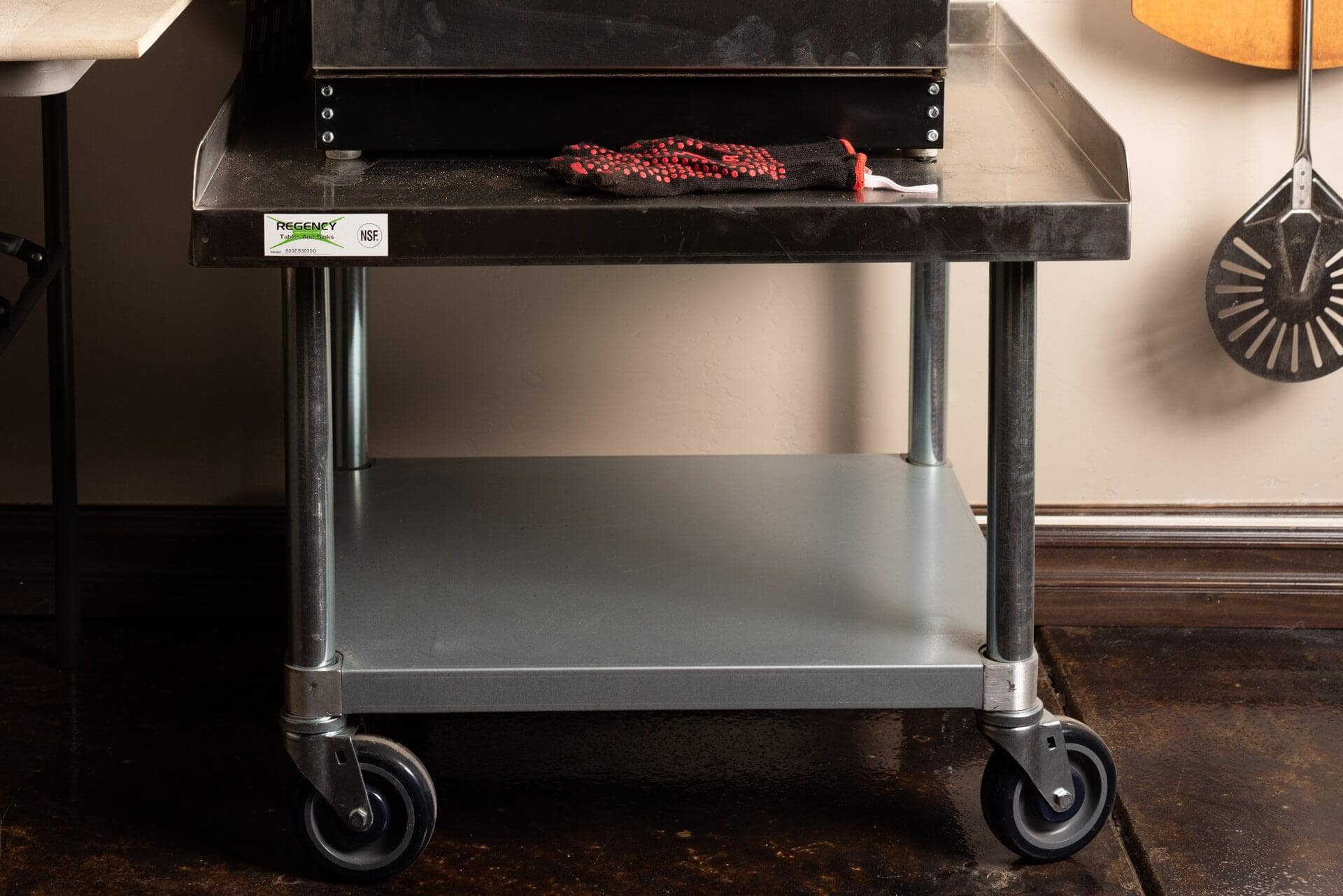
- Oven Equipment Stand: Elevating the Rofco oven to a comfortable working height is crucial for ergonomic loading and unloading. A robust stainless steel equipment stand, such as the Regency 30" x 30" 16-Gauge Stand, custom-cut to approximately 18 inches (45 cm) in height, positions the oven optimally. The optional addition of locking casters provides mobility for cleaning or relocation, though a fixed stand can offer greater structural rigidity for intense use.
- Large Wooden Pizza Peel: An appropriately sized wooden peel, like the American Metalcraft 1836 (18" x 29 1/2" with a 6 1/2" handle), becomes indispensable. Its width, closely matching the Rofco’s deck dimensions (18.9"), allows for precise loading and unloading of multiple loaves on silicone sheets, streamlining the transfer process and preventing damage to delicate dough.
- Silicone Baking Sheets: These non-stick, heat-resistant sheets are essential for easy dough transfer and clean baking, providing a reusable alternative to parchment paper.
Post-Baking Utility: Maximizing Oven Efficiency
Beyond baking, the residual heat within the Rofco oven can be strategically utilized. Immediately after unloading the baked bread, placing proofing baskets (bannetons) into the still-warm oven efficiently expedites their drying. This practice is vital for preventing mold growth and ensuring the longevity and hygiene of baking equipment, further highlighting the oven’s multi-functional utility in a busy baking environment.

Economic and Cultural Implications for Home Baking
The investment in a Rofco oven signifies more than just a purchase of equipment; it represents a commitment to a higher echelon of home baking. This trend has several broader implications:
- Empowerment of Micro-Bakers: For aspiring nano or micro-bakeries, the Rofco provides an accessible entry point into commercial-scale production without the prohibitive costs and space requirements of full industrial ovens. It enables individuals to test market demand, sell at farmers’ markets, or supply local businesses, fostering entrepreneurship within the culinary sphere.
- Elevating Home Baking Standards: The availability of such equipment pushes the boundaries of what is achievable in a home kitchen, blurring the lines between amateur and professional output. This raises the overall quality and sophistication of home-baked goods, influencing consumer expectations and fostering a more discerning palate.
- Community and Knowledge Sharing: The adoption of specialized equipment often creates dedicated communities of users who share tips, tricks, and optimized processes. Online forums and guides, like the one this article is based on, become invaluable resources for collective learning and problem-solving, accelerating the learning curve for new users.
- Energy Considerations: While requiring a dedicated circuit, the Rofco’s efficient heat retention properties mean that, for multiple consecutive bakes, its energy consumption per loaf can be more efficient than repeatedly heating and cooling a less insulated standard home oven. This efficiency is a critical factor for high-volume producers.
The Future of Advanced Home Baking
The trajectory of advanced home baking points towards continued innovation and the increasing accessibility of specialized tools. While the initial learning curve with any new equipment, including the Rofco, may present a temporary dip in baking quality, persistence and adherence to established protocols quickly yield superior results. As the artisanal bread movement continues to flourish, the demand for robust, efficient, and reliable ovens like the Rofco B40 will undoubtedly grow. Its role in enabling dedicated bakers to scale their passion, from personal enjoyment to potential commercial ventures, solidifies its position as a cornerstone piece of equipment in the modern, high-performance home kitchen. The emphasis on community support, detailed guides, and responsive distributors ensures that this evolution in baking technology is met with robust educational and logistical backing, fostering a vibrant and ever-expanding ecosystem of skilled bread producers.