
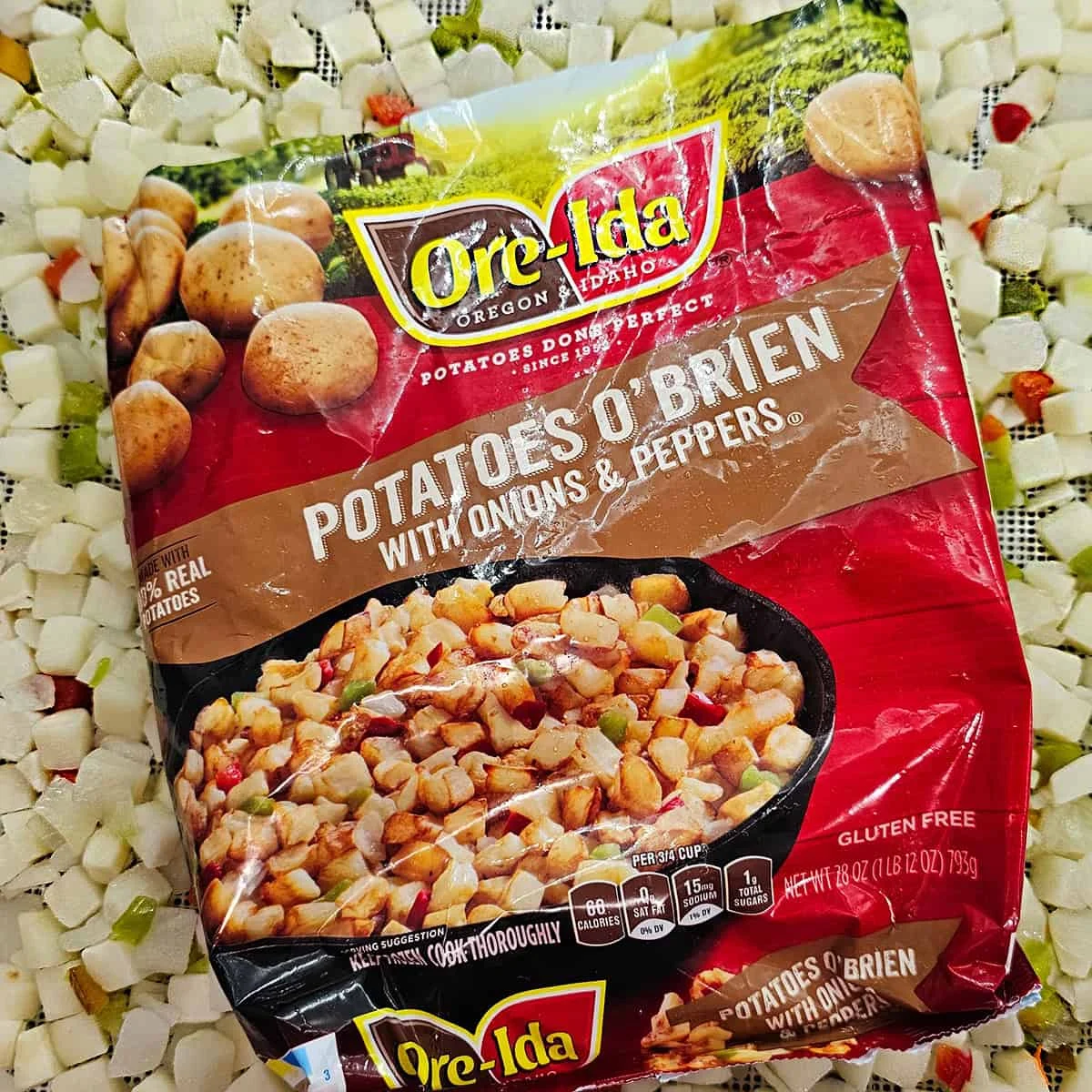
The practice of dehydrating frozen potato products, such as Potatoes O’Brien, has emerged as a sophisticated method for home food preservationists to maximize storage efficiency and extend the shelf life of perishable goods. By converting frozen, pre-processed vegetables into shelf-stable pantry staples, consumers can significantly reduce their reliance on mechanical refrigeration, mitigate the risks associated with long-term freezer storage—such as freezer burn and power outages—and optimize available cubic footage for items that require sub-zero temperatures. This transition from the "cold chain" to dry storage represents a strategic approach to household resource management and emergency preparedness.
The Technical Foundation of Frozen Potato Dehydration
Frozen potato products, including diced varieties and hash browns, are uniquely suited for dehydration because they have undergone industrial pre-processing. In commercial facilities, potatoes are typically washed, peeled, diced, and, crucially, blanched. Blanching is a thermal process that inactivates enzymes such as polyphenol oxidase, which otherwise causes browning and off-flavors during storage. For the home preservationist, this eliminates the most labor-intensive steps of potato dehydration: peeling, uniform cutting, and the precise timing required for home-based blanching.
Potatoes O’Brien, a specific blend of diced potatoes, onions, and bell peppers, presents a multifaceted dehydration project. Because the vegetables are flash-frozen at the peak of freshness, the cellular structure is preserved in a manner that allows for efficient moisture removal. The process involves the sublimation of ice crystals and the subsequent evaporation of residual moisture, resulting in a product that occupies approximately one-third of its original volume and a fraction of its original weight.
Procedural Chronology for Professional-Grade Results
The transition of frozen potatoes to a shelf-stable state follows a rigorous protocol to ensure food safety and product quality. Unlike fresh produce, frozen potatoes do not require thawing prior to the dehydration process, which prevents the development of pathogens and maintains the structural integrity of the starch.
-
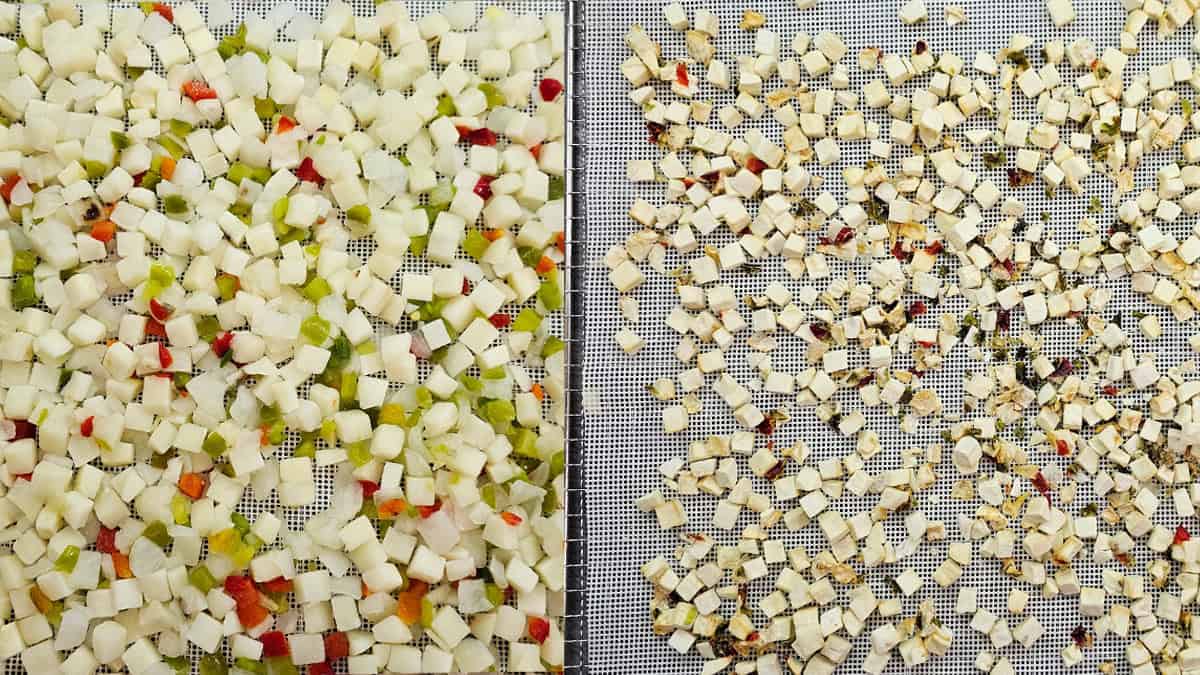
Preparation and Tray Loading: Frozen Potatoes O’Brien are removed from their packaging and distributed across dehydrator trays. It is imperative to use mesh liners or "fruit leather" sheets if the dice size is small enough to fall through standard tray grids. The product must be spread in a single, even layer to ensure uniform airflow. Overcrowding trays leads to uneven drying and potential "case hardening," where the exterior dries too quickly, trapping moisture inside.
-
Temperature Calibration: The dehydrator is set to 125°F (52°C). This specific temperature is calibrated to balance two needs: it is high enough to inhibit microbial growth during the initial drying phase but low enough to prevent the cooking of the potato starch. High temperatures (above 140°F) can cause the exterior of the potato to seal, preventing internal moisture from escaping and leading to internal spoilage.
-
The Drying Duration: The process typically requires between 8 and 12 hours. This duration is contingent upon several variables, including the ambient humidity of the room, the specific model of dehydrator (vertical flow vs. horizontal flow), and the moisture content of the peppers and onions included in the O’Brien mix.
-
Testing for Dryness: The potatoes are considered fully dehydrated when they achieve a "clink" test standard. When dropped onto a hard surface, they should produce a metallic sound rather than a dull thud. They must be hard, brittle, and show no signs of flexibility. If the peppers or onions remain leathery, the entire batch requires additional time.
-
Conditioning and Storage: Once cooled, the product must undergo "conditioning." This involves placing the dried potatoes in a clear, airtight container for several days, shaking it daily. If any condensation appears on the walls of the container, the batch must be returned to the dehydrator. Once conditioned, the potatoes are vacuum-sealed or stored in Mylar bags with oxygen absorbers for long-term stability.
Supporting Data: Economics and Efficiency
The shift toward dehydrating frozen assets is supported by significant data regarding energy consumption and food waste. According to the U.S. Department of Agriculture (USDA), freezer burn affects approximately 15% of frozen vegetables stored longer than six months, leading to significant caloric and financial loss. Dehydration effectively eliminates the risk of freezer burn.
From an energy perspective, a standard chest freezer consumes between 300 and 600 kilowatt-hours (kWh) per year. By reducing the volume of frozen goods, consumers can potentially downsize their refrigeration needs or ensure that the remaining frozen items—such as high-value proteins or dairy—are stored with better air circulation, which improves the appliance’s efficiency. Furthermore, in the event of a prolonged power grid failure, dehydrated potatoes remain safe for consumption, whereas frozen stocks would perish within 48 to 72 hours.
Analysis of Suitability: Selecting the Right Potato Products
Not all frozen potato products are candidates for dehydration. Journalistic investigation into food science reveals a clear distinction based on lipid content. Products such as French fries, tater tots, or seasoned "wedges" often contain added oils or fats used during the industrial par-frying process.
Lipids are highly susceptible to oxidative rancidity when exposed to oxygen and room temperatures. Therefore, only "clean" frozen potatoes—those containing only potatoes and perhaps salt or minor preservatives like sodium acid pyrophosphate (used to maintain color)—should be selected for dehydration. Potatoes O’Brien are typically acceptable as they are usually oil-free, but consumers are advised to audit the ingredient list for any fats that could compromise long-term shelf stability.
Culinary Applications and Rehydration Protocols
The utility of dehydrated Potatoes O’Brien extends beyond simple storage. The rehydration process is straightforward, requiring a 1:1 ratio of boiling water to dried product. Soaking for 15 to 20 minutes allows the potato starch to absorb moisture, returning the dice to a state nearly identical to fresh-cut potatoes.
In a culinary context, these potatoes are highly versatile. They can be integrated directly into liquid-based dishes, such as corn chowders, beef stews, or vegetable soups, without prior rehydration. The simmering liquid of the soup serves as the rehydrating agent. For dry applications, such as breakfast hashes or casseroles like Shepherd’s Pie, the potatoes are rehydrated, patted dry to remove surface moisture, and then seared in a skillet to achieve a crisp texture.
Broader Impact on Food Security and Industry Trends
The practice of home dehydration of frozen goods reflects a broader trend in the "Purposeful Pantry" movement, which emphasizes food sovereignty and waste reduction. As global supply chains face increasing volatility due to geopolitical tensions and climate-related disruptions, the ability to convert store-bought frozen goods into multi-year shelf-stable rations provides a layer of domestic security.
Industry experts note that while the commercial freeze-drying market is expanding, home dehydration remains the more accessible and cost-effective entry point for the average consumer. The equipment required is relatively inexpensive, and the skill set is easily acquired. By leveraging the industrial labor already invested in frozen potatoes (the washing, peeling, and blanching), the home consumer is essentially completing a two-stage preservation process that results in a highly resilient food supply.
Conclusion and Future Implications
The dehydration of frozen Potatoes O’Brien is more than a kitchen hobby; it is a tactical application of food science that addresses modern challenges of space, energy, and security. By understanding the mechanics of blanching, the physics of evaporation, and the risks of lipid oxidation, individuals can transform their food storage systems. As urban living spaces shrink and the cost of energy rises, the migration of calories from the freezer to the pantry shelf is likely to become a standard practice in the modern household. This method ensures that the "important things," whether they be emergency reserves or supplemental freezer space for other perishables, are managed with maximum efficiency and foresight.


