
The global herbal medicine market, valued at approximately $201.66 billion in 2023, is projected to expand at a compound annual growth rate (CAGR) of 11.16% through 2030, reflecting a significant shift in consumer behavior toward natural and plant-based wellness solutions. As the holiday season approaches, the demand for specialized botanical tools, organic raw materials, and educational resources has reached an all-time high. This comprehensive guide serves as a technical roadmap for selecting high-quality gifts tailored to the needs of herbalists, ranging from those establishing their first home apothecary to seasoned practitioners refining their clinical craft.

The Foundation of the Apothecary: Bulk Botanical Sourcing
The efficacy of any herbal protocol is fundamentally dependent on the quality of the raw materials. For the modern herbalist, sourcing organic, non-irradiated, and sustainably harvested herbs is a primary concern. Industry leaders such as Mountain Rose Herbs have set the gold standard for botanical commerce, providing a diverse inventory that serves as the backbone for tinctures, infusions, and topical applications.
When selecting herbs for a gift set, practitioners often categorize them by their therapeutic actions. High-demand botanicals for the 2024 season include:
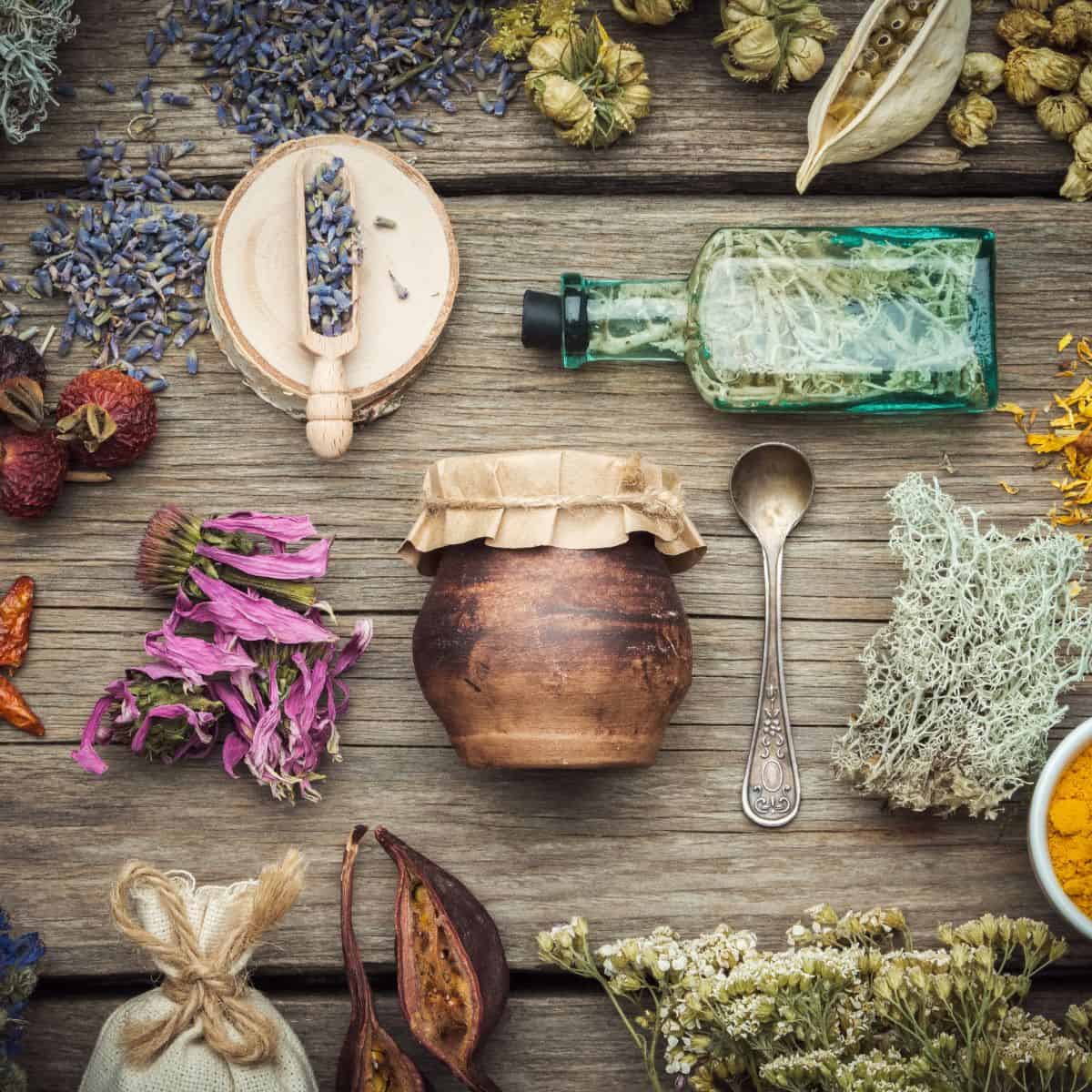
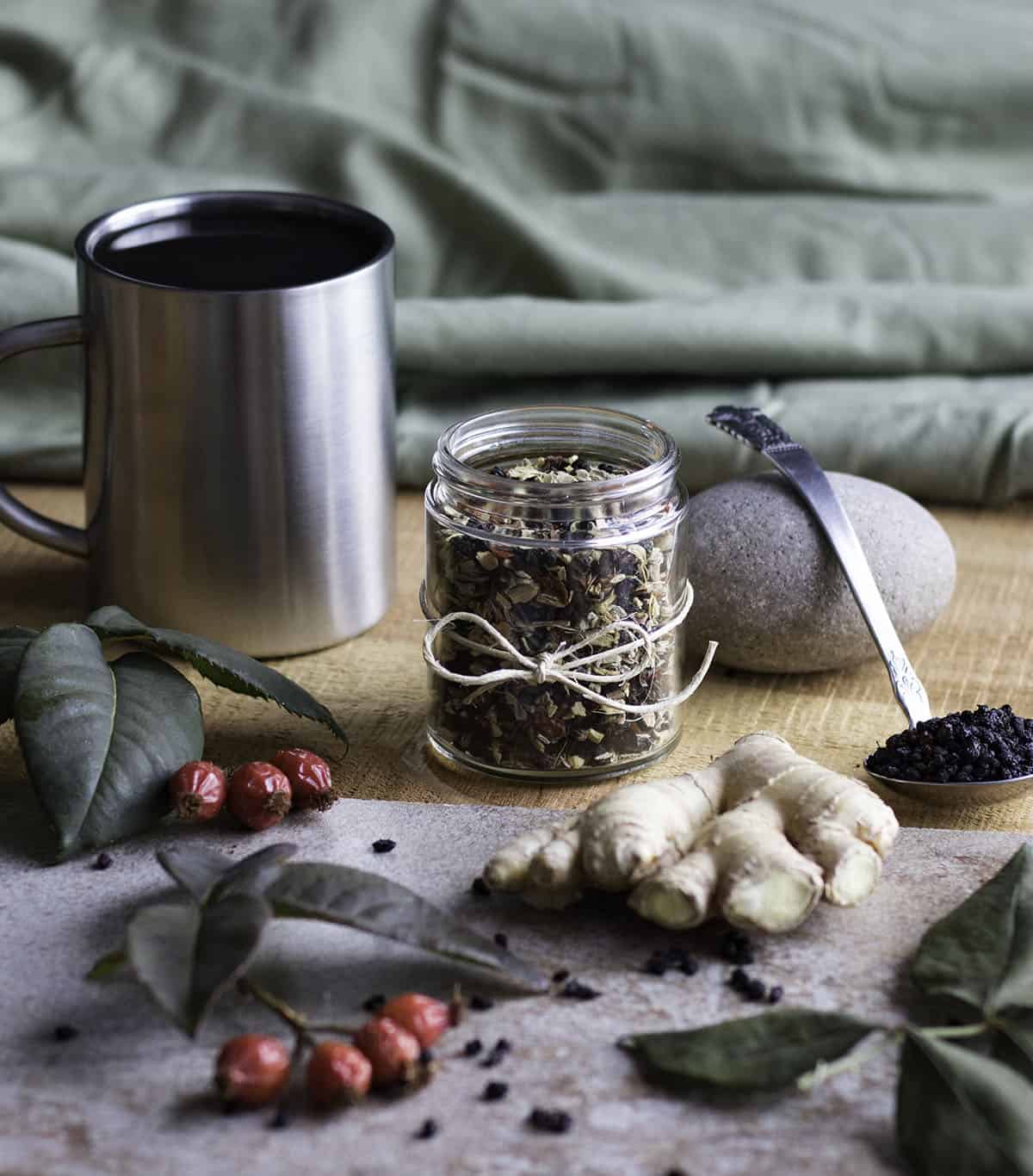
- Immune-Modulating Agents: Elderberry (Sambucus nigra) and Echinacea (Echinacea purpurea) remain staples for winter wellness kits.
- Nervines and Anxiolytics: Lavender (Lavandula angustifolia), Lemon Balm (Melissa officinalis), and Chamomile (Matricaria chamomilla) are essential for addressing modern stress and sleep hygiene.
- Topical Vulneraries: Calendula (Calendula officinalis) and Comfrey (Symphytum officinale) are prized for their skin-soothing properties in salves and oils.
- Culinary and Medicinal Hybrids: Rosemary, Peppermint, and Nettle leaf offer dual-purpose utility in both the kitchen and the clinic.
Precision Equipment for Extraction and Storage
The transition from a casual interest in herbs to a disciplined practice requires specific laboratory-grade equipment. The extraction of active plant constituents—whether through water, alcohol, vinegar, or oil—demands precise environmental controls and durable storage solutions.
Specialized Glassware and Storage
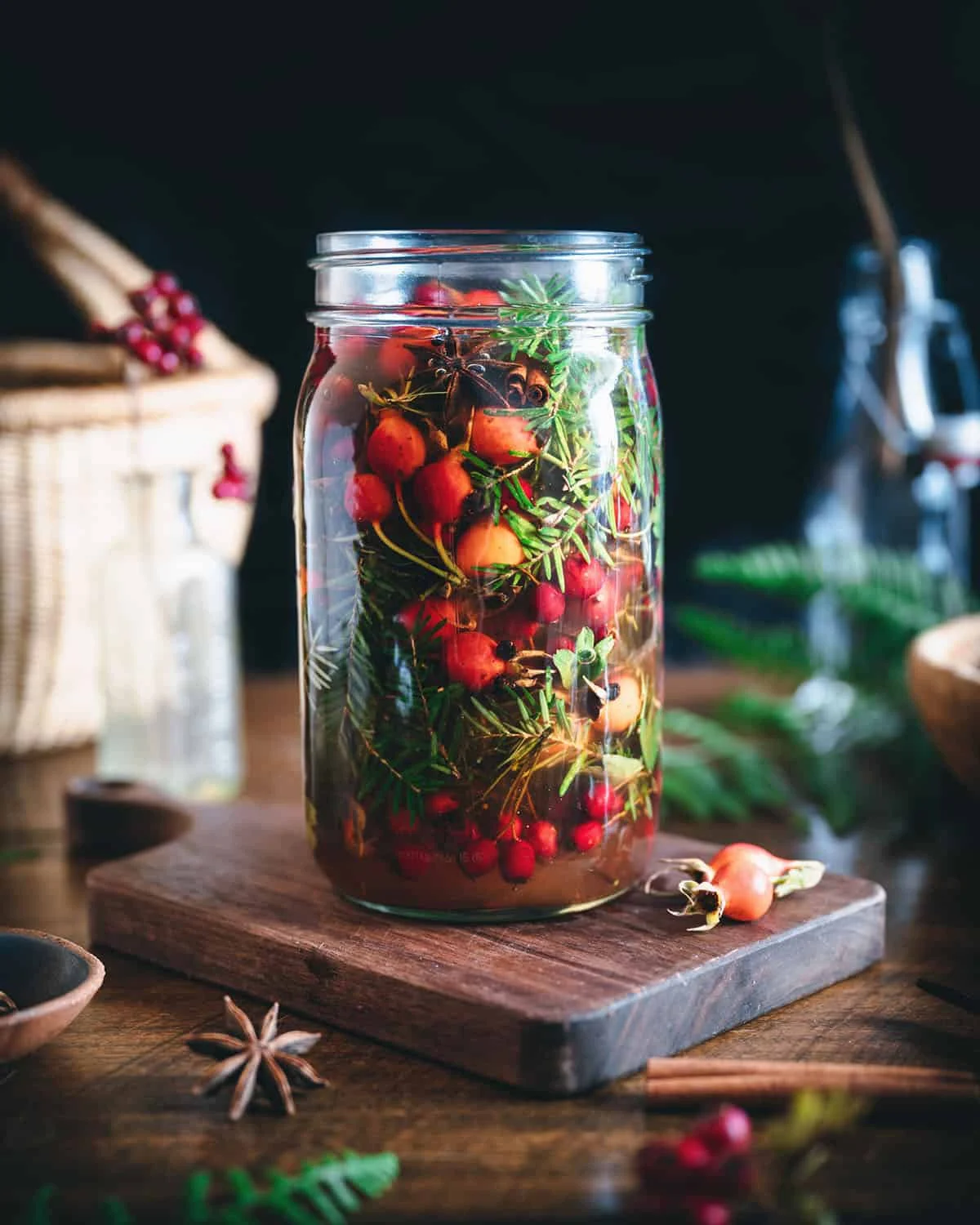
Mason jars are the ubiquitous vessel of the herbal world, utilized for solar infusions, macerations, and bulk storage. However, the technical requirement for airtight seals has led to the rise of specialized accessories. Leak-proof storage lids, such as those manufactured by Ball, are critical for practitioners who must regularly agitate tincture macerations without risking oxidation or leakage.
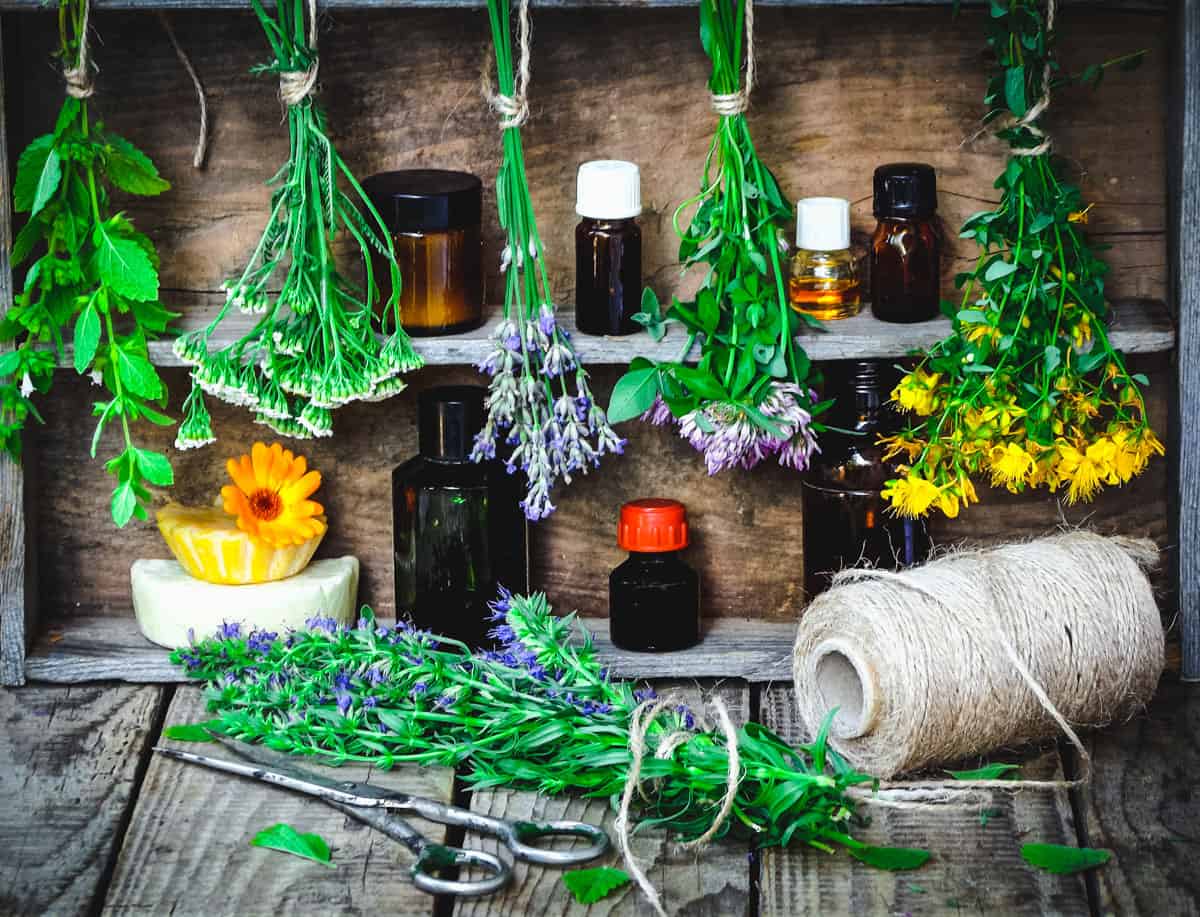
For finished products, amber or cobalt glass is preferred to protect light-sensitive compounds from UV degradation. A professional gift set should include:
- Tincture Bottles: 1-ounce and 2-ounce Boston Round bottles equipped with graduated glass droppers.
- Syrup Carafes: Spherical or square glass bottles with natural cork or mechanical swing-top seals for elixirs and oxymels.
- Salve Tins: Shallow aluminum or tin-plated steel containers for topical balms and lip treatments.
Filtration and Processing Tools
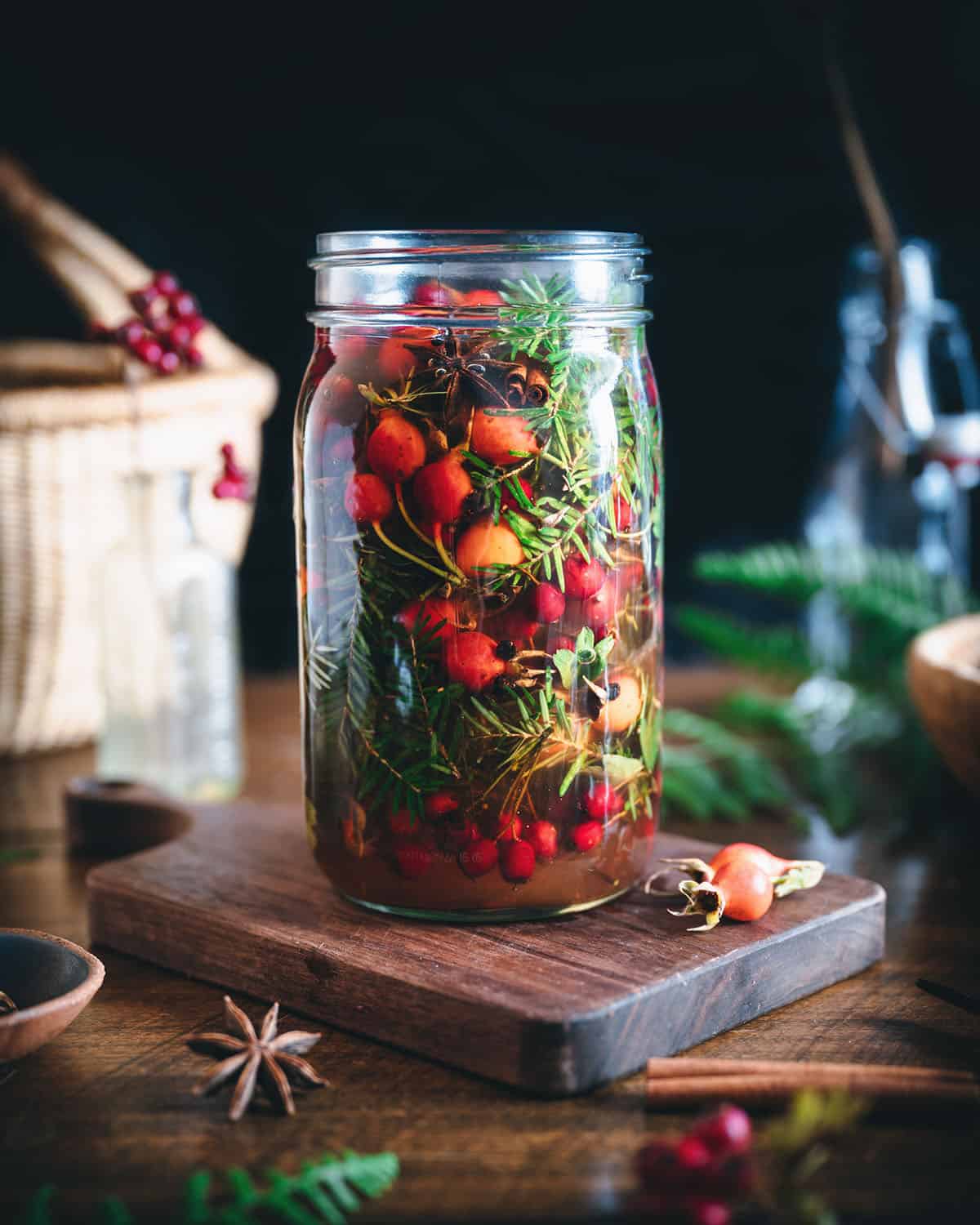
The clarity of an herbal extract is a marker of professional quality. Stainless steel fine-mesh strainers and multi-sized funnels are essential for the "pressing" stage of herbal preparation. High-quality 18/8 stainless steel is recommended to prevent reactive metals from leaching into acidic preparations, such as herbal vinegars or fire ciders.
The Ritual of Infusion: Tea Culture and Accessories
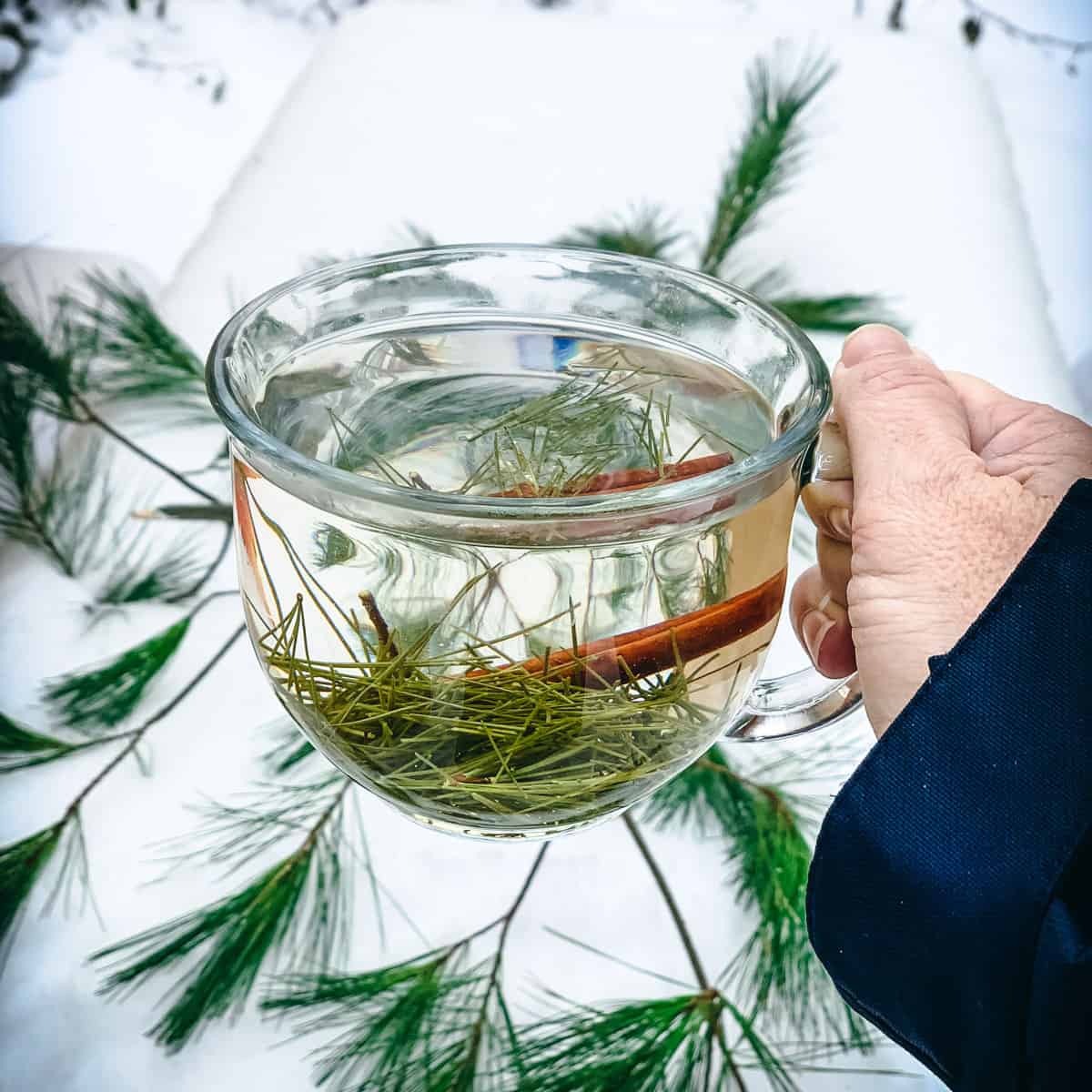
Herbal tea, or tisane, remains the most accessible form of herbal medicine. The global herbal tea market is experiencing a resurgence, driven by a "sober curious" movement and a general pivot away from caffeinated stimulants.
For the herbalist, the brewing process is a precise science involving water temperature and steep times. Glass teapots manufactured from borosilicate glass allow the practitioner to observe the "agony of the leaf"—the unfolding of dried botanicals—while monitoring the pigment extraction, which often indicates the strength of the infusion. Alternatively, cast iron teapots (Tetsubin style) are favored for their superior heat retention during long-steeping nutritive infusions, such as those involving mineral-rich nettles or oat straw.
Raw Materials for Topical Formulations
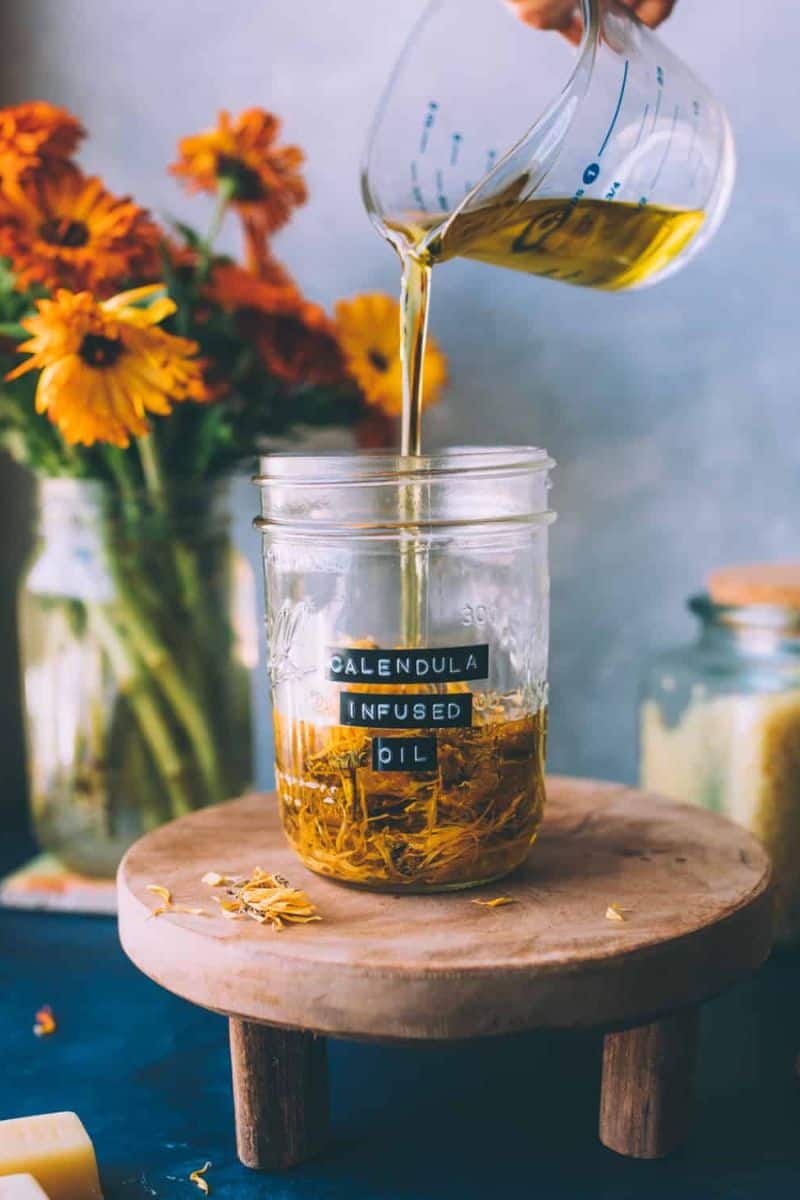
Herbalism extends beyond internal consumption into the realm of botanical skincare. The "Clean Beauty" movement has empowered herbalists to formulate their own bio-active topicals. To support this, gift-givers should look toward high-grade carrier oils and texturizing agents.
- Beeswax: Yellow, unrefined beeswax pellets are essential for creating the barrier properties in salves and lotion bars.
- Carrier Oils: Organic Jojoba, Sweet Almond, and Avocado oils serve as the lipid base for extracting oil-soluble constituents like resins and essential oils.
- Essential Oils: While used sparingly, therapeutic-grade essential oils are utilized to enhance the aromatic and medicinal profiles of topical products.
Intellectual Capital: Education and Reference Literature
As the field of herbalism becomes increasingly professionalized, the value of formal education has grown. The "Information Age" of herbalism has shifted from anecdotal folklore to evidence-based practice, creating a demand for rigorous educational resources.
Online Learning Platforms
The Herbal Academy has emerged as a premier institution for digital botanical education. Their curriculum ranges from "Introductory Herbalism" to specialized "Clinical" and "Entrepreneurial" pathways. Gifting a course enrollment provides the recipient with a structured framework, peer networking, and recognized certification.
Essential Standard Texts
A robust herbal library is a prerequisite for safe and effective practice. Several key texts are considered industry standards:
- Healing Herbal Infusions by Colleen Codekas: A practical guide for creating home remedies.
- The Herbal Medicine-Maker’s Handbook by James Green: A technical manual on extraction methods.
- Medical Herbalism by David Hoffmann: A clinical-grade reference for pathophysiology and botanical therapeutics.
- Botanical Skin Care Recipe Book: A specialized compendium for cosmetic formulation.
Chronology of the Modern Herbal Movement
The current surge in herbal interest can be traced through a specific timeline of cultural and economic shifts:
- 2010–2015: The "DIY" movement gains traction via social media, reviving interest in traditional crafts and home-scale food production.
- 2016–2019: The "Wellness Industrial Complex" expands, mainstreaming adaptogens like Ashwagandha and Reishi mushroom.
- 2020–2022: The global pandemic triggers a massive spike in self-care and immune-support awareness, leading to a 50% increase in herbal supplement sales in some sectors.
- 2023–2024: A focus on "Regenerative Herbalism" emerges, emphasizing ethical wildcrafting, soil health, and local sourcing.
Analysis of Broader Impact and Market Implications
The proliferation of herbalism represents more than a hobbyist trend; it signifies a broader movement toward medical pluralism and health sovereignty. As consumers become more educated, they are demanding transparency in the botanical supply chain. This has forced retailers to prioritize organic certification and fair-trade practices.
From an economic perspective, the rise of the "home herbalist" has fueled a secondary market for small-scale laboratory equipment and organic agricultural products. This decentralization of wellness allows individuals to manage minor ailments at home, potentially reducing the burden on primary care systems for non-emergency issues. However, analysts note that this shift also highlights the need for continued education regarding herb-drug interactions and the importance of consulting with qualified healthcare professionals.
In conclusion, the ideal gift for an herbalist is one that balances utility with quality. Whether it is a high-borosilicate glass teapot, a professional-grade course in botanical constituents, or a simple collection of organic Mason jars, these tools empower the practitioner to bridge the gap between ancient tradition and modern wellness science. As we move into 2025, the role of the herbalist as a community health resource is expected to solidify, making the tools of the trade more valuable than ever.


