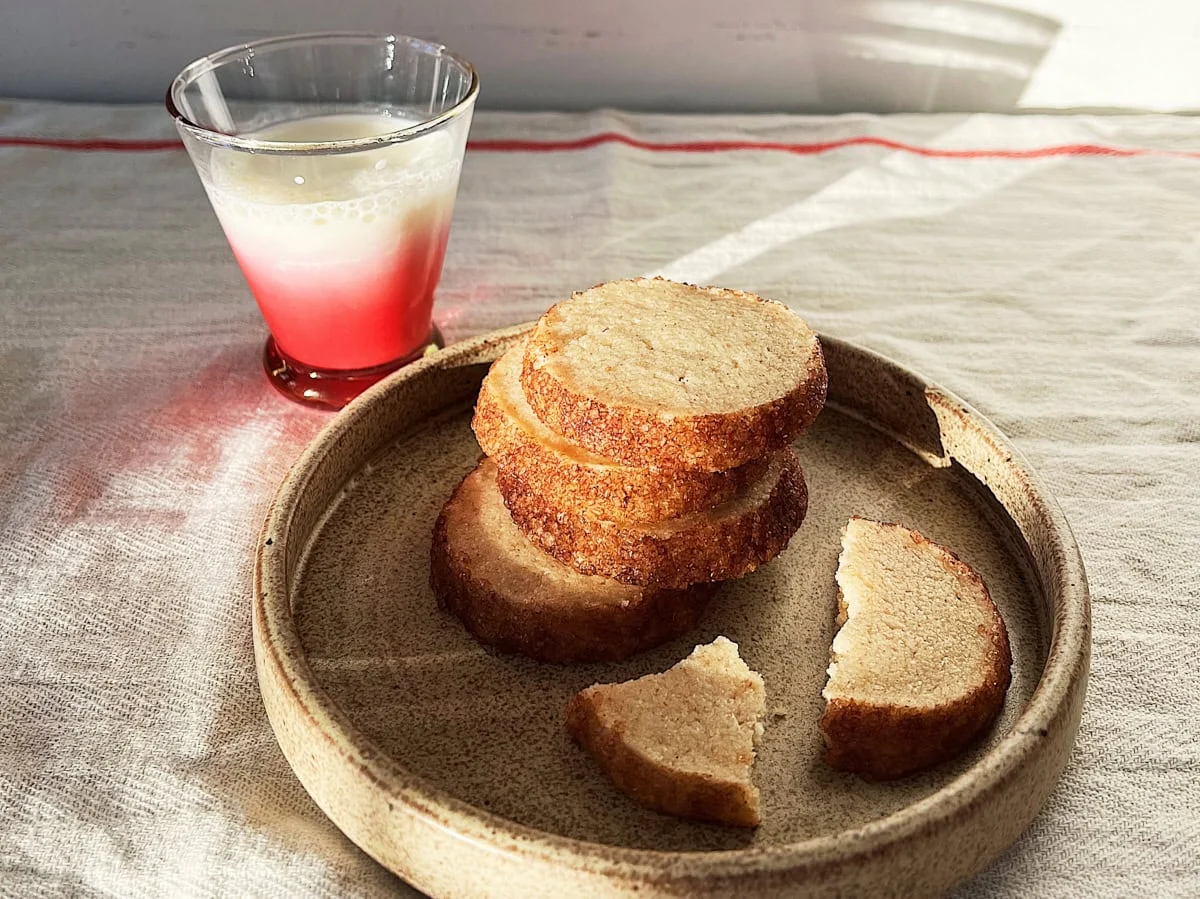
The culinary landscape continues to evolve, with home bakers increasingly seeking recipes that balance gourmet appeal with practical efficiency. A recent development gaining traction, particularly as the holiday season approaches, is the emergence of simple vanilla slice-and-bake sourdough discard cookies, notably a "cinnamon toast" variant. This innovative recipe streamlines the typically time-consuming process of holiday baking, offering a high-yield solution without compromising on flavor or texture, making it an ideal candidate for widespread adoption in domestic kitchens.
The Strategic Advantage of Slice-and-Bake Methodologies
The appeal of slice-and-bake cookies lies primarily in their unparalleled convenience and adaptability to modern lifestyles. Unlike traditional methods that demand continuous attention for scooping, rolling, or intricate decorating, the slice-and-bake approach allows for significant temporal flexibility. Dough preparation, often a one-bowl affair, can be compartmentalized, enabling bakers to spread the effort over several shifts rather than dedicating a large, uninterrupted block of time. This methodology is particularly pertinent during high-demand periods such such as the holiday season, where time is a premium commodity. A single batch of this particular recipe yields a substantial quantity of cookies, addressing the need for volume without an commensurate increase in labor, positioning it as a strategic asset for gatherings, gifting, and everyday enjoyment.
Harnessing Sourdough Discard: A Sustainable Culinary Trend
The integration of sourdough starter discard into cookie recipes represents a notable trend towards sustainable and resourceful baking. Sourdough baking itself has witnessed a significant resurgence in recent years, propelled by a growing interest in artisanal bread-making and fermented foods. However, the regular maintenance of a sourdough starter inevitably generates "discard" – the portion of the starter removed before feeding – which often goes unused. Recipes like these vanilla cinnamon toast cookies provide a practical and delicious avenue for utilizing this byproduct, reducing food waste while simultaneously imparting a subtle, sophisticated tang to the baked goods. This tangy note from the unfed, 100% hydration sourdough starter discard (approximately 70 grams or 5 tablespoons in this recipe) beautifully complements the sweetness and richness of the other ingredients, elevating the cookie’s flavor profile beyond that of a conventional shortbread.
The historical context of sourdough dates back millennia, a testament to its enduring appeal and adaptability. Its recent resurgence, particularly during periods of increased home activity, underscored a broader consumer desire for authentic, homemade products. The development of discard recipes, initially focused on pancakes and crackers, has expanded considerably, with cookies representing a natural progression that maximizes ingredient utility and culinary creativity.
Optimizing Texture and Flavor: A Deep Dive into Ingredient Ratios
A critical innovation within this recipe concerns the departure from standard cookie dough ratios. Traditional cookie formulations often adhere to a ratio of one part sugar, two parts butter, and three parts flour by weight. While effective for certain cookie types, this proportion can result in a stiffer, more flour-heavy slice-and-bake cookie, especially in varieties lacking significant sugar content, chewiness, or aeration from eggs. This particular recipe strategically adjusts these proportions to achieve a superior texture. By utilizing 250 grams (2 cups) of all-purpose flour, augmented by an additional 35 grams derived from the sourdough starter discard, against 150 grams (3/4 cup) of granulated sugar and 226 grams (1 cup, 2 sticks) of unsalted butter, the ratio shifts closer to 1 : 1½ : just under 2 (sugar:butter:flour). This modification yields a dough that is notably less stiff and floury, contributing to a more tender, melt-in-your-mouth cookie that retains its structural integrity without becoming overly dense.
The precise balance of ingredients is paramount. The slightly higher butter content, relative to flour, is crucial for achieving the desired tenderness. The inherent moisture from the sourdough discard also plays a role, necessitating careful consideration of baking times to ensure optimal doneness. Culinary experts suggest that such nuanced adjustments in foundational ratios often signify a deeper understanding of ingredient interactions and their impact on final product characteristics, allowing for tailored outcomes that cater to specific textural preferences.
The Unsung Hero: The Role of Premium Ingredients
Given the simplicity of the dough, the quality of each ingredient becomes acutely pronounced. In this recipe, the choice of butter is highlighted as a significant determinant of the final flavor. European-style butter, known for its higher fat content and often richer, more complex flavor profile compared to its American counterparts, is particularly recommended. Its superior taste translates directly into the buttery essence of the cookie, providing a foundation that elevates the entire experience. This emphasis on quality resonates with a broader consumer trend towards premiumization in home cooking, where discerning bakers are willing to invest in better ingredients for a more distinguished result.
Beyond butter, the application of Demerara sugar and cinnamon for the exterior coating is fundamental to the "cinnamon toast" nomenclature. Demerara sugar, with its larger crystals and subtle molasses notes, provides a satisfying crunch and a more complex sweetness than standard granulated sugar, while cinnamon offers its characteristic warmth and aromatic spice. This combination evokes a sense of nostalgic comfort, reminiscent of a beloved breakfast staple, yet presented in an elegant cookie format. The simple, yet impactful, choice of these ingredients demonstrates how foundational components, when carefully selected, can dramatically enhance the sensory appeal of a baked good.
Beyond the Basic: Customization and Flavor Innovation
While the core vanilla and cinnamon profile offers a classic and universally appealing experience, the recipe is designed with inherent versatility, allowing for extensive customization. Culinary professionals and home bakers alike frequently seek opportunities to personalize recipes, catering to diverse palates or seasonal availability. The dough readily accepts various flavor enhancements:
- Citrus Zest: Up to 2 tablespoons of lemon, grapefruit, or orange zest can be rubbed into the sugar before creaming with butter, introducing bright, aromatic notes.
- Alternative Extracts: Beyond vanilla, extracts such as rose water, orange flower water, or almond extract can be incorporated. Due to their potency, a smaller initial quantity (e.g., ¼ teaspoon) is advised, with gradual increases based on desired intensity.
- Nutty Undertones: One teaspoon of toasted sesame oil can infuse the cookies with a distinctive roasty flavor.
- Texture Additions: Up to 130 grams (approximately ¾ cup) of chopped chocolate or toasted nuts (e.g., pecans, walnuts, almonds) can be folded into the dough for added crunch and richness.
- Spiced Infusions: Instant coffee or espresso powder, powdered teas like matcha or hojicha, or even finely ground Earl Grey tea leaves offer sophisticated flavor layers.
The external coating also presents opportunities for variation. Ground cardamom or sumac can serve as excellent substitutes or additions to cinnamon, introducing different aromatic complexities. Toasted white or black sesame seeds, combined with sugar, provide an intriguing textural and visual element. This modularity allows the base recipe to adapt to various culinary themes, from festive holiday assortments to unique gourmet offerings, underscoring its potential as a versatile foundation for creative baking.
Precision in Preparation: Techniques for Consistent Results
Achieving consistent results in baking often hinges on adherence to specific techniques. The recipe emphasizes several key procedural recommendations:
- Electric Mixer for Efficiency: While possible by hand for those with exceptional arm strength, an electric mixer (either hand-held or stand mixer) is strongly recommended for efficiently creaming the butter and sugar. This step is crucial for incorporating air and ensuring a smooth, uniform dough texture. The Breville Handy Mixer, cited as a favorite among enthusiasts, exemplifies the kind of reliable equipment that streamlines the process.
- Adequate Dough Chilling: Due to the relatively high butter-to-flour ratio, the dough is inherently soft and pliable, which can lead to excessive spreading during baking. A minimum chilling period of 2 hours is essential. This allows the butter to resolidify, ensuring the cookies maintain their neat, round shape and preventing them from flattening excessively. This step, while requiring patience, is non-negotiable for aesthetic and textural integrity.
- Extended Baking Time: The presence of water from the sourdough starter discard results in a more hydrated dough compared to traditional shortbreads. Consequently, these cookies require a slightly longer baking duration than might be instinctively assumed. The tops may not darken significantly, making it challenging to gauge doneness visually. It is advised to bake for at least 14 minutes, or until the bottoms are lightly golden, to prevent an undesirable underbaked, doughy texture. Unlike some gooey cookie varieties, a slightly underbaked slice-and-bake cookie is generally less appealing.
For those seeking perfectly circular cookies, a minor adjustment after baking is possible. Upon removing the cookies from the oven, while still warm and pliable, a glass or round biscuit cutter can be gently swirled around the edges of any slightly oval cookies to reshape them into perfect rounds. This technique is often employed by professional bakers for presentation consistency.
Strategic Freezing and Batch Preparation for Peak Efficiency
One of the most significant advantages of slice-and-bake cookies, particularly for busy individuals or during peak baking seasons, is their amenability to advanced preparation and freezing. The prepared dough, rolled and coated in sugar, can be sliced and frozen prior to baking. This process involves freezing the individual cookie slices on a parchment-lined sheet pan, ensuring they do not touch, until solid (approximately 2 hours). Once frozen, they can be transferred to an airtight container, separated by parchment paper, and stored for up to 3 months. This capability allows for "bake-on-demand" convenience, where fresh cookies can be produced with minimal effort. Furthermore, these cookies can be baked directly from their frozen state, requiring only an additional 2-4 minutes of baking time. This strategy significantly reduces last-minute stress, making it an invaluable tool for holiday entertaining, spontaneous treats, or meal prepping for future events.
Broader Implications for Home Baking and Culinary Trends
The development and popularization of recipes like these sourdough discard cinnamon toast cookies reflect several broader trends within the culinary world. Firstly, it underscores a growing emphasis on sustainability and waste reduction in home kitchens, aligning with wider ecological consciousness. Secondly, it caters to the demand for "gourmet at home" experiences, allowing amateur bakers to produce high-quality, flavorful treats with relatively simple techniques. The "cinnamon toast" concept, while seemingly straightforward, represents a clever fusion of comfort food nostalgia with modern baking ingenuity.
Moreover, the versatility offered by the recipe’s customization options empowers individuals to become more experimental and confident in their baking. This fosters a sense of culinary exploration, moving beyond strict adherence to recipes towards an understanding of fundamental principles that allows for creative adaptation. As consumers increasingly seek both convenience and quality, recipes that elegantly combine efficiency, sustainability, and gourmet appeal are poised to become enduring staples in the home baking repertoire.
Conclusion: Elevating the Home Baking Experience
The vanilla slice-and-bake sourdough discard cinnamon toast cookie stands as a testament to intelligent recipe development, addressing the contemporary baker’s needs for efficiency, sustainability, and exceptional flavor. By thoughtfully re-evaluating traditional ratios, embracing a resourceful approach to ingredients, and offering ample scope for customization, this cookie transcends its simple description to become a notable contribution to the canon of modern home baking. It offers not just a delicious treat, but a smart solution for managing the demands of busy lives, especially during the festive holiday season, ultimately elevating the entire home baking experience for enthusiasts and novices alike.